Wild Ginger Planting Guide
Wild ginger (Asarum canadense) is a low-maintenance native groundcover perfect for shade gardens. This guide covers everything from site selection and soil preparation to planting techniques and ongoing care. Follow these steps to establish a thriving wild ginger colony that spreads beautifully year after year.
Key Takeaways
- Choose the right spot: Wild ginger thrives in full to partial shade with rich, moist, well-draining soil
- Plant in spring or fall: Cool seasons give roots time to establish before summer heat or winter freeze
- Space plants 12-18 inches apart: They spread slowly by rhizomes to form a dense carpet over time
- Mulch heavily with leaf litter: Mimics forest floor conditions and retains crucial moisture
- Water consistently the first year: Regular moisture is essential for root development and establishment
- Divide every 3-4 years: Rejuvenates crowded patches and gives you free plants for new areas
- Expect subtle flowers: Unique jug-shaped blooms hide beneath foliage in early spring
Quick Answers to Common Questions
When is the best time to plant wild ginger?
Early spring or early fall are ideal. Spring gives a full growing season. Fall allows root establishment before winter. Avoid summer heat.
How far apart should I space wild ginger plants?
Space plants 12 to 18 inches apart. Closer spacing fills in faster. They spread slowly by rhizomes to form a dense mat over several years.
Does wild ginger need fertilizer?
Rarely. Rich soil with plenty of organic matter provides all needed nutrients. A light compost top-dressing in spring is sufficient if growth seems slow.
Can wild ginger tolerate dry shade?
Not well. It prefers consistently moist soil. In dry shade, water regularly and mulch heavily with leaves to retain moisture.
How do I divide wild ginger?
Dig up clumps in early spring. Separate rhizomes with a sharp knife, ensuring each piece has roots and a growing point. Replant immediately and water well.
📑 Table of Contents
Getting to Know Wild Ginger
If you have a shady spot in your garden that feels impossible to fill, wild ginger might be exactly what you need. This native woodland plant has been carpeting forest floors across eastern North America for thousands of years. It is not the tropical ginger you buy at the grocery store. That one is Zingiber officinale. Wild ginger belongs to a completely different family called Aristolochiaceae. The name comes from the spicy ginger scent released when you crush the roots or stems. Early settlers and Indigenous peoples used it as a spice substitute and for medicinal purposes.
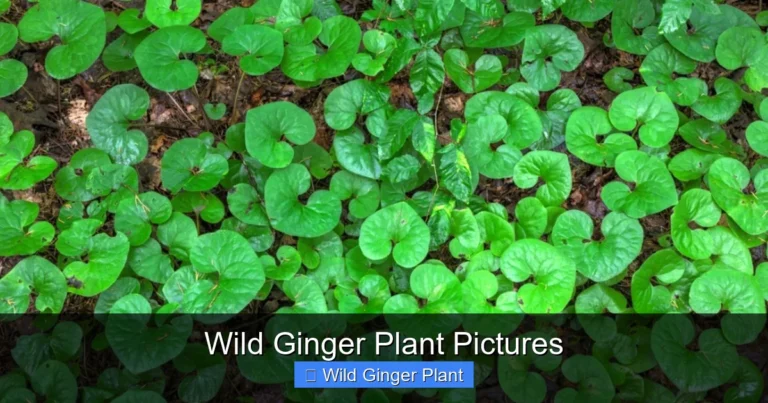
Today gardeners value wild ginger for its gorgeous heart-shaped leaves that stay green from spring through fall. It forms a dense weed-suppressing mat that looks tidy without any trimming. The flowers are unusual. They sit right on the ground hidden under the foliage. They are deep burgundy or brownish-purple and shaped like little jugs. Pollinators like beetles and flies crawl inside them. You rarely see the flowers unless you get down on your knees and move the leaves aside. That hidden quality makes finding them feel like a little treasure hunt each spring.
Choosing the Perfect Location
Light Requirements
Wild ginger is a true shade lover. In nature it grows under deciduous trees where it gets dappled sunlight in spring before the canopy fills in. Then it enjoys deep shade all summer. Your garden should mimic this pattern. Full shade works beautifully. Partial shade with morning sun and afternoon protection is also fine. Avoid hot afternoon sun especially in southern zones. The leaves will scorch and turn crispy at the edges. If you only have deep shade from buildings or evergreen trees, wild ginger will still grow but it may spread more slowly.
Visual guide about Wild Ginger Planting Guide
Image source: miklix.com
Soil Conditions
The ideal soil is rich, loose, and full of organic matter. Think forest floor. Decades of fallen leaves breaking down create the perfect texture. Wild ginger wants soil that holds moisture but drains well. It does not want to sit in standing water. Heavy clay can work if you amend it generously with compost and leaf mold. Sandy soil needs lots of organic matter added to help it retain water. The pH should be slightly acidic to neutral, roughly 5.5 to 7.0. A simple soil test from your extension office will tell you exactly where you stand.
Moisture Needs
Consistent moisture is the secret to success. Wild ginger grows along stream banks and in moist woodlands. It does not tolerate drought well. If your site dries out in summer, you will need to water regularly. A location near a downspout, in a natural depression, or at the edge of a woodland garden where soil stays damp is ideal. If you have an irrigation system, include this area on a shade zone with longer, slower watering cycles.
Preparing the Planting Area
Clearing Existing Vegetation
Start by removing grass, weeds, and aggressive groundcovers like English ivy or periwinkle. These will outcompete young wild ginger plants. Hand pulling works for small areas. For larger patches, sheet mulching is easier and better for soil health. Lay down cardboard or several layers of newspaper. Wet it thoroughly. Cover with three to four inches of wood chips or shredded leaves. Wait a few months. The grass underneath dies and decomposes. You end up with beautiful loose soil full of worm castings.
Visual guide about Wild Ginger Planting Guide
Image source: theplantbible.net
Amending the Soil
Once the area is clear, loosen the top eight to ten inches of soil with a garden fork. Do not use a rototiller. It destroys soil structure and chops up earthworms. Work in two to three inches of compost. Add leaf mold if you have it. Leaf mold is partially decomposed leaves. It holds water like a sponge and feeds beneficial fungi. If your soil is heavy clay, mix in some coarse sand or fine pine bark along with the compost. This improves drainage. Rake the bed smooth. Water it well and let it settle for a day or two before planting.
Creating a Woodland Edge Feel
Wild ginger looks most natural when planted in drifts along a woodland path or under trees. Consider adding some companion plants at the same time. Good partners include foamflower (Tiarella), wild geranium (Geranium maculatum), Solomon’s seal (Polygonatum), and native ferns like Christmas fern or lady fern. Spring ephemerals like Virginia bluebells and trillium bloom early then go dormant. Wild ginger fills in after they fade. This layering creates four seasons of interest.
Planting Wild Ginger Step by Step
When to Plant
Spring and fall are both excellent times. Spring planting gives roots a full growing season to establish before winter. Aim for early spring as soon as the soil can be worked. Fall planting works well too, especially in zones 6 and warmer. Plant at least six weeks before your average first frost date. This gives roots time to anchor before the ground freezes. Summer planting is possible but requires diligent watering. Avoid planting during heat waves.
Spacing and Layout
Space plants twelve to eighteen inches apart. Closer spacing fills in faster but costs more. Wider spacing saves money but takes longer to form a solid mat. For a natural look, avoid straight rows. Stagger plants in a triangular pattern. Imagine the five dots on a die. That spacing creates a more organic drift. If you are planting a large area, start at the center and work outward. This prevents stepping on newly planted sections.
Planting Technique
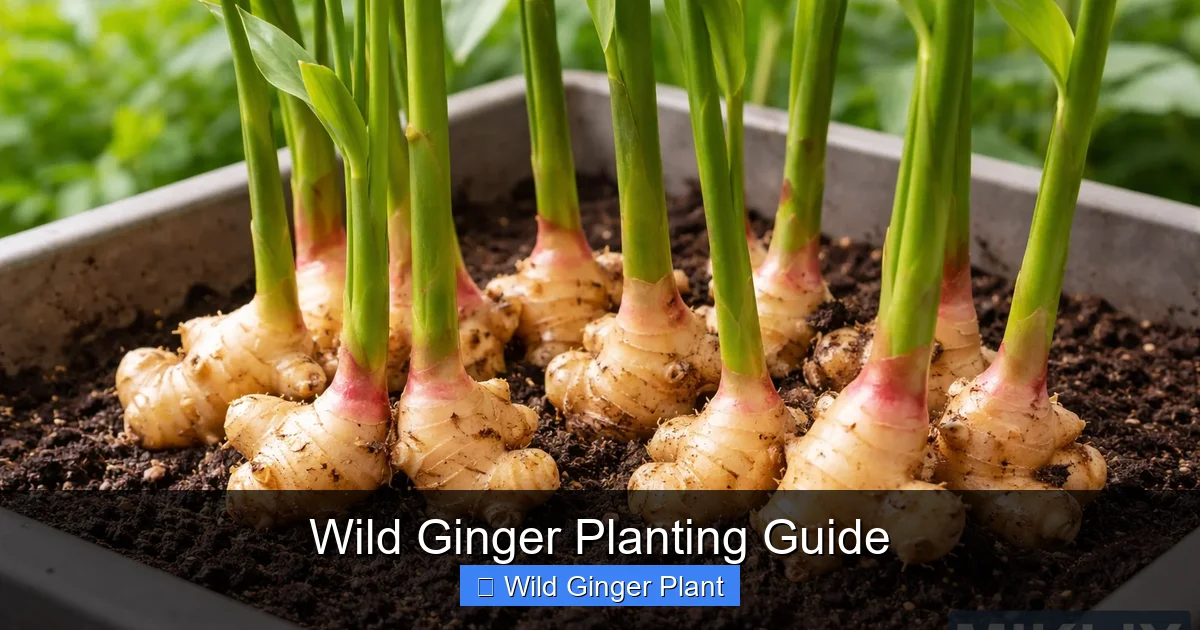
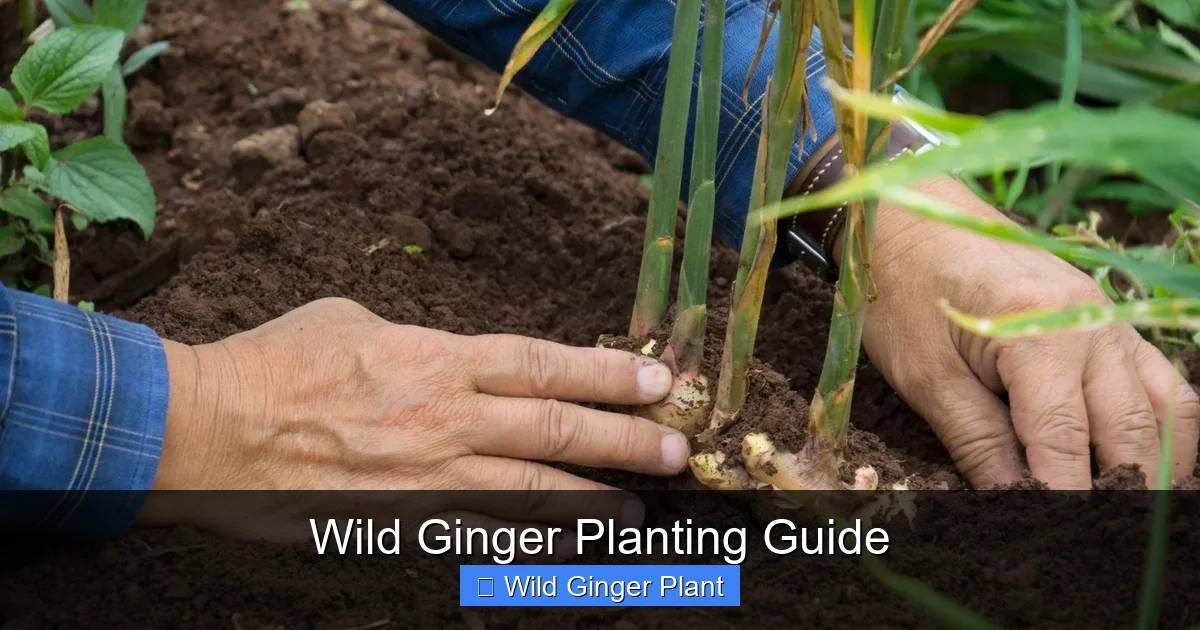
Dig a hole twice as wide as the root ball and just as deep. Gently remove the plant from its pot. If roots are circling the bottom, tease them apart with your fingers. Place the plant in the hole so the crown sits at soil level. The crown is where stems meet roots. Planting too deep causes rot. Planting too shallow exposes roots. Backfill with the amended soil. Firm it gently with your hands. Do not stomp with your feet. Water thoroughly to settle soil and eliminate air pockets.
Mulching After Planting
Apply two to three inches of shredded leaves, pine straw, or fine wood mulch. Keep mulch pulled back slightly from the crowns. Wet mulch against stems encourages rot. Leaf mulch is ideal because it breaks down into the rich humus wild ginger loves. If you use wood chips, choose aged fines rather than fresh large chunks. Fresh chips can tie up nitrogen as they decompose. Water the mulch layer well so it settles and makes good contact with the soil.
First Year Care and Establishment
Watering Schedule
The first year is all about roots. Water deeply twice a week if there is no rain. Deep means soaking the soil to a depth of six inches. Stick your finger in the soil to check. Frequent shallow watering encourages shallow roots. Those plants will struggle in dry spells. A soaker hose or drip irrigation on a timer makes this easy. Reduce watering in fall as temperatures drop. Stop when the ground freezes.
Weed Management
Weeds are the biggest threat to young wild ginger. The plants grow slowly at first. Weeds grow fast. Hand pull weeds weekly while they are small. Do not use a hoe or cultivator. Wild ginger rhizomes run just below the surface. A hoe slices right through them. The thick mulch layer you applied at planting helps suppress weeds. Top it up as it breaks down. Once the wild ginger forms a dense mat, usually by year three, it shades out most weeds on its own.
Fertilizing Needs
Wild ginger rarely needs fertilizer if you prepared the soil well. Too much nitrogen produces lush leaves but weak roots. If growth seems slow or leaves look pale in the second year, apply a light top dressing of compost in early spring. Scatter a half inch around plants and water it in. Alternatively, use a slow-release organic fertilizer with a balanced ratio like 5-5-5. Apply at half the recommended rate. Never use synthetic liquid fertilizers. They can burn the shallow roots.
Monitoring for Problems
Watch for slugs and snails in wet springs. They love the tender new leaves. Beer traps, diatomaceous earth, or hand picking at night with a flashlight keep them in check. Deer and rabbits occasionally browse wild ginger but it is not a favorite. If you have heavy pressure, spray new growth with a repellent in early spring. Fungal leaf spots sometimes appear in very wet, humid summers. Improve air circulation by thinning nearby plants. Remove badly affected leaves. The plant usually outgrows the damage.
Long-Term Maintenance
Seasonal Care Calendar
Spring is the busy season. Remove any winter-killed leaves in early spring before new growth emerges. Apply fresh mulch if the layer has thinned. Watch for the hidden flowers in April or May. They are easy to miss. Summer requires watering during dry spells. Check soil moisture weekly. Fall is a good time to add a layer of shredded leaves. They break down over winter and feed the soil. Winter care is minimal. The leaves are semi-evergreen. They may look tattered by late winter but they protect the crowns. Leave them until spring cleanup.
Dividing Established Patches
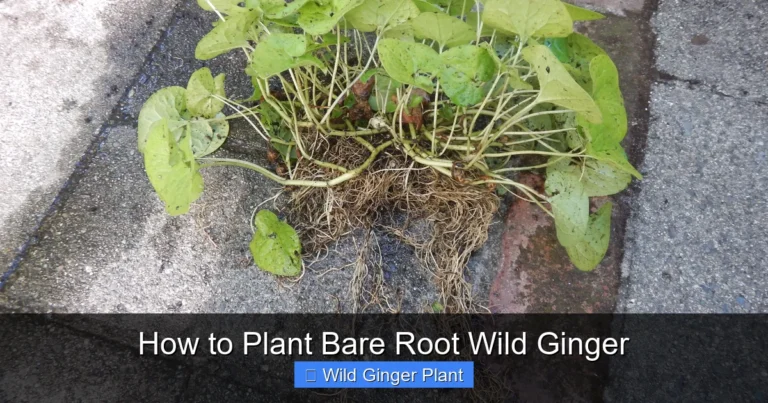
After three to four years, the center of a clump may thin out. Growth becomes less vigorous. This is the perfect time to divide. Early spring is best, just as new growth starts. Fall works too. Dig up the entire clump with a garden fork. Shake off loose soil. You will see thick rhizomes running horizontally. Use a sharp knife or your hands to separate sections. Each division needs at least one growing point with roots attached. Replant immediately at the same depth. Water well. Share extras with friends or start a new patch.
Managing Spread
Wild ginger spreads by rhizomes. It is not aggressive like mint or bamboo. It creeps slowly, maybe six to twelve inches per year. If it reaches a boundary you want to maintain, simply dig up the advancing rhizomes. They are shallow and easy to remove. You can also install a subtle barrier. Bury a strip of metal or plastic edging six inches deep. This keeps it contained without looking obvious. In a woodland setting, let it roam. It will naturally stop at dry areas or dense tree roots.
Propagating More Plants
Division Method
Division is the fastest and most reliable way to get more plants. We covered the basics above. For maximum yield, divide in early spring. Pot up divisions in four-inch pots with good potting mix. Keep them in a shaded cold frame or protected porch for a few weeks. Water regularly. Once you see new roots coming out the drainage holes, they are ready for the garden. This method gives you larger plants that establish faster than seed-grown ones.
Growing from Seed
Growing wild ginger from seed requires patience. The seeds have a double dormancy. They need a warm moist period followed by a cold moist period. In nature, seeds ripen in early summer. They sit in warm soil all summer. Winter provides the cold period. They germinate the following spring. You can mimic this. Collect seeds when the capsules split open in early summer. Sow immediately in pots of moist seed-starting mix. Place pots in a plastic bag. Keep at room temperature for sixty to ninety days. Then move to the refrigerator for sixty to ninety days. Finally, move to a cool bright spot. Germination is erratic. Seedlings take two to three years to reach planting size. It is rewarding but slow.
Root Cuttings
Root cuttings work well in late winter when plants are dormant. Dig up a section of rhizome. Cut into two-inch pieces. Each piece should have at least one node or bud. Lay horizontally in a tray of moist sand and peat mix. Cover with half an inch of mix. Keep cool and moist. New shoots appear in four to eight weeks. Pot up individually. This method produces many plants from a small amount of root material.
Design Ideas for Wild Ginger
Woodland Garden Carpet
Plant wild ginger in sweeping drifts under deciduous trees. Mix with native sedges like Carex pensylvanica for texture contrast. Add spring bulbs that naturalize. Snowdrops, scilla, and species tulips bloom through the ginger leaves. The ginger hides the bulb foliage as it dies back. This creates a dynamic planting that changes through the seasons. The ginger provides the constant green backbone.
Shady Border Edging
Use wild ginger to line a shady path or border edge. Its low height (six to twelve inches) keeps sightlines open. The heart-shaped leaves create a soft, flowing edge. Plant in a single row twelve inches apart for a defined line. Or plant a double staggered row for a fuller look faster. It softens hard edges of stone or pavers beautifully. Foot traffic right next to it is fine. The leaves spring back.
Rain Garden Transition Zone
Wild ginger works in the mesic (moderately moist) zone of a rain garden. Not the deepest wet center, but the sloping sides that stay damp. Pair it with cardinal flower, great blue lobelia, and swamp milkweed for height and color. The ginger covers the ground between taller plants. It prevents erosion on the slopes. Its dense roots hold soil during heavy rains.
Container Culture
You can grow wild ginger in containers. Choose a wide shallow pot. At least eighteen inches wide and ten inches deep. Use a high-quality potting mix with extra compost added. Place in full shade. Water frequently. Containers dry out faster than ground soil. Fertilize lightly once in spring with slow-release organic fertilizer. Repot every two to three years in early spring. Divide at the same time. This lets you enjoy wild ginger on a shaded patio or balcony.
Common Questions About Wild Ginger
Is Wild Ginger Edible?
The rhizomes have a ginger-like flavor and were used historically as a spice. However, they contain aristolochic acid which can damage kidneys with long-term use. Modern herbalists generally advise against consuming it. The leaves are not eaten. Enjoy it for its beauty and ecological value instead. If you want culinary ginger, grow Zingiber officinale in a pot.
Does Wild Ginger Attract Pollinators?
Yes, but not the showy ones. The ground-level flowers are pollinated by small beetles, flies, and ants. They crawl inside the jug-shaped blooms. You will not see bees or butterflies visiting them. However, wild ginger provides excellent habitat. The dense foliage shelters beneficial insects, amphibians, and small mammals. It is a keystone groundcover in the woodland ecosystem.
Why Is My Wild Ginger Not Spreading?
Several factors slow spread. Too much sun. Too little water. Poor soil with low organic matter. Competition from tree roots. Heavy foot traffic. Very young plants (under two years) focus on root growth. Give it time. Check soil moisture. Add leaf mulch. If tree roots are the issue, try planting in pockets of amended soil between major roots. Or use containers sunk into the ground.
Can Wild Ginger Grow Under Pine Trees?
Yes, but with caveats. Pine needles create acidic conditions wild ginger tolerates well. The challenge is dry shade. Pine trees have dense shallow roots that suck up water. You will need to water more frequently. A thick layer of pine needle mulch helps. Deciduous trees are easier because their leaves decompose faster and enrich the soil. But wild ginger can thrive under pines with extra attention to moisture.
What Is the Difference Between Wild Ginger and European Ginger?
European ginger (Asarum europaeum) is a similar-looking species from Europe. It has glossier, darker green leaves that are more leathery. It stays evergreen in milder winters. Wild ginger (Asarum canadense) has matte, lighter green leaves that are softer. It is deciduous to semi-evergreen. European ginger spreads more slowly. Both make excellent groundcovers. European ginger is often sold in nurseries. Make sure you know which you are buying if native status matters to you.
How Do I Control Weeds in Established Wild Ginger?
Once established, wild ginger suppresses most weeds. For persistent weeds like garlic mustard or Japanese stiltgrass, hand pull carefully. Grasp low and pull slowly to get roots. Do not disturb the ginger rhizomes. Spot treat tough perennial weeds with a foam herbicide applicator. This applies product only to target leaves. Never spray. Drift will damage the ginger. Prevention is best. Maintain the mulch layer. Remove weeds before they seed.
Conclusion
Wild ginger is one of those plants that asks for little and gives back abundantly. Once you find the right shady spot and get it established, it essentially takes care of itself. The glossy heart-shaped leaves create a living mulch that builds soil, holds moisture, and shelters countless tiny creatures. Spring brings the secret thrill of discovering those hidden jug flowers. Fall reveals a carpet that stays green long after other perennials have faded.
Whether you are restoring a woodland edge, edging a shady path, or simply filling that difficult bare spot under the maple tree, wild ginger belongs in your garden. Start with a few plants. Prepare the soil well. Water faithfully the first year. Then step back and watch. In a few seasons you will have a lush native groundcover that connects your garden to the ancient rhythms of the forest floor. That is a pretty wonderful thing to grow.
Frequently Asked Questions
Is wild ginger invasive?
No, wild ginger is not invasive. It spreads slowly by rhizomes at a rate of about 6-12 inches per year. It forms a well-behaved colony that is easy to control by digging out unwanted edges.
What growing zones support wild ginger?
Wild ginger (Asarum canadense) is hardy in USDA zones 3 through 8. It thrives in the cooler climates of its native eastern North American range.
Do I need to cut back wild ginger in fall?
No, leave the foliage through winter. The semi-evergreen leaves protect the crowns and provide habitat. Remove tattered leaves in early spring before new growth emerges.
Why are my wild ginger leaves turning yellow?
Yellowing usually indicates too much sun, insufficient water, or nutrient-poor soil. Check that the site receives full to partial shade, water deeply, and amend with compost and leaf mulch.
Can wild ginger grow in containers?
Yes, use a wide shallow pot (18+ inches wide) with rich potting mix. Place in full shade, water frequently, and repot every 2-3 years in early spring.
Are wild ginger flowers showy?
The flowers are unique but not showy. They are jug-shaped, burgundy-brown, and bloom at ground level hidden beneath the foliage in early spring. You must move leaves aside to see them.