Wild Ginger Planting Distance
Wild ginger planting distance should be 12 to 18 inches apart for optimal ground cover. Proper spacing ensures good air flow, reduces disease risk, and allows rhizomes to spread naturally. Plant in rich, moist shade for best results.
Key Takeaways
- Standard spacing: Plant wild ginger 12 to 18 inches apart for healthy colonies.
- Faster coverage: Use 10 to 12 inch spacing if you want quick ground cover fill-in.
- Air circulation matters: Proper distance prevents fungal issues like root rot.
- Rhizome growth: Plants spread underground; spacing accommodates natural expansion.
- Soil depth counts: Plant rhizomes just below the surface, not deep.
- Shade is essential: Wild ginger thrives in dappled to full shade only.
- Divide every few years: Overcrowded patches benefit from division in early spring.
Quick Answers to Common Questions
What is the ideal wild ginger planting distance?
Space wild ginger plants 12 to 18 inches apart for optimal growth and ground cover formation.
Can I plant wild ginger closer for faster coverage?
Yes, 10 to 12 inch spacing works for quick fill but monitor for airflow issues and thin if needed.
How deep should I plant wild ginger rhizomes?
Plant rhizomes horizontally and cover with only 1/2 to 1 inch of soil; they should sit near the surface.
Does wild ginger need full shade?
Yes, wild ginger requires dappled to full shade; afternoon sun will scorch leaves and stress plants.
When is the best time to divide wild ginger?
Divide in early spring before leaves unfurl, typically every 4 to 6 years to renew vigor.
📑 Table of Contents
- Why Wild Ginger Planting Distance Matters
- Understanding Wild Ginger Growth Habits
- Recommended Spacing Guidelines
- Site Preparation Before Planting
- Step by Step Planting Process
- Care During Establishment
- Managing Mature Patches
- Design Ideas Using Wild Ginger
- Common Mistakes to Avoid
- Wild Ginger vs. Lookalikes
- Seasonal Calendar for Success
- Propagation Beyond Division
- Ecological Benefits of Proper Spacing
- Buying Healthy Starts
- Troubleshooting Guide
- Conclusion
Why Wild Ginger Planting Distance Matters
You found a shady spot. You bought healthy wild ginger plants. Now you wonder how far apart to set them. Good question. Wild ginger planting distance decides how fast your bed fills in. It also affects plant health. Too close and you invite rot. Too far and weeds take over. Let us walk through the sweet spot together.
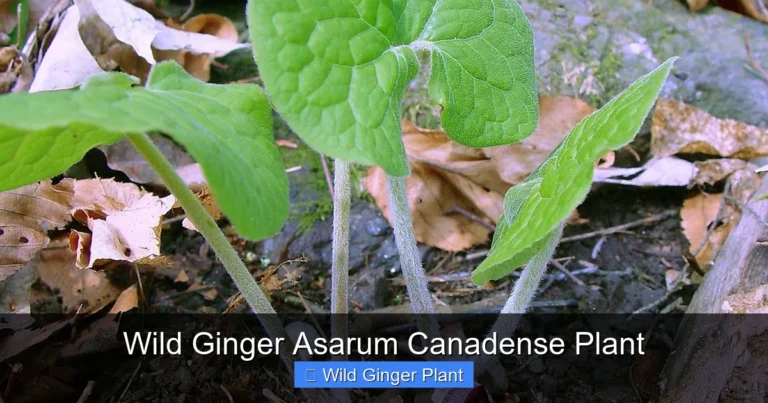
Wild ginger (Asarum canadense) is a native woodland perennial. It spreads by underground rhizomes. Each plant sends out horizontal stems just under the soil. New shoots pop up along the way. Over time a single plant becomes a colony. Spacing at planting time guides that process. It sets the stage for years of low maintenance beauty.
Understanding Wild Ginger Growth Habits
Rhizomes Not Roots
First, know what you are planting. Wild ginger does not have a deep taproot. It grows from a fleshy rhizome. This rhizome creeps horizontally. It sits right at or just below the soil surface. Buds form along its length. Each bud can become a new leaf pair. This is how the plant colonizes an area.
Visual guide about Wild Ginger Planting Distance
Image source: housedigest.com
Because of this habit, wild ginger planting distance is really about rhizome real estate. You are giving each starter rhizome room to run. If you pack them tight, rhizomes bump into each other fast. That leads to congestion. Congestion traps moisture. Moisture breeds fungus.
Leaf Canopy Spread
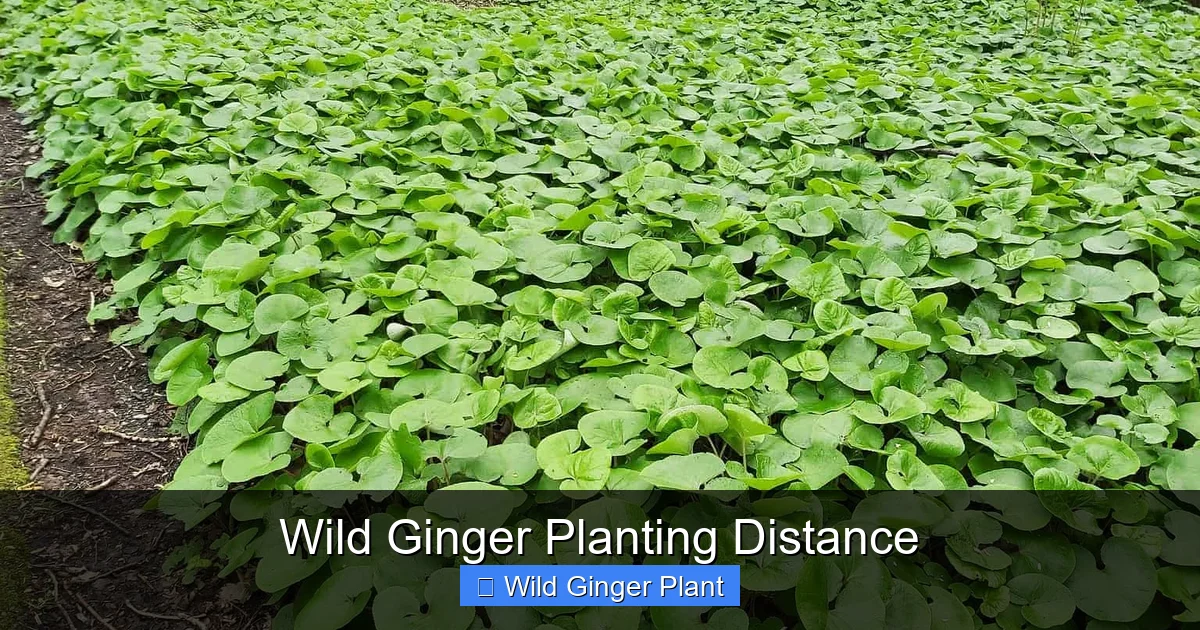
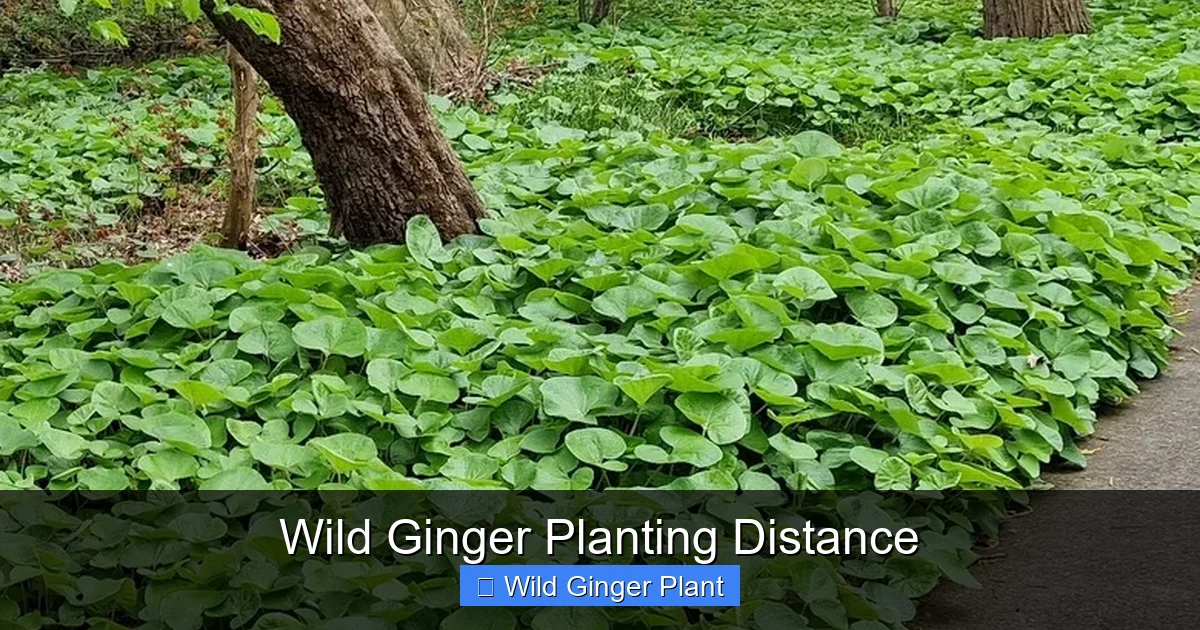
Above ground, each plant makes a pair of heart shaped leaves. They rise on short stems. A mature plant spans about 6 to 12 inches across. The leaves overlap to form a dense mat. That mat suppresses weeds. It also keeps soil cool and moist. But the mat needs time to knit together. Spacing controls that timeline.
Recommended Spacing Guidelines
The Goldilocks Range: 12 to 18 Inches
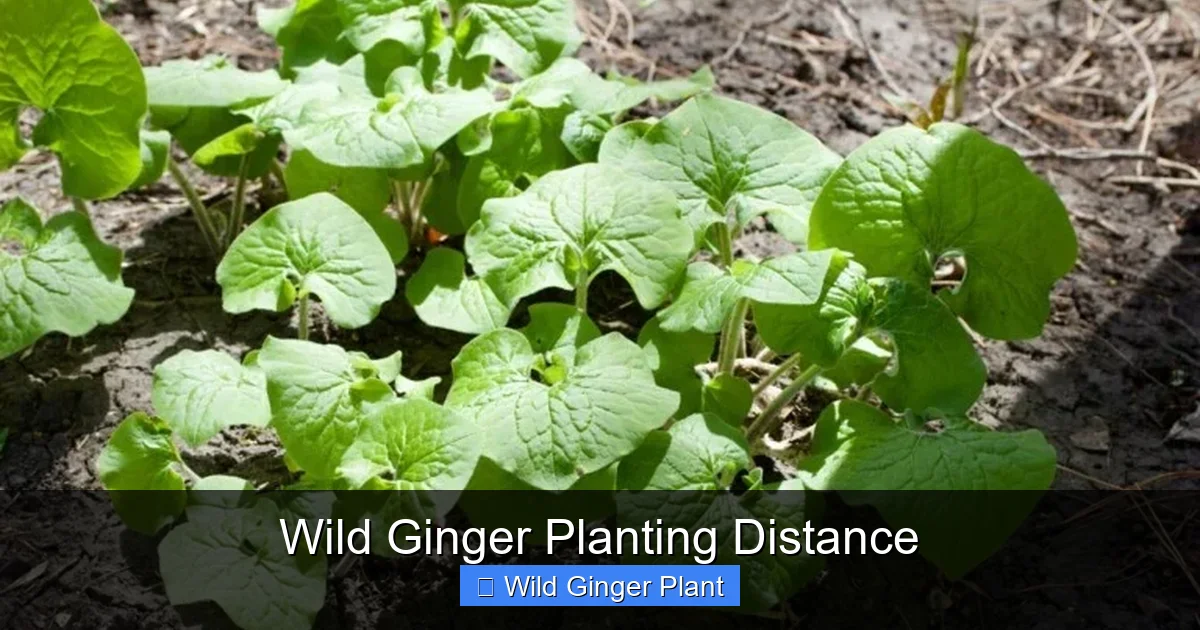
Most extension services and native plant nurseries agree. Space plants 12 to 18 inches apart on center. That means measure from the center of one plant to the center of the next. At 12 inches, the bed fills in fast. You see solid coverage in two growing seasons. At 18 inches, it takes three to four years. Both work. Choose based on patience and budget.
Visual guide about Wild Ginger Planting Distance
Image source: epicgardening.com
When to Go Tighter: 10 to 12 Inches
Want a living mulch fast? Plant at 10 to 12 inches. This works well for small areas. Think under a single tree or along a shady path. You buy more plants upfront. But you skip years of weeding between gaps. Just watch for airflow. Thin any crowded spots in year three.
When to Go Wider: 18 to 24 Inches
Large woodland restoration projects often use wider spacing. Budget drives the decision. At 18 to 24 inches, plants still meet eventually. You just accept a longer establishment phase. Mulch heavily between plants. Use shredded leaves or pine fines. Mulch holds moisture and stops weeds while rhizomes travel.
Site Preparation Before Planting
Choose the Right Shade
Wild ginger grows in deciduous forests. It gets spring sun before trees leaf out. Then it enjoys deep shade all summer. Your site should mimic this. Dappled shade under mature trees is perfect. North side of a building works too. Avoid hot afternoon sun. It scorches leaves and dries rhizomes.
Soil Texture and Organic Matter
These plants love rich, loose soil. Think forest duff. If your soil is heavy clay, amend it. Mix in 3 to 4 inches of compost or leaf mold. Work it into the top 6 inches. Sandy soil also needs organic matter. It helps hold moisture. The goal is a spongy bed that drains but stays damp.
Remove Competition
Clear all grass and weeds. Do not just till them in. Many weeds regrow from fragments. Hand pull or smother with cardboard for a month. Then plant into clean soil. This step saves hours of weeding later. Young wild ginger cannot outcompete aggressive grasses.
Step by Step Planting Process
Timing: Spring or Fall
Plant in early spring as soil warms. Or plant in early fall, six weeks before hard frost. Both give roots time to settle. Summer planting works only with diligent watering. Winter planting fails in frozen ground.
Layout Your Grid
Use a tape measure and stakes. Mark rows 12 to 18 inches apart. Stagger plants in a diamond pattern. This covers ground faster than straight rows. Imagine the five on a die. That offset layout maximizes space use.
Planting Depth Is Critical
Dig a shallow trench or individual holes. Lay the rhizome horizontally. Cover with just 1/2 to 1 inch of soil. The top of the rhizome should barely show or sit just under the surface. Do not bury deep. Deep planting smothers buds. Water gently to settle soil around the rhizome.
Mulch Immediately
Apply 2 inches of shredded leaves. Keep mulch off the crown. Mulch mimics forest litter. It holds moisture, feeds soil life, and prevents crusting. Replenish mulch each fall. It is the single best thing you do for long term health.
Care During Establishment
Water Consistently
First season is critical. Soil must never dry out completely. Check every few days. Water deeply when the top inch feels dry. A soaker hose on a timer works well. Aim for 1 inch of water per week including rain. Established plants tolerate brief dry spells. New ones do not.
Weed Early and Often
Weeds steal moisture and light. Pull them when small. Disturb soil as little as possible. Wild ginger rhizomes sit near the surface. A hoe can slice them. Hand pulling is safer. Mulch reduces weed pressure dramatically.
Fertilize? Usually Not Needed
Rich organic soil feeds the plant. Skip synthetic fertilizer. It encourages weak, floppy growth. If soil is poor, top dress with 1 inch of compost in spring. That is all. Wild ginger evolved in lean forest soils. It does not need high nitrogen.
Managing Mature Patches
Division Renews Vigor
After 4 to 6 years, centers may thin out. Rhizomes exhaust local nutrients. Divide in early spring before leaves unfurl. Dig up a clump. Tease apart rhizomes. Replant healthy pieces at standard wild ginger planting distance. Discard woody centers. Water well. Divisions establish fast.
Edging Controls Spread
Wild ginger is polite. It does not run like mint. But over decades it migrates. Install a shallow barrier if it nears a lawn or path. Plastic edging sunk 4 inches works. Or just dig out runners once a year. Easy control.
Pest and Disease Watch
Slugs sometimes nibble leaves. Beer traps or diatomaceous earth help. Fungal leaf spot appears in stagnant air. Proper wild ginger planting distance prevents this. If spots appear, remove affected leaves. Improve airflow. Avoid overhead watering.
Design Ideas Using Wild Ginger
Understory Carpet
Plant en masse under native trees. Pair with ferns, foamflower, and woodland phlox. The ginger provides evergreen structure. Spring ephemerals bloom through it. Fall color comes from companion plants. It is a four season matrix.
Shady Path Edging
Line a stepping stone path. Space plants 12 inches apart. They soften hard edges. Leaves release a ginger scent when brushed. It engages senses. Low height keeps sight lines clear.
Rain Garden Transition Zone
Use wild ginger on the shady edge of a rain garden. It tolerates moist soil. It filters runoff. Roots stabilize banks. Just ensure the crown stays above standing water. It handles wet feet, not submerged crowns.
Common Mistakes to Avoid
Planting Too Deep
This is the number one killer. Buried rhizomes rot. Buds cannot push through heavy soil. Remember: barely cover. You should almost see the rhizome.
Full Sun Exposure
Even with moisture, sun burns leaves. Plants stunt and decline. Choose shade. No exceptions.
Skipping Mulch
Bare soil crusts. Weeds explode. Rhizomes dry out. Mulch is not optional. It is part of the system.
Impatient Spacing
Planting at 6 inches seems faster. It backfires. Crowding causes rot. You lose plants. Then you have gaps anyway. Trust the 12 to 18 inch rule.
Wild Ginger vs. Lookalikes
European Wild Ginger
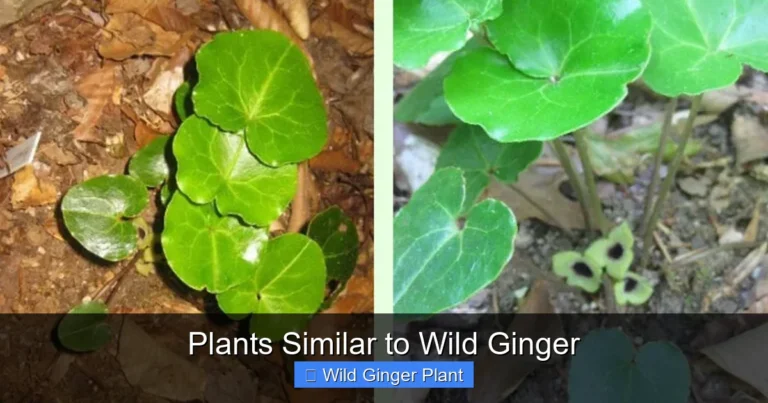
Asarum europaeum looks similar. It is evergreen and glossier. Spacing is the same. But it is not native to North America. Choose native Asarum canadense for ecological value.
Heartleaf Ginger
Hexastylis species are also called wild ginger. They are slower, clumpier, and often evergreen. Space them 8 to 12 inches. They do not run as aggressively.
True Ginger
Culinary ginger (Zingiber officinale) is tropical. It needs heat and a long season. Not a woodland ground cover. Do not confuse them.
Seasonal Calendar for Success
Early Spring
Divide crowded patches. Plant new starts. Apply fresh mulch. Watch for slugs.
Late Spring
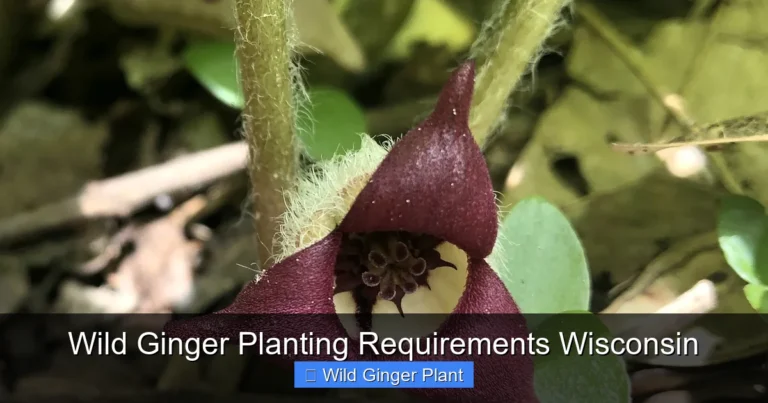
Flowers appear at ground level. They are hidden but fascinating. Pollinated by beetles and flies. Do not disturb.
Summer
Water during drought. Weed monthly. Enjoy the cool green carpet.
Fall
Leaves may yellow in dry years. That is normal. Add leaf mulch. Plant new divisions if soil is warm.
Winter
Leaves persist in mild zones. They flatten under snow. No care needed. Dream of spring.
Propagation Beyond Division
Seed Takes Patience
Ants disperse seeds. You can collect them. Sow fresh in pots. Keep moist and cold stratify. Germination takes months. Seedlings take 3 years to mature. Division is faster.
Rhizome Cuttings
Cut 2 inch rhizome sections with a bud. Lay horizontally in moist potting mix. Cover lightly. Keep humid. Pot up when leaves appear. This works well for large projects.
Ecological Benefits of Proper Spacing
Pollinator Support
Dense colonies produce more flowers. More flowers feed more early insects. Spring pollinators need every bloom. Your spacing choice ripples through the food web.
Soil Building
Leaf litter accumulates under the canopy. Earthworms thrive. Fungi network expands. Carbon sequesters. A well spaced patch becomes a soil factory over time.
Erosion Control
Rhizomes knit soil on slopes. Leaves break raindrop impact. Proper wild ginger planting distance ensures continuous coverage. No bare spots for gullies to start.
Buying Healthy Starts
Bare Root vs. Potted
Bare root is cheaper. Plant immediately upon arrival. Soak 1 hour first. Potted plants offer instant gratification. Cost more. Both work if handled right.
What to Look For
Firm, plump rhizomes. No mushy spots. At least one visible bud. Green leaf shoots are a bonus. Avoid dried out or moldy stock.
Source Locally
Local ecotypes adapt best. Ask your native plant nursery for seed source. Plants from your region handle your climate extremes.
Troubleshooting Guide
Leaves Yellow and Wilt
Check soil moisture. Too dry? Water. Too wet? Improve drainage. Check for vole damage. They eat rhizomes.
Patch Thinning in Center
Classic sign of age. Divide and replant edges. Discard center. Amend soil with compost.
Holes in Leaves
Slugs or snails. Hunt at night with flashlight. Use iron phosphate bait. Safe for pets.
White Powder on Leaves
Powdery mildew. Thin plants. Improve air flow. Water at base only. Remove worst leaves.
Conclusion
You now know the why and how of wild ginger planting distance. Twelve to eighteen inches. Shallow planting. Rich shade. Mulch always. These simple rules yield a lifetime of carefree ground cover. Your woodland garden will thank you. The pollinators will thank you. And you will smile every time you walk that shady path and smell the spicy scent of crushed leaves. Happy planting.
Frequently Asked Questions
What happens if I plant wild ginger too close together?
Overcrowding reduces air circulation, traps moisture, and increases risk of fungal diseases like root rot and powdery mildew. Plants compete for nutrients and the center of the patch may die out prematurely.
Can wild ginger grow in dry shade?
Wild ginger prefers consistently moist soil. It tolerates brief dry periods once established but will decline in permanently dry shade. Amend soil with organic matter and mulch heavily to retain moisture.
Is wild ginger invasive?
No, native wild ginger (Asarum canadense) spreads slowly by rhizomes and is not considered invasive. It forms polite colonies and is easily controlled by edging or occasional division.
Do I need to fertilize wild ginger?
Fertilizer is rarely needed. Wild ginger thrives in humus-rich woodland soil. An annual top-dressing of compost or leaf mold in spring provides all necessary nutrients.
Why are my wild ginger leaves turning yellow?
Yellowing usually indicates moisture stress (too wet or too dry), poor drainage, or natural aging of the patch center. Check soil moisture and consider division if the center is thinning.
Can I grow wild ginger from seed?
Yes, but it requires cold stratification and takes 2 to 3 years to reach planting size. Division or rhizome cuttings are much faster and more reliable for gardeners.