Wild Ginger California Native Plant
Wild ginger California native plant thrives in shady, moist woodlands and adds a lush, aromatic ground cover to native gardens. It spreads slowly, forming a dense mat that suppresses weeds and supports pollinators.
Welcome to a friendly guide about the wild ginger california native plant. This plant is a quiet star in shady gardens. It brings soft texture and a sweet scent.
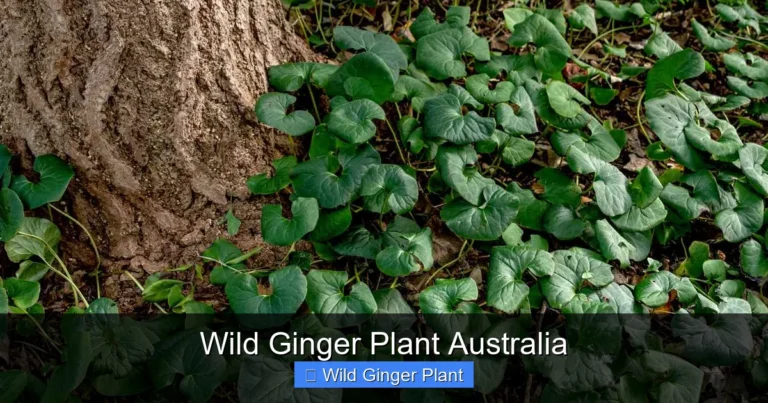
Many gardeners first notice the heart shaped leaves. The leaves stay green all year in mild climates. The plant spreads slowly by underground stems.
Because it loves moisture, it fits well near streams or under redwoods. It also works in a woodland garden bed. You will enjoy its low care nature.
Key Takeaways
- Shade lover: Wild ginger California native plant prefers deep shade and moist soil.
- Low maintenance: Once established it needs little watering or fertilizing.
- Ground cover: It forms a thick mat that blocks weeds.
- Wildlife value: Flowers attract beetles and flies; foliage shelters small insects.
- Propagation: Divide rhizomes in early spring or sow fresh seed.
- Deer resistant: The aromatic leaves deter browsing.
- Native alternative: It replaces invasive ground covers in restoration projects.
Quick Answers to Common Questions
What type of light does wild ginger california native plant need?
It thrives in full shade and tolerates only brief morning sun.
How often should I water wild ginger california native plant?
Keep the soil consistently moist; water deeply once a week during dry periods.
Can I grow wild ginger california native plant from seed?
Yes, sow fresh seed in a cold frame; expect germination over several months.
Is wild ginger california native plant deer resistant?
Its aromatic foliage usually deters deer, but a fence helps in high pressure areas.
When is the best time to divide wild ginger california native plant?
Early spring before new growth emerges is ideal for division.
📑 Table of Contents
- What Is the wild ginger california native plant?
- Natural Habitat and Range of the wild ginger california native plant
- Growing Conditions and Care for the wild ginger california native plant
- Propagation Methods for the wild ginger california native plant
- Uses in the Garden and Landscape with the wild ginger california native plant
- Common Pests, Diseases, and Problems of the wild ginger california native plant
- Conclusion
What Is the wild ginger california native plant?
Basic description of the wild ginger california native plant
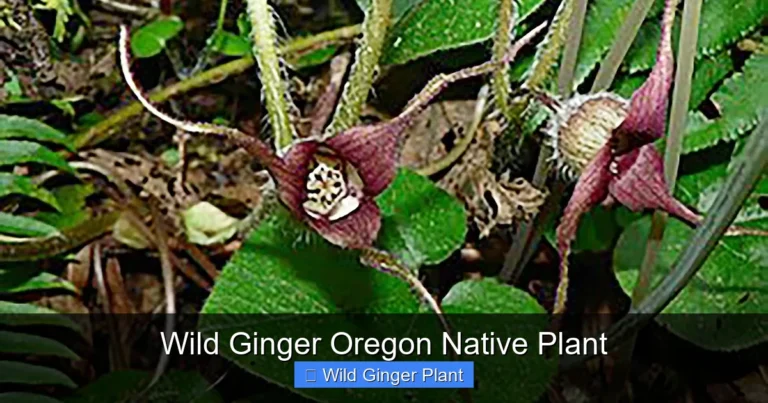
The wild ginger california native plant belongs to the Asarum genus. It is a perennial herb that grows close to the ground. The leaves are kidney shaped and glossy. The flowers hide beneath the foliage. They are small, brownish, and pollinated by beetles.
This species supports native insects. It also stabilizes soil on slopes. Gardeners value it for its evergreen carpet. It replaces invasive ivy in many restoration projects.
Botanical details of the wild ginger california native plant
The scientific name is Asarum caudatum. The plant forms a rhizome network just below the soil surface. Each rhizome produces a pair of leaves each spring. The flower has three sepals and no petals. The fruit is a capsule that splits open when ripe.
Leaves can reach six inches across. They have a faint ginger aroma when crushed. The plant is evergreen in coastal zones. In colder inland sites it may die back in winter.
Why the wild ginger california native plant matters
The wild ginger california native plant provides ground cover that reduces erosion. It creates habitat for salamanders and insects. Its flowers feed early season pollinators. The plant also stores carbon in its rhizomes.
Restoration crews use it to rebuild native understory. It competes well against non‑native grasses. It requires little input once established.
Natural Habitat and Range of the wild ginger california native plant
Coastal redwood forests for the wild ginger california native plant
You will find the wild ginger california native plant in coastal redwood forests. It thrives in the deep shade of towering trees. The soil stays damp from fog drip. The plant forms large colonies over time.
These colonies can span several meters. They create a continuous mat that holds leaf litter. The microclimate stays cool even in summer.
Inland canyon streams for the wild ginger california native plant
Inland canyons with seasonal streams also host this plant. It prefers north facing slopes. The microclimate stays cool and moist. Populations can be dense near seeps.
Rocky soils with organic pockets are ideal. The plant anchors itself in crevices. It tolerates occasional flooding.
Elevation range of the wild ginger california native plant
The wild ginger california native plant grows from sea level up to about four thousand feet. Higher sites have cooler temperatures. The plant adapts by growing slower.
At high elevations the growing season shortens. The rhizomes store energy for a quick spring flush. Snow cover protects the crowns.
Growing Conditions and Care for the wild ginger california native plant
Light requirements for the wild ginger california native plant
Full shade is best for the wild ginger california native plant. Dappled light works if the soil stays wet. Direct sun burns the leaves quickly.
Morning sun for an hour is tolerated. Afternoon shade is essential. Use a shade cloth if the site is too bright.
Soil preferences for the wild ginger california native plant
Rich, loamy soil with high organic matter suits the wild ginger california native plant. A pH between five point five and six point five is ideal. Add leaf mulch each fall to mimic forest floor.
Heavy clay can be amended with coarse sand. Raised beds improve drainage. Avoid compacted soils.
Watering needs for the wild ginger california native plant
Keep the soil consistently moist for the wild ginger california native plant. During dry summers water deeply once a week. Mulch reduces evaporation.
Rainwater is preferred. Avoid chlorinated tap water if possible. A soaker hose works well.
Fertilizing tips for the wild ginger california native plant
Fertilizer is rarely needed for the wild ginger california native plant. A light top dressing of compost in spring is enough. Too much nitrogen encourages weak growth.
Organic mulch supplies slow release nutrients. Skip synthetic fertilizers.
Propagation Methods for the wild ginger california native plant
Division of rhizomes for the wild ginger california native plant
Early spring is the perfect time to divide the wild ginger california native plant. Dig up a clump and separate the rhizomes. Replant each piece at the same depth. Water well after planting.
Each division should have at least one growing bud. Space divisions twelve inches apart. They will fill in within two seasons.
Seed sowing for the wild ginger california native plant
Collect fresh seeds in late summer from the wild ginger california native plant. Sow them in a cold frame immediately. They need a period of cold stratification. Germination can take several months.
Sow seeds on the surface of moist peat. Cover lightly with fine sand. Keep the frame shaded and moist.
Cuttings are not reliable for the wild ginger california native plant
Stem cuttings are not reliable for the wild ginger california native plant. The plant prefers rhizome division. Focus on division for best results.
If you try cuttings, use a rooting hormone. Success rates remain low.
Uses in the Garden and Landscape with the wild ginger california native plant
Ground cover under trees for the wild ginger california native plant
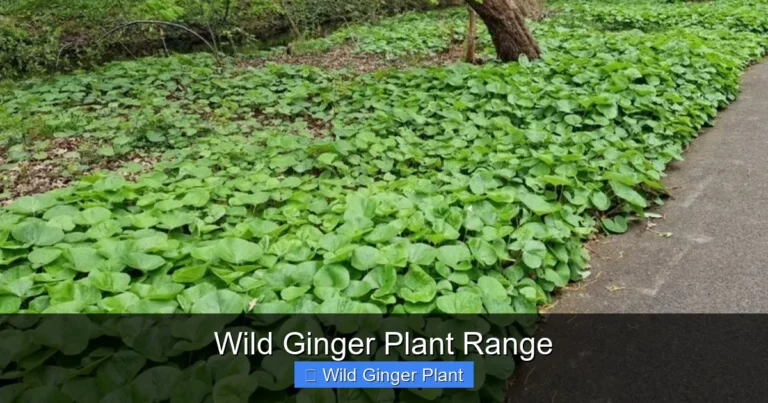
Plant the wild ginger california native plant beneath mature oaks or redwoods. It creates a living mulch that suppresses weeds. The foliage stays attractive year round.
Space plants eighteen inches apart for quick cover. The rhizomes knit together over time.
Woodland garden design with the wild ginger california native plant
Combine the wild ginger california native plant with ferns and trilliums. The mix mimics a natural forest floor. It adds texture and a subtle fragrance.
Layer taller shade perennials behind the ground cover. This creates depth and visual interest.
Erosion control on slopes with the wild ginger california native plant
On shaded slopes the wild ginger california native plant holds soil with its dense rhizome mat. It reduces runoff during heavy rains. It is a low cost, native solution.
Plant in staggered rows across the slope. Mulch between rows until established.
Common Pests, Diseases, and Problems of the wild ginger california native plant
Slugs and snails on the wild ginger california native plant
Slugs love the tender leaves of the wild ginger california native plant. Hand pick them at night or use copper tape. Diatomaceous earth also helps.
Beer traps work well in damp beds. Check daily during wet periods.
Fungal leaf spot on the wild ginger california native plant
Excess moisture without airflow can cause leaf spot on the wild ginger california native plant. Space plants for air circulation. Remove affected leaves promptly.
Apply a copper based fungicide if needed. Avoid overhead watering.
Root rot in the wild ginger california native plant
Waterlogged soil leads to root rot in the wild ginger california native plant. Ensure good drainage. Amend heavy clay with coarse sand or grit.
Raise planting beds if the site stays soggy. Monitor soil moisture with a probe.
Deer browsing of the wild ginger california native plant
Deer usually avoid the wild ginger california native plant because of its aromatic oils. In high pressure areas a simple fence works.
Repellent sprays can add extra protection. Rotate repellents to maintain effectiveness.
Conclusion
The wild ginger california native plant is a versatile, low maintenance native. It thrives in shade, stabilizes soil, and supports wildlife. Gardeners who want a natural look will love this plant. Try adding it to your next woodland project.
Remember to give it moist, rich soil and deep shade. Divide clumps every few years to keep vigor. Enjoy the quiet beauty it brings to the garden.
Frequently Asked Questions
What soil pH is best for wild ginger california native plant?
A slightly acidic soil with a pH between 5.5 and 6.5 provides optimal growth.
Does wild ginger california native plant flower every year?
It produces small hidden flowers each spring, though they are often overlooked.
How fast does wild ginger california native plant spread?
It spreads slowly, forming a dense mat over several years.
Can wild ginger california native plant tolerate drought?
It prefers constant moisture and will decline quickly in prolonged drought.
What companions work well with wild ginger california native plant?
Ferns, trilliums, and shade-tolerant native grasses make good partners.
Is wild ginger california native plant invasive?
No, it is a well-behaved native that stays within its planted area.