Wild Ginger Edible Plant
Wild ginger edible plant is a low‑growing forest herb prized for its aromatic rhizomes. It can be foraged in shady woodlands across North America and used fresh or dried in teas, syrups, and savory dishes. Proper identification and moderation are key to safe enjoyment.
Key Takeaways
- Identification: Look for heart‑shaped leaves and a single, bell‑shaped flower near the ground.
- Habitat: The wild ginger edible plant thrives in moist, deciduous forests with rich leaf litter.
- Harvest time: Early spring gives the most tender rhizomes before the plant flowers.
- Preparation: Wash rhizomes thoroughly, peel the outer skin, and slice thinly for cooking.
- Flavor profile: It offers a warm, peppery ginger taste without the heat of true ginger.
- Safety: Never confuse it with toxic look‑alikes; always verify with a field guide.
Quick Answers to Common Questions
What does the wild ginger edible plant taste like?
It tastes warm and peppery, similar to ginger but milder and less spicy.
When is the best time to harvest wild ginger edible plant?
Early spring, before the flower appears, yields the most tender rhizomes.
Can I eat wild ginger edible plant raw?
Yes, thin slices can be eaten raw, but cooking mellows the flavor and reduces any irritants.
How do I tell wild ginger edible plant from poison ivy?
Poison ivy has three leaflets; wild ginger edible plant has a pair of heart‑shaped leaves and a ginger scent.
Is wild ginger edible plant safe for pregnant women?
Pregnant women should avoid it due to trace aristolochic acid that may affect kidneys.
📑 Table of Contents
What Is Wild Ginger?
A Forest Herb with a Spicy Secret
The wild ginger edible plant is a low growing herb that hides under leaf litter. It belongs to the birthwort family. The plant spreads by creeping rhizomes. Those rhizomes smell like ginger when crushed. People have used them for centuries. The flavor is warm and peppery. It is not the same as tropical ginger. The wild ginger edible plant grows in temperate zones. It prefers shade and moist soil. You can find it in many North American woods.
Botanical Background
Scientists call the wild ginger edible plant Asarum canadense. The genus Asarum includes several species. All share a similar rhizome aroma. The leaves are heart shaped and glossy. Flowers are small and bell shaped. They sit close to the ground. The plant is perennial. It returns each spring. The rhizome stores energy for the next year. This makes the wild ginger edible plant a reliable forage.
Why Foragers Love It
Foragers prize the wild ginger edible plant for its unique taste. The rhizome adds depth to soups and teas. It can replace ginger in many recipes. The plant is abundant in the right habitat. Harvesting is easy once you know the signs. The wild ginger edible plant also has a history of medicinal use. Native peoples used it for colds and stomach aches. Modern cooks enjoy its culinary versatility.
Historical Uses
Indigenous tribes valued the wild ginger edible plant for both food and medicine. They boiled rhizomes into a tonic for fevers. The plant was also used as a poultice for wounds. Early settlers adopted these practices. Historical records note its use in flavoring stews. The wild ginger edible plant appears in old herbal manuscripts. Its reputation spread through trade routes. Today, herbalists still reference those traditional uses.
Nutritional Profile
The wild ginger edible plant provides modest amounts of vitamins and minerals. It contains vitamin C, potassium, and manganese. The rhizome also holds dietary fiber. Antioxidant compounds give it a mild anti‑inflammatory effect. Calorie content is low, making it a light addition to meals. Nutrient levels vary with soil quality. Fresh rhizomes retain more vitamins than dried ones. Including the wild ginger edible plant in a balanced diet adds variety.
Where to Find Wild Ginger Edible Plant
Preferred Habitat
The wild ginger edible plant loves rich, moist forest floors. It grows under maple, beech, and oak canopies. Leaf litter provides nutrients and moisture. The soil is usually slightly acidic. You will rarely see it in open fields. Look for it in deep shade. The plant forms dense mats over time. A good spot stays damp after rain.
Geographic Range
In the United States the wild ginger edible plant ranges from the Northeast to the Midwest. It also appears in the Appalachian Mountains. Canada hosts large populations in Ontario and Quebec. The plant prefers USDA zones 3 through 7. Southern limits stop where summers become hot and dry. Always check local maps before you go.
Seasonal Timing
Early spring is the prime window for the wild ginger edible plant. Rhizomes are tender before the flower emerges. By midsummer the leaves shade the ground. The plant goes dormant in winter. Fall harvest is possible but rhizomes become woody. Plan your trips for April to May in most regions.
Microhabitat Clues
Search near streams or seeps where moisture lingers. The wild ginger edible plant often grows on north facing slopes. Moss carpets indicate the right humidity. Fallen logs create pockets of decayed wood. These microhabitats boost rhizome size. Walk slowly and scan the ground layer.
Microclimate Indicators
Cool air pockets and persistent dew signal a good site for the wild ginger edible plant. Look for ferns and trilliums as companion species. Their presence means the soil stays moist. A thick layer of humus also helps. These indicators raise your success rate. Note them in your field journal for future trips.
Mapping Tools
Use topographic maps and GPS apps to locate potential wild ginger edible plant zones. Mark known colonies on a digital map. Share coordinates with trusted foragers. Satellite imagery can reveal canopy density. Combine these tools with on‑the‑ground scouting. Technology makes foraging more efficient and safe.
Identifying the Wild Ginger Edible Plant
Leaf Characteristics
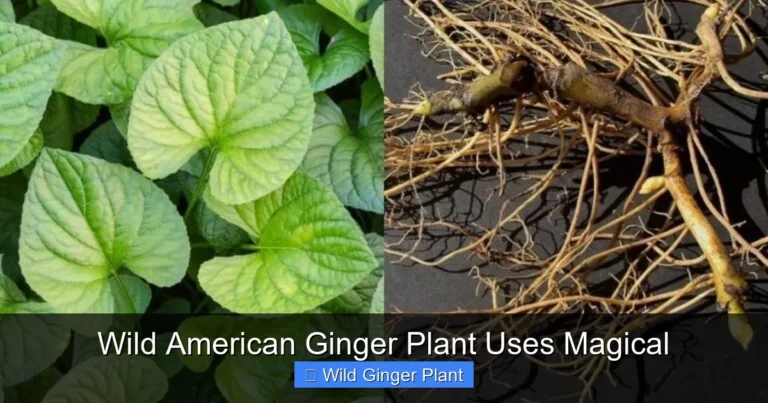
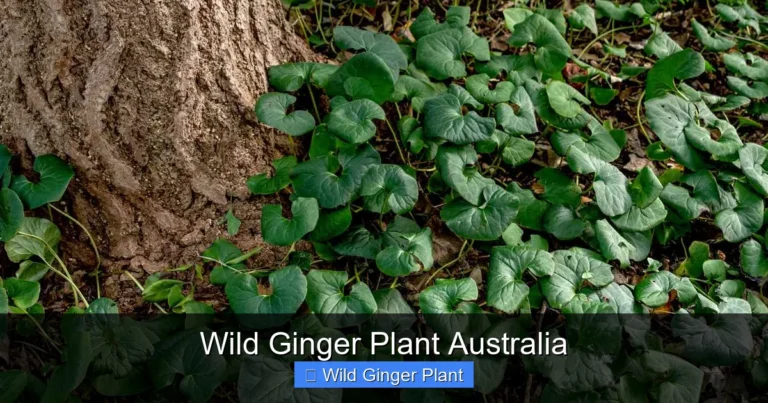
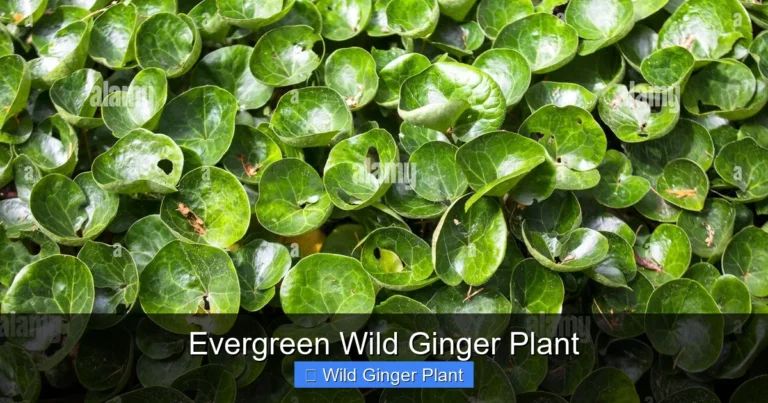
The wild ginger edible plant shows a pair of heart shaped leaves per stem. Leaves are dark green and glossy. They measure two to four inches across. Veins run parallel from the base. The leaf margin is smooth. No teeth or lobes appear. This leaf shape is a key field mark.
Flower Details
Flowers of the wild ginger edible plant hide beneath the leaves. They are solitary and bell shaped. Color ranges from maroon to brownish purple. The flower has three pointed sepals. It blooms close to the soil surface. You may need to lift leaves to see it. The flower appears in early spring.
Rhizome Appearance
The rhizome of the wild ginger edible plant is thin and creeping. It runs just under the duff layer. Color is pale beige to light brown. When broken it releases a ginger scent. The texture is crisp when fresh. Older rhizomes become fibrous. Harvest only the younger sections.
Distinguishing From Look‑Alikes
Several plants mimic the wild ginger edible plant. Canada violet has similar leaves but shows a white flower. Wild sarsaparilla has compound leaves, not heart shaped. Poison ivy can grow nearby but has three leaflets. Always verify the bell shaped flower and ginger aroma. Carry a reliable field guide.
Stem and Root Structure
The stem of the wild ginger edible plant is short and often hidden. It emerges from the rhizome at ground level. Roots are fine and fibrous, anchoring the plant. The rhizome nodes produce new shoots each year. This growth habit creates a mat. Understanding the structure helps you locate rhizomes without damage.
Seasonal Changes
In early spring the wild ginger edible plant pushes fresh leaves. By late spring the flower appears and then fades. Summer brings full leaf canopy and slower growth. Autumn leaves turn yellow before dropping. Winter reveals only the rhizome network underground. Observing these stages improves identification confidence.
Harvesting and Preparing Wild Ginger Edible Plant
Tools You Need
A small hand trowel works well for the wild ginger edible plant. A sharp knife helps cut rhizomes cleanly. Bring a basket or cloth bag for transport. Gloves protect your hands from damp soil. A field guide aids quick identification. Keep a notebook for location notes.
Sustainable Harvest Practices
Take only a portion of each colony of the wild ginger edible plant. Leave at least half the rhizomes in place. This allows the patch to regenerate. Avoid pulling the whole plant. Re‑cover the soil after digging. Rotate harvest sites each year. Sustainable foraging protects future yields.
Cleaning and Peeling
Rinse the wild ginger edible plant rhizomes under cool water. Scrub gently with a brush to remove soil. Peel the thin outer skin with a paring knife. The inner flesh is pale and aromatic. Slice the rhizome into thin rounds. Thin slices dry faster and release flavor quickly.
Storage Options
Fresh wild ginger edible plant rhizomes keep in the fridge for a week. Wrap them in a damp paper towel. For longer storage, dry the slices in a low oven. A food dehydrator at ninety five degrees works well. Store dried pieces in an airtight jar. They retain flavor for months.
Drying Techniques
Spread sliced wild ginger edible plant on a baking sheet. Set the oven to the lowest setting, around one hundred ten degrees. Leave the door slightly ajar for airflow. Check every hour until pieces are brittle. Alternatively, use a solar dryer on sunny days. Proper drying prevents mold and preserves aroma.
Freezing Options
Blanch wild ginger edible plant slices for thirty seconds. Plunge into ice water to stop cooking. Pat dry and pack in freezer bags. Remove excess air before sealing. Frozen rhizomes keep flavor for up to a year. Thaw only the amount needed for a recipe. Freezing is a convenient long‑term method.
Culinary Uses for Wild Ginger Edible Plant
Tea and Infusions
A simple tea highlights the wild ginger edible plant flavor. Steep a few fresh slices in hot water for five minutes. Add honey or lemon if desired. The tea soothes digestion and warms the body. You can also blend with mint or chamomile. Drink up to three cups a day.
Syrups and Sauces
Make a syrup by simmering wild ginger edible plant rhizomes with sugar and water. Strain and bottle the amber liquid. Drizzle over pancakes or ice cream. The syrup adds a spicy sweet note. Use it in marinades for pork or chicken. A little goes a long way.
Savory Dishes
Finely mince wild ginger edible plant and stir into stir fries. It pairs well with garlic, soy, and sesame oil. Add to soups like miso or chicken broth. The rhizome holds up to long cooking. It also works in pickles and chutneys. Experiment with small amounts first.
Baking and Desserts
Ground dried wild ginger edible plant can replace powdered ginger in cookies. Use half the amount called for in recipes. The flavor is milder but aromatic. Try it in gingerbread, spice cakes, or scones. Combine with cinnamon and nutmeg for depth. Taste test before scaling up.
Flavor Pairings
The wild ginger edible plant complements citrus, honey, and soy. It also works with root vegetables like carrots and parsnips. Pair with mushrooms for an earthy profile. A pinch of black pepper amplifies its warmth. Avoid overwhelming it with strong chilies. Balance is key for a harmonious dish.
Creative Recipes
Try a wild ginger edible plant vinaigrette for salads. Blend oil, vinegar, minced rhizome, and mustard. Make a wild ginger edible plant sorbet by mixing puree with simple syrup. Infuse cream for a unique panna cotta. Create a glaze for roasted vegetables. Let imagination guide your kitchen experiments.
Safety, Look‑Alikes, and Sustainable Foraging
Potential Toxicity
The wild ginger edible plant contains aristolochic acid in small amounts. Large doses may harm kidneys. Moderation is essential. Pregnant women should avoid it. People with kidney issues must consult a doctor. Always start with a tiny portion. Monitor your body response.
Common Confusing Species
Canada violet looks similar but has a white flower. Wild sarsaparilla has compound leaves. False Solomon’s seal has arching stems. Poison ivy may grow in the same area. Use the ginger scent test. If no aroma, do not eat. Confirm with multiple sources.
Legal and Ethical Considerations
Check local regulations before harvesting the wild ginger edible plant. Some parks forbid plant collection. Private land requires owner permission. Follow Leave No Trace principles. Pack out all trash. Respect wildlife and other foragers. Ethical foraging keeps populations healthy.
Building Your Knowledge Base
Join a local foraging group or take a workshop. Practice identification with experienced mentors. Keep a personal field journal. Photograph each find for later review. Over time you will spot the wild ginger edible plant confidently. Knowledge reduces risk and increases enjoyment.
First Aid for Overconsumption
If you ingest too much wild ginger edible plant, drink plenty of water. Seek medical advice if nausea or kidney pain occurs. Activated charcoal may help absorb toxins. Do not induce vomiting unless directed. Keep a record of amount consumed. Prompt action reduces serious risk.
Long‑Term Monitoring
Track the health of wild ginger edible plant patches you visit. Note changes in density and vigor. Report declines to conservation groups. Participate in citizen science projects. Long‑term data supports sustainable management. Your observations protect this valuable resource.
Frequently Asked Questions
What is the scientific name of the wild ginger edible plant?
The scientific name is Asarum canadense, a member of the birthwort family.
Where does the wild ginger edible plant grow naturally?
It grows in moist, deciduous forests across the northeastern United States and southeastern Canada.
How do I prepare wild ginger edible plant for cooking?
Wash rhizomes, peel the thin skin, slice thinly, and use fresh or dried in teas, syrups, or savory dishes.
Are there any toxic look‑alikes for the wild ginger edible plant?
Yes, Canada violet, wild sarsaparilla, and poison ivy can be confused; always verify the bell‑shaped flower and ginger aroma.
Can I store wild ginger edible plant long term?
Dry slices in a low oven or dehydrator, then keep in an airtight jar; they stay flavorful for months.
What are the health benefits of wild ginger edible plant?
It provides vitamin C, potassium, fiber, and antioxidants, and has mild anti‑inflammatory properties when used in moderation.