Where Tp Plant Catmint
Catmint thrives in full sun with well-draining soil, making it perfect for borders, rock gardens, and containers. This low-maintenance perennial attracts pollinators, resists deer, and blooms for months with minimal care once established in the right location.
If you have ever wondered where tp plant catmint for the healthiest, most floriferous results, you are not alone. This charming perennial, known botanically as Nepeta, has won the hearts of gardeners everywhere with its aromatic gray-green foliage and clouds of lavender-blue flowers. But like any plant, catmint performs its best only when its basic needs are met. Choosing the right spot makes the difference between a scraggly, floppy plant and a neat mound buzzing with bees and butterflies all summer long.
In this guide, we will walk through every factor that determines where tp plant catmint successfully. From sunlight and soil type to spacing, companions, and even container options, you will get practical, experience-backed advice. Whether you are edging a sunny border, filling a rock garden, or dressing up a patio pot, you will finish this article knowing exactly where tp plant catmint so it thrives for years.
Key Takeaways
- Full sun is essential: Catmint needs at least six hours of direct sunlight daily for the best flowering and compact growth.
- Well-draining soil prevents root rot: Sandy or loamy soil with neutral to slightly alkaline pH creates ideal conditions.
- Space plants properly: Allow 18 to 24 inches between plants for air circulation and mature spread.
- Consider companion plants: Pair catmint with roses, salvia, or ornamental grasses for stunning combinations.
- Containers work well: Use pots with drainage holes and gritty potting mix for patio or balcony growing.
- Avoid wet, heavy clay: Poor drainage leads to fungal issues and winter kill in cold climates.
- Plant in spring or early fall: These seasons give roots time to establish before extreme temperatures arrive.
Quick Answers to Common Questions
Can catmint grow in partial shade?
Catmint tolerates light afternoon shade in hot climates but flowers best with at least six hours of direct sun. Too much shade causes leggy growth and fewer blooms.
What type of soil is best for catmint?
Lean, well-draining soil with a neutral to slightly alkaline pH (6.5-7.5) is ideal. Sandy or gravelly loam works perfectly; heavy clay must be amended or avoided.
How far apart should I space catmint plants?
Space plants 18 to 30 inches apart depending on the mature width of the variety. Proper spacing ensures good air circulation and reduces disease risk.
Can I grow catmint in containers?
Yes, catmint grows well in containers at least 12 inches wide and deep. Use a gritty, fast-draining potting mix and ensure the pot has drainage holes.
When is the best time to plant catmint?
Spring after the last frost is ideal in most regions. In zones 6 and warmer, early fall planting also works well, giving roots time to establish before winter.
📑 Table of Contents
- Understanding Catmint Basics Before You Plant
- Sunlight Requirements: Full Sun Is Non-Negotiable
- Soil Conditions: Drainage Trumps Fertility
- Spacing and Air Circulation: Give Them Room to Breathe
- Garden Placement Ideas: Where Catmint Shines
- Container Growing: Catmint on Patios and Balconies
- Companion Planting: Best Neighbors for Catmint
- Seasonal Timing: When to Plant for Best Establishment
- Common Mistakes When Choosing Where Tp Plant Catmint
- Maintenance Tips for a Thriving Catmint Patch
- Design Inspiration: Sample Planting Plans
- Troubleshooting: When Catmint Struggles
- Final Thoughts on Where Tp Plant Catmint
Understanding Catmint Basics Before You Plant
What Is Catmint?
Catmint (Nepeta species and hybrids) is a hardy perennial herb in the mint family, Lamiaceae. Unlike its cousin catnip (Nepeta cataria), which drives cats wild but looks weedy, ornamental catmint forms tidy mounds of aromatic foliage topped with spikes of small, tubular flowers. Popular varieties include Nepeta × faassenii ‘Walker’s Low’, ‘Cat’s Meow’, ‘Purrsian Blue’, and the sterile hybrid ‘Six Hills Giant’. Most grow 12 to 30 inches tall and wide, depending on the cultivar.
Why Location Matters So Much
Catmint originates from dry, sunny regions of Europe and Asia. Its genetics expect sharp drainage, lean soil, and plenty of light. When you mimic those conditions, the plant rewards you with months of bloom, a neat habit, and remarkable drought tolerance. Miss the mark—especially on drainage or sun—and you will see floppy stems, fewer flowers, and potential crown rot. That is why deciding where tp plant catmint is the single most important step you will take.
Sunlight Requirements: Full Sun Is Non-Negotiable
How Much Sun Does Catmint Need?
Catmint demands full sun, defined as at least six hours of direct, unfiltered sunlight per day. Eight to ten hours is even better. In cooler northern zones, a little afternoon shade is tolerated, but flowering will be reduced. In hot southern climates, some growers experiment with very light afternoon shade to prevent leaf scorch, but the trade-off is often weaker stems and less bloom.
Signs Your Catmint Is Not Getting Enough Light
If you plant in too much shade, the plant tells you quickly. Stems stretch toward the light, becoming long and leggy. The center of the mound opens up, creating a bald spot. Flower production drops dramatically, and the foliage loses its dense, silvery quality. Powdery mildew also becomes more likely in damp, shady conditions. If you see these symptoms, you likely chose the wrong spot when deciding where tp plant catmint.
Best Garden Aspects for Maximum Sun
South-facing and west-facing beds receive the most intense, longest-duration sun. East-facing spots work if they get morning sun plus at least four more hours later in the day. North-facing walls or beds shaded by buildings, fences, or large trees are poor choices. Before you dig, observe the site at 9 a.m., 1 p.m., and 5 p.m. on a clear day. Count the hours of direct sun. That simple test saves years of disappointment.
Soil Conditions: Drainage Trumps Fertility
The Ideal Soil Profile
Catmint thrives in lean, well-draining soil with a neutral to slightly alkaline pH (6.5 to 7.5). Sandy loam, gravelly loam, or even pure sand amended with a little compost is perfect. The key word is drainage. Water must move through the root zone quickly. Standing water, even for a few hours after rain, invites crown and root rot pathogens like Phytophthora and Pythium.
Testing and Improving Drainage
Dig a hole 12 inches deep and wide. Fill it with water. Let it drain, then fill it again. If the second fill drains in under two hours, drainage is excellent. Two to four hours is acceptable. Longer than four hours means you have a drainage problem. Solutions include: building a raised bed 8 to 12 inches high, mixing in coarse sand or fine gravel at a 1:1 ratio with native soil, or planting on a slope where water naturally runs off.
Soil pH and Nutrient Needs
Catmint does not need rich soil. In fact, high nitrogen produces lush, weak growth that flops and attracts aphids. A soil test is inexpensive and tells you pH and nutrient levels. If pH is below 6.0, work in garden lime at the rate recommended by the test. If soil is extremely sandy and nutrient-poor, a light scattering of balanced slow-release fertilizer (such as 10-10-10) at planting is plenty. Avoid manure, which holds too much moisture and adds excess nitrogen.
Spacing and Air Circulation: Give Them Room to Breathe
Mature Size Determines Spacing
Check the plant tag for mature width. Most catmint varieties spread 18 to 30 inches. Space plants at least that far apart, center to center. For a solid hedge or mass planting, you can go slightly tighter—about 75 percent of mature width—but never closer. Crowding reduces air flow, raises humidity around foliage, and creates a perfect environment for fungal diseases.
Why Air Flow Matters
Good air circulation dries leaves quickly after rain or dew. Dry leaves resist powdery mildew, leaf spot, and botrytis. In humid climates, spacing is even more critical. If you are planting near a wall, fence, or dense shrub, add an extra 6 to 12 inches of clearance. That buffer zone keeps air moving and makes maintenance easier.
Planning for Future Divisions
Catmint benefits from division every three to four years to maintain vigor. When you space properly at planting, you leave room to dig and divide without disturbing neighbors. If you pack them tight, division becomes a wrestling match that damages roots. Think long-term when deciding where tp plant catmint.
Garden Placement Ideas: Where Catmint Shines
Sunny Borders and Edges
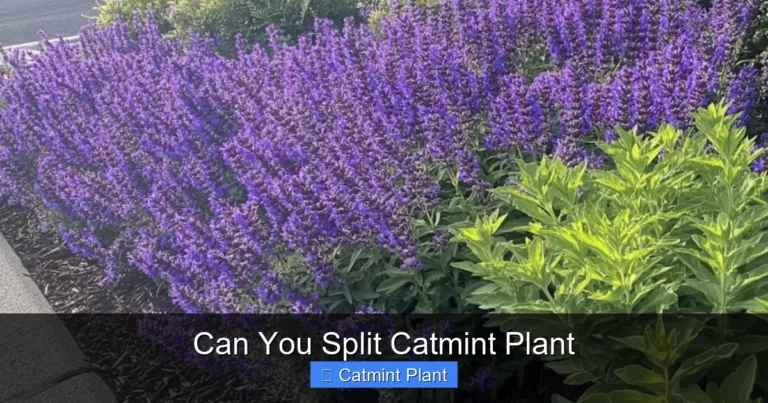
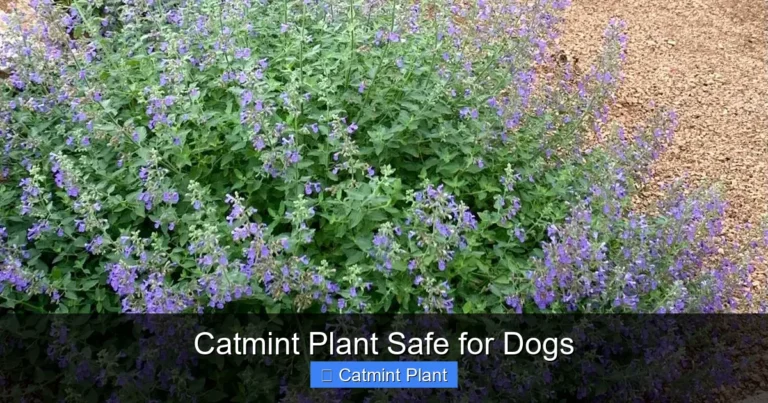
The classic use is along the front of a sunny perennial border. Catmint’s low, mounding habit softens hard edges, hides the bare legs of taller plants behind it, and provides a long season of color. Plant in drifts of three, five, or seven for a natural look. The silvery foliage pairs beautifully with purple coneflower, black-eyed Susan, Russian sage, and ornamental grasses.
Rock Gardens and Gravel Beds
Because catmint loves sharp drainage and lean soil, rock gardens are a match made in heaven. Tuck plants between boulders, along dry-stacked stone walls, or in scree slopes. The reflected heat from stones extends the bloom season and intensifies fragrance. Compact varieties like ‘Purrsian Blue’ or ‘Cat’s Meow’ stay neat in tight pockets.
Pollinator and Wildlife Gardens
Bees, butterflies, and hummingbirds flock to catmint. Plant it in a dedicated pollinator bed alongside salvia, agastache, lavender, and echinacea. The long bloom period—often late spring to frost with deadheading—provides a reliable nectar source. Deer and rabbits typically avoid catmint due to its pungent essential oils, making it a great choice for unfenced rural gardens.
Herb and Kitchen Gardens
While not a culinary star like basil or thyme, catmint leaves make a pleasant tea and can flavor jellies or vinegars. Plant it at the edge of an herb bed where its spreading habit won’t overwhelm smaller herbs. It also repels some insect pests, offering a mild protective effect for neighbors like tomatoes and peppers.
Pathway and Patio Edging
Softening a stone or paver path with catmint creates a romantic, cottage-garden feel. The foliage releases its minty scent when brushed. Choose a compact variety so it does not flop onto the walking surface. ‘Walker’s Low’ is popular but can sprawl; ‘Junior Walker’ or ‘Cat’s Meow’ stay tighter.
Container Growing: Catmint on Patios and Balconies
Choosing the Right Pot
Select a container at least 12 inches wide and deep. Larger is better—16 to 20 inches gives roots room and reduces watering frequency. The pot must have drainage holes. Terra cotta, fiberstone, and unglazed ceramic breathe well, helping soil dry between waterings. Avoid saucers that hold standing water.
Potting Mix Recipe for Success
Do not use garden soil in pots. It compacts and drains poorly. Instead, mix two parts high-quality potting soil, one part coarse sand or perlite, and one part fine gravel or chicken grit. This mimics the lean, fast-draining conditions catmint loves. Add a tablespoon of garden lime per gallon of mix if your potting soil is peat-based and acidic.
Container Care Differences
Potted catmint dries out faster than in-ground plants. Water deeply when the top inch of mix feels dry. Fertilize once in spring with a slow-release balanced granule. In winter, move pots to an unheated garage or sink them in the ground to protect roots from freeze-thaw cycles. In spring, repot or root-prune and refresh the mix.
Companion Planting: Best Neighbors for Catmint
Roses: A Classic Pairing
Catmint and roses are a timeless combination. The soft gray-green foliage and blue flowers hide thorny rose canes and complement every rose color. Catmint’s shallow roots do not compete heavily with deep-rooted roses. Plant catmint 18 inches from the rose base to avoid damaging roots during rose pruning.
Other Mediterranean Herbs
Lavender, rosemary, thyme, sage, and oregano share catmint’s love of sun, lean soil, and sharp drainage. Group them together in a “Mediterranean corner” for easy care and a fragrant tapestry. Their similar water needs simplify irrigation.
Ornamental Grasses for Texture Contrast
Fine-textured grasses like blue fescue (Festuca glauca), Mexican feather grass (Nassella tenuissima), or little bluestem (Schizachyrium scoparium) contrast beautifully with catmint’s soft mounds. The movement of grass blades in the breeze adds life to the planting.
Late-Season Performers
Catmint’s first flush peaks in early summer. After shearing, it reblooms but may look tired in August. Pair it with late bloomers like sedum ‘Autumn Joy’, asters, goldenrod, or Japanese anemone to carry the show into fall.
Seasonal Timing: When to Plant for Best Establishment
Spring Planting Advantages
Early to mid-spring, after the last hard frost, is ideal in most zones. Cool soil and gentle rain encourage root growth before summer heat. Plants have a full season to establish before winter. Water weekly if rain is scarce. Mulch lightly with gravel or pine straw to conserve moisture without holding wetness against the crown.
Fall Planting in Mild Climates
In zones 6 and warmer, early fall (September to early October) works well. Soil is still warm, promoting root growth, while cooler air reduces transplant stress. Plant at least six weeks before the ground freezes. Mulch heavily after the first hard frost to prevent frost heaving.
Avoid Summer and Winter Planting
Summer planting is possible but requires diligent watering and temporary shade cloth. Winter planting in frozen ground is impossible. If you buy plants in summer, heel them into a shady holding bed and plant in fall. If you buy in winter, keep them in a cold frame or unheated garage until spring.
Common Mistakes When Choosing Where Tp Plant Catmint
Planting in Heavy Clay Without Amendment
This is the number one killer. Clay holds water like a sponge. Even if the surface looks dry, the root zone stays soggy. Always amend clay with expanded shale, coarse sand, or fine gravel at a minimum 1:1 ratio. Better yet, build a raised bed.
Ignoring Mature Size
That cute 4-inch pot becomes a 3-foot mound. Planting too close to paths, driveways, or other perennials leads to constant pruning or relocation. Read the label and believe it.
Overwatering and Overfertilizing
Catmint is drought-tolerant once established. Water deeply but infrequently. Fertilize once a year, if at all. Too much love kills faster than neglect.
Planting in a “Rain Shadow” That Is Too Dry
Under deep roof overhangs or dense evergreens, soil may stay bone-dry even in rain. Catmint needs some water. If the site never gets natural rainfall, you must irrigate. That defeats the low-maintenance appeal.
Choosing the Wrong Variety for the Spot
‘Six Hills Giant’ needs 3 feet of space. ‘Purrsian Blue’ fits in 18 inches. Match the cultivar to the space. Dwarf varieties excel in containers and tight borders; larger ones shine in meadows and big drifts.
Maintenance Tips for a Thriving Catmint Patch
Deadheading for Repeat Bloom
After the first heavy flush fades (usually late June), shear the entire plant back by half. Use hedge shears or a string trimmer. This removes spent flowers, tidies foliage, and triggers a second bloom in two to three weeks. A third light shear in late summer can extend flowers until frost.
Dividing Every Few Years
In early spring, dig the clump, tease or cut it into fist-sized pieces with roots and shoots, and replant the best pieces. Discard the woody center. Division rejuvenates flowering and prevents the “donut hole” effect where the center dies out.
Winter Care
Leave foliage standing over winter. It protects the crown and provides habitat for beneficial insects. Cut back to 2 inches in early spring before new growth emerges. In zone 4 and colder, a loose mulch of straw or evergreen boughs after the ground freezes adds insurance.
Pest and Disease Watch
Catmint is remarkably trouble-free. Aphids occasionally cluster on new growth; blast them with water or spray insecticidal soap. Powdery mildew appears in humid, crowded conditions—fix spacing and air flow. Root rot only happens in wet soil—fix drainage.
Design Inspiration: Sample Planting Plans
Small Sunny Border (6 feet by 3 feet)
Back row: Russian sage (3 feet tall). Middle row: Three ‘Walker’s Low’ catmint, spaced 24 inches. Front row: Blue fescue grass (12 inches) and creeping thyme spilling over the edge. All plants share full sun, lean soil, and low water needs.
Container Trio for a 20-Inch Pot
Center: One ‘Cat’s Meow’ catmint. Surrounding: Three ‘Silver Mound’ artemisia. Edging: Three ‘Angelina’ sedum. This combination offers silver, blue, and chartreuse textures all season with minimal watering.
Pollinator Meadow Strip (10 feet by 4 feet)
Plant in drifts: Five ‘Purrsian Blue’ catmint, three ‘Blue Fortune’ agastache, four ‘Magnus’ coneflower, and a backdrop of switchgrass ‘Northwind’. Blooms from June to October. Deer resistant. Cut back once in July.
Troubleshooting: When Catmint Struggles
Floppy, Leggy Growth
Cause: Too much shade, too rich soil, or too much water. Fix: Move to full sun, stop fertilizing, reduce watering, shear hard after first bloom.
Yellowing Leaves, Stunted Growth
Cause: Wet feet (poor drainage) or high pH (above 8.0). Fix: Improve drainage or test pH and add elemental sulfur if needed.
Center Die-Out (Donut Hole)
Cause: Age, lack of division, or wet crown. Fix: Divide in spring. Plant pieces at same depth. Mulch with gravel, not organic mulch, to keep crown dry.
Few Flowers Despite Good Sun
Cause: Too much nitrogen, not enough chill hours (some varieties need vernalization), or plant is too young. Fix: Stop fertilizing. Be patient—some varieties bloom best in year two.
Final Thoughts on Where Tp Plant Catmint
Deciding where tp plant catmint comes down to three non-negotiables: full sun, sharp drainage, and enough elbow room. Get those right, and catmint becomes one of the most rewarding, carefree perennials in your garden. It feeds pollinators, resists pests, smells divine when brushed, and asks for little beyond a yearly haircut. Whether you tuck it into a rock garden, line a sunny path, or let it spill from a terrace pot, catmint delivers months of beauty for minimal effort.
Take a walk around your yard with this guide in mind. Note the sun patterns. Check the soil. Measure the space. Then plant with confidence. Your future self—surrounded by buzzing bees and clouds of blue—will thank you.
Frequently Asked Questions
Does catmint come back every year?
Yes, catmint is a hardy perennial that returns reliably in USDA zones 3 through 8. With proper drainage and full sun, it can live for many years and benefits from division every three to four years.
Will catmint spread aggressively like mint?
Ornamental catmint (Nepeta x faassenii and hybrids) is clump-forming and does not run by underground runners like true mint (Mentha). It may self-seed lightly, but seedlings are easy to remove or transplant.
Is catmint deer resistant?
Catmint is highly deer resistant due to its strong aromatic oils. Deer and rabbits rarely browse the foliage, making it an excellent choice for unfenced gardens in high-deer-pressure areas.
Should I cut back catmint in the fall?
It is better to leave the foliage standing through winter to protect the crown and provide habitat for beneficial insects. Cut back to about 2 inches in early spring before new growth appears.
Can catmint be grown indoors as a houseplant?
Catmint is not well-suited for indoor growing. It requires full sun, excellent air circulation, and a dormant period triggered by cold temperatures. It performs best outdoors in the ground or in containers.
What is the difference between catmint and catnip?
Catnip (Nepeta cataria) is a weedy species that strongly attracts cats but has minimal ornamental value. Catmint refers to ornamental Nepeta hybrids like ‘Walker’s Low’ bred for tidy habits, long bloom, and landscape appeal.