Care of Catmint Plant
Catmint is a low‑maintenance perennial that rewards you with fragrant lavender‑blue flowers and attracts pollinators. With proper care of catmint plant – full sun, well‑drained soil, and occasional pruning – it thrives for years. Follow these simple steps to keep your catmint healthy and blooming all season.
Catmint is a friendly herb. It grows fast. It smells sweet. Bees love it. You can plant it in a border. It works well in containers. The care of catmint plant is simple. You will enjoy color all summer.
This plant belongs to the mint family. It spreads gently. It does not invade like some mints. The care of catmint plant starts with a sunny spot. Good drainage is a must. A little compost helps. You will see blooms in early summer.
Gardeners love catmint for its long bloom time. It attracts butterflies. It also repels some pests. The care of catmint plant includes occasional feeding. A light feed in spring works well. You will have a tidy mound all season.
Key Takeaways
- Sunlight: Catmint needs at least six hours of direct sun each day.
- Soil: Well‑drained soil prevents root rot and keeps roots healthy.
- Water: Water deeply but infrequently once the plant is established.
- Pruning: Cut back in early spring to encourage fresh growth.
- Pests: Watch for aphids and spider mites; treat with neem oil.
- Winter: Mulch the base in cold zones for extra protection.
Quick Answers to Common Questions
How much sun does catmint need?
Catmint thrives with at least six hours of direct sunlight each day.
When should I prune catmint?
Prune in early spring before new growth appears, cutting back to about six inches.
What type of soil is best for catmint?
Well‑drained sandy loam with a pH between 6.0 and 7.0 works best.
How often should I water established catmint?
Water deeply once a week during dry periods; reduce frequency in rain.
Can catmint survive winter in cold zones?
Yes, mulch the base heavily and optionally wrap with burlap for extra protection.
📑 Table of Contents
Choosing the Right Spot
Sunlight Needs
The care of catmint plant begins with sunlight. Catmint loves full sun. It needs at least six hours of direct light. Morning sun is ideal. Afternoon shade can reduce flowering. Too much shade makes stems leggy. A sunny border works best. Containers should sit in a bright patio. Observe the site for a full day. Choose the brightest spot you have. Remember the care of catmint plant.
Soil Drainage
The care of catmint plant requires good drainage. Heavy clay holds water too long. Wet roots cause rot. Sandy loam drains quickly. Add compost to improve texture. A raised bed helps drainage. Test by digging a hole and filling with water. Water should disappear in a few hours. If it stays, amend the soil. Good drainage keeps the plant healthy. Remember the care of catmint plant.
Space Considerations
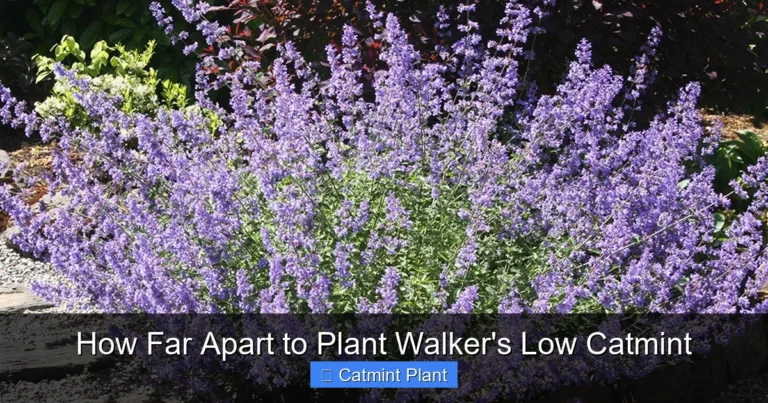
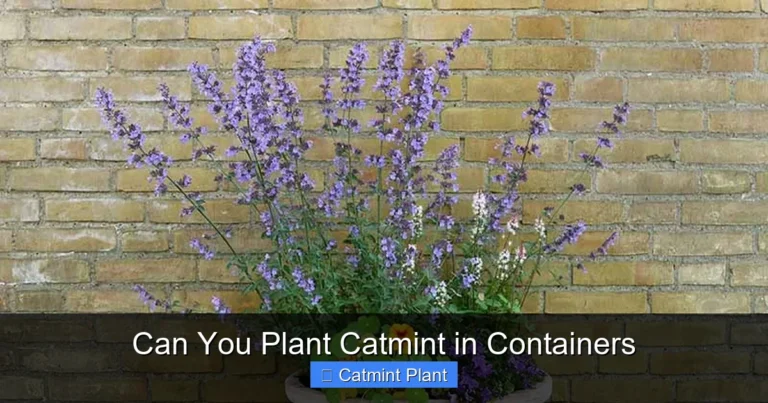
The care of catmint plant includes spacing. Mature clumps reach 18 inches wide. Plant each start 12 to 18 inches apart. Crowding reduces air flow. Poor air flow invites disease. Give room for the mound to spread. In containers use a pot at least 12 inches wide. Plan for future growth. Proper spacing makes maintenance easier. Remember the care of catmint plant.
Soil Preparation and Planting
Testing Soil
The care of catmint plant starts with a soil test. A simple kit shows pH and nutrients. Catmint prefers pH 6.0 to 7.0. Acidic soil can be limed. Alkaline soil can be amended with sulfur. Testing avoids guesswork. Adjust pH before planting. Balanced soil supports strong roots. Test every two years for best results. Remember the care of catmint plant.
Amending Soil
The care of catmint plant benefits from organic matter. Mix compost into the top 12 inches. Compost improves structure and fertility. Add a handful of bone meal for phosphorus. Avoid fresh manure; it can burn roots. Work amendments evenly. Water helps settle the soil. A well‑prepared bed gives a strong start. Remember the care of catmint plant.
Planting Depth and Watering
The care of catmint plant includes proper planting depth. Set the crown level with the soil surface. Do not bury the stem. Firm soil gently around roots. Water thoroughly after planting. Keep soil moist for the first two weeks. Then reduce frequency as roots establish. Mulch lightly to retain moisture. Consistent moisture early on prevents shock. Remember the care of catmint plant.
Watering and Feeding
Watering Frequency
The care of catmint plant needs a watering routine. Established plants prefer deep, infrequent water. Water once a week in dry weather. Check soil two inches down; if dry, water. Avoid daily light sprinkling. Deep watering encourages deep roots. In hot spells increase to twice weekly. Reduce in rainy periods. Consistent schedule prevents stress. Remember the care of catmint plant.
Mulching Benefits
The care of catmint plant is easier with mulch. Apply a two‑inch layer of straw or shredded bark. Mulch conserves moisture. It suppresses weeds. It keeps soil temperature stable. Keep mulch away from the crown. Reapply each spring. Organic mulch breaks down and feeds soil. Mulch also reduces splashing soil on leaves. Remember the care of catmint plant.
Fertilizer Types and Schedule
The care of catmint plant includes light feeding. Use a balanced 10‑10‑10 fertilizer in early spring. Apply at half the label rate. Too much nitrogen makes floppy growth. A second light feed after first bloom helps. Organic options like fish emulsion work well. Stop feeding by midsummer. Excess fertilizer reduces flower quality. Remember the care of catmint plant.
Pruning and Deadheading
When to Prune
The care of catmint plant includes timely pruning. Prune in early spring before new growth. Cut back to about six inches above ground. This removes old woody stems. It also stimulates fresh shoots. Avoid pruning in fall; it can expose crowns to cold. A spring cut yields a tidy mound. Watch for new buds as a guide. Remember the care of catmint plant.
How to Prune
The care of catmint plant requires clean tools. Use sharp bypass pruners. Cut just above a leaf node. Remove any dead or diseased stems. Thin crowded centers for air flow. Shape the plant into a rounded mound. Dispose of cuttings away from the bed. Clean tools with alcohol between plants. Proper cuts heal quickly. Remember the care of catmint plant.
Deadheading for Rebloom
The care of catmint plant benefits from deadheading. Snip spent flower spikes as they fade. This redirects energy to new buds. You can shear the whole plant by one‑third after first flush. A light shear encourages a second bloom. Deadheading also keeps the plant tidy. Do it regularly through summer. You will enjoy color longer. Remember the care of catmint plant.
Pest and Disease Management
Common Pests
The care of catmint plant includes pest scouting. Aphids cluster on new growth. Spider mites leave fine webbing. Whiteflies flutter when disturbed. Slugs chew holes in leaves at night. Inspect weekly during warm months. Early detection limits damage. Use a strong water spray to dislodge aphids. Hand‑pick slugs in the evening. Remember the care of catmint plant.
Natural Controls
The care of catmint plant favors natural remedies. Neem oil works on aphids and mites. Insecticidal soap is safe for beneficial insects. Diatomaceous earth deters slugs. Encourage lady beetles and lacewings. Plant companion herbs like dill nearby. Avoid broad‑spectrum chemicals. Natural controls protect pollinators. They also keep the garden ecosystem balanced. Remember the care of catmint plant.
Disease Signs and Prevention
The care of catmint plant includes disease watch. Powdery mildew appears as white dust on leaves. Rust shows orange pustules on undersides. Root rot causes wilting despite wet soil. Good air flow prevents fungal issues. Water at the base, not overhead. Remove infected leaves promptly. Apply a copper fungicide if needed. Healthy culture is the best defense. Remember the care of catmint plant.
Seasonal Care and Overwintering
Spring Care
The care of catmint plant ramps up in spring. Remove winter mulch gently. Apply a thin layer of compost. Prune as described earlier. Water if the soil is dry. Watch for early pests. Fertilize lightly with balanced feed. New growth will appear quickly. Spring sets the tone for the season. Remember the care of catmint plant.
Summer Maintenance
The care of catmint plant continues through summer. Deadhead spent blooms weekly. Water deeply during heat waves. Mulch to keep roots cool. Check for spider mites in dry spells. Shear lightly after first flush for rebloom. Keep the area weed free. Summer care ensures a long display. Remember the care of catmint plant.
Fall Cleanup and Winter Protection
The care of catmint plant prepares for cold. Stop fertilizing by early fall. Cut back foliage after first frost. Leave a few inches of stem for crown protection. Apply a thick mulch of straw or leaves. In very cold zones add a burlap wrap. Remove mulch gradually in spring. Proper winter care brings strong returns. Remember the care of catmint plant.
The care of catmint plant is rewarding and simple. Give it sun, drainage, and a little attention. Follow the steps above each season. You will enjoy fragrant blooms and happy pollinators. Share cuttings with friends. Your garden will thank you. Happy planting.
Frequently Asked Questions
What is the ideal spacing for catmint plants?
Space catmint 12 to 18 inches apart to allow air flow and room for the mound to spread.
Does catmint attract beneficial insects?
Yes, its nectar draws bees, butterflies, and predatory insects that help control pests.
Can I grow catmint in containers?
Absolutely, use a pot at least 12 inches wide with good drainage and a quality potting mix.
Is catmint deer resistant?
Catmint’s strong aroma makes it unappealing to deer, so it is considered deer resistant.
How do I propagate catmint?
Divide established clumps in spring or take softwood cuttings in early summer for new plants.
What fertilizer should I use for catmint?
A balanced 10‑10‑10 fertilizer at half strength in early spring is sufficient; avoid high nitrogen.