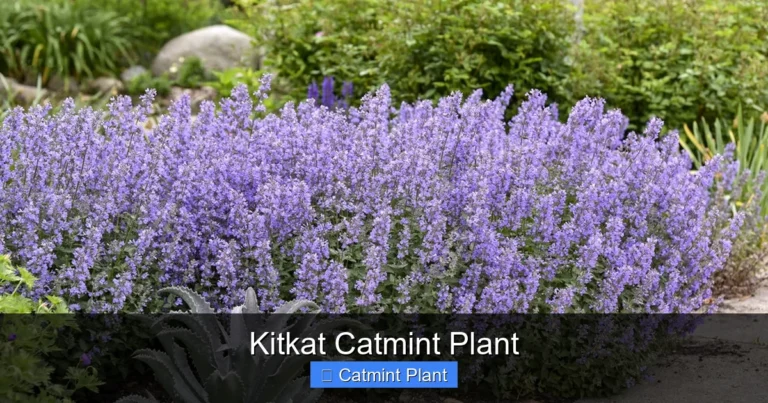
Where to Plant Catmint in Perennial Garden
Catmint thrives in full sun with well-draining soil, making it perfect for borders, rock gardens, and pollinator pathways. Plant it 18 to 24 inches apart in spring or fall for a low-maintenance, drought-tolerant display that attracts bees and butterflies.
If you have ever walked past a garden and caught a whiff of something minty and sweet on the breeze, chances are you smelled catmint. This tough perennial is a favorite for good reason. It blooms for months. It handles drought like a champ. And pollinators absolutely love it. But knowing where to plant catmint in perennial garden beds makes all the difference between a so-so clump and a showstopping display.
I have grown catmint for years in my own beds. I have tucked it along pathways. I have massed it on slopes. I have even planted it in containers on a sunny patio. Every spot taught me something new. In this guide, I will share everything I have learned about picking the perfect location. We will talk about sunlight, soil, spacing, companions, and design ideas. By the end, you will know exactly where to plant catmint in perennial garden spaces for the biggest impact.
Key Takeaways
- Full sun is essential: Catmint needs at least six hours of direct sunlight daily for the best blooms and fragrance.
- Well-draining soil prevents rot: Sandy or loamy soil works best; avoid heavy clay that holds water.
- Space plants 18 to 24 inches apart: Good air circulation reduces disease risk and lets each plant form a nice mound.
- Plant in spring or early fall: These seasons give roots time to establish before summer heat or winter cold.
- Use catmint as a border or edging plant: Its soft mounds create a beautiful transition between lawn and garden beds.
- Pair with roses, salvia, and ornamental grasses: These companions share similar needs and create stunning color combinations.
- Cut back after first bloom for a second flush: Shearing plants by half encourages fresh growth and more flowers.
Quick Answers to Common Questions
How much sun does catmint need?
Catmint needs at least six hours of direct sunlight daily, with eight hours being ideal for the best blooms and compact growth.
Can catmint grow in clay soil?
Catmint struggles in heavy clay soil because it retains too much moisture. Amend clay with coarse sand and compost, or plant in raised beds for better drainage.
When is the best time to plant catmint?
Spring after the last frost and early fall (six weeks before first frost) are the best planting times. Spring gives a full season to establish; fall gives a head start for next year.
How far apart should I space catmint plants?
Space most catmint varieties 18 to 24 inches apart. Dwarf types need 12 inches; large varieties like ‘Six Hills Giant’ need 30 inches for good air circulation.
Does catmint come back every year?
Yes, catmint is a hardy perennial that returns reliably in zones 3 through 9. Cut it back to 3 inches in late winter for fresh spring growth.
📑 Table of Contents
- Understanding Catmint Basics
- Sunlight Requirements for Maximum Blooms
- Soil Conditions That Make Catmint Happy
- Spacing and Air Circulation
- Best Garden Locations for Catmint
- Companion Planting with Catmint
- Seasonal Timing for Planting
- Design Ideas for Maximum Impact
- Common Mistakes to Avoid
- Maintenance Tips for Long-Lived Plants
- Catmint in Different Climate Zones
- Propagation Methods
- Troubleshooting Common Issues
- Conclusion
Understanding Catmint Basics
What Is Catmint?
Catmint (Nepeta) is a hardy perennial in the mint family. It is not the same as catnip (Nepeta cataria), though cats do enjoy both. Catmint forms neat mounds of gray-green foliage. From late spring through fall, it sends up spikes of lavender-blue flowers. The leaves release a pleasant aroma when brushed. Most varieties grow 12 to 30 inches tall and wide.
Why Gardeners Love It
Catmint checks almost every box for a low-maintenance perennial. It is deer resistant. It is rabbit resistant. It tolerates heat and humidity. Once established, it barely needs water. It blooms for months with almost no deadheading. And it feeds bees, butterflies, and hummingbirds. If you want a plant that gives back more than it asks, this is it.
Popular Varieties to Consider
Walker’s Low is the classic choice. It grows 24 to 30 inches tall and wide. It won the Perennial Plant of the Year award. Junior Walker is a compact version at 15 to 18 inches. Cat’s Meow stays tidy at 17 to 20 inches with dense blooms. Six Hills Giant reaches 30 to 36 inches for the back of the border. Little Titch is a tiny 8 to 10 inches perfect for rock gardens. Pick a size that fits your space.
Sunlight Requirements for Maximum Blooms
Full Sun Is Non-Negotiable
When deciding where to plant catmint in perennial garden beds, sunlight comes first. Catmint needs at least six hours of direct sun daily. Eight hours is even better. In full sun, plants stay compact. Stems grow strong. Flowers cover the plant. The fragrance is strongest. In shade, catmint gets leggy. Stems flop. Flowers are sparse. Powdery mildew often appears.
Morning Sun vs. Afternoon Sun
If you only have six hours of sun, morning sun is preferable. It dries dew quickly, reducing fungal issues. Afternoon sun works too, especially in cooler climates. In very hot regions, a touch of afternoon shade can prevent leaf scorch. But do not plant in dappled shade all day. The plant will disappoint you.
Tracking Sun Patterns in Your Yard
Before planting, watch your garden for a day. Note which spots get sun from 9 AM to 3 PM. Those are your prime catmint locations. South-facing beds usually work best. West-facing beds work well too. East-facing beds may be borderline. North-facing beds rarely provide enough light.
Soil Conditions That Make Catmint Happy
Drainage Is Everything
Catmint hates wet feet. This is the number one reason plants fail. Heavy clay soil holds water. Roots rot. The plant dies. When choosing where to plant catmint in perennial garden areas, prioritize drainage over fertility. Sandy soil is ideal. Loamy soil works great. Rocky soil is fine. Even poor soil is okay if it drains.
Testing Your Soil Drainage
Dig a hole 12 inches deep and 12 inches wide. Fill it with water. Let it drain. Fill it again. Time how long it takes to empty. If it drains in under four hours, you have excellent drainage. Four to eight hours is acceptable. Over eight hours means you need to amend the soil or choose a different spot.
Improving Poor Drainage
If your soil drains slowly, you have options. Mix in coarse sand or fine gravel at a 1:1 ratio with native soil. Add compost to improve structure. Create raised beds 8 to 12 inches high. Plant on a slight slope where water runs off. Or choose a naturally well-drained spot like a berm or rock garden.
Soil pH and Fertility
Catmint is not picky about pH. It grows in slightly acidic to slightly alkaline soil (6.0 to 7.5). It does not need rich soil. In fact, too much nitrogen makes floppy growth with fewer flowers. Skip the fertilizer. A light layer of compost in spring is plenty.
Spacing and Air Circulation
Give Each Plant Room to Breathe
Proper spacing is critical when planning where to plant catmint in perennial garden layouts. Crowded plants trap moisture. This invites powdery mildew and crown rot. Space plants 18 to 24 inches apart center to center. For dwarf varieties like Little Titch, 12 inches works. For giants like Six Hills Giant, go 30 inches.
Measuring for Success
Use a tape measure. Do not guess. Mark spots with flags or sticks. Plant at the same depth as the nursery pot. Water well after planting. Mulch with gravel or pine bark, keeping mulch away from the crown. Good spacing pays off in healthier plants and better blooms.
Air Flow Prevents Disease
Catmint planted too close to walls, fences, or dense shrubs suffers. Leave at least 12 inches between catmint and solid structures. This lets air circulate around all sides. If planting in a row along a path, stagger the plants slightly instead of a straight line. This improves airflow and looks more natural.
Best Garden Locations for Catmint
Perennial Borders and Mixed Beds
The classic spot for catmint is the middle or front of a sunny border. Its mounding habit hides the bare legs of taller plants behind it. Its long bloom season bridges gaps between spring bulbs and fall asters. Plant in groups of three, five, or seven for impact. Odd numbers look more natural.
Edging Pathways and Walkways
Catmint makes a stunning edging plant. The soft foliage spills over hard edges. The flowers create a colorful ribbon. Brush against it as you walk by to release the scent. Plant 12 to 18 inches from the path edge so mature plants do not block the way. Shear once after first bloom to keep it tidy.
Rock Gardens and Gravel Beds
This is where catmint truly shines. The sharp drainage mimics its native habitat. The gray-green foliage looks right at home among stones. Plant in pockets between rocks. Let it cascade over edges. Pair with sedum, thyme, and dwarf conifers. Water rarely once established.
Slopes and Banks
Catmint’s fibrous roots hold soil on slopes. Its drought tolerance handles the quick drainage. Plant in sweeping drifts for erosion control. Space plants closer, 15 inches apart, for faster coverage. The flowers create a river of blue down the hillside. Maintenance is nearly zero.
Pollinator Gardens and Wildlife Areas
If you want bees and butterflies, plant catmint in your pollinator patch. It blooms when many other plants do not. The nectar-rich flowers feed countless insects. Plant in large masses for the biggest draw. Combine with coneflower, bee balm, and butterfly weed for a season-long buffet.
Containers and Raised Planters
Yes, catmint grows well in pots. Choose a container at least 14 inches wide and deep. Use a gritty potting mix with added perlite or sand. Water when the top inch feels dry. Fertilize lightly once in spring. In winter, move pots to an unheated garage in cold zones. Repot every two to three years.
Companion Planting with Catmint
Roses: The Classic Partnership
Catmint and roses are garden royalty together. The catmint hides thorny rose canes. Its blue flowers contrast beautifully with pink, red, or yellow roses. Both love sun and good drainage. Catmint may even deter aphids from roses. Plant catmint 18 inches from rose bases.
Salvia and Sage Cousins
Salvia and catmint are in the same family. They share the same needs. Their bloom times overlap. The spiky salvia flowers contrast with catmint’s softer spikes. Try Salvia nemorosa ‘May Night’ with ‘Walker’s Low’. The deep purple and lavender blue are magic together.
Ornamental Grasses for Texture
Grasses add movement and winter interest. Catmint provides summer color. Calamagrostis ‘Karl Foerster’ stands tall behind catmint mounds. Pennisetum ‘Hameln’ arches gracefully beside it. Festuca ‘Elijah Blue’ echoes the gray foliage at ground level.
Mediterranean Herbs
Lavender, rosemary, thyme, and oregano all thrive in the same conditions. Create a fragrant herb garden with catmint as the flowering star. The combined scents are incredible on a warm evening. This grouping is perfect near a patio or outdoor kitchen.
Spring Bulbs for Early Color
Plant daffodils, tulips, and alliums among catmint. The catmint foliage emerges as bulbs fade, hiding yellowing leaves. Alliums bloom at the same time as catmint for a purple-blue festival. This combo gives you months of interest from one spot.
Seasonal Timing for Planting
Spring Planting Advantages
Spring is the most popular time to plant catmint. The soil is warming. Rain is usually reliable. Plants have a full growing season to establish roots before winter. Plant after your last frost date. Water regularly for the first six weeks. Mulch to conserve moisture.
Fall Planting Benefits
Fall planting works beautifully in zones 5 and warmer. The soil is still warm. Roots grow until the ground freezes. Plants emerge stronger next spring. Plant at least six weeks before your first hard frost. Water well until freeze-up. Mulch heavily after the ground freezes.
Summer Planting With Care
You can plant in summer if you must. Choose a cloudy day. Water deeply before and after planting. Provide temporary shade for a week. Water daily for two weeks, then taper off. Expect some transplant shock. The plant may not bloom until next year.
Dividing Established Clumps
Every three to four years, catmint benefits from division. Do this in early spring as new growth appears. Dig up the whole clump. Cut into sections with a sharp knife or spade. Each piece needs roots and shoots. Replant immediately at the same depth. Water well. This rejuvenates woody centers.
Design Ideas for Maximum Impact
Mass Planting for Drama
Nothing beats a mass of catmint in full bloom. Plant 12, 20, or 50 plants in a drift. Space them 18 inches apart in a loose grid. The effect is a purple-blue cloud. This works on slopes, in large beds, or along property lines. Maintenance is one annual shear.
Repeating Rhythm Through the Garden
Use catmint as a repeating element. Plant a clump every 10 feet along a long border. The eye moves naturally from one to the next. This creates cohesion in large gardens. It ties different beds together. The repetition feels intentional and designed.
Color Echoes and Contrasts
Catmint’s lavender-blue pairs with almost everything. For harmony, pair with pink, purple, and white. Think pink roses, purple coneflower, white phlox. For contrast, pair with orange, yellow, and red. Think orange butterfly weed, yellow coreopsis, red hot poker. Both approaches work.
Four-Season Interest
Catmint is not just a summer plant. Spring brings fresh gray-green mounds. Summer brings months of flowers. Fall brings a second flush if sheared. Winter brings architectural seed heads that catch frost. Leave stems standing until early spring for wildlife and winter beauty.
Catmint in Formal and Informal Gardens
In formal gardens, shear catmint into tight mounds. Plant in symmetrical pairs flanking a path or gate. In informal gardens, let it billow naturally. Plant in drifts that merge with neighbors. Both styles work. Choose what matches your garden’s personality.
Common Mistakes to Avoid
Planting in Shade
This is the top mistake. Gardeners see the pretty pot at the nursery and tuck it into a shady corner. The plant survives but never thrives. It gets leggy. It blooms poorly. It gets mildew. Always choose full sun.
Overwatering and Overfertilizing
Catmint thrives on neglect. Watering daily or fertilizing monthly creates weak, floppy growth. Water deeply but infrequently. Fertilize never or once a year with compost. Tough love produces the best plants.
Skipping the Summer Shear
After the first big bloom, catmint looks tired. Stems sprawl. Centers open up. Many gardeners leave it. A quick shear by half in midsummer transforms the plant. Fresh foliage appears. A second bloom follows. It takes ten minutes.
Planting Too Deep
The crown (where stems meet roots) must sit at soil level. Planting too deep causes crown rot. Planting too high exposes roots. Check the nursery pot level. Match it exactly. Firm soil gently around roots.
Ignoring Mature Size
That cute 4-inch pot becomes a 3-foot mound. Read the label. Plan for mature width. A ‘Walker’s Low’ needs a 30-inch circle. Do not plant it 12 inches from a path edge. It will swallow the path.
Maintenance Tips for Long-Lived Plants
Watering Established Plants
Once established (after one full season), catmint rarely needs water. In extreme drought, a deep soak every two weeks helps. Otherwise, let rain do the work. Overwatering shortens the plant’s life.
The Annual Shear
In late winter or early spring, cut all stems to 3 inches above ground. Do this before new growth starts. Use hedge shears for speed. This removes old wood and stimulates fresh growth. It keeps plants dense and floriferous.
Deadheading for Extended Bloom
You do not have to deadhead catmint. But snipping spent flower spikes encourages more blooms. Shear the whole plant by one-third after the first flush. This is faster than individual deadheading. The plant rebounds quickly.
Winter Protection
In zones 3 and 4, add a loose mulch of straw or evergreen boughs after the ground freezes. This prevents freeze-thaw cycles from heaving plants. Remove mulch gradually in spring. In warmer zones, no winter care is needed.
Pest and Disease Management
Catmint has few problems. Powdery mildew appears in humid, crowded conditions. Fix spacing and airflow. Aphids occasionally cluster on new growth. Blast with water or ignore; ladybugs usually handle them. Root rot only happens in wet soil.
Catmint in Different Climate Zones
Cool Climates (Zones 3-5)
Catmint is reliably hardy here. Plant in the warmest microclimate. South-facing walls provide extra heat. Spring planting is safer than fall. Mulch well for winter. ‘Walker’s Low’ and ‘Six Hills Giant’ are very hardy choices.
Moderate Climates (Zones 6-7)
This is catmint’s sweet spot. It grows vigorously. It blooms heavily. Both spring and fall planting work. All varieties thrive. You may get three bloom cycles with shearing.
Hot Climates (Zones 8-9)
Catmint handles heat but dislikes humidity. Choose a spot with morning sun and afternoon shade. Ensure excellent drainage. ‘Cat’s Meow’ and ‘Junior Walker’ handle heat well. Water deeply but infrequently.
Desert Climates
Afternoon shade is essential. Amend soil with compost for moisture retention. Use drip irrigation. Mulch with gravel to keep roots cool. Expect summer dormancy. Plants revive in fall.
Propagation Methods
Division
As mentioned, division every few years keeps plants vigorous. It is the fastest way to get mature plants. Do it in early spring. Water the parent plant the day before. Replant divisions immediately.
Stem Cuttings
Take 4-inch cuttings in late spring from non-flowering stems. Strip lower leaves. Dip in rooting hormone. Plant in sandy potting mix. Keep humid and shaded. Roots form in three to four weeks. Pot up and grow on.
Seed Starting
Catmint grows easily from seed. Start indoors 8 weeks before last frost. Or direct sow after frost. Press seeds into soil; do not cover. They need light to germinate. Keep moist. Seedlings appear in 10 to 20 days. Plants bloom first year.
Self-Seeding
Some varieties self-sow modestly. ‘Walker’s Low’ rarely seeds. Species types seed more. If you want volunteers, leave some seed heads. If not, shear before seeds mature. Seedlings are easy to pull or transplant.
Troubleshooting Common Issues
Floppy, Leggy Growth
Cause: Too much shade, too much water, too much fertilizer, or overcrowding. Fix: Move to full sun. Stop fertilizing. Water less. Divide or thin crowded plants. Shear hard in spring.
Yellowing Leaves
Cause: Overwatering, poor drainage, or nutrient deficiency. Fix: Check soil moisture. Improve drainage. If soil is soggy, move plant. A light feed of compost may help if truly deficient.
No Flowers
Cause: Too much shade, too much nitrogen, plant too young, or wrong pruning time. Fix: Ensure 6+ hours sun. Stop fertilizing. Wait for maturity (year two). Prune only in early spring.
Center Die-Out
Cause: Age. Woody centers stop producing. Fix: Divide in spring. Discard woody center. Replant vigorous outer sections. This resets the clock.
Powdery Mildew
Cause: Humidity, poor airflow, shade. Fix: Thin plants. Improve spacing. Avoid overhead watering. Apply neem oil or potassium bicarbonate if severe. Move to sunnier spot next spring.
Conclusion
Knowing where to plant catmint in perennial garden spaces transforms this plant from a nice addition to a garden star. The formula is simple. Full sun. Sharp drainage. Room to breathe. Good companions. A yearly haircut. That is it. Follow these guidelines and your catmint will reward you with months of color, fragrance, and pollinator activity for years to come.
I have seen catmint thrive in rocky slopes, formal borders, cottage gardens, and patio pots. The common thread is always sunlight and drainage. If you get those two right, the rest falls into place. So walk your garden with fresh eyes. Find those sunny, well-drained spots. Plant catmint in drifts, in pairs, in pots. Watch the bees arrive. Smell the minty air on a summer breeze. That is the garden you are creating.
Start with one plant this spring. Put it in the perfect spot. Care for it minimally. By midsummer, you will understand why gardeners have loved this plant for centuries. Then you will want more. And that is exactly how the best gardens grow.
Frequently Asked Questions
Will catmint spread aggressively like mint?
No, catmint (Nepeta) forms well-behaved clumps and does not run underground like true mint (Mentha). It may self-seed modestly but is easily controlled by shearing before seeds mature.
Is catmint safe for pets?
Catmint is non-toxic to cats and dogs. Cats may roll in it or chew leaves, but it causes no harm. The effect is much milder than catnip and most pets lose interest quickly.
Can I grow catmint in containers?
Yes, catmint grows well in containers at least 14 inches wide and deep. Use a gritty, well-draining potting mix and water when the top inch of soil feels dry. Provide winter protection in cold zones.
Why is my catmint flopping open in the middle?
Center die-out usually means the plant is old and woody, or it’s getting too much shade, water, or fertilizer. Divide the plant in early spring, discarding the woody center and replanting vigorous outer sections.
Should I deadhead catmint?
Deadheading is not required but shearing the plant by one-third after the first bloom flush encourages a tidy second bloom. A full cutback to 3 inches in late winter is the most important pruning.
What plants pair well with catmint?
Excellent companions include roses, salvia, ornamental grasses, lavender, coneflower, black-eyed Susan, alliums, and Mediterranean herbs like thyme and oregano. All share similar sun and drainage needs.