Wild Ginger Plant Growing
Wild ginger plant is a beautiful, low-maintenance native groundcover perfect for shady gardens. This comprehensive guide covers everything from site selection and planting to ongoing care and sustainable harvesting techniques.
[FEATURED_IMAGE_PLACEHER]
If you have a shady corner in your garden that feels impossible to fill, let me introduce you to a little woodland treasure. The wild ginger plant might not have the flashy flowers of roses or the dramatic height of delphiniums, but it brings something far more valuable to difficult spots: reliable, beautiful coverage that asks for very little in return. I first discovered this native gem while hiking through a local nature preserve, where it carpeted the forest floor in glossy green hearts. That moment changed how I approach shade gardening entirely.
Unlike its tropical namesake used in cooking, this North American native belongs to the birthwort family and has its own unique charm. The kidney-shaped leaves create a living mulch that suppresses weeds while providing habitat for beneficial insects. Those curious little flowers? They sit right at soil level, pollinated by early-emerging flies and beetles rather than bees. It is a plant that operates on nature’s timeline, not ours, and learning to work with its rhythms makes all the difference. Let us walk through everything you need to know to grow this woodland wonder successfully.
Key Takeaways
- Shade is essential: Wild ginger plant thrives in full to partial shade and cannot tolerate direct afternoon sun.
- Rich, moist soil: This plant needs humus-rich, well-draining soil that stays consistently damp but never waterlogged.
- Slow spreader: Expect gradual colonization through rhizomes; patience is key as patches establish over several years.
- Deer resistant: The aromatic foliage naturally deters deer and rabbits, making it ideal for woodland gardens.
- Spring flowers: Unique jug-shaped blooms appear at ground level in early spring, often hidden beneath the leaves.
- Sustainable harvest: Only harvest rhizomes from established patches, taking no more than 10% annually to ensure regeneration.
- Native alternative: Choose wild ginger plant over invasive groundcovers like English ivy for ecological benefits.
Quick Answers to Common Questions
Can wild ginger plant grow in full sun?
No, wild ginger plant cannot tolerate full sun. It requires full to partial shade and will scorch in direct afternoon sun. Morning sun is acceptable only if soil remains consistently moist.
How fast does wild ginger plant spread?
Wild ginger plant spreads slowly, typically 6 to 12 inches per year through rhizomes. A single division may take 3 to 5 years to form a substantial patch. Patience is essential with this plant.
Is wild ginger plant edible like culinary ginger?
The rhizomes are edible and have a ginger-like flavor but are more pungent and earthy. They were used historically as a spice substitute. Use sparingly and avoid during pregnancy due to potential uterine stimulation.
When is the best time to divide wild ginger plant?
Early spring (as growth begins) or early fall (4 to 6 weeks before ground freeze) are ideal division times. Water deeply the day before dividing for best results.
Why are my wild ginger plant leaves turning yellow?
Yellowing usually indicates too much sun, alkaline soil causing nutrient lockup, or waterlogged conditions leading to root rot. Check light exposure, test soil pH, and assess drainage to diagnose the cause.
📑 Table of Contents
Understanding Wild Ginger Plant Basics
What Is Wild Ginger Plant?
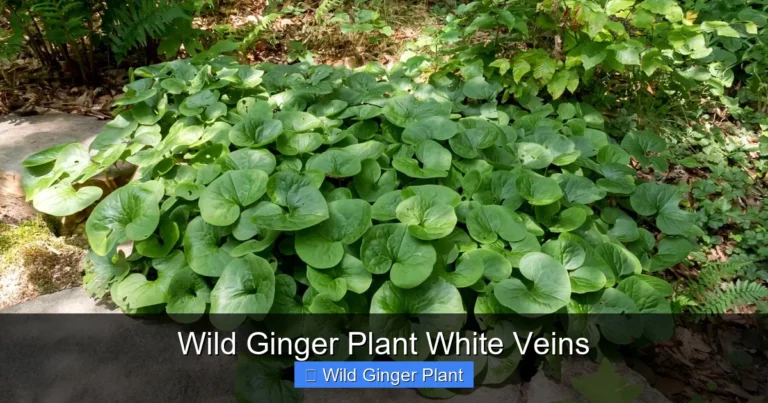
The term wild ginger plant actually refers to several species in the Asarum genus, but the two most common in North American gardens are Asarum canadense (Canadian wild ginger) and Asarum caudatum (Western wild ginger). Both share the characteristic heart-shaped leaves and ground-hugging habit, though they hail from different regions. Canadian wild ginger ranges across eastern and central North America, while Western wild ginger calls the Pacific Northwest home.
These are not the ginger you grate into stir-fries. That culinary ginger is Zingiber officinale, a tropical plant from a completely different family. However, the rhizomes of wild ginger do have a ginger-like aroma and were used historically by Indigenous peoples and early settlers as a spice substitute. The flavor is more pungent and less sweet than true ginger, with earthy undertones that some find appealing in moderation.
Growth Habit and Lifecycle
Understanding how this plant grows will save you frustration. Wild ginger plant spreads through underground rhizomes that creep horizontally just beneath the soil surface. Each year, the patch expands a few inches in all directions. This is not an aggressive runner like mint; it is a polite colonizer that respects boundaries.
In early spring, before the tree canopy fully leafs out, the plant puts on its main growth spurt. Fresh leaves unfurl from the rhizome tips, reaching 6 to 12 inches tall depending on species and conditions. The flowers emerge simultaneously, tucked right at the base of the leaf stems. They are easy to miss unless you gently lift the foliage. By mid-summer, the patch looks full and lush. Come fall, the leaves may persist in milder climates or die back in colder zones, returning reliably each spring.
Hardiness and Climate Preferences
Most wild ginger plant species are remarkably cold-hardy. Canadian wild ginger thrives in USDA zones 2 through 8, laughing off winters that would kill tender perennials. Western wild ginger prefers zones 7 through 9, needing milder winters but more consistent moisture. Both appreciate the temperature moderation that comes with shade planting.
Heat and humidity tolerance varies. In the deep South, Canadian wild ginger may struggle with summer heat unless given deep shade and ample moisture. Western wild ginger dislikes the combination of heat and humidity common in the Southeast. If you garden in a challenging climate, look for locally sourced plants or regionally appropriate species. They will be adapted to your specific conditions.
Choosing the Perfect Planting Site
Light Requirements: Deep Shade to Dappled Sun
This is the single most important factor for success. Wild ginger plant evolved on forest floors where direct sun rarely penetrates. In the garden, this translates to full shade (less than two hours of direct sun) or dappled shade under deciduous trees. Morning sun is tolerable if the soil stays moist, but afternoon sun will scorch the leaves within days.
I learned this the hard way when I planted a division along a north-facing wall that received two hours of late afternoon sun in July. The leaves developed brown, crispy edges by August. I moved it to a spot under a mature maple where it gets only filtered light, and it has thrived ever since. If you are unsure about your light conditions, observe the spot throughout a summer day. Note when and how long direct sun hits the ground.
Soil Conditions: Rich, Moist, and Well-Drained
Think forest floor. Decades of fallen leaves have created a spongy, humus-rich layer that holds moisture like a sponge but never becomes soggy. Your goal is to replicate this. Wild ginger plant needs soil high in organic matter with a slightly acidic to neutral pH (5.5 to 7.0). Heavy clay that stays wet in winter but bakes hard in summer will cause root rot. Pure sand drains too fast and lacks nutrients.
Before planting, amend your soil generously with compost, leaf mold, or well-rotted manure. Work it in 8 to 12 inches deep. If your soil is terribly compacted, consider double-digging or creating a raised bed filled with a custom mix. A simple test: squeeze a handful of moist soil. It should hold together briefly then crumble easily. If it forms a hard ball or falls apart instantly, keep amending.
Moisture and Drainage Balance
Consistent moisture is non-negotiable. Wild ginger plant has shallow rhizomes that dry out quickly. However, “moist” does not mean “wet.” Standing water leads to fungal diseases and rhizome rot. The ideal condition is evenly damp soil, like a wrung-out sponge. In nature, the tree canopy reduces evaporation, and the leaf litter acts as mulch. You must provide both functions in the garden.
If your site tends toward dryness, install drip irrigation or soaker hoses before planting. Mulch heavily with shredded leaves or pine needles (2 to 3 inches deep) to conserve moisture and slowly build soil organic matter. Avoid bark mulch, which can form a water-repellent crust. In low spots that collect water, plant on slight mounds or choose a different location. Wild ginger plant will not survive in a bog.
Companion Planting Considerations
Because wild ginger plant forms a dense mat, it works best with taller shade perennials that emerge above it. Think ferns, hostas, Solomon’s seal, jack-in-the-pulpit, and woodland phlox. Spring ephemerals like trilliums and bloodroot bloom before the ginger leafs out fully, then go dormant as the ginger fills in. This layering mimics natural plant communities.
Avoid planting near aggressive spreaders like goutweed, English ivy, or vinca. They will smother the slower ginger. Also keep it away from shallow-rooted trees like maples and beeches if possible, as root competition for moisture can be intense. If you must plant under such trees, provide extra water and consider a root barrier. A happy wild ginger plant patch becomes a weed-suppressing groundcover that reduces maintenance for its neighbors.
Planting Wild Ginger Plant Successfully
When to Plant
Spring and fall are both excellent planting times, each with advantages. Spring planting (after danger of hard frost) gives the plant a full growing season to establish before winter. The soil is naturally moist, and cooler temperatures reduce transplant shock. Fall planting (4 to 6 weeks before ground freeze) allows root development in warm soil while top growth slows. The plant wakes up ready to go next spring.
I prefer fall planting in my zone 6 garden. The divisions settle in during autumn rains, and I see stronger growth the following spring. If you garden in zones 3 or 4, spring is safer to avoid winter heaving. In zones 7 and 8, fall is ideal because summer heat stresses new plantings. Whenever you plant, choose a cool, overcast day if possible. Water the plants thoroughly a few hours before transplanting.
Sourcing Healthy Plants
Please, never dig wild ginger plant from natural areas. Many populations are threatened by habitat loss and over-collection. Instead, purchase from reputable native plant nurseries, either locally or online. Look for nurseries that propagate their own stock rather than wild-collecting. The plants should have firm, creamy-white rhizomes with several growth buds (the “eyes” from which leaves emerge).
Bare-root divisions are common for mail-order. They should arrive wrapped in damp sphagnum moss or paper. Pot them immediately if you cannot plant within a day. Potted plants from local nurseries let you inspect the root system. Gently slide the pot off. You want to see white roots filling the container but not tightly circling. Avoid plants with yellowing leaves, mushy rhizomes, or signs of fungal disease.
Step-by-Step Planting Process
Prepare the planting area by removing all weeds and grass. Loosen the soil 10 to 12 inches deep and incorporate 2 to 3 inches of compost. If planting multiple plants, space them 12 to 18 inches apart. They will fill in within 3 to 5 years. For faster coverage, space at 8 to 10 inches, but expect to divide sooner.
Dig a hole wide enough to spread the rhizome horizontally. The growth buds should sit just below the soil surface, about 1/2 to 1 inch deep. Planting too deep smothers the buds; too shallow exposes them to drying. Lay the rhizome flat, spread any roots downward, and backfill with amended soil. Firm gently with your hands to eliminate air pockets. Water thoroughly to settle the soil.
Apply 2 inches of shredded leaf mulch around (not on top of) the crowns. Label each plant with variety and planting date. Keep the soil consistently moist for the first growing season. Do not fertilize at planting time. The compost provides sufficient nutrients, and excess nitrogen encourages weak, floppy growth susceptible to disease.
Starting from Seed: A Labor of Love
Growing wild ginger plant from seed is possible but requires patience. The seeds have a double dormancy: they need warm stratification followed by cold stratification. In nature, seeds ripen in summer, experience warm soil, then winter cold, germinating the second spring. You can mimic this by sowing fresh seeds in pots, keeping them warm (70 to 75°F) for 60 days, then refrigerating (35 to 40°F) for 60 to 90 days.
Alternatively, sow seeds directly in a prepared nursery bed in early summer and let nature handle the stratification. Mark the spot well. Germination occurs the following spring. Seedlings grow slowly, reaching transplant size in 2 to 3 years. The advantage? Genetic diversity and lower cost for large areas. The disadvantage? Time. Most gardeners opt for divisions. If you try seeds, use fresh seed from a reliable source. Stored seed loses viability rapidly.
Ongoing Care and Maintenance
Watering Strategies for Success
The first year is critical. Water deeply once or twice weekly during dry spells, ensuring moisture penetrates 6 to 8 inches. Check by digging a small test hole. After establishment, wild ginger plant becomes more drought-tolerant but still performs best with consistent moisture. In my garden, I water during any week with less than an inch of rain.
Drip irrigation or soaker hoses are ideal. They deliver water to the root zone without wetting foliage, reducing fungal issues. Overhead watering early in the day is acceptable if leaves dry quickly. Mulch is your best water-saving tool. Maintain a 2 to 3 inch layer of shredded leaves year-round. Replenish annually as it decomposes. This mimics the natural forest floor cycle and feeds the soil food web.
Fertilizing: Less Is More
Wild ginger plant is not a heavy feeder. In rich woodland soil, it needs no supplemental fertilizer. If your soil is poor, apply a slow-release organic fertilizer in early spring at half the recommended rate. Better yet, top-dress with an inch of compost or leaf mold each fall. This feeds soil organisms that make nutrients available naturally.
Avoid high-nitrogen fertilizers. They promote lush, soft growth that attracts slugs and is prone to fungal diseases. The plant’s natural growth rate is slow and steady. Forcing it creates problems. If leaves look pale or small despite good moisture and light, a soil test will reveal actual deficiencies. Address those specifically rather than guessing.
Managing Pests and Diseases
Healthy wild ginger plant in proper conditions has few serious problems. Slugs and snails occasionally nibble leaves, especially in wet springs. Beer traps, copper tape, or diatomaceous earth around valuable patches help. Encourage natural predators like ground beetles and toads by providing habitat. Avoid metaldehyde baits, which harm pets and wildlife.
Fungal leaf spots may appear in humid conditions with poor air circulation. Remove affected leaves promptly. Thin surrounding plants if overcrowded. Root rot occurs in poorly drained soil. Prevention through proper site selection is the only cure. Deer and rabbits typically avoid wild ginger plant due to its aromatic compounds, though starving animals may sample anything.
Seasonal Maintenance Calendar
Spring: Remove any winter-matted leaves gently. Watch for emerging flower buds at soil level. Apply fresh mulch if needed. Water during dry spells. Summer: Monitor soil moisture weekly. Pull weeds before they set seed. Enjoy the lush green carpet. Fall: Allow leaves to remain as winter protection. Add shredded leaf mulch. Plant new divisions. Winter: In zones 5 and colder, ensure snow cover or add evergreen boughs for insulation. Do not cut back foliage until spring.
Propagation and Expanding Your Patch
Division: The Reliable Method
Division is the fastest way to increase your wild ginger plant stock. Established patches (3+ years old) can be divided in early spring or fall. Water the patch deeply the day before. Using a garden fork, lift a section of rhizomes. You will see a network of horizontal stems with roots at the nodes. Each segment with a growth bud and some roots can become a new plant.
Cut or break the rhizomes into 3 to 4 inch pieces, ensuring each has at least one plump bud. Replant immediately at the same depth. Water well and mulch. Divisions may look sparse the first year but typically fill in by year two. I divide my patches every 4 to 5 years, both to propagate and to rejuvenate the center,venate the planting. The center of old patches can become woody and less productive.
Rhizome Cuttings for Large Numbers
If you need many plants, rhizome cuttings work well. In late winter or early spring, dig up a few rhizomes from an established patch. Cut into 2 inch sections, each with a bud. Dust cut ends with cinnamon (a natural fungicide). Lay horizontally in flats of moist potting mix, barely covered. Keep at 60 to 65°F with high humidity. Pot up once roots and shoots appear.
This method produces many plants from little material but requires more attention than division. Success rates of 70 to 80% are typical. The resulting plants are genetically identical to the parent. For genetic diversity, combine divisions from multiple patches or supplement with seed-grown plants.
Natural Spread and Encouragement
Left alone, wild ginger plant spreads 6 to 12 inches per year depending on conditions. You can encourage faster colonization by removing competing vegetation at the patch edges and maintaining optimal moisture and mulch there. Some gardeners lay down cardboard or newspaper beyond the current edge, mulch heavily, and let the rhizomes colonize the new territory.
Do not till or cultivate around established patches. The shallow rhizomes are easily damaged. Hand-pull weeds instead. If the patch encounters a barrier (path, edging, dense roots), it will simply turn and grow along it. You can guide this by placing temporary barriers to direct growth toward bare areas. Patience yields the most natural-looking results.
Harvesting and Using Wild Ginger Plant
Ethical and Sustainable Harvesting
If you choose to harvest rhizomes for culinary or medicinal use, sustainability is paramount. Never harvest from wild populations. Only harvest from your own established garden patches (3+ years old, at least 3 feet across). Take no more than 10% of the rhizomes in any given year. Harvest in fall after leaf die-back or early spring before growth resumes.
Use a garden fork to gently expose rhizomes at the patch periphery. Select thick, firm sections with good color. Cut cleanly with a sharp knife, leaving the rest undisturbed. Replant any small pieces with buds. Water the patch well after harvesting. The plant will regenerate from remaining rhizomes. This approach ensures your patch persists for decades.
Culinary Uses and Preparation
The rhizomes have a spicy, ginger-like flavor with earthy, slightly bitter notes. They are more potent than commercial ginger, so use sparingly. Traditional preparations include candying, making syrup, or drying and grinding for spice blends. The leaves can flavor teas or be used as aromatic wrappers for steaming foods (remove before eating).
To candy: peel rhizomes, simmer in simple syrup until translucent, dry on racks, roll in sugar. For tea: steep a few thin slices in hot water 10 minutes. The flavor is warming and settling. Some people experience mild digestive upset with large quantities. Start with small amounts. Pregnant women should avoid medicinal doses due to potential uterine stimulation.
Historical and Medicinal Context
Indigenous peoples across North America used wild ginger plant for digestive complaints, colds, fevers, and as a general tonic. Early European settlers adopted these uses. The plant contains aristolochic acid, which has raised safety concerns in modern research. While traditional use involved small, occasional doses, concentrated extracts or long-term use are not recommended.
Today, most herbalists recommend using the plant externally (as a poultice for wounds or inflammation) or in very small culinary amounts. The aromatic compounds have demonstrated antimicrobial properties in laboratory studies. If exploring medicinal use, consult a qualified healthcare provider and herbalist. Never self-treat serious conditions.
Designing with Wild Ginger Plant
Woodland Garden Integration
Wild ginger plant shines in woodland gardens where it replicates the forest floor layer. Plant it in drifts of 7 to 15 plants for naturalistic effect. Let it flow around rocks, logs, and tree bases. Combine with native ferns (maidenhair, Christmas fern, lady fern), spring ephemerals (Virginia bluebells, trilliums), and taller perennials (black cohosh, bugbane, goat’s beard).
Consider the seasonal progression. In early spring, the ginger leaves provide a backdrop for ephemeral blooms. By summer, it forms a solid green carpet. In fall, the leaves may develop yellow tones before winter. In mild climates, the evergreen foliage provides winter interest. Plan for this sequence when selecting companions.
Shade Border Edging
Along shaded paths or border fronts, wild ginger plant creates a tidy, low edge that softens hardscapes. Space plants 10 to 12 inches apart for a continuous line. The foliage stays attractive all season without deadheading or staking. It tolerates light foot traffic once established, though a stepping stone path is kinder to the rhizomes.
Pair with hostas, heucheras, or hakone grass behind it for height contrast. The glossy ginger leaves complement matte or ruffled textures beautifully. Avoid planting where aggressive lawn grasses will invade from the sunny side. A deep edging barrier (8 to 10 inches) prevents rhizome mixing.
Container Growing Possibilities
While typically a groundcover, wild ginger plant adapts to containers with care. Choose a wide, shallow pot (rhizomes spread horizontally). Use a high-quality potting mix amended with compost and coarse sand for drainage. Site in full shade. Water frequently, as containers dry faster than ground soil. Fertilize lightly with diluted organic fertilizer monthly during growth.
Containers allow you to grow wild ginger plant on shaded patios, balconies, or under dense evergreens where soil planting fails. Repot every 2 to 3 years in early spring, dividing as needed. Protect pots in winter by moving to an unheated garage or sinking into the ground. In zones 7+, they may survive outdoors with mulch protection.
Erosion Control on Shady Slopes
The rhizomatous mat makes wild ginger plant effective for stabilizing shady slopes. Plant in a grid pattern 12 inches apart across the slope. Mulch heavily with shredded leaves held by jute netting on steep grades. The roots bind soil while the foliage slows rainfall impact. Combine with deeper-rooted natives like ferns and woodland grasses for layered stabilization.
Do not use on slopes prone to saturation or slumping. The shallow roots cannot hold heavy wet soil. For severe erosion, consult a professional. But for gentle woodland banks losing leaf litter, wild ginger plant is a beautiful, ecological solution that improves over time.
Troubleshooting Common Problems
Yellowing or Pale Leaves
This usually indicates one of three issues: too much sun, nutrient deficiency, or waterlogged soil. Check light exposure first. If the patch receives more than dappled morning sun, consider transplanting or adding shade cloth. If light is correct, test soil pH and nutrients. Wild ginger plant prefers slightly acidic soil. Alkaline conditions lock up iron, causing interveinal chlorosis (yellow leaves with green veins).
Amend with elemental sulfur or peat moss to lower pH slowly. If soil stays soggy, improve drainage or relocate. Root rot from poor drainage also causes yellowing. Dig up a rhizome to check. Healthy rhizomes are firm and creamy-white. Mushy, brown, or foul-smelling rhizomes indicate rot. Cut away affected parts, dust with cinnamon, and replant in better conditions.
Brown, Crispy Leaf Edges
This is classic sunscald or drought stress. Even in shade, reflected heat from walls or pavement can damage leaves. Increase watering and mulch depth. If the site gets any direct afternoon sun, the plant will struggle. Consider transplanting in fall. Temporary shade cloth during heat waves can bridge the gap.
Wind exposure in winter can also cause desiccation on evergreen species. In exposed sites, apply a loose evergreen bough mulch after ground freeze. This reduces wind drying while allowing air circulation. Remove in early spring before growth starts.
Sparse Growth and Failure to Spread
If your patch sits unchanged year after year, evaluate conditions. Is the soil compacted? Aerate gently with a fork at the patch edges. Is tree root competition intense? Water more deeply and frequently. Is the mulch too thick or matted? Rake it loose and keep it away from crowns. Sometimes the issue is simply age. Very old patches develop woody centers. Divide and replant the vigorous outer sections.
Check for vole or mouse damage. These rodents sometimes tunnel through patches, eating rhizomes. Hardware cloth barriers buried 6 inches deep can protect valuable plantings. Encourage owl and hawk habitat nearby for natural control.
Flowers Not Appearing
Wild ginger plant flowers are shy. They hide at ground level, often beneath leaf litter. Gently lift leaves in early spring to check. If truly absent, the plant may be too young (seedlings take 3 to 5 years to flower), too crowded, or stressed. Divisions usually flower within 1 to 2 years. Ensure the patch gets adequate spring light before tree canopy closure. This triggers flowering.
Some species flower more readily than others. Asarum canadense flowers reliably; some Asian species are shy bloomers. If flowers matter to you, select species known for good bloom. Remember, the foliage is the main ornamental feature. Flowers are a delightful bonus.
Conclusion
Growing wild ginger plant teaches us to garden on nature’s terms. It asks for shade, moisture, and patience. In return, it gives us a living carpet that suppresses weeds, supports wildlife, connects us to our regional ecology, and yes, even offers a taste of the forest floor. My own patches have become reference points in the garden year. I watch for the first curled leaves in March, the secret flowers in April, the full green expanse by June.
Start small if you are new to this plant. A few divisions in the right spot will teach you more than any article. Observe how they respond to your specific conditions. Adjust. Learn. Expand. Before long, you will be the one sharing divisions with neighbors, passing along not just plants but the knowledge of how to grow them. That is how gardening traditions endure. The wild ginger plant has been here far longer than our gardens. We are just helping it find its way back.
Whether you have a vast woodland or a shaded side yard, there is room for this native treasure. It solves the “nothing grows here” problem with grace. It asks little and gives much. In a world of high-maintenance landscapes, wild ginger plant reminds us that the best gardens work with nature, not against it. Plant some this season. Your future self, kneeling to peek at those hidden spring flowers, will thank you.
Frequently Asked Questions
What is the difference between wild ginger plant and culinary ginger?
Wild ginger plant (Asarum species) is a North American native woodland perennial with heart-shaped leaves, while culinary ginger (Zingiber officinale) is a tropical plant from a different family. They share a similar aroma but are not botanically related.
How do I prevent slugs from eating my wild ginger plant?
Use beer traps, copper tape barriers, or diatomaceous earth around patches. Encourage natural predators like toads and ground beetles by providing habitat. Avoid chemical baits that harm beneficial wildlife.
Can I grow wild ginger plant under pine trees?
Yes, wild ginger plant grows well under pine trees in the needle duff layer. The acidic conditions suit it. Ensure adequate moisture as pines create dry shade. Mulch with additional pine needles or shredded leaves.
Does wild ginger plant stay green all winter?
In zones 6 and warmer, wild ginger plant is often evergreen. In colder zones, foliage dies back after hard freezes but returns reliably in spring. Leave winter foliage in place for crown protection.
How deep should I plant wild ginger plant rhizomes?
Plant rhizomes horizontally with growth buds 1/2 to 1 inch below the soil surface. Planting too deep prevents emergence; too shallow exposes buds to drying. Spread roots downward when backfilling.
Is wild ginger plant invasive in gardens?
No, wild ginger plant is not invasive. It spreads slowly through rhizomes and is easily controlled. It is a native plant that supports local ecology, unlike aggressive non-native groundcovers such as English ivy or vinca.