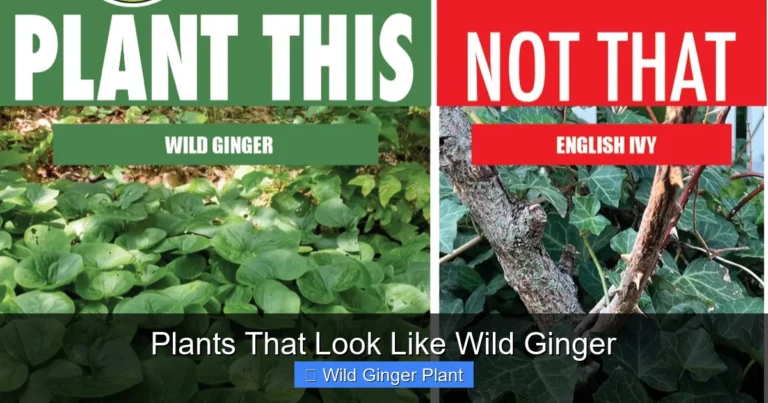
Wild Ginger Plant for Sale
Wild ginger plant for sale offers a low‑maintenance, shade‑loving groundcover that thrives in woodland gardens. Choose healthy, nursery‑grown specimens and follow simple planting steps for lasting beauty.
Welcome to the complete guide on finding and growing a wild ginger plant for sale. This article walks you through everything from species selection to long‑term care. You will learn where to buy healthy stock and how to make it thrive in your shade garden.
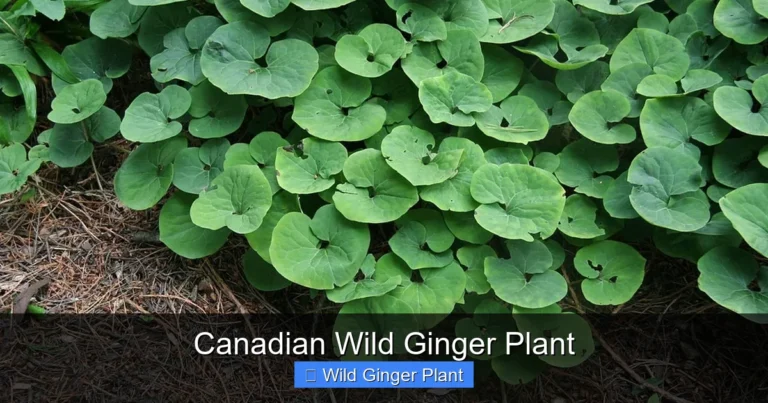
Wild ginger is a low‑growing perennial that loves moist, rich soil. It spreads slowly by rhizomes and creates a soft carpet of heart‑shaped leaves. Many gardeners prize it for its subtle fragrance and its ability to suppress weeds.
Whether you are a beginner or an experienced native‑plant enthusiast, the information below will help you make confident decisions. Let’s dive in.
Key Takeaways
- Native shade groundcover: Wild ginger spreads slowly and forms a dense mat under trees.
- Multiple species available: Asarum canadense and Asarum europaeum are the most common choices.
- Buy from reputable sources: Look for wild ginger plant for sale at certified native‑plant nurseries.
- Soil matters: Moist, rich, well‑drained soil gives the best results.
- Low upkeep: Once established, it needs little watering or fertilizing.
- Design versatility: Use it for path edging, understory filler, or companion to ferns.
Quick Answers to Common Questions
What is the best time to plant a wild ginger plant for sale?
Early spring or early fall gives the roots time to establish before extreme temperatures.
How much shade does wild ginger need?
It thrives in dappled to full shade; avoid harsh afternoon sun.
Can I grow wild ginger in a container?
Yes, use a deep pot with rich, moist soil and keep it in a shaded spot.
How often should I divide wild ginger?
Every three to four years in early spring keeps colonies vigorous.
Are there any pests that bother wild ginger?
Slugs and snails are the most common; hand‑pick or use iron‑phosphate bait.
📑 Table of Contents
Understanding Wild Ginger
What Is Wild Ginger?
Wild ginger refers to several species in the genus Asarum. The most common North American species is Asarum canadense. It is not related to culinary ginger but gets its name from the spicy scent of its roots. The plant forms a dense mat of glossy leaves that stay green through most of the year.
If you are looking for a wild ginger plant for sale, you will usually see the native species listed first. These plants are adapted to local conditions and support native pollinators. They also require less fertilizer than exotic groundcovers.
Native Range and Habitat
Asarum canadense grows naturally from the Great Lakes region down to the Appalachian Mountains. It prefers deciduous forests with dappled light. The soil there is rich in organic matter and stays evenly moist. Replicating these conditions in your garden gives the best results.
When you search for a wild ginger plant for sale, check the label for the plant’s origin. Plants sourced from local seed collections tend to establish faster. They also carry the genetic diversity needed for long‑term resilience.
Benefits in the Garden
Wild ginger provides several benefits. First, it acts as a living mulch that conserves soil moisture. Second, its foliage suppresses many common weeds. Third, the flowers, though hidden at ground level, attract early‑season pollinators such as beetles and flies. Finally, the plant’s rhizomes help stabilize soil on gentle slopes.
Adding a wild ginger plant for sale to a shade border can reduce maintenance time. You spend less effort weeding and watering once the colony is established.
Historical Uses and Folklore
Indigenous peoples used wild ginger roots for medicinal teas and as a flavoring. Early settlers adopted the plant for similar purposes. The aromatic rhizome was also believed to ward off evil spirits. While modern gardeners grow it mainly for ornament, the history adds depth to any planting.
Knowing the cultural background can make your wild ginger plant for sale feel more meaningful in a heritage garden.
Wild Ginger Versus Culinary Ginger
Culinary ginger (Zingiber officinale) is a tropical plant with a hot, pungent rhizome. Wild ginger is a temperate woodland species with a mild, earthy scent. They belong to completely different families. Confusing the two can lead to disappointment in the kitchen.
Always verify the botanical name before buying a wild ginger plant for sale if you intend to use it for cooking.
Choosing the Right Wild Ginger Plant for Sale
Species and Cultivars
There are two main species offered in commerce. Asarum canadense is the North American native. Asarum europaeum, the European wild ginger, has slightly larger leaves and a more vigorous spread. Both are sold as a wild ginger plant for sale in many catalogs.
Some nurseries also carry cultivars like ‘Variegatum’ with white‑streaked leaves. These add visual interest but may be less cold‑hardy. Choose a cultivar that matches your climate zone.
Size and Growth Habit
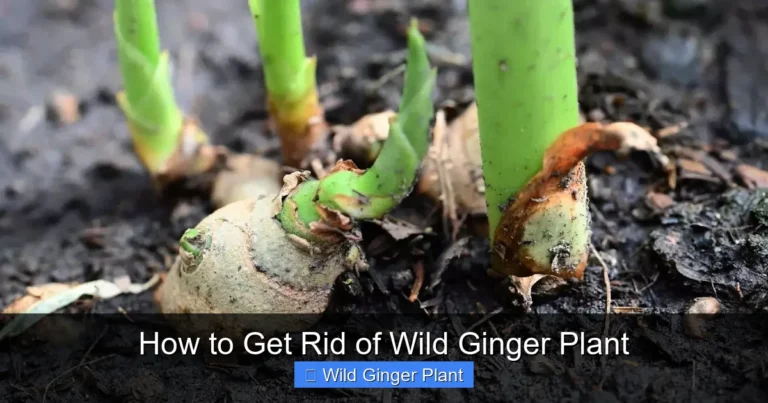
Most wild ginger plants reach 6 to 12 inches in height. They spread 12 to 18 inches per year under ideal conditions. The rhizomes creep just below the soil surface. This slow spread makes them easy to manage.
When you compare a wild ginger plant for sale listings, note the pot size. A 1‑gallon pot usually contains a more mature rhizome system than a 4‑inch plug. Larger pots establish quicker.
Source Quality Indicators
Look for these quality signs when buying. Healthy leaves should be deep green with no yellow edges. The rhizome should feel firm, not mushy. The pot should be free of weeds and pests. A reputable seller will provide a guarantee or return policy.
Reading customer reviews can also reveal how a particular wild ginger plant for sale performs in real gardens. Choose sellers with consistently high ratings.
Root Health Checklist
Before purchase, inspect the root ball. Gently tease the soil away to see the rhizomes. They should be white to light tan and plump. Avoid any that are black, mushy, or have a foul odor. A healthy root system ensures rapid establishment after planting.
If you order a wild ginger plant for sale online, request photos of the root system before shipping. Good sellers will comply.
Container Versus Bare‑Root Options
Container grown plants arrive with soil intact, reducing transplant shock. Bare‑root divisions are lighter to ship and often cheaper. Both can succeed if handled properly. Soak bare‑root pieces in water for an hour before planting.
Decide based on your planting timeline and budget. A wild ginger plant for sale in a container may be worth the extra cost for instant impact.
Where to Buy Wild Ginger Plant for Sale
Local Nurseries and Garden Centers
Visiting a local nursery lets you inspect the plant before purchase. Staff can often tell you the exact provenance of their stock. Many native‑plant nurseries specialize in a wild ginger plant for sale that is grown from regional seed.
Call ahead to confirm availability. Spring and early fall are the best times to find fresh stock.
Online Specialty Retailers
Online retailers expand your options. Websites that focus on native perennials usually list a wild ginger plant for sale with detailed descriptions. Look for sellers who ship in biodegradable pots and use cold‑pack shipping for root protection.
Check the return policy before ordering. A good retailer will replace a plant that arrives damaged.
Plant Swaps and Native Plant Societies
Community plant swaps are a low‑cost way to acquire a wild ginger plant for sale. Members of native plant societies often divide their own colonies and share divisions. These plants are already adapted to your local climate.
Attend a swap early in the season for the best selection. Bring a small pot and some moist soil for transport.
Mail‑Order Considerations
When ordering by mail, verify the shipping window. Plants should be sent early in the week to avoid weekend delays. Inspect the package immediately on arrival. Look for broken stems, wilted leaves, or dry root balls.
Contact the seller within 24 hours if a wild ginger plant for sale arrives in poor condition. Most reputable companies offer a replacement or refund.
Timing Your Purchase
Buy in early spring for planting as soon as the ground can be worked. Fall purchases work well in mild climates where the soil stays warm enough for root growth. Avoid midsummer heat, which stresses newly transplanted rhizomes.
Planning ahead ensures your wild ginger plant for sale gets the best start possible.
Planting and Establishment
Site Selection and Soil Prep
Choose a site with dappled shade or morning sun only. Full sun can scorch the leaves. The soil should be rich, loose, and well‑drained. Amend heavy clay with compost and leaf mold to improve texture.
Before you plant a wild ginger plant for sale, test the soil pH. A slightly acidic range of 5.5 to 6.5 is ideal. Adjust with elemental sulfur if needed.
Preparing the Bed
Clear the area of existing weeds and debris. Loosen the top 8 inches of soil with a garden fork. Mix in a 2‑inch layer of well‑rotted compost. This creates a nutrient‑rich, moisture‑retentive bed that encourages rapid rhizome expansion.
Rake the surface smooth and water lightly. A prepared bed reduces transplant shock for any wild ginger plant for sale you add.
Planting Steps
Follow these steps for a successful start. First, water the plant thoroughly while it is still in its pot. Second, dig a hole twice as wide as the root ball but no deeper. Third, place the plant so the crown sits at soil level. Fourth, backfill with the amended soil and firm gently. Fifth, water again to settle the soil.
Space multiple plants 12 to 18 inches apart. This spacing allows each colony room to expand without crowding.
Staggered Planting for Continuous Cover
If you want a quick carpet, plant groups of three at 12‑inch intervals. In the following year, fill the gaps with additional divisions. This staggered approach yields a uniform mat faster than single plants alone.
Each new wild ginger plant for sale you add will knit together with its neighbors within two seasons.
Watering and Mulching
Keep the soil consistently moist for the first six weeks. A soaker hose or drip line works well. After establishment, wild ginger tolerates short dry spells but prefers even moisture.
Apply a 2‑inch layer of shredded leaf mulch around the plants. Mulch conserves moisture, suppresses weeds, and slowly adds organic matter. Replenish mulch each spring.
Mulch Types and Benefits
Leaf mold, pine straw, and shredded bark are all suitable. Leaf mold breaks down quickly, feeding the soil. Pine straw adds acidity, which wild ginger appreciates. Bark lasts longer but decomposes slowly.
Choose a mulch that matches your aesthetic and maintenance preferences for your wild ginger plant for sale beds.
Ongoing Care and Maintenance
Fertilizing and Soil Amendments
Wild ginger is a light feeder. A single application of a balanced, slow‑release fertilizer in early spring is sufficient. Alternatively, top‑dress with a thin layer of compost each year.
Avoid high‑nitrogen fertilizers. They encourage leaf growth at the expense of rhizome development.
Seasonal Care Calendar
In early spring, remove any dead foliage and apply fertilizer. Mid‑spring, check soil moisture and mulch depth. Summer, water during prolonged droughts. Fall, add a fresh mulch layer before frost. Winter, leave the foliage in place for insulation.
Following this calendar keeps a wild ginger plant for sale healthy year after year.
Pest and Disease Management
Common pests include slugs and snails, which love the moist environment. Hand‑pick them at night or use iron‑phosphate bait. Fungal leaf spots can appear in overly wet conditions. Improve air circulation by thinning nearby plants.
If you notice a decline in a wild ginger plant for sale colony, check for root rot. Reduce watering and improve drainage immediately.
Natural Predators and Companion Controls
Encourage ground beetles and birds by providing habitat such as log piles. These predators naturally reduce slug populations. Planting garlic or onions nearby can also deter some pests without chemicals.
Integrated pest management protects your wild ginger plant for sale while supporting biodiversity.
Dividing and Propagation
Divide mature clumps every three to four years in early spring. Lift the clump with a garden fork, separate the rhizomes, and replant the divisions at the same depth. This rejuvenates the colony and gives you new plants for other garden areas.
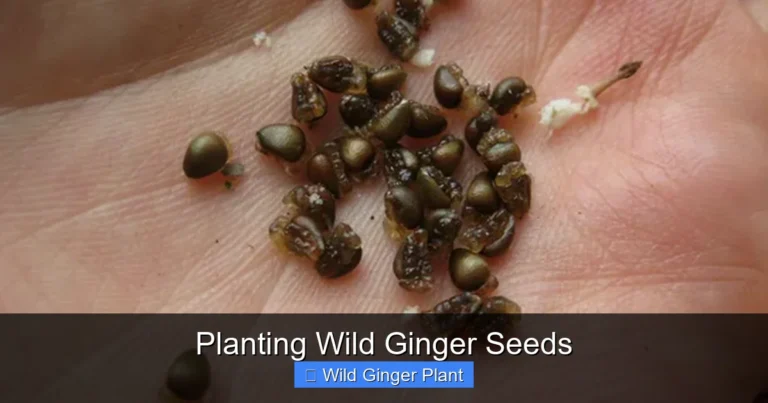
You can also propagate by seed, but germination is slow and requires cold stratification. Division is the faster, more reliable method.
Winter Protection in Cold Zones
In zones 3‑4, add an extra 3‑inch mulch layer after the ground freezes. This insulates the rhizomes from extreme temperature swings. Remove the excess mulch in early spring to prevent rot.
Proper winter care ensures your wild ginger plant for sale returns vigorously each year.
Design Ideas Using Wild Ginger
Shade Garden Groundcover
Plant a wild ginger plant for sale in broad drifts beneath deciduous trees. The glossy leaves create a living carpet that stays attractive from spring through fall. Pair it with ferns, hostas, and foamflower for texture contrast.
Mass plantings also suppress invasive weeds, reducing the need for herbicides.
Woodland Path Edging
Line a shaded pathway with a single row of wild ginger. The low height keeps the path clear while the foliage softens the edges. Add stepping stones for a natural look.
Edge lighting can highlight the foliage at night, creating a magical walkway.
Companion Planting
Wild ginger works well with spring ephemerals like trillium and bloodroot. The ginger’s foliage emerges later, covering the ground after the ephemerals fade. This succession keeps the bed looking full all season.
Consider adding a wild ginger plant for sale to a rain garden’s edge. Its tolerance for moist soil makes it a good fit for the transition zone.
Container and Raised‑Bed Displays
Wild ginger adapts to large containers filled with a rich, moisture‑retentive mix. Use a pot at least 12 inches deep. Place the container in a shaded patio corner for a lush, low‑maintenance accent.
Raised beds with a woodland soil blend also work well. They improve drainage on heavy sites while keeping the rhizomes cool.
Wildlife Habitat Enhancement
The dense foliage provides shelter for amphibians and beneficial insects. The hidden flowers feed early pollinators when few other blooms are present. Adding a wild ginger plant for sale contributes to a healthier garden ecosystem.
Combine with native shrubs like spicebush to create layered habitat structure.
In conclusion, a wild ginger plant for sale can transform a shady corner into a lush, low‑maintenance haven. By choosing the right species, buying from a trusted source, and following simple planting and care steps, you will enjoy years of beautiful groundcover. Happy gardening!
Frequently Asked Questions
What soil pH is ideal for wild ginger?
A slightly acidic pH between 5.5 and 6.5 provides the best growth for wild ginger.
Does wild ginger spread aggressively?
It spreads slowly by rhizomes, forming a dense mat but rarely becoming invasive.
Can I use wild ginger for culinary purposes?
Wild ginger is not a substitute for culinary ginger; its rhizome is mild and mainly ornamental.
How do I know if a wild ginger plant for sale is healthy?
Look for firm, pale rhizomes, deep green leaves, and no signs of pests or rot.
Will wild ginger survive a harsh winter?
In zones 3‑4, extra mulch after freeze protects the rhizomes; it returns reliably in spring.
Where can I find native wild ginger plant for sale near me?
Check local native‑plant nurseries, botanical garden sales, or native plant society swaps.