Wild Ginger Plants for Sale
Looking for wild ginger plants for sale? This complete guide covers everything you need to know about buying, planting, and caring for these beautiful native groundcovers. Find trusted sources, choose the right variety, and create a thriving shade garden with confidence.
Key Takeaways
- Native species matter: Choose Asarum canadense for North American gardens or Asarum europaeum for European varieties to support local ecosystems.
- Buy from reputable nurseries: Look for sellers who offer bare-root rhizomes or potted plants with healthy root systems and no signs of disease.
- Shade is essential: Wild ginger thrives in full to partial shade with moist, well-draining soil rich in organic matter.
- Plant in spring or fall: These seasons give roots time to establish before extreme temperatures arrive.
- Deer resistant and low maintenance: Once established, wild ginger forms dense mats that suppress weeds and rarely need division.
- Not culinary ginger: Despite the name, wild ginger is not related to culinary ginger and should not be consumed in large quantities.
- Great companion plant: Pair with ferns, hostas, and spring ephemerals for a layered woodland garden design.
Quick Answers to Common Questions
What is the difference between wild ginger and culinary ginger?
Wild ginger (Asarum species) is a native woodland groundcover unrelated to culinary ginger (Zingiber officinale). They only share a name because crushed wild ginger roots smell similar to culinary ginger.
When is the best time to plant wild ginger?
Spring after the last hard frost or fall six weeks before ground freeze are ideal. Both give roots time to establish before extreme temperatures.
Does wild ginger spread aggressively?
No, wild ginger spreads slowly at about six to twelve inches per year. It forms well-behaved clumps that gradually expand without becoming invasive.
Can I eat wild ginger from my garden?
While historically used as a ginger substitute, wild ginger contains aristolochic acid which can cause kidney damage and cancer. The FDA advises against consumption.
What growing conditions does wild ginger need?
Wild ginger thrives in full to partial shade with rich, moist, well-draining soil high in organic matter. Consistent moisture and a mulch layer are essential for success.
📑 Table of Contents
- Finding the Perfect Wild Ginger Plants for Sale
- Understanding Wild Ginger: Not Your Kitchen Spice
- Where to Buy Wild Ginger Plants for Sale
- Choosing Healthy Plants: What to Look For
- Creating the Perfect Home for Your Wild Ginger
- Planting Your Wild Ginger: Step by Step
- Long-Term Care: Surprisingly Simple
- Designing with Wild Ginger: Garden Companions
- Common Questions About Wild Ginger
- Seasonal Care Calendar
- Troubleshooting Common Issues
- Ecological Benefits: More Than Pretty Leaves
- Finding Wild Ginger Plants for Sale: A Quick Recap
- Your Wild Ginger Journey Starts Now
Finding the Perfect Wild Ginger Plants for Sale
Have you ever walked through a spring woodland and noticed those heart-shaped leaves hugging the forest floor? That’s wild ginger, and it might be exactly what your shade garden needs. I remember the first time I spotted it on a hike – those velvety green leaves catching dappled sunlight, hiding curious little flowers beneath. It felt like discovering a secret.
If you’re searching for wild ginger plants for sale, you’ve come to the right place. This guide walks you through everything from choosing the right species to finding trustworthy sellers and getting your new plants off to a strong start. Whether you’re a seasoned native plant enthusiast or just starting your shade garden journey, you’ll find practical advice you can use today.
Understanding Wild Ginger: Not Your Kitchen Spice
What Is Wild Ginger Anyway?
Let’s clear up the biggest misconception right away. Wild ginger (Asarum species) is not related to the culinary ginger (Zingiber officinale) you buy at the grocery store. They share a name because early settlers noticed the roots smell similar when crushed – spicy, earthy, warming. But that’s where the similarity ends.
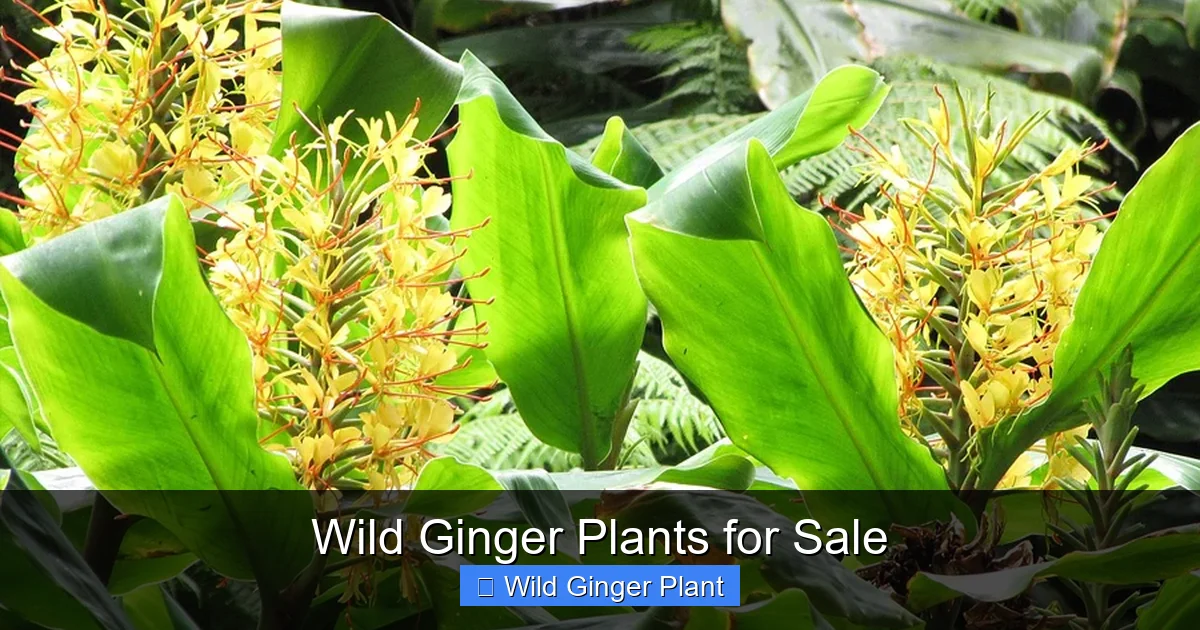
Visual guide about Wild Ginger Plants for Sale
Image source: landcareresearch.co.nz
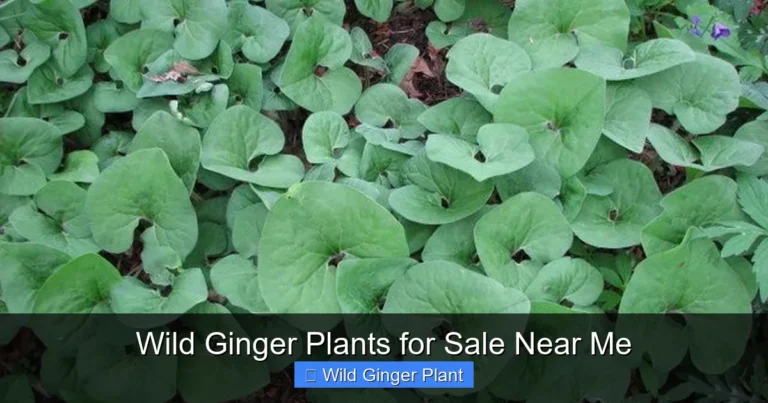
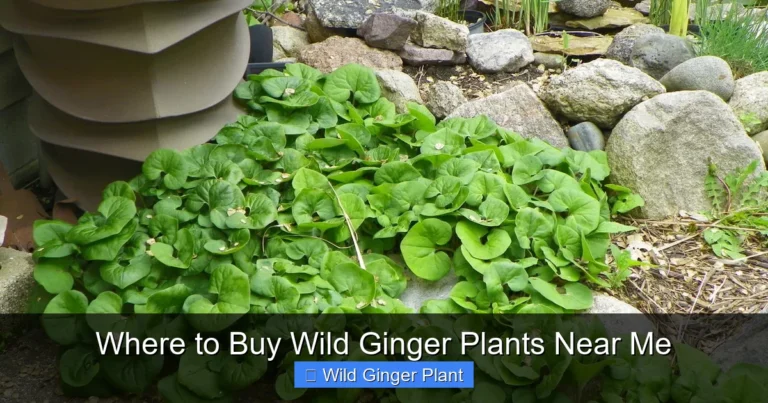
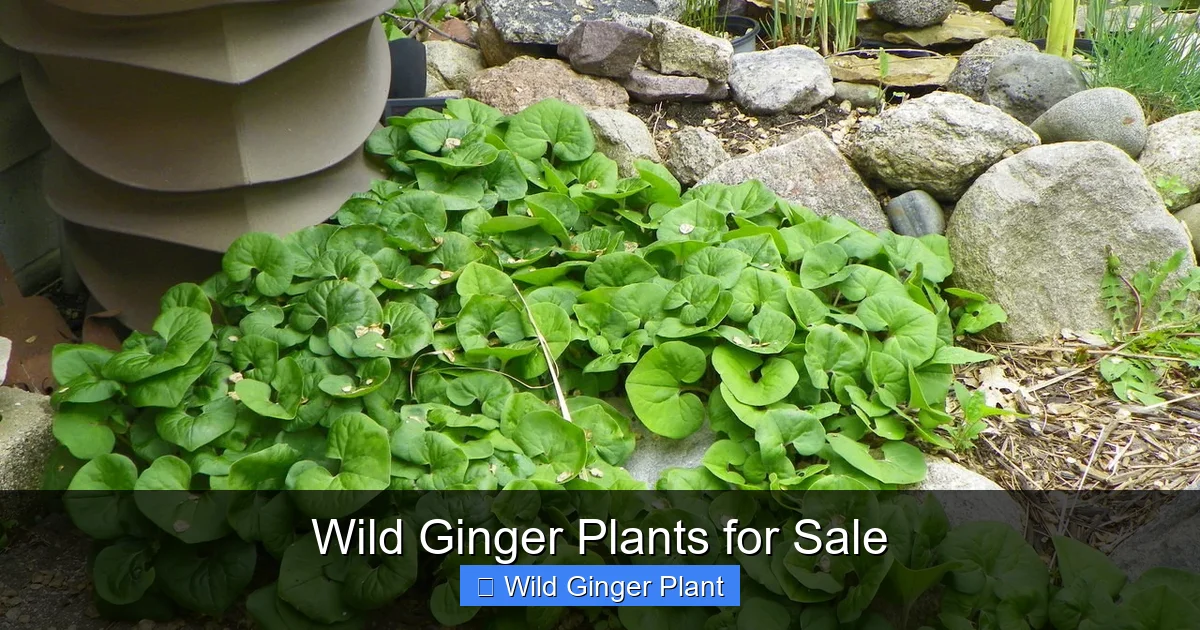
Wild ginger belongs to the birthwort family (Aristolochiaceae). It’s a low-growing perennial native to temperate forests across the Northern Hemisphere. The plants spread slowly by underground rhizomes, forming beautiful ground-hugging mats of heart-shaped or kidney-shaped leaves.
North American Native: Asarum canadense
If you garden in the United States or Canada, this is the species you want. Canadian wild ginger grows naturally from the Great Plains eastward to the Atlantic, and from the Gulf Coast north into Canada. It’s hardy in zones 4 through 7, sometimes stretching to zone 3 with good snow cover.
The leaves are soft, slightly hairy, and deeply lobed at the base – classic heart shapes that can reach six inches across. In spring, curious jug-shaped flowers appear at ground level, hidden beneath the foliage. They’re pollinated by early-emerging flies and beetles attracted to their faint, earthy scent.
European Cousin: Asarum europaeum
European wild ginger offers shinier, more leathery leaves that stay evergreen in milder climates. It’s hardy in zones 4 through 8 and forms slightly tighter, more formal mats. Some gardeners prefer its polished look for designed woodland gardens.
Both species play nice with other shade lovers. Neither is aggressive or invasive – they’re well-behaved spreaders that respect their neighbors.
Where to Buy Wild Ginger Plants for Sale
Local Native Plant Nurseries
Start your search close to home. Local native plant nurseries offer several advantages. The plants are already adapted to your regional conditions. You can inspect them in person before buying. And you’re supporting businesses that understand your local ecology.
Call ahead to check availability. Many nurseries sell wild ginger plants for sale seasonally – typically spring and fall. Ask if they propagate their own plants or source from reputable wholesale growers. Locally propagated plants often establish faster.
Specialty Online Nurseries
Several excellent online nurseries specialize in native woodland plants. Look for companies that:
- Ship bare-root rhizomes or potted plants at appropriate planting times
- Provide detailed planting instructions
- Offer guarantees on plant health
- Have positive reviews from customers in your region
Reputable online sources for wild ginger plants for sale include Prairie Moon Nursery, Gardens of the Blue Ridge, and Sunshine Farm and Gardens. These companies have decades of experience with native plants.
Native Plant Society Sales
Check your state or regional native plant society. Many host annual plant sales featuring locally sourced, ethically propagated natives. These events are goldmines for finding healthy wild ginger plants for sale at reasonable prices. Plus, you’ll meet fellow native plant enthusiasts who can share site-specific advice.
What to Avoid
Steer clear of big-box garden centers selling “wild ginger” in spring. These are often mislabeled or wrong species entirely. Avoid any seller who can’t tell you the scientific name or source of their plants. And never dig plants from the wild – it’s illegal in many places and damages fragile populations.
Choosing Healthy Plants: What to Look For
Bare-Root vs. Potted Plants
You’ll encounter two main forms when shopping for wild ginger plants for sale. Bare-root rhizomes are typically sold in fall or early spring while dormant. They’re lighter to ship, less expensive, and often establish quickly if planted promptly. Look for firm, plump rhizomes with visible growth buds (eyes) and healthy fibrous roots attached.
Potted plants cost more but give you a head start. They’re available throughout the growing season. Check for multiple growing points, healthy green leaves without yellowing or spots, and roots that hold the soil together but aren’t circling the pot excessively.
Signs of Quality
Whether bare-root or potted, healthy wild ginger shows:
- Firm, creamy-white to light tan rhizomes (not mushy or dark)
- Visible growth buds – small pointed nubs on the rhizome
- Fresh, fibrous roots attached to the rhizome
- Leaves (if present) that are rich green, not yellowed or brown-edged
- No signs of fungal issues like powdery mildew or leaf spots
Size Matters, But Not How You Think
Don’t automatically choose the largest plant. A smaller division with vigorous roots often outperforms a larger, root-bound specimen. For bare-root plants, a rhizome section two to three inches long with at least two growth buds is ideal. For potted plants, a quart-sized pot with multiple shoots is perfect.
Creating the Perfect Home for Your Wild Ginger
Light Requirements: Embrace the Shade
Wild ginger evolved on forest floors. It wants dappled to full shade. Morning sun with afternoon shade works in cooler climates. In hot regions, full shade is non-negotiable. Too much sun bleaches the leaves and stresses the plant.
Observe your planting area throughout the day. Note where shadows fall from trees, buildings, and fences. The north side of structures often provides ideal conditions. Under mature deciduous trees is classic wild ginger territory – spring sun before leaf-out, then cool shade all summer.
Soil Preparation: Think Forest Floor
Rich, moist, well-draining soil with plenty of organic matter – that’s the recipe. Wild ginger loves the same conditions as trilliums, bloodroot, and ferns. If your soil is heavy clay or sandy, amend generously with compost, leaf mold, or well-rotted manure.
Work amendments into the top eight to ten inches. Aim for a soil that holds moisture like a wrung-out sponge but never stays soggy. A slightly acidic to neutral pH (5.5 to 7.0) is perfect. Most woodland soils naturally fall in this range.
Moisture Management
Consistent moisture is key, especially during establishment. Wild ginger doesn’t tolerate drought well. The large, thin leaves lose water quickly. Mulch with two to three inches of shredded leaves, pine needles, or bark to conserve moisture and mimic natural forest duff.
Water deeply after planting. Then water whenever the top inch of soil feels dry during the first growing season. Once established, plants in good soil with adequate mulch need supplemental water only during extended dry spells.
Planting Your Wild Ginger: Step by Step
Timing Is Everything
Spring and fall are your planting windows. Spring planting (after danger of hard frost) gives roots all season to establish before winter. Fall planting (six weeks before ground freeze) lets roots settle in cool, moist soil before dormancy. Both work well – choose based on when you find healthy wild ginger plants for sale.
Avoid summer planting unless you can provide constant attention and shade. Winter planting is impossible in frozen ground.
Spacing for Success
Space plants twelve to eighteen inches apart. This seems generous for small divisions, but wild ginger spreads steadily. At this spacing, plants will knit together in two to three years, forming a continuous carpet. Closer spacing gives faster coverage but costs more upfront.
For a natural look, stagger plants in a loose grid rather than straight rows. Think of how they grow in nature – scattered, overlapping, organic.
Planting Depth Matters
This is where many gardeners go wrong. Plant rhizomes horizontally, just below the soil surface. The growth buds should be barely covered – no more than half an inch deep. Too deep and they struggle to emerge. Too shallow and they dry out.
For potted plants, maintain the same soil level they had in the pot. Don’t bury the crown. Water thoroughly after planting to settle soil around roots.
First Season Care
Keep newly planted wild ginger consistently moist. Mulch well. Remove any weeds that appear – they compete for moisture and nutrients. Don’t fertilize the first year; the amended soil provides plenty of nutrients. If you planted in spring, you might see some new leaves. Fall plantings won’t show growth until spring.
Long-Term Care: Surprisingly Simple
Watering Established Plants
After the first year, wild ginger in good soil with proper mulch is remarkably self-sufficient. Water during droughts lasting more than two weeks. Plants in deeper shade or richer soil need less water. Watch for wilting leaves – that’s your cue to water deeply.
Mulch Maintenance
Refresh mulch annually in fall after leaves drop. Shredded leaves are ideal – they’re free, break down into perfect humus, and mimic nature. Pine needles work well too. Avoid heavy wood chips that can compact and repel water.
To Divide or Not to Divide
Wild ginger rarely needs division. Clumps can thrive for decades undisturbed. If you want more plants or a clump becomes hollow in the center (rare), divide in early spring or fall. Dig the clump, cut rhizomes into sections with growth buds, and replant immediately. Water well.
Pest and Disease Resistance
Deer and rabbits typically ignore wild ginger. The leaves contain aromatic compounds they dislike. Slugs and snails occasionally nibble young leaves in wet springs. Hand-pick or use organic controls if needed. Fungal issues are rare with good air circulation and proper spacing.
Designing with Wild Ginger: Garden Companions
Spring Ephemeral Partners
Wild ginger shines as a backdrop for spring ephemerals – those early bloomers that go dormant by summer. Plant it with:
- Virginia bluebells (Mertensia virginica)
- Trout lily (Erythronium americanum)
- Spring beauty (Claytonia virginica)
- Bloodroot (Sanguinaria canadensis)
- Trilliums (Trillium species)
The ephemerals bloom and fade, then wild ginger’s expanding leaves cover the bare spots. Perfect succession.
Fern Combinations
Ferns and wild ginger are classic partners. The fine texture of fern fronds contrasts beautifully with wild ginger’s bold, solid leaves. Try:
- Christmas fern (Polystichum acrostichoides) – evergreen structure
- Maidenhair fern (Adiantum pedatum) – delicate, airy texture
- Lady fern (Athyrium filix-femina) – reliable and graceful
- Ostrich fern (Matteuccia struthiopteris) – dramatic height contrast
Hostas and Other Shade Staples
While hostas aren’t native, they play well with wild ginger in designed shade gardens. The broad hosta leaves and heart-shaped ginger leaves create pleasing repetition. Add native companions like:
- Solomon’s seal (Polygonatum biflorum) – arching stems
- Foamflower (Tiarella cordifolia) – frothy spring flowers
- Wild geranium (Geranium maculatum) – pink blooms, nice foliage
- Woodland phlox (Phlox divaricata) – fragrant spring color
Creating Layers
Think in vertical layers. Canopy trees overhead. Understory trees and shrubs at mid-height (serviceberry, spicebush, witch hazel). Herbaceous layer with ferns, wild ginger, and companions. Ground layer of mosses and tiny creepers. This mimics natural forest structure and supports maximum biodiversity.
Common Questions About Wild Ginger
Is Wild Ginger Edible?
This question comes up constantly. The rhizomes have been used traditionally as a ginger substitute and flavoring. However, they contain aristolochic acid, which can damage kidneys and cause cancer with regular consumption. The FDA warns against consuming wild ginger. Enjoy it for its beauty and ecological value, not your dinner plate.
Does It Spread Aggressively?
No. Wild ginger spreads slowly – maybe six to twelve inches per year under ideal conditions. It forms tight clumps that gradually expand. It won’t swallow your garden or escape into wild areas. If it ever gets too wide, you can simply dig the edges.
Why Are My Leaves Yellowing?
Yellow leaves usually mean too much sun, not enough water, or poor drainage. Check soil moisture. If it’s soggy, improve drainage. If it’s dry, water more. If the plant gets afternoon sun, consider moving it to a shadier spot in fall.
Where Are the Flowers?
Wild ginger flowers are shy. They bloom at ground level, often hidden beneath leaves. You have to get down on your hands and knees to see them. They’re fascinating – jug-shaped, purplish-brown, almost alien-looking. But they’re not showy garden features. The foliage is the main attraction.
Seasonal Care Calendar
Early Spring (March-April)
Remove any heavy leaf cover that might smother emerging growth. Apply fresh mulch if last year’s has decomposed. Watch for slugs on new leaves. This is a good time to divide if needed.
Late Spring (May-June)
Peak foliage season. Enjoy the lush green carpet. Water if spring rains fail. Remove any weeds that sneak through. Flowers bloom now but stay hidden.
Summer (July-August)
Monitor moisture during heat waves. Wild ginger in good soil with mulch usually sails through. In drought, water deeply once weekly. No fertilizing needed.
Fall (September-October)
Prime planting time for new wild ginger plants for sale. Refresh mulch with fallen leaves. Plant spring ephemerals among existing ginger for next year’s show.
Winter (November-February)
Plants are dormant. Leaves may persist in mild climates or die back in cold ones. Either is fine. No care needed. Dream about spring.
Troubleshooting Common Issues
Slow Establishment
Wild ginger is naturally slow. If your new plants seem to just sit there, don’t panic. They’re building root systems. Ensure consistent moisture. Avoid disturbing the soil around them. They’ll take off in year two or three.
Leaf Scorch
Brown, crispy leaf edges mean too much sun or not enough water. Increase shade with a temporary screen or move the plant in fall. Water more consistently. Mulch more deeply.
Sparse Growth
If established plants become thin, check for tree roots competing for moisture. Large trees can create dry shade. Water more deeply. Top-dress with compost. Consider if the shade has become too dense – some dappled light is better than deep, dark shade.
Center Die-Out
Very old clumps occasionally develop bare centers. This is rare but happens. Divide in spring, replant the vigorous outer sections, compost the woody center. The plant will thank you.
Ecological Benefits: More Than Pretty Leaves
Pollinator Support
Those weird little flowers? They’re specialized for early-emerging flies and beetles – insects that other flowers ignore. By planting wild ginger, you support these often-overlooked pollinators when few other nectar sources exist.
Ant Partnerships
Wild ginger seeds have fatty appendages called elaiosomes. Ants carry seeds to their nests, eat the elaiosomes, and discard the seeds in nutrient-rich waste piles – perfect germination spots. This mutualism helps the plant spread naturally.
Soil Protection
Dense wild ginger mats prevent erosion on slopes, capture leaf litter, and build soil organic matter. They create habitat for beneficial insects, amphibians, and small mammals. Every patch contributes to ecosystem health.
Deer Resistance
In areas with heavy deer pressure, wild ginger is a lifesaver. It stays green and lush while hostas and other favorites get browsed to the ground. Use it to create deer-resistant zones in your shade garden.
Finding Wild Ginger Plants for Sale: A Quick Recap
Let’s bring it all together. You want healthy, correctly identified plants from ethical sources. Prioritize:
- Native plant nurseries (local or reputable online)
- Native plant society sales
- Bare-root rhizomes in fall or spring, or potted plants during growing season
- Plants labeled with scientific names (Asarum canadense for North America)
- Sellers who can tell you their propagation methods and source
Avoid wild-collected plants, big-box mystery plants, and any seller who seems vague about origins. Your garden deserves better, and so do wild populations.
Your Wild Ginger Journey Starts Now
There’s something deeply satisfying about planting natives. You’re not just decorating – you’re restoring a piece of the ecosystem that belongs in your place. Wild ginger connects your garden to the ancient forests that once covered this land.
Start small if you need to. A few divisions planted this season become a carpet in a few years. Share divisions with neighbors. Talk to your local nursery about stocking it. Every patch of wild ginger makes the world a little more like it should be.
Whether you’re creating a woodland sanctuary, solving a difficult shady spot, or simply falling in love with native plants, wild ginger delivers. Those heart-shaped leaves hold more than beauty – they hold belonging.
Ready to find your wild ginger plants for sale? Check the sources mentioned above, prepare your shade garden, and get planting. The forest floor is waiting to come home to your yard.
Frequently Asked Questions
Where can I find wild ginger plants for sale near me?
Check local native plant nurseries, botanical garden sales, and native plant society events. Many reputable online nurseries like Prairie Moon Nursery and Gardens of the Blue Ridge also ship healthy plants seasonally.
How far apart should I space wild ginger plants?
Space plants twelve to eighteen inches apart. They will slowly spread to form a continuous groundcover over two to three years at this spacing.
Is wild ginger deer resistant?
Yes, wild ginger is highly deer resistant. The aromatic compounds in the leaves deter browsing, making it an excellent choice for gardens with heavy deer pressure.
Why are my wild ginger leaves turning yellow?
Yellow leaves usually indicate too much sun, insufficient water, or poor drainage. Ensure the plant receives shade, consistent moisture, and well-draining soil rich in organic matter.
Do I need to divide wild ginger plants?
Wild ginger rarely needs division and can thrive for decades undisturbed. Only divide if you want more plants or if an old clump develops a bare center.
What are good companion plants for wild ginger?
Excellent companions include ferns (Christmas fern, maidenhair fern), spring ephemerals (Virginia bluebells, trilliums), foamflower, Solomon’s seal, and woodland phlox for a layered shade garden.