What Is Wild Ginger Plant
Wild ginger (Asarum canadense) is a native North American woodland perennial, not related to culinary ginger. It features heart-shaped leaves and unique bell-shaped flowers that bloom at ground level. This shade-loving plant has a long history of medicinal and culinary use by Indigenous peoples and early settlers.
If you have ever taken a walk through a moist, shady forest in eastern North America during spring, you might have missed one of the continent’s most fascinating native plants. Wild ginger grows low to the ground, hiding its strange flowers beneath a blanket of dead leaves. Most hikers step right past it without a second glance. But this unassuming plant carries a rich history, a case of mistaken identity, and a few important warnings that every forager and gardener should know.
Despite its common name, wild ginger is not ginger at all. It does not belong to the same family as the spicy root you buy at the grocery store. That culinary ginger comes from a tropical plant native to Southeast Asia. Wild ginger is something entirely different. It is a perennial herb that belongs to the birthwort family. Its scientific name is Asarum canadense. The name “wild ginger” stuck because early European settlers noticed that the rhizomes smell and taste remarkably similar to true ginger. They used it as a substitute when the imported spice was scarce or too expensive.
Key Takeaways
- Not true ginger: Wild ginger belongs to the birthwort family (Aristolochiaceae) and is unrelated to culinary ginger (Zingiber officinale).
- Distinctive appearance: It has pairs of heart-shaped, fuzzy leaves and unusual jug-shaped flowers that hide beneath leaf litter at ground level.
- Shade-loving native: This perennial thrives in rich, moist woodland soils across eastern North America from Canada to the southern Appalachians.
- Historical significance: Indigenous peoples used the rhizomes for flavoring, medicine, and as a digestive aid for centuries before European contact.
- Potential toxicity concerns: The plant contains aristolochic acid, which can cause kidney damage and cancer with long-term or high-dose use.
- Excellent ground cover: Wild ginger spreads slowly by rhizomes to form dense mats, making it ideal for shaded garden areas and erosion control.
- Wildlife value: The flowers are pollinated by early spring flies and beetles, while seeds are dispersed by ants attracted to their elaiosomes.
Quick Answers to Common Questions
Is wild ginger related to the ginger root I buy at the grocery store?
No, wild ginger (Asarum canadense) is not related to culinary ginger (Zingiber officinale). They belong to completely different plant families. Wild ginger is in the birthwort family (Aristolochiaceae), while culinary ginger is in the ginger family (Zingiberaceae). They only share a similar spicy aroma.
Can I eat wild ginger safely?
Wild ginger contains aristolochic acids, which can cause kidney damage and cancer with long-term or high-dose use. Most modern herbalists recommend avoiding internal use. If used culinarily, it should be in very small amounts, occasionally, and never by pregnant women or those with kidney issues. External use as a poultice or salve is considered safer.
How do I identify wild ginger in the woods?
Look for pairs of heart-shaped, fuzzy leaves growing low in rich, shady woods. The leaf margins are smooth, not toothed. The unique flower hides at ground level beneath leaf litter — it is jug-shaped, purplish-brown, with three long, pointed sepals. Scratch the rhizome to confirm the ginger scent.
Will wild ginger spread aggressively in my garden?
No, wild ginger spreads slowly by rhizomes, typically 6-12 inches per year. It forms a dense, weed-suppressing mat over time but is not invasive. It stays where you put it and is easy to control by digging out unwanted rhizomes.
When is the best time to plant or divide wild ginger?
Early spring (as leaves emerge) or early fall are the best times. Spring divisions establish before summer heat. Fall divisions have time to root before winter. Keep newly planted divisions well-watered and mulched.
📑 Table of Contents
- What Exactly Is Wild Ginger Plant
- Identifying Wild Ginger in the Wild
- Historical and Traditional Uses
- Medicinal Properties and Modern Research
- Growing Wild Ginger in Your Garden
- Ecological Role and Wildlife Value
- Harvesting, Processing, and Culinary Use Today
- Wild Ginger in Modern Herbalism and Research
- Conclusion
What Exactly Is Wild Ginger Plant
Wild ginger is a low-growing, colony-forming perennial herb native to the deciduous forests of eastern North America. Its range stretches from Manitoba and Quebec in the north, down through the Great Lakes region, across New England, and south along the Appalachian Mountains into Georgia and Alabama. You will also find it westward into Missouri, Kansas, and Oklahoma. It prefers rich, mesic woodlands with deep leaf litter, often growing on slopes near streams or in ravines where the soil stays moist but well-drained.
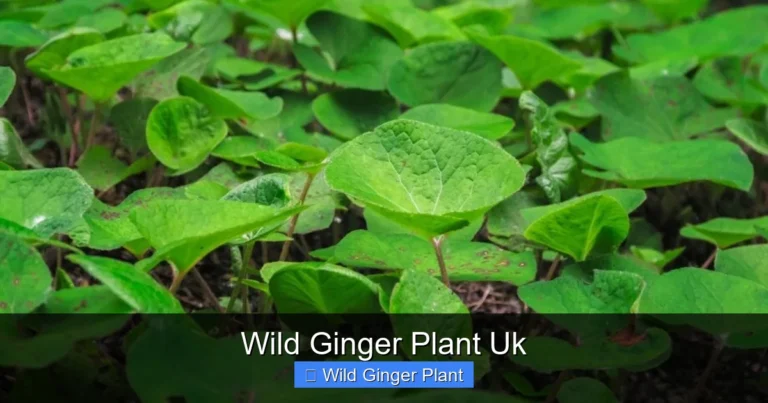
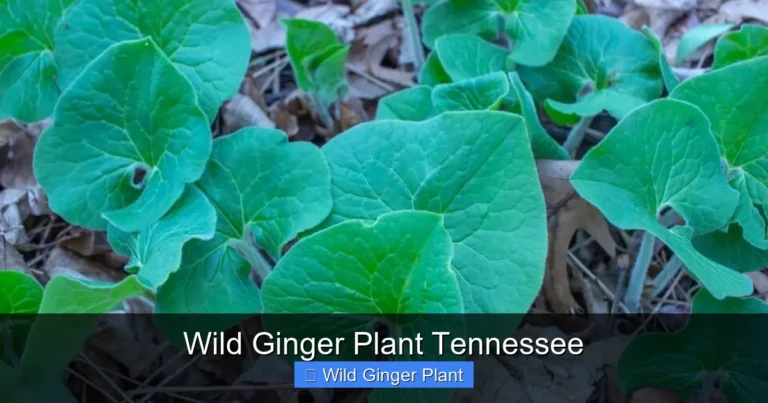
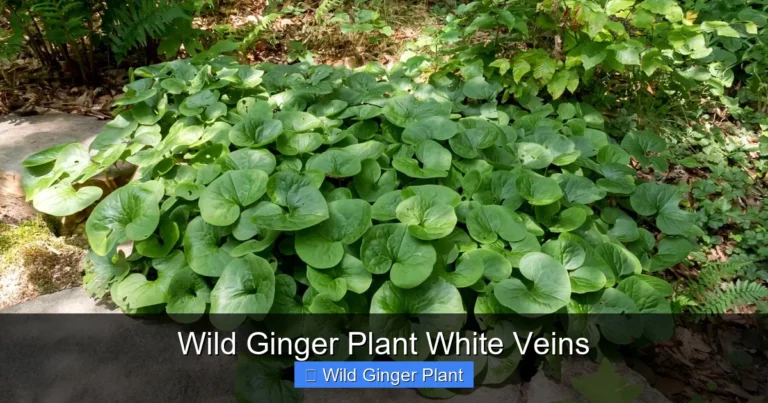
The plant emerges early in spring, often before the tree canopy fully leafs out. Each plant produces a pair of large, heart-shaped leaves that can reach six inches across. The leaves are soft and velvety to the touch, covered in fine hairs that give them a slightly fuzzy appearance. They grow on long petioles that rise directly from the underground rhizome. The rhizome itself is the part that smells like ginger. It creeps horizontally just below the soil surface, sending up new leaf pairs at intervals. Over time, a single plant can form a dense mat that covers several square feet.
Perhaps the most curious feature of wild ginger is its flower. Unlike most plants that hold their blooms up high to attract pollinators, wild ginger flowers sit right on the ground, often completely hidden beneath the leaf litter. Each flower is shaped like a small jug or bell, usually purplish-brown to maroon in color. It has three pointed sepals that curve backward, giving it a somewhat triangular appearance. The flower has no petals. It blooms in early spring, typically April through May depending on latitude and elevation. Because the flower sits at ground level, many people never see it unless they gently pull back the leaves.
Botanical Classification and Relatives
Wild ginger belongs to the family Aristolochiaceae, commonly known as the birthwort family. This family includes several genera, but Asarum is the largest, with around 60 to 70 species worldwide. Most species are native to East Asia, particularly China, Japan, and the Himalayas. North America has only a handful of native Asarum species. Asarum canadense is the most widespread and well-known. Other North American species include Asarum caudatum (long-tailed wild ginger) of the Pacific Northwest, and Asarum virginicum (Virginia wild ginger) of the central Appalachians.
The genus name Asarum comes from the Greek word asaron, which was used by the ancient physician Dioscorides for a plant with similar properties. The species epithet canadense simply means “of Canada,” reflecting its northern distribution. Despite the family name “birthwort,” wild ginger was not traditionally used for childbirth in North America. That association comes from European species of Aristolochia that were used in ancient and medieval medicine.
How It Differs from Culinary Ginger
It is worth repeating: wild ginger and culinary ginger are completely unrelated plants. Culinary ginger (Zingiber officinale) is a tropical monocot in the family Zingiberaceae. It grows from a knobby, branched rhizome with a thin brown skin and pale yellow flesh. Wild ginger is a temperate dicot with a slender, shallow rhizome that is lighter in color and more fibrous. The similarity is purely convergent. Both rhizomes contain aromatic compounds that happen to smell spicy and warm to human noses.
If you dig up a wild ginger rhizome, you will notice it is much smaller than store-bought ginger. It is typically the thickness of a pencil or your little finger. The outer skin is tan to light brown. The inner flesh is white to cream-colored. The scent is released when you scratch or break the rhizome. It is a sweet, spicy, earthy aroma that is unmistakably ginger-like but with a deeper, more resinous quality. The taste follows the scent. It is pungent and warming, though less sharp than true ginger.
Identifying Wild Ginger in the Wild
Learning to identify wild ginger confidently is essential if you plan to forage it or simply want to appreciate it on your hikes. The good news is that once you know what to look for, it is quite distinctive. The bad news is that it has a few look-alikes that can cause confusion, especially early in the season before the leaves fully expand.
Key Identification Features
Start with the leaves. Wild ginger leaves are basal, meaning they all arise from the base of the plant at ground level. There is no upright stem. Each plant typically produces two leaves per growing point, though vigorous plants may produce more. The leaves are broadly heart-shaped (cordate) with a deep notch at the base where the petiole attaches. The leaf margins are entire, meaning smooth with no teeth or lobes. The upper surface is medium to dark green and covered in short, soft hairs. The underside is paler and often more densely hairy. The petioles are long, up to 12 inches, and also hairy.
The rhizome is another key feature. It grows horizontally, usually just an inch or two below the soil surface. It is segmented, with nodes spaced every half-inch to inch. At each node, a pair of leaves emerges. Roots grow from the underside of the rhizome. The rhizome is flexible and tough, not brittle. When scratched, it releases the characteristic ginger scent.
The flower, as mentioned, is ground-hugging. It arises from the base of the leaf petioles, often singly but sometimes in pairs. The flower is fleshy and somewhat hairy on the outside. The three sepals are fused at the base into a tube, then flare into three long, tapering tips that can be an inch or more long. The color ranges from brownish-purple to deep maroon, sometimes with greenish tones. Inside, the flower has 12 stamens and a single pistil with six stigmas. The ovary is inferior, meaning it sits below the attachment of the other floral parts.
Common Look-Alikes and How to Tell Them Apart
Several plants can be mistaken for wild ginger, especially by beginners. The most common confusion is with Canada violet (Viola canadensis) or other violet species. Violets also have heart-shaped basal leaves and grow in similar habitats. However, violet leaves have toothed or scalloped margins, not smooth edges. Violet flowers are held above the leaves on slender stalks and have five distinct petals, usually purple, white, or yellow. Violets also lack the ginger scent.
Wild geranium (Geranium maculatum) is another potential look-alike. Its leaves are deeply lobed, almost like a maple leaf, not heart-shaped. The flowers are pink to purple with five petals, held well above the foliage. No ginger scent.
Bloodroot (Sanguinaria canadensis) emerges at the same time in similar woods. Its leaves are deeply lobed and wrapped around the flower stalk when young, unfolding later. The flower is white with many petals, very showy. The rhizome is thick and exudes bright orange-red sap when broken. No ginger scent.
Twinleaf (Jeffersonia diphylla) has leaves that are deeply divided into two symmetrical lobes, looking like butterfly wings. The flower is white, eight-petaled, and short-lived. No ginger scent.
The most dangerous confusion could be with European wild ginger (Asarum europaeum), an introduced ornamental that has escaped cultivation in some areas. It looks very similar but has evergreen, leathery leaves that are shinier and less hairy. The flowers are similar. It also contains aristolochic acid. For practical purposes, treat it the same as native wild ginger.
Seasonal Changes
Wild ginger is a spring ephemeral in the sense that it does its most visible growing early in the season. The leaves emerge in early spring, often while snow still patches the ground in northern areas. They reach full size by the time the tree canopy closes. The flowers bloom for a brief window, usually two to three weeks. After flowering, the plant focuses on rhizome growth and seed development. The seeds mature by mid to late summer. The leaves persist through the growing season, often looking a bit tattered by late summer. In autumn, they yellow and die back. The rhizome overwinters underground, ready to send up new growth next spring.
Historical and Traditional Uses
Long before European settlers arrived, Indigenous peoples across eastern North America knew wild ginger well. They used it for food, medicine, and even as a charm or ceremonial plant. The specific uses varied by tribe and region, but the rhizome was almost always the part utilized.
Indigenous Knowledge
The Cherokee, Iroquois, Ojibwe, Menominee, Meskwaki, and many other nations used wild ginger. The Cherokee used a decoction of the root for colds, coughs, and fevers. They also applied a poultice of the mashed root to headaches and sore muscles. The Iroquois used it as a digestive aid and for “female complaints.” The Ojibwe combined it with other herbs in a compound decoction for convulsions. The Menominee used the root as a seasoning for other foods, particularly meats and fish, to make them more palatable and digestible.
Many tribes recognized the plant’s antimicrobial properties. They used it to preserve meat or to treat wounds and infections. Some considered it a protective plant. The Meskwaki used the root in a compound remedy for “pain in the stomach.” The Potawatomi used it as a flavoring and also as a medicine for “cramps in the stomach.”
Ethnobotanical records show that wild ginger was often traded between tribes, indicating its value. The rhizomes were harvested in autumn or early spring when the essential oil content was highest. They were dried for storage and later use. Drying concentrates the flavor but also changes the chemical profile somewhat.
Colonial and Pioneer Uses
European settlers quickly adopted wild ginger from their Indigenous neighbors. In the 17th and 18th centuries, true ginger was an expensive import. Wild ginger provided a free, local alternative. Settlers used the fresh or dried rhizome in cooking, particularly in baked goods, puddings, and teas. They also candied the rhizome by boiling it in sugar syrup, creating a sweet treat similar to crystallized ginger.
Medicinally, colonial herbalists used wild ginger as a stimulant, carminative (relieves gas), and diaphoretic (induces sweating). It was a common ingredient in “spring tonics” meant to cleanse the blood after a long winter of salted meat and few fresh vegetables. Doctors and home healers prescribed it for flatulence, indigestion, delayed menstruation, and to break fevers by promoting perspiration.
The plant appears in several early American herbals. William Bartram, the famed naturalist, noted it in his travels. The United States Dispensatory of 1918 listed Asarum canadense as an official drug, describing it as aromatic, stimulant, and carminative. It fell out of official use in the mid-20th century as modern pharmaceuticals replaced botanical medicines.
Culinary Applications Through History
Beyond medicine, wild ginger was a genuine culinary ingredient. Early American cookbooks sometimes called for “wild ginger” or “coltsfoot” (a name sometimes confused with wild ginger) in recipes for gingerbread, cookies, and beer. The rhizome was grated or pounded and added to doughs. It was also used to flavor syrups, vinegars, and liqueurs. Some settlers made a fermented “ginger beer” using wild ginger rhizomes, sugar, water, and yeast.
The leaves were occasionally used as a wrapping for baking fish or meat, imparting a subtle flavor. The flowers, though small and hidden, were sometimes gathered as a novelty garnish. However, the rhizome was always the primary edible part.
Medicinal Properties and Modern Research
Wild ginger has a complex chemical profile that explains both its traditional uses and its modern safety concerns. The primary active compounds are volatile oils, including asarone (specifically beta-asarone), methyl eugenol, and bornyl acetate. These give the plant its characteristic aroma and many of its physiological effects. However, the plant also contains aristolochic acids, a group of compounds found throughout the Aristolochiaceae family.
Traditional Medicinal Actions
Herbalists classify wild ginger as a warming, stimulating herb. Its traditional actions include:
- Carminative: Relieves gas and bloating by relaxing intestinal smooth muscle and promoting expulsion of gas.
- Diaphoretic: Induces sweating, which can help break fevers and support detoxification.
- Expectorant: Helps loosen and expel mucus from the respiratory tract.
- Emmenagogue: Stimulates menstrual flow; traditionally used for delayed or scanty menstruation.
- Antimicrobial: The volatile oils show activity against certain bacteria and fungi in laboratory settings.
- Anti-inflammatory: Some compounds may reduce inflammation, though this is less well-documented.
These actions made it valuable for colds, flu, bronchitis, digestive upset, and menstrual irregularities. It was often combined with other herbs in formulas tailored to the individual.
The Aristolochic Acid Problem
This is the critical safety issue. Aristolochic acids (AAs) are a family of nitrophenanthrene carboxylic acids found in many plants of the Aristolochiaceae family. They are known to be nephrotoxic (kidney-damaging) and carcinogenic (cancer-causing). The mechanism involves metabolic activation of AAs to form DNA adducts, leading to mutations in key genes, particularly in the renal tubules and urothelium.
The concentration of aristolochic acids in Asarum canadense is generally lower than in some Asian Asarum species or in Aristolochia species. However, it is present. The exact amount varies by population, growing conditions, season, and plant part. The rhizome contains the highest concentration. The leaves contain less but are not free of it.
In the 1990s and 2000s, a condition called “Chinese herb nephropathy” (now called aristolochic acid nephropathy) was linked to the accidental substitution of Aristolochia fangchi for another herb in a Belgian weight-loss clinic. Over 100 women developed rapid kidney failure, and many developed urothelial cancer. This tragedy brought global attention to the dangers of aristolochic acids.
Regulatory agencies worldwide have since banned or restricted botanical products containing aristolochic acids. The FDA has issued import alerts and warning letters. The European Union prohibits herbal products with detectable levels. Canada regulates them as well.
Current Herbalist Perspectives
Modern herbalists are divided on wild ginger. Some avoid it entirely due to the AA risk. Others argue that traditional use involved low doses, short durations, and whole-plant preparations that may mitigate risk. They point out that no documented cases of AA toxicity from Asarum canadense specifically exist in the medical literature. However, absence of evidence is not evidence of absence. The latency period for AA-induced cancer can be years to decades.
Most responsible herbalists today recommend:
- Using wild ginger only externally (as a poultice or infused oil) for muscle pain, wounds, or fungal infections.
- If used internally, limiting to very small doses (a few drops of tincture or a pinch of powder) for short periods (no more than a week or two).
- Avoiding use entirely during pregnancy, breastfeeding, or in children.
- Avoiding use in anyone with kidney disease or history of urinary tract cancers.
- Considering safer alternatives for the same indications (true ginger, peppermint, chamomile, yarrow, etc.).
If you are not a trained herbalist, the safest approach is to enjoy wild ginger as a garden plant and observe it in the wild, but not consume it.
Growing Wild Ginger in Your Garden
For gardeners, wild ginger is a treasure. It is one of the best native ground covers for deep shade. It forms a dense, weed-suppressing mat of beautiful foliage that looks good from spring through fall. It is low-maintenance, deer-resistant, and ecologically valuable. If you have a shady spot with rich soil, this plant deserves a place.
Site Selection and Soil Preparation
Wild ginger wants what it gets in the wild: dappled to full shade, consistent moisture, and soil rich in organic matter. The ideal site is under deciduous trees where it gets spring sun before leaf-out, then shade for the rest of the season. It can tolerate deep shade under evergreens, but growth will be slower. Avoid full sun, which scorches the leaves.
The soil should be loamy, well-drained but moisture-retentive, with a slightly acidic to neutral pH (5.5 to 7.0). If your soil is heavy clay or sandy, amend it generously with compost, leaf mold, or well-rotted manure before planting. Wild ginger loves the duff layer of the forest floor. Mimic this by mulching with shredded leaves or pine needles.
Planting Methods
You can start wild ginger from divisions, bare-root rhizomes, or potted plants. Seeds are possible but slow and tricky due to complex dormancy requirements.
Divisions: This is the easiest and most common method. In early spring (just as leaves emerge) or early fall, dig up a clump from an established patch (with permission if not yours). Gently tease apart the rhizomes, ensuring each piece has at least one growing point (a pair of leaves or a visible bud) and some roots. Replant immediately at the same depth, spacing plants 12 to 18 inches apart. Water well and mulch.
Bare-root rhizomes: Many native plant nurseries sell these in spring or fall. Soak them in water for an hour before planting. Lay the rhizome horizontally in a shallow trench, cover with one to two inches of soil, and water in.
Potted plants: Plant at the same depth as in the pot. Loosen the root ball gently. Space as above.
Care and Maintenance
Once established, wild ginger asks for little. Keep the soil consistently moist during the first growing season. After that, it tolerates moderate drought but looks best with regular moisture. Mulch annually with leaves or compost to feed the soil and conserve moisture. No fertilizer is needed if the soil is rich. If growth seems weak, a light top-dressing of compost in spring helps.
Remove any invasive plants that encroach, especially garlic mustard, Japanese stiltgrass, or lesser celandine, which can outcompete wild ginger. The dense mat of wild ginger rhizomes resists most weeds once established, but it takes a few years to fill in completely.
Wild ginger is not aggressive in the garden sense. It spreads slowly, maybe six to twelve inches per year. It will not take over your beds. If it spreads where you don’t want it, simply dig out the unwanted rhizomes.
Companion Planting
Wild ginger pairs beautifully with other shade-loving natives. Good companions include:
- Ferns: Christmas fern, maidenhair fern, lady fern
- Spring ephemerals: Trillium, bloodroot, Virginia bluebells, trout lily
- Woodland perennials: Foamflower, wild geranium, Solomon’s seal, jack-in-the-pulpit
- Sedges: Pennsylvania sedge, plantain-leaved sedge
- Shrubs: Spicebush, witch-hazel, mapleleaf viburnum
Plant wild ginger as a living mulch around these larger plants. It will suppress weeds and keep the soil cool and moist.
Propagation from Seed (For the Patient)
Wild ginger seeds have a fleshy appendage called an elaiosome that attracts ants. The ants carry the seeds to their nests, eat the elaiosome, and discard the seed in their nutrient-rich midden piles. This is myrmecochory, or ant dispersal. The seeds have a double dormancy: they need a warm period followed by a cold period to germinate. In nature, this takes two years. Seeds ripen in summer, experience warm autumn, cold winter, warm spring, cold second winter, then germinate in the second spring.
To propagate from seed, collect ripe seeds in summer (the capsules split open when ready). Clean them and sow immediately in pots or a prepared seed bed. Keep them outdoors through the seasons. Do not let them dry out. Expect germination in the second spring. It is a rewarding but slow process.
Ecological Role and Wildlife Value
Wild ginger is more than a pretty ground cover. It plays several important roles in the forest ecosystem. Understanding these deepens appreciation for the plant and informs how we manage it in both wild and cultivated settings.
Pollination Ecology
The ground-level flowers of wild ginger are a classic example of “sapromyophily” — pollination by flies and beetles attracted to decaying matter. The flowers mimic the smell and appearance of fungi or carrion. They emit a faint, musty odor barely detectable to humans but attractive to small flies (particularly fungus gnats and phorid flies) and some beetles. These insects crawl into the flower seeking a place to lay eggs or feed. The flower’s structure traps them temporarily. As they struggle, they pick up or deposit pollen. The flower offers no nectar reward. It is a deception strategy.
This pollination syndrome is effective but slow. Seed set is often low. Many flowers fail to produce fruit. This is one reason wild ginger spreads primarily by rhizomes rather than seeds.
Seed Dispersal by Ants
As mentioned, the seeds have elaiosomes — fatty, protein-rich appendages that ants love. Ants carry the seeds to their nests, feed the elaiosomes to their larvae, and discard the intact seeds in their waste chambers. These chambers are rich in nutrients, protected from seed predators, and ideal for germination. This mutualism benefits both partners. The ants get food. The plant gets dispersal, planting, and a favorable germination site.
Common ant dispersers include Aphaenogaster species (winnow ants) and Formica species. Studies show that seeds dispersed by ants have higher germination rates and seedling survival than seeds that fall near the parent plant.
Herbivore Interactions
Wild ginger is notably resistant to deer and rabbit browsing. The leaves contain compounds that make them unpalatable or irritating to mammals. This is a major advantage in areas with high deer pressure. However, some insects do feed on it. The larvae of the pipevine swallowtail butterfly (Battus philenor) feed on Aristolochia species but generally not on Asarum. Some sawfly larvae and leaf-mining flies may create cosmetic damage. Slugs and snails occasionally graze the leaves in wet conditions.
Soil Stabilization and Microhabitat
The dense, mat-forming rhizomes of wild ginger are excellent at holding soil on slopes. The network of horizontal rhizomes and fibrous roots binds the topsoil and leaf litter, reducing erosion from rain and runoff. The foliage creates a microhabitat for small invertebrates — springtails, mites, spiders, and amphibians like salamanders find shelter and hunting grounds under the leaves.
Conservation Status
Globally, Asarum canadense is ranked G5 (secure) by NatureServe. It is not federally listed as threatened or endangered in the US or Canada. However, at the edges of its range, it may be locally rare. It is listed as “Special Concern” in Rhode Island and “Threatened” in Maine. Habitat loss from development, logging, and invasive species (especially earthworms, which destroy the duff layer wild ginger needs) are the main threats.
If you forage wild ginger, do so responsibly. Never dig up entire plants from the wild unless you are rescuing them from imminent destruction. Take only a small piece of rhizome from a large, healthy colony. Better yet, buy nursery-propagated plants from reputable native plant nurseries. This protects wild populations and ensures you get healthy, correctly identified stock.
Harvesting, Processing, and Culinary Use Today
If you choose to use wild ginger from your own garden (never from the wild unless you own the land and have a sustainable population), here is how to do it with respect for the plant and awareness of the risks.
When and How to Harvest
The best time to harvest rhizomes is late autumn after the leaves have died back, or very early spring before new growth emerges. At these times, the plant’s energy is stored in the rhizome, and the essential oil content is highest. Use a garden fork to gently loosen the soil around the patch. Lift the rhizomes carefully. Select the thicker, older segments. Leave the younger, actively growing tips and plenty of rhizome to regenerate the patch. A good rule: never harvest more than one-third of a colony in a given year.
Rinse the rhizomes well in cold water. Scrub gently with a soft brush to remove soil. Pat dry.
Preparation Methods
Fresh use: Grate or mince the fresh rhizome and add to stir-fries, marinades, teas, or baked goods. The flavor is potent. Start with a teaspoon per recipe and adjust.
Drying: Slice the rhizomes thinly (1/8 inch). Dry in a dehydrator at 95-115°F (35-46°C) until brittle, or in a warm, airy place out of direct sun. Store in an airtight jar away from light. Dried wild ginger keeps its flavor for a year or more. Rehydrate in warm water before use, or grind to a powder.
Candying: Simmer peeled rhizome pieces in simple syrup (1:1 sugar:water) for 30-45 minutes until translucent. Drain, toss in sugar, and dry on a rack. These make a unique garnish or snack.
Infused vinegar or oil: Pack a jar with chopped fresh rhizome. Cover with apple cider vinegar or olive oil. Let steep 2-4 weeks, shaking daily. Strain. Use in dressings, marinades, or as a finishing oil.
Tea: Steep 1/2 teaspoon dried or 1 teaspoon fresh chopped rhizome in a cup of boiling water for 10 minutes. Strain. Drink for digestive comfort. Limit to one cup daily for no more than a week at a time.
Recipe Idea: Wild Ginger Shortbread
This simple cookie highlights the unique flavor.
- 1 cup (2 sticks) unsalted butter, softened
- 1/2 cup powdered sugar
- 2 cups all-purpose flour
- 1/4 teaspoon salt
- 1 tablespoon finely grated fresh wild ginger rhizome (or 1 teaspoon dried, powdered)
- 1 teaspoon vanilla extract
Cream butter and sugar. Mix in flour, salt, ginger, and vanilla. Press into an 8-inch square pan. Chill 30 minutes. Bake at 325°F for 25-30 minutes until edges are golden. Cut while warm. Cool completely.
Safety Reminders for Culinary Use
Even in cooking, moderation is key. The aristolochic acids are heat-stable. They do not cook out. Use wild ginger as a flavoring accent, not a bulk ingredient. A few grams per serving, occasionally, is a reasonable guideline. Do not use daily. Do not use if pregnant, nursing, or have kidney issues. When in doubt, leave it out. True ginger, galangal, or grains of paradise can substitute in most recipes.
Wild Ginger in Modern Herbalism and Research
Despite the safety cloud, wild ginger remains a subject of scientific interest. Researchers are investigating its chemistry, pharmacology, and potential applications — both for the beneficial compounds and to better understand the risks.
Phytochemical Studies
Modern analysis has identified over 50 compounds in Asarum canadense essential oil. The major constituents vary by chemotype but typically include:
- Beta-asarone (cis-asarone) — up to 80% in some populations
- Methyl eugenol — up to 30%
- Bornyl acetate
- Camphor
- Alpha-pinene, beta-pinene
- Eugenol
- Safrole (in trace amounts)
- Aristolochic acids (mainly aristolochic acid I and II)
Beta-asarone and methyl eugenol are themselves subjects of safety debate. Both have shown carcinogenic potential in high-dose animal studies. However, they also show antimicrobial, antioxidant, anti-inflammatory, and neuroprotective effects in vitro. The whole essential oil has demonstrated activity against Staphylococcus aureus, E. coli, Candida albicans, and other pathogens.
Potential Applications Under Investigation
Researchers are exploring:
- Antimicrobial agents: For resistant bacterial strains and fungal infections, particularly topical applications.
- Insecticidal properties: The essential oil repels and kills certain agricultural pests and mosquitoes.
- Neuroprotective effects: Beta-asarone has shown promise in models of Alzheimer’s and Parkinson’s disease, but the toxicity window is narrow.
- Cancer research: Paradoxically, some Asarum compounds are being studied for anticancer activity, even as aristolochic acids are known carcinogens. This is early-stage cell culture work.
Most of this research uses isolated compounds or standardized extracts, not the whole herb. The gap between lab findings and safe human use is wide.
The Future of Wild Ginger in Herbal Medicine
The consensus among regulatory bodies and professional herbal organizations (such as the American Herbal Products Association) is that Asarum species should not be used in internal herbal products due to aristolochic acid content. Many commercial herb suppliers have voluntarily removed wild ginger from their catalogs.
For the home herbalist, the plant remains a powerful ally — for external use. A wild ginger infused oil or salve is excellent for sore muscles, arthritic joints, fungal skin infections, and minor wounds. The antimicrobial and rubefacient (warming, circulation-stimulating) properties shine here without the internal risks.
To make a wild ginger salve: Infuse 1 ounce dried rhizome in 8 ounces olive oil (low heat, 4 hours, or cold infusion 4 weeks). Strain. Melt 1 ounce beeswax into the oil. Pour into tins. Apply externally as needed.
Conclusion
Wild ginger is a plant of contradictions. It is a ginger that is not ginger. A flower that hides underground. A medicine that can heal and harm. A native plant that looks tropical. A ground cover that moves at a glacial pace but persists for decades. It connects us to the deep history of this continent — to the Indigenous peoples who first understood its gifts, to the settlers who relied on it when the pantry was bare, to the forest ecosystems that depend on its quiet presence.
If you encounter wild ginger on a spring walk, take a moment. Gently lift the leaves. Find the strange little jug flower. Smell the rhizome if you can do so without uprooting the plant. Appreciate the ingenuity of a flower that tricks flies, a seed that bribes ants, a leaf that deters deer. This is a plant that has solved the problems of survival with elegance.
If you garden in shade, consider inviting wild ginger in. It will reward you with a carpet of velvet hearts, ask for little, and give back to the soil and the small creatures that share your yard. Just remember: respect its chemistry. Admire its history. Use it wisely, or simply let it be. The forest floor is richer for its presence.
Frequently Asked Questions
What is the scientific name for wild ginger?
The most common wild ginger in eastern North America is Asarum canadense. Other native species include Asarum caudatum (western wild ginger) and Asarum virginicum (Virginia wild ginger). European wild ginger is Asarum europaeum.
Does wild ginger have any poisonous look-alikes?
Wild ginger has no deadly poisonous look-alikes, but it can be confused with violets, wild geranium, or bloodroot before flowering. None of these smell like ginger. The key identifier is the ginger scent from the rhizome and the smooth leaf margins.
Can I grow wild ginger from seed?
Yes, but it requires patience. Wild ginger seeds have double dormancy and typically take two years to germinate. They need a warm period followed by a cold period. Sow fresh seeds immediately after collection in summer and leave them outdoors through the seasons.
Is wild ginger deer resistant?
Yes, wild ginger is highly deer resistant. The leaves contain compounds that make them unpalatable to deer and rabbits. This makes it an excellent ground cover for gardens in areas with high deer pressure.
What are the medicinal uses of wild ginger?
Traditionally, wild ginger was used as a digestive aid, for colds and fevers, to induce sweating, for menstrual cramps, and as a topical antimicrobial. Modern use is limited to external applications (salves, poultices) due to concerns about aristolochic acid toxicity with internal use.
Where can I buy wild ginger plants?
Purchase wild ginger from reputable native plant nurseries, not from the wild. Many native plant societies hold spring sales. Online native plant nurseries ship bare-root rhizomes or potted plants in spring and fall. Ensure the nursery propagates their own plants rather than wild-collecting.