What Eats Wild Ginger Plant
Wild ginger plants face predation from various insects like slugs, snails, and caterpillars, as well as mammals including deer, rabbits, and rodents. Understanding what eats wild ginger plant helps gardeners protect their native shade gardens while supporting local ecosystems.
If you grow wild ginger in your shade garden, you have probably noticed holes in the leaves or missing chunks from the stems. You might wonder what eats wild ginger plant in the wild. The answer includes a surprising cast of characters. From tiny slugs to browsing deer, several creatures find this native perennial appetizing. Understanding who is munching on your plants helps you protect them without harming the ecosystem.
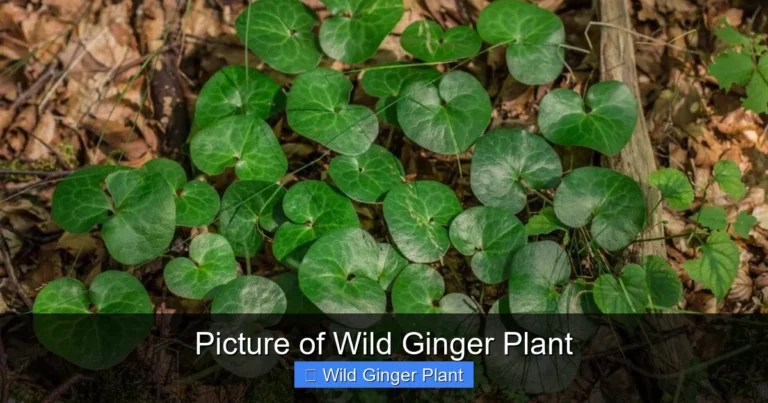
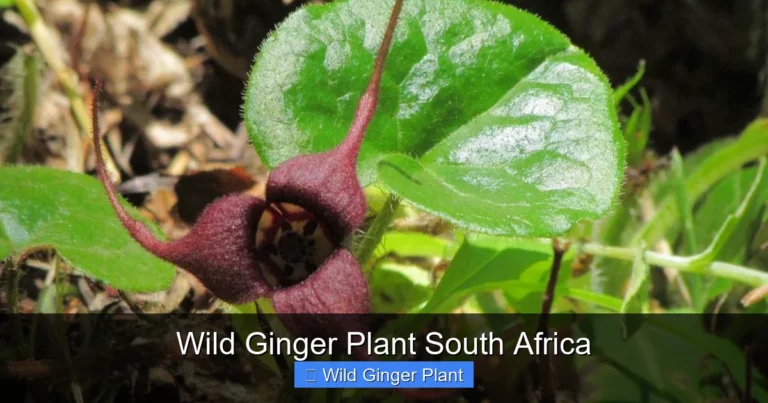
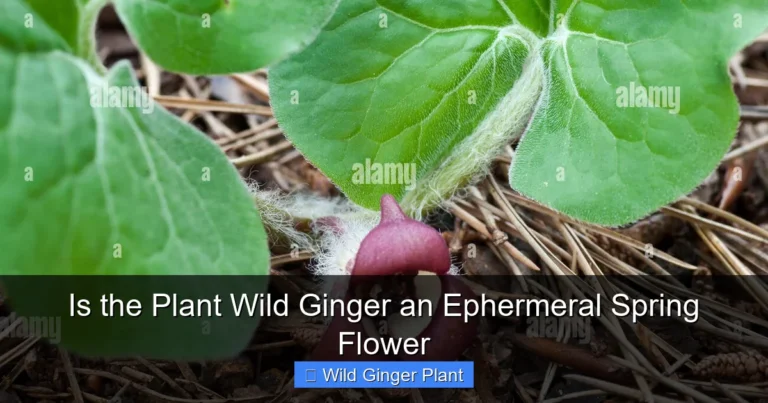
Wild ginger (Asarum canadense) grows naturally across eastern North America. Its heart-shaped leaves and hidden maroon flowers make it a favorite for woodland gardens. But this plant did not evolve in isolation. It has relationships with many animals. Some eat the leaves. Some dig for the roots. Some just pass through. Knowing what eats wild ginger plant lets you make smart choices for your garden.
Key Takeaways
- Slugs and snails are primary pests: These mollusks cause the most visible damage to wild ginger leaves, especially in moist, shaded conditions.
- Deer browse occasionally: While not a preferred food, white-tailed deer will eat wild ginger when other forage is scarce.
- Caterpillars of certain butterflies: Pipevine swallowtail caterpillars may feed on wild ginger as an alternative host plant.
- Small mammals nibble roots: Voles, mice, and chipmunks sometimes dig up and consume the rhizomes.
- Rabbits clip young shoots: Eastern cottontails often target emerging spring growth.
- Native insects cause minimal harm: Most native herbivores coexist with wild ginger without killing established plants.
- Protection strategies exist: Physical barriers, companion planting, and habitat management can reduce damage effectively.
Quick Answers to Common Questions
What is the most common pest eating wild ginger leaves?
Slugs and snails are the most common pests eating wild ginger leaves, creating irregular holes with smooth edges primarily at night in moist, shaded conditions.
Do deer eat wild ginger plants?
Yes, white-tailed deer occasionally browse wild ginger, especially in late winter when other forage is scarce, though it is not their preferred food source.
Which caterpillars feed on wild ginger?
Pipevine swallowtail caterpillars sometimes feed on wild ginger as an alternative host plant when their primary host, pipevine, is unavailable.
How can I protect wild ginger rhizomes from voles?
Line planting holes with quarter-inch hardware cloth extending six inches above ground, or use gravel mulch to deter digging by voles and other rodents.
Is wild ginger damage from insects usually fatal to the plant?
No, established wild ginger plants can tolerate significant leaf loss from insects because they store energy in rhizomes, though repeated total defoliation can kill the plant.
📑 Table of Contents
Common Insect Pests That Feed on Wild Ginger
Insects cause the most frequent damage to wild ginger. You will see their work before you see them. Most feed at night or hide under leaves during the day.
Slugs and Snails: The Number One Culprit
If you see irregular holes with smooth edges in wild ginger leaves, blame slugs or snails. These mollusks love the same moist, shady conditions that wild ginger prefers. They rasp away leaf tissue with their file-like mouths. Damage appears overnight. You might find silvery slime trails on leaves or soil in the morning.
Slugs and snails are especially active in spring and fall. They thrive after rain. Young wild ginger plants suffer most. Established clumps can tolerate some feeding. But heavy infestations weaken plants over time. The rhizomes store energy. Repeated defoliation drains those reserves.
Beer traps work well for monitoring. Bury a shallow container level with soil. Fill with cheap beer. Check each morning. You will catch the culprits. Copper tape around beds deters them. Diatomaceous earth creates a barrier they avoid. Hand-picking at night with a flashlight reduces populations fast.
Caterpillars and Leaf-Mining Insects
Several caterpillars eat wild ginger leaves. The pipevine swallowtail butterfly (Battus philenor) normally uses pipevine (Aristolochia) as a host. But females sometimes lay eggs on wild ginger. The caterpillars feed on the leaves. They are black with orange spots. You might see them in late spring through summer.
Leaf miners create winding tunnels inside leaves. These are larvae of tiny flies or moths. Damage looks like white squiggly lines. It is mostly cosmetic. The larvae stay protected inside the leaf. Pesticides rarely reach them. Removing mined leaves helps. Parasitic wasps often control miners naturally.
Cutworms sever stems at soil level. They are fat, gray-brown caterpillars. They hide in soil by day. They feed at night. Young wild ginger shoots disappear overnight. Collars made from toilet paper tubes protect new plants. Push them an inch into soil around each stem.
Aphids and Sap-Feeding Insects
Aphids sometimes cluster on wild ginger stems and leaf undersides. They suck plant sap. Heavy infestations cause leaf curling and yellowing. They excrete honeydew. This sticky substance attracts ants and grows sooty mold. A strong spray of water knocks them off. Lady beetles and lacewings eat them. Insecticidal soap works if needed.
Mammals That Browse Wild Ginger
Larger animals eat wild ginger too. Damage looks different from insect feeding. You see clean cuts or entire plants missing.
White-Tailed Deer: Occasional Browsers
Deer do not prefer wild ginger. But they eat it when better food is gone. In winter or during drought, deer browse many plants they normally avoid. They nip off leaf tops and stems. Damage is ragged because deer lack upper front teeth. They tear rather than cut.
Deer browsing on wild ginger increases in late winter. The evergreen leaves stay green when little else does. Fencing is the only sure protection. Eight-foot fences work. Shorter fences with angled tops help. Repellents with putrescent egg solids or capsaicin reduce browsing. Rotate products so deer do not habituate.
Rabbits: Spring Shoot Specialists
Eastern cottontails love tender spring growth. They clip wild ginger shoots at a clean 45-degree angle. This is classic rabbit damage. They feed most at dawn and dusk. In winter, they may gnaw on woody stems. But spring shoots are their favorite.
Chicken wire cylinders protect individual plants. Use half-inch mesh. Bury the bottom two inches. Make cylinders twelve inches tall. Remove in summer when other food abounds. Habitat modification helps too. Remove brush piles near gardens. Mow paths wide. Rabbits avoid open areas.
Small Rodents: Root and Rhizome Eaters
Voles, mice, and chipmunks dig for wild ginger rhizomes. The roots are aromatic and starchy. Voles create surface runways in grass. They clip plants at ground level. You see small holes and clipped stems. Mice and chipmunks dig deeper. They may cache rhizomes for winter.
Hardware cloth barriers protect roots. Line planting holes with quarter-inch mesh. Extend it above ground. Gravel mulch deters digging. Cats and owls provide natural control. Encourage predators with perches and nest boxes. Avoid rodenticides. They harm owls, hawks, and pets.
Groundhogs and Larger Rodents
Groundhogs (woodchucks) eat wild ginger leaves and stems. They sit up and nibble like squirrels. Damage is extensive. They can strip a patch in one afternoon. Fencing must go underground twelve inches. Bend the bottom outward in an L-shape. This stops digging. Live trapping works but check local laws first.
Beneficial Insects and Wild Ginger Relationships
Not all insects harm wild ginger. Some have specialized relationships. Understanding these helps you appreciate the ecology.
Ants and Seed Dispersal
Wild ginger seeds have elaiosomes. These are fleshy, oil-rich attachments. Ants carry seeds to their nests. They eat the elaiosomes. They discard the seeds in nutrient-rich waste piles. This is myrmecochory. It plants wild ginger in perfect spots. You might see ants on flowers. They are not eating the plant. They are harvesting seeds.
Pollinators: Flies and Beetles
Wild ginger flowers hide at ground level. They smell like fungus. This attracts small flies and beetles. These insects pollinate the flowers. They do not eat the plant. They drink nectar. Some beetles eat pollen. This is mutualism. The plant feeds them. They move pollen.
Native Bees and Wild Ginger
Some native bees visit wild ginger. Small sweat bees and mining bees collect pollen. They are important pollinators. They do not damage leaves. Seeing them means your garden supports biodiversity. Provide bare soil nearby for ground-nesting bees.
Seasonal Patterns of Wild Ginger Predation
What eats wild ginger plant changes through the year. Knowing the calendar helps you anticipate problems.
Spring: The Hungry Season
Spring brings the most pressure. New leaves are tender. Slugs explode after winter. Rabbits target first shoots. Deer browse emerging growth. Voles feed on stored rhizomes. This is when protection matters most. Apply barriers early. Monitor daily.
Pipevine swallowtails lay eggs in late spring. Caterpillars appear in June. They can defoliate small patches. But they are native butterflies. Consider leaving some plants for them. Plant extra wild ginger if you want to support them.
Summer: Slower but Steady
Summer heat slows slugs. But irrigation brings them back. Leaf miners appear. Aphids may colonize. Deer browse less if other food is plentiful. Rabbits eat clover and grass instead. But drought brings them back to wild ginger.
Water at soil level. Wet leaves invite slugs and disease. Mulch conserves moisture. But thick mulch hides slugs. Use thin layers. Check under leaves weekly. Remove damaged foliage. This reduces disease spread.
Fall: Second Peak
Fall rains reactivate slugs. Cool nights bring them out. They feed heavily before winter. Deer return as acorns disappear. Rabbits prepare for winter. Voles stockpile food. This is a good time for population reduction. Trap slugs. Remove hiding spots. Clean up leaf litter near plants.
Winter: Root Danger
Evergreen leaves persist in mild winters. Deer browse them. Voles tunnel under snow. They eat rhizomes all winter. Damage shows in spring. Plants fail to emerge. Hardware cloth installed at planting prevents this. Snow cover actually protects from extreme cold. But it hides vole activity.
Protecting Wild Ginger in Your Garden
You can grow wild ginger successfully. It takes observation and a few strategies. The goal is balance, not eradication.
Physical Barriers That Work
Row cover fabric protects spring growth. Drape it over hoops. Secure edges with soil. Remove when plants are established. This stops rabbits, deer, and insects. It lets light and water through.
Copper tape on pot rims stops slugs. They get a mild shock crossing it. Replace yearly as it oxidizes. Diatomaceous earth works when dry. Reapply after rain. It is sharp microscopic silica. It cuts slug bodies. Wear a mask when applying.
Hardware cloth cylinders protect roots. Make them when planting. Bury six inches. Extend six inches above ground. This stops voles, chipmunks, and rabbits. It lasts years. It is worth the effort for valuable plants.
Companion Planting Strategies
Plant strong-smelling herbs nearby. Garlic, chives, and mint may deter mammals. Interplant with ferns. Their texture discourages browsing. Native woodland phlox blooms early. It distracts pollinators from wild ginger flowers. This sounds backward. But it reduces ant attention to seeds. Ants spread seeds better when not distracted.
Create a sacrificial patch. Plant extra wild ginger in a far corner. Let pests have it. They may leave your main patch alone. This works for slugs and caterpillars. It does not work for deer or voles.
Encouraging Natural Predators
Ground beetles eat slugs. They live under boards and stones. Provide habitat. Leave some leaf litter. Avoid broad insecticides. They kill predators too. Toads eat slugs and cutworms. A small pond or water dish attracts them. Birds eat caterpillars. Nest boxes bring them close.
Owls and hawks control voles. A tall perch pole helps them hunt. Leave dead trees if safe. Install a barn owl box. One owl family eats hundreds of rodents yearly. This is long-term, sustainable control.
Cultural Practices for Healthy Plants
Healthy plants tolerate feeding better. Wild ginger wants rich, moist, well-drained soil. Amend with compost yearly. Mulch with shredded leaves. Not wood chips. They rob nitrogen. Divide clumps every three to four years. This rejuvenates growth. Crowded plants decline.
Water during dry spells. One inch weekly. Soak deeply. Shallow watering encourages surface roots. These are vulnerable to voles and drought. Morning watering lets leaves dry. This reduces slugs and fungal issues.
When to Accept Some Damage
Perfect plants are not natural. Some feeding is normal. It means your garden is alive. Learning tolerance saves effort and supports wildlife.
Cosmetic vs. Lethal Damage
Holes in leaves are cosmetic. The plant photosynthesizes with remaining tissue. Wild ginger stores energy in rhizomes. It can lose thirty percent of leaf area and recover. But repeated total defoliation kills. Watch the pattern. A few holes? Ignore them. Skeletonized leaves? Act.
Caterpillars of native butterflies are temporary. They eat for two to three weeks. Then they pupate. The plant regrows. If you want butterflies, accept this. Plant extra. Share the bounty.
Ecological Value of Herbivory
Insects eating wild ginger feed birds. Caterpillars are baby bird food. One chickadee clutch needs thousands of caterpillars. Slugs feed firefly larvae. Fireflies eat slugs. Their larvae glow underground. No slugs means no fireflies. Everything connects.
Deer browsing stimulates new growth. It can make plants bushier. But heavy browsing prevents flowering. No flowers means no seeds. No seeds means no new plants. Balance is key.
Monitoring Instead of Reacting
Walk your garden daily. Look at leaves. Check soil. Turn over pots. Know what is normal. Then you spot problems early. Early action is easier. It uses gentler methods. It prevents crises.
Keep a garden journal. Note first slug sighting. Record rabbit damage dates. Track butterfly caterpillars. Over years, you see patterns. You prepare better. You worry less.
Wild Ginger in Natural Ecosystems
Understanding wild ginger in the wild puts garden problems in perspective. This plant has survived for millennia. It has defenses and partners.
Chemical Defenses
Wild ginger contains aristolochic acid. This compound deters many herbivores. It is toxic in large doses. Deer and rabbits avoid it when choices exist. But specialists adapt. Pipevine swallowtails sequester the toxin. It makes them poisonous. This protects them from birds.
The rhizomes taste spicy. Native Americans used them as seasoning. Early settlers substituted for tropical ginger. But large amounts cause kidney damage. The plant protects itself. It does not want to be eaten entirely.
Population Dynamics
In nature, wild ginger forms large colonies. It spreads by rhizomes. It also spreads by seed via ants. Individual plants live decades. Colonies persist centuries. Herbivory thins edges. This creates gaps for seedlings. It maintains genetic diversity.
Fire historically maintained open woodlands. Wild ginger survives low fires. Rhizomes are deep. Fire reduces slugs and voles temporarily. It stimulates flowering. Modern fire suppression changes this. Gardens mimic post-fire conditions. Open, rich soil. Few competitors.
Climate Change Impacts
Warmer winters increase slug survival. More generations per year. Earlier spring brings rabbits to shoots sooner. Drought stresses plants. Stressed plants are more palatable. They have fewer defenses. Monitoring becomes more important.
Range shifts may bring new pests. Southern insects move north. Watch for unfamiliar damage. Report to extension services. Early detection helps everyone.
Conclusion
So what eats wild ginger plant? The list is long. Slugs and snails top it. Then caterpillars, deer, rabbits, voles, and more. But wild ginger persists. It has chemical defenses. It has mutualists like ants and pollinators. It stores energy underground. It is resilient.
In your garden, you are the steward. You decide the balance. A few holes feed a butterfly. A clipped shoot feeds a rabbit. But total loss helps no one. Use barriers for roots. Trap slugs early. Encourage predators. Plant extra. Accept imperfection.
Wild ginger connects you to the woodland community. Its hidden flowers feed tiny flies. Its seeds hire ants. Its leaves feed caterpillars that become butterflies. Its rhizomes survive winter to greet spring. When you ask what eats wild ginger plant, you are really asking who shares this plant. The answer is a whole neighborhood. And you are part of it.
Next time you see a hole in a wild ginger leaf, look closer. You might find a slug. Or a caterpillar. Or just the shadow of a deer. Each tells a story. Your garden is not a museum. It is a living system. Wild ginger reminds us of this every day.
Frequently Asked Questions
What animals eat wild ginger plant in the wild?
In natural settings, wild ginger is eaten by slugs, snails, pipevine swallowtail caterpillars, white-tailed deer, eastern cottontails, voles, mice, chipmunks, and occasionally groundhogs. Ants disperse the seeds but do not eat the plant itself.
How do I identify slug damage on wild ginger?
Slug damage appears as irregular holes with smooth edges in leaves, often accompanied by silvery slime trails on leaf surfaces or soil. Damage occurs primarily at night and after rain in spring and fall.
Will rabbits destroy my wild ginger patch?
Rabbits typically clip tender spring shoots at a clean 45-degree angle but rarely destroy established patches. Protect emerging growth with chicken wire cylinders buried two inches deep and twelve inches tall.
Can I use pesticides on wild ginger for insect control?
Avoid broad-spectrum pesticides on wild ginger as they harm beneficial insects like pollinators and natural predators. Use targeted methods like hand-picking, beer traps for slugs, or insecticidal soap for aphids only when necessary.
Does wild ginger recover from being eaten?
Yes, wild ginger stores substantial energy in its rhizomes and can recover from partial defoliation. However, repeated complete defoliation or rhizome consumption by rodents can kill the plant over time.
How do I encourage natural predators of wild ginger pests?
Provide habitat for ground beetles, toads, and birds with leaf litter, water sources, and nest boxes. Install perch poles for raptors to control voles. Avoid insecticides that kill beneficial predators along with pests.