Wild Ginger Plant Shampoo
Wild ginger plant shampoo offers a natural alternative to commercial hair products with its powerful botanical properties. This gentle cleanser harnesses the anti-inflammatory and antimicrobial benefits of wild ginger root to soothe the scalp while strengthening hair follicles for healthier, shinier locks.
Have you ever stood in the shampoo aisle feeling completely overwhelmed by the endless options? You are not alone. Most of us have been there, reading labels packed with ingredients we cannot pronounce, wondering if any of them actually work. What if I told you there is a simpler path? A path that leads back to nature and a root that has been trusted for centuries. Let me introduce you to the world of wild ginger plant shampoo. It might just be the game changer your hair routine has been missing.
This is not just another trendy ingredient slapped onto a bottle for marketing. Wild ginger, known scientifically as Asarum canadense in North America or related species globally, has a deep history in traditional medicine. Indigenous communities have long used it for its healing properties. Today, modern hair care is catching up. People are switching to wild ginger plant shampoo because they want results without the residue. They want a clean scalp and strong hair without the harsh detergents. In this guide, we are going to dive deep into why this botanical powerhouse deserves a spot in your shower.
Key Takeaways
- Natural Cleansing Power: Wild ginger plant shampoo cleans effectively without stripping natural oils from your hair and scalp.
- Scalp Health Benefits: The anti-inflammatory properties help reduce dandruff, itchiness, and irritation naturally.
- Strengthens Hair Follicles: Regular use promotes stronger roots and reduces hair breakage and thinning.
- Chemical-Free Formula: Free from sulfates, parabens, and synthetic fragrances that can damage hair over time.
- Suitable for All Hair Types: Works well on curly, straight, color-treated, and sensitive scalps alike.
- Sustainable Choice: Often sourced from renewable plants with eco-friendly packaging options available.
- Cost-Effective Long-Term: Concentrated formulas mean less product needed per wash compared to watered-down commercial brands.
Quick Answers to Common Questions
Is wild ginger plant shampoo the same as culinary ginger shampoo?
No, they are completely different plants. Wild ginger (Asarum species) is a woodland perennial with different chemical compounds than culinary ginger (Zingiber officinale). Wild ginger offers unique anti-inflammatory and antimicrobial benefits for the scalp.
How long does it take to see results with wild ginger plant shampoo?
Most users notice reduced scalp itch and flaking within 2-4 weeks. Hair strength and volume improvements typically appear after 6-8 weeks of consistent use. A 2-4 week transition period is normal when switching from sulfate shampoos.
Can I use wild ginger plant shampoo on color-treated hair?
Yes, wild ginger plant shampoo is excellent for color-treated hair. It is typically sulfate-free, which prevents color stripping. The antioxidants also help protect against UV-induced color fading.
Is wild ginger plant shampoo safe for daily use?
While gentle enough for daily use, most people find they only need to wash every 2-3 days because the shampoo balances oil production. Over-washing any shampoo can disrupt the scalp microbiome.
Where can I buy authentic wild ginger plant shampoo?
Look for it at natural health stores, specialty beauty retailers, or directly from transparent brands online. Check the ingredient list for Asarum root extract in the top half and avoid products with sulfates or synthetic fragrance.
📑 Table of Contents
- What Exactly Is Wild Ginger Plant Shampoo
- The Science Behind The Suds: Key Compounds
- Top Benefits Of Switching To Wild Ginger Plant Shampoo
- How To Choose The Best Wild Ginger Plant Shampoo
- How To Use Wild Ginger Plant Shampoo For Best Results
- DIY Wild Ginger Plant Shampoo Recipes
- Wild Ginger Plant Shampoo Vs. The Competition
- Sustainability And Ethical Sourcing Matters
- Real User Experiences: What People Are Saying
- Potential Side Effects And Precautions
- The Future Of Wild Ginger In Hair Care
- Conclusion: Your Hair Deserves This Upgrade
What Exactly Is Wild Ginger Plant Shampoo
First things first. Let us clear up a common confusion. Wild ginger is not the same as the culinary ginger you buy at the grocery store. That is Zingiber officinale. Wild ginger belongs to a completely different family, often Aristolochiaceae or Asarum. It grows low to the ground in shady woodlands. The root smells spicy and warm, very similar to culinary ginger, which is how it got its name. But the chemical makeup is distinct.
The Botanical Background
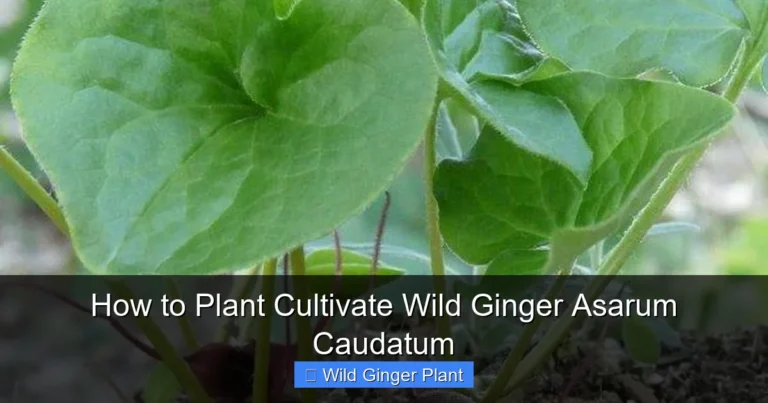
Wild ginger is a perennial herb native to the forests of North America, Europe, and Asia. It thrives in rich, moist soil under dense canopy cover. The plant features heart-shaped leaves and a unique, bell-shaped flower that hides at the base of the plant. It is the rhizome, the underground stem, that holds the magic. This rhizome is harvested, dried, and processed into extracts or powders. These potent concentrates become the star ingredient in wild ginger plant shampoo formulations.
How It Differs From Regular Shampoo
Walk down any drugstore aisle and pick up a standard bottle. Flip it over. You will likely see sodium lauryl sulfate or sodium laureth sulfate near the top of the list. These are surfactants. They create that big, satisfying lather we have been trained to love. But they are also aggressive. They strip away dirt, yes. But they also strip away your scalp’s natural protective barrier, the sebum. This triggers a cycle. Your scalp overproduces oil to compensate. You wash more. The cycle continues.
Wild ginger plant shampoo works differently. It relies on natural saponins and gentle plant-based surfactants. These cleanse the hair and scalp by lifting dirt and excess oil without destroying the acid mantle. The result? Your hair gets clean. Your scalp stays balanced. You often find you can go longer between washes. That is a win for your hair health and your water bill.
The Science Behind The Suds: Key Compounds
Why does this specific root work so well for hair? It comes down to chemistry. Plants produce compounds to protect themselves from fungi, bacteria, and insects. When we apply these compounds to our scalp, we borrow that protection. Wild ginger is rich in several classes of phytochemicals that translate directly to hair benefits.
Visual guide about Wild Ginger Plant Shampoo
Image source: planetnatural.com
Anti-Inflammatory Sesquiterpenes
This is a big one. Wild ginger contains sesquiterpenes like asarone and bornyl acetate. These compounds have demonstrated significant anti-inflammatory activity in studies. What does that mean for your head? Inflammation is the root cause of so many scalp issues. Redness. Itching. Flaking. That tight, uncomfortable feeling. By calming the inflammatory response, wild ginger plant shampoo creates an environment where hair follicles can function optimally. A calm scalp grows better hair. It is that simple.
Antimicrobial And Antifungal Action
Dandruff is often caused by a yeast-like fungus called Malassezia globosa. It lives on everyone’s scalp. But for some, it triggers a reaction. The essential oils and phenolic compounds in wild ginger show strong antimicrobial and antifungal properties. Using a wild ginger plant shampoo helps keep this microbiome in check. It reduces the fungal load naturally. This leads to fewer flakes and less itch without the need for harsh zinc pyrithione or coal tar found in medicated shampoos.
Antioxidant Protection
Your hair faces oxidative stress daily. UV rays. Pollution. Heat styling. Chemical treatments. These generate free radicals that damage the hair protein structure, leading to brittleness, color fade, and split ends. Wild ginger is a source of antioxidants, including flavonoids and phenolic acids. These molecules neutralize free radicals. Think of it as a shield for your strands. Regular use helps maintain the integrity of the hair shaft, keeping it resilient and glossy.
Top Benefits Of Switching To Wild Ginger Plant Shampoo
Okay, let us get to the good stuff. You want to know what this actually does for *your* hair. The benefits are wide-ranging because the plant addresses the foundation: the scalp. Healthy soil grows healthy plants. A healthy scalp grows healthy hair.
Visual guide about Wild Ginger Plant Shampoo
Image source: gosupps.com
Soothes Irritated And Sensitive Scalps
If you have a sensitive scalp, you know the struggle. Tingling. Burning. Red patches. Many “gentle” shampoos still contain cocamidopropyl betaine or fragrance allergens. Wild ginger plant shampoo is naturally low-allergen. The anti-inflammatory compounds we discussed act like a cool compress. Users with conditions like seborrheic dermatitis, psoriasis, or simple contact dermatitis often report significant relief within a few washes. It brings the scalp back to a neutral, comfortable state.
Combats Dandruff And Flakes Naturally
Those white flakes on your shoulders are embarrassing. Medicated shampoos work but can smell medicinal and dry out your actual hair strands. Wild ginger plant shampoo tackles the fungus causing the flakes while conditioning the hair. The antimicrobial action reduces the Malassezia population. The moisturizing base prevents the dryness that makes flaking worse. It is a two-birds-one-stone approach. You get a clear scalp and soft hair simultaneously.
Strengthens Roots And Reduces Shedding
Hair fall is scary. Seeing clumps in the drain triggers panic. While shampoo cannot change genetics or stop hormonal shedding, it *can* optimize the follicle environment. The stimulating nature of wild ginger improves microcirculation at the scalp level. Better blood flow means more oxygen and nutrients reach the hair bulb. The antimicrobial action clears follicle blockages. Over time, this anchoring effect leads to stronger retention. You lose less hair during washing and brushing.
Adds Volume And Natural Shine
Commercial shampoos often coat hair in silicones (dimethicone, cyclomethicone) for instant shine. This is fake shine. It builds up. It weighs hair down. It attracts dirt. Wild ginger plant shampoo cleans the hair shaft thoroughly. It removes product buildup and mineral deposits from hard water. Clean hair reflects light naturally. It moves freely. It has body. The result is a lightweight, bouncy volume that silicones can never replicate.
Balances Oil Production
Remember the stripping cycle I mentioned? Wild ginger plant shampoo breaks it. Because it does not over-cleanse, your sebaceous glands get the message: “We have enough oil.” They slow down. People with oily roots often find they can stretch wash days from daily to every two or three days. People with dry scalps find the itchiness vanishes because the barrier is intact. It is a true balancer.
Safe For Color-Treated And Processed Hair
You just spent a fortune on balayage. The last thing you want is a shampoo that strips the color in two weeks. Sulfates are notorious color thieves. Wild ginger plant shampoo is almost always sulfate-free. The gentle cleansing preserves the hair cuticle, keeping color molecules locked inside. Your vibrancy lasts longer. Your investment lasts longer. Plus, the antioxidants help prevent UV-induced color oxidation.
How To Choose The Best Wild Ginger Plant Shampoo
Not all bottles are created equal. “Wild ginger” on the front label does not guarantee a high-quality product. Greenwashing is real. Companies sprinkle a drop of extract into a standard sulfate base and call it natural. You need to be a label detective. Here is your checklist.
Read The Ingredient List (INCI)
Ingredients are listed by concentration, highest to lowest. Water (Aqua) is usually first. The surfactants come next. Look for gentle ones: Sodium Cocoyl Isethionate, Cocamidopropyl Hydroxysultaine, Decyl Glucoside, Lauryl Glucoside. Avoid: Sodium Lauryl Sulfate (SLS), Sodium Laureth Sulfate (SLES), Ammonium Lauryl Sulfate. Where is the wild ginger? Look for Asarum Canadense Root Extract or Asarum Europaeum Root Extract. It should be in the top half of the list, not at the very bottom after fragrance.
Check For Certifications
Third-party verification cuts through marketing noise. Look for these logos: USDA Organic, COSMOS Organic, Ecocert, Leaping Bunny (cruelty-free), Vegan Society. These ensure the farming, processing, and manufacturing meet strict standards. It guarantees the wild ginger was harvested sustainably without pesticides.
Consider The Format: Liquid vs. Bar
Wild ginger plant shampoo comes in two main forms. Liquid is familiar. Easy to dispense. Good for thick, long hair. Shampoo bars are concentrated. Zero plastic packaging. Travel-friendly (no TSA liquid limits). They last longer (often 50-75 washes per bar). They require a slight technique adjustment (lather in hands first or rub directly on wet hair). Both work. It is a lifestyle preference.
Scent Profile: Essential Oils vs. Fragrance/Parfum
Wild ginger root itself has a warm, spicy, earthy aroma. High-quality shampoos lean into this. They may blend it with complementary essential oils like cedarwood, rosemary, lavender, or peppermint. These add therapeutic value. Avoid products listing “Fragrance” or “Parfum.” This is a black box term hiding potentially hundreds of synthetic chemicals, including phthalates. Choose transparent scenting.
Price Point And Value
Natural shampoos cost more upfront. A 16oz bottle might be $18-$30. A bar $12-$18. But remember: they are concentrated. You use less. You wash less often. Do the cost-per-wash math. A $24 bottle lasting 60 washes is $0.40/wash. A $8 drugstore bottle lasting 30 washes (because you wash daily) is $0.27/wash. The gap narrows. Factor in the value of healthier hair and less conditioner needed. It often evens out or saves money.
How To Use Wild Ginger Plant Shampoo For Best Results
Switching to natural shampoo sometimes comes with a “transition period.” Your scalp is detoxing from silicones and adjusting to balanced oil production. You might feel waxy or heavy for a few washes. Do not panic. Do not quit. Here is how to navigate it and get the best outcome.
The Proper Washing Technique
Thoroughly wet your hair. Really soak it. Warm water opens the cuticle. Apply shampoo to your *scalp*, not your ends. Use your fingertips (not nails) to massage in small, circular motions. Focus on the crown, nape, and around the ears. This is where oil and buildup live. Let the suds run down the length when you rinse. That is enough cleansing for the ends. Rinse with cool water to seal the cuticle and boost shine.
Frequency: Listen To Your Hair
There is no universal rule. Oily scalp? Maybe every other day. Dry or curly? Once or twice a week. Normal? Every 2-3 days. The goal is to stretch the interval. Wild ginger plant shampoo helps you do this. On non-wash days, rinse with water only or use a natural dry shampoo (arrowroot powder works great). Resist the urge to over-wash.
Pairing With Conditioner
You still need conditioner. Focus it on the mid-lengths and ends. Avoid the roots. Look for a companion conditioner with similar philosophy: silicone-free, plant-based. Ingredients like shea butter, jojoba oil, behentrimonium methosulfate (a gentle detangler derived from rapeseed), and aloe vera are excellent. Leave it on for 3-5 minutes while you finish your shower. Rinse cool.
The Apple Cider Vinegar Rinse (Optional But Powerful)
Once a week or bi-weekly, do a final rinse with 1 tablespoon raw apple cider vinegar diluted in 1 cup cool water. Pour over hair after conditioning. Do not rinse out (the smell vanishes as it dries). This lowers the hair pH to its ideal acidic range (4.5-5.5). It removes any residual mineral buildup. It flattens the cuticle scales perfectly. The shine is unreal. It also soothes the scalp further.
Managing The Transition Period
If your hair feels weird the first 2-4 weeks, stay the course. Clarify once before starting with a baking soda paste (1 tbsp soda + water to paste) or the ACV rinse above. This removes the silicone coating. Then start fresh with your wild ginger plant shampoo. Your scalp needs time to realize it does not need to pump out emergency oil. Trust the process. The other side is glorious.
DIY Wild Ginger Plant Shampoo Recipes
Feeling crafty? Making your own shampoo lets you control every single ingredient. It is cheaper. It is fun. And you get the freshest possible potency. Note: Wild ginger rhizome can be foraged *ethically and legally* (check local laws, never take more than 10% of a patch, identify with 100% certainty) or bought dried from reputable herbal suppliers. Never use essential oil of wild ginger (asarone content concerns) – stick to whole root preparations.
Simple Wild Ginger Decoction Base
This is your liquid gold. Simmer 2 tablespoons dried wild ginger root in 2 cups water for 20 minutes. Strain. Cool. This concentrated tea is the base for any recipe. It keeps in the fridge for 1 week. Freeze in ice cube trays for longer storage.
Recipe 1: Gentle Liquid Shampoo (All Hair Types)
- 1/2 cup Wild Ginger Decoction
- 1/4 cup Liquid Castile Soap (unscented)
- 1 tsp Jojoba Oil or Argan Oil
- 10 drops Lavender Essential Oil (optional)
- 10 drops Rosemary Essential Oil (optional, stimulating)
Mix in a pump bottle. Shake gently before each use. Use about 1 tablespoon per wash. Lather at scalp. Rinse well. This is low lather but high clean.
Recipe 2: Creamy Honey-Ginger Shampoo (Dry/Damaged Hair)
- 1/2 cup Wild Ginger Decoction
- 1/4 cup Raw Honey (natural humectant, antimicrobial)
- 2 tbsp Coconut Milk (full fat, canned)
- 1 tsp Vitamin E Oil
- 5 drops Geranium Essential Oil (optional, balancing)
Whisk together until smooth. Honey dissolves best in warm decoction. Apply to wet scalp. Massage. The honey creates a lovely slip. Rinse thoroughly. Incredible moisture.
Recipe 3: Wild Ginger Shampoo Bar (Zero Waste)
Requires soap making knowledge (lye safety). Skip if beginner. Use a standard cold process shampoo bar recipe (high coconut oil, castor oil for lather, low superfat ~3-5%). Add 1 tablespoon wild ginger root powder per pound of oils at trace. Add 1 oz wild ginger decoction (replace equal water weight) for the lye solution. Cure 6 weeks. Hard, long-lasting, travel-perfect bars.
Storage And Safety Notes For DIY
No preservatives = short shelf life. Make small batches. Keep in fridge. Use within 7-10 days. Discard if it smells off, separates weirdly, or grows mold. Always patch test essential oils. Avoid rosemary/peppermint if pregnant, epileptic, or high blood pressure. Wild ginger root decoction is generally safe for topical use but do not ingest large amounts.
Wild Ginger Plant Shampoo Vs. The Competition
How does it stack up against the other heavy hitters in the natural hair care arena? Let us compare.
Vs. Tea Tree Oil Shampoo
Tea tree is the king of antimicrobial scalp care. It is potent. Sometimes *too* potent. It can be drying and irritating for sensitive types. Wild ginger is gentler. It shares the antifungal/antibacterial power but adds significant anti-inflammatory soothing. Tea tree screams “medicinal.” Wild ginger whispers “spa.” Choose tea tree for acute, severe fungal issues. Choose wild ginger for maintenance, sensitivity, and holistic health.
Vs. Rosemary Shampoo
Rosemary is famous for growth stimulation (often compared to minoxidil in studies). It is circulatory and invigorating. Wild ginger also stimulates circulation but brings that unique anti-inflammatory/antimicrobial duo. They are actually best friends. Many top-tier wild ginger plant shampoos *include* rosemary. You do not have to choose. Look for a blend.
Vs. Aloe Vera Shampoo
Aloe is hydration and soothing royalty. It is mucilaginous and cooling. It lacks the deep cleansing surfactants and the specific antimicrobial punch of wild ginger. Aloe shampoos can feel slimy or not clean enough for oily scalps. Wild ginger cleans better. Again, they pair beautifully. Aloe in the conditioner. Wild ginger in the shampoo.
Vs. Commercial “Natural” Brands (The Big Bottles)
You know the ones. They sit at Target. $9. “With Wild Ginger Extract.” Flip the bottle. Sulfates? Check. Synthetic fragrance? Check. Thickeners (salt)? Check. Tiny amount of extract at the bottom? Check. This is not wild ginger plant shampoo. This is marketing. The real deal costs more because the ingredients cost more. The concentration is real. The results are real. Do not be fooled by the impostors.
Sustainability And Ethical Sourcing Matters
We love our hair. We should love the planet too. Wild ginger grows slowly. It takes years to form a harvestable colony. Over-harvesting for the supplement and cosmetic trade threatens wild populations in some regions. As a conscious consumer, your buying power matters.
Look For Cultivated Sources
Reputable brands source from forest farming operations or cultivated woodland plots. This mimics the natural habitat but ensures regeneration. Ask the brand. “Is your wild ginger wild-harvested or forest-farmed?” Forest-farmed is the gold standard. It supports agroforestry. It protects wild genetics.
Packaging Choices
Plastic bottles are the norm. But alternatives exist. Aluminum bottles (infinitely recyclable). Glass (heavy carbon footprint to ship). Shampoo bars (naked or paper-wrapped). Refill pouches (less plastic). Concentrates (add water at home). Support brands investing in circular packaging. It completes the natural circle.
Fair Trade And Community Impact
In some regions (like Appalachia or parts of Asia), wild ginger harvesting provides rural income. Ethical brands ensure fair wages, safe conditions, and community reinvestment. Certifications like FairWild or Fair Trade Botanicals are emerging. Seek them out. Your wash day supports livelihoods.
Real User Experiences: What People Are Saying
Nothing beats hearing from folks who have actually made the switch. I scoured forums, reviews, and social media for common themes. The consensus is overwhelmingly positive, with a few caveats.
The “Holy Grail” For Seborrheic Dermatitis
This group is the most vocal. People who have battled red, flaky, itchy scalps for years. They have tried prescription ketoconazole, coal tar, selenium sulfide. Side effects: dry brittle hair, smell, resistance. They switch to wild ginger plant shampoo. Within 2-4 weeks: flakes gone. Redness gone. Itch gone. Hair soft. They call it “life-changing” and “the only thing that works long term.”
The “Transition Struggle” Is Real But Temporary
Negative reviews almost always cluster in the first 2 weeks. “Greasy,” “waxy,” “heavy,” “didn’t lather.” These are almost exclusively people coming from daily sulfate washing. They did not clarify first. They did not give it 4 weeks. The 5-star reviews update: “Stuck with it. Best hair of my life at week 6.” Patience is the prerequisite.
Fine Hair Loves The Volume
Women with fine, limp hair are surprised. No silicone coating means no weight. The thorough cleanse gives root lift that lasts days. “I have volume on day 3!” is a common refrain. They often skip conditioner on roots or use a lightweight spray conditioner only on ends.
Curly Girls Approve (Mostly)
Curly hair needs moisture. Sulfates are the enemy. Wild ginger plant shampoo is usually Curly Girl Method approved (sulfate-free, silicone-free). The slip varies by formula. Some find it drying alone and *must* follow with a rich conditioner or deep condition. Co-washing (conditioner only) between shampoo days is standard practice here.
Men Appreciate The Simplicity
Guys with short hair love the bars. One product. Head to toe sometimes (mild enough for body). No fuss. “Smells like the woods, not a perfume counter.” Scalp itch from helmets/hats disappears. High repeat purchase rate.
Potential Side Effects And Precautions
Natural does not mean risk-free for everyone. Plants are potent. Here is what to watch for.
Allergic Contact Dermatitis
Rare but possible. If you are allergic to other plants in the Aristolochiaceae family (birthwort, pipevine) or have a general sensitivity to spicy essential oils, patch test. Apply a dime-sized amount behind your ear or on inner forearm. Wait 24 hours. No redness, itch, bump? You are good.
Photosensitivity (Theoretical)
Some compounds in related Asarum species *may* increase sun sensitivity in susceptible individuals. If you are on medications that cause photosensitivity (certain antibiotics, diuretics, retinoids) or have lupus/porphyria, wear a hat outdoors or use a leave-in with UV protection. Better safe.
Pregnancy And Breastfeeding
Topical use of wild ginger root decoction/extract in rinse-off products is generally considered low risk. However, high doses of asarone (a constituent) have shown toxicity in animal studies *when ingested*. There is no data suggesting rinse-off shampoo poses a risk. But if you are high-risk or anxious, consult your OB/midwife. Many pregnant women use it safely for the scalp relief it provides during hormonal shifts.
Eye Irritation
It is shampoo. It stings eyes. No tear-free synthetic numbing agents here. Close your eyes. Rinse with cool water if contact occurs. Teach kids to tip head back.
The Future Of Wild Ginger In Hair Care
This ingredient is having a moment. But it is not a fad. It is a return to roots (pun intended). The market is responding.
Clinical Research Is Catching Up
Universities and private labs are studying Asarum extracts specifically for androgenetic alopecia (pattern hair loss) and scalp microbiome modulation. Early in-vitro and animal data is promising for 5-alpha reductase inhibition (the enzyme converting testosterone to DHT, the hair loss hormone). Human trials are the next step. This could position wild ginger plant shampoo as a serious adjunct therapy.
Innovative Delivery Systems
We are seeing leave-in scalp serums with liposomal wild ginger extract for deeper penetration. Microneedling patches infused with the actives. Powder-to-foam concentrates reducing water shipping. The raw material is versatile. Expect smarter formats.
Mainstream Adoption
Major retailers are dedicating shelf space to “clean hair care.” Wild ginger is a hero ingredient in this category. As supply chains mature (forest farming scales up), prices will become more accessible. The “niche” label is fading. It is becoming a staple option.
Conclusion: Your Hair Deserves This Upgrade
We have covered a lot of ground. From the forest floor to your shower caddy. The science. The selection. The technique. The DIY. The ethics. The verdict is clear. Wild ginger plant shampoo offers a profound shift. It moves you from stripping and coating to cleansing and healing. It respects your scalp’s biology. It honors the plant’s wisdom. It delivers results you can see and feel: less itch, less flake, less shed, more shine, more volume, more days between washes.
Making the switch asks for a little patience. A little label reading. Maybe a few dollars more upfront. But the return on investment? A healthier scalp ecosystem. Stronger hair fibers. A simpler routine. Peace of mind knowing what is going down your drain and onto your body. That is value no marketing budget can manufacture.
So, next time you reach for that bottle, pause. Ask yourself: Is this feeding my hair or just fooling it? If you are ready for the real deal, grab a bottle (or bar) of wild ginger plant shampoo. Lather up. Breathe in that warm, earthy scent. Massage it in like you mean it. Rinse. Repeat in a few days. Your best hair is waiting. Go get it.
Frequently Asked Questions
What is wild ginger plant shampoo good for?
Wild ginger plant shampoo is excellent for soothing irritated scalps, reducing dandruff, strengthening hair roots, balancing oil production, and adding natural volume. Its anti-inflammatory and antimicrobial properties create a healthy scalp environment for optimal hair growth.
Does wild ginger plant shampoo help with hair loss?
While not a cure for genetic hair loss, wild ginger plant shampoo can reduce excessive shedding caused by scalp inflammation, fungal issues, or clogged follicles. It improves circulation and follicle health, creating better conditions for hair retention.
Can I make wild ginger plant shampoo at home?
Yes, you can make simple versions using a wild ginger root decoction combined with liquid castile soap, honey, or coconut milk. Homemade versions lack preservatives so must be refrigerated and used within 7-10 days.
Is wild ginger plant shampoo safe for children?
Generally yes, due to its gentle, natural formulation. However, always patch test first and avoid essential oil additions for young children. Choose tear-free formulated versions or dilute with water for extra gentleness.
Why does my hair feel waxy when switching to wild ginger plant shampoo?
This is the “transition period” where your scalp adjusts to balanced oil production and silicone buildup from previous shampoos is releasing. It typically lasts 2-4 weeks. An apple cider vinegar rinse before starting can help.
Does wild ginger plant shampoo lather well?
It produces a low, creamy lather rather than big foamy bubbles because it lacks harsh sulfates. Lather volume does not equal cleaning power. The gentle surfactants clean effectively without stripping. Massage thoroughly at the scalp.