Wild Ginger Plant Ohio
Wild ginger (Asarum canadense) is a native Ohio woodland perennial that thrives in shady, moist environments. This low-growing plant features heart-shaped leaves and unique bell-shaped flowers hidden beneath foliage. Perfect for native shade gardens, it spreads slowly to form beautiful groundcover while supporting local wildlife.
Key Takeaways
- Native Status: Wild ginger is indigenous to Ohio and grows naturally in rich, deciduous forests across the state.
- Shade Specialist: This plant requires full to partial shade and consistently moist, well-drained soil to thrive.
- Unique Flowers: The unusual jug-shaped flowers bloom at ground level in spring, often hidden by the large leaves.
- Slow Spreader: Wild ginger spreads via rhizomes to form dense colonies, making it excellent groundcover for woodland gardens.
- Wildlife Value: The plant provides early-season nectar for pollinators and serves as a host plant for pipevine swallowtail butterflies.
- Not Culinary Ginger: Despite its name and aromatic roots, wild ginger is not related to culinary ginger and should not be consumed in large quantities.
- Easy to Grow: Once established in the right conditions, wild ginger requires minimal maintenance and is deer-resistant.
Quick Answers to Common Questions
Is wild ginger native to Ohio?
Yes, wild ginger (Asarum canadense) is native to Ohio and grows naturally in rich, deciduous forests throughout the state.
Can you eat wild ginger from Ohio woods?
While the roots smell like ginger and were used historically, wild ginger contains aristolochic acid which can be toxic. It is not recommended for consumption.
Does wild ginger like sun or shade?
Wild ginger requires full to partial shade. Direct sun will scorch the leaves. It thrives in dappled woodland light.
How fast does wild ginger spread?
Wild ginger spreads slowly via rhizomes, forming colonies over several years. It is not aggressive but makes excellent long-term groundcover.
When does wild ginger bloom in Ohio?
Wild ginger blooms in April and May in Ohio. The unusual jug-shaped flowers appear at ground level, often hidden beneath the leaves.
📑 Table of Contents
- Introduction to Ohio’s Native Wild Ginger
- Identifying Wild Ginger in Ohio Woodlands
- Natural Habitat and Distribution Across Ohio
- Growing Wild Ginger in Your Ohio Garden
- Ecological Benefits and Wildlife Value
- Historical Uses and Cultural Significance
- Common Problems and Solutions
- Where to Buy Wild Ginger in Ohio
- Designing a Woodland Garden with Wild Ginger
- Conclusion
Introduction to Ohio’s Native Wild Ginger
If you have ever taken a spring walk through an Ohio woodland, you might have missed one of the state’s most charming native plants. Wild ginger grows low to the ground. It hides its flowers beneath broad leaves. Many hikers pass right by without noticing it. But once you know what to look for, this plant becomes a delightful find.
Wild ginger plant Ohio residents encounter is Asarum canadense. It is also called Canadian wild ginger. This perennial belongs to the birthwort family. It is not related to the spicy ginger root you buy at the grocery store. That ginger is Zingiber officinale. They share a name because the roots smell similar. But they are very different plants.
This guide will teach you everything about wild ginger in Ohio. You will learn how to identify it. You will discover where it grows naturally. You will get tips for growing it in your own shade garden. Let’s dig in.
Identifying Wild Ginger in Ohio Woodlands
Leaf Characteristics
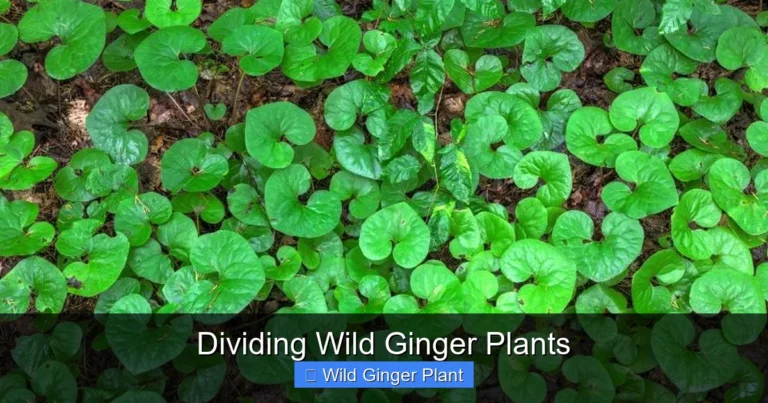
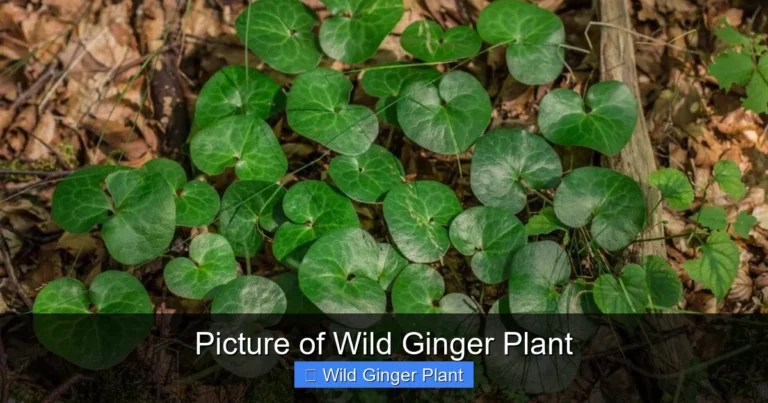
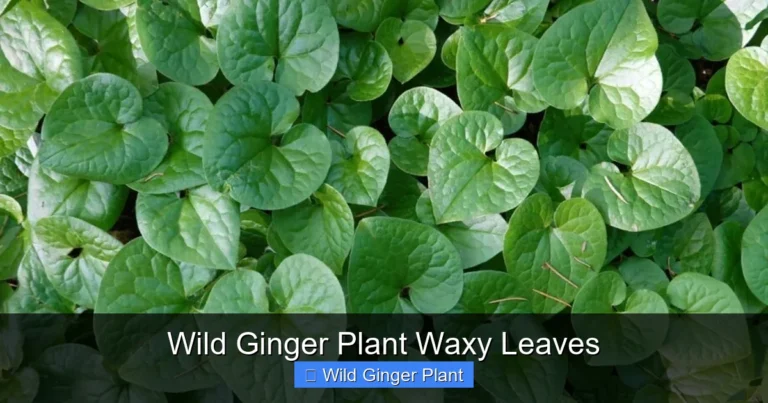
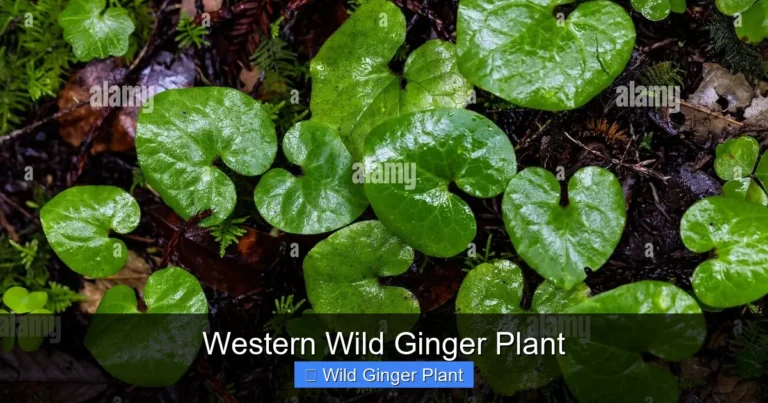
The leaves are the most obvious feature. They are heart-shaped or kidney-shaped. Each leaf can grow up to six inches wide. The texture is soft and slightly hairy. The color is a deep, rich green. Leaves grow in pairs. They emerge on long, hairy stalks from the rhizome. In spring, the new leaves are a lighter, brighter green. They darken as the season progresses.
Flower Details
The flowers are unique. They bloom in April and May. You have to look closely to see them. They sit at ground level. The flower has three pointed sepals. These sepals are fused into a cup or jug shape. The color is brownish-purple to maroon. The flower has no petals. It is pollinated by small flies and beetles. These insects crawl inside the flower. The flower smells faintly of decaying matter. This attracts its pollinators.
Root and Rhizome System
The plant spreads by rhizomes. These are horizontal underground stems. They grow just below the soil surface. The rhizomes are thick and fleshy. They have a strong ginger scent when crushed. Roots grow down from the rhizome nodes. This network allows the plant to form colonies. A single plant can spread several feet over many years.
Distinguishing from Look-Alikes
Wild ginger can be confused with a few plants. Violet leaves are similar but have toothed edges. Wild ginger leaf edges are smooth. Mayapple also grows in woods. But mayapple has umbrella-like leaves with deep lobes. Wild ginger leaves are not lobed. Garlic mustard is an invasive look-alike. Garlic mustard leaves are more triangular. They smell like garlic when crushed. Wild ginger smells like ginger.
Natural Habitat and Distribution Across Ohio
Where Wild Ginger Grows Naturally
Wild ginger is found in almost every Ohio county. It prefers rich, deciduous forests. Look for it in ravines and on north-facing slopes. It grows well along stream banks. The soil must be moist but well-drained. It likes soil high in organic matter. You often find it growing with other spring ephemerals. Trillium, bloodroot, and trout lily are common companions.
Soil and Light Requirements
This plant is a true shade lover. It needs dappled sunlight or full shade. Direct afternoon sun will scorch the leaves. The ideal soil is loamy and rich. It should hold moisture but not stay soggy. A thick layer of leaf litter is perfect. This mimics the forest floor. The pH should be slightly acidic to neutral.
Seasonal Growth Cycle
Wild ginger emerges early in spring. The leaves unfurl as the tree canopy opens. Flowers appear shortly after. By early summer, the plant is in full leaf. It stays green all summer if moisture is adequate. In drought, leaves may die back early. The plant goes dormant in late fall. The leaves decompose and feed the rhizome.
Conservation Status in Ohio
Wild ginger is not threatened in Ohio. It is common throughout the state. However, habitat loss is a concern. Invasive species like garlic mustard crowd it out. Deer browse can damage populations. Ethical foraging is important. Never dig plants from public land. Buy from reputable native plant nurseries instead.
Growing Wild Ginger in Your Ohio Garden
Choosing the Right Location
Pick a shady spot. Under mature trees is ideal. The north side of a building works well. Avoid areas with hot afternoon sun. The soil should stay cool and moist. If your soil is heavy clay, amend it. Add compost and leaf mold. This improves drainage and adds organic matter. Sandy soil also needs organic matter to hold moisture.
Planting Techniques
Spring and fall are the best planting times. Space plants twelve to eighteen inches apart. They will fill in over time. Dig a hole slightly larger than the root ball. Place the plant so the rhizome is just below the surface. Backfill with amended soil. Water thoroughly. Mulch with shredded leaves. This keeps roots cool and moist.
Watering and Maintenance
Water regularly the first year. Established plants tolerate short dry spells. But they look best with consistent moisture. Mulch annually with leaf litter. This mimics nature. No fertilizer is needed. Rich soil provides enough nutrients. Remove any invasive weeds. Garlic mustard is the biggest threat. Pull it before it sets seed.
Propagation Methods
Division is the easiest method. Do this in early spring or fall. Dig up a clump. Cut the rhizome into sections. Each piece needs roots and a growing point. Replant immediately. Seed propagation is possible but slow. Seeds need cold stratification. They can take two years to germinate. Division gives faster results.
Companion Planting Ideas
Create a woodland garden community. Pair wild ginger with ferns. Christmas fern and maidenhair fern are great choices. Add spring ephemerals like Virginia bluebells. Include native sedges for texture. Wild geranium adds pink flowers. Solomon’s seal provides architectural height. All these plants share the same growing conditions.
Ecological Benefits and Wildlife Value
Pollinator Relationships
Wild ginger has a specialized pollination strategy. The flowers are at ground level. They attract small flies and gnats. These insects are drawn to the flower’s scent. The flower traps them temporarily. As they struggle, they pick up pollen. They then carry it to another flower. This is called sapromyiophily. It means pollination by carrion flies.
Butterfly Host Plant
The pipevine swallowtail butterfly uses wild ginger. The caterpillars eat the leaves. This butterfly is beautiful and beneficial. Planting wild ginger supports its lifecycle. The caterpillars rarely cause serious damage. The plant recovers quickly. This is a great reason to include it in your garden.
Groundcover and Erosion Control
The dense rhizome network holds soil. This prevents erosion on slopes. The thick leaves shade out weeds. This reduces maintenance. Wild ginger is a living mulch. It keeps soil cool and moist. This benefits neighboring plants. It creates a stable microclimate.
Deer Resistance
Deer generally avoid wild ginger. The leaves have a strong flavor. The aromatic compounds deter browsing. This makes it valuable in high-deer areas. Few shade plants are this deer-resistant. It is a reliable choice for unfenced gardens.
Historical Uses and Cultural Significance
Indigenous Uses
Native American tribes used wild ginger extensively. The Cherokee used it for coughs and colds. The Iroquois used it as a seasoning. The Meskwaki used it for digestive issues. Many tribes used it as a flavoring agent. They knew it was not true ginger. But the similar aroma made it a useful substitute.
Early Settler Adoption
European settlers learned from indigenous people. They used the root as a ginger substitute. They candied the rhizomes. They made syrups and teas. It was valuable when imported spices were scarce. Settlers also used it medicinally. They treated fevers and stomach ailments.
Modern Herbal Considerations
Today, herbalists use wild ginger with caution. The plant contains aristolochic acid. This compound can damage kidneys. It is carcinogenic in large doses. The FDA warns against internal use. External use as a poultice is safer. But most modern herbalists avoid it. There are safer alternatives for the same uses.
Culinary Experiments
Some foragers still use small amounts. The rhizome can flavor syrups. It can be candied like commercial ginger. The leaves can wrap foods for steaming. But moderation is key. Never consume large quantities. Pregnant women should avoid it entirely. Always consult an expert before eating wild plants.
Common Problems and Solutions
Pest Issues
Wild ginger has few pests. Slugs and snails may eat young leaves. Use beer traps or diatomaceous earth. Hand-pick at night with a flashlight. Aphids occasionally appear on flower stalks. Spray with strong water jet. Insecticidal soap works if needed. But pests rarely cause serious harm.
Disease Concerns
Fungal leaf spots can occur. This happens in very wet, stagnant conditions. Improve air circulation. Remove affected leaves. Do not water overhead. Water at the base. Root rot is possible in soggy soil. Ensure good drainage. Plant on a slight mound if soil is heavy.
Environmental Stress
Sun scorch is the most common problem. Leaves turn brown and crispy. Move the plant to deeper shade. Or plant taller companions for protection. Drought stress causes early dormancy. Water deeply during dry spells. Mulch heavily to retain moisture. Winter damage is rare. The plant is fully hardy in Ohio.
Invasive Competition
Garlic mustard is the biggest threat. It releases chemicals that harm wild ginger. Pull garlic mustard relentlessly. Do not compost it. Bag and dispose of it. Japanese stiltgrass also invades shade. Hand-pull before it seeds. Mulch thickly to suppress seedlings. Vigilance keeps your patch healthy.
Where to Buy Wild Ginger in Ohio
Native Plant Nurseries
Several Ohio nurseries specialize in natives. Scioto Gardens in Delaware County carries it. Natives in Harmony in Marengo is another source. Ohio Prairie Nursery in Hiram sells seeds and plants. Keystone Flora in Cincinnati has woodland species. Call ahead to check availability. Spring is the best time to buy.
Plant Sales and Events
Local garden clubs hold native plant sales. The Ohio Native Plant Society hosts events. County Master Gardener programs sell plants. Metro parks sometimes have sales. These are great places to find healthy plants. You also get expert advice from volunteers.
Online Sources
Many reputable online nurseries ship to Ohio. Prairie Moon Nursery is excellent. They sell bare-root plants. Prairie Nursery in Wisconsin ships too. Izel Plants aggregates native plant vendors. Always verify the scientific name. Make sure you get Asarum canadense. Not the European Asarum europaeum.
What to Look for When Buying
Choose plants with healthy green leaves. Avoid yellow or spotted foliage. Check for white, firm roots. The rhizome should be plump. Avoid pots with circling roots. Smaller plants establish faster. They suffer less transplant shock. A quart pot is a good size. It balances cost and establishment speed.
Designing a Woodland Garden with Wild Ginger
Creating Layers
A woodland garden has layers. Wild ginger is the ground layer. Add a shrub layer with spicebush. Include a small tree layer with pagoda dogwood. The canopy layer is your existing large trees. Each layer supports different wildlife. This mimics a natural forest structure.
Seasonal Interest
Plan for year-round beauty. Wild ginger provides spring flowers. Summer brings lush green carpet. Fall shows yellowing leaves. Winter reveals the rhizome structure. Add plants for other seasons. Witch hazel blooms in late fall. Winterberry has red berries. Spring ephemerals fill early gaps.
Pathways and Access
Create paths through your planting. Use stepping stones or mulch. This lets you enjoy the garden. It prevents soil compaction. Paths let you monitor plant health. They make maintenance easier. Curved paths feel more natural. Straight paths work in formal designs.
Container Growing
You can grow wild ginger in pots. Use a wide, shallow container. The rhizomes spread horizontally. Use rich potting mix with compost. Keep in full shade. Water frequently. Pots dry out faster. Overwinter in a protected spot. An unheated garage works well.
Conclusion
Wild ginger plant Ohio gardeners love is a true treasure. It brings beauty to shady spots. It supports native wildlife. It connects us to the land’s history. Growing it is an act of ecological restoration. Every patch helps heal fragmented habitat.
Start small if you are new to native plants. Buy a few plants from a reputable nursery. Plant them in a shady, moist corner. Watch them spread over the years. Share divisions with friends. Teach others to recognize it in the wild. Together, we can keep this wonderful plant thriving across Ohio.
Remember to be patient. Wild ginger grows on nature’s timeline. It rewards the observant gardener. The hidden flowers are a spring surprise. The ginger scent connects you to generations past. The dense green carpet cools the soil. This plant gives so much and asks for little. Welcome it to your woodland garden.
Frequently Asked Questions
What is the difference between wild ginger and culinary ginger?
Wild ginger (Asarum canadense) is a native North American woodland plant unrelated to culinary ginger (Zingiber officinale). They share a similar root aroma but belong to different plant families. Culinary ginger is tropical, while wild ginger is a temperate shade perennial.
Will wild ginger grow under pine trees?
Wild ginger can grow under pine trees if the soil is rich and moist. However, it prefers deciduous shade where leaf litter creates ideal conditions. Pine needles decompose slowly and may make soil too acidic over time.
How do I control wild ginger if it spreads too much?
Wild ginger spreads slowly and is rarely aggressive. If needed, dig up unwanted rhizome sections in spring or fall. Install edging to contain it. It does not spread by seed aggressively, so physical removal is effective.
Is wild ginger deer resistant?
Yes, wild ginger is highly deer resistant. The aromatic compounds in the leaves and rhizomes deter browsing. This makes it an excellent choice for Ohio gardens with high deer populations.
Can wild ginger be grown from seed?
Yes, but it requires patience. Seeds need cold stratification (60-90 days) and can take two years to germinate. Division of established plants in spring or fall is much faster and more reliable for gardeners.
What plants grow well with wild ginger?
Excellent companions include Christmas fern, maidenhair fern, Virginia bluebells, wild geranium, Solomon’s seal, bloodroot, trillium, and native sedges. All share similar shade and moisture requirements for a cohesive woodland garden.