Wild Ginger Plant Nz
Wild ginger plant nz is a native groundcover that thrives in damp, shaded forests. It has heart‑shaped leaves and small, aromatic flowers that attract pollinators. Gardeners value it for its low‑maintenance beauty and traditional Māori uses.
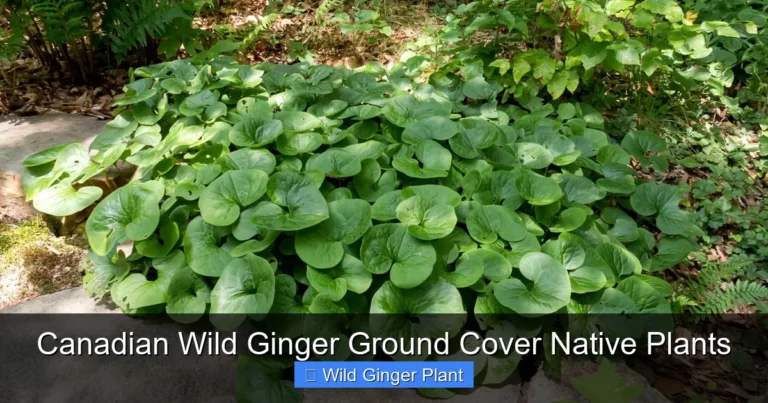
When you first encounter wild ginger plant nz you notice its lush green carpet spreading across the forest floor. The plant forms dense mats that suppress weeds and retain moisture. Its presence signals a healthy, undisturbed ecosystem. Many hikers enjoy the subtle fragrance released when leaves are brushed.
Wild ginger plant nz belongs to the family Aristolochiaceae and is known scientifically as Asarum caudatum. It is a perennial herb that spreads by underground rhizomes. The species is endemic to New Zealand and plays a key role in native biodiversity. Understanding its biology helps gardeners and conservationists alike.
In Māori tradition wild ginger plant nz was valued for its aromatic rhizome and medicinal properties. Early settlers also adopted it for culinary experiments. Today the plant is gaining popularity in native garden designs. Its low‑maintenance nature makes it ideal for shaded garden corners.
Key Takeaways
- Identification: Look for heart‑shaped leaves, reddish stems, and tiny white flowers.
- Habitat: Wild ginger plant nz prefers moist, shady forest floors and stream banks.
- Traditional uses: Māori used the rhizome for flavouring and medicinal purposes.
- Garden cultivation: Plant in rich, well‑drained soil with plenty of organic matter.
- Conservation: Some populations are protected; always check local regulations before harvesting.
- Propagation: Divide rhizomes in early spring for best results.
- Pest resistance: The plant is naturally resistant to most common garden pests.
Quick Answers to Common Questions
What is the scientific name of wild ginger plant nz?
The scientific name is Asarum caudatum.
Where does wild ginger plant nz naturally grow?
It grows in damp, shaded forests throughout the North Island and northern South Island of New Zealand.
Can I eat the rhizome of wild ginger plant nz?
Yes, the rhizome is edible and has a mild ginger flavor, but harvest sustainably and check local regulations.
How do I propagate wild ginger plant nz in my garden?
Divide the rhizomes in early spring and plant sections horizontally just below the soil surface.
Is wild ginger plant nz protected by law?
In many regions it is a protected native species; always verify local rules before collecting.
📑 Table of Contents
What Is wild ginger plant nz?
Botanical Background
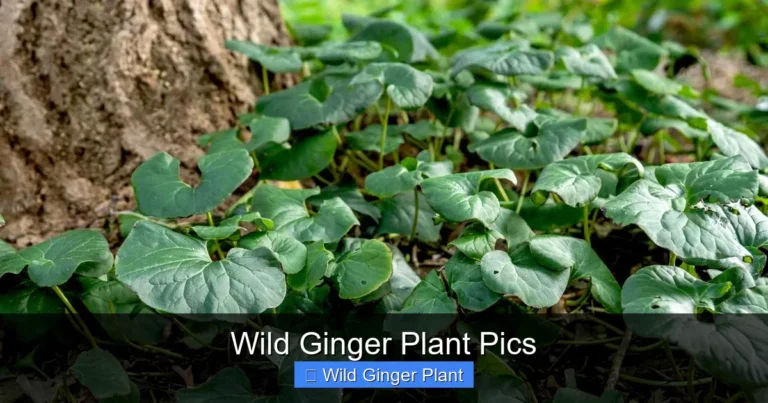
Wild ginger plant nz is a low‑growing herb that reaches about 15 centimeters in height. The leaves are kidney‑shaped with a glossy surface and a deep green hue. Each leaf emerges from a short petiole that hugs the rhizome. The plant produces solitary flowers that hide beneath the foliage.
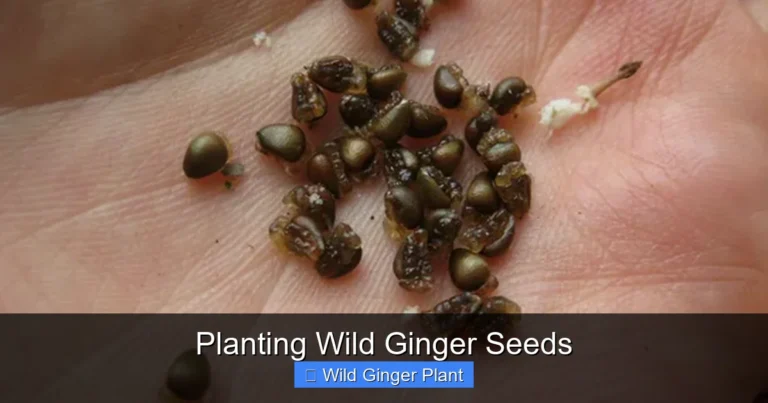
The flowers of wild ginger plant nz are small, bell‑shaped, and usually pale yellow to white. They appear in late spring and are pollinated by tiny flies. After pollination the plant develops a fleshy capsule containing several seeds. Seed dispersal is limited, so the plant relies mainly on rhizome spread.
Common Names
Locals often call wild ginger plant nz by several names including native ginger, bush ginger, and kopi. The name kopi reflects its Māori heritage and is still used in cultural contexts. Knowing these names helps when searching for information or purchasing plants. Always verify the scientific name to avoid confusion with exotic ginger species.
In horticultural catalogs wild ginger plant nz may be listed under Asarum caudatum. Some nurseries also sell it as “New Zealand wild ginger.” Using the correct label ensures you receive the true native species. Mislabeling can lead to invasive exotic gingers entering native habitats.
Where Does wild ginger plant nz Grow?
Native Range
Wild ginger plant nz is found throughout the North Island and the northern parts of the South Island. It thrives in lowland and montane forests up to 900 meters altitude. The plant prefers areas with high rainfall and consistent moisture. You will often see it on the forest floor beneath canopy trees.
Distribution maps show wild ginger plant nz concentrated in regions like Waikato, Bay of Plenty, and Westland. It is less common in dry eastern regions. Climate change may shift its range over time. Monitoring populations helps predict future habitat changes.
Preferred Habitat
The ideal habitat for wild ginger plant nz includes deep shade, humus‑rich soil, and constant dampness. Stream banks, gullies, and shaded slopes provide perfect conditions. The plant forms extensive colonies that stabilize soil and reduce erosion. Its dense mats also create microhabitats for invertebrates.
In disturbed sites wild ginger plant nz can act as a pioneer species. It quickly covers bare ground after tree falls or landslides. This ability makes it valuable for ecological restoration projects. Planting it in degraded areas accelerates native forest recovery.
Altitude and Climate
Wild ginger plant nz tolerates a range of altitudes but prefers cooler, moist climates. At higher elevations the plant grows more slowly and produces smaller leaves. Frost can damage foliage, but the rhizome survives underground. In coastal zones the plant benefits from mild temperatures and frequent fog.
Gardeners in temperate zones can mimic these conditions by choosing a shaded, sheltered spot. Adding leaf litter and mulch replicates the forest floor environment. Consistent watering during dry spells is essential for establishment. Once established the plant requires minimal intervention.
How to Identify wild ginger plant nz
Leaf Characteristics
The leaves of wild ginger plant nz are the most obvious identification feature. They are heart‑shaped with a pointed tip and a slight sheen. Leaf margins are entire, meaning they have no teeth or lobes. The upper surface is dark green while the underside is paler.
When crushed the leaves emit a faint ginger‑like aroma. This scent distinguishes wild ginger plant nz from similar looking groundcovers. The petiole is short and often reddish near the base. Observing these details confirms a correct identification in the field.
Flower Details
Flowers of wild ginger plant nz are inconspicuous and often hidden beneath the leaf litter. They are solitary, tubular, and about one centimeter long. The color ranges from pale yellow to creamy white with a slight purple tinge inside. Blooming occurs from October to December in most regions.
Because the flowers are low to the ground they are pollinated by small flies and beetles. After flowering the plant produces a fleshy capsule that splits open to release seeds. Seedlings are rare, so vegetative spread dominates. Spotting the flowers requires careful searching at ground level.
Root and Rhizome Features
The rhizome of wild ginger plant nz is thick, creeping, and aromatic. It grows horizontally just below the soil surface. The rhizome is segmented with nodes that produce new shoots. Its flesh is pale yellow and has a strong ginger scent when cut.
Roots are fine and fibrous, anchoring the rhizome in the humus layer. The rhizome stores carbohydrates, allowing the plant to survive seasonal drought. Harvesting the rhizome should be done sparingly to avoid killing the colony. Sustainable harvest means taking only a small portion from each clump.
Uses and Benefits of wild ginger plant nz
Traditional Māori Uses
Māori traditionally used wild ginger plant nz for both food and medicine. The rhizome was chewed to relieve toothache and stomach complaints. It was also added to stews for a subtle spicy flavor. The leaves were sometimes used as a wrapping for cooking food in earth ovens.
Knowledge of these uses has been passed down through generations. Modern ethnobotanists study wild ginger plant nz to validate traditional claims. Some compounds in the rhizome show antimicrobial activity in laboratory tests. Respecting cultural heritage is important when exploring these applications.
Modern Culinary Applications
Contemporary chefs experiment with wild ginger plant nz in native cuisine. The rhizome can be grated into sauces, marinades, and desserts. Its flavor is milder than commercial ginger but adds a unique earthy note. Leaves can be used as a garnish or infused into oils.
Because the plant is protected in some areas, sourcing from cultivated stock is recommended. Home gardeners can grow their own supply for kitchen use. Freshly harvested rhizome provides the best aroma and taste. Drying reduces potency but extends shelf life.
Medicinal Properties
Research suggests wild ginger plant nz contains compounds with anti‑inflammatory and analgesic effects. Traditional use for colds and headaches aligns with these findings. However, scientific studies are limited and more clinical trials are needed. Always consult a healthcare professional before using any plant medicinally.
The essential oil extracted from the rhizome shows promise as a natural preservative. Its antimicrobial properties could benefit food safety. Sustainable harvesting ensures the plant remains available for future research. Conservation and bioprospecting must go hand in hand.
Growing wild ginger plant nz in Your Garden
Site Selection
Choose a site that receives dappled shade or full shade for most of the day. Wild ginger plant nz dislikes direct afternoon sun which can scorch leaves. A location under deciduous trees works well because it provides winter light and summer shade. Ensure the area has good air circulation to prevent fungal issues.
Proximity to a water source simplifies irrigation during establishment. Avoid low‑lying spots that become waterlogged after heavy rain. Slight slopes improve drainage while retaining moisture. Mulching with leaf litter mimics the natural forest floor and suppresses weeds.
Soil Preparation
Wild ginger plant nz thrives in rich, humus‑laden soil with a slightly acidic pH around 5.5 to 6.5. Incorporate well‑rotted compost or leaf mold into the planting hole. This improves moisture retention and provides slow‑release nutrients. Avoid heavy clay unless amended with organic matter.
Test soil drainage by digging a small hole and filling it with water. If water drains within an hour the site is suitable. Poor drainage leads to rhizome rot. Adding coarse sand or fine bark can improve structure. A healthy soil ecosystem supports beneficial microbes that aid plant growth.
Planting and Care Tips
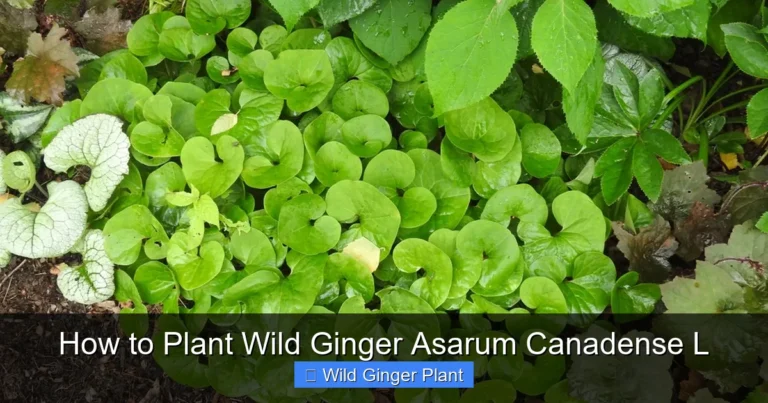
- Tip 1: Plant rhizome sections horizontally just below the surface, spacing them 30 centimeters apart.
- Tip 2: Water thoroughly after planting and keep soil consistently moist for the first six weeks.
- Tip 3: Apply a thin layer of mulch each autumn to protect rhizomes from frost and retain moisture.
Once established wild ginger plant nz requires minimal care. Remove any invasive weeds by hand to avoid disturbing the shallow rhizomes. Fertilize sparingly with a balanced organic fertilizer in early spring. Monitor for slugs and snails which may chew young leaves.
Conservation and Legal Considerations for wild ginger plant nz
Protected Status
In several regions wild ginger plant nz is listed as a protected native species. The Department of Conservation monitors populations and restricts removal from public land. Private landowners should check local bylaws before harvesting. Penalties for illegal collection can include fines and restoration orders.
Protected status helps prevent over‑exploitation and habitat loss. Climate change and invasive species pose additional threats. Conservation programs often include seed banking and habitat restoration. Community involvement strengthens these efforts.
Harvesting Guidelines
If harvesting is permitted, follow sustainable guidelines to ensure colony survival. Take no more than ten percent of the rhizome mass from any single clump. Use a sharp knife to cut cleanly, minimizing damage to remaining tissue. Replant a portion of the harvested rhizome to encourage regrowth.
Harvest during the dormant season, typically late autumn to early winter. This reduces stress on the plant. Avoid harvesting during flowering or seed set. Record the location and amount taken for personal records and potential reporting requirements.
How to Support Conservation
Gardeners can support wild ginger plant nz conservation by cultivating it from reputable nurseries. Participating in local planting days helps restore native forest understory. Reporting sightings to citizen science platforms aids distribution mapping. Donating to conservation trusts funds research and protection work.
Educating others about the ecological value of wild ginger plant nz raises awareness. Schools and community groups can incorporate it into native garden projects. Advocating for stronger legal protection ensures long‑term survival. Every small action contributes to the bigger picture.
Final Thoughts on wild ginger plant nz
Wild ginger plant nz is a remarkable native groundcover that offers beauty, utility, and ecological benefits. Its subtle fragrance, attractive foliage, and cultural significance make it a treasure of New Zealand forests. By understanding its needs and respecting its protected status we can enjoy it responsibly in gardens and wild spaces alike.
Whether you are a hiker, gardener, or conservationist, learning about wild ginger plant nz deepens your connection to the natural world. Plant it in a shady corner, share its story, and help preserve it for future generations. The journey with this humble herb is both rewarding and essential.
Frequently Asked Questions
What are the ideal soil conditions for wild ginger plant nz?
Wild ginger plant nz prefers rich, humus‑laden soil with a slightly acidic pH between 5.5 and 6.5, good moisture retention, and excellent drainage.
How much shade does wild ginger plant nz need?
It thrives in dappled to full shade; direct afternoon sun can scorch the leaves and reduce vigor.
When does wild ginger plant nz flower?
Flowering typically occurs from October to December, producing small, bell‑shaped pale yellow to white flowers hidden beneath foliage.
What pests commonly affect wild ginger plant nz?
Slugs and snails may feed on young leaves; the plant is otherwise naturally resistant to most common garden pests.
Can wild ginger plant nz be grown in containers?
Yes, use a deep pot with a high‑quality, moisture‑retentive potting mix and place it in a shaded location; keep the soil consistently moist.
How can I help conserve wild ginger plant nz?
Purchase plants from licensed nurseries, participate in local restoration planting, report wild populations to conservation databases, and support organizations protecting native flora.