Wild Ginger Hawaii Plant
Wild ginger in Hawaii refers to both the native awapuhi (shampoo ginger) and invasive species like kahili ginger. Awapuhi has deep cultural roots for medicine and ceremony, while invasive gingers threaten native forests. This guide covers identification, uses, growing tips, and conservation efforts.
If you walk through a Hawaiian rainforest, you might smell something sweet and spicy in the air. That scent often comes from wild ginger. But here is the thing. Not all wild ginger in Hawaii is the same. Some belongs here. Some does not. Knowing the difference matters. It matters for the forest. It matters for culture. It matters for your garden.
This guide walks you through everything you need to know about wild ginger in Hawaii. We will cover the native awapuhi. We will cover the invasive kahili ginger. We will talk about uses, history, growing tips, and how to help protect the land. Let us dive in.
Key Takeaways
- Two main types exist: Native awapuhi (Zingiber zerumbet) and invasive kahili ginger (Hedychium gardnerianum) are the most common wild gingers in Hawaii.
- Awapuhi is culturally vital: Native Hawaiians used awapuhi for shampoo, medicine, dye, and ceremonial purposes for centuries.
- Invasive gingers damage ecosystems: Kahili and white ginger spread aggressively, crowding out native plants and altering forest habitats.
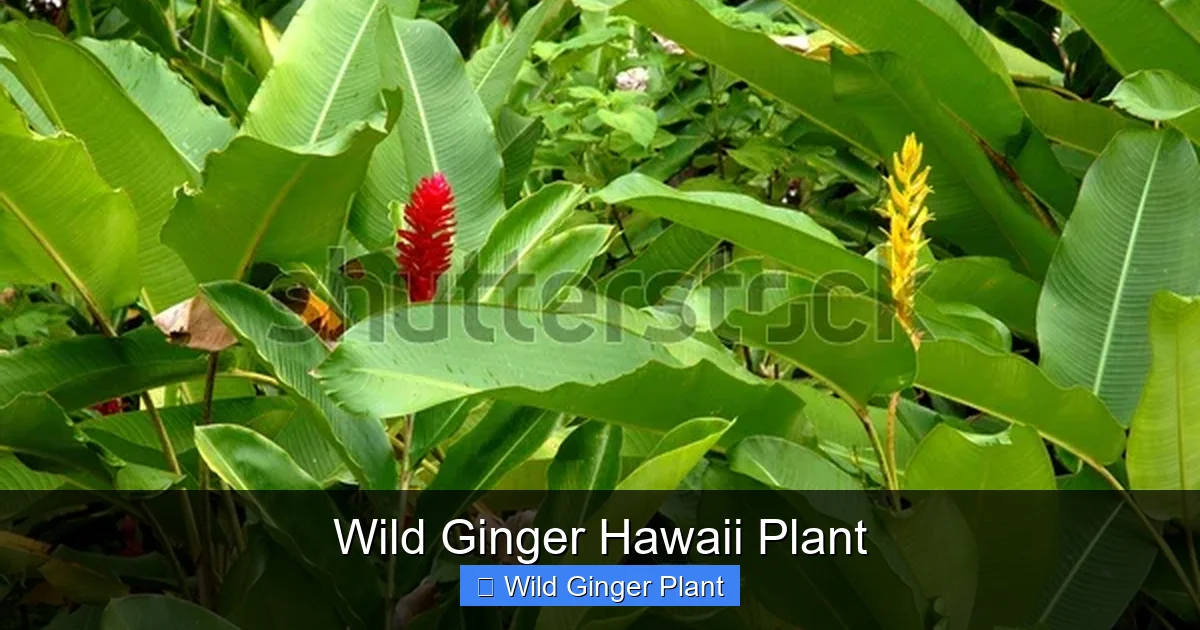
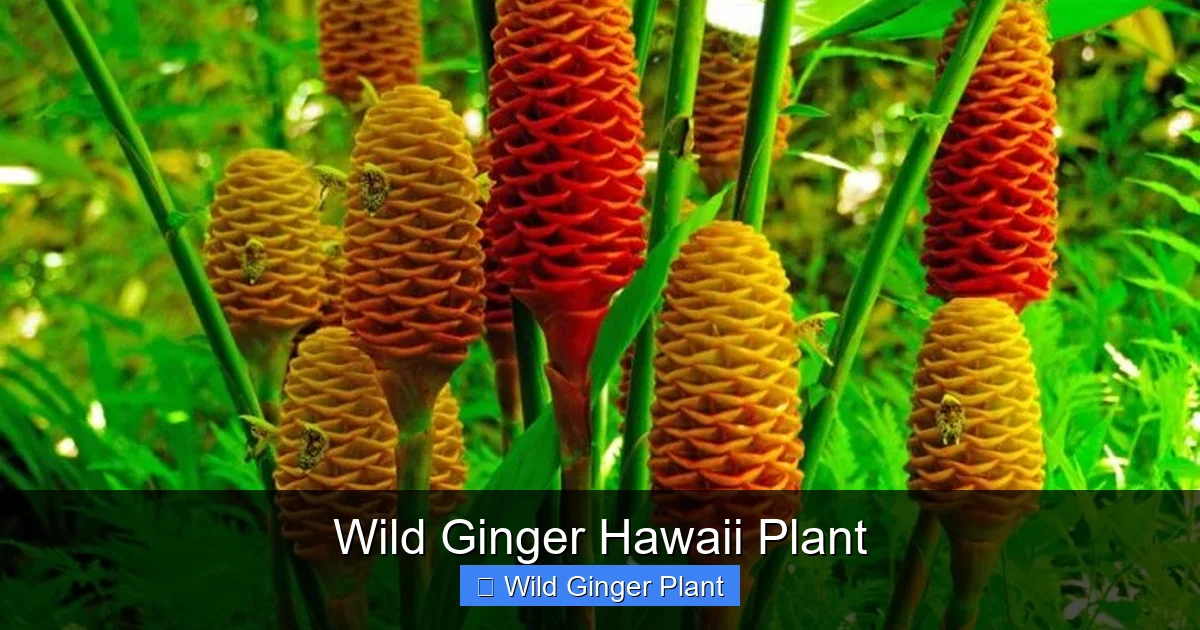
- Identification matters: Awapuhi has cone-shaped red flower heads; kahili ginger has tall yellow flower spikes with red stamens.
- Growing awapuhi is easy: Plant rhizomes in shade with moist, well-drained soil. It thrives in Hawaii’s tropical climate with minimal care.
- Control invasive species: Remove kahili ginger by digging up entire rhizome systems. Report large infestations to local conservation groups.
- Support native plants: Choose awapuhi for gardens. Avoid planting invasive gingers. Volunteer with groups removing invasive species from forests.
Quick Answers to Common Questions
What is the difference between awapuhi and kahili ginger?
Awapuhi (Zingiber zerumbet) is native to Hawaii with cone-shaped red flowers that produce a soapy liquid. Kahili ginger (Hedychium gardnerianum) is an invasive species from the Himalayas with tall yellow flower spikes and red stamens that spreads aggressively and destroys native forests.
Can I use wild ginger from Hawaii as a spice in cooking?
Awapuhi rhizomes are edible but milder than culinary ginger (Zingiber officinale). They were used medicinally, not as a primary spice. Kahili ginger is not typically eaten. For cooking, use store-bought culinary ginger instead.
How do I make shampoo from awapuhi?
Squeeze the clear liquid from a mature red awapuhi flower cone directly onto wet hair. Massage into scalp and hair until it lathers, then rinse thoroughly. The cone produces enough liquid for one to two washes.
Is it illegal to remove kahili ginger from public land?
No, removing kahili ginger from public land is encouraged. However, check with the managing agency (State Parks, Forest Reserves, National Parks) for volunteer protocols. Some areas require permits or organized group participation for safety and tracking.
Where can I buy native awapuhi plants in Hawaii?
Purchase awapuhi from native plant nurseries like Hui Ku Maoli Ola, Kauai Seascapes Nursery, or Hoolawa Farms. Many botanical gardens hold plant sales. Avoid big-box stores which often sell invasive gingers mislabeled as “wild ginger.”
📑 Table of Contents
What Is Wild Ginger in Hawaii?
When people say wild ginger Hawaii plant, they usually mean one of two things. They might mean awapuhi. That is the native shampoo ginger. Or they might mean kahili ginger. That is an invasive plant from India. Both grow wild. Both have ginger in the name. But they are very different.
The Name Confusion
The word ginger gets used loosely. True ginger is Zingiber officinale. That is the spice in your kitchen. Awapuhi is Zingiber zerumbet. It is a cousin. Kahili ginger is Hedychium gardnerianum. It is not a true ginger at all. It is in the same family but a different genus. White ginger is Hedychium coronarium. Another cousin. All of them grow wild in Hawaii now. Only one is native.
Why It Matters
Native plants support native birds. They support native insects. They hold the soil. They keep the water clean. Invasive plants do the opposite. They spread fast. They shade out natives. They change the soil. They make it hard for native forests to recover. Knowing which ginger you see helps you make good choices. You can protect the native one. You can remove the invasive one.
The Native Awapuhi: Hawaii’s Shampoo Ginger
Awapuhi is a treasure. Its scientific name is Zingiber zerumbet. Hawaiians call it awapuhi kuahiwi. That means mountain ginger. It grows in wet forests. It grows in valleys. It grows near streams. You will find it on all the main islands. It likes shade. It likes moisture. It goes dormant in dry season. The leaves die back. The rhizomes sleep underground. Then rain comes. Green shoots rise again.
Visual guide about Wild Ginger Hawaii Plant
Image source: mauiguide.com
What Awapuhi Looks Like
Awapuhi grows about three to four feet tall. The leaves are long and narrow. They grow in two rows along the stem. The stem is actually a pseudostem. It is made of leaf sheaths wrapped tight. The real stem is underground. That is the rhizome. It looks like a knobby root. It is pale inside. It smells like ginger but milder.
The flower is special. It grows on a separate stalk from the ground. At first it looks like a green pinecone. Then it turns red. The red cone holds clear liquid. That liquid is the shampoo. Small yellow flowers peek out from the cone scales. They bloom for just a day. The cone stays red for weeks. It is striking in the forest.
Traditional Hawaiian Uses
Awapuhi was a plant of many uses. Hawaiians knew it well. They used every part.
Shampoo and Conditioner
The clear liquid in the flower cone is a natural shampoo. It lathers well. It cleans hair. It leaves hair soft. Hawaiians squeezed the cone onto hair. They massaged it in. They rinsed with water. No bottle needed. No chemicals. Just pure plant. Today, many Hawaii shampoos still use awapuhi extract. You can buy it in stores. But you can also use it fresh if you have a plant.
Medicine
Awapuhi treated many ailments. The rhizome was pounded and strained. The juice helped stomach aches. It helped headaches. It helped toothaches. It was used for sprains and bruises. The leaves were used in steam baths. The scent cleared congestion. Modern research shows awapuhi has anti-inflammatory compounds. It has antioxidants. It has antimicrobial properties. Tradition knew what science now confirms.
Dye and Scent
The rhizome makes a yellow dye. Hawaiians dyed kapa cloth with it. The flowers scent kapa too. They were tucked into leis. They perfumed stored cloth. The scent is sweet, gingery, fresh. It lingers.
Ceremony and Symbolism
Awapuhi appears in chants. It appears in hula. It is linked to Kane, god of fresh water and forests. It is linked to Laka, goddess of hula. The plant represents renewal. It dies back. It returns. That cycle mirrors life. It mirrors the seasons. It mirrors the rain.
Awapuhi in Modern Hawaii
Today, awapuhi is cultivated. Farmers grow it for the beauty industry. The extract is in shampoos, conditioners, lotions. It is a commercial crop. But wild populations still exist. They are protected in reserves. They are cherished by cultural practitioners. If you see awapuhi in the wild, treat it with respect. Take only what you need. Leave the plant healthy. Say mahalo.
Invasive Gingers: Kahili and White Ginger
Now let us talk about the problem plants. Kahili ginger and white ginger are beautiful. They smell amazing. But they are destroying native forests. They were brought as ornamentals. They escaped gardens. They took over.
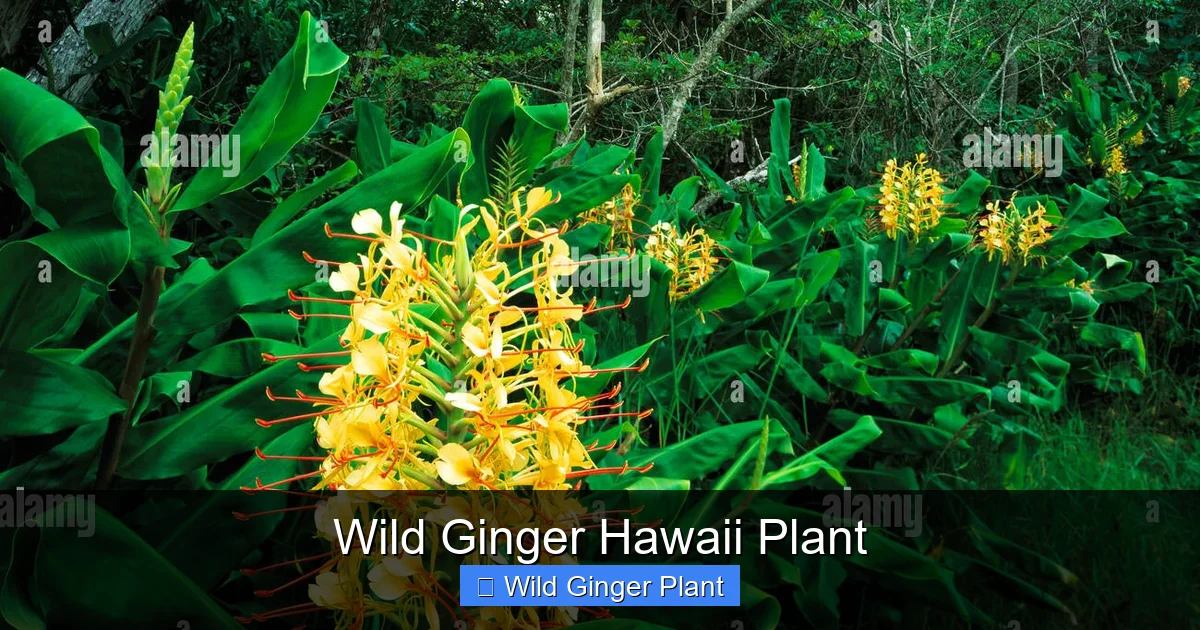
Visual guide about Wild Ginger Hawaii Plant
Image source: c8.alamy.com
Kahili Ginger (Hedychium gardnerianum)
Kahili ginger comes from the Himalayas. It was introduced in the late 1800s. People loved the flowers. Tall spikes. Yellow petals. Red stamens. Fragrant. It looked great in gardens. Then birds ate the seeds. Pigs rooted the rhizomes. The plant spread into forests. Fast.
How to Identify Kahili Ginger
Kahili ginger grows tall. Four to eight feet. The leaves are large. Two feet long. They clasp the stem. The flower spike stands above the leaves. It can be a foot long. Dozens of flowers. Each flower has three yellow petals. Three red stamens stick out. The scent is heavy, sweet, perfumy. It blooms summer to fall. The fruit is a capsule. It splits open. Bright red seeds inside. Birds love them. That is how it spreads.
Why Kahili Ginger Is a Threat
Kahili ginger forms dense thickets. The rhizomes mat together underground. Nothing else grows. Native seedlings cannot push through. The shade is too deep. The root mat is too thick. It changes soil chemistry. It alters nitrogen cycles. It makes the forest floor inhospitable to natives. It invades intact rainforest. It does not need disturbance. It just marches in. It is one of the worst invasive plants in Hawaii. It is on the state noxious weed list. It is a target for control everywhere.
White Ginger (Hedychium coronarium)
White ginger is also called butterfly ginger. It comes from India and China. It was brought for perfume. The flowers are white. They look like butterflies. The scent is incredible. Sweet, floral, strong at night. It blooms at night. Moths pollinate it. It grows three to six feet tall. Leaves similar to kahili but narrower. Rhizomes also form dense mats.
White Ginger Impacts
White ginger invades wet forests. It invades stream banks. It crowds out natives. It is especially bad in windward valleys. It spreads by rhizomes and seeds. It is harder to control than kahili in some ways. The rhizomes go deep. They break easily. Every piece resprouts. It is also on the noxious weed list.
Other Invasive Gingers
There are more. Yellow ginger (Hedychium flavescens). Red ginger (Alpinia purpurata) – though this one spreads mostly by rhizomes, not seeds. Shell ginger (Alpinia zerumbet). All are escapees. All cause problems. All should be removed from natural areas. None should be planted near forests.
Cultural Uses and Traditions
Ginger plants, both native and introduced, have woven into Hawaii culture. The introduced ones have new uses. The native one has ancient uses. Both matter to people today.
Awapuhi in Hula and Chant
Awapuhi is a kinolau. That means a body form of a deity. Specifically Kane and Laka. In hula, awapuhi leaves and flowers adorn the altar. They adorn the dancer. The scent invokes the gods. The green represents life. The red flower represents the blood of chiefs. The dormancy represents rest. The return represents resurrection. Hula schools tend awapuhi patches. They harvest with protocol. They give thanks. They ensure the patch thrives.
Lei Making
Both awapuhi and kahili ginger flowers are used in lei. Awapuhi cones are strung. They make unusual, long-lasting lei. The red cones dry well. They keep color. Kahili ginger flowers are strung fresh. They are beautiful but wilt fast. White ginger flowers make fragrant lei. They are popular for weddings. But lei makers who know the land prefer awapuhi. They know kahili harms the forest. They choose the native plant.
Modern Herbalism
Herbalists in Hawaii use awapuhi. They make tinctures. They make salves. They make teas. The rhizome is the main part used. It is dug in dry season. That is when potency is highest. It is sliced. Dried. Or used fresh. It goes into formulas for inflammation. For digestion. For skin. For respiratory health. Some herbalists also use kahili ginger. But carefully. They do not want to encourage its spread. They harvest from removal projects. They turn a problem into medicine.
Commercial Products
Awapuhi is big business. Paul Mitchell made it famous. Their Awapuhi line put it on the map. Now many brands use it. Shampoos. Conditioners. Styling products. Skin care. The extract is hydrolyzed. It adds moisture. It adds shine. It repairs damage. It is a Hawaii export. It supports local agriculture. But wild harvest is not the source. Farms grow it. That protects wild populations.
Growing Wild Ginger in Hawaii
Want to grow ginger? Great. Grow the right one. Grow awapuhi. Do not plant kahili. Do not plant white ginger. Here is how to grow awapuhi successfully.
Getting Started
You need rhizomes. Get them from a reputable nursery. Or from a friend with a healthy patch. Do not dig wild plants. That is illegal in many areas. It harms wild populations. Buy certified nursery stock. Look for firm, plump rhizomes. They should have buds. The buds look like little horns. Those are the growing points.
Site Selection
Awapuhi likes shade. Dappled light is perfect. Full shade works. Full sun burns the leaves. It needs moisture. But not standing water. Well-drained soil. Rich in organic matter. Mulch heavily. Leaf litter is great. It mimics the forest floor. Plant near a water source if possible. Or where you can irrigate easily.
Planting
Plant in early wet season. November to April in Hawaii. Dig a shallow trench. Two to three inches deep. Lay rhizomes horizontally. Buds pointing up. Space them twelve to eighteen inches apart. Cover with soil. Water well. Mulch thick. Two to three inches of mulch. Keep moist. Shoots appear in two to four weeks.
Care and Maintenance
Water regularly. Do not let dry out completely. But do not waterlog. Fertilize lightly. Compost tea monthly. Or slow-release organic fertilizer twice a year. Remove dead leaves. They pull off easy. The plant goes dormant in summer if dry. Leaves yellow. They fall. Stop watering. Let it rest. Rain returns. Growth returns. It is that simple.
Harvesting
Harvest rhizomes in dry season. June to September. Dig carefully. Take only what you need. Leave plenty to regrow. Harvest flower cones when red and full. Squeeze for shampoo. Or cut the whole stalk for lei. The plant will make more. Sustainable harvest means the patch grows larger each year.
Container Growing
No yard? Grow in a pot. Use a wide pot. Twelve inches minimum. Deep is good too. Rich potting mix. Compost added. Same light needs. Same water needs. Fertilize more often. Nutrients wash out. Repot every two years. Divide rhizomes. Share with friends. Spread the native plant.
Conservation and Management
Protecting Hawaii forests means managing invasive gingers. It means planting natives. It means community action. Everyone can help.
Identifying Invasive Gingers on Your Property
Walk your land. Look for tall ginger with yellow flowers and red stamens. That is kahili. Look for white butterfly flowers at night. That is white ginger. Look for dense clumps. No other plants underneath. Rhizomes visible on surface. Those are the invaders. Mark them. Map them. Plan removal.
Removal Methods
Small patches: Dig by hand. Get every piece of rhizome. Screen soil. Do not leave fragments. Bag all material. Dispose in green waste. Not compost. Compost may not kill it. Large patches: Cut flower spikes first. Prevent seeds. Then dig. Or use herbicide. Cut stem. Apply glyphosate to cut surface. Follow label. Wear protection. Hire professionals for big jobs. Conservation districts can help. They have tools. They have crews. They have grants.
Follow-Up Is Critical
One removal is not enough. Rhizomes resprout. Seeds germinate. Check every three months. Remove new shoots. Do this for years. Persistence wins. Replace with natives. Plant awapuhi. Plant hapuu ferns. Plant native shrubs. Fill the space. Shade the ground. Prevent reinvasion.
Community Efforts
Join a weed pull. Many groups organize them. Sierra Club. Malama Hawaii. Watershed partnerships. School groups. They go into forests. They remove kahili ginger. They plant natives. They teach identification. They build community. It is good work. It connects you to the land. It makes a difference.
Policy and Prevention
Do not buy invasive gingers. Nurseries still sell them sometimes. Ask for natives only. Support laws banning invasive sales. Support funding for control. Report new infestations. Use 643-PEST. That is the Hawaii pest hotline. Early detection saves forests. Your eyes help.
Wild Ginger Identification Quick Guide
Here is a fast reference. Keep it handy. Know what you see.
Awapuhi (Native)
- Height: 3-4 feet
- Leaves: Narrow, two-ranked, 12-18 inches
- Flower: Cone-shaped, green to red, on separate stalk from ground
- Flower liquid: Clear, soapy
- Bloom: Summer
- Habitat: Wet forest, valleys, streamsides
- Dormancy: Yes, dry season
- Scent: Mild, gingery
Kahili Ginger (Invasive)
- Height: 4-8 feet
- Leaves: Broad, large, 2 feet long, clasp stem
- Flower: Spike above leaves, yellow petals, red stamens
- Fruit: Capsule with red seeds
- Bloom: Summer to fall
- Habitat: Wet to mesic forest, intact or disturbed
- Dormancy: No, evergreen in wet areas
- Scent: Strong, sweet, perfumy
White Ginger (Invasive)
- Height: 3-6 feet
- Leaves: Medium width, 12-18 inches
- Flower: White, butterfly-shaped, night-blooming
- Fruit: Capsule with red seeds
- Bloom: Summer to fall, night
- Habitat: Wet forest, stream banks
- Dormancy: Partial in dry areas
- Scent: Very strong, sweet, night-fragrant
The Future of Wild Ginger in Hawaii
What lies ahead? The story is still writing. Awapuhi is gaining respect. More people know its name. More people grow it. More products use it. Cultural practitioners teach its value. Schools plant it. That is hope.
Invasive gingers are a bigger challenge. They cover thousands of acres. Control is expensive. It takes long-term commitment. But new tools help. Drones map infestations. Biocontrol agents are researched. Insects from the native range. They eat only the target ginger. They are tested for years. Safety first. If approved, they could turn the tide. Community momentum grows. More volunteers. More funding. More awareness.
Climate change adds uncertainty. Drier summers may stress awapuhi. Wetter storms may spread invasive seeds faster. Forests shift. We must adapt. We must protect diversity. We must keep native genes strong. Seed banks. Tissue culture. Living collections. These are insurance policies.
You are part of this future. Every choice matters. What you plant. What you remove. What you teach. What you support. The wild ginger Hawaii plant story includes you now.
Conclusion
Wild ginger in Hawaii is a tale of two plants. One belongs. One invades. Awapuhi is a gift from the ancestors. It feeds body and spirit. It heals. It cleans. It perfumes. It connects people to land. Kahili ginger is a lesson in consequences. Beauty brought a beast. It spreads. It smothers. It changes the forest forever.
You now know the difference. You know how to identify them. You know how to grow the good one. You know how to fight the bad one. You know why it matters. Take this knowledge. Use it. Share it. Plant awapuhi. Pull kahili. Teach a child. Support a conservation group. The forest will thank you. The ancestors will smile. The future will be greener.
Mahalo for learning. Mahalo for caring. The land lives because people like you pay attention.
Frequently Asked Questions
Is awapuhi the same as the ginger root I buy at the grocery store?
No, awapuhi (Zingiber zerumbet) is a different species than culinary ginger (Zingiber officinale). They are cousins in the same genus but awapuhi has a milder flavor and was traditionally used for shampoo, medicine, and ceremony rather than cooking.
Why is kahili ginger considered one of Hawaii’s worst invasive species?
Kahili ginger forms dense rhizome mats that prevent native seedling growth, spreads into intact rainforests without disturbance, produces bird-dispersed seeds, and alters soil chemistry. It covers thousands of acres across all main islands and threatens watershed function.
Can I grow awapuhi in a container on my lanai?
Yes, awapuhi grows well in wide, shallow containers with rich, well-drained potting mix. Place in dappled shade, keep consistently moist, and fertilize monthly with organic fertilizer. The plant will go dormant in dry summer months – reduce watering until new shoots appear.
How do I safely dispose of invasive ginger after removal?
Bag all rhizomes, stems, flowers, and seeds in heavy-duty trash bags. Dispose in municipal green waste or landfill – never compost, as rhizomes and seeds can survive. Clean tools and boots after removal to prevent spreading fragments to new areas.
Does awapuhi have scientific research backing its traditional uses?
Yes, studies confirm awapuhi contains zerumbone and other compounds with demonstrated anti-inflammatory, antioxidant, antimicrobial, and potential anticancer properties in laboratory settings, supporting traditional Hawaiian medicinal uses for pain, swelling, and skin conditions.
What native plants make good companions for awapuhi in a Hawaiian garden?
Excellent companions include hapuu (tree ferns), palapalai (lace fern), akia, ohelo, kopiko, and native lobeliads. These plants share similar shade and moisture requirements and create a mini-ecosystem that supports native insects and birds.