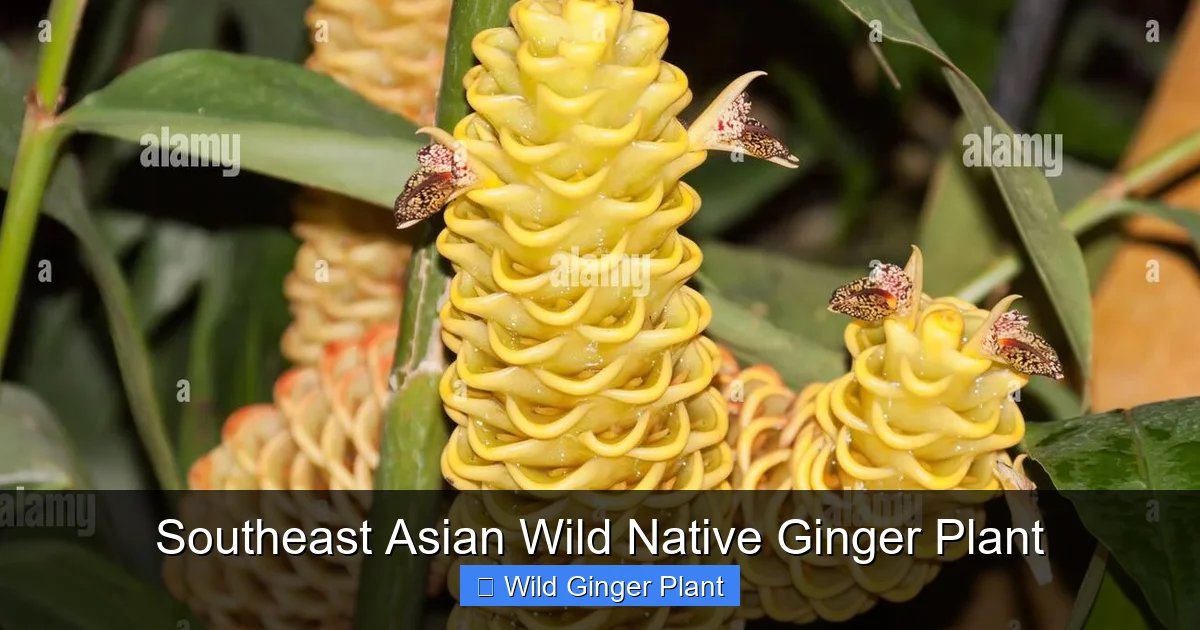
Southeast Asian Wild Native Ginger Plant
The Southeast Asian Wild Native Ginger Plant thrives in humid forest understories across the region. It offers culinary, medicinal, and ornamental value for local communities and gardeners alike.
The Southeast Asian Wild Native Ginger Plant grows in shady forest floors. I first saw it on a trek in Borneo. Its fragrance rose with the morning mist. You can smell it before you spot the leaves. It feels like a hidden treasure.
The Southeast Asian Wild Native Ginger Plant belongs to the Zingiberaceae family. It shares kinship with common ginger and turmeric. The rhizome is knobby and aromatic. Local people call it by many names. I love learning those names.
The Southeast Asian Wild Native Ginger Plant has a long history of use. Villagers harvest it for food and medicine. I read old texts that praise its healing power. You will find it in many traditional recipes. Let us explore its story together.
Key Takeaways
- Botanical identity: The Southeast Asian Wild Native Ginger Plant belongs to the Zingiberaceae family and features aromatic rhizomes.
- Native range: It grows naturally in lowland rainforests of Indonesia, Malaysia, Thailand, and the Philippines.
- Identification: Look for broad, glossy leaves, pinkish flower spikes, and a knobby rhizome with a spicy scent.
- Uses: The rhizome flavors dishes, treats colds, and serves in traditional rituals.
- Cultivation: It prefers shade, moist soil, and high humidity; container growing works well in temperate zones.
- Conservation: Habitat loss threatens wild populations; sustainable harvest and ex‑situ collections help protect it.
Quick Answers to Common Questions
What is the scientific family of the Southeast Asian Wild Native Ginger Plant?
It belongs to the Zingiberaceae family, the same family as common ginger and turmeric.
Where can I find the Southeast Asian Wild Native Ginger Plant in the wild?
Look for it in lowland rainforests of Indonesia, Malaysia, Thailand, and the Philippines, especially near streams.
How do I identify the Southeast Asian Wild Native Ginger Plant?
Check for broad glossy leaves, pink flower spikes, and a knobby rhizome with a citrusy scent.
Can I grow the Southeast Asian Wild Native Ginger Plant indoors?
Yes, it thrives in a wide pot with moist, well‑drained soil, bright indirect light, and high humidity.
Is the Southeast Asian Wild Native Ginger Plant endangered?
It is not globally listed as endangered, but habitat loss and overharvest threaten local populations.
📑 Table of Contents
- What Is the Southeast Asian Wild Native Ginger Plant?
- Where Does the Southeast Asian Wild Native Ginger Plant Grow?
- How to Identify the Southeast Asian Wild Native Ginger Plant
- Uses of the Southeast Asian Wild Native Ginger Plant
- Growing the Southeast Asian Wild Native Ginger Plant at Home
- Conservation and Future of the Southeast Asian Wild Native Ginger Plant
What Is the Southeast Asian Wild Native Ginger Plant?
Botanical Overview
The Southeast Asian Wild Native Ginger Plant is a herbaceous perennial. It grows from a thick rhizome underground. The stems rise up to one meter tall. Leaves are broad, glossy, and deep green. Flowers appear in pinkish spikes during the rainy season.
The Southeast Asian Wild Native Ginger Plant produces small capsule fruits. Seeds are tiny and dispersed by wind. The plant prefers moist, well‑drained soil. It thrives in high humidity and filtered light. I note these traits when I search for it.
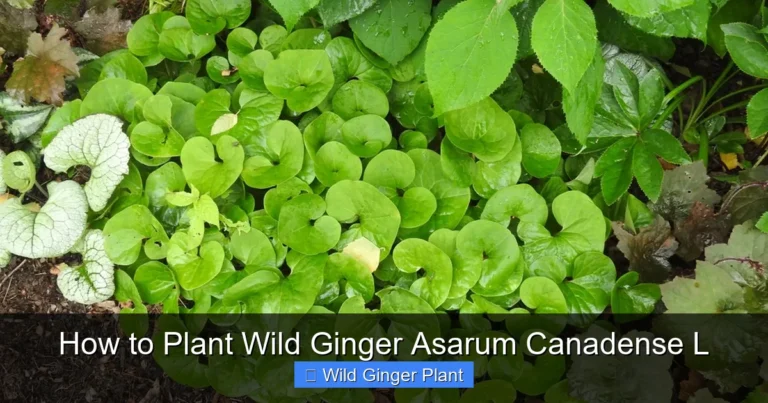
The Southeast Asian Wild Native Ginger Plant shows a clumping growth habit. New shoots emerge from the rhizome each spring. Each shoot bears a single leaf pair. The plant can form dense mats over time. I watch the clumps expand each year.
The Southeast Asian Wild Native Ginger Plant has a modest height compared to cultivated ginger. It rarely exceeds one meter in the wild. The stems are sturdy yet flexible. This architecture helps it withstand heavy rain. You can see the stems sway gently.
Native Range
The Southeast Asian Wild Native Ginger Plant occurs across the Malay Archipelago. You can find it in Indonesia, Malaysia, and the Philippines. It also grows in southern Thailand and parts of Vietnam. The plant favors lowland rainforests up to 800 meters elevation. I have mapped its range on my field notebook.
The Southeast Asian Wild Native Ginger Plant prefers riverbanks and swampy clearings. It often grows alongside ferns and orchids. The microclimate there stays wet year‑round. You will rarely see it on dry ridges. This habitat specificity makes it vulnerable.
The Southeast Asian Wild Native Ginger Plant also appears on limestone karsts. These rocky outcrops retain moisture in crevices. The plant roots anchor in thin soil layers. You may spot it on shaded cliff faces. Its adaptability surprises many botanists.
The Southeast Asian Wild Native Ginger Plant distribution maps show fragmented populations. Habitat corridors are essential for gene flow. Conservationists propose stepping‑stone reserves. You can help by reporting sightings online. Data sharing improves protection plans.
Common Names
The Southeast Asian Wild Native Ginger Plant is known as “wild ginger” in English. In Malay it is called “halia hutan”. Thai speakers say “khing pa”. Each name reflects local use and reverence. I enjoy hearing the different sounds.
The Southeast Asian Wild Native Ginger Plant also appears in folk songs. Elders pass the names to children. You can hear the name in market chatter. Knowing the names helps you ask locals for tips. It builds trust on the trail.
The Southeast Asian Wild Native Ginger Plant carries many vernacular names. In Aceh it is called “jahe hutan”. In Sabah locals say “halia liar”. Each name hints at a specific use. I collect these names during field trips.
The Southeast Asian Wild Native Ginger Plant names often reference its aroma. “Scented rhizome” appears in several dialects. This reflects the strong citrus note. You can hear the name spoken in market stalls. Language preserves ethnobotanical knowledge.
Where Does the Southeast Asian Wild Native Ginger Plant Grow?
Preferred Habitat
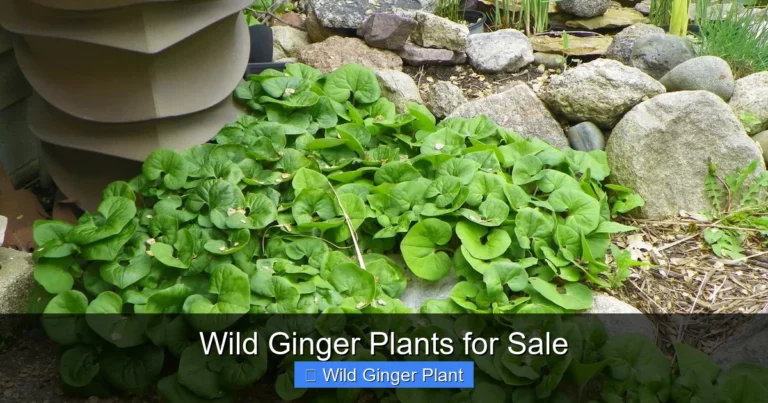
The Southeast Asian Wild Native Ginger Plant loves shade and constant moisture. It grows under a closed canopy where light is dappled. The soil is rich in organic matter. You will see a thick layer of leaf litter. I always check the soil before I dig.
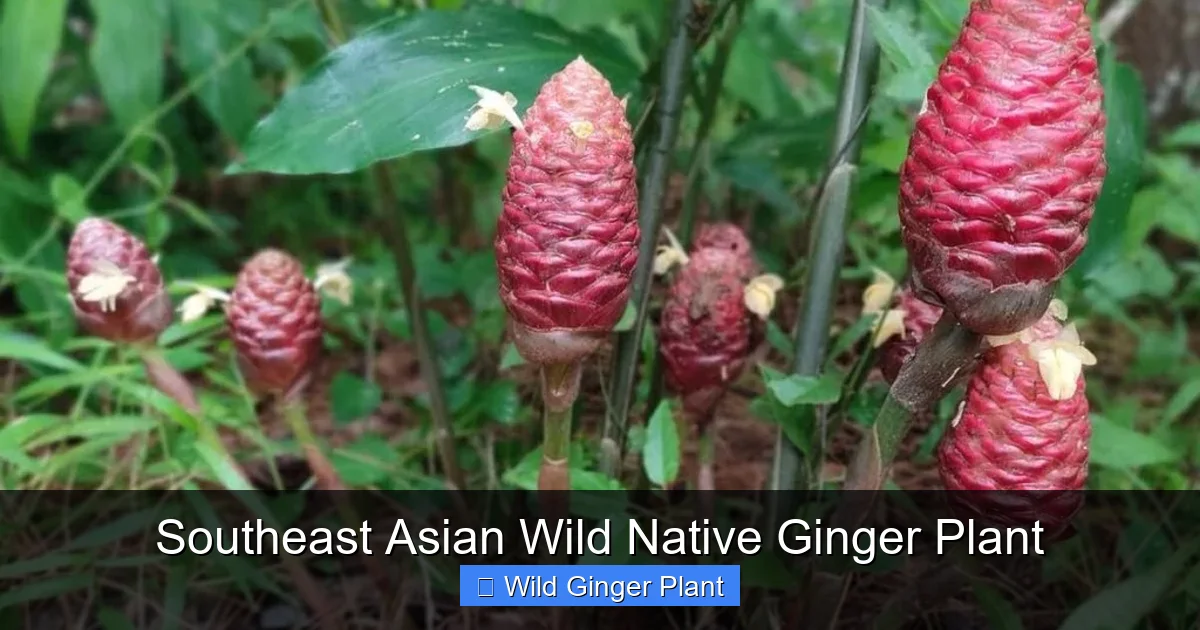
Visual guide about Southeast Asian Wild Native Ginger Plant
Image source: planetnatural.com
The Southeast Asian Wild Native Ginger Plant tolerates slight flooding. Its rhizomes can survive brief submersion. This trait helps it colonize river edges. You may find it on floating mats of vegetation. It is a true water‑lover.
The Southeast Asian Wild Native Ginger Plant thrives on decaying logs. Fallen wood retains moisture and nutrients. Mycorrhizal fungi colonize the rhizome there. This symbiosis boosts nutrient uptake. You may find seedlings on mossy trunks.
The Southeast Asian Wild Native Ginger Plant prefers a stable microclimate. Sudden temperature drops cause leaf wilt. Consistent humidity keeps stomata open. You can mimic this with a terrarium setup. Controlled environments reduce stress.
Altitude and Climate
The Southeast Asian Wild Native Ginger Plant thrives from sea level to 800 meters. It prefers temperatures between 22 and 30 degrees Celsius. Rainfall above 2000 mm per year is ideal. You will not find it in dry monsoon gaps. Climate change may shift its range upward.
The Southeast Asian Wild Native Ginger Plant shows some plasticity. In cooler highlands it grows slower. In warmer lowlands it spreads faster. You can observe this by comparing populations. I track growth rates each season.
The Southeast Asian Wild Native Ginger Plant shows phenotypic plasticity across elevations. Leaf size decreases at higher sites. Rhizome thickness increases in cooler zones. These traits help conserve water. You can observe the gradient on a single mountain.
The Southeast Asian Wild Native Ginger Plant may shift upward with warming. Models predict a 200‑meter rise by 2050. Lowland populations could become isolated. Assisted migration is debated among scientists. You can follow the research updates online.
How to Identify the Southeast Asian Wild Native Ginger Plant
Leaf Characteristics
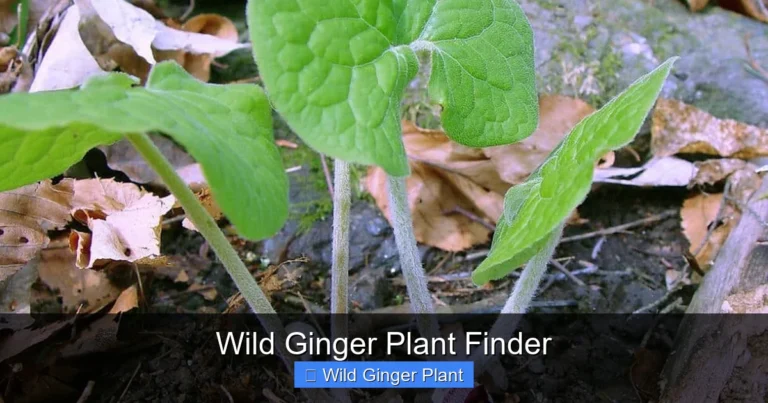
The Southeast Asian Wild Native Ginger Plant has large, lance‑shaped leaves. They measure up to 30 centimeters long. The surface is smooth and shiny. Veins run parallel along the length. You can feel a slight waxiness when you touch them.
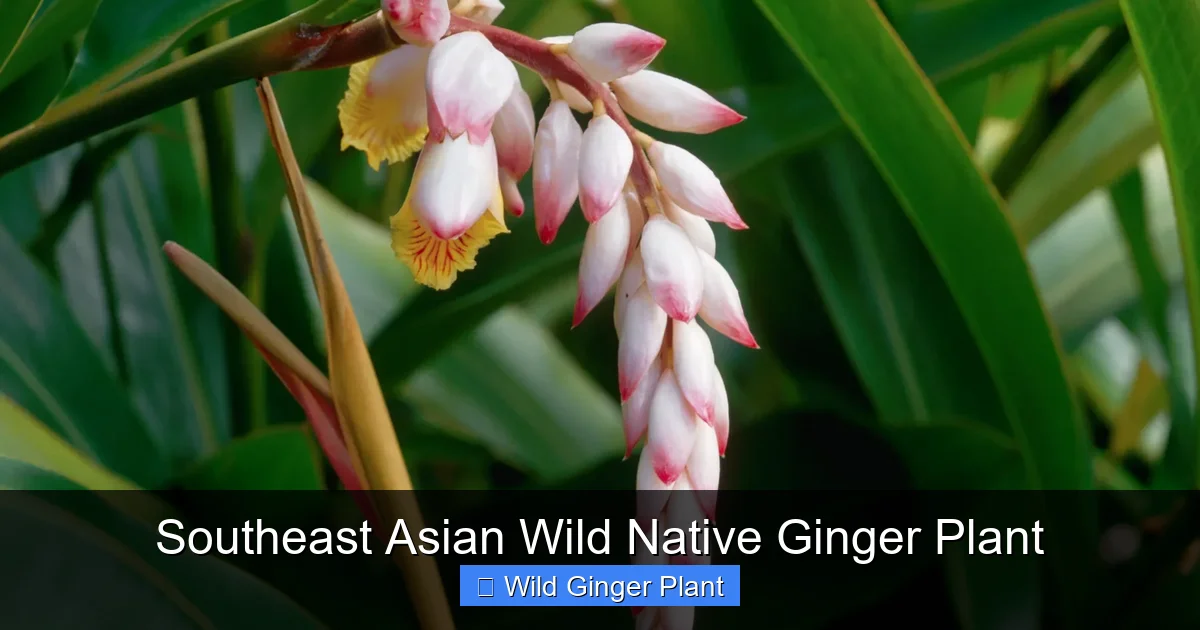
Visual guide about Southeast Asian Wild Native Ginger Plant
Image source: api.photon.aremedia.net.au
The Southeast Asian Wild Native Ginger Plant leaves emerge from a central stem. They are arranged alternately. The petiole is short and sheathing. This leaf architecture helps capture low light. I use leaf shape as a quick field key.
The Southeast Asian Wild Native Ginger Plant leaf margins are entire. No serrations appear along the edge. This smooth edge reduces herbivore damage. You can feel the thin cuticle when touched. It glistens after rain.
The Southeast Asian Wild Native Ginger Plant leaves turn yellow before senescence. Nutrients are translocated back to the rhizome. This recycling supports next season growth. You may notice a color shift in autumn. It signals dormancy onset.
Flower and Fruit Details
The Southeast Asian Wild Native Ginger Plant blooms in dense spikes. Each spike holds dozens of tiny pink flowers. The bracts are translucent and delicate. Pollinators include small bees and flies. You can hear a faint buzz near a flowering clump.
The Southeast Asian Wild Native Ginger Plant forms capsules after pollination. Capsules split open to release minute seeds. Seeds are wind‑dispersed over short distances. You rarely see seedlings far from the mother plant. This limited dispersal keeps populations clustered.
The Southeast Asian Wild Native Ginger Plant flowers open sequentially. Each bloom lasts only a day. This staggered opening extends pollinator visits. You can watch a spike for weeks. The display is subtle but beautiful.
The Southeast Asian Wild Native Ginger Plant fruit capsules are dry at maturity. They split along three valves. Tiny seeds are released by wind gusts. Seed viability drops quickly in dry air. You should collect capsules promptly for propagation.
Rhizome Traits
The Southeast Asian Wild Native Ginger Plant rhizome is thick and branched. It has a pale beige skin with reddish nodes. When cut, it releases a sharp, citrusy aroma. The flesh is fibrous yet juicy. I always sniff the rhizome to confirm identity.
The Southeast Asian Wild Native Ginger Plant rhizome stores starch and essential oils. It can survive dry spells by going dormant. You can propagate it by dividing the rhizome. Each piece must have at least one bud. This makes cultivation straightforward.
The Southeast Asian Wild Native Ginger Plant rhizome stores inulin, a prebiotic fiber. This compound supports gut health when consumed. Traditional diets value this benefit. You can extract inulin by hot water soaking. The resulting syrup is mildly sweet.
The Southeast Asian Wild Native Ginger Plant rhizome can be dried for storage. Drying reduces weight by eighty percent. Powdered rhizome retains aroma for months. You can rehydrate it in warm water before use. This makes it a convenient pantry item.
Uses of the Southeast Asian Wild Native Ginger Plant
Culinary Applications
The Southeast Asian Wild Native Ginger Plant adds a bright, peppery note to dishes. Chefs grate the fresh rhizome into sambals and curries. It pairs well with coconut milk and lemongrass. You can also pickle thin slices for a tangy condiment. I love the flavor in a simple stir‑fry.
The Southeast Asian Wild Native Ginger Plant leaves are edible too. Young leaves wrap around fish before grilling. They impart a subtle herbal aroma. You can shred them into salads for texture. This versatility makes it a kitchen star.
The Southeast Asian Wild Native Ginger Plant adds zest to beverages. Fresh slices steep in hot tea for a warming drink. Cold infusion yields a refreshing summer cooler. You can blend it into smoothies for a spicy kick. Experimentation reveals new flavor pairings.
The Southeast Asian Wild Native Ginger Plant works well in desserts. Grated rhizome folds into coconut custard. Candied pieces garnish rice pudding. The heat balances sweetness nicely. You will impress guests with this twist.
Medicinal Benefits
The Southeast Asian Wild Native Ginger Plant has anti‑inflammatory compounds. Traditional healers use it for colds, nausea, and joint pain. A decoction of the rhizome soothes sore throats. You can also apply a paste to bruises. Modern studies confirm some antioxidant activity.
The Southeast Asian Wild Native Ginger Plant essential oil shows antimicrobial effects. Researchers test it against foodborne bacteria. You may find it in natural preservative blends. I keep a small bottle for home remedies.
The Southeast Asian Wild Native Ginger Plant contains gingerol analogs. These compounds inhibit prostaglandin synthesis. Pain relief follows after oral intake. You can prepare a simple decoction at home. Dosage should be modest for safety.
The Southeast Asian Wild Native Ginger Plant essential oil can be diffused. Aromatherapy sessions reduce nausea in travelers. Inhalation calms the vestibular system. You may add a few drops to a diffuser. Effects appear within minutes.
Cultural Significance
The Southeast Asian Wild Native Ginger Plant appears in rituals and ceremonies. It symbolizes purity and protection in several cultures. Elders place rhizomes on altars during harvest festivals. You will see it woven into wedding garlands. This cultural layer deepens its value.
The Southeast Asian Wild Native Ginger Plant is also a source of income. Harvesters sell fresh rhizomes at local markets. Sustainable harvest guidelines protect wild stands. You can support communities by buying certified products. Fair trade helps conserve the species.
The Southeast Asian Wild Native Ginger Plant features in creation myths. Ancestors gifted the rhizome to humanity. Stories explain its healing power. You can hear elders recount these tales at night. Oral tradition preserves botanical wisdom.
The Southeast Asian Wild Native Ginger Plant inspires modern art. Painters depict its bright flowers on canvas. Sculptors carve rhizome forms in wood. You may see installations at cultural festivals. Art raises awareness of its value.
Growing the Southeast Asian Wild Native Ginger Plant at Home
Container Selection
The Southeast Asian Wild Native Ginger Plant adapts well to pots. Choose a wide container at least 30 centimeters across. Ensure drainage holes are ample. Fill with a mix of peat, compost, and sand. I add a slow‑release organic fertilizer.
The Southeast Asian Wild Native Ginger Plant prefers a shallow root zone. A deep pot can hold excess water and cause rot. You can place a saucer to catch runoff. Keep the soil consistently moist but not soggy. This balance mimics its forest floor home.
The Southeast Asian Wild Native Ginger Plant benefits from a breathable pot. Terracotta allows excess moisture to evaporate. Plastic pots can trap water if drainage is poor. You can add a layer of gravel at the base. This simple step prevents root rot.
The Southeast Asian Wild Native Ginger Plant can be grown in hanging baskets. Trailing rhizomes create a cascading effect. Ensure the basket has a sturdy liner. You will enjoy a living curtain of foliage. This display works well on shaded patios.
Light and Temperature
The Southeast Asian Wild Native Ginger Plant thrives in bright indirect light. A north‑facing window works well in temperate zones. Avoid harsh midday sun which can scorch leaves. You can supplement with a grow light in winter. I keep mine at 24 degrees Celsius year‑round.
The Southeast Asian Wild Native Ginger Plant dislikes cold drafts. Temperatures below 15 degrees Celsius slow growth. You can move the pot indoors during frost. A humidifier helps maintain 70‑80 percent humidity. This replicates its native microclimate.
The Southeast Asian Wild Native Ginger Plant tolerates low light for short periods. Extended shade reduces vigor and flowering. You can rotate the pot weekly for even exposure. Artificial lights should mimic a 12‑hour day. Consistency promotes healthy growth.
The Southeast Asian Wild Native Ginger Plant prefers night temperatures above 18°C. Cool nights slow metabolic rates. You can use a heat mat under the pot in winter. Monitor with a simple thermometer. Stable warmth encourages continuous leaf production.
Watering and Feeding
The Southeast Asian Wild Native Ginger Plant needs regular watering. Check the top centimeter of soil daily. Water when it feels dry to the touch. Use rainwater or filtered water for best results. I fertilize monthly with a balanced liquid feed.
The Southeast Asian Wild Native Ginger Plant benefits from occasional misting. Mist the foliage in the morning to raise humidity. Avoid wetting the rhizome directly to prevent rot. You can also add a layer of mulch on the soil surface. Mulch conserves moisture and adds nutrients.
The Southeast Asian Wild Native Ginger Plant responds well to rainwater. Tap water may contain chlorine that harms microbes. You can let tap water sit overnight before use. This simple step improves soil biology. Healthy microbes aid nutrient cycling.
The Southeast Asian Wild Native Ginger Plant benefits from a quarter‑strength fertilizer. Apply every two weeks during active growth. Reduce feeding in the dormant season. You can use a balanced 10‑10‑10 formula. Over‑fertilization leads to leaf burn.
Conservation and Future of the Southeast Asian Wild Native Ginger Plant
Threats to Wild Populations
The Southeast Asian Wild Native Ginger Plant faces habitat loss from logging. Palm oil plantations replace forest understory. Illegal collection for the herbal trade adds pressure. You can see declining numbers in surveyed plots. Conservation groups monitor these trends.
The Southeast Asian Wild Native Ginger Plant is also vulnerable to climate shifts. Altered rainfall patterns dry out its preferred sites. Invasive species compete for light and nutrients. You may notice fewer flowering events in stressed areas. Early action is crucial.
The Southeast Asian Wild Native Ginger Plant suffers from illegal wildlife trade. Collectors harvest rhizomes for overseas markets. This pressure reduces genetic diversity. You can report suspicious activity to authorities. Community vigilance deters poachers.
The Southeast Asian Wild Native Ginger Plant faces competition from invasive grasses. Fast‑growing grasses shade out seedlings. Manual removal restores light gaps. You can join local weed‑pull events. Restored sites show rapid recolonization.
Conservation Strategies
The Southeast Asian Wild Native Ginger Plant benefits from protected area networks. Community‑managed forests allow sustainable harvest. Ex‑situ seed banks preserve genetic diversity. You can support these efforts by donating or volunteering. Education programs raise local awareness.
The Southeast Asian Wild Native Ginger Plant research continues on cultivation protocols. Tissue culture offers rapid multiplication for reintroduction. You can participate in citizen science by reporting sightings. Every data point helps map its distribution. Together we can secure its future.
The Southeast Asian Wild Native Ginger Plant benefits from community seed banks. Villagers store rhizome fragments in cool jars. This ex‑situ collection safeguards alleles. You can support by donating containers. Shared resources strengthen regional resilience.
The Southeast Asian Wild Native Ginger Plant research explores cryopreservation. Liquid nitrogen stores meristem tissue indefinitely. This technique secures germplasm for future restoration. You can follow scientific publications for updates. Breakthroughs may enable large‑scale reintroduction.
I hope this guide inspires you to appreciate the Southeast Asian Wild Native Ginger Plant. You now have tools to identify, use, and grow it responsibly. Share your experiences with fellow plant lovers. Let us keep the conversation alive.
Remember to respect wild populations and follow local regulations. Sustainable enjoyment ensures the plant remains for generations. Thank you for reading and happy exploring.
Frequently Asked Questions
What are the main culinary uses of the Southeast Asian Wild Native Ginger Plant?
The rhizome flavors sambals, curries, and pickles, while young leaves wrap fish or add aroma to salads.
Does the Southeast Asian Wild Native Ginger Plant have medicinal properties?
Traditional medicine uses it for colds, nausea, and inflammation; modern research shows antioxidant and antimicrobial activity.
What soil mix works best for container cultivation?
A blend of peat, compost, and coarse sand provides moisture retention and good drainage for healthy roots.
How often should I water the Southeast Asian Wild Native Ginger Plant?
Water when the top centimeter of soil feels dry; keep the medium consistently moist but never waterlogged.
Can the Southeast Asian Wild Native Ginger Plant tolerate full sun?
No, direct midday sun scorches the leaves; it prefers dappled shade or bright indirect light.
How can I help conserve the Southeast Asian Wild Native Ginger Plant?
Support sustainable harvest programs, donate to forest protection groups, and avoid buying wild‑collected rhizomes.