How to Identify Wild Ginger Plant
Wild ginger plant identification is easy once you know its heart-shaped leaves, unique bell-shaped flowers, and distinct ginger aroma. This guide covers everything from leaf patterns to root characteristics so you can forage safely and confidently.
Have you ever walked through a shady forest and wondered about those low-growing plants with heart-shaped leaves? You might have spotted a wild ginger plant without even knowing it. These quiet forest dwellers hide in plain sight, carpeting the ground beneath towering trees. They don’t shout for attention like showy wildflowers. Instead, they whisper their presence through subtle clues. Learning to recognize them opens up a whole new layer of forest awareness. Whether you are a curious hiker, a budding forager, or someone who simply loves native plants, this guide will help you meet wild ginger on its own terms.
I remember my first encounter with wild ginger plant. I was hiking in early April, the forest floor still brown with last year’s leaves. A patch of fresh green hearts caught my eye. They glowed in a shaft of morning light. I knelt down, brushed away leaf litter, and found a strange little flower. It looked like a tiny jug, purple-brown and hairy, sitting right on the soil. The scent hit me when I tore a leaf. Sharp. Spicy. Unmistakably ginger. That moment changed how I see the spring woods. Now I want to share that knowledge with you. By the end of this article, you will feel confident spotting, verifying, and appreciating this remarkable plant.
Key Takeaways
- Heart-shaped leaves: Wild ginger plant leaves grow in pairs and have a distinct heart or kidney shape with deep lobes at the base.
- Hidden flowers: The unusual bell-shaped flowers sit at ground level, often hidden beneath leaf litter and blooming in early spring.
- Strong ginger scent: Crushing the roots or stems releases a clear ginger fragrance that confirms identification.
- Shade-loving habitat: Look for wild ginger plant in rich, moist deciduous forests with deep shade and humus-rich soil.
- Rhizome growth: The plant spreads through shallow, branching rhizomes that form dense colonial mats over time.
- Toxic look-alikes: Always distinguish from similar plants like Canadian wild ginger and European wild ginger which have different toxicity levels.
- Sustainable harvest: Take only what you need from large colonies, leaving plenty of rhizomes to ensure the patch survives.
Quick Answers to Common Questions
What does wild ginger plant smell like?
Crushing the rhizome or leaf stalk releases a strong, spicy ginger aroma similar to culinary ginger but earthier and more complex.
When is the best time to find wild ginger flowers?
Early spring, typically March through May depending on your region, before or just as the leaves fully emerge.
Is wild ginger plant related to store-bought ginger?
No, wild ginger belongs to the genus Asarum in the birthwort family, while culinary ginger is Zingiber officinale from the ginger family.
Can I eat wild ginger plant safely?
It contains aristolochic acid which can damage kidneys and cause cancer; use only in tiny amounts occasionally, and avoid if pregnant or have kidney issues.
How do I distinguish wild ginger from violets?
Violets have toothed leaf margins and familiar five-petaled flowers on stalks, while wild ginger has smooth leaf margins and hidden ground-level bell flowers.
📑 Table of Contents
- Understanding What Wild Ginger Plant Really Is
- Leaf Characteristics: Your First Clue
- The Hidden Flowers: Nature’s Secret
- Root and Rhizome Features
- Habitat and Range: Where to Look
- Look-Alikes and Safety Concerns
- Seasonal Identification Guide
- Practical Foraging and Use Guidelines
- Conservation and Ecological Role
Understanding What Wild Ginger Plant Really Is
Not Related to Culinary Ginger
First things first. The wild ginger plant is not the ginger you buy at the grocery store. That ginger comes from Zingiber officinale, a tropical plant from Southeast Asia. Wild ginger belongs to the genus Asarum. It sits in the birthwort family, Aristolochiaceae. The name “ginger” stuck because early European settlers noticed the similar aroma. They used the roots as a spice substitute. But the chemistry differs. Culinary ginger contains gingerols and shogaols. Wild ginger contains aristolochic acid and other compounds. This distinction matters for safety. We will cover that later.
Two Main Species in North America
When people say wild ginger plant in North America, they usually mean one of two species. Asarum canadense grows across eastern and central regions. People call it Canadian wild ginger or broad-leaved wild ginger. Asarum caudatum lives in the Pacific Northwest. It goes by long-tailed wild ginger or western wild ginger. Both share the core traits. Heart leaves. Ground-level flowers. Ginger scent. But they differ in leaf shape, flower structure, and range. Knowing which species lives in your area narrows the search. We will explore each in detail.
Why Identification Matters
You might wonder why bother learning this plant. Several good reasons exist. Foragers value the rhizomes as a flavoring. Herbalists use it in traditional preparations. Ecologists track it as an indicator of healthy, undisturbed woods. Gardeners prize it as a native groundcover for shade. But the biggest reason? Avoiding mistakes. Some toxic plants grow in similar spots. A few even have vaguely heart-shaped leaves. Confidence protects you. It also protects the plant. Overharvesting threatens local populations. Proper ID ensures you only take from abundant, healthy colonies. And it deepens your connection to the forest. Every plant you name becomes a familiar face in the crowd.
Leaf Characteristics: Your First Clue
Shape and Size Basics
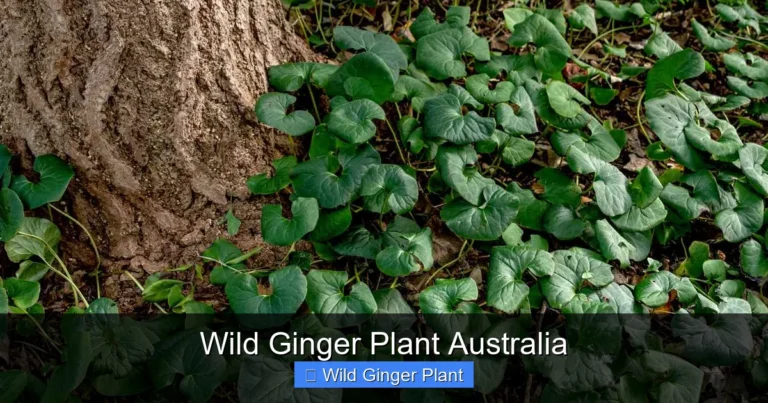
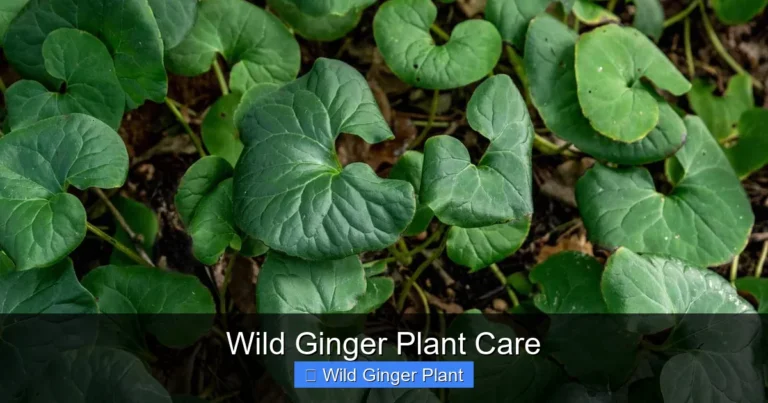
Leaves are the most visible feature of wild ginger plant. They emerge in spring as tightly furled cones. Then they unfurl into broad, heart-shaped blades. The botanical term is reniform or cordate. Think of a valentine heart with a deep notch at the base. The lobes often overlap. Leaves typically measure 3 to 6 inches wide. Some reach 8 inches in ideal conditions. The leaf stalk, called a petiole, rises directly from the rhizome. It can be 4 to 12 inches long. Fine hairs cover the stalk, especially when young. The leaf surface feels soft, almost velvety. Run your finger across it. You will notice fine pubescence on both sides.
Leaf Arrangement and Texture
Each rhizome branch produces two leaves per year. They arise opposite each other. This creates the classic paired look. In dense colonies, leaves overlap like shingles. The texture is thin but tough. Not waxy like some shade plants. Not papery either. Hold a leaf up to light. You will see a network of veins. The main veins radiate from the base like fingers from a palm. This palmate venation is a key ID mark. Leaf color ranges from bright spring green to deep emerald. In fall, they turn golden yellow before decaying. Unlike many spring ephemerals, wild ginger plant leaves persist all summer. They photosynthesize slowly in deep shade. This longevity helps the plant store energy in its rhizomes.
Distinguishing Canadian vs Western Species
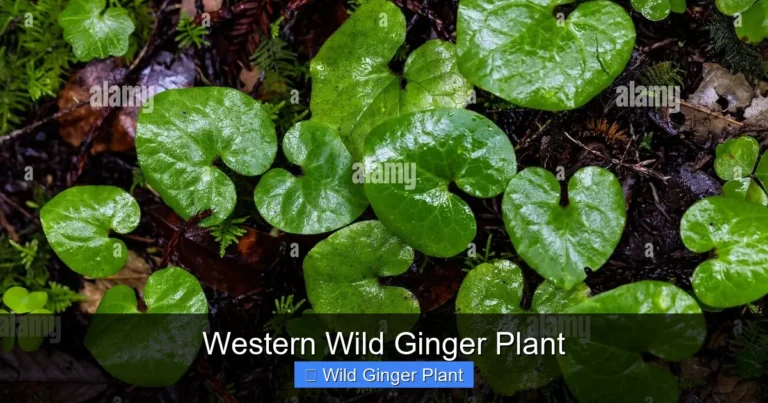
Asarum canadense leaves are broadly heart-shaped. The base notch is wide and deep. The leaf tip is usually blunt or slightly pointed. Margins are smooth, entire. Asarum caudatum leaves differ. They are more kidney-shaped than heart-shaped. The base notch is shallower. The tip often extends into a distinct point. Leaf margins may show fine, shallow lobes or teeth. Size overlaps. But western leaves tend to be slightly smaller on average. Both species have hairy petioles. Western wild ginger often has denser, longer hairs. If you live where ranges meet, check the flowers. They offer clearer separation.
The Hidden Flowers: Nature’s Secret
Why You Rarely See Them
Most people never notice wild ginger plant flowers. They bloom at ground level. Often they sit completely buried under leaf litter. You have to get on your knees and push aside debris. The flowers appear early. March in the south. April to May farther north. They emerge before or alongside the leaves. Each flower grows on a short stalk from the rhizome, right between the two leaf bases. The stalk is so short the flower seems stemless. This ground-hugging habit has a purpose. It attracts specific pollinators. We will get to that. For now, know that finding flowers requires intention. Lift leaves gently. Replace them after looking. The plant depends on that leaf litter for moisture and nutrients.
Flower Structure Up Close
The flower lacks petals. Instead, it has three sepals fused into a cup or bell shape. This structure is called a calyx tube. The tube flares at the mouth into three pointed lobes. Color varies. Asarum canadense flowers are usually purplish-brown to maroon. Sometimes greenish with purple stripes. The interior is often lighter, cream to pale yellow. Asarum caudatum flowers are similar but have long, tapering tips on the sepal lobes. These “tails” can extend an inch or more. Hence the name long-tailed wild ginger. The tube interior has 12 stamens. The ovary sits inferior, below the attachment of other parts. Six styles emerge from the center. The whole flower measures about half to three-quarters of an inch across. Small. Strange. Beautiful in a gothic way.
Pollination Strategy
Why such weird flowers? Wild ginger plant partners with small flies and beetles. Early spring insects. The flower mimics carrion or fungus. The color. The ground position. The slight musty odor. These attract fungus gnats and small flies. They crawl inside seeking food or egg-laying sites. The interior of the calyx tube has backward-pointing hairs. Insects enter easily. Leaving is harder. They tumble around, picking up and depositing pollen. Some flowers may self-pollinate if insects fail. Ants also visit. They may move seeds later. This ground-level strategy works in dense shade where flying pollinators are scarce. It also protects flowers from late frosts. The soil buffers temperature swings.
Root and Rhizome Features
Rhizome Growth Pattern
The underground part of wild ginger plant is a rhizome. Not a true root. A rhizome is a modified stem that grows horizontally. It sits just below the soil surface. Often partially exposed. The rhizome branches irregularly. Each branch tip produces a pair of leaves annually. Over years, this creates a spreading mat. Colonies can cover many square feet. The rhizome diameter is typically 1/4 to 1/2 inch. Color ranges from pale tan to light brown. The surface shows leaf scars. These are raised rings where previous years’ leaves attached. Roots emerge from the underside. They are fine, fibrous, and whitish. The rhizome feels firm, slightly fibrous when fresh. Snap a piece. It breaks with a clean snap, revealing a white interior.
The Signature Scent Test
Here is your definitive field test. Scratch a rhizome with your fingernail. Or crush a small piece of leaf stem. Inhale. Wild ginger plant releases an unmistakable ginger aroma. Spicy. Warm. Sharp. It smells like the ginger in your spice jar but earthier. More complex. Some describe it as ginger mixed with pine and soil. The scent comes from volatile oils in the rhizome and petioles. It is strongest in the rhizome. Weaker in leaves. This test alone can confirm ID. But use it with visual cues. A few other aromatic plants grow in similar habitats. None combine heart leaves, ground flowers, and ginger scent quite like this.
Seasonal Changes in Rhizomes
Rhizomes change through the year. Spring rhizomes are tender, juicy, strongly scented. The plant pumps energy upward. Summer rhizomes toughen. They store starch. Fall rhizomes are at peak storage. Thick. Firm. Winter rhizomes persist under snow. They remain alive, ready for spring. If you harvest for culinary use, fall is traditional. The flavor concentrates. But spring harvest works too. The rhizome regenerates from remaining segments. Always leave at least half the colony intact. Take only a few branches from the edge. Replant any broken pieces. They often root. This ensures the patch continues.
Habitat and Range: Where to Look
Preferred Forest Conditions
Wild ginger plant is a creature of rich, mesic forests. Mesic means moderately moist. Not wet. Not dry. Think of a north-facing slope with deep, dark soil. Deciduous trees overhead. Maple. Beech. Basswood. Oak. Hickory. The canopy closes early, casting deep shade. Spring ephemerals bloom and fade before wild ginger hits its stride. It thrives in that summer gloom. Soil pH tends toward neutral to slightly acidic. High organic matter. Lots of leaf mold. You often find it on slight slopes where drainage is good but moisture lingers. Bottomlands near streams work too, provided they don’t flood long. It avoids compacted soil, heavy clay, and sandy dry ridges.
Geographic Distribution
Asarum canadense ranges widely. From Manitoba east to the Maritime provinces. South through New England. Down the Appalachians to Georgia and Alabama. West to Missouri, eastern Oklahoma, and eastern Texas. It skips the deep south coastal plain. Asarum caudatum occupies the Pacific Northwest. British Columbia south through Washington, Oregon, into northern California. East to western Montana and Idaho. A few isolated populations exist in the Rockies. Several other Asarum species live in limited areas. Asarum virginicum in the central Appalachians. Asarum hartwegii in California. Asarum lemmonii in Oregon and California. Check a range map for your region. Local field guides list which species occur nearby.
Companion Plants and Indicators
Certain plants signal good wild ginger plant habitat. Look for these neighbors. Bloodroot (Sanguinaria canadensis). Dutchman’s breeches (Dicentra cucullaria). Trilliums (Trillium spp.). Maidenhair fern (Adiantum pedatum). Blue cohosh (Caulophyllum thalictroides). Wild leek or ramp (Allium tricoccum). Mayapple (Podophyllum peltatum). These spring ephemerals share the same rich woods. If you see a diverse spring wildflower display, wild ginger likely lurks nearby. It often grows in the same patches, just lower and later to fully leaf out. The presence of sugar maple (Acer saccharum) is a strong indicator. Its leaf litter creates the perfect humus. Basswood (Tilia americana) and white ash (Fraxinus americana) also suggest suitable soil.
Look-Alikes and Safety Concerns
Plants That Could Confuse You
Several plants share features with wild ginger plant. Knowing them prevents errors. Hexastylis species, called little brown jugs or heartleaf, look very similar. They are evergreen. Leaves are thicker, leathery, often mottled with silver. Flowers are jug-shaped but smaller, usually hidden. They grow in the same woods. Some botanists place them in Asarum. Others keep them separate. Hexastylis lacks the strong ginger scent. Crush a leaf. Smell is faint or absent. Viola species, violets, have heart-shaped leaves too. But violet leaves have toothed margins. And violet flowers are the familiar five-petaled blooms on stalks. Not ground-level bells. Podophyllum peltatum, mayapple, has deeply lobed umbrella leaves. Very different. But young mayapple shoots might briefly confuse a beginner. Caulophyllum thalictroides, blue cohosh, has compound leaves. Not simple hearts. Arisaema triphyllum, jack-in-the-pulpit, has three leaflets. Distinct.
The European Wild Ginger Issue
Asarum europaeum, European wild ginger, escapes cultivation in some areas. It resembles our natives. Leaves are evergreen, leathery, glossy. Often with lighter veining. Flowers are similar but smaller. It forms dense mats. The scent is ginger-like. This plant contains higher levels of aristolochic acid. It is considered more toxic. If you find a suspiciously glossy, evergreen wild ginger patch near old homesites or gardens, suspect this species. Avoid using it. Report it to local invasive species groups if it spreads into natural areas.
Aristolochic Acid and Safety
This is critical. All wild ginger plant species contain aristolochic acid. This compound damages kidneys. It causes aristolochic acid nephropathy. It is also carcinogenic. Long-term or high-dose use risks kidney failure and urinary tract cancers. Traditional use involved small amounts, occasional use. Modern herbalists often avoid internal use entirely. External use as a poultice carries less risk but still absorbs some toxin. The FDA warns against consuming any Aristolochiaceae. If you forage for flavor, use extreme moderation. A tiny piece of rhizome in a stew. A few leaves in a tea. Never daily. Never large quantities. Pregnant women should avoid completely. People with kidney issues should avoid completely. The scent test is safe. Handling is safe. Washing hands after is wise. Knowledge protects you.
Seasonal Identification Guide
Early Spring: Flower Time
March to April in most regions. Wild ginger plant flowers emerge first. Look on warm, south-facing slopes first. They bloom earlier there. Push aside last year’s leaves. Search near the base of tree trunks. Check hummocks and slight rises. The purplish bells hide well. A flashlight helps even in daylight. The dark flowers absorb light. Once you find one, you will see more. They often cluster. Leaves are just emerging. Tight cones pushing up. This is the only time to see flowers easily. Mark the spot. Return later to confirm leaves.
Mid to Late Spring: Full Leaf
May to June. Leaves expand fully. The forest floor turns green. Wild ginger plant patches become obvious. Heart-shaped pairs everywhere. This is the easiest ID window. Leaves are fresh, vibrant, at peak size. Flowers have faded. Seed pods may form. They are fleshy capsules that split open. Ants carry seeds away. The rhizomes are actively growing. If you gently clear soil at a patch edge, you see the branching rhizomes. White root tips. This confirms the growth habit. The scent is strong in crushed petioles.
Summer: Steady State
July through August. Leaves persist. They may show insect damage. Slugs love them. Some leaves yellow at edges. The plant endures summer heat in deep shade. Rhizomes store energy. This is a good time to map colonies for fall harvest. The leaves are still identifiable. But the ginger scent in leaves fades slightly. Rhizomes remain aromatic. Summer drought can stress patches on dry sites. They recover with rain.
Fall and Winter: Dormancy
September onward. Leaves turn yellow. Then brown. They collapse into the leaf litter. By November, only rhizomes remain underground. Winter identification is possible but harder. You must dig. Find the rhizome mat. Confirm scent. Check leaf scars. This disturbs the plant. Better to mark colonies in spring or summer. Return in fall if you plan sustainable harvest. Winter snow cover protects rhizomes. They survive freezing well.
Practical Foraging and Use Guidelines
Ethical Harvest Principles
If you choose to harvest wild ginger plant, follow strict ethics. Only take from large, healthy colonies. At least 20 square feet of coverage. Take no more than 10 percent of the rhizome mass. Harvest from the colony edge. Use a small trowel or hori-hori knife. Cut rhizome segments 2 to 3 inches long. Leave the growing tips. Replant any disturbed pieces. Fill holes with soil and leaf litter. Never harvest from small patches. Never harvest rare species. Check state regulations. Some states protect wild ginger. Some require permits. Private land needs owner permission. Public land often prohibits harvest. Know the rules.
Culinary Applications
Traditional uses include flavoring stews, teas, and baked goods. The rhizome substitutes for ginger in recipes. Use far less. The flavor is potent. A 1-inch piece flavors a pot of soup. Candied wild ginger is a treat. Simmer rhizome pieces in sugar syrup. Dry and roll in sugar. Tea from fresh or dried rhizome warms the stomach. Leaves can wrap foods for steaming. They impart subtle flavor. Some brew a mild leaf tea. Remember the toxicity warning. Treat as a strong spice, not a vegetable. A little goes a long way.
Cultivation for Home Gardens
The best way to enjoy wild ginger plant? Grow your own. It makes a superb native groundcover for shade. Purchase nursery-propagated plants. Never dig from the wild for gardens. Plant in rich, moist soil under deciduous trees. Mulch with leaves. Water during dry spells. It spreads slowly. Forms a weed-suppressing mat. Deer rarely browse it. Flowers appear at ground level. A delightful surprise for observant gardeners. Divide clumps in early spring or fall to expand. Share with friends. This reduces pressure on wild populations. And gives you a sustainable, ethical source right outside your door.
Conservation and Ecological Role
Why Wild Ginger Matters
Wild ginger plant plays quiet but vital roles. Its dense mats prevent soil erosion on slopes. Leaf litter traps moisture. The rhizomes host mycorrhizal fungi. These fungal partners connect forest plants in nutrient-sharing networks. Ants disperse seeds. The elaiosome, a fleshy appendage on seeds, attracts ants. They carry seeds to nests. Eat the elaiosome. Discard the seed in fertile midden heaps. Perfect planting. Small mammals may eat rhizomes. Insects feed on leaves. The flowers support specialized early-season pollinators. Remove wild ginger, and these threads fray. It is a keystone of the spring forest floor community.
Threats and Challenges
Habitat loss tops the list. Forest fragmentation. Development. Logging that opens canopy too wide. Invasive plants like garlic mustard (Alliaria petiolata) and Japanese stiltgrass (Microstegium vimineum) outcompete it. Deer overbrowse in some areas. Though deer avoid mature leaves, they eat flowers and young shoots. Climate change shifts suitable habitat northward. Overharvest for herbal markets impacts local populations. Wild ginger grows slowly. A colony takes decades to reach maturity. Recovery from disturbance is slow. Protection of intact forest ecosystems is the best conservation strategy.
How You Can Help
Learn to identify wild ginger plant. Share knowledge. Report populations to state natural heritage programs. Support land trusts that protect rich mesic forests. Remove invasives on your property. Plant native shade gardens. Avoid buying wild-harvested wild ginger products. Choose cultivated sources. Teach children to recognize and respect it. Every person who knows this plant becomes an advocate. The forest needs all the friends it can get.
We have journeyed through the world of wild ginger plant together. From the hidden flowers of March to the persistent leaves of August. From the spicy scent of the rhizome to the quiet ecological work it does. You now hold the keys to identification. Heart-shaped paired leaves. Ground-level bell flowers. Ginger aroma. Rich, shady woods. Two main species with subtle differences. And the crucial safety knowledge about aristolochic acid. This plant rewards patience. It reveals itself to those who slow down. Who kneel in the leaf litter. Who breathe in the forest air. Next spring, visit a likely spot. Push aside the leaves. Find that first purplish bell. Smile. You have met a true forest native. And now you can introduce it to others. The cycle of knowing continues. Happy trails.
Frequently Asked Questions
What are the key features to identify wild ginger plant?
Look for heart-shaped leaves growing in pairs, hidden bell-shaped flowers at ground level in early spring, and a strong ginger scent when crushing the rhizome or leaf stems.
Where does wild ginger plant typically grow?
Wild ginger thrives in rich, moist deciduous forests with deep shade, neutral to slightly acidic soil, and high organic matter, often on north-facing slopes or near streams.
How can I tell Canadian wild ginger from western wild ginger?
Canadian wild ginger has broadly heart-shaped leaves with deep notches and blunt tips, while western wild ginger has more kidney-shaped leaves with shallower notches and pointed tips with long-tailed flower sepals.
Is wild ginger plant endangered or protected?
While not federally endangered, some states list it as a species of concern; check local regulations before harvesting as collection may be restricted on public lands.
What toxic compounds are in wild ginger plant?
All wild ginger species contain aristolochic acid, which can cause kidney damage and is carcinogenic with long-term or high-dose exposure.
Can I grow wild ginger plant in my garden?
Yes, it makes an excellent native shade groundcover; purchase nursery-propagated plants and provide rich, moist soil under deciduous trees with leaf mulch.