How to Get Rid of Wild Ginger Plant
Wild ginger plant can quickly take over garden beds and natural areas if left unchecked. This guide covers everything from proper identification to the most effective removal methods, including manual pulling, smothering, and targeted herbicide application. Follow these proven strategies to eliminate this invasive perennial and prevent its return for good.
If you have ever walked through a shaded woodland garden and noticed a thick carpet of glossy, heart-shaped leaves hugging the ground, you have likely met wild ginger plant. At first glance, it looks harmless. Maybe even pretty. But anyone who has battled this aggressive spreader knows the truth. Wild ginger plant is a relentless colonizer that smothers native wildflowers, steals nutrients from your prized perennials, and turns diverse plant communities into a monoculture.
I have spent years helping gardeners and land managers tackle this stubborn invader. The good news? You can win. It takes patience, the right technique, and a bit of stubbornness of your own. In this guide, I will walk you through every proven method to get rid of wild ginger plant, from small backyard patches to larger woodland invasions. You will learn how to identify it with confidence, choose the best removal strategy for your situation, and keep it from coming back.
Key Takeaways
- Identify correctly: Wild ginger plant has heart-shaped leaves and grows in dense mats, making it easy to distinguish from look-alikes.
- Timing matters: Remove plants in spring before flowering or in fall when energy moves to roots for maximum effectiveness.
- Manual removal works: Digging out the entire rhizome system by hand is the most eco-friendly method for small infestations.
- Smothering is effective: Covering with cardboard and mulch for a full growing season kills wild ginger plant without chemicals.
- Herbicides require care: Glyphosate or triclopyr applied to cut stems works for large patches but follow label instructions precisely.
- Persistence wins: Multiple treatments over 2-3 seasons are usually needed since rhizome fragments can resprout.
- Prevent reinvasion: Monitor edges, clean tools, and plant competitive natives to keep wild ginger plant from returning.
Quick Answers to Common Questions
How do I identify wild ginger plant?
Look for heart-shaped, glossy leaves growing in dense mats 4-8 inches tall. Crush a leaf or rhizome – it smells distinctly of ginger. Flowers are hidden at ground level, jug-shaped and purplish-brown.
When is the best time to remove wild ginger plant?
Early spring (April-May) when soil is moist and plants are emerging is ideal. Fall (September-October) is the second-best window. Avoid summer when dry soil makes rhizome removal difficult.
Can I compost wild ginger plant rhizomes?
No. Rhizomes survive hot compost piles and will spread when you use the compost. Bag for municipal yard waste or solarize in black plastic bags for 6 weeks in full sun before disposal.
How long does smothering take to kill wild ginger plant?
Minimum one full growing season. Heavy infestations often need two seasons. Check periodically and add more cardboard/mulch if leaves push through seams or edges.
Will vinegar kill wild ginger plant?
Household vinegar (5% acetic acid) only burns top growth. Horticultural vinegar (20-30%) can damage rhizomes but requires repeated applications and poses safety risks. Not recommended as a primary method.
📑 Table of Contents
- Know Your Enemy: Identifying Wild Ginger Plant
- Why Wild Ginger Plant Is Such a Tough Opponent
- Method 1: Manual Removal for Small to Medium Patches
- Method 2: Smothering (Sheet Mulching) for Larger Areas
- Method 3: Targeted Herbicide Application
- Method 4: Solarization for Small, Sunny Patches
- Follow-Up: The Long Game
- Restoration: Planting to Prevent Return
- Special Situations
- Common Mistakes to Avoid
- Tools and Resources Worth Having
- When to Call a Professional
- Conclusion: You Can Reclaim Your Shade Garden
Know Your Enemy: Identifying Wild Ginger Plant
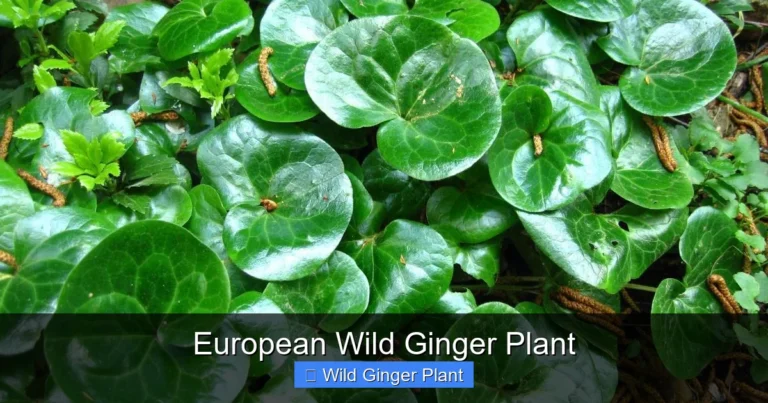
Before you attack, you need to be absolutely sure what you are dealing with. Several plants get called wild ginger plant, but the main troublemaker in North American gardens is Asarum canadense (Canadian wild ginger) and its European cousin Asarum europaeum (European wild ginger). Both form dense, low-growing mats in shady, moist conditions.
Key Identification Features
Look for these telltale signs:
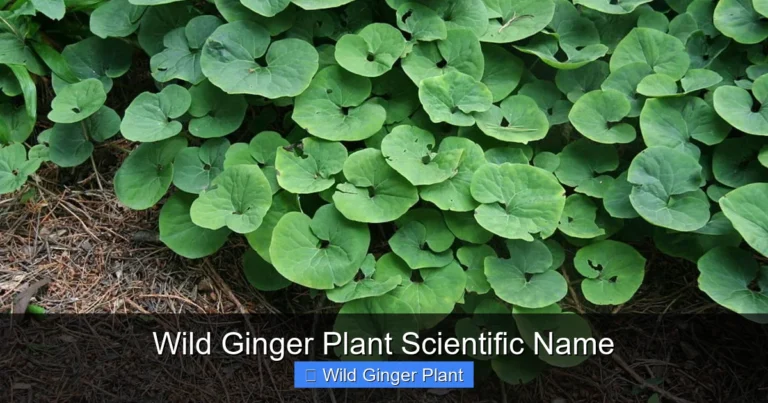
- Leaves: Heart-shaped to kidney-shaped, 3 to 6 inches wide, with a glossy, leathery texture. They grow in pairs on short stems.
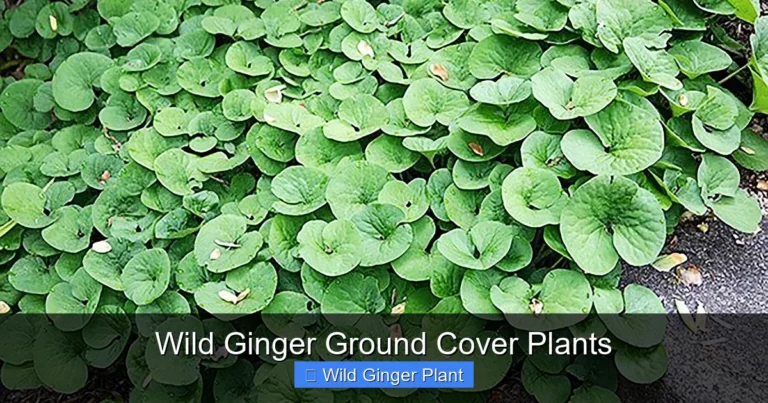
- Growth habit: Forms a continuous, dense ground cover 4 to 8 inches tall. Spreads by thick, fleshy rhizomes that run just below the soil surface.
- Flowers: Unusual, jug-shaped flowers hide at ground level beneath the leaves in spring. They are purplish-brown with three pointed lobes. Most people never see them.
- Scent: Crush a leaf or rhizome. True wild ginger plant smells distinctly of ginger, though it is not related to culinary ginger.
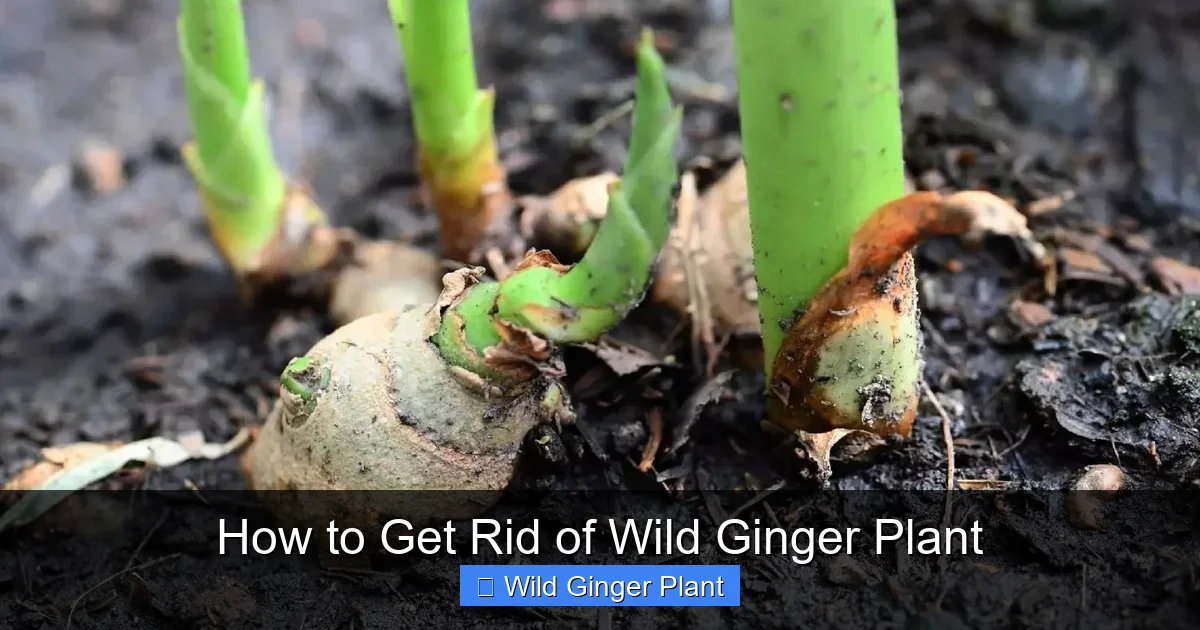
- Roots: Rhizomes are thick, white to pale tan, and jointed. They snap easily but any piece left behind can regrow.
Common Look-Alikes to Rule Out
Do not confuse wild ginger plant with:
- Violets (Viola spp.): Similar heart-shaped leaves but flowers are showy and held above foliage. Violets spread by seed and thin rhizomes, not thick mats.
- Wild geranium (Geranium maculatum): Leaves are deeply lobed, not smooth heart shapes. Flowers are pink and conspicuous.
- Creeping charlie (Glechoma hederacea): Round, scalloped leaves with square stems. Grows in sun or shade, not just deep shade.
- Bishop’s weed (Aegopodium podagraria): Variegated or green leaves divided into three leaflets. Much more aggressive in sun.
If you are unsure, dig up a small section. The thick, ginger-scented rhizomes of wild ginger plant are unmistakable once you have seen them.
Why Wild Ginger Plant Is Such a Tough Opponent
Understanding the biology of wild ginger plant explains why it frustrates so many gardeners. This is not a weed you pull once and forget.
Rhizome Power
The real plant lives underground. Those thick rhizomes store massive energy reserves. They can survive drought, shade, and even herbicide applications that kill the top growth. Each joint on a rhizome can produce a new shoot. Break a rhizome into five pieces? You may have just created five new plants.
Shade Tolerance
Wild ginger plant thrives where other plants struggle. Deep shade under mature trees? Perfect. Dry shade? It handles that too. This means it invades the very spots where you cannot easily establish competitive plants to crowd it out.
Alleopathic Tendencies
Research suggests wild ginger plant may release chemicals that inhibit seed germination of other species. This chemical warfare helps it maintain its monoculture once established.
Slow but Steady Spread
It does not explode across your yard in a single season like some weeds. Instead, the mat expands a few inches per year. This stealthy advance means infestations are often well-established before the gardener realizes there is a problem.
Method 1: Manual Removal for Small to Medium Patches
For infestations under a few hundred square feet, manual removal is often the best choice. It is chemical-free, immediate, and lets you see exactly what you are getting.
When to Pull
Timing makes a huge difference:
- Early spring (April-May): Soil is moist, plants are emerging, and rhizomes have not yet stored new energy. This is the gold standard window.
- After rain: Wet soil releases rhizomes much more easily than dry, compacted earth.
- Avoid summer: Dry, hard soil makes complete rhizome removal nearly impossible.
- Fall (September-October): Second-best option. Plants are moving energy to roots, so you weaken them before winter.
Tools You Need
Gather these before you start:
- Sturdy garden fork (not a shovel – forks lift rhizomes intact)
- Hand trowel or hori-hori knife for detail work
- Thick gloves (rhizomes can irritate sensitive skin)
- Knee pads or garden kneeler
- Large tarp or wheelbarrow for debris
- Soil sifter (optional but helpful for catching fragments)
Step-by-Step Manual Removal
- Define the edge. Use your fork to trace the perimeter of the patch. Loosen soil 6-8 inches outside the visible leaves.
- Lift in sections. Insert fork at a 45-degree angle under the mat. Lever back gently to lift a chunk of rhizome mat. Shake off excess soil.
- Follow the runners. Rhizomes extend beyond the leafy edge. Trace each one to its end. This is where patience pays off.
- Screen the soil. After removing the main mat, sift the top 4-6 inches of soil through a 1/4-inch hardware cloth screen. You will be amazed how many fragments you catch.
- Bag and dispose. Do not compost wild ginger plant rhizomes. They survive hot compost piles. Bag for municipal yard waste or solarize in black plastic bags for 6 weeks in full sun.
- Replace soil. Backfill with clean topsoil or compost. Plant competitive shade natives immediately (more on this later).
Pro Tips for Better Results
- Work in a grid pattern so you do not miss spots.
- Have a partner. One person lifts, the other picks out fragments.
- Mark treated areas with flags. You will need to revisit.
- Expect 80-90% removal on first pass. Plan for follow-up.
Method 2: Smothering (Sheet Mulching) for Larger Areas
When wild ginger plant covers hundreds or thousands of square feet, digging becomes impractical. Smothering uses the plant’s own biology against it. No light means no photosynthesis. No photosynthesis means the rhizomes eventually exhaust their reserves and die.
Materials Checklist
- Plain cardboard (remove all tape, labels, staples) or heavy contractor paper
- Wood chips, shredded leaves, or straw – 6 to 8 inches deep
- Landscape pins or rocks to secure edges
- Water source
The Smothering Process
- Mow or weed-whack first. Cut the wild ginger plant as close to ground as possible. Rake off debris.
- Water deeply. Moist soil speeds decomposition and microbial activity.
- Lay cardboard. Overlap sheets by at least 12 inches. No gaps. Wild ginger plant finds gaps instantly.
- Extend beyond the patch. Cover at least 2 feet past the visible edge. Rhizomes travel underground.
- Mulch heavily. 6 inches minimum. 8 inches is better. This weight keeps cardboard in contact with soil and blocks any light leaks.
- Water the mulch. Settles everything and starts decomposition.
- Wait one full growing season. Minimum. Two seasons for heavy infestations.
What to Expect
The first month looks great. Then you may see leaves pushing up at edges or through seams. This is normal. Peel back mulch, add another cardboard layer, remulch. By mid-season of year two, the rhizomes should be dead, brown, and crumbly.
Planting After Smothering
You can plant directly into the decomposed mulch layer. The cardboard will be mostly gone. Choose shade-tolerant natives that establish quickly. Good options include:
- Christmas fern (Polystichum acrostichoides)
- Wild geranium (Geranium maculatum)
- Foamflower (Tiarella cordifolia)
- Woodland phlox (Phlox divaricata)
- Sedges (Carex spp.) – especially Carex plantaginea and Carex pensylvanica
Method 3: Targeted Herbicide Application
I always recommend non-chemical methods first. But for massive infestations, steep slopes where digging causes erosion, or when physical limitations prevent manual work, herbicides have a place. The key is targeted application, not broadcast spraying.
Choosing the Right Product
- Glyphosate (Roundup, generics): Non-selective, systemic. Moves from leaves to rhizomes. Best for areas where you will replant soon (wait 2 weeks).
- Triclopyr (Garlon, Brush-B-Gon): Selective for broadleaves. Spares grasses and sedges. Better if you want to keep native grasses. Longer soil residual.
- Combination products: Some brush killers combine both. Read labels carefully.
Cut-Stem Treatment (Most Effective, Least Chemical)
This method uses 90% less herbicide than foliar spraying:
- Cut wild ginger plant stems 1-2 inches above ground in late summer/early fall.
- Immediately (within 15 seconds) apply concentrated herbicide (25-50% glyphosate or 20% triclopyr) to the cut surface using a paintbrush, sponge applicator, or squirt bottle.
- Add a dye marker so you see what you treated.
- The plant pulls herbicide down into the rhizome system as it prepares for winter.
Foliar Spray (For Dense Monocultures Only)
If the patch is pure wild ginger plant with no desirable plants mixed in:
- Apply 2-3% glyphosate solution in late spring when leaves are fully expanded but before flowering.
- Use a shielded sprayer or cardboard collar to prevent drift.
- Spray to wet, not runoff.
- Repeat in 4-6 weeks for any regrowth.
Critical Safety and Legal Notes
- Always read and follow the entire label. It is the law.
- Wear chemical-resistant gloves, long sleeves, pants, closed shoes, eye protection.
- Do not apply near water, before rain, or on windy days.
- Check local regulations. Some municipalities restrict certain herbicides.
- Consider hiring a licensed applicator for large or sensitive sites.
Method 4: Solarization for Small, Sunny Patches
Wild ginger plant prefers shade, but it sometimes creeps into part-sun edges. If you have a patch that gets 6+ hours of direct summer sun, solarization can work.
How to Solarize
- Clear the area. Mow low. Remove debris.
- Water deeply. Wet soil conducts heat better.
- Cover with clear UV-stabilized plastic (1-2 mil). Black plastic works but clear generates higher temperatures.
- Bury edges completely with soil to seal in heat.
- Leave in place for 6-8 weeks during hottest part of summer (July-August in most regions).
- Soil temperatures under plastic reach 120-140°F, killing rhizomes, seeds, and many pathogens, and weed seeds in top 6-12 inches.
Limitations
Only works in full sun. Does not work under tree canopy. Plastic creates waste. But for the right spot, it is remarkably effective.
Follow-Up: The Long Game
Here is the truth most guides skip: one treatment rarely eradicates wild ginger plant completely. Rhizome fragments as small as half an inch can resprout. Seeds (though rare) can germinate years later. You need a follow-up plan.
Year One: Intensive Monitoring
- Walk the treated area every 2-3 weeks during growing season.
- Pull any resprouts immediately, before they rebuild rhizome reserves.
- Focus on edges. This is where survivors hide.
- Keep a simple map or photo log. Memory fails.
Year Two: Vigilance
- Monthly checks usually suffice.
- Resprouts will be weaker, smaller, easier to pull.
- Start introducing competitive native plants (see next section).
Year Three and Beyond: Maintenance
- Seasonal checks at spring emergence and fall.
- Treat any new incursions from neighboring properties immediately.
- Enjoy your restored plant community.
Restoration: Planting to Prevent Return
Nature abhors a vacuum. Bare soil after wild ginger plant removal is an invitation for reinvasion – by wild ginger plant or something worse. Strategic planting is your best long-term defense.
Design Principles for Shade Gardens
- Layer vertically: Groundcovers, mid-height perennials, shrubs, small trees.
- Choose aggressive natives: You want plants that spread and fill space fast.
- Mix root types: Fibrous roots (sedges, ferns) intermingle with taproots (wild geranium) and rhizomes (foamflower) to occupy all soil zones.
- Stagger bloom times: Continuous flowers support pollinators and look great.
Top Performer Combinations
Dry Shade Mix: Pennsylvania sedge (Carex pensylvanica), wild geranium, white wood aster (Eurybia divaricata), zigzag goldenrod (Solidago flexicaulis).
Moist Shade Mix: Ostrich fern (Matteuccia struthiopteris), foamflower, woodland phlox, blue cohosh (Caulophyllum thalictroides), jack-in-the-pulpit (Arisaema triphyllum).
Deep Shade Mix: Christmas fern, wild ginger (the native Asarum canadense – yes, it behaves better in diverse company), bloodroot (Sanguinaria canadensis), twinleaf (Jeffersonia diphylla).
Planting Tips
- Plant in drifts of 5-7, not singles. Faster coverage.
- Space at 2/3 mature width for quick fill-in.
- Mulch new plantings with 2-3 inches shredded leaves.
- Water weekly first season unless rain provides 1 inch.
Special Situations
Wild Ginger Plant on Slopes
Erosion risk makes digging dangerous. Smothering works well if you secure mulch with jute netting or biodegradable erosion blankets. Cut-stem herbicide treatment minimizes soil disturbance. Plant deep-rooted natives like bottlebrush grass (Elymus hystrix) and wild geranium immediately after treatment.
Wild Ginger Plant in Wetlands or Near Water
Manual removal only. No herbicides unless specifically labeled for aquatic use and applied by a licensed professional. Smothering may work if area is not flooded. Plant obligate wetland natives: skunk cabbage (Symplocarpus foetidus), marsh marigold (Caltha palustris), ferns.
Wild Ginger Plant Under Mature Trees
Tree roots make digging difficult. Smothering is ideal – cardboard and mulch benefit tree roots too. Keep mulch 6 inches away from tree trunk. Do not sever tree roots larger than 1 inch diameter.
Neighbor’s Wild Ginger Plant Encroaching
Install a physical barrier: 18-inch deep HDPE rhizome barrier (bamboo barrier works) along property line. Or create a 3-foot wide “monitoring zone” on your side kept clear with monthly checks. Talk to your neighbor. Shared management is more effective.
Common Mistakes to Avoid
Learn from others’ failures:
- Pulling leaves only: Leaves break, rhizomes stay. Always dig or lift.
- Composting rhizomes: They survive. Bag them.
- Stopping after one treatment: Guarantees regrowth. Plan for 2-3 years.
- Using landscape fabric: Wild ginger plant grows right through most fabrics. Cardboard works better and feeds soil.
- Planting wimpy replacements: Hostas and pachysandra get smothered. Use aggressive natives.
- Ignoring edges: Edges are where the battle is won or lost.
- Spraying herbicide on windy days: Drift kills desirable plants. Your neighbors will not thank you.
Tools and Resources Worth Having
- Soil knife (hori-hori): The single best tool for precision rhizome extraction.
- Broadfork: Loosens soil deeply without inverting layers. Great for prepping planting areas after removal.
- 1/4-inch hardware cloth screen: Make a simple frame. Essential for catching fragments.
- Plant ID app: iNaturalist or Seek for confirming identification in the field.
- Local extension office: Free, region-specific advice. They know your local invasive species priorities.
- Native plant society: Best source for locally adapted plants and planting guides.
When to Call a Professional
Consider hiring help if:
- Infestation exceeds 1,000 square feet.
- Site is steep, wet, or near protected wetlands.
- You have physical limitations preventing manual work.
- Herbicide application requires certification in your area.
- You need a formal invasive species management plan for a property sale or grant.
Look for ecological restoration companies, not standard landscapers. Ask for references on invasive plant projects specifically.
Conclusion: You Can Reclaim Your Shade Garden
Wild ginger plant is a formidable opponent. It has survived ice ages, adapted to deep shade, and perfected the art of underground persistence. But it has weaknesses. It cannot tolerate sunlight. It cannot photosynthesize without leaves. Its rhizomes, while tough, are not immortal.
The gardeners who succeed share one trait: they stay in the game. They pull the first resprout in May. They check the edges in August. They plant the competitive natives in September. They do it again next year. And the year after that.
Start with the method that matches your patch size and your capacity. Manual removal for small areas. Smothering for large ones. Herbicide as a targeted last resort. Then commit to the follow-up. That is the secret. Not a magic product. Not a single heroic weekend. Just steady, informed persistence.
Two years from now, you will push aside the leaves of a thriving foamflower and find rich, loose soil where a monoculture once ruled. A bumblebee will drone past. A woodland phlox will bloom pink in the dappled light. You will know every plant there because you chose them. That moment makes every hour of digging, every cardboard haul, every follow-up walk worth it.
Your shade garden is waiting. Go meet it.
Frequently Asked Questions
Is wild ginger plant the same as culinary ginger?
No. Wild ginger plant (Asarum species) is not related to culinary ginger (Zingiber officinale). While the rhizomes smell similar, wild ginger contains aristolochic acid which can be toxic and carcinogenic. Do not eat it.
Can wild ginger plant grow in full sun?
Wild ginger plant prefers deep to partial shade. It may survive in part sun with constant moisture but grows poorly and looks stressed in full sun. This shade preference is why it invades woodland gardens so aggressively.
How deep do wild ginger plant rhizomes grow?
Rhizomes typically run 1-3 inches below the soil surface, rarely deeper than 4 inches. This shallow growth makes manual removal feasible but also means they spread laterally very quickly.
Will wild ginger plant come back after Roundup?
Glyphosate (Roundup) can kill wild ginger plant with proper application, but a single treatment rarely achieves 100% kill. Rhizome fragments and shielded areas often survive. Plan for follow-up treatments and monitoring for 2-3 seasons.
What native plants compete well against wild ginger plant?
Aggressive shade natives like Pennsylvania sedge (Carex pensylvanica), ostrich fern (Matteuccia struthiopteris), foamflower (Tiarella cordifolia), and wild geranium (Geranium maculatum) establish quickly and occupy the same niche, preventing reinvasion.
Is wild ginger plant invasive everywhere?
Asarum canadense is native to eastern North America but can be aggressive in gardens. Asarum europaeum (European wild ginger) is non-native and considered invasive in several states. Both form dense monocultures that reduce biodiversity in cultivated and natural areas.