Wild Ginger Plant Scientific Name
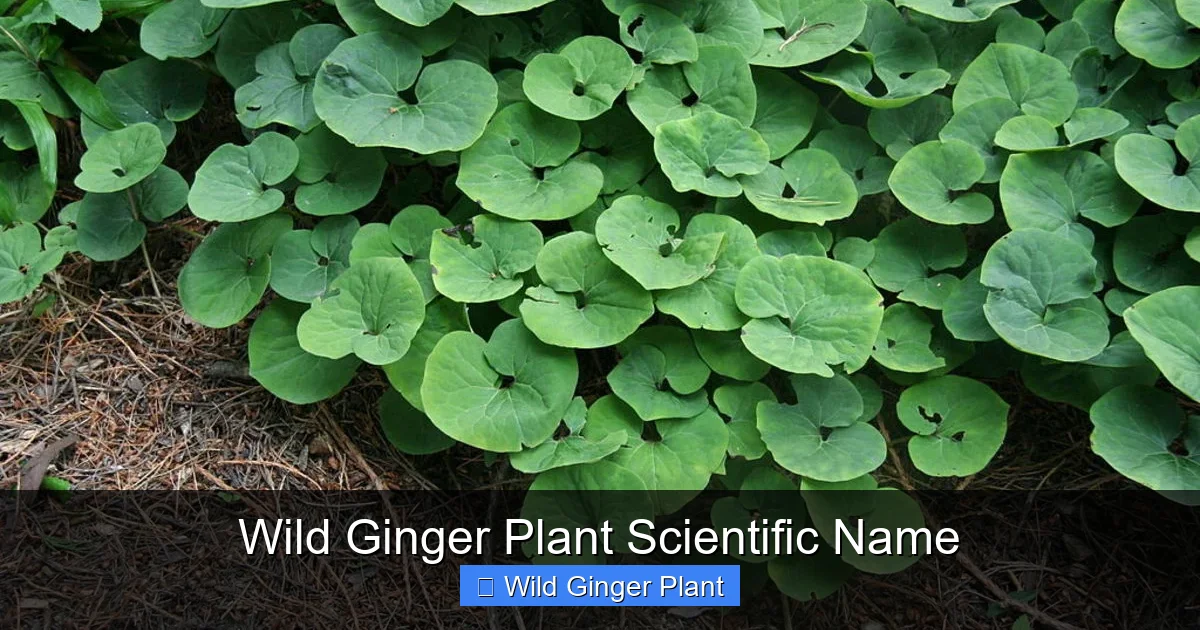
The wild ginger plant scientific name is primarily Asarum canadense for North American species, with Asarum europaeum representing European varieties. These shade-loving perennials feature heart-shaped leaves and unique ground-level flowers, making them excellent woodland garden additions.
Have you ever wandered through a shaded woodland and noticed a carpet of heart-shaped leaves hugging the forest floor? Chances are you’ve encountered wild ginger, a fascinating native perennial that has captured the attention of botanists, gardeners, and herbalists alike. Today we’re diving deep into everything you need to know about the wild ginger plant scientific name, its many species, and why this unassuming ground cover deserves a spot in your shade garden.
The story of wild ginger begins with its scientific classification. While many people know it simply as “wild ginger,” understanding its proper botanical identity opens up a world of fascinating details about this plant’s evolution, relationships, and incredible diversity. Whether you’re a native plant enthusiast, a shade gardener looking for reliable ground cover, or someone curious about ethnobotanical history, this guide covers it all.
Key Takeaways
- Primary Scientific Name: Asarum canadense is the accepted scientific name for North American wild ginger
- European Counterpart: Asarum europaeum is the scientific name for European wild ginger
- Genus Diversity: The Asarum genus contains over 60 species worldwide
- Not True Ginger: Despite the name, wild ginger is unrelated to culinary ginger (Zingiber officinale)
- Unique Flowers: Flowers bloom at ground level, often hidden beneath foliage
- Shade Specialist: Thrives in deep shade where few other plants survive
- Historical Uses: Indigenous peoples used the rhizomes for flavoring and medicine
Quick Answers to Common Questions
What is the scientific name for North American wild ginger?
The scientific name for North American wild ginger is Asarum canadense.
Is wild ginger related to culinary ginger?
No, wild ginger (Asarum species) is not related to culinary ginger (Zingiber officinale). They belong to completely different plant families.
Can you eat wild ginger?
While historically used as a spice and medicine, wild ginger contains aristolochic acid which can cause kidney damage and cancer. Modern experts recommend against internal use.
How does wild ginger spread in the garden?
Wild ginger spreads via shallow rhizomes that form dense colonial mats, making it an excellent ground cover for shaded areas.
What are the ideal growing conditions for wild ginger?
Wild ginger thrives in deep shade with rich, moist, well-drained soil high in organic matter, mimicking its native forest floor habitat.
📑 Table of Contents
Understanding the Wild Ginger Plant Scientific Name and Classification
Let’s start with the basics. The most commonly referenced wild ginger plant scientific name in North America is Asarum canadense. But that’s just the beginning of the story. The genus Asarum belongs to the family Aristolochiaceae, commonly known as the birthwort family. This family includes some surprisingly diverse plants, from tropical vines to our humble woodland ground covers.
The Genus Asarum: A World of Diversity
The genus Asarum contains approximately 60 to 70 recognized species, distributed across the temperate regions of the Northern Hemisphere. North America hosts several species, while the greatest diversity occurs in East Asia, particularly China and Japan. Each species has adapted to its specific regional conditions, resulting in subtle but fascinating variations in leaf shape, flower structure, and growth habits.
North American Species Beyond Asarum canadense
While Asarum canadense gets most of the attention, several other native species deserve recognition. Asarum caudatum, known as long-tailed wild ginger or British Columbia wild ginger, graces the Pacific Northwest with larger, more dramatic flowers. Asarum virginicum calls the southeastern United States home. Asarum hartwegii appears in California and Oregon. Each carries its own unique wild ginger plant scientific name and ecological niche.
European Wild Ginger: Asarum europaeum
Across the Atlantic, Asarum europaeum holds the title of European wild ginger. This species has naturalized in parts of North America, sometimes escaping cultivation. It features glossier, more leathery leaves than its North American cousin and has a longer history of documented medicinal use in European herbal traditions.
Why Scientific Names Matter
You might wonder why we bother with Latin names when “wild ginger” works fine in conversation. The answer lies in precision. Common names vary by region, language, and even individual preference. A single common name might apply to multiple unrelated species, while one species might have dozens of common names. The wild ginger plant scientific name provides a universal language that ensures botanists, gardeners, and researchers worldwide are discussing exactly the same organism.
Physical Characteristics and Identification
Identifying wild ginger becomes second nature once you know what to look for. The plant’s morphology tells a story of adaptation to life on the forest floor, where light is scarce and competition is fierce.
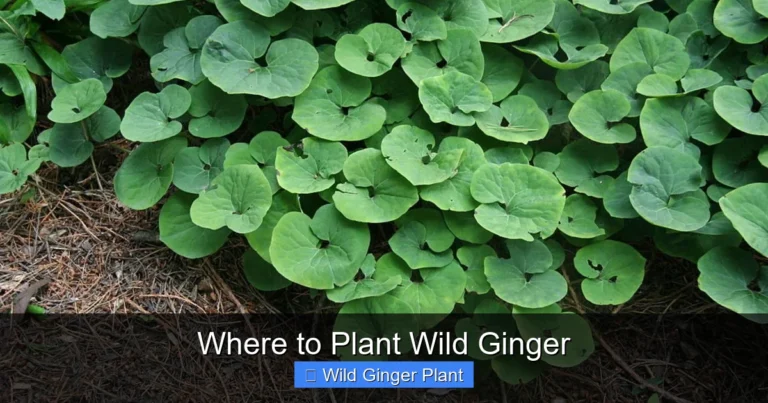
Visual guide about Wild Ginger Plant Scientific Name
Image source: healthbenefitstimes.com
Leaves: The Heart of the Matter
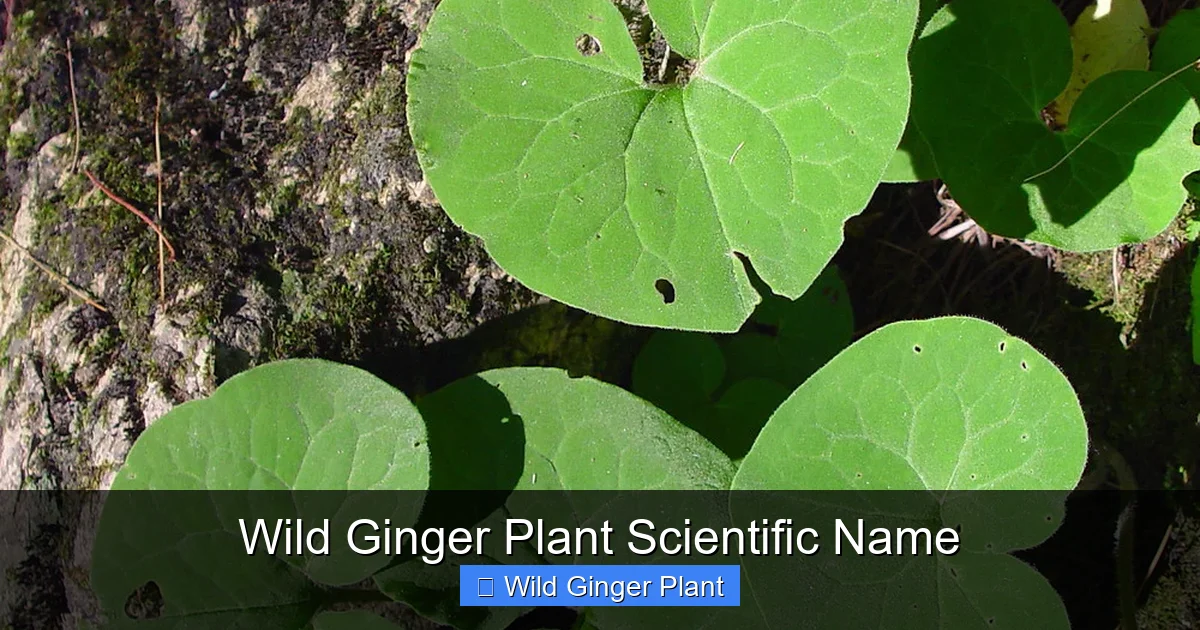
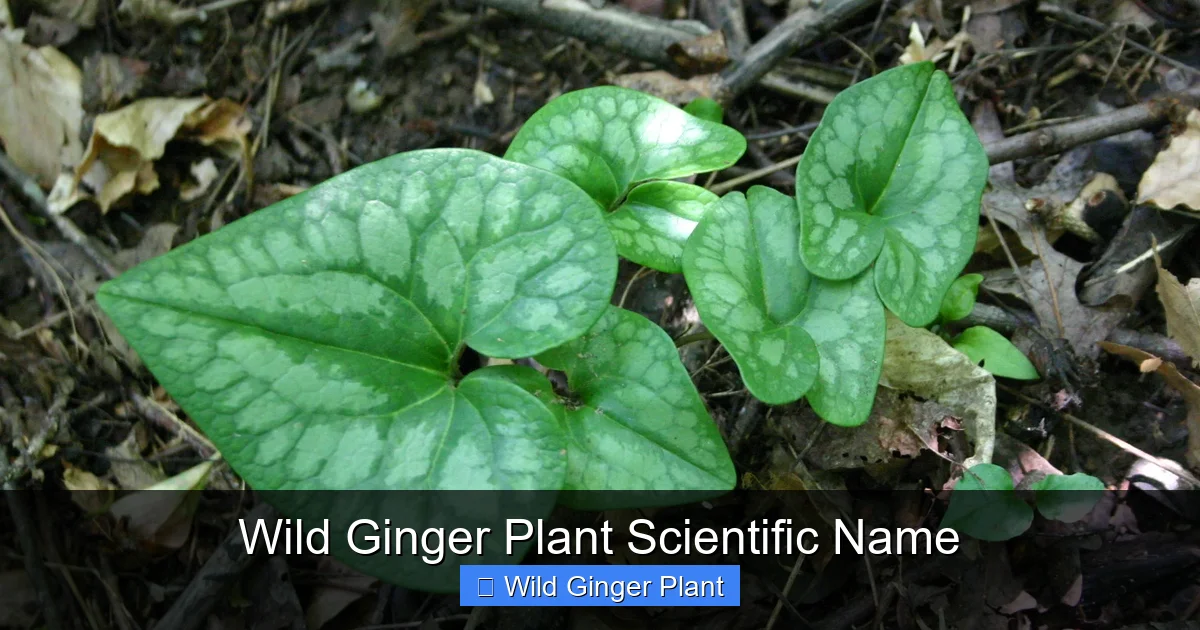
Wild ginger leaves are unmistakable. They emerge in pairs from the rhizome, each leaf broadly heart-shaped (cordate) with a deep notch at the base where the petiole attaches. The leaf surface feels soft, almost velvety, covered in fine hairs that give it a matte appearance. Asarum canadense leaves typically reach 4 to 6 inches across, while Asarum caudatum can produce leaves up to 8 inches wide. The leaves remain attractive throughout the growing season, turning a pleasant yellow in autumn before dying back.
Flowers: Hidden Treasures
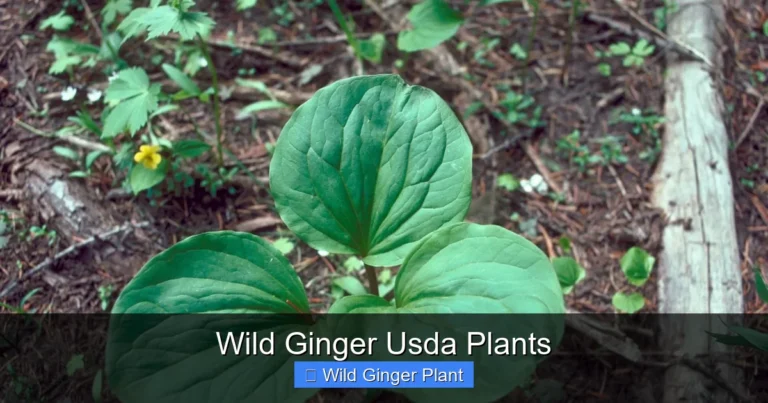
Here’s where wild ginger gets truly weird and wonderful. The flowers bloom at ground level, often completely hidden beneath the leaf litter and foliage. Each flower consists of three fused sepals forming a bell-shaped or jug-shaped structure, typically maroon, brownish-purple, or greenish-yellow. No petals exist. The flower’s interior often features intricate patterns and colors visible only to those who get down on their knees to look. This ground-level flowering strategy, called geoflory, facilitates pollination by early-emerging flies and beetles that crawl across the forest floor.
Rhizomes: The Underground Network
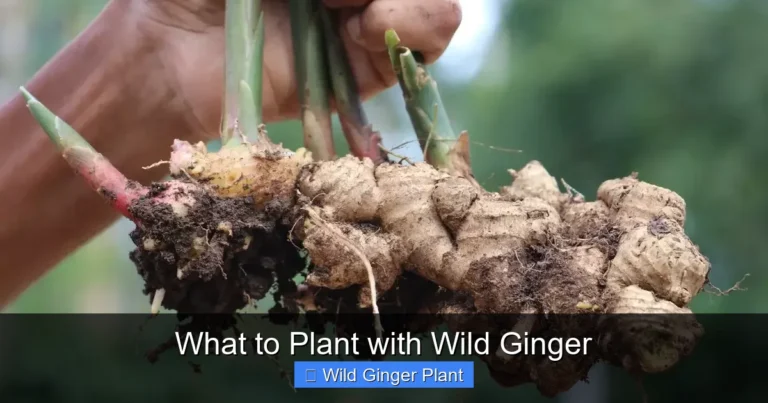
Beneath the soil, wild ginger spreads via shallow, branching rhizomes that form dense colonial mats. These rhizomes give the plant its common name, they possess a distinct ginger-like aroma when crushed, though the chemistry differs significantly from true ginger. The rhizomes are relatively fragile, breaking easily during transplanting, which is why division requires a gentle touch.
Distinguishing Species in the Field
Telling wild ginger species apart requires attention to detail. Asarum canadense flowers have relatively short, triangular calyx lobes. Asarum caudatum earns its “long-tailed” name from dramatically elongated, tapering calyx lobes that can extend an inch or more. Asarum europaeum leaves are evergreen or semi-evergreen, thicker, and shinier than the deciduous North American species. Flower color and size also vary between species.
Natural Habitat and Ecological Role
Understanding where wild ginger grows naturally helps us appreciate its ecological importance and guides successful cultivation.
Visual guide about Wild Ginger Plant Scientific Name
Image source: walterreeves.com
Preferred Growing Conditions
Wild ginger thrives in mesic to moist deciduous forests, particularly those dominated by maple, beech, and basswood. It prefers rich, humusy soils with consistent moisture but good drainage. The ideal pH ranges from slightly acidic to neutral. Deep shade is not just tolerated, it’s preferred. Wild ginger often grows in locations receiving less than 2% of full sunlight, outcompeting almost everything else at that light level.
Geographic Distribution
Asarum canadense ranges across eastern North America, from Manitoba and Quebec south to Georgia and west to the Great Plains. It’s notably absent from the coastal plain and the deep south. Asarum caudatum occupies the Pacific Northwest, from British Columbia to California and east to Montana. The various southeastern species have more restricted ranges, often endemic to specific mountain ranges or geological formations.
Ecological Relationships
Wild ginger plays several important ecological roles. Its dense rhizome mats stabilize soil on slopes and stream banks, preventing erosion. The flowers provide early-season nectar and pollen for small flies, beetles, and springtails. Ants disperse the seeds through a process called myrmecochory, the seeds bear fatty appendages (elaiosomes) that attract ants, who carry them to their nests, eat the elaiosome, and discard the viable seed in a nutrient-rich environment. Deer rarely browse wild ginger, making it valuable in overbrowsed woodlands.
Indicator Species Significance
Botanists and ecologists often use wild ginger as an indicator species. Its presence suggests high-quality, undisturbed woodland habitat with intact soil structure and native ground flora. Conversely, its absence from seemingly suitable habitat might indicate past disturbance, invasive species pressure, or soil degradation.
Cultivation and Garden Uses
Bringing wild ginger into cultivation rewards the shade gardener with one of the most reliable, attractive ground covers available for difficult sites.
Site Selection and Preparation
Choose a location with full to partial shade. Morning sun is tolerated if soil moisture remains consistent, but afternoon sun will scorch the leaves. Prepare the planting area by incorporating generous amounts of leaf compost or well-rotted manure to mimic the forest floor conditions wild ginger loves. Remove any aggressive competitors, particularly invasive species like garlic mustard or Japanese stiltgrass.
Planting Techniques
Spring and early fall are ideal planting times. Space plants 12 to 18 inches apart for eventual ground cover formation. Plant at the same depth they grew in their containers, the rhizomes should sit just below the soil surface. Water thoroughly after planting and mulch with shredded leaves or pine needles to retain moisture and suppress weeds.
Maintenance Requirements
Once established, wild ginger asks for little. Keep soil consistently moist during the first growing season. After that, natural rainfall usually suffices except during severe drought. No fertilization is needed, leaf litter decomposition provides all necessary nutrients. Remove any tree seedlings that emerge to prevent future shading issues. The foliage dies back cleanly in winter, no cleanup required.
Propagation Methods
Division is the easiest propagation method. In early spring or fall, dig a clump, gently separate the rhizomes ensuring each division has roots and at least one growing point, and replant immediately. Seed propagation works but requires patience, seeds need cold stratification and may take two years to germinate. The resulting seedlings grow slowly, taking several years to reach flowering size.
Companion Planting Ideas
Wild ginger pairs beautifully with other shade-loving natives. Plant it beneath foamflower (Tiarella cordifolia), alongside wild geranium (Geranium maculatum), or intermingled with Christmas fern (Polystichum acrostichoides). It forms a living mulch around larger woodland perennials like jack-in-the-pulpit (Arisaema triphyllum) or Solomon’s seal (Polygonatum biflorum). Spring ephemerals like trillium and bloodroot emerge through the ginger foliage before it reaches full size.
Container Growing
While typically a ground cover, wild ginger adapts to container culture. Use a wide, shallow pot with rich, moisture-retentive potting mix. Keep consistently moist and shaded. Container plants may need winter protection in colder zones, either by sinking the pot in the ground or moving to an unheated garage.
Historical Uses and Ethnobotany
The relationship between humans and wild ginger spans thousands of years, with fascinating cultural significance across its range.
Indigenous Knowledge and Uses
Numerous Native American tribes utilized wild ginger extensively. The rhizomes were harvested, dried, and ground as a spice substitute for tropical ginger, though the flavor profile differs, more earthy, less sharp. Medicinal applications included treating digestive complaints, colds, fevers, and as a general tonic. The Cherokee, Iroquois, Ojibwe, and many other nations incorporated wild ginger into their pharmacopeias. Some tribes used the leaves as a poultice for wounds and headaches.
Early European Adoption
European settlers quickly recognized wild ginger’s value, adopting Indigenous uses and adding their own. Colonial herbals document its use as a stomachic, expectorant, and febrifuge. The dried root entered early American materia medica and appeared in the United States Pharmacopeia from 1820 to 1882. Physicians prescribed it for dyspepsia, flatulence, and as a stimulant.
Culinary Applications
Beyond direct substitution for tropical ginger, creative cooks have found unique applications. The rhizomes can be candied, made into syrup, or infused into vinegar. The leaves, while not typically eaten, can wrap foods for cooking, imparting a subtle flavor. Modern foragers experiment with wild ginger in ice creams, cocktails, and savory dishes, though sustainable harvesting practices are essential.
Important Safety Considerations
Here’s where modern science meets traditional use. Wild ginger contains aristolochic acid, a compound linked to kidney damage and cancer with long-term or high-dose use. The concentration varies by species and plant part. While traditional preparations likely used small amounts for short durations, contemporary herbalists generally recommend against internal use. External applications as poultices or washes pose less risk but should still be approached with caution. Always consult a qualified healthcare provider before using any plant medicinally.
Conservation Status and Threats
Despite its wide distribution, wild ginger faces growing pressures that warrant attention.
Habitat Loss and Fragmentation
Conversion of forests to agriculture, development, and infrastructure has eliminated vast areas of suitable habitat. Fragmentation isolates populations, reducing genetic exchange and increasing vulnerability to local extinction. Edge effects from fragmentation alter microclimates, making interior forest conditions less stable.
Invasive Species Competition
Garlic mustard (Alliaria petiolata) poses a particularly severe threat. This biennial invasive releases allelopathic chemicals that inhibit mycorrhizal fungi essential for native woodland plants. Japanese stiltgrass (Microstegium vimineum) forms dense mats that smother spring ephemerals and prevent wild ginger establishment. Earthworms, while beneficial in gardens, disrupt forest floor duff layers in northern forests where they’re non-native, altering nutrient cycling to wild ginger’s detriment.
Overharvesting Concerns
Increasing interest in foraging and herbalism has led to unsustainable harvest in some areas. Wild ginger’s slow growth and clonal reproduction mean populations recover slowly from rhizome removal. Ethical foragers take only leaves or small rhizome portions from large, healthy colonies, never digging entire plants.
Climate Change Impacts
Shifting temperature and precipitation patterns may alter the mesic forest conditions wild ginger requires. Southern populations face particular risk as suitable habitat shifts northward. The plant’s limited dispersal ability (primarily ant-dispersed seeds moving meters, not kilometers) makes tracking climate change difficult.
Conservation Actions
Gardeners can contribute to conservation by purchasing nursery-propagated plants rather than wild-collected specimens. Supporting land conservation organizations protects habitat at scale. Reporting invasive species infestations enables early intervention. Participating in community science projects like iNaturalist helps track population trends.
Wild Ginger in the Modern Landscape
Beyond ecological restoration, wild ginger shines in designed landscapes.
Ecological Landscape Design
Landscape architects increasingly specify wild ginger for its functional and aesthetic qualities. It solves the “dry shade under mature trees” problem that defeats most ground covers. Its dense growth suppresses weeds, reducing maintenance inputs. The foliage provides season-long interest without the monoculture look of pachysandra or vinca.
Rain Gardens and Bioswales
While not a wetland plant, wild ginger tolerates periodic inundation and thrives in the mesic zones of rain gardens. Its rhizome network stabilizes soil during high flow events. Combined with sedges, ferns, and other shade-tolerant natives, it creates resilient green infrastructure.
Urban Woodland Restoration
City parks and natural areas undergoing restoration benefit enormously from wild ginger reintroduction. It establishes relatively quickly from plugs, provides immediate ground cover, and supports the invertebrate base that birds and other wildlife depend on. Its deer resistance is invaluable in urban areas with high deer pressure.
Green Roof Applications
Experimental green roof installations in shaded urban canyons have incorporated wild ginger with promising results. Its shallow root system suits extensive green roof profiles. The evaporative cooling from its foliage contributes to microclimate moderation.
Conclusion
The wild ginger plant scientific name, Asarum canadense, represents far more than a label in a field guide. It’s a gateway to understanding a remarkable genus of plants that have mastered life in the forest understory. From their weird, ground-hugging flowers to their soil-stabilizing rhizomes, from their ancient relationships with Indigenous peoples to their modern role in ecological landscaping, wild ginger exemplifies the beauty and utility of native plants.
Whether you’re identifying a colony on a woodland hike, planning a shade garden transformation, or researching ethnobotanical history, knowing the scientific name and the rich context surrounding it deepens your connection to this extraordinary plant. Consider adding wild ginger to your landscape, not just as a ground cover, but as a living link to the ecological and cultural heritage of the forests it calls home.
Next time you’re in the woods in spring, get down low and search beneath those heart-shaped leaves. You might just discover one of nature’s most curious flowers, a reminder that wonder often hides in plain sight, waiting for those who know where to look.
Frequently Asked Questions
How many species of wild ginger exist?
The genus Asarum contains approximately 60 to 70 recognized species worldwide, with the greatest diversity in East Asia and several native species in North America.
Does wild ginger flower every year?
Yes, established wild ginger plants flower annually in early spring, though the flowers are often hidden beneath leaf litter and foliage at ground level.
Is wild ginger deer resistant?
Yes, wild ginger is highly deer resistant due to its aromatic compounds and texture, making it valuable for gardens in areas with high deer pressure.
Can wild ginger grow in full sun?
No, wild ginger cannot tolerate full sun. It requires full to partial shade, as direct sun will scorch the leaves and stress the plant.
How fast does wild ginger spread?
Wild ginger spreads slowly to moderately via rhizomes, typically forming a dense colony over several years. It is not considered aggressive or invasive.
When is the best time to divide wild ginger?
Early spring before new growth emerges or early fall are the best times to divide wild ginger, allowing divisions to establish before extreme temperatures.