Wild Ginger Plant Pnw
The wild ginger plant pnw is a low‑growing, shade‑loving perennial native to the Pacific Northwest. It features heart‑shaped leaves and hidden, bell‑shaped flowers that attract pollinators. Gardeners value it for ground cover, herbal tradition, and its role in forest ecosystems.
If you wander through a damp, mossy forest in the Pacific Northwest you may stumble upon a quiet green carpet. That carpet is often the wild ginger plant pnw. It hides its flowers beneath the leaves, so many hikers never notice them. Yet this plant holds a surprising number of stories, uses, and ecological roles.
In this guide we will explore everything you need to know about the wild ginger plant pnw. You will learn how to spot it, why it matters to the forest, how to grow it at home, and how to protect it for future generations. The tone is friendly, the language simple, and the facts practical.
Key Takeaways
- Native habitat: The wild ginger plant pnw thrives in moist, shaded forests across Washington, Oregon, and northern California.
- Identification: Look for kidney‑shaped leaves, a single hidden flower per stem, and a spicy ginger aroma when crushed.
- Ecological value: It provides early‑season nectar for bees and stabilizes soil on forest floors.
- Garden use: It makes an excellent native ground cover for shady beds and woodland gardens.
- Herbal tradition: Indigenous peoples used the rhizome for flavoring and mild medicinal purposes.
- Conservation: Over‑harvesting and habitat loss threaten populations; practice ethical foraging and support native plant nurseries.
- Propagation: Divide rhizomes in early spring or sow fresh seeds in a cold frame for best results.
Quick Answers to Common Questions
What does the wild ginger plant pnw smell like?
The rhizome and crushed leaves release a spicy ginger aroma.
When does the wild ginger plant pnw bloom?
Flowers appear from March through May, often hidden under leaf litter.
Can I grow wild ginger plant pnw in a sunny garden?
No, it requires deep shade and consistently moist soil.
Is the wild ginger plant pnw edible?
Yes, the rhizome is edible and has a mild ginger flavor, but harvest sparingly.
How do I propagate wild ginger plant pnw from seed?
Collect fresh seeds, cold‑stratify for 60 to 90 days, then sow in a cold frame.
📑 Table of Contents
What Is the Wild Ginger Plant PNW?
Scientific background
The wild ginger plant pnw belongs to the genus Asarum. The most common species in the region is Asarum caudatum. It is a perennial herb that spreads by underground rhizomes. The plant stays low, usually under ten centimeters tall. Its leaves are evergreen in mild winters.
Common names
People call it western wild ginger, long‑tailed wild ginger, or simply wild ginger. The name “ginger” comes from the spicy scent of the rhizome, not from any relation to culinary ginger (Zingiber officinale).
Range and habitat
You will find the wild ginger plant pnw from the coastal ranges of British Columbia down through the Cascades to the Sierra Nevada. It prefers deep shade, rich humus, and constant moisture. Stream banks, north‑facing slopes, and old‑growth forests are prime spots.
How to Identify Wild Ginger Plant PNW in the Field
Leaf characteristics
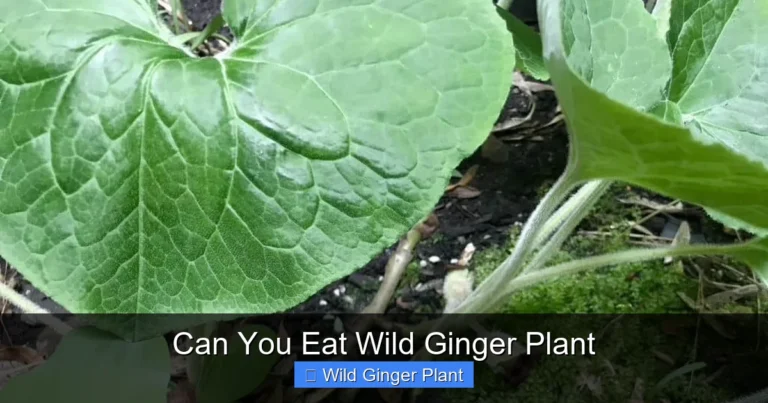
Leaves are heart‑shaped to kidney‑shaped, dark green, and slightly glossy. They grow in pairs on short petioles. The leaf margin is smooth, not toothed. When you crush a leaf you get a faint ginger aroma.
Flower details
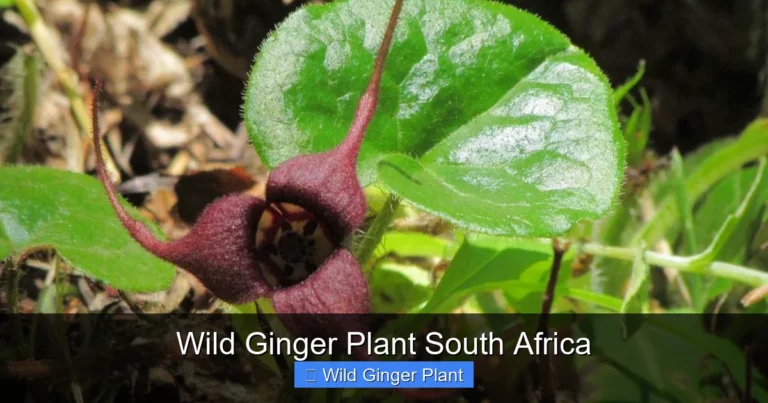
The flower is solitary, bell‑shaped, and usually maroon or brownish‑purple. It sits at ground level, hidden beneath the leaf litter. Three sepals form a tube with long, tapered tips that give the species name “caudatum” meaning “tailed.” Blooming occurs from March to May.
Rhizome and scent
Dig gently and you will find a thin, creeping rhizome. It is pale brown, segmented, and releases a strong ginger‑like fragrance when broken. This scent is the quickest field confirmation.
Similar species
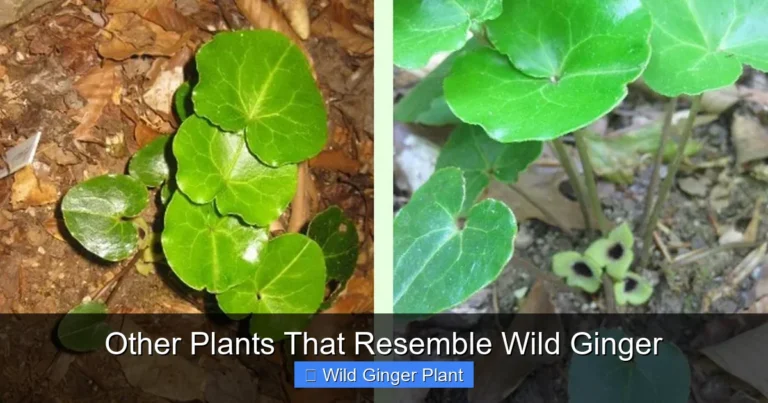
Asarum hartwegii (Hartweg’s wild ginger) looks similar but has shorter sepal tips and a more northern range. Asarum canadense (Canadian wild ginger) occurs east of the Rockies. Knowing the range helps avoid confusion.
Ecological Role of Wild Ginger Plant PNW
Pollinator support
Early spring bees, especially native bumblebees, visit the hidden flowers for nectar. The flower’s low position protects pollen from rain. This makes the wild ginger plant pnw a crucial early food source.
Soil stabilization
The dense mat of rhizomes binds loose forest soil. On steep, moist slopes this reduces erosion. The leaf litter it produces adds organic matter, enriching the humus layer.
Habitat for microfauna
Small insects, springtails, and mites live among the rhizomes. They break down decaying material, cycling nutrients back to the forest floor. The plant also offers cover for amphibians like salamanders.
Indicator species
Because it needs undisturbed, moist shade, the presence of a healthy wild ginger plant pnw population signals good forest condition. Land managers use it as a bioindicator for habitat quality.
Cultivating Wild Ginger Plant PNW in Your Garden
Site selection
Choose a spot with full to dappled shade. North‑facing beds, under mature trees, or beside a shaded wall work well. Soil should be rich, loamy, and retain moisture without becoming waterlogged.
Soil preparation
Amend the planting area with compost and leaf mold. Aim for a pH between 5.5 and 6.5. A thin layer of mulch (shredded bark or pine needles) mimics the natural forest floor.
Planting methods
Divide rhizomes in early spring before new growth starts. Each division needs at least one growing bud. Plant horizontally, just below the surface, spacing 30 centimeters apart. Water thoroughly after planting.
Seed propagation
Collect fresh seeds in late summer. They require cold stratification. Sow in a cold frame or refrigerate moist seed trays for 60 to 90 days. Germination can be slow, often taking a full season.
Care and maintenance
Keep soil consistently moist during the first year. After establishment the plant tolerates brief dry spells. Remove invasive weeds by hand to avoid damaging shallow rhizomes. No fertilizer is needed; leaf litter provides sufficient nutrients.
Companion plants
Pair with other shade‑loving natives such as sword fern (Polystichum munitum), trillium (Trillium ovatum), and Oregon oxalis (Oxalis oregana). This creates a layered woodland garden that mirrors natural communities.
Traditional and Modern Uses of Wild Ginger Plant PNW
Indigenous culinary use
Coast Salish and other peoples harvested the rhizome for flavoring stews and teas. The taste is milder than tropical ginger, with a sweet, peppery note. They also used it to mask strong game flavors.
Medicinal applications
Traditional healers prepared a decoction for colds, digestive upset, and as a mild stimulant. Modern herbalists sometimes include it in formulas for nausea. Scientific studies are limited, so consult a professional before medicinal use.
Ornamental value
Garden designers prize the wild ginger plant pnw for its lush foliage and unusual flowers. It works well in shade gardens, rock gardens, and as a living mulch under shrubs.
Essential oil potential
Steam distillation of the rhizome yields a small amount of aromatic oil. The oil contains asarone and other compounds. Commercial production is not viable due to low yield, but hobby distillers experiment with it.
Culinary experiments
Adventurous cooks candy the rhizome, infuse vinegar, or add finely grated fresh rhizome to salads. Because the flavor is subtle, use it as a complement rather than a dominant spice.
Conservation and Ethical Harvesting of Wild Ginger Plant PNW
Threats
Habitat loss from logging, development, and invasive species reduces suitable sites. Over‑collection for herbal markets can deplete local populations. Climate change may shift the moist, cool microclimates it needs.
Legal protections
In Washington and Oregon the plant is not listed as endangered, but collection on public lands often requires a permit. Check with the managing agency (e.g., US Forest Service, BLM) before harvesting.
Ethical foraging guidelines
Take no more than ten percent of a patch. Leave the youngest rhizomes and at least three mature plants per square meter. Replant any disturbed soil and replace leaf litter. Never dig in fragile riparian zones.
Supporting conservation
Buy nursery‑grown stock from reputable native plant nurseries. Participate in local restoration projects that re‑introduce the wild ginger plant pnw to degraded sites. Advocate for protection of old‑growth forests.
Citizen science
Report sightings to platforms like iNaturalist or the Washington Native Plant Society. Data helps researchers track distribution changes over time.
Conclusion
The wild ginger plant pnw is more than a pretty ground cover. It feeds early pollinators, holds soil, carries cultural heritage, and adds a quiet beauty to shaded gardens. By learning to identify it, grow it responsibly, and protect its wild homes, you become part of a larger story that keeps Pacific Northwest forests vibrant. Whether you are a hiker, a gardener, or a herbal enthusiast, this humble plant offers endless reasons to pause, look down, and appreciate the hidden wonders at your feet.
Frequently Asked Questions
What is the scientific name of the wild ginger plant pnw?
The most common species is Asarum caudatum, known as western wild ginger.
Where can I buy wild ginger plant pnw for my garden?
Look for native plant nurseries in Washington, Oregon, or British Columbia that sell ethically propagated stock.
Does wild ginger plant pnw spread aggressively?
It spreads slowly by rhizomes, forming a dense mat but not invading sunny areas.
Are there any toxic look‑alikes for wild ginger plant pnw?
No toxic look‑alikes share its hidden flower and ginger scent, but always confirm identification before consumption.
How does wild ginger plant pnw benefit pollinators?
Early‑season bees visit its low, bell‑shaped flowers for nectar when few other sources are available.
What should I do if I find wild ginger plant pnw on public land?
Enjoy observing it, take photos, and report the sighting to a citizen‑science platform; avoid digging without a permit.