Evergreen Wild Ginger Plant
The evergreen wild ginger plant is a shade‑loving perennial that keeps its glossy leaves year‑round. It spreads slowly, forming a dense carpet that suppresses weeds and adds texture to woodland gardens.
Welcome to the world of the evergreen wild ginger plant. This charming perennial is a favorite for shade gardens because it stays green all year. I love how it quietly fills the space under trees without demanding much attention.
The evergreen wild ginger plant belongs to the Asarum genus and is native to moist woodlands across North America. Its heart‑shaped leaves have a subtle spicy scent when crushed. That scent is one reason deer tend to avoid it.
In this guide you will learn how to grow the evergreen wild ginger plant, where to place it, and how to keep it healthy for decades. Let’s dive in.
Key Takeaways
- Year‑round foliage: The evergreen wild ginger plant retains its heart‑shaped leaves through winter, providing constant ground cover.
- Shade tolerance: It thrives in deep to partial shade where many other plants struggle.
- Low maintenance: Once established, it needs little watering or fertilizing.
- Slow spread: The rhizomes expand gradually, making it easy to control.
- Wildlife value: Its small flowers attract early pollinators like bees and flies.
- Deer resistant: The aromatic foliage deters browsing animals.
Quick Answers to Common Questions
How much shade does the evergreen wild ginger plant need?
The evergreen wild ginger plant thrives in full to partial shade and can tolerate a few hours of morning sun.
When is the best time to divide the evergreen wild ginger plant?
Early spring or early fall are ideal for dividing the evergreen wild ginger plant, giving roots time to establish.
Does the evergreen wild ginger plant attract pollinators?
Yes, its small spring flowers attract early flies and beetles, providing a valuable nectar source.
Can the evergreen wild ginger plant grow in containers?
It can grow in large, shallow containers with rich, moisture‑retentive soil, but it prefers in‑ground planting.
Is the evergreen wild ginger plant deer resistant?
The aromatic foliage of the evergreen wild ginger plant deters deer and rabbits, making it a good choice for browsed areas.
📑 Table of Contents
What Is the Evergreen Wild Ginger Plant?
Botanical Background
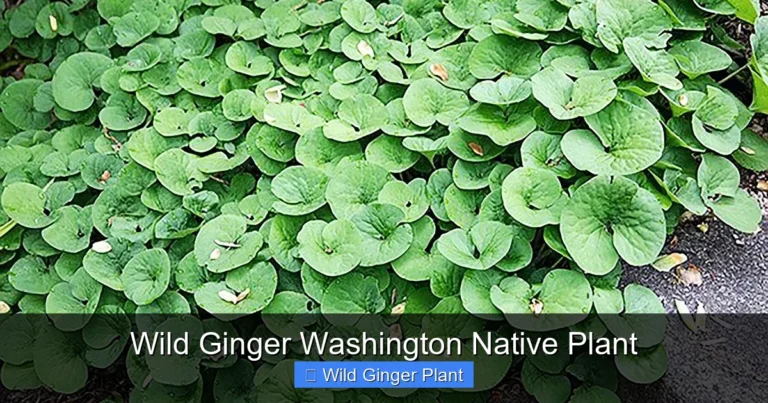
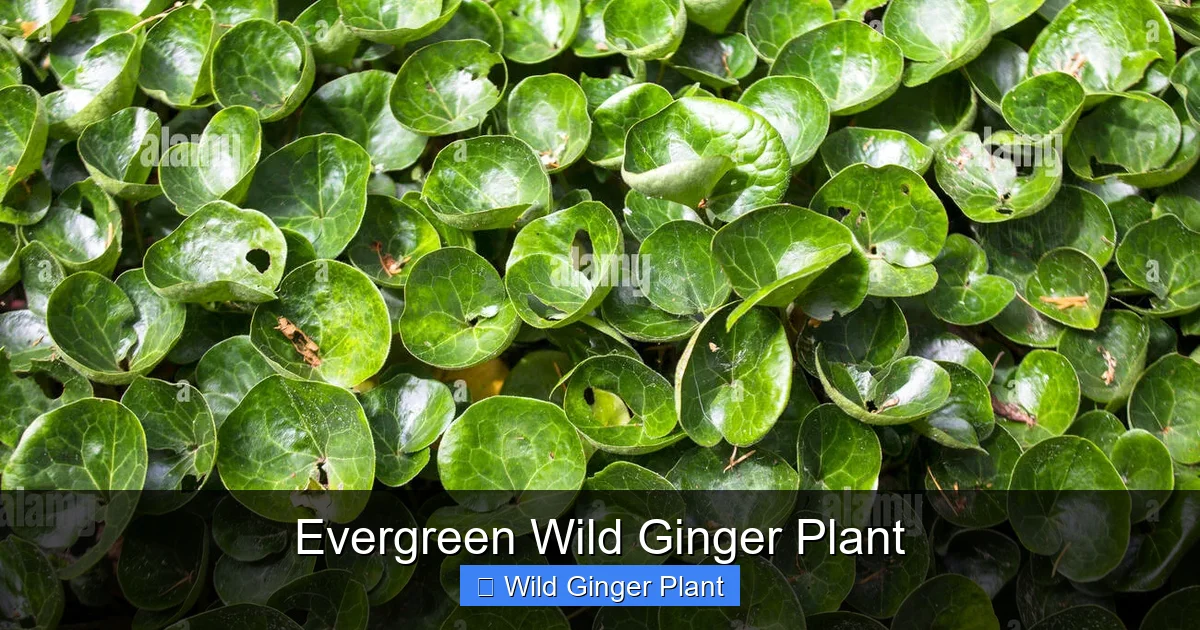
The evergreen wild ginger plant is a low‑growing herbaceous perennial that spreads by underground rhizomes. It typically reaches a height of six to twelve inches and forms a dense mat of foliage. The leaves are glossy, kidney‑shaped, and stay green through winter, which is why gardeners call it evergreen. This plant thrives in the dappled light of forest floors and prefers rich, humus‑laden soil.
Growth Habit
Because the evergreen wild ginger plant spreads slowly, it rarely becomes invasive. Each rhizome segment can produce a new shoot, but the overall expansion is measured in inches per year. This slow pace makes it easy to manage in a mixed border. You can also divide clumps every three to four years to rejuvenate the planting and share divisions with friends.
Flower Details
In early spring the evergreen wild ginger plant produces small, bell‑shaped flowers that hide beneath the foliage. The blooms are usually a deep maroon or brownish‑purple and are pollinated by tiny flies and beetles. Although the flowers are not showy, they add a subtle charm when you peek under the leaves. After flowering, the plant focuses energy on leaf production for the rest of the season.
Why Gardeners Love It
Gardeners appreciate the evergreen wild ginger plant for its reliability and low maintenance. It tolerates deep shade where many ground covers fail. The foliage remains attractive even in winter, providing year‑round interest. Plus, the aromatic leaves deter deer and rabbits, reducing the need for repellents.
Seasonal Appearance
The evergreen wild ginger plant keeps its glossy leaves through winter, but in early spring the new growth emerges a bright lime green before deepening to a rich emerald. This subtle color shift signals the start of the growing season. Gardeners often use the fresh foliage as a backdrop for early bulbs. The plant’s consistent presence makes it a reliable anchor in shade beds.
Cultural Significance
Native peoples valued the evergreen wild ginger plant for its aromatic rhizomes, which they used as a flavoring and a mild medicinal tea. Early settlers adopted the practice, calling it “wild ginger” because the scent resembles true ginger. Today, herbalists still harvest small amounts for digestive comfort. The plant’s cultural history adds depth to any woodland garden.
Varieties and Cultivars
Several cultivars of the evergreen wild ginger plant are available, including ‘Evergreen’ with darker leaves and ‘Variegata’ showing creamy margins. These selections keep the same low habit but offer visual contrast. When choosing a cultivar, match its leaf color to surrounding plants for a cohesive look. All varieties share the same shade tolerance and slow spread.
Ideal Growing Conditions
Light Requirements
The evergreen wild ginger plant prefers full to partial shade. It can handle a few hours of morning sun, but intense afternoon light will scorch the leaves. If you have a north‑facing bed or an area under mature trees, that is the perfect spot. In brighter locations, consider planting it alongside taller ferns that cast protective shade.
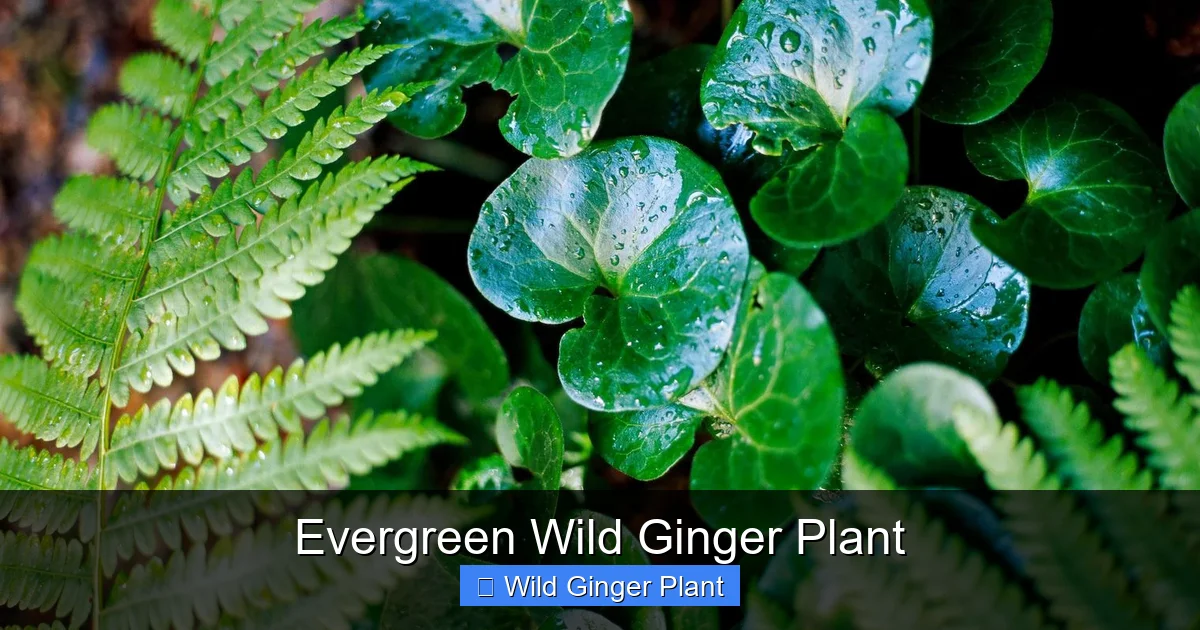
Visual guide about Evergreen Wild Ginger Plant
Image source: bhg.com
Soil Preferences
Rich, well‑draining soil with plenty of organic matter suits the evergreen wild ginger plant best. A loamy mix amended with compost or leaf mold mimics its native forest floor. The plant tolerates a slightly acidic to neutral pH, roughly 5.5 to 7.0. Avoid heavy clay that stays soggy, as prolonged waterlogging can cause root rot.
Moisture Needs
Consistent moisture is key for the evergreen wild ginger plant. It likes soil that stays evenly damp but not waterlogged. Mulching with shredded leaves or bark helps retain moisture and keeps the root zone cool. During dry spells, water deeply once a week rather than light daily sprinkling. Established clumps can survive short droughts, but prolonged dryness will cause leaf browning.
Temperature Tolerance
The evergreen wild ginger plant is hardy in USDA zones 4 through 9. It withstands freezing temperatures because the rhizomes sit below the frost line. In the coldest zones, a thick layer of mulch adds extra insulation. In hot summer regions, ensure the planting site stays shaded and moist to prevent heat stress.
Microclimate Considerations
The evergreen wild ginger plant thrives in microclimates that mimic a forest floor, such as the north side of a stone wall or a depression that collects leaf litter. These spots stay cooler and retain moisture longer. Observing where moss naturally grows can guide you to the perfect planting pocket. Small adjustments make a big difference.
Companion Soil Amendments
Adding well‑rotted compost or leaf mold to the planting hole gives the evergreen wild ginger plant a nutrient boost without raising fertility too high. A handful of mycorrhizal fungi inoculant can improve root establishment. Avoid fresh manure, which can burn the delicate rhizomes. Simple amendments create a living soil that supports long‑term health.
Watering Techniques
For the evergreen wild ginger plant, deep soak watering once a week encourages roots to chase moisture downward. Use a soaker hose or drip line to keep foliage dry and reduce fungal risk. Early morning watering lets excess evaporate before nightfall. Consistent moisture, not constant wetness, is the secret to vigorous growth.
Planting and Propagation Tips
When to Plant
The best time to plant the evergreen wild ginger plant is early spring or early fall. Cool temperatures reduce transplant shock and give roots time to establish before extreme weather. If you plant in spring, wait until the soil is workable and the threat of hard frost has passed. Fall planting should occur at least six weeks before the ground freezes.
Spacing and Depth
Space each division of the evergreen wild ginger plant about twelve to eighteen inches apart. This spacing allows the rhizomes to spread without crowding. Plant the rhizome just below the soil surface, with the growing buds pointing upward. Cover lightly with soil and water thoroughly to settle the medium around the roots.
Division Method
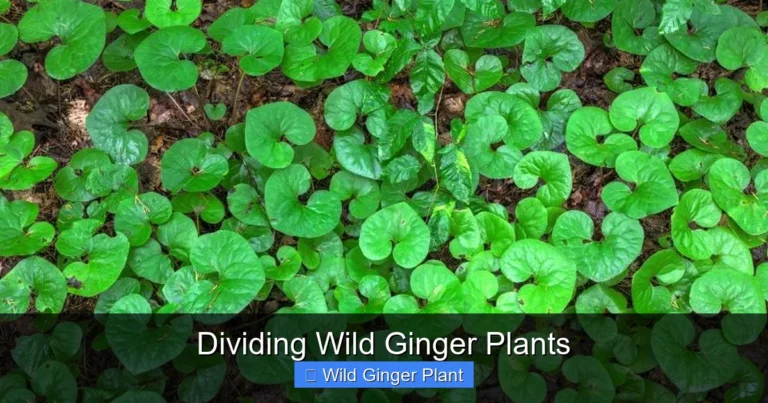
To propagate the evergreen wild ginger plant, dig up a mature clump in early spring. Gently separate the rhizomes with a clean knife, ensuring each piece has at least one healthy bud. Replant the divisions immediately at the same depth. Water well and mulch to conserve moisture. Division every three to four years keeps the planting vigorous.
Seed Propagation
Seed propagation of the evergreen wild ginger plant is possible but slow. Collect seeds in late summer when the capsules split. Sow them in a cold frame or a shaded seed tray with a moist, sterile mix. Germination can take several months, and seedlings may not flower for two to three years. Most gardeners prefer division for faster results.
Container Planting Tips
When growing the evergreen wild ginger plant in a pot, choose a container at least twelve inches wide and deep. Fill it with a mix of peat, compost, and coarse sand for drainage. Place the pot in a shaded patio corner and water when the top inch feels dry. Repot every two years to refresh the medium.
Root Stimulants
Applying a dilute seaweed extract at planting time can jump‑start the evergreen wild ginger plant’s root system. The natural hormones encourage rapid rhizome expansion without forcing top growth. Use the product at half the label rate and water in thoroughly. This gentle boost is especially helpful for fall divisions.
Timing for Division
The best window to divide the evergreen wild ginger plant is just after the first flush of spring growth, when the soil is workable but before summer heat arrives. Dig the clump, separate rhizomes with a sharp knife, and replant immediately. Divisions made in this window establish quickly and bloom the following spring.
Seasonal Care and Maintenance
Spring Care
In spring, remove any dead leaves from the evergreen wild ginger plant to improve air circulation. Apply a thin layer of compost around the base to feed the emerging growth. If the clumps look crowded, this is the ideal time to divide them. Water regularly as new shoots appear, especially if rainfall is scarce.
Summer Care
During summer, keep the soil consistently moist for the evergreen wild ginger plant. Mulch helps reduce evaporation and suppresses weeds. Check for slugs or snails, which may chew the tender leaves. Hand‑pick pests in the evening or use an organic slug bait if needed. Avoid fertilizing heavily; a light feeding in early summer is sufficient.
Fall Care
As temperatures drop, the evergreen wild ginger plant prepares for winter. Stop fertilizing by early fall to allow the plant to harden off. Add a fresh layer of mulch to protect the rhizomes from freeze‑thaw cycles. In very cold zones, you can cover the bed with evergreen boughs for extra insulation.
Winter Care
Winter requires minimal work for the evergreen wild ginger plant. The foliage stays green, providing visual interest in the dormant garden. Avoid walking on frozen beds to prevent compaction. If heavy snow accumulates, gently brush it off to reduce weight on the leaves. No pruning is needed unless you notice damaged foliage.
Mulching Strategies
A two‑inch layer of shredded leaves or pine needles around the evergreen wild ginger plant conserves moisture and suppresses weeds. Refresh the mulch each spring after the last frost. Keep mulch a few inches away from the crown to prevent rot. This simple habit reduces watering chores and protects rhizomes.
Fertilizer Choices
The evergreen wild ginger plant prefers a light feed of balanced organic fertilizer in early spring. A slow‑release granular formula with an N‑P‑K ratio near 5‑5‑5 works well. Avoid high‑nitrogen products that promote lush foliage at the expense of root strength. Less is more for this modest feeder.
Pest Monitoring Calendar
Set a simple calendar reminder to inspect the evergreen wild ginger plant monthly during the growing season. Look for slug trails, aphid clusters, or fungal spots on the undersides of leaves. Early detection lets you treat with minimal intervention. A quick walk‑through keeps the planting healthy year after year.
Design Ideas for Shade Gardens
Ground Cover Carpets
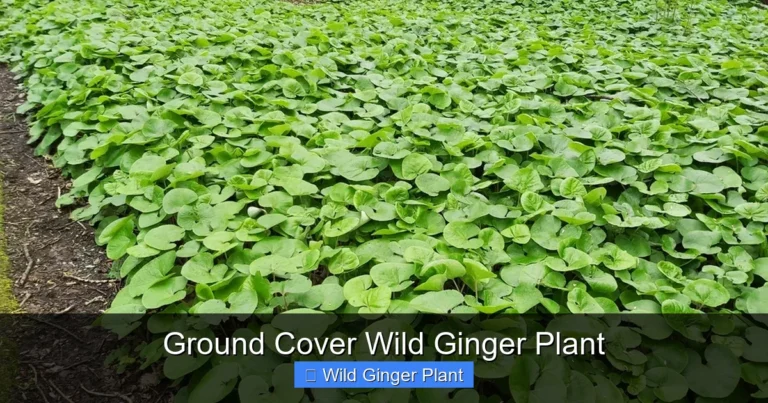
Plant the evergreen wild ginger plant in sweeping drifts beneath deciduous trees. Its uniform foliage creates a living carpet that softens hard edges and hides bare soil. Pair it with spring ephemerals like trillium or bloodroot for a layered effect. The evergreen wild ginger plant will fill in after the ephemerals fade, maintaining coverage all season.
Woodland Path Edging
Use the evergreen wild ginger plant to line a shaded garden path. The low height keeps the walkway clear while the glossy leaves add a polished look. Combine it with mossy stones and ferns for a naturalistic feel. The evergreen wild ginger plant tolerates foot traffic better than many delicate shade plants.
Container Groupings
Although the evergreen wild ginger plant prefers in‑ground planting, it can thrive in large, shallow containers. Choose a pot with good drainage and fill it with a rich, moisture‑retentive mix. Group several containers together to mimic a forest floor. Water frequently, as pots dry out faster than garden beds.
Companion Planting
Good companions for the evergreen wild ginger plant include hostas, heucheras, and native ferns. These plants share similar light and moisture needs. The evergreen wild ginger plant’s dense mat suppresses weeds, reducing competition for its neighbors. Avoid aggressive spreaders like English ivy that could outcompete the ginger.
Layered Planting Schemes
Create depth by planting the evergreen wild ginger plant as the lowest layer, then add mid‑height ferns and taller shade‑tolerant shrubs behind it. This tiered approach mimics a natural forest structure. The ginger’s glossy leaves reflect light upward, brightening the whole composition. Layering also maximizes space in narrow beds.
Seasonal Color Accents
Pair the evergreen wild ginger plant with spring bulbs like snowdrops or early daffodils for a burst of color before the ginger’s foliage fully expands. In summer, add shade‑loving annuals such as impatiens for continuous bloom. The ginger’s evergreen backdrop keeps the bed looking full even when annuals fade.
Wildlife Habitat Creation
The dense mat of the evergreen wild ginger plant offers shelter for ground‑dwelling insects and amphibians. Its early flowers feed tiny pollinators when few other sources exist. Leaving leaf litter undisturbed through winter enhances habitat value. A garden that supports wildlife feels alive even in the quiet months.
Common Problems and Solutions
Leaf Scorch
Leaf scorch on the evergreen wild ginger plant appears as brown, crispy edges. It usually results from too much direct sun or insufficient water. Move the plant to a shadier spot or increase watering frequency. Mulching heavily can also keep the root zone cooler and reduce stress.
Root Rot
Root rot occurs when the evergreen wild ginger plant sits in waterlogged soil. Symptoms include yellowing leaves and a foul smell from the rhizomes. Improve drainage by amending heavy soil with coarse sand or perlite. If rot is advanced, remove affected sections and replant healthy divisions in fresh, well‑draining medium.
Pest Issues
Slugs, snails, and occasional aphids may target the evergreen wild ginger plant. Hand‑pick slugs at night or set up beer traps. For aphids, a strong spray of water or an insecticidal soap works well. Encourage natural predators like ground beetles by providing leaf litter habitats.
Fungal Diseases
Powdery mildew can appear on the evergreen wild ginger plant in humid, stagnant air. Space plants adequately to promote airflow. Remove infected leaves promptly and apply a homemade baking‑soda spray if needed. Good garden hygiene prevents most fungal outbreaks.
Nutrient Deficiencies
Yellowing between leaf veins on the evergreen wild ginger plant often signals a magnesium or iron shortage. Apply a chelated micronutrient spray in early spring to correct the issue. Soil testing every few years helps you adjust amendments before symptoms appear. Balanced nutrition keeps the foliage deep green.
Environmental Stress
Sudden heat waves or prolonged drought can stress the evergreen wild ginger plant, causing leaf curl and browning edges. Provide temporary shade cloth during extreme afternoons and increase watering frequency. Mulch heavily to buffer soil temperature swings. Quick action restores vigor before permanent damage occurs.
Long‑Term Vigor
To maintain long‑term vigor, divide the evergreen wild ginger plant every three to four years and replant the healthiest sections. Remove any dead or woody rhizomes during division. Amend the planting area with fresh compost each time. This renewal cycle keeps the colony dense, green, and productive for decades.
Growing the evergreen wild ginger plant is a rewarding way to add year‑round greenery to shady spots. With the right site, minimal care, and occasional division, this perennial will thrive for decades. I hope this guide gives you the confidence to welcome the evergreen wild ginger plant into your garden and enjoy its quiet beauty season after season.
Frequently Asked Questions
What soil pH does the evergreen wild ginger plant prefer?
The evergreen wild ginger plant prefers a slightly acidic to neutral pH, roughly 5.5 to 7.0.
How often should I water the evergreen wild ginger plant?
Water the evergreen wild ginger plant deeply once a week during dry periods, keeping the soil evenly moist.
Can the evergreen wild ginger plant survive freezing winters?
Yes, the evergreen wild ginger plant is hardy in USDA zones 4 through 9 and tolerates freezing temperatures.
Does the evergreen wild ginger plant spread aggressively?
No, the evergreen wild ginger plant spreads slowly by rhizomes, making it easy to control in the garden.
What are good companion plants for the evergreen wild ginger plant?
Hostas, heucheras, and native ferns make excellent companions for the evergreen wild ginger plant.
How do I propagate the evergreen wild ginger plant from seed?
Collect seeds in late summer, sow in a cold frame with moist sterile mix, and expect germination over several months.