Finding Wild Ginger Plants in Ga
Wild ginger plants in ga thrive in moist, shaded woodlands across the state. Spring is the best time to spot their heart‑shaped leaves and aromatic rhizomes. Use this guide to locate, identify, and harvest responsibly.
Welcome to the guide for finding wild ginger plants in ga. This guide covers habitats, seasons, and identification tips. You will learn how to search safely and responsibly. The information is based on field experience and local regulations. Read each section carefully before you go out.
Wild ginger plants in ga grow in many parts of the state. They prefer moist, shaded woods with deep leaf litter. You can find them near streams, in bottomland forests, and on north‑facing slopes. The plants form small colonies that spread slowly over years. Knowing the typical range helps you plan effective trips.
Before you head out, know the rules. Some public lands require permits for foraging. Always check local regulations before you dig. Respect private property and ask for permission. Leave no trace and pack out all trash. Responsible behavior protects the resource for everyone.
Key Takeaways
- Habitat: Look for moist, rich soil under hardwood canopies.
- Season: Early spring offers the most visible foliage.
- Identification: Heart‑shaped leaves and a spicy scent confirm the plant.
- Tools: A small trowel and gloves protect roots and hands.
- Ethics: Take only what you need and leave plenty for regrowth.
- Use: Fresh rhizomes add flavor to teas, soups, and syrups.
Quick Answers to Common Questions
Where do wild ginger plants in ga grow best?
They grow best in moist, shaded hardwood forests near streams.
When is the best time to find wild ginger plants in ga?
Early spring, March to April, offers the most visible foliage.
What tools do I need to harvest wild ginger plants in ga?
A small hand trowel, gloves, and a breathable bag are essential.
How much can I take from a patch of wild ginger plants in ga?
Take no more than one third of the rhizomes to allow regrowth.
Can I eat wild ginger plants in ga raw?
Yes, the rhizome can be grated fresh into tea or salads.
📑 Table of Contents
Where to Look for wild ginger plants in ga
Search in hardwood forests with deep leaf litter. Look near creeks and low‑lying areas. The soil stays damp there. Oak, hickory, and maple canopies provide the shade the plants need. Rich organic soil holds moisture and nutrients. These conditions create ideal habitat for the species.
Wild ginger plants in ga thrive under oak, hickory, and maple canopies. The shade keeps the ground cool. Moisture stays high throughout the spring. Look for a thick layer of decaying leaves on the forest floor. This mulch feeds the rhizomes and hides the plants from view.
Check state parks and wildlife management areas. Many allow foraging with a permit. Always read the signs at the trailhead. Some areas have seasonal closures to protect wildlife. Contact the park office if you are unsure about the rules.
Private land may hold large patches. Ask the owner for permission before you enter. Respect property lines and leave no trace. A polite request often leads to a lasting relationship. Good stewardship benefits both the landowner and the forager.
Key Habitat Features
Rich organic soil is a top sign. Dark, crumbly earth holds water well. Wild ginger plants in ga love this soil. The presence of ferns and mosses often indicates suitable moisture. Look for seeps or small springs nearby. Constant moisture supports healthy colonies.
Look for a thick layer of decaying leaves. This mulch feeds the rhizomes. It also hides the plants from view. The leaf layer should be several inches deep. Gently lift a corner to see the soil beneath. Avoid disturbing the layer more than necessary.
Water sources like springs or seeps boost growth. The plants stay hydrated all season. A nearby stream keeps humidity high. Observe the ground for damp spots after rain. These microhabitats often host the densest patches.
When to Search for wild ginger plants in ga
Early spring is the prime window. New leaves emerge before the canopy closes. You can spot the heart‑shaped foliage easily. March and April provide the best visibility. The weather is usually mild and the ground is soft.
Wild ginger plants in ga flower in late April. The small brown blooms hide under leaves. They are a good marker if you see them. Flowers indicate a mature colony. However, the flowers are easy to miss without careful looking.
Summer heat makes the plants go dormant. The leaves die back. Finding them becomes harder. The rhizomes remain underground but are not visible. Avoid digging in hot, dry conditions to prevent damage.
Fall offers a second chance. Some rhizomes send up new shoots. Cool, wet weather helps. Late October can reveal fresh growth. This late season growth is smaller but still harvestable.
Seasonal Timing Tips
Plan trips in March or April. Morning light makes leaves shine. Wet ground makes digging easier. Check the forecast for rain the day before. Moist soil reduces root breakage.
Avoid dry weeks. The soil gets hard. Roots break if you force them. Wait for a rain event before you go. Patience protects both the plant and your tools.
Check the forecast. Rain the day before softens the earth. That protects the plant and your tools. A cloudy day reduces glare on the forest floor. Good light conditions improve spotting.
How to Identify wild ginger plants in ga
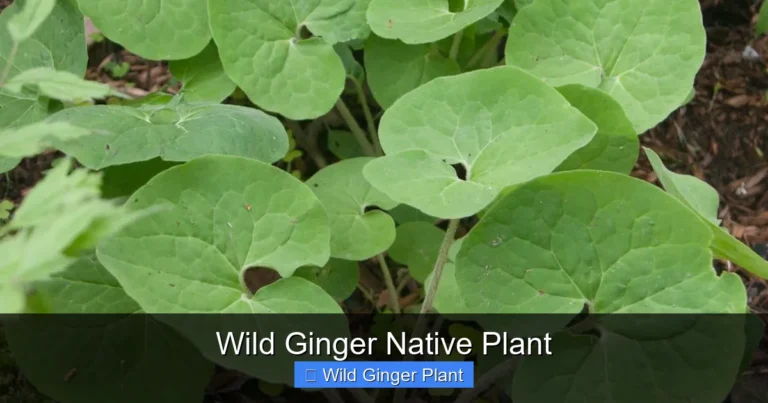
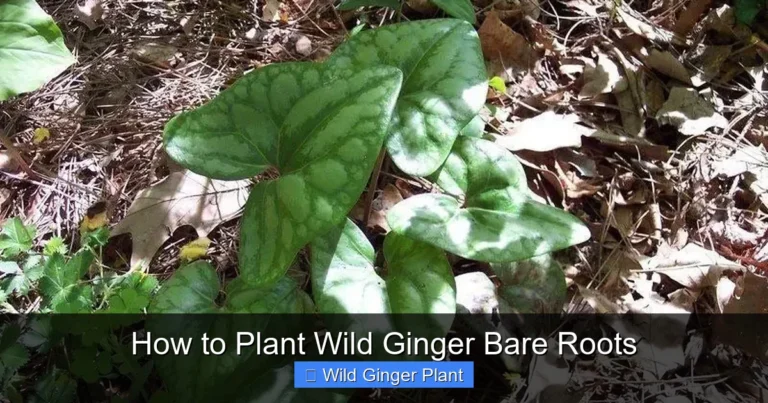
Look for a pair of broad, heart‑shaped leaves. They grow close to the ground. The leaf veins run parallel. The leaves are usually a deep green color. They have a smooth texture without hairs.
Wild ginger plants in ga have a distinct spicy aroma. Crush a leaf and sniff. The scent is sweet and peppery. This smell separates them from look‑alikes. The aroma is strongest in fresh spring growth.
The rhizome is thick, beige, and knobby. It lies just under the soil surface. Gently brush away leaf litter to see it. The rhizome often branches in a shallow network. Do not pull the rhizome; cut it cleanly.
Do not confuse with similar plants. Canada ginger has hairy stems. Wild ginger stems are smooth. The leaf shape of Canada ginger is more rounded. Use multiple traits to confirm identity.
Identification Checklist
Heart‑shaped leaves present.
Spicy scent when crushed.
Rhizome near surface.
Smooth, hairless stem.
Tools and Gear for wild ginger plants in ga
A small hand trowel works best. It lets you lift soil without cutting roots. A narrow blade reduces damage. Choose a stainless steel blade for durability. Keep the edge sharp for clean cuts.
Wear sturdy gloves. They protect your hands from thorns and insects. Gloves also keep the rhizome clean. Leather or nitrile gloves are good choices. Avoid cotton gloves that soak up moisture.
Bring a basket or cloth bag. Plastic bags trap moisture and cause rot. A breathable container keeps the harvest fresh. A woven basket allows air flow. Line the basket with a clean cloth if needed.
Carry a field guide or phone app. It helps confirm the species on site. Quick reference prevents mistakes. Many apps work offline in remote areas. A printed guide is a reliable backup.
Gear Maintenance
Clean tools after each use. Soil buildup spreads disease. A brush and water are enough. Dry the tools before storage. Regular cleaning extends tool life.
Sharpen the trowel edge yearly. A sharp blade cuts cleanly. Clean cuts heal faster for the plant. Use a fine file or sharpening stone. Test the edge on a piece of wood.
Store gloves dry. Damp gloves grow mold. Mold can transfer to the next harvest. Hang gloves in a ventilated area. Replace gloves if they show wear.
Harvesting Responsibly wild ginger plants in ga
Take only a few rhizomes from each patch. Leave at least half the plants untouched. This ensures future growth. The one‑third rule is a good guideline. Harvesting lightly maintains colony health.
Cut the rhizome with a clean knife. Pulling can tear the root system. A clean cut reduces stress. Use a sharp knife or pruning shears. Make the cut just above a node if possible.
Re‑cover the hole with leaf litter. This protects the remaining roots. It also hides the site from other foragers. Replace the exact same litter you removed. This restores the microhabitat quickly.
Record the location and date. A simple notebook works. Good records help you monitor populations over years. Note the size of the patch and the number taken. Share data with local conservation groups if appropriate.
Ethical Foraging Principles
Follow the “one‑third” rule. Harvest no more than one third of a colony. The rest stays to reproduce. This rule applies to many wild edibles. It balances use and conservation.
Respect wildlife. Avoid disturbing nesting birds or amphibians. Step lightly and keep noise low. Observe from a distance when possible. Your presence should be minimal.
Leave no trash. Pack out all packaging. Preserve the forest for everyone. Carry a small bag for waste. A clean site encourages others to follow suit.
Preserving and Using wild ginger plants in ga
Rinse rhizomes in cold water. Pat them dry with a towel. Slice thin for quick drying. Uniform slices dry evenly. A mandoline makes consistent cuts easy.
Dry slices on a screen in a warm, airy spot. Turn daily until brittle. Store in a sealed jar away from light. A dark pantry preserves flavor for months. Label the jar with the harvest date.
Fresh rhizomes can be grated into tea. The flavor is warm and slightly sweet. Add honey if you like. A teaspoon of grated rhizome per cup is enough. Steep for five minutes and strain.
Use the dried powder in soups, stews, or baked goods. A pinch adds depth without heat. Sprinkle into cookie dough for a subtle spice. Experiment with small amounts first.
Simple Recipes
Ginger tea: steep one teaspoon dried slices in hot water for five minutes. Strain and enjoy. Add lemon for brightness.
Ginger syrup: simmer equal parts water and sugar with a handful of fresh slices. Cool and bottle. Use in cocktails or drizzle over pancakes.
Ginger stir‑fry: add grated fresh rhizome to vegetables at the end of cooking. It brightens the dish. Pair with soy sauce and garlic.
Storage Tips
Store dried ginger in a cool dark cupboard. Check the jar monthly for moisture. Discard any pieces that show mold. Proper storage keeps flavor for a year.
Conclusion
Finding wild ginger plants in ga is rewarding. You connect with nature and gain a tasty ingredient. Follow the tips above for safe, legal, and sustainable foraging. Share your knowledge with fellow foragers. Community stewardship keeps the resource abundant.
Share your finds with local foraging groups. Online forums and social media pages can help you learn new spots. Community knowledge grows faster than solo effort.
Remember to respect the land, the plants, and other foragers. Happy hunting!
Frequently Asked Questions
Is a permit required to forage wild ginger plants in ga on public land?
Many state parks and wildlife areas require a foraging permit. Check the specific site regulations before you go.
How do I tell wild ginger plants in ga from look‑alikes?
Look for heart‑shaped leaves, a spicy scent when crushed, and a smooth, hairless stem.
What is the sustainable harvest limit for wild ginger plants in ga?
Harvest no more than one third of a colony each season to keep the population healthy.
Can I cultivate wild ginger plants in ga in my garden?
Yes, they adapt well to shady, moist garden beds with rich organic soil.
Are there any toxic look‑alikes for wild ginger plants in ga?
Canada ginger has hairy stems and a different scent; it is not toxic but not the same species.
How should I store harvested wild ginger plants in ga?
Rinse, dry, and keep rhizomes in a sealed jar in a cool dark place for long‑term storage.