Wild Ginger Shade Plant
The wild ginger shade plant is a low‑maintenance perennial that thrives in deep shade. It offers attractive heart‑shaped leaves and subtle flowers, supports pollinators, and spreads gently to form a lush ground cover.
If you have a shady corner that feels empty, the wild ginger shade plant might be the perfect answer. This hardy perennial loves low light and adds texture without demanding much attention. Gardeners of all skill levels appreciate its quiet beauty and reliable performance.
In this guide you will learn what makes the wild ginger shade plant special, how to plant it, how to keep it thriving, and how to multiply it for more coverage. You will also find solutions to the few problems that can appear. Let’s dive in.
Key Takeaways
- Shade tolerance: The wild ginger shade plant flourishes where few other plants survive.
- Easy care: Minimal watering and fertilizing keep it healthy.
- Wildlife friendly: Its flowers attract bees and beneficial insects.
- Ground cover: It spreads slowly to suppress weeds.
- Propagation options: Division, seed, and rhizome cuttings all work well.
- Design versatility: Use it under trees, along pathways, or in woodland gardens.
- Few pests: It rarely suffers from serious insect or disease problems.
Quick Answers to Common Questions
How much shade does the wild ginger shade plant need?
It thrives in full to partial shade and dislikes direct afternoon sun.
When is the best time to divide the wild ginger shade plant?
Early spring, just as new growth begins, is ideal for division.
Can the wild ginger shade plant grow in containers?
Yes, use a deep pot with rich, well‑draining soil and keep it in a shaded location.
Does the wild ginger shade plant attract pollinators?
Its early spring flowers provide nectar for native bees and other beneficial insects.
What soil pH does the wild ginger shade plant prefer?
It prefers slightly acidic to neutral soil, roughly pH 5.5 to 7.0.
📑 Table of Contents
What Is the Wild Ginger Shade Plant?
Botanical background
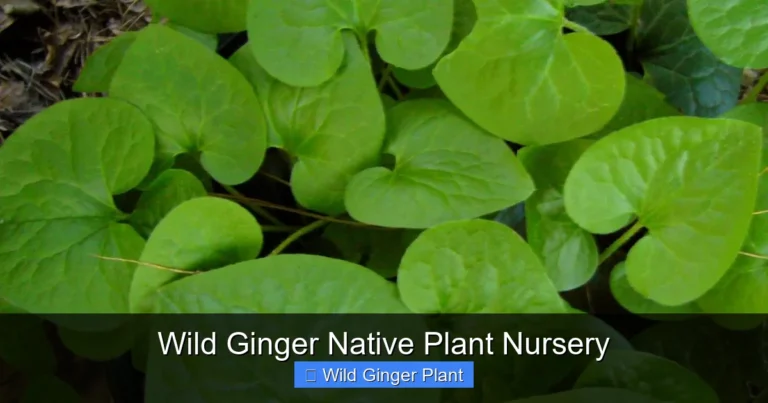
The wild ginger shade plant belongs to the genus Asarum. It is a member of the birthwort family. The plant produces kidney‑shaped leaves that stay green all season. Small, bell‑shaped flowers hide beneath the foliage in early spring.
Native range and habitat
Native to moist woodlands of North America and parts of Asia, the wild ginger shade plant prefers rich, humus‑rich soil. It grows naturally under deciduous trees where dappled light filters through. This background explains its love for deep shade and consistent moisture.
Common names
You may hear it called Canadian wild ginger, heartleaf ginger, or simply wild ginger. All names refer to the same shade‑loving perennial. Knowing the common names helps when you shop at nurseries or search online.
Why Choose Wild Ginger Shade Plant for Your Garden?
Low maintenance beauty
Once established, the wild ginger shade plant needs little water. It tolerates dry spells better than many shade plants. Its evergreen foliage provides year‑round interest without pruning.
Wildlife benefits
Early spring flowers supply nectar for native bees. The dense leaf mat shelters small insects and amphibians. Adding this plant supports a healthy garden ecosystem.
Design versatility
Use the wild ginger shade plant as a ground cover under trees. Plant it along shaded walkways for a soft edge. Combine it with ferns and hostas for a layered woodland look. Its low height keeps sight lines open.
Planting and Site Preparation
Selecting the right spot
Choose a location with full to partial shade. Avoid areas with harsh afternoon sun. The wild ginger shade plant thrives where soil stays cool and moist.
Soil preparation
Loosen the top twelve inches of soil. Mix in compost or well‑rotted leaf mold. Aim for a slightly acidic to neutral pH. Good drainage prevents root rot while retaining moisture.
Planting steps
Dig a hole twice as wide as the root ball. Place the plant so the crown sits at soil level. Backfill with amended soil. Water thoroughly to settle the roots. Space plants twelve to eighteen inches apart for a full mat.
Ongoing Care and Maintenance
Watering guidelines
Water new plantings twice a week for the first month. After establishment, water during prolonged dry periods. The wild ginger shade plant prefers consistent moisture but dislikes soggy soil.
Mulching and fertilizing
Apply a two‑inch layer of shredded leaves or bark mulch each spring. Mulch conserves moisture and adds organic matter. A light application of balanced organic fertilizer in early spring supports growth.
Pruning and division
Remove any damaged leaves in late winter. Every three to four years, divide clumps in early spring. Division rejuvenates the plant and provides new starts for other garden areas.
Propagation Methods
Division
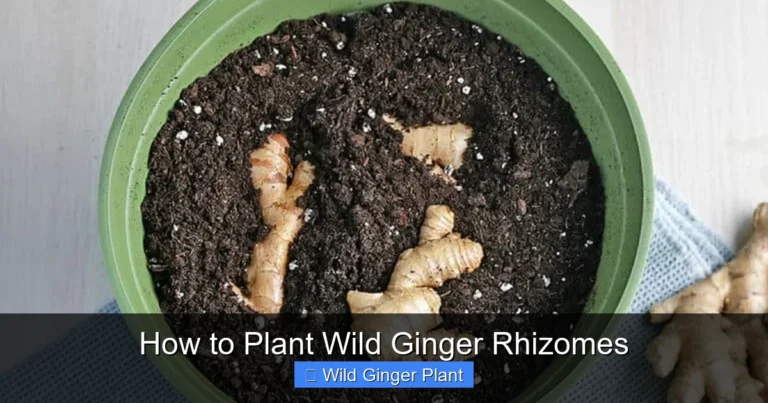
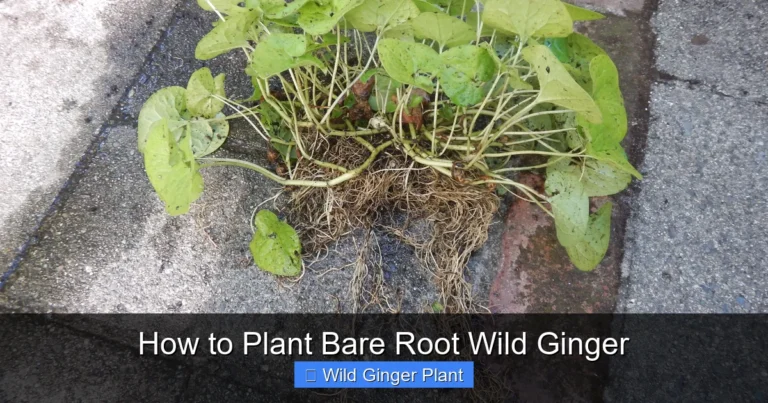
Dig up a mature clump in early spring. Separate the rhizomes with a clean knife. Replant each piece at the same depth. Water well. Division is the fastest way to expand your wild ginger shade plant collection.
Seed sowing
Collect seeds from mature pods in late summer. Sow seeds in a cold frame or directly in prepared soil in fall. Seeds need a period of cold stratification. Germination can take several weeks.
Rhizome cuttings
Cut healthy rhizome sections about three inches long. Plant horizontally just below the soil surface. Keep moist and shaded. New shoots appear in four to six weeks. This method works well for large‑scale planting.
Common Problems and Solutions
Pests
Slugs and snails may nibble young leaves. Hand‑pick at night or use beer traps. Diatomaceous earth around plants deters them. The wild ginger shade plant rarely suffers serious insect damage.
Diseases
Root rot occurs in poorly drained soil. Ensure good drainage and avoid overwatering. Leaf spot can appear in humid conditions. Remove affected leaves and improve air circulation.
Environmental stress
Excessive sun causes leaf scorch. Relocate plants to deeper shade if needed. Drought stress shows as wilting. Increase watering and mulch to retain moisture.
Conclusion
The wild ginger shade plant offers a simple solution for difficult shady spots. Its attractive foliage, early flowers, and wildlife value make it a garden favorite. With minimal care, it spreads to form a living carpet that suppresses weeds and adds texture. Whether you are a beginner or an experienced gardener, adding this perennial will bring quiet beauty to your landscape for years to come.
Frequently Asked Questions
Is the wild ginger shade plant invasive?
No, it spreads slowly by rhizomes and does not aggressively overtake other plants.
Can I eat the roots of the wild ginger shade plant?
The rhizomes have a ginger‑like aroma but are not commonly used for culinary purposes; they are best enjoyed as an ornamental.
How long does it take for the wild ginger shade plant to form a dense mat?
With proper spacing and care, a full ground cover typically develops within two to three growing seasons.
What companion plants work well with the wild ginger shade plant?
Ferns, hostas, foamflower, and woodland phlox complement its texture and shade requirements.
Does the wild ginger shade plant need winter protection?
In most climates it is hardy to USDA zone 4; a light mulch layer in late fall helps protect roots in colder zones.
Can the wild ginger shade plant tolerate dry shade?
It prefers consistent moisture but can survive short dry periods once established; mulching improves drought tolerance.