Wild Ginger Plant Pennsylvania
Wild ginger plant Pennsylvania is a low‑growing native perennial that thrives in shady woodlands. Its heart‑shaped leaves and hidden flowers make it a favorite for native plant gardens and foragers alike.
When you walk through a Pennsylvania forest in early spring you may notice a low carpet of green hugging the forest floor. That carpet is often the wild ginger plant Pennsylvania. It spreads slowly by rhizomes and forms a dense mat that feels soft underfoot. Many hikers love the subtle scent that rises when the leaves are brushed.
This guide will walk you through everything you need to know about the wild ginger plant Pennsylvania. We will cover identification, ecology, uses, garden cultivation, conservation, and practical spotting tips. By the end you will feel confident recognizing and appreciating this native gem.
Key Takeaways
- Identification: Look for kidney‑shaped leaves and a solitary brownish flower near the ground.
- Habitat: Prefers moist, rich soils in deciduous forests across the state.
- Uses: Historically used for medicinal tea and as a subtle flavoring in cooking.
- Garden cultivation: Plant in shade with humus‑rich soil; keep consistently moist.
- Conservation: Harvest responsibly and follow Pennsylvania regulations to protect wild populations.
- Spotting tips: Best seen in early spring before canopy closure.
- Legal note: Check local rules before collecting any part of the plant.
Quick Answers to Common Questions
What does wild ginger plant Pennsylvania look like?
It has kidney‑shaped glossy leaves and a small maroon flower that hides under leaf litter.
Can I eat wild ginger plant Pennsylvania?
Yes, the rhizome is edible and has a mild ginger flavor, but harvest sparingly.
Where is the best place to find wild ginger plant Pennsylvania?
Moist, shady woodlands across the state, especially on north‑facing slopes near streams.
Is wild ginger plant Pennsylvania protected?
It is not listed as threatened, but collection on public lands may need a permit.
How do I grow wild ginger plant Pennsylvania in my garden?
Plant rhizome pieces in shade, humus‑rich soil, keep moist, and mulch well.
📑 Table of Contents
What Is Wild Ginger?
Botanical Overview
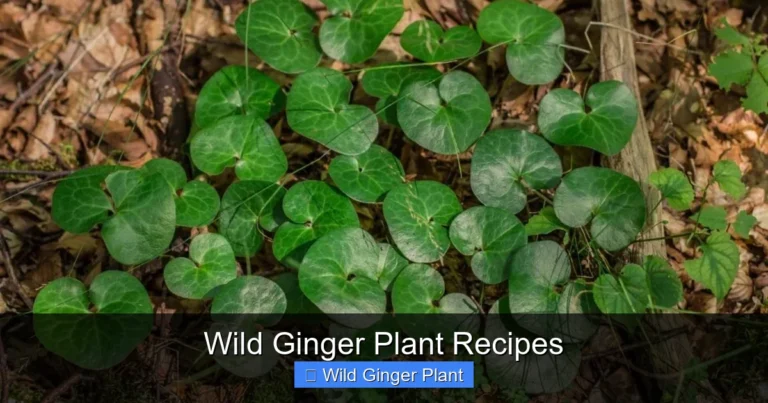
The wild ginger plant Pennsylvania belongs to the genus Asarum. The most common species in the state is Asarum canadense. It is a perennial herb that grows from a creeping rhizome. The plant reaches only four to six inches tall. Its leaves are kidney shaped and have a glossy surface. The flowers are solitary, bell shaped, and hide beneath the leaf litter. They are usually a deep maroon color.
Common Names
People call it wild ginger, Canadian wild ginger, or simply ginger root. The name comes from the aromatic rhizome that smells like culinary ginger. However it is not related to the tropical ginger used in cooking. The wild ginger plant Pennsylvania is a completely different family.
Range in Pennsylvania
You can find the wild ginger plant Pennsylvania in every county. It thrives in the Appalachian plateau, the Ridge and Valley region, and the Piedmont. It prefers moist, well‑drained soils under a canopy of oak, maple, and beech. The plant is most abundant in the northern and central parts of the state.
Identifying Wild Ginger in Pennsylvania
Leaf Characteristics
The leaves are the easiest feature to spot. Each leaf grows on a short petiole. The blade is heart shaped with a deep notch at the base. The margins are smooth. The upper surface is dark green and shiny. The underside is lighter and often slightly hairy.
Flower Details
The flower appears in April or May. It sits on a short stalk that emerges from the rhizome. The three sepals form a tube that hides the true petals. The color ranges from purplish brown to almost black. Because the flower stays low it is often missed by casual walkers.
Root and Rhizome
The rhizome is thick, fleshy, and aromatic. When you snap a piece it releases a spicy ginger scent. The rhizome grows horizontally just below the soil surface. It sends up new shoots each year. This growth habit helps the wild ginger plant Pennsylvania form colonies.
Habitat Clues
Look for the plant in rich, moist woodlands. It likes areas with a thick layer of leaf litter. You will often see it near streams, on north‑facing slopes, and in ravines. The presence of other shade‑loving plants like trillium and bloodroot is a good indicator.
Ecological Role and Benefits
Pollinator Support
The hidden flowers are pollinated by small flies and beetles. These insects crawl into the flower tube seeking nectar. In return they transfer pollen. The wild ginger plant Pennsylvania thus contributes to early season pollinator food webs.
Soil Stabilization
The dense mat of rhizomes holds soil in place on slopes. This reduces erosion during heavy rains. The leaf litter that accumulates on top adds organic matter. Over time the soil becomes richer and more moisture retentive.
Medicinal Uses
Indigenous peoples used the rhizome to treat colds, digestive upset, and headaches. Early settlers brewed a tea from the root. Modern herbalists still value the plant for its anti‑inflammatory compounds. Always consult a professional before using any wild plant medicinally.
Culinary Uses
The rhizome can be candied or used as a mild flavoring in syrups. The taste is less pungent than tropical ginger. Some chefs incorporate it into desserts for a subtle woodsy note. Remember to harvest only a small portion from a large colony.
How to Grow Wild Ginger in Your Garden
Site Selection
Choose a shady spot that mimics a forest floor. Dappled light under deciduous trees works well. Avoid full sun which can scorch the leaves. The wild ginger plant Pennsylvania prefers a cool microclimate.
Soil Preparation
Amend the planting area with plenty of compost or leaf mold. Aim for a pH between 5.5 and 6.5. Good drainage is essential but the soil should stay consistently moist. A thick mulch layer helps retain moisture.
Planting Steps
Plant rhizome sections about one inch deep. Space them six to eight inches apart. Water thoroughly after planting. Keep the area weed free during the first season. The plants will slowly spread and fill in.
Care and Maintenance
Water during dry spells. Apply a light layer of compost each spring. Remove any invasive species that compete for resources. The wild ginger plant Pennsylvania is generally pest free.
Common Pests and Diseases
Slugs may chew the tender leaves in wet weather. Hand pick them or use beer traps. Fungal leaf spots can appear in overly humid conditions. Improve air circulation by thinning nearby vegetation.
Conservation Status and Legal Considerations
State Regulations
Pennsylvania does not list the wild ginger plant Pennsylvania as threatened. However, collection on state lands may require a permit. Always check the Pennsylvania Department of Conservation and Natural Resources website for current rules.
Harvest Guidelines
If you forage, take only a small piece of rhizome from a large colony. Leave at least two thirds of the plant intact. This ensures the colony can recover. Never dig up the entire plant.
Ethical Foraging
Respect private property and obtain permission. Follow the “leave no trace” principle. Share knowledge with others to promote sustainable use. The wild ginger plant Pennsylvania will thrive if we all act responsibly.
Tips for Spotting Wild Ginger on Hikes
Best Times of Year
Early April through late May is prime time. The leaves emerge before the canopy closes. Flowers are present but hidden. By summer the foliage may die back in dry conditions.
Trail Recommendations
Try the trails in Ricketts Glen State Park, Cook Forest, and the Allegheny National Forest. These areas have rich mesic forests where the wild ginger plant Pennsylvania flourishes. Look along stream banks and north‑facing slopes.
Safety Tips
Wear sturdy boots and watch for slippery rocks. Carry a field guide or a phone app for confirmation. Do not consume any plant unless you are 100 percent certain of its identity. Enjoy the hunt and the quiet of the woods.
Conclusion
The wild ginger plant Pennsylvania is a subtle but valuable part of our native flora. It offers beauty, ecological services, and a connection to cultural heritage. Whether you are a gardener, a forager, or a hiker, learning to recognize this plant enriches your outdoor experience. Take the time to observe its heart‑shaped leaves and hidden flowers. Share what you learn with friends and family. Together we can ensure that future generations will also enjoy the quiet presence of wild ginger on the forest floor.
Frequently Asked Questions
What is the scientific name of wild ginger plant Pennsylvania?
The most common species is Asarum canadense, a member of the Aristolochiaceae family.
When does wild ginger plant Pennsylvania bloom?
Flowers appear from early April to late May, often hidden beneath the leaves.
Can wild ginger plant Pennsylvania be used for tea?
Traditionally the rhizome is brewed into a tea for colds and digestion, but consult a professional before use.
How fast does wild ginger plant Pennsylvania spread?
It spreads slowly by rhizomes, forming a dense mat over several years.
What pests affect wild ginger plant Pennsylvania?
Slugs and occasional fungal leaf spots are the main issues; good air flow reduces disease.
Do I need a permit to collect wild ginger plant Pennsylvania on state land?
Check the Pennsylvania DCNR regulations; a permit may be required for any plant collection.