Wild Ginger Plant Ontario
Wild ginger (Asarum canadense) is a native Ontario woodland perennial with heart-shaped leaves and hidden bell-shaped flowers. This low-growing groundcover thrives in shady, moist forests across the province and has a long history of Indigenous medicinal and culinary use. Learn how to identify, ethically harvest, and cultivate this fascinating native plant in your own shade garden.
If you’ve ever wandered through an Ontario forest in late spring and caught a whiff of something spicy and familiar rising from the forest floor, you might have stumbled upon one of our province’s most charming native plants. Wild ginger (Asarum canadense) isn’t the same ginger you buy at the grocery store for stir-fries and teas. It’s a completely different species, native to eastern North America, and it has a quiet beauty that rewards the curious observer.
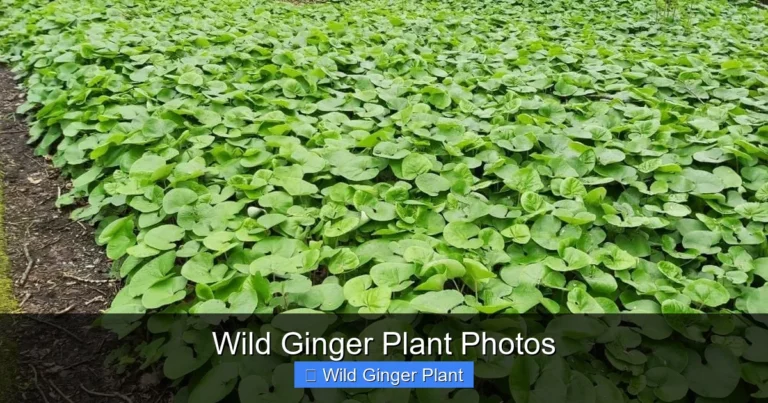
This low-growing perennial forms lush carpets in rich, moist woodlands across southern and central Ontario. Its heart-shaped leaves emerge in pairs each spring, creating a living mulch that suppresses weeds and holds moisture. But the real magic happens at ground level, where unusual jug-shaped flowers hide beneath the foliage, pollinated not by bees but by tiny flies and beetles. For gardeners, foragers, and nature lovers alike, wild ginger offers a fascinating window into Ontario’s botanical heritage.
Key Takeaways
- Native Species: Asarum canadense is Ontario’s only native wild ginger, distinct from tropical culinary ginger (Zingiber officinale).
- Habitat Preference: Thrives in rich, moist deciduous forests with dappled shade and humus-rich soil across southern and central Ontario.
- Identification Features: Heart-shaped leaves in pairs, hidden reddish-brown flowers at ground level, and a distinct ginger-like aroma when crushed.
- Ethical Harvesting: Never dig up wild plants; propagate from nursery stock or divide established garden patches to protect wild populations.
- Medicinal History: Used traditionally by Indigenous peoples for colds, digestive issues, and as a poultice, though modern use requires caution due to aristolochic acid content.
- Garden Value: Excellent native groundcover for shade gardens, deer-resistant, and supports native pollinators like beetles and flies.
- Conservation Status: Not currently at risk in Ontario, but habitat loss and over-harvesting pose threats to local populations.
Quick Answers to Common Questions
Is wild ginger the same as the ginger I buy at the grocery store?
No, wild ginger (Asarum canadense) is a completely different plant from culinary ginger (Zingiber officinale). They are not related. Wild ginger is a native North American woodland perennial, while culinary ginger is a tropical plant. The name comes from the similar spicy aroma of the rhizome.
Can I eat wild ginger from my garden?
While historically used as a flavoring and medicine, modern research shows wild ginger contains aristolochic acids, which are kidney-toxic and carcinogenic. Health Canada advises against internal use. Enjoy it as an ornamental native groundcover instead.
Where can I buy wild ginger plants in Ontario?
Purchase from ethical native plant nurseries that propagate their own stock, such as Native Plant Source, Grow Wild! Native Plant Nursery, or through Conservation Authority plant sales. Never dig plants from the wild.
When does wild ginger bloom in Ontario?
Wild ginger typically flowers in May through early June in southern Ontario, and mid-May to late May in central/northern regions. The flowers are hidden at ground level beneath the leaves.
Is wild ginger endangered in Ontario?
No, wild ginger is ranked S5 (Secure) in Ontario. It is not considered at risk provincially or nationally. However, local populations face threats from habitat loss, invasive species, and over-harvesting.
📑 Table of Contents
Getting to Know Ontario’s Wild Ginger
What Exactly Is Wild Ginger?
Let’s clear up the most common confusion right away. Wild ginger (Asarum canadense) is not related to culinary ginger (Zingiber officinale). They belong to entirely different plant families. Culinary ginger is a tropical member of the Zingiberaceae family, grown for its knobby rhizome. Our native wild ginger belongs to the Aristolochiaceae family, commonly called the birthwort family. The name “wild ginger” comes from the rhizome’s scent. When you scratch or crush the underground stem, it releases a warm, spicy aroma remarkably similar to true ginger.
This plant goes by several common names. You might hear it called Canada wild ginger, Canadian snakeroot, or simply wild ginger. In French, it’s known as asaret du Canada or gingembre sauvage. The genus name Asarum comes from the Greek word asaron, used by Dioscorides for a similar European species. The species epithet canadense means “of Canada,” reflecting its northern distribution.
Where Does It Grow in Ontario?
Wild ginger has a broad range across eastern North America, stretching from Manitoba east to the Maritime provinces and south into the United States. In Ontario, you’ll find it primarily in the southern and central regions. It thrives in the Carolinian zone, the Mixedwood Plains, and extends into the southern reaches of the Boreal Shield. Essentially, if you’re in a rich, mature deciduous forest south of the Canadian Shield’s rocky expanse, you’re in wild ginger territory.
Look for it in sugar maple-beech forests, basswood stands, and rich floodplain woods. It loves calcium-rich soils, so limestone or dolostone bedrock areas often host robust populations. The plant is an indicator species. Its presence suggests a high-quality, relatively undisturbed woodland with rich organic soil. You won’t typically find it in pine plantations, young successional woods, or dry, sandy sites.
Life Cycle Through the Seasons
Understanding wild ginger’s annual rhythm helps with identification and appreciation. In early April, as the snow recedes, the plant is dormant. The rhizomes lie just below the soil surface, waiting for warmth. By late April to early May, fuzzy, tightly folded leaf shoots push up through the leaf litter. They unfurl rapidly into the characteristic heart-shaped leaves.
Flowering happens early, typically May through early June. The flowers are easy to miss. They sit at ground level, nestled in the leaf axils, often hidden by last year’s decaying leaves. Each flower is a solitary, bell-shaped structure with three pointed sepals fused into a tube. The color is a deep, purplish-brown or maroon. There are no petals. The interior is often paler, sometimes with a whitish throat.
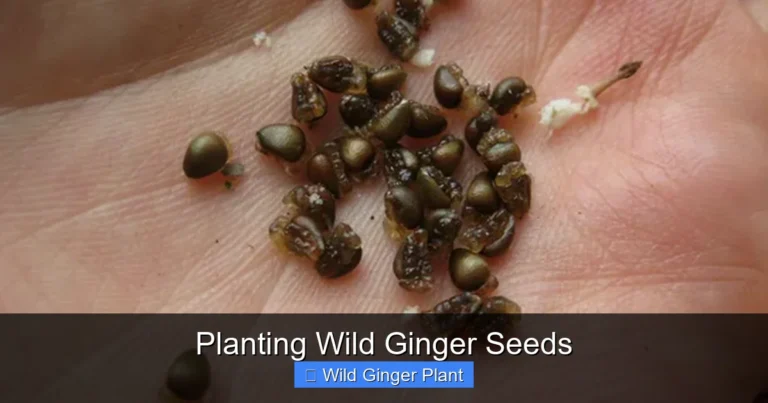
After pollination, the flower develops into a fleshy capsule that splits open when ripe, usually by July. Seeds have an elaiosome, a fatty attachment that attracts ants. Ants carry the seeds to their nests, eat the elaiosome, and discard the seed in their nutrient-rich midden heaps. This is myrmecochory, ant-mediated seed dispersal. It’s a slow process. A wild ginger colony expands only centimeters per year.
Through summer, the foliage remains attractive if moisture is adequate. In dry spells, leaves may wilt or go dormant early. Come autumn, the leaves yellow and die back, returning nutrients to the rhizome. The plant overwinters as a dormant rhizome with next year’s buds already formed at the tips.
Identifying Wild Ginger with Confidence
Key Visual Characteristics
Identification is straightforward once you know what to look for. The plant is a low perennial, typically 10 to 25 centimeters tall. It grows from a shallow, branching rhizome that creeps horizontally just below the soil surface. The rhizome is about the thickness of a pencil, brown on the outside, white inside, and strongly aromatic.
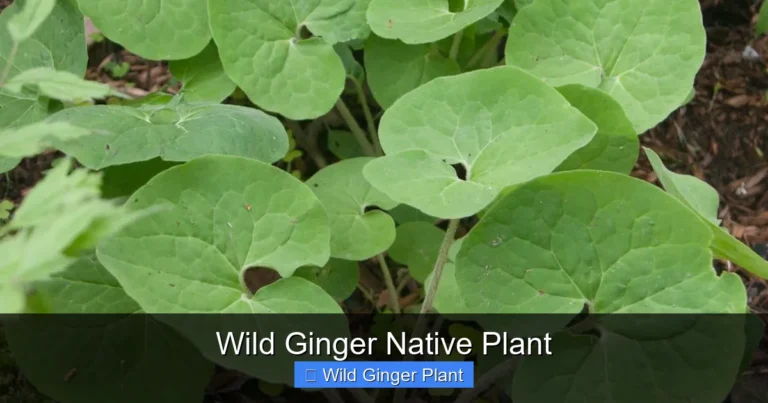
Leaves are the most obvious feature. They are basal, meaning they arise directly from the rhizome. Each year, the rhizome tip produces two leaves on long, hairy petioles (leaf stalks). The leaf blades are heart-shaped (cordate) to kidney-shaped (reniform), 5 to 15 centimeters wide. The upper surface is deep green, softly hairy when young, becoming smoother with age. The underside is paler and more densely hairy. Leaf margins are entire (smooth, not toothed). The veins are palmate, radiating from the base like fingers on a hand.
The flowers are unique. They emerge on short stalks from the base of the leaf petioles. Each flower has three sepals fused into a cup or bell shape, 1 to 2 centimeters long. The tips of the sepals flare outward or curve back slightly. Color ranges from brownish-purple to reddish-brown. The interior has 12 stamens and 6 styles. The ovary is inferior. There is no floral scent detectable by humans, though the flowers may emit odors that mimic fungi to attract their pollinators.
Common Look-Alikes and How to Tell Them Apart
Several plants might confuse a beginner. Violets (Viola spp.) also have heart-shaped leaves and grow in similar habitats. But violet leaves have toothed margins, and their flowers are showy, held above the foliage on distinct stalks, with five petals. Wild ginger leaves are smooth-edged, and flowers are ground-level and petal-less.
Bloodroot (Sanguinaria canadensis) emerges at the same time in similar woods. Its leaves are deeply lobed, almost like a fig leaf, not simple hearts. The flower is showy white with many petals, opening in sunlight. Bloodroot’s rhizome is thick and exudes bright orange-red sap when cut. Wild ginger rhizome is thinner and smells like ginger.
Twinleaf (Jeffersonia diphylla) has leaves divided into two symmetrical lobes, looking like butterfly wings. It’s rarer and restricted to very rich, often limestone-based woods. Its flower is white, cup-shaped, and short-lived.
European wild ginger (Asarum europaeum) is sometimes planted in gardens and can escape. Its leaves are evergreen, leathery, and glossier than our native species. The flowers are similar but slightly smaller. If you’re in a natural forest far from old homesteads, you’re almost certainly looking at the native Asarum canadense.
The Scent Test
The most definitive field identification is the smell. Gently scratch the rhizome with your fingernail or break a small piece. A strong, sweet, ginger-spice aroma confirms it. Do this sparingly. Damaging the rhizome can kill the plant. Better yet, crush a leaf stem. It also carries the scent, though less intensely. Never uproot a plant just to check the smell.
Ecological Role and Wildlife Value
A Foundation Species for Forest Floor Communities
Wild ginger plays a quiet but vital role in Ontario’s forest ecosystems. As a clonal perennial, it forms extensive mats that stabilize soil on slopes and ravines. The dense leaf cover reduces erosion from heavy rains and slows surface runoff. The decaying leaves contribute to the humus layer, building soil structure and fertility over decades.
These mats create microhabitats. The cool, moist environment beneath the leaves shelters amphibians like red-backed salamanders and wood frogs. Small mammals such as shrews and mice forage in the litter layer. The rhizome network hosts mycorrhizal fungi, connecting the plant to the broader forest nutrient web.
Unique Pollination Strategy
The flowers are a masterpiece of evolutionary ingenuity. They bloom early, before the canopy closes, but they don’t advertise with bright colors or sweet nectar. Instead, they mimic fungi. The dark color, ground-level position, and possible fungal scents attract fungus gnats, small flies, and beetles that normally lay eggs in mushrooms.
These insects enter the flower tube, crawl around the reproductive parts, and pick up or deposit pollen. The flower offers no nectar reward. It’s a deception strategy. Some insects may become trapped temporarily by the inward-pointing hairs inside the tube, ensuring thorough pollen contact. It’s a slow, inefficient system compared to bee pollination, but it works in the cool, dim understory where bees are scarce.
Seed Dispersal by Ants
The ant-seed partnership (myrmecochory) is another fascinating adaptation. The seeds bear a fleshy, lipid-rich appendage called an elaiosome. Ants, particularly Aphaenogaster species, harvest the seeds and carry them to their nests. They feed the elaiosome to their larvae and discard the intact seed in the nest’s refuse pile or a dedicated chamber.
This benefits the plant in several ways. Seeds are moved away from the parent, reducing competition. They’re planted in nutrient-rich, aerated soil. They’re protected from seed-eating rodents. And they’re dispersed to potentially suitable new microsites. However, dispersal distances are short, usually under a meter. This explains why wild ginger colonies are often discrete patches rather than scattered individuals.
Deer Resistance and Herbivory
Good news for gardeners: white-tailed deer generally avoid wild ginger. The leaves contain aromatic compounds and possibly aristolochic acids that make them unpalatable. In areas with heavy deer browse, wild ginger often persists where other spring ephemerals like trilliums are decimated. However, slugs and snails may feed on the tender young leaves in wet springs. Some insects, like the larva of the pipevine swallowtail butterfly (Battus philenor), specialize on Asarum species, though this butterfly is rare in Ontario.
Traditional Uses and Modern Perspectives
Indigenous Knowledge and Uses
Wild ginger has a long history of use by Indigenous peoples across its range, including the Anishinaabe, Haudenosaunee, and other nations in what is now Ontario. The rhizome was the primary part used. It was harvested sustainably, taking only what was needed and leaving the plant to regrow.
Medicinally, wild ginger rhizome was used as a tea or decoction for a wide range of ailments. It treated colds, coughs, sore throats, and fevers. It was valued as a digestive aid for stomach aches, gas, and indigestion. Externally, a poultice of mashed fresh rhizome was applied to wounds, burns, and skin infections. Some traditions used it for menstrual cramps or as a general tonic.
Culinarily, the rhizome served as a flavoring agent. It was added to meats, stews, and vegetables. The fresh or dried rhizome could substitute for tropical ginger in many recipes. The leaves were sometimes used to wrap foods for cooking, imparting a subtle flavor. It was also used to make a fermented beverage.
Beyond medicine and food, the plant had spiritual and ceremonial significance. Some nations used it in purification rituals or as a protective charm. The knowledge of when, how, and why to harvest was passed down through generations, embedded in a holistic understanding of the forest ecosystem.
Early European Adoption
European settlers quickly learned about wild ginger from Indigenous neighbors. It appeared in early pharmacopeias and herbals. The rhizome was official in the United States Pharmacopeia from 1820 to 1882. It was used as a stimulant, carminative (relieves gas), diaphoretic (induces sweating), and expectorant. Settlers also used it as a ginger substitute in cooking, especially when imported spices were scarce or expensive.
Modern Safety Concerns: Aristolochic Acid
Here’s where modern science urges caution. Wild ginger contains aristolochic acids, compounds found in the Aristolochiaceae family. These compounds are nephrotoxic (kidney-damaging) and carcinogenic. Long-term or high-dose consumption of plants containing aristolochic acid has been linked to kidney failure and upper urinary tract cancers. This is a serious, well-documented risk.
The concentration of aristolochic acid in Asarum canadense varies. It’s generally lower than in some tropical Aristolochia species used in traditional Chinese medicine that caused major health crises. However, the risk is real. Health Canada and the FDA advise against internal use of wild ginger. External use as a poultice carries less risk but isn’t zero.
If you’re interested in the flavor, use the rhizome sparingly as a seasoning, not a staple. Better yet, enjoy the plant visually and ecologically in your garden. For medicinal purposes, consult a qualified healthcare provider. There are many safer herbs for digestive and respiratory support. Respect the traditional knowledge, but filter it through modern toxicology.
Growing Wild Ginger in Your Ontario Garden
Why Cultivate This Native Groundcover?
If you have a shady yard, wild ginger is a superstar. It forms a dense, weed-suppressing carpet that stays attractive all season. It’s deer-resistant, low-maintenance, and deeply rooted in the local ecology. By planting it, you’re restoring a piece of native habitat. You’ll support native pollinators, provide cover for beneficial insects, and create a living mulch that builds soil health.
It’s also a conversation starter. Visitors often mistake it for a tropical plant because of the lush, exotic-looking foliage. When you tell them it’s a native Ontario wildflower, it shifts their perception of what “native” looks like. It pairs beautifully with other shade lovers like ferns, trilliums, foamflower (Tiarella), wild columbine (Aquilegia canadensis), and Solomon’s seal (Polygonatum).
Site Selection: Mimicking the Forest Floor
Success starts with the right spot. Wild ginger needs shade. Dappled shade under deciduous trees is ideal. It can handle deep shade, but growth will be slower and flowering reduced. Avoid full sun, especially afternoon sun. The leaves will scorch and the plant will decline.
Soil is critical. Think rich forest humus. The soil should be high in organic matter, moisture-retentive but well-drained, and slightly acidic to neutral (pH 5.5 to 7.0). Heavy clay is okay if amended with lots of compost and leaf mold. Sandy soil needs organic matter to hold moisture. If your soil is poor, create a planting bed by removing turf, loosening the soil, and incorporating 10 to 15 centimeters of composted leaves or well-rotted manure.
Moisture consistency is key. The site should not dry out completely in summer. A spot near a downspout (but not waterlogged), in a natural depression, or under mature trees where the canopy reduces evaporation works well. Mulch heavily with shredded leaves to mimic the forest floor.
Sourcing Plants Ethically
This is non-negotiable. Never dig plants from the wild. Wild ginger colonies take decades to establish. Removing plants destroys the colony, disturbs the soil, and opens the door for invasive species. It’s also illegal on public land without a permit and unethical on private land without explicit permission.
Buy from reputable native plant nurseries. Look for nurseries that propagate their own stock from seed or division, not wild-collected plants. In Ontario, sources like the Native Plant Source, Grow Wild! Native Plant Nursery, and many Conservation Authority plant sales offer ethically propagated wild ginger. The North American Native Plant Society maintains a list of ethical suppliers.
Expect to pay $10 to $20 for a small pot. It seems pricey for a small plant, but you’re paying for years of careful propagation. One healthy plant will spread into a substantial patch over time.
Planting and Establishment
Spring or early fall are the best planting times. Space plants 30 to 45 centimeters apart. They’ll fill in. Dig a hole twice as wide as the pot, same depth. Gently loosen the roots. Place the plant so the rhizome sits just below the soil surface, as it does in nature. Backfill, firm gently, and water deeply.
Mulch with 5 centimeters of shredded leaves. Not wood chips. Leaves break down into the humus this plant loves. Water weekly during the first growing season if rain is scarce. Once established, wild ginger is remarkably drought-tolerant for a moisture-loving plant, but it will go dormant early in dry summers.
Long-Term Care and Maintenance
Care is minimal. No fertilizer needed. The decomposing leaf mulch provides all nutrients. Leave the leaves in place each fall. They are the mulch. If the patch looks thin after a harsh winter, add a thin layer of compost in early spring before new growth emerges.
Divide clumps every 4 to 5 years in early spring or fall to rejuvenate and propagate. Dig up a section, tease apart the rhizomes, ensuring each piece has roots and a growing bud. Replant immediately. Share divisions with friends. This is how you expand your patch ethically.
Watch for slugs in wet springs. Hand-pick or use beer traps if damage is severe. Otherwise, pests are rare. Diseases are virtually non-existent in garden settings.
Container Growing
You can grow wild ginger in containers, which is great for balconies or patios with shade. Use a wide, shallow pot. The rhizome creeps horizontally. A deep pot wastes soil. Use a high-quality potting mix amended with compost and fine bark. Keep consistently moist. Overwinter in an unheated garage or bury the pot in the ground. The plant needs a cold period.
Finding Wild Ginger in Ontario’s Wild Spaces
Best Public Lands to Visit
Ontario is blessed with extensive public lands where you can see wild ginger in its element. Conservation Areas managed by Conservation Authorities are excellent. Look for mature deciduous forest tracts. The Royal Botanical Gardens in Burlington/Hamilton has extensive natural areas with wild ginger. Rouge National Urban Park in the GTA protects rich ravine systems where it thrives.
Provincial Parks with Carolinian or Great Lakes-St. Lawrence forest regions are prime spots. Rondeau Provincial Park, Point Pelee National Park, Pinery Provincial Park, and Awenda Provincial Park all have documented populations. In central Ontario, Petroglyphs Provincial Park and Kawartha Highlands Provincial Park have rich hardwood stands.
University of Guelph Arboretum, Toronto Botanical Garden, and Mississauga’s Riverwood Conservancy have labeled specimens in naturalistic settings. Many municipal nature reserves and trail systems, like the Bruce Trail sections through the Niagara Escarpment, pass through prime habitat.
When to Go for Peak Viewing
Timing matters. For flowers, aim for early to mid-May in southern Ontario, mid to late May further north. You’ll need to get down on your knees and gently move leaf litter to see them. For lush foliage, late May through June is spectacular. The leaves are fully expanded, deep green, and the patches are at their most impressive.
Autumn offers a different beauty. The leaves turn a clear, soft yellow, often persisting after other plants have browned. It’s a quiet time to visit, with fewer mosquitoes and vibrant fall colors in the canopy above.
Responsible Observation Etiquette
When visiting wild populations, practice leave-no-trace ethics. Stay on trails. Trampling compacts soil and damages the shallow rhizomes. If you must step off-trail, step on rocks or bare ground, not vegetation. Do not pick leaves or flowers. Do not dig. Take only photos. Leave only footprints.
If you’re with a group, keep it small. Large groups cause disproportionate damage. Teach children to observe with eyes, not hands. The joy of finding a hidden flower is greater when you know you’ve left it for the next visitor and for the plant’s own future.
Citizen Science Opportunities
Your observations can contribute to science. iNaturalist is a powerful platform. Upload photos with location data. Your records help track distribution, phenology (timing of life cycle events), and population health. The Ontario Plant Atlas and Natural Heritage Information Centre use citizen data to update species rankings and identify conservation priorities.
Join a local field naturalist club. Many organize spring wildflower walks led by knowledgeable botanists. It’s the best way to learn identification in the field and meet fellow plant enthusiasts. The Ontario Nature network and Federation of Ontario Naturalists can connect you with a club near you.
Conservation Status and Future Outlook
Current Status in Ontario
Good news: Asarum canadense is ranked S5 (Secure) in Ontario by the Natural Heritage Information Centre. It’s not considered at risk provincially or nationally (COSEWIC: Not at Risk). Populations are widespread and generally stable in suitable habitat.
However, “secure” doesn’t mean invulnerable. The plant faces several pressures. Habitat loss from urban expansion, agriculture, and resource extraction is the biggest threat. The rich deciduous forests it prefers are among the most fragmented ecosystems in southern Ontario. Invasive species like garlic mustard (Alliaria petiolata), dog-strangling vine (Vincetoxicum rossicum), and European buckthorn (Rhamnus cathartica) outcompete native understory plants and alter soil chemistry.
Over-harvesting for herbal markets or personal use can decimate local patches. Because the plant spreads slowly, recovery takes decades. Climate change may shift suitable habitat northward, but the plant’s limited dispersal ability means it can’t easily track its climate envelope. Deer overbrowse doesn’t directly target wild ginger, but by eliminating other understory plants, it simplifies the ecosystem and may indirectly affect microclimate and soil conditions.
How You Can Help
Conservation starts in your own yard. Plant native species. Remove invasives. Support land trusts and conservation organizations that protect mature forests. The Nature Conservancy of Canada, Ontario Land Trust Alliance, and local Conservation Authorities do critical work securing and stewarding habitat.
Advocate for strong environmental policies. Wetland protection, woodland bylaws, and species-at-risk legislation all matter. Vote for candidates who prioritize biodiversity. Participate in municipal tree-planting and naturalization programs. Every action that protects forest integrity helps wild ginger and the countless species that share its home.
If you’re a landowner with wild ginger on your property, consider a conservation easement or stewardship agreement. These legal tools protect the land’s ecological values in perpetuity while you retain ownership. Many organizations offer tax benefits and technical support.
Research Gaps and Future Directions
Despite being common, wild ginger still holds mysteries. We need more research on its genetic diversity across Ontario’s range. How connected are isolated populations? What are the specific mycorrhizal partners? How will pollinator communities shift with climate change? What are the long-term effects of aristolochic acid exposure at low doses?
Citizen scientists can help fill distribution gaps, especially in under-surveyed areas like the northern edge of its range. Precise phenology tracking (first leaf, first flower, seed set) across years builds valuable climate change datasets. If you’re a researcher or student, this humble plant offers rich thesis material.
Conclusion
Wild ginger is more than just a pretty groundcover or a historical curiosity. It’s a living thread in the tapestry of Ontario’s forests. It connects us to Indigenous knowledge, to the patient work of ants and flies, to the slow building of soil, and to the quiet resilience of native ecosystems. Whether you encounter it on a spring hike in a Conservation Area, cultivate a patch in your shade garden, or simply appreciate its existence, you’re participating in a relationship with this land that spans millennia.
The next time you’re in a rich Ontario wood in May, slow down. Look down. Push aside the maple leaves. There, hugging the earth, you might find the hidden maroon bells of wild ginger. Take a moment. Breathe in the scent of the forest floor. You’ve found a piece of home.
Frequently Asked Questions
What does wild ginger look like in the forest?
Wild ginger forms low carpets of heart-shaped, fuzzy green leaves in pairs. The unusual reddish-brown, bell-shaped flowers hide at ground level beneath the leaves in spring. The rhizome smells strongly of ginger when scratched.
How do I grow wild ginger in my shade garden?
Plant in rich, moist, well-drained soil with dappled to full shade. Mulch heavily with shredded leaves. Space plants 30-45 cm apart. Water regularly the first year. Once established, it needs minimal care and spreads slowly into a dense groundcover.
What pollinates wild ginger flowers?
Wild ginger is pollinated by small flies, fungus gnats, and beetles attracted to the flower’s fungal mimicry. The dark, ground-level flowers emit scents that mimic mushrooms, tricking these insects into entering and transferring pollen.
Can wild ginger grow under pine trees?
Wild ginger prefers deciduous forests with rich, neutral to slightly acidic soil. It generally does not thrive under dense conifers where soil is too acidic, dry, and needle-covered. Deciduous shade with leaf litter mulch is ideal.
How fast does wild ginger spread?
Wild ginger spreads slowly via creeping rhizomes, typically expanding a few centimeters per year. A single plant may take 5-10 years to form a substantial patch. Ants disperse seeds short distances. Patience is required for natural colonization.
Are there any pests or diseases that affect wild ginger?
Wild ginger is remarkably pest-resistant. Deer avoid it. Slugs may nibble young leaves in wet springs. Diseases are rare in natural and garden settings. It is a very low-maintenance native plant once established in suitable conditions.