Wild Ginger Plant Michigan
Wild ginger plant Michigan enthusiasts will find Asarum canadense thriving in rich, moist woodlands across the state. This native perennial offers unique heart-shaped leaves and hidden flowers, plus a rich history of culinary and medicinal use by Indigenous peoples and early settlers.
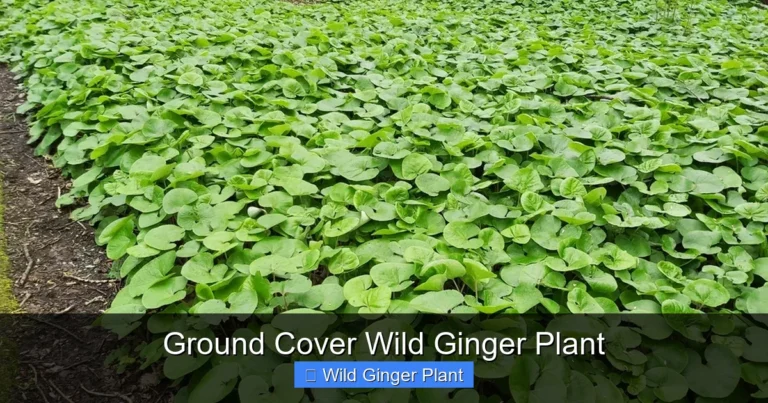
Walking through a Michigan woodland in late spring, you might miss one of the state’s most fascinating native plants. The wild ginger plant Michigan residents often overlook grows low to the ground, its heart-shaped leaves forming a lush carpet beneath maples and beeches. But bend down and part those leaves, and you’ll discover something remarkable: a strange, jug-shaped flower hiding at soil level, looking like something from a fairy tale.
This plant, known scientifically as Asarum canadense, has called Michigan home for thousands of years. Long before European settlers arrived, Indigenous peoples across the Great Lakes region knew this plant intimately. They used its aromatic rhizomes for flavoring, medicine, and ceremony. Today, the wild ginger plant Michigan forests shelter continues to play vital ecological roles while offering gardeners a beautiful, low-maintenance native ground cover option.
Key Takeaways
- Native Identity: Wild ginger plant Michigan refers to Asarum canadense, a native perennial distinct from culinary ginger.
- Habitat Preference: It thrives in rich, moist, deciduous forests with dappled shade across the state.
- Unique Flowers: The jug-shaped flowers hide at ground level, pollinated by beetles and flies.
- Edible Rhizomes: The roots have a ginger-like flavor but contain aristolochic acid requiring caution.
- Ground Cover Value: It forms dense colonies that prevent erosion and suppress invasive species.
- Conservation Status: While not threatened, habitat loss and overharvesting pose local risks.
- Garden Friendly: Wild ginger plant Michigan adapts well to shade gardens with proper soil conditions.
Quick Answers to Common Questions
Is wild ginger plant Michigan the same as grocery store ginger?
No, wild ginger plant Michigan (Asarum canadense) is a completely different plant from culinary ginger (Zingiber officinale). They only share a similar scent and flavor in the rhizomes.
Where can I find wild ginger plant Michigan in the wild?
Look in rich, moist deciduous forests across Michigan, especially under maple and beech canopies. North-facing slopes, stream terraces, and mature woodlands in both peninsulas host healthy populations.
Can I eat wild ginger plant Michigan safely?
The rhizomes are edible and taste like ginger, but contain aristolochic acid which can cause kidney damage with prolonged or large-quantity use. Traditional use involved moderate, occasional consumption.
How do I grow wild ginger plant Michigan in my garden?
Plant rhizome divisions in rich, moist, well-drained soil in full to dappled shade. Mulch with shredded leaves. Water during dry spells the first two years. It spreads slowly to form a dense ground cover.
Is it legal to harvest wild ginger plant Michigan?
Harvest is prohibited on most public lands without permits. On private land, you need landowner permission. Sustainable harvest means taking less than 10% of a large colony’s rhizomes.
📑 Table of Contents
- Understanding Wild Ginger Plant Michigan Basics
- Natural Habitat And Distribution Across Michigan
- Life Cycle And Seasonal Changes
- Ecological Importance And Wildlife Value
- Historical And Cultural Significance
- Cultivation In Home Gardens
- Conservation Status And Ethical Considerations
- Common Challenges And Solutions
- Conclusion
Understanding Wild Ginger Plant Michigan Basics
What Makes It Wild Ginger
The name “wild ginger” causes confusion. Many people assume this plant relates to the ginger root found in grocery stores. It does not. Culinary ginger (Zingiber officinale) comes from tropical Asia. The wild ginger plant Michigan hosts belongs to the birthwort family, Aristolochiaceae. The name comes from the rhizome’s scent and flavor, which resemble true ginger with earthy, spicy notes.
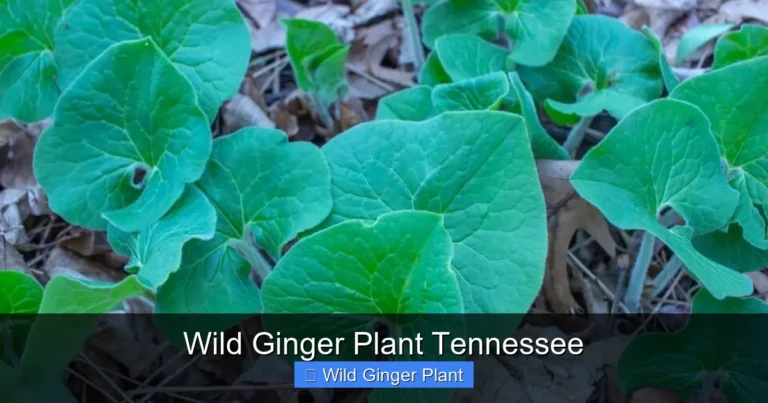
Asarum canadense grows as a low perennial herb. Each plant produces two large, kidney-shaped leaves per growing point. These leaves feel soft and slightly hairy. They emerge in early spring, often before the tree canopy fully leafs out. The leaves can reach six to eight inches across, creating dense shade at ground level. This shade helps the plant conserve moisture and outcompete smaller weeds.
Scientific Classification Details
Let’s break down the taxonomy. Kingdom: Plantae. Clade: Angiosperms. Clade: Magnoliids. Order: Piperales. Family: Aristolochiaceae. Genus: Asarum. Species: A. canadense. The genus name Asarum comes from Greek, possibly meaning “not fitting” or referring to the flower’s unusual shape. The species name canadense reflects its northern range, though it grows well into the southern United States.
Two subspecies exist. Asarum canadense subsp. canadense covers most of the range, including all of Michigan. Asarum canadense subsp. acuminatum occurs further south and west, with more pointed leaf tips. For practical purposes, Michigan foragers and gardeners encounter the typical subspecies. Some botanists recognize varieties based on leaf hairiness and flower color, but these distinctions rarely matter for identification.
Distinguishing From Look-Alikes
Several plants resemble wild ginger plant Michigan beginners might confuse. Violets (Viola species) have similar heart-shaped leaves but produce showy flowers above ground. Their leaves also lack the distinctive ginger scent when crushed. Canada violet (Viola canadensis) grows in similar habitats and can mix with wild ginger colonies.
Wild geranium (Geranium maculatum) shares the woodland habitat but has deeply lobed leaves, not simple heart shapes. Its pink flowers rise well above the foliage. Bloodroot (Sanguinaria canadensis) emerges earlier with a single wrapped leaf that unfurls into a distinctive lobed shape. Its white flowers are showy and short-lived.
The surest identification method: scratch a rhizome and smell. True wild ginger plant Michigan specimens release that unmistakable spicy, ginger-like aroma. The rhizomes themselves appear as thick, branching stems running horizontally just below the soil surface. They show a light brown exterior and creamy white interior when broken.
Natural Habitat And Distribution Across Michigan
Preferred Growing Conditions
The wild ginger plant Michigan woodlands support grows in specific conditions. It demands rich, mesic soils — those with moderate moisture and high organic content. Think of the dark, crumbly soil found in mature maple-beech forests. The pH typically ranges from slightly acidic to neutral, roughly 5.5 to 7.0. Heavy clay or sandy soils rarely support robust colonies unless amended by decades of leaf litter.
Shade requirements are non-negotiable. Wild ginger plant Michigan populations thrive under closed canopies where dappled light reaches the forest floor in spring but deep shade prevails by summer. Full sun scorches the leaves. Full, dense shade from conifers limits growth. The sweet spot: deciduous forests with spring ephemeral light followed by summer canopy closure.
Moisture consistency matters more than quantity. The plant survives brief dry spells once established but declines in chronically wet or droughty sites. Spring seeps, north-facing slopes, and floodplain terraces above regular inundation zones provide ideal microhabitats. You’ll rarely find it on dry ridges or in standing water.
Regional Distribution Patterns
Wild ginger plant Michigan distribution covers the entire state, but abundance varies. The western Upper Peninsula’s rich mesic forests, particularly on the Keweenaw Peninsula and around the Porcupine Mountains, host extensive colonies. These areas benefit from Lake Superior’s moderating influence and deep glacial soils.
The northern Lower Peninsula’s hardwood-hemlock forests provide excellent habitat. Think of the forests around Traverse City, Petoskey, and Gaylord. Here, sugar maple, American beech, and eastern hemlock create the perfect canopy mix. The wild ginger plant Michigan colonies in these areas often span acres, forming continuous ground cover.
Southern Michigan’s fragmented woodlands still harbor populations, but they’re smaller and more isolated. Urban expansion, agriculture, and invasive species have reduced habitat. However, protected areas like the Huron-Clinton Metroparks, various state game areas, and university natural areas maintain healthy populations. The plant persists in surprising places — even small woodlots in agricultural landscapes if soil and shade conditions remain intact.
Associated Plant Communities
Wild ginger plant Michigan grows alongside characteristic companions. Spring ephemerals share its early-season light window. Look for trilliums (Trillium grandiflorum, T. erectum), spring beauty (Claytonia virginica), trout lily (Erythronium americanum), and Dutchman’s breeches (Dicentra cucullaria). These plants bloom, set seed, and go dormant before summer shade deepens.
Fellow shade-tolerant perennials persist through summer. Wild geranium, jack-in-the-pulpit (Arisaema triphyllum), false Solomon’s seal (Maianthemum racemosum), and various ferns — especially maidenhair fern (Adiantum pedatum) and lady fern (Athyrium filix-femina) — create layered ground vegetation. The wild ginger plant Michigan colonies often form the lowest, densest layer.
Canopy trees define the community. Sugar maple (Acer saccharum) and American beech (Fagus grandifolia) dominate the best sites. Basswood (Tilia americana), red oak (Quercus rubra), and white ash (Fraxinus americana) — where emerald ash borer hasn’t eliminated them — occur as associates. Eastern hemlock (Tsuga canadensis) adds evergreen structure in northern sites.
Life Cycle And Seasonal Changes
Spring Emergence And Flowering
The wild ginger plant Michigan year begins early. As soon as frost leaves the ground, usually April in southern Michigan and May in the UP, rhizomes activate. New leaves push up tightly folded, like small green cigars. They unfurl rapidly, reaching full size within weeks. This rapid growth captures spring light before canopy closure.
Flowering occurs simultaneously with leaf expansion. The flowers emerge from the rhizome at ground level, often hidden beneath leaf litter and the new leaves themselves. Each growing point produces a single flower. The flower lacks petals. Instead, three fused sepals form a jug or bell shape, typically maroon to brownish-purple outside, paler inside. The opening faces downward or sideways.
This strange flower morphology serves a purpose. The wild ginger plant Michigan flowers attract small flies, gnats, and beetles — not bees or butterflies. The dark color mimics decaying matter. The enclosed space traps insects temporarily, ensuring pollen transfer. Some flowers self-pollinate as a backup. The flowering period lasts two to three weeks, depending on weather.
Summer Growth And Seed Development
After pollination, the flower withers. The ovary swells into a fleshy capsule containing numerous seeds. Each seed bears an elaiosome — a fatty attachment that attracts ants. Ants carry seeds to their nests, eat the elaiosome, and discard the intact seed in nutrient-rich waste piles. This dispersal method, called myrmecochory, moves seeds short distances but effectively.
Summer brings vegetative expansion. The wild ginger plant Michigan rhizomes extend horizontally, sending up new leaf pairs every few inches. A single plant can form a colony several feet across in a decade. The dense foliage shades out competitors. By midsummer, the leaves may show wear from insects, slugs, or fungal spots, but the plant persists.
Drought stress triggers early dormancy in dry years. The leaves yellow and collapse, but the rhizome survives underground. In moist years, foliage remains green until frost. The plant allocates significant energy to rhizome storage, preparing for next spring’s rapid emergence.
Fall And Winter Dormancy
Autumn brings subtle changes. The wild ginger plant Michigan leaves may develop yellow or bronze tones but rarely produce showy fall color. They gradually flatten against the ground as frost approaches. By late October or November, the leaves decompose in place, returning nutrients to the rhizome and surrounding soil.
Winter finds the plant completely dormant above ground. The rhizomes, protected by soil and leaf litter, withstand extreme cold. Michigan’s reliable snow cover provides excellent insulation. The plant requires a cold period — vernalization — to flower properly next spring. This adaptation explains why wild ginger plant Michigan thrives in the state’s climate but struggles in warm winter regions.
Ecological Importance And Wildlife Value
Pollinator Relationships
The wild ginger plant Michigan flowers engage in a fascinating, often overlooked pollination syndrome. Small flies (particularly fungus gnats and phorid flies) and beetles (especially rove beetles) serve as primary pollinators. These insects typically visit fungi, decaying matter, or animal droppings. The flower’s appearance and scent mimic these substrates.
Research suggests the relationship may be more commensal than mutualistic. Insects enter seeking egg-laying sites or shelter. They leave coated in pollen, but the flower offers no nectar reward. Some insects become trapped and die. This “deceptive pollination” strategy works because insect populations are abundant in spring woodlands. The wild ginger plant Michigan doesn’t invest in nectar production, saving energy.
Ants play a crucial secondary role through seed dispersal. The elaiosome-rich seeds attract multiple ant species. Aphaenogaster, Formica, and Myrmica ants commonly disperse seeds. This mutualism benefits both: ants gain nutritious food, seeds gain dispersal and planting in fertile microsites. The wild ginger plant Michigan colonies expand slowly but steadily through this partnership.
Ground Cover And Soil Stabilization
Dense wild ginger plant Michigan colonies provide exceptional erosion control. The rhizome network binds soil particles. The overlapping leaves intercept raindrops, reducing splash erosion. The persistent leaf litter layer absorbs rainfall and slows runoff. On slopes and stream banks, this plant outperforms many non-native ground covers because its roots penetrate deeply into forest soils.
Soil building occurs continuously. Each year’s leaf crop adds organic matter. The rhizomes exude compounds that support beneficial soil fungi, particularly mycorrhizal associations. These fungi extend the plant’s nutrient reach and improve soil structure. The wild ginger plant Michigan essentially engineers its own ideal growing conditions over time.
Wildlife Habitat Contributions
Small mammals utilize wild ginger plant Michigan colonies. Chipmunks and white-footed mice forage for seeds and insects among the leaves. The dense cover protects them from aerial predators. Salamanders, particularly red-backed salamanders (Plethodon cinereus), hunt invertebrates in the moist microclimate beneath the foliage.
Deer browse wild ginger plant Michigan occasionally but don’t prefer it. The leaves contain aromatic compounds that deter heavy browsing. In overbrowsed woods where deer have eliminated most understory, wild ginger often persists as one of the last native ground covers. This resistance makes it valuable for restoration in high-deer-pressure areas.
Birds benefit indirectly. The insect diversity supported by wild ginger plant Michigan colonies feeds ground-foraging birds like ovenbirds, wood thrushes, and hermit thrushes. The ants dispersing seeds also serve as bird food. The plant’s contribution to intact forest food webs extends far beyond its immediate presence.
Historical And Cultural Significance
Indigenous Uses Across The Great Lakes
Anishinaabe (Ojibwe), Odawa, Potawatomi, and other Great Lakes tribes held deep knowledge of wild ginger plant Michigan. The Ojibwe name “namewusk” or “namewashk” refers to the plant’s fish-like scent when fresh — some describe the rhizome aroma as reminiscent of dried fish combined with ginger. The Potawatomi called it “wabigwon,” referencing the flower’s shape.
Culinary uses included flavoring meats, stews, and teas. The rhizomes were harvested, cleaned, and either used fresh or dried for storage. Drying concentrates the flavor. Some accounts describe candying the rhizomes with maple sugar. The wild ginger plant Michigan rhizomes also flavored maple sugar candies and syrups.
Medicinal applications were extensive. Root teas treated colds, fevers, stomachaches, and menstrual cramps. Poultices from mashed fresh rhizomes addressed wounds, swellings, and skin infections. Some tribes used it as a contraceptive or to induce menstruation — knowledge that aligns with modern understanding of aristolochic acid’s reproductive toxicity. The wild ginger plant Michigan served as a versatile pharmacy.
Early European Adoption
French traders and Jesuit missionaries documented wild ginger plant Michigan uses in the 1600s and 1700s. They recognized the flavor similarity to Asian ginger, then imported ginger, which was expensive and scarce. The plant became a substitute in colonial kitchens. Early botanists like John Bartram and André Michaux collected specimens for European gardens.
By the 1800s, wild ginger plant Michigan appeared in American herbal texts. The Eclectic physicians, a 19th-century medical movement emphasizing botanical remedies, used it as a stimulant, carminative, and diaphoretic. They treated digestive complaints, fevers, and “cold” conditions. The U.S. Pharmacopeia listed it briefly in the late 1800s before removing it as stronger drugs emerged.
Commercial harvest occurred in some regions. “Colic root” or “Canada snakeroot” entered regional trade. However, the labor-intensive harvest — digging rhizomes by hand in dense woods — limited large-scale exploitation. The wild ginger plant Michigan remained primarily a local, subsistence resource rather than a commodity crop.
Modern Ethnobotanical Perspective
Today, Indigenous knowledge keepers continue wild ginger plant Michigan traditions. Cultural revitalization programs teach identification, sustainable harvest, and preparation methods. Some tribal communities maintain gathering rights on public lands through treaty provisions. These practices connect people to ancestral landscapes and foodways.
Contemporary foragers and herbalists also value the plant, but with increased caution. Modern research confirms aristolochic acid presence — a compound linked to kidney damage and cancer with prolonged use. This doesn’t negate traditional knowledge but demands informed, moderate use. The wild ginger plant Michigan story now includes scientific validation alongside cultural wisdom.
Cultivation In Home Gardens
Site Selection And Preparation
Growing wild ginger plant Michigan in your shade garden replicates its forest home. Choose a site with dappled to full shade. Morning sun with afternoon shade works. Avoid hot afternoon sun. The north or east side of buildings, under mature deciduous trees, or in woodland garden settings all succeed.
Soil preparation determines long-term success. Wild ginger plant Michigan wants rich, moisture-retentive, well-drained soil. If your soil is heavy clay, incorporate several inches of compost, leaf mold, or aged hardwood mulch. Sandy soils need similar organic amendments to hold moisture. Aim for a loose, crumbly texture to at least eight inches deep.
Test soil pH if uncertain. Target 5.5 to 7.0. Most Michigan garden soils fall in this range naturally. If highly acidic (below 5.0), add lime. If alkaline (above 7.5), incorporate elemental sulfur or pine needle mulch. The wild ginger plant Michigan tolerates a range but thrives in slightly acidic conditions typical of its native habitat.
Planting Methods And Timing
Spring planting, just as leaves emerge, gives the longest establishment period. Fall planting, four to six weeks before ground freeze, also works well. Space plants twelve to eighteen inches apart for eventual colony formation. Closer spacing (eight to ten inches) creates faster ground cover but requires more plants.
Plant rhizomes horizontally, one to two inches deep, with the growing buds (visible as small nubs) facing up. Cover with soil, firm gently, and water thoroughly. Mulch with two to three inches of shredded leaves, pine needles, or fine bark. This mimics natural leaf litter and conserves moisture. The wild ginger plant Michigan establishes slowly — expect minimal spread the first year.
Container-grown plants from native nurseries transplant easily. Loosen the root ball, plant at the same depth as in the pot, and water well. Bare-root divisions from established colonies (with landowner permission) work if planted immediately and kept moist. Never dig from public lands without permits. The wild ginger plant Michigan nursery trade has expanded, making ethical sourcing easier.
Maintenance And Long-Term Care
Once established, wild ginger plant Michigan demands little. Water during dry spells the first two summers. After that, natural rainfall usually suffices except in extreme drought. No fertilizer needed — the plant creates its own fertility through leaf litter. In fact, fertilizer can encourage weak, floppy growth and fungal issues.
Leave fallen leaves in place each autumn. They decompose into perfect mulch. If you must remove leaves (for lawn areas), replace with shredded leaf mulch. Avoid heavy wood chip mulch, which can smother the shallow rhizomes. The wild ginger plant Michigan colony will gradually expand, filling gaps and suppressing weeds.
Division rejuvenates old colonies and provides new plants. Every five to ten years, in early spring or fall, dig sections of rhizome with at least three to four growing points. Replant immediately. Share divisions with fellow native plant enthusiasts. The wild ginger plant Michigan spreads slowly but steadily — patience rewards you with a self-sustaining ground cover.
Companion Planting Ideas
Design woodland garden communities around wild ginger plant Michigan. Pair with spring ephemerals that bloom before ginger leaves fully expand: trilliums, bloodroot, spring beauty, Virginia bluebells (Mertensia virginica). These complete their cycle as ginger foliage peaks.
Summer companions include ferns (maidenhair, lady fern, Christmas fern), wild geranium, foamflower (Tiarella cordifolia), and woodland phlox (Phlox divaricata). Taller accents: jack-in-the-pulpit, Solomon’s seal (Polygonatum biflorum), black cohosh (Actaea racemosa). The wild ginger plant Michigan forms the living mulch layer beneath them all.
Consider native sedges for texture contrast. Pennsylvania sedge (Carex pensylvanica) and plantain-leaved sedge (Carex plantaginea) thrive in similar conditions. Their grassy foliage contrasts beautifully with ginger’s broad leaves. The wild ginger plant Michigan colony becomes the anchor of a diverse, resilient native planting.
Conservation Status And Ethical Considerations
Current Population Trends
Wild ginger plant Michigan remains common statewide, but local declines concern botanists. The Michigan Natural Features Inventory ranks it S5 — secure globally and in the state. However, this ranking masks site-specific losses. Urban expansion, agricultural conversion, and invasive species have eliminated populations in southern Lower Michigan.
Climate change poses emerging threats. Warmer winters may disrupt vernalization requirements. Summer droughts stress colonies on marginal sites. Extreme rainfall events erode stream bank populations. The wild ginger plant Michigan faces a future where its preferred cool, moist, stable habitats shrink and fragment.
Invasive species compound habitat loss. Garlic mustard (Alliaria petiolata) dominates forest floors, releasing allelopathic chemicals that inhibit native plants including wild ginger. European earthworms, themselves invasive in glaciated regions, consume the leaf litter layer essential for seed germination and rhizome protection. The wild ginger plant Michigan struggles in worm-invaded woods.
Sustainable Harvest Guidelines
If you harvest wild ginger plant Michigan rhizomes, follow strict ethical guidelines. Never harvest from small colonies (fewer than fifty plants). Take no more than ten percent of a colony’s rhizomes. Use a digging fork, not a shovel, to minimize soil disturbance. Replant any broken rhizome pieces with buds attached.
Harvest in fall after seeds mature or early spring before new growth. This timing allows the plant to complete its reproductive cycle and store energy. Leave the youngest, most vigorous growing points. Target older, outer rhizome sections. The wild ginger plant Michigan colony should show no visible harvest impact the following year.
Better yet: grow your own. A small garden patch yields sustainable harvests without impacting wild populations. Many native plant nurseries sell wild ginger plant Michigan divisions. Supporting these businesses encourages ethical propagation. The wild ginger plant Michigan you cultivate connects you to the species without depletion.
Legal Protections And Landowner Rights
Michigan law protects wild ginger plant Michigan on public lands. The Michigan Natural Resources and Environmental Protection Act prohibits removing plants from state land without a permit. National forests require permits for personal use collection. County and municipal parks typically ban all plant removal.
Private landowners control harvest on their property. Always obtain written permission. Some landowners welcome informed harvesters who monitor populations. Others prefer no disturbance. Respect these decisions. The wild ginger plant Michigan on private land belongs to the landowner, not the public.
Commercial harvest faces stricter regulation. Selling wild-collected roots requires Michigan Department of Agriculture certification. Most commercial “wild ginger” actually comes from cultivated sources or other Asarum species. The wild ginger plant Michigan market remains small, reducing poaching pressure compared to high-value plants like ginseng.
Common Challenges And Solutions
Pest And Disease Management
Wild ginger plant Michigan resists most pests, but slugs and snails love the tender spring leaves. They chew irregular holes, especially in moist years. Beer traps, diatomaceous earth barriers, or hand-picking at night control them. Encourage natural predators: ground beetles, toads, and birds. The wild ginger plant Michigan tolerates some damage — established colonies outgrow it.
Fungal leaf spots appear in humid, stagnant conditions. Anthracnose and various Cercospora species cause brown lesions. Improve air circulation by thinning overstory if possible. Remove severely affected leaves. Avoid overhead watering. The wild ginger plant Michigan usually recovers next spring — these fungi rarely kill established plants.
Root rot occurs in poorly drained sites. Phytophthora and Pythium species attack waterlogged rhizomes. Prevention beats cure: ensure excellent drainage at planting. If rot appears, dig affected plants, trim to healthy tissue, dust with sulfur, and replant in improved soil. The wild ginger plant Michigan cannot survive standing water.
Invasive Species Competition
Garlic mustard poses the greatest threat. Its allelopathic chemicals suppress mycorrhizal fungi that wild ginger plant Michigan depends on. Hand-pull garlic mustard before it seeds, removing entire taproots. Bag and dispose of flowering plants — don’t compost. Persistent removal over years restores native ground layer.
European buckthorn and honeysuckle create dense shade that excludes wild ginger plant Michigan. Remove these shrubs in winter when ground is frozen. Follow up with native understory planting. The wild ginger plant Michigan recolonizes slowly but surely once light conditions improve.
Jumping worms (Amynthas species), a recent invasive, consume leaf litter rapidly. They leave granular castings that dry out quickly. No effective control exists yet. Reduce spread by cleaning tools and boots between sites. Source plants from nurseries with clean practices. The wild ginger plant Michigan faces this emerging threat across southern Michigan.
Climate Adaptation Strategies
Gardeners can help wild ginger plant Michigan adapt. In warmer microclimates, provide extra shade and moisture. Mulch heavily. Consider north-facing slopes or building shade. Irrigate during summer droughts. The wild ginger plant Michigan in cultivation may persist where wild populations decline.
Assisted migration — planting northward of current range — raises ethical questions. Some conservationists advocate moving species to track climate. Others warn of unintended consequences. For gardeners, planting wild ginger plant Michigan at its current northern range edge (Upper Peninsula) supports natural migration. The wild ginger plant Michigan gene pool benefits from diverse cultivated populations.
Seed banking preserves genetic diversity. The University of Michigan Herbarium and Chicago Botanic Garden’s Dixon National Tallgrass Prairie Seed Bank store wild ginger plant Michigan seeds. Supporting these institutions funds long-term conservation. The wild ginger plant Michigan future depends on both in-situ protection and ex-situ backup.
Conclusion
The wild ginger plant Michigan story weaves together ecology, history, and human connection. From the Anishinaabe healer digging rhizomes for medicine to the modern gardener planting divisions under backyard maples, this plant has fed, healed, and grounded people in place for millennia. Its strange hidden flowers, pollinated by flies fooled by fungal mimicry, reveal nature’s endless creativity.
Today, as Michigan’s forests face fragmentation, invasives, and climate shifts, the wild ginger plant Michigan stands as both indicator and anchor. Its presence signals intact, healthy woodlands. Its absence warns of ecological simplification. By learning to recognize, value, and steward this plant, we participate in a relationship older than the state itself.
Whether you encounter wild ginger plant Michigan on a spring hike in the Porcupine Mountains, cultivate it in your Ann Arbor shade garden, or sip tea made from sustainably harvested rhizomes, you join a continuum. The heart-shaped leaves unfurling each April connect past to future. The ginger-spicy scent released from a scratched rhizome carries stories of forests, peoples, and the quiet persistence of native plants.
Next time you walk a Michigan woodland in May, slow down. Look down. Part the leaves gently. There, at ground level, a maroon jug-shaped flower waits — not for you, but for the tiny fly that ensures another generation. The wild ginger plant Michigan endures, hidden in plain sight, inviting your attention and respect.
Frequently Asked Questions
What does wild ginger plant Michigan look like when not flowering?
When not flowering, wild ginger plant Michigan appears as a low carpet of heart-shaped, softly hairy leaves emerging in pairs from creeping rhizomes. The leaves reach 6-8 inches across and form dense colonies that suppress other ground vegetation.
When is the best time to see wild ginger plant Michigan flowers?
The flowers appear in early spring, typically April in southern Michigan and May in the Upper Peninsula, emerging simultaneously with the new leaves. They hide at ground level beneath the foliage and leaf litter, so you must gently part the leaves to see them.
Does wild ginger plant Michigan spread aggressively?
Wild ginger plant Michigan spreads slowly via rhizomes, typically expanding a few inches per year. It forms dense colonies over decades but is not considered aggressive or invasive. It stays put and behaves well in garden settings.
What wildlife uses wild ginger plant Michigan?
Small flies and beetles pollinate the flowers. Ants disperse the seeds. Chipmunks, mice, and salamanders use the dense foliage for cover. Deer rarely browse it heavily due to aromatic compounds in the leaves.
Can wild ginger plant Michigan grow in full sun?
No, wild ginger plant Michigan requires shade. Full sun scorches the leaves and causes the plant to decline. It needs dappled spring light and deep summer shade, typical of deciduous forest understories.
How do I tell wild ginger plant Michigan from similar plants?
Crush a leaf or scratch a rhizome — wild ginger plant Michigan releases a distinct ginger-like aroma. Violets and wild geranium lack this scent. Also note the paired heart-shaped leaves and hidden ground-level flowers unique to this species.