Wild Ginger Plant White Veins
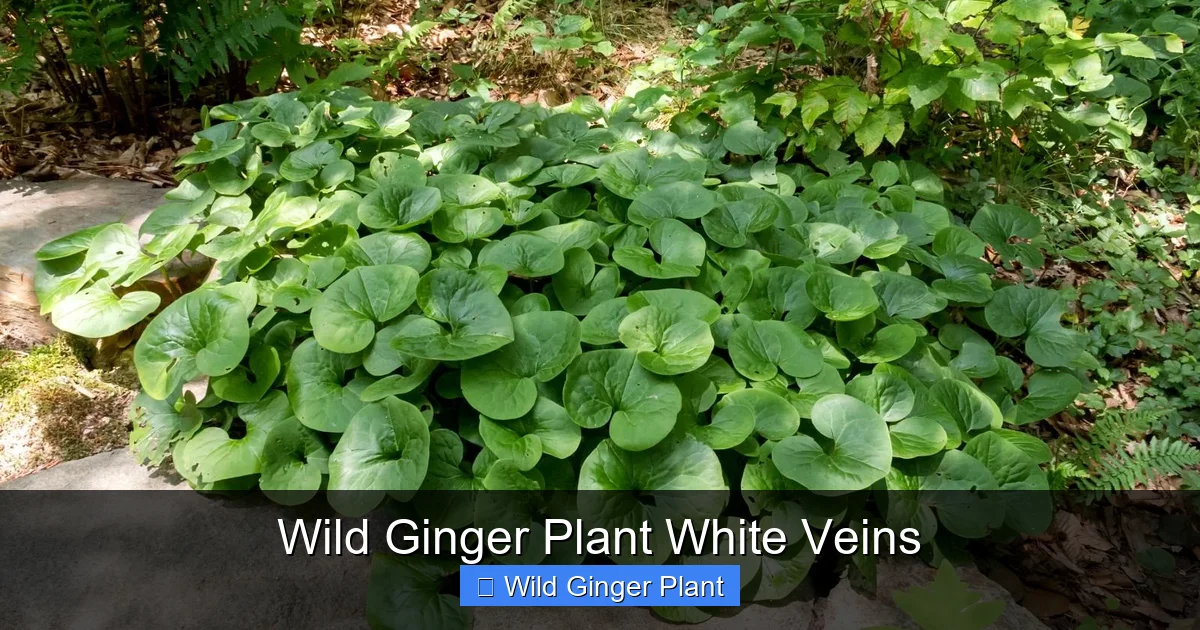
Wild ginger plant white veins create a stunning contrast on heart-shaped leaves, making this native perennial a standout in woodland gardens. Easy to grow and deer-resistant, it forms a lush carpet that thrives where other plants struggle.
Have you ever walked through a shaded woodland and noticed a plant with heart-shaped leaves that seem to glow with intricate white patterns? That’s likely wild ginger plant white veins showing off their signature look. This charming native perennial has been winning over gardeners for generations, and it’s easy to see why. The contrast between deep green foliage and bright white veining creates a natural work of art that brightens even the darkest corners of your garden.
I first discovered this plant during a hike in the Appalachian mountains. Sunlight filtered through the canopy, highlighting patches of wild ginger along the trail. The leaves looked like someone had painted delicate white lace across each surface. Since then, I’ve made it a staple in my own shade garden, and I’m excited to share everything I’ve learned about growing and appreciating this remarkable plant.
Key Takeaways
- Distinctive foliage: The white veins on dark green leaves provide year-round visual interest in shade gardens.
- Native resilience: As a North American native, wild ginger adapts easily to local conditions and supports pollinators.
- Groundcover excellence: It spreads slowly via rhizomes to form a dense, weed-suppressing mat.
- Low maintenance: Once established, it requires minimal care and tolerates drought better than many shade plants.
- Deer and rabbit resistant: The aromatic foliage deters browsing animals naturally.
- Hidden flowers: Unique jug-shaped blooms appear at ground level in spring, often concealed by leaves.
- Medicinal history: Indigenous peoples and early settlers used the rhizomes for flavoring and remedies.
Quick Answers to Common Questions
What causes the white veins on wild ginger leaves?
The white veins are natural variegation patterns caused by reduced chlorophyll in the vascular tissue. This genetic trait varies by species and individual plant, creating the distinctive lace-like appearance.
How much shade does wild ginger need?
Wild ginger requires full to dappled shade. Morning sun with afternoon shade works in cool climates, but hot afternoon sun will scorch the leaves and fade the white vein contrast.
Is wild ginger invasive?
No, wild ginger spreads slowly via rhizomes at 6-12 inches per year. It forms well-behaved colonies and doesn’t seed aggressively. It’s easily contained with annual edging.
When is the best time to divide wild ginger?
Early spring as new growth emerges or early fall (6+ weeks before ground freeze) are ideal. Each division needs a rhizome section with a growing point and roots.
Why are my wild ginger flowers hidden?
The flowers grow at ground level on short stalks directly from the rhizome, concealed by leaf litter. This adaptation protects them from early spring weather and positions them for ground-dwelling pollinators.
📑 Table of Contents
- Understanding Wild Ginger Plant White Veins
- Identifying Features Beyond the Veins
- Growing Conditions for Success
- Planting and Establishment
- Care and Maintenance Through the Seasons
- Design Ideas and Companion Plants
- Propagation Methods
- Common Problems and Solutions
- Historical Uses and Cultural Significance
- Choosing the Right Species for Your Garden
- Sustainable Gardening with Wild Ginger
- Frequently Asked Questions About Growing Wild Ginger
- Conclusion
Understanding Wild Ginger Plant White Veins
What Makes This Plant Special
The term wild ginger plant white veins refers to several species in the Asarum genus, most commonly Asarum canadense (Canadian wild ginger) and Asarum europaeum (European wild ginger). Both feature the characteristic heart-shaped leaves with prominent white or silvery veining. The pattern varies between species and even individual plants, making each patch unique.
These plants belong to the birthwort family (Aristolochiaceae), not the ginger family (Zingiberaceae) despite the common name. The “ginger” reference comes from the spicy, ginger-like aroma released when you crush the roots or stems. Early settlers used the rhizomes as a ginger substitute, hence the enduring name.
Natural Habitat and Range
In the wild, you’ll find these plants carpeting the forest floor across eastern North America. They thrive in rich, moist woodlands from Manitoba to Nova Scotia, south to Georgia and Louisiana. The European species naturalizes in similar conditions across Europe and western Asia.
They prefer the dappled light of deciduous forests where spring ephemerals bloom before the canopy fills in. This tells you everything about their garden preferences: shade, moisture, and rich organic soil. Understanding their native range helps you recreate ideal conditions at home.
Identifying Features Beyond the Veins
Leaf Characteristics
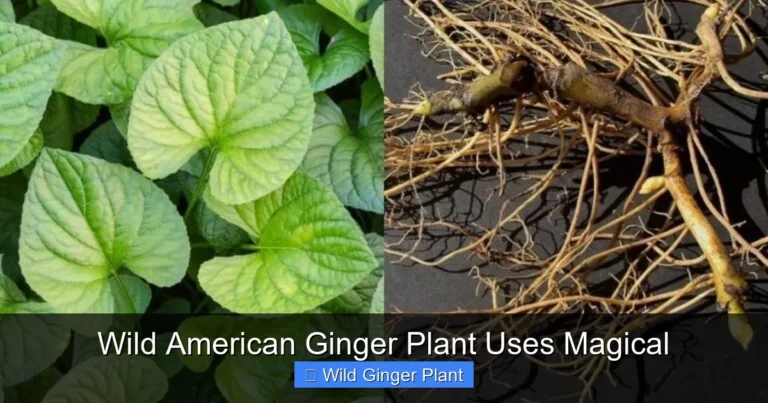
While the wild ginger plant white veins steal the show, the leaves themselves deserve attention. Each leaf grows on a long petiole (leaf stalk) emerging directly from the rhizome. The blades measure 3-6 inches wide, deeply heart-shaped with a cleft base and pointed tip.
The upper surface is dark green with a slightly glossy finish. The white veins branch in a palmate pattern from the base, creating a net-like design. Underneath, the leaves are paler, often with a soft, fuzzy texture. In autumn, the foliage may develop bronze or purple tints before dying back in colder zones.
Those Mysterious Flowers
Here’s a fun fact: many gardeners grow wild ginger for years without ever seeing the flowers. They bloom at ground level, hidden beneath the leaf litter. Each flower sits on a short stalk directly from the rhizome, shaped like a tiny jug or bell.
The flowers are typically brownish-purple to reddish-brown, with three pointed sepals that curve backward. They lack petals entirely. The interior often has a mottled pattern. These unusual blooms appear in early spring, usually April to May, and are pollinated by small flies and beetles attracted to their faint, musty scent.
Growth Habit and Spread
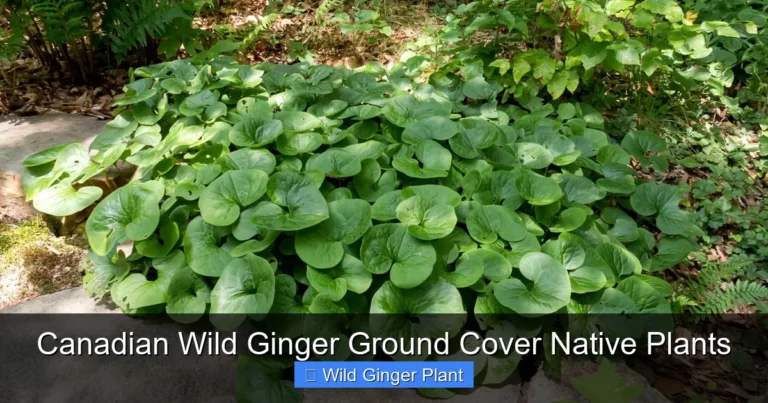
Wild ginger spreads horizontally via thick, creeping rhizomes that grow just below the soil surface. Each rhizome segment produces a pair of leaves annually. Over time, a single plant forms a colony several feet across. The spread is slow but steady, typically 6-12 inches per year under good conditions.
This growth habit makes it an excellent groundcover. It knits together densely enough to suppress weeds but won’t aggressively invade neighboring plants like some groundcovers do. The rhizomes are shallow, making division easy when you want to expand your planting.
Growing Conditions for Success
Light Requirements
If you remember one thing about growing wild ginger plant white veins, make it this: they need shade. Full shade to dappled shade works best. Morning sun with afternoon shade is acceptable in cooler climates. But hot afternoon sun will scorch the leaves, turning those beautiful white veins brown and crispy.
In their native habitat, they receive bright spring light before trees leaf out, then deep shade for summer. Replicate this by planting under deciduous trees or on the north side of structures. They’ll even grow in the dense shade of evergreens, though growth slows significantly.
Soil Preferences
Rich, humus-rich soil with good moisture retention is ideal. Think forest floor conditions: lots of decomposed leaves, slightly acidic pH (5.5-6.5), and excellent drainage despite constant moisture. Heavy clay works if amended with compost. Sandy soil needs organic matter added to hold water.
Before planting, work 2-3 inches of leaf mold, compost, or well-rotted manure into the top 6-8 inches of soil. This mimics the natural duff layer these plants evolved in. A yearly top-dressing of shredded leaves in autumn maintains soil quality naturally.
Water Needs
Consistent moisture is key, especially during establishment. Water deeply once or twice weekly during the first growing season. Once established, wild ginger tolerates short dry spells but performs best with regular moisture. Mulch heavily with shredded leaves or bark to conserve soil moisture and keep roots cool.
In regions with dry summers, supplemental watering during drought prevents leaf scorch and maintains the vibrant vein contrast. A soaker hose or drip irrigation works perfectly, delivering water directly to the root zone without wetting foliage.
Temperature and Hardiness
Most wild ginger species are hardy in USDA zones 4-8, with some varieties extending to zone 3 or 9. They’re remarkably cold-tolerant, surviving winter temperatures well below freezing with proper mulch. The European species (Asarum europaeum) tends to be evergreen in milder zones, while the Canadian species is typically deciduous.
Heat tolerance varies. In zones 7-8, provide the shadiest, coolest spot possible. High humidity combined with heat can encourage fungal issues, so ensure good air circulation. In the deep south, consider Asarum arifolium (arrow-leaf ginger) which handles heat better.
Planting and Establishment
When to Plant
Spring and fall are both excellent planting times. Spring planting gives roots time to establish before summer heat. Fall planting allows root growth during cool, moist autumn weather, with plants ready to take off in spring. Avoid summer planting unless you can provide constant attention to watering.
If you’re dividing existing plants, do it in early spring just as new growth emerges, or in early fall at least 6 weeks before ground freeze. Each division needs a rhizome section with at least one growing point (where leaves emerge) and some roots attached.
Spacing and Layout
Space plants 12-18 inches apart for groundcover coverage within 2-3 years. For a faster fill, plant 8-10 inches apart. Arrange in drifts or sweeping curves rather than straight rows for a natural look. Interplant with spring ephemerals like trilliums, bloodroot, or Virginia bluebells for sequential interest.
Consider the viewing angle. Since flowers hide at ground level, plant where you can appreciate the foliage from paths or seating areas. The white veins show best when backlit or viewed from above, so elevated positions like retaining walls or raised beds work beautifully.
Planting Technique
Dig holes twice as wide as the root ball but no deeper. Loosen the soil at the bottom and sides. Position the plant so the rhizome sits just below the soil surface, with the growing points facing up. Backfill with amended soil, firm gently, and water thoroughly to settle soil around roots.
Apply 2-3 inches of shredded leaf mulch, keeping it away from the crown. Water new plantings every 2-3 days for the first few weeks, then weekly unless rain provides an inch. Mark locations with small stakes since the plants may be dormant when planted in fall.
Care and Maintenance Through the Seasons
Spring Awakening
As soil warms, new leaves emerge folded like tiny umbrellas, gradually unfurling to reveal their veined beauty. This is the time to remove any winter mulch that’s matted down. Gently rake away excess leaves, being careful not to damage emerging shoots.
Apply a light top-dressing of compost around plants, not on top of crowns. If you fertilize, use a slow-release organic fertilizer at half the recommended rate. Wild ginger doesn’t need heavy feeding; too much nitrogen produces lush foliage at the expense of root development.
Summer Care
Summer is mostly about moisture management. Check soil weekly during dry spells. Water deeply at the base rather than overhead to prevent fungal issues. The dense foliage usually shades out weeds, but remove any that appear before they set seed.
In hot, humid regions, watch for slug damage. These pests love the tender leaves. Beer traps, diatomaceous earth, or copper tape around beds help control them. Hand-picking at night with a flashlight works too if you’re dedicated.
Autumn Preparation
As temperatures cool, the foliage may develop lovely bronze or purple tones. Leave the leaves in place over winter; they protect the rhizomes and provide habitat for beneficial insects. Add a fresh layer of shredded leaves as mulch after the first hard freeze.
This is also prime time for division if your patches have become crowded or you want more plants. Divide every 3-4 years to maintain vigor. Replant divisions immediately at the same depth, water well, and mulch heavily for winter protection.
Winter Dormancy
In colder zones, the foliage dies back completely. The rhizomes rest underground, protected by soil and mulch. No special care needed beyond ensuring the mulch layer stays in place. In milder zones where plants stay evergreen, the leaves may look tattered by late winter. Trim damaged foliage in early spring before new growth starts.
Design Ideas and Companion Plants
Woodland Garden Combinations
The wild ginger plant white veins shine in naturalistic woodland plantings. Pair them with ferns like Christmas fern, lady fern, or maidenhair fern for texture contrast. The fine fronds against bold ginger leaves create dynamic visual interest.
Add spring ephemerals that bloom and fade before ginger reaches full size: trilliums, trout lilies, Dutchman’s breeches, and bloodroot. Later, hostas, foamflower (Tiarella), and coral bells (Heuchera) carry the show through summer. The white veins echo variegation in companion plants.
Shade Border Edging
Use wild ginger as a living border along shaded paths or bed edges. The low, uniform height (6-12 inches) creates a neat line without blocking views. The rhizomes stay contained within the bed, unlike spreading grasses or mint.
Plant in a single row 12 inches apart for a defined edge, or double-row staggered for a fuller look. The evergreen European species works especially well for year-round structure in zones 5-7.
Container Gardening
Yes, you can grow wild ginger in containers! Choose a wide, shallow pot at least 12 inches across. Use high-quality potting mix amended with compost and fine bark for drainage. Position in full shade on a covered porch or under dense trees.
Water more frequently than ground plants since containers dry faster. Fertilize monthly at quarter strength during the growing season. Repot every 2-3 years in early spring, dividing if needed. This lets you enjoy the beautiful veined foliage up close on a patio or balcony.
Rock Garden and Slope Stabilization
On shaded slopes or in rock gardens, wild ginger’s rhizomes help hold soil. Plant in pockets between rocks or across a gentle slope. The shallow roots knit together, reducing erosion while the foliage softens hard edges.
Combine with other shade-tolerant spreaders like barrenwort (Epimedium), wild stonecrop (Sedum ternatum), or green-and-gold (Chrysogonum virginianum). The varying leaf shapes and textures create a tapestry effect that’s both functional and beautiful.
Propagation Methods
Division: The Easiest Method
Division is the most reliable way to propagate wild ginger plant white veins. In early spring or fall, dig up a mature clump. Gently tease apart the rhizomes, ensuring each piece has at least one growing point and some roots. A sharp knife helps separate tough sections.
Replant divisions immediately at the same depth. Water well and mulch. Keep soil consistently moist until new growth appears. Divisions often flower the following spring. This method maintains the exact characteristics of the parent plant, including vein pattern intensity.
Growing from Seed
Seed propagation requires patience but yields genetic diversity. Collect seeds in summer when the seed pods split open. They’re elaiosome-bearing, meaning ants disperse them naturally. Sow fresh seeds immediately in pots or a prepared seedbed.
Seeds need cold stratification: 60-90 days of moist, cold conditions (35-40°F). You can simulate this by placing seeded pots in a refrigerator, or simply sow outdoors in fall and let winter do the work. Germination occurs in spring but can be erratic. Seedlings take 2-3 years to reach transplant size.
Rhizome Cuttings
For larger-scale propagation, rhizome cuttings work well. In early spring, cut healthy rhizomes into 2-3 inch sections, each with at least one node (the slightly swollen area where leaves emerge). Plant horizontally 1 inch deep in pots or a nursery bed.
Keep moist and shaded. Shoots emerge in 4-6 weeks. This method produces many plants quickly but requires more initial material. It’s useful if you have a large established patch and want to create a new planting area.
Common Problems and Solutions
Leaf Scorch and Sun Damage
The most common issue is leaf scorch from too much sun. Symptoms include brown, crispy leaf edges, faded vein contrast, and overall yellowing. Prevention is simple: plant in appropriate shade. If an established plant gets too much sun due to tree removal, transplant it in fall to a shadier spot.
Temporary shade cloth during heat waves helps. Increase watering during hot spells. Damaged leaves won’t recover, but new growth will be normal once conditions improve. Remove severely damaged foliage to improve appearance.
Slug and Snail Damage
These pests chew irregular holes in leaves, often along edges. They’re most active at night and in damp conditions. You’ll see silvery slime trails. Control methods include beer traps, copper barriers, diatomaceous earth, iron phosphate baits (safe for pets), and hand-picking.
Reduce hiding spots by keeping mulch thin near plants. Water in morning so foliage dries by evening. Encourage natural predators like ground beetles, toads, and birds. A diverse garden ecosystem naturally balances pest populations.
Fungal Issues
In overly wet, humid conditions with poor air circulation, fungal diseases like leaf spot or crown rot can occur. Symptoms include dark spots on leaves, yellowing, and mushy rhizomes. Prevention focuses on cultural practices: proper spacing, morning watering, good drainage, and air flow.
Remove affected leaves promptly. Improve drainage if soil stays soggy. In severe cases, apply a copper-based fungicide labeled for ornamental plants. But usually, correcting the environment resolves the issue without chemicals.
Deer and Rabbit Browsing
Good news: wild ginger is highly deer and rabbit resistant. The aromatic compounds that smell like ginger to us taste bitter and irritating to browsers. In extreme hunger, they might sample it, but damage is typically minimal compared to hostas or other shade plants.
This resistance makes wild ginger invaluable in areas with high deer pressure. Plant it as a protective border around more vulnerable plants. The dense growth also physically impedes access to desirable plants behind it.
Historical Uses and Cultural Significance
Indigenous Knowledge
Native American tribes across the plant’s range used wild ginger extensively. The rhizomes were harvested for flavoring foods, treating colds and fevers, and as a general tonic. The Cherokee used it for coughs and digestive issues. The Iroquois considered it a powerful medicine for various ailments.
Tribes also used the leaves as a poultice for wounds and skin irritations. The plant’s antimicrobial properties, now confirmed by research, explain its effectiveness. This traditional knowledge guided early European settlers in adopting the plant for similar uses.
Colonial and Pioneer Uses
Early settlers valued wild ginger as a spice substitute when true ginger was unavailable or expensive. They candied the rhizomes, made syrups, and used them in baking. The roots were also brewed as a tea for stomach ailments and to induce sweating during fevers.
Commercial harvesting occurred in the 19th century, with dried roots sold in markets. Overharvesting led to local depletions, a reminder that sustainable foraging practices matter. Today, we appreciate the plant more for its ornamental value than culinary use.
Modern Research
Scientific studies have identified several compounds in wild ginger, including aristolochic acid, which has raised safety concerns. This compound can cause kidney damage and is carcinogenic in large amounts. Modern herbalists generally avoid internal use, focusing on external applications or using related, safer species.
The plant’s ecological value is better documented. It provides early-season nectar for specialized pollinators, hosts butterfly larvae, and its seeds feed ants which disperse them. The dense mats protect soil microorganisms and prevent erosion. These ecosystem services far outweigh its limited modern medicinal use.
Choosing the Right Species for Your Garden
Asarum canadense – Canadian Wild Ginger
This is the most common species in North American gardens. Deciduous, with large leaves (up to 6 inches) and prominent white veins. Hardy zones 3-7. Flowers are larger and more reddish. Spreads moderately fast. Excellent for naturalizing in woodland settings.
The vein pattern varies from subtle netting to bold white stripes. Some cultivars like ‘Eco Medallion’ have especially striking silver veining. This species dies back completely in winter, emerging fresh each spring.
Asarum europaeum – European Wild Ginger
Evergreen in zones 5-7, this species has smaller, thicker, glossier leaves with very distinct white veins. Slower spreading but extremely long-lived. The flowers are smaller and darker. More heat-tolerant than the Canadian species.
Its evergreen nature provides winter interest. The leathery leaves resist winter burn better than many broadleaf evergreens. ‘Variegatum’ cultivar has irregular white margins plus veins. A classic choice for formal shade gardens.
Other Notable Species
Asarum arifolium (arrow-leaf ginger) has arrow-shaped leaves with silver markings, native to southeastern US. Heat and humidity tolerant. Asarum caudatum (western wild ginger) from the Pacific Northwest has larger, more triangular leaves. Asarum splendens (Chinese wild ginger) features spectacular silver-mottled leaves, semi-evergreen.
Many hybrids and cultivars exist, selected for vein intensity, leaf size, or growth rate. Specialty nurseries offer the widest selection. All share the basic care requirements but may have slightly different hardiness ranges.
Sustainable Gardening with Wild Ginger
Ecological Benefits
Planting wild ginger plant white veins supports local ecosystems in multiple ways. The early flowers feed small native bees, flies, and beetles when few other nectar sources exist. Several butterfly and moth species use it as a larval host plant.
The dense growth suppresses invasive species like garlic mustard and Japanese stiltgrass. The rhizomes stabilize soil on slopes. Leaf litter decomposition enriches soil biology. By choosing native groundcovers over exotic alternatives, you create habitat corridors for wildlife.
Water-Wise Gardening
Once established, wild ginger’s deep rhizomes access soil moisture efficiently. The dense foliage shades the soil, reducing evaporation. In appropriate shade conditions, it needs minimal supplemental watering, making it ideal for sustainable, low-water landscapes.
Pair with other drought-tolerant shade plants like Christmas fern, Pennsylvania sedge, and wild geranium for a resilient plant community that thrives on rainfall alone in most years.
No Chemicals Needed
The natural pest resistance and competitive growth habit mean you’ll rarely need herbicides, pesticides, or fungicides. This protects beneficial insects, soil microbes, and water quality. A healthy wild ginger patch essentially maintains itself once established.
Frequently Asked Questions About Growing Wild Ginger
How fast does wild ginger spread?
Expect 6-12 inches of spread per year under good conditions. It’s not aggressive like mint or bamboo. A single plant becomes a 3-foot patch in 3-5 years. Division every few years accelerates coverage if desired.
Can I grow wild ginger from seed collected in the wild?
Never collect from wild populations. It’s often illegal and harms natural communities. Purchase seeds or plants from reputable native plant nurseries. They’ll be nursery-propagated, ensuring wild populations remain intact.
Why are my wild ginger leaves solid green without white veins?
Vein prominence varies by genetics, age, and growing conditions. Young plants often have less distinct veins. Deep shade can reduce contrast. Some seedlings from species with variable veining may show minimal patterning. Named cultivars guarantee strong veining.
Is wild ginger edible?
While historically used as a ginger substitute, modern research identifies aristolochic acid in the roots, which poses health risks. Enjoy it for its beauty and ecological value instead. Many delicious, safe culinary gingers exist for cooking.
Can wild ginger grow under pine trees?
Yes, but with caveats. Pine shade is often dense and dry, with acidic needle litter. Amend soil well with compost, water regularly, and mulch with shredded leaves (not pine needles). The European species handles these conditions better than the Canadian.
How do I control wild ginger if it spreads too much?
It rarely becomes problematic, but edging with a spade once a year contains it. The shallow rhizomes are easy to dig up. Share divisions with friends. Unlike invasive species, it doesn’t seed aggressively or resist removal.
Conclusion
There’s something deeply satisfying about growing a plant that looks like nature’s own artwork. The wild ginger plant white veins bring a touch of wild elegance to cultivated spaces, asking little in return beyond shade and moisture. Whether you’re creating a woodland sanctuary, stabilizing a shady slope, or simply want a beautiful groundcover that deer won’t destroy, this native perennial delivers.
My own shade garden transformed when I added wild ginger. The bare soil under my maple trees became a living carpet, each leaf a miniature masterpiece. Spring brings the thrill of discovering those hidden jug-flowers. Summer offers cool green refuge. Autumn paints the leaves in bronze. Even winter reveals the rhizomes’ persistent life beneath the mulch.
Start with a few plants from a reputable native nursery. Give them the rich, moist shade they crave. Be patient as they establish. Soon you’ll have a self-sustaining patch that connects your garden to the ancient woodlands where this plant has thrived for millennia. The white veins will catch the light, and you’ll understand why generations of gardeners have cherished this unassuming but extraordinary plant.
Your shade garden deserves this touch of wild beauty. The wild ginger will thank you with decades of graceful growth, asking only that you pause occasionally to admire the intricate lacework painted across each heart-shaped leaf.
Frequently Asked Questions
What is the difference between wild ginger and culinary ginger?
Wild ginger (Asarum species) and culinary ginger (Zingiber officinale) are completely unrelated plants. Wild ginger gets its name from the ginger-like aroma of its rhizomes, but it belongs to the birthwort family while culinary ginger is in the ginger family. Wild ginger contains aristolochic acid and is not recommended for consumption.
Can wild ginger grow in full sun?
Wild ginger cannot tolerate full sun. The leaves will scorch, turn brown, and lose their distinctive white vein contrast. It requires shade to dappled shade, thriving best under deciduous trees or on north-facing exposures.
How do I propagate wild ginger plants?
The easiest method is division in early spring or fall. Dig up a clump, separate rhizome sections with growing points and roots, and replant immediately. Seed propagation requires cold stratification and takes 2-3 years for mature plants.
Is wild ginger deer resistant?
Yes, wild ginger is highly deer and rabbit resistant. The aromatic compounds in the foliage and rhizomes taste bitter and irritating to browsers. It’s an excellent choice for gardens with high deer pressure.
What soil conditions does wild ginger prefer?
Wild ginger thrives in rich, humus-rich, well-drained soil with consistent moisture. A slightly acidic pH (5.5-6.5) is ideal. Amend planting areas with compost or leaf mold to mimic forest floor conditions.
Why are my wild ginger leaves turning yellow?
Yellowing usually indicates too much sun, overly wet soil causing root rot, or nutrient deficiency. Check light exposure first – move to deeper shade if needed. Ensure good drainage and consider a light compost top-dressing.