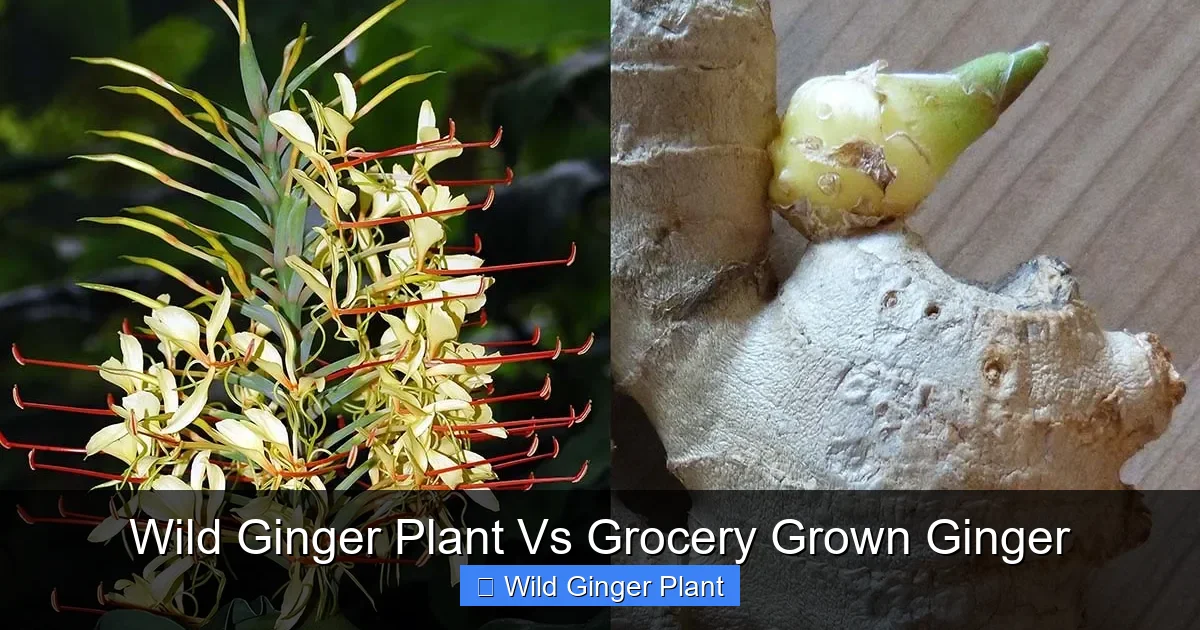
Wild Ginger Plant Vs Grocery Grown Ginger
Wild ginger plant and grocery grown ginger are completely different plants despite sharing a common name. Grocery ginger (Zingiber officinale) is a tropical spice used worldwide in cooking, while wild ginger (Asarum canadense) is a North American woodland groundcover with heart-shaped leaves. Never confuse the two — wild ginger contains aristolochic acid and should not be eaten in large quantities.
Key Takeaways
- Different plant families: Grocery ginger belongs to Zingiberaceae while wild ginger belongs to Aristolochiaceae — they are not related at all.
- Culinary use differs: Grocery ginger is a staple spice used globally; wild ginger has limited historical use as a flavoring but is not a culinary substitute.
- Safety concern: Wild ginger contains aristolochic acid which can damage kidneys and cause cancer with prolonged use.
- Appearance is distinct: Grocery ginger grows as tall reeds with narrow leaves; wild ginger is a low groundcover with heart-shaped leaves and hidden flowers.
- Growing needs vary: Grocery ginger needs tropical heat and humidity; wild ginger thrives in shady, cool woodland conditions.
- Harvest difference: Grocery ginger rhizomes are large and knobby; wild ginger rhizomes are thin and grow just below the soil surface.
- Buy don’t forage: For culinary ginger, always buy from a store or grow Zingiber officinale yourself — never substitute wild ginger.
Quick Answers to Common Questions
Is wild ginger plant the same as grocery ginger?
No. Wild ginger (Asarum canadense) and grocery ginger (Zingiber officinale) are completely different plants from different families. They are not related.
Can you eat wild ginger root?
Wild ginger contains aristolochic acid, which can cause kidney damage and cancer. It should not be eaten. Grocery ginger is the safe culinary choice.
How can I tell wild ginger from grocery ginger in the wild?
Wild ginger is a low groundcover with heart-shaped leaves and hidden ground-level flowers. Grocery ginger grows tall with narrow leaves and showy cone flowers — but you won’t find it growing wild in North America.
Can I grow grocery ginger from a store-bought root?
Yes. Choose a plump piece with visible eyes, soak overnight, and plant in warm, moist soil. It takes 8-10 months for mature ginger.
Is wild ginger endangered?
Wild ginger is threatened in some parts of its range due to habitat loss. Never dig plants from the wild. Buy from native plant nurseries instead.
📑 Table of Contents
- Introduction
- What Is Grocery Store Ginger?
- What Is Wild Ginger Plant?
- Key Differences Between Wild Ginger Plant and Grocery Ginger
- Can You Eat Wild Ginger Plant?
- Identifying Wild Ginger in the Woods
- Growing Grocery Ginger at Home
- Growing Wild Ginger as an Ornamental
- Cooking With Grocery Ginger: Tips and Tricks
- Medicinal Uses: Separating Fact From Fiction
- Foraging Ethics and Legal Considerations
- Common Myths Debunked
- Conclusion
Introduction
Have you ever spotted a plant on a forest hike that smelled like ginger? Maybe you wondered if you could dig it up and use it in your stir fry. I have been there too. The name “wild ginger” causes a lot of confusion. People assume it is just the wild version of the ginger root sitting in their produce drawer. That assumption could lead to a very unpleasant surprise.
Let me clear this up right away. Wild ginger plant and grocery grown ginger are not the same plant. They are not even distant cousins. They belong to completely different plant families. They look different. They grow in different places. And most importantly, they have very different safety profiles. This guide will walk you through everything you need to know. By the end, you will never confuse them again.
What Is Grocery Store Ginger?
When you buy ginger at the supermarket, you are getting Zingiber officinale. This plant has been cultivated for thousands of years. It originated in Southeast Asia. Today it grows in tropical regions around the world. India, China, Nigeria, and Peru are major producers.
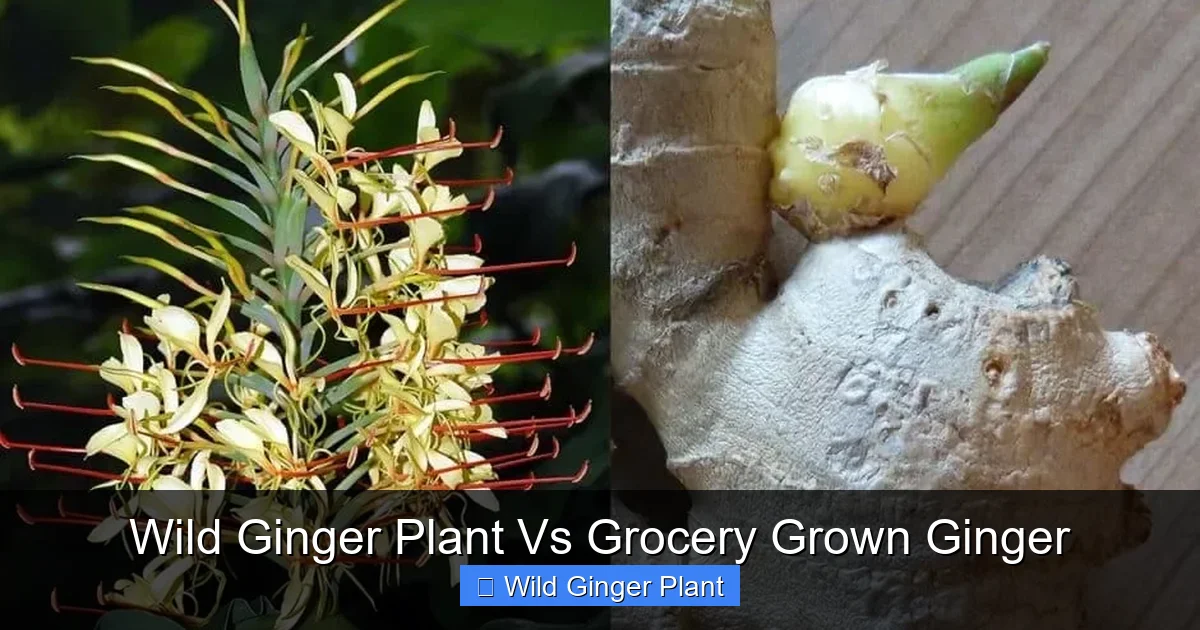
Visual guide about Wild Ginger Plant Vs Grocery Grown Ginger
Image source: theallotmentgarden.co.uk
The Plant Behind the Spice
Grocery ginger is a herbaceous perennial. It grows from a rhizome. That rhizome is the part we eat. The plant produces tall, reed-like stems. These can reach three to four feet high. The leaves are long, narrow, and arranged alternately. They look a bit like corn leaves. The flowers are cone-shaped and grow on separate stalks. They are usually yellow-green with purple edges. But most farmers harvest before flowering.
Why We Love It
Ginger is one of the most versatile spices on the planet. The flavor is warm, spicy, and slightly sweet. It works in savory dishes. It works in sweet treats. It works in drinks. Think ginger tea, ginger ale, gingerbread, stir-fries, curries, and marinades. The active compounds are gingerols and shogaols. These give ginger its bite. They also provide health benefits. Ginger helps with nausea. It reduces inflammation. It aids digestion. It may even help lower blood sugar.
How It Gets to Your Store
Commercial ginger grows in rich, loose soil. Farmers plant rhizome pieces called “seed ginger.” They need warm soil, consistent moisture, and partial shade. The crop takes eight to ten months to mature. Harvest happens when the leaves yellow and die back. Machines or hands dig up the rhizomes. They are washed, dried, and graded. Then they ship in refrigerated containers. That knob of ginger in your hand traveled a long way.
What Is Wild Ginger Plant?
Wild ginger refers to several species in the genus Asarum. The most common in North America is Asarum canadense. It also goes by names like Canadian wild ginger, broad-leaved ginger, or coltsfoot. It is native to eastern North America. You will find it in rich, deciduous forests. It ranges from Manitoba to North Carolina.
A Woodland Groundcover
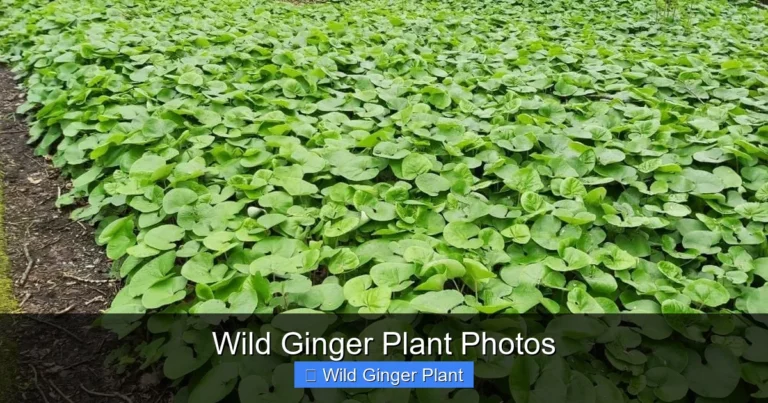
Wild ginger is a low-growing perennial. It spreads by shallow rhizomes. These form dense mats over time. The plant reaches only six to twelve inches tall. The leaves are the showstopper. They are large, heart-shaped, and velvety soft. They grow in pairs. Each leaf can be six inches wide. The texture is almost fuzzy. In spring, a single flower appears. It hides at ground level between the leaf stems. The flower is bell-shaped. It has three pointed lobes. The color is deep reddish-brown to purple. It looks like a tiny jug lying on its side.
Why the Name?
Early European settlers gave it the name “wild ginger.” They noticed the rhizomes smelled like ginger when crushed. The scent comes from similar volatile oils. But the chemistry is not the same. Indigenous peoples used wild ginger medicinally. They treated colds, fevers, and stomach issues. They also used it as a flavoring in small amounts. But they knew the difference. They did not use it as a daily spice like grocery ginger.
Ecological Role
Wild ginger plays an important role in forest ecosystems. The dense mats prevent soil erosion. The flowers are pollinated by ants and beetles. The seeds have a fatty appendage called an elaiosome. Ants carry the seeds to their nests. They eat the elaiosome and discard the seed. This disperses the plant. Deer rarely browse wild ginger. The leaves contain compounds that deter herbivores.
Key Differences Between Wild Ginger Plant and Grocery Ginger
Now let us put them side by side. The differences are striking once you know what to look for.
Botanical Family
Grocery ginger belongs to the Zingiberaceae family. This family includes turmeric, cardamom, and galangal. Wild ginger belongs to the Aristolochiaceae family. This family includes pipevines and birthworts. They share no recent common ancestor. The similar name is pure coincidence.
Growth Habit
Grocery ginger grows upright. Tall stems. Narrow leaves. It looks like a tropical grass. Wild ginger hugs the ground. Short stems. Broad, heart-shaped leaves. It forms a carpet.
Rhizome Appearance
Grocery ginger rhizomes are thick and knobby. They have a tan skin and pale yellow flesh. They branch like fat fingers. Wild ginger rhizomes are thin and wiry. They grow just under the leaf litter. They are white to light brown. They smell gingery when scratched but lack the intense heat.
Climate Needs
Grocery ginger demands heat. It needs zones 9 to 12 outdoors. It wants humidity. It wants a long growing season. Wild ginger thrives in zones 3 to 7. It wants cold winters. It wants shade. It wants moist, humus-rich soil.
Flower Structure
Grocery ginger flowers are showy cones on tall stalks. Wild ginger flowers are solitary, ground-level, and jug-shaped. They are easy to miss.
Culinary Role
Grocery ginger is a global staple. Wild ginger is a historical curiosity. You will not find wild ginger in any mainstream cookbook. You will not find it in a spice jar.
Can You Eat Wild Ginger Plant?
This is the question everyone asks. The short answer: Technically yes, but you should not. Let me explain why.
The Aristolochic Acid Problem
Wild ginger contains aristolochic acid. This compound is found in many Aristolochiaceae plants. It is a potent toxin. It damages kidney tissue. It causes a condition called aristolochic acid nephropathy. This leads to kidney failure. It is also a known carcinogen. It causes urothelial cancer. The risk is dose-dependent. Small amounts occasionally may not cause immediate harm. But regular consumption is dangerous. The FDA has warned against products containing aristolochic acid. Several countries have banned herbal remedies containing it.
Historical Use vs Modern Knowledge
Indigenous peoples used wild ginger root. They used it for specific ailments. They used it in small doses. They did not eat it daily. They also prepared it in ways that may have reduced toxicity. Boiling can degrade some aristolochic acid. But not all. And not reliably. Modern science has identified the risk. We now know better. Continuing to eat it based on tradition ignores current evidence.
The Flavor Is Not Worth It
Even if it were safe, wild ginger is not a good substitute. The flavor is weaker. It is more earthy than spicy. It lacks the bright heat of true ginger. You would need a large amount to flavor a dish. That large amount increases the toxin dose. It makes no culinary sense.
What About the Leaves?
Some foragers use wild ginger leaves. They make a tea. The leaves contain less aristolochic acid than the rhizome. But they still contain it. The risk remains. There are dozens of safe, delicious herbs for tea. Choose mint. Choose lemon balm. Choose chamomile. Do not risk your kidneys for a novelty.
Identifying Wild Ginger in the Woods
If you hike in eastern forests, you will likely encounter wild ginger. Learning to identify it is useful. It helps you avoid accidental harvest. It helps you appreciate the plant for what it is — a beautiful native groundcover.
Leaf Check
Look for pairs of heart-shaped leaves. They emerge on short, hairy stems. The leaf margins are smooth. The surface is soft, almost velvety. The color is medium green. In spring, they are bright. In summer, they deepen.
Flower Check
In April or May, look at ground level. Push the leaves aside gently. You may see a strange flower. It has three triangular lobes. No petals. The color is purplish-brown. It sits on a very short stalk. It often rests on the soil. Flies and beetles pollinate it. The smell is faintly musty, not sweet.
Rhizome Check
If you gently brush away leaf litter, you may see the rhizomes. They creep horizontally. They are about a quarter-inch thick. They are segmented. They root at the nodes. Scratch one with a fingernail. You will smell a ginger-like aroma. But remember — smell is not identity.
Common Lookalikes
Wild ginger can be confused with a few plants. Violets have heart-shaped leaves but they are not paired. They have showy flowers above the leaves. Hepatica has lobed leaves, not heart-shaped. Mayapple has umbrella-like leaves, not hearts. Bloodroot has deeply lobed leaves and white flowers. None of these smell like ginger when crushed.
Growing Grocery Ginger at Home
Since wild ginger is not a food plant, let us talk about growing the real deal. You can grow Zingiber officinale at home. It is surprisingly easy. You do not need a tropical greenhouse. You just need patience.
Starting From Store-Bought Rhizome
Go to the grocery store. Pick a plump, firm piece of ginger. Look for “eyes” — those little nubs or buds. They look like the eyes on a potato. Organic is best. Non-organic may have growth inhibitors. Soak the rhizome in warm water overnight. This wakes it up. It also washes off any retardant.
Pre-Sprouting
Fill a shallow tray with damp potting mix. Lay the rhizome flat. Cover lightly with more mix. Keep it warm. Seventy to eighty degrees Fahrenheit is ideal. A heat mat helps. Keep the soil moist but not soggy. In two to four weeks, you will see shoots. They look like green spikes.
Potting Up
Once shoots are a few inches tall, transplant. Use a wide, shallow pot. Ginger rhizomes spread sideways. A twelve-inch wide pot works for one plant. Use rich, well-draining potting soil. Mix in compost. Plant the rhizome one to two inches deep. Water well.
Care Through the Season
Ginger likes dappled shade. Morning sun is okay. Hot afternoon sun burns the leaves. Keep the soil consistently moist. Mulch helps. Feed monthly with a balanced organic fertilizer. Fish emulsion works well. In zones 9+, you can grow it in the ground. In cooler zones, keep it in a pot. Bring it inside before frost.
Harvest Time
Baby ginger harvest starts at four to five months. The skin is thin. The flavor is mild. No peeling needed. Mature ginger takes eight to ten months. The leaves will yellow and die back. Stop watering. Let the soil dry. Dig up the whole clump. Save some rhizomes for next year. Wash the rest. Use fresh or freeze.
Growing Wild Ginger as an Ornamental
If you have a shady yard, wild ginger makes a fantastic groundcover. It is native. It is low-maintenance. It suppresses weeds. It looks lush all season. And it supports local ecology.
Site Selection
Pick a spot with full to part shade. Under deciduous trees is perfect. The soil should be rich and moist. Add leaf mold or compost if needed. Wild ginger likes a slightly acidic to neutral pH. It does not tolerate drought well. It does not tolerate heavy foot traffic.
Planting
Buy plants from a native plant nursery. Do not dig from the wild. Many populations are threatened by habitat loss. Space plants twelve to eighteen inches apart. They will fill in over a few years. Water well after planting. Mulch with shredded leaves.
Maintenance
Once established, wild ginger needs little care. Water during dry spells. Remove invasive weeds like garlic mustard. Let the leaves decompose in place. They feed the plant. Divide clumps every few years if they get too dense. Share with friends.
Wildlife Value
Your wild ginger patch will attract ants. They disperse seeds. It provides cover for salamanders and toads. Deer ignore it. It is a quiet hero of the shade garden.
Cooking With Grocery Ginger: Tips and Tricks
Since this is the ginger you should use, let us make the most of it. Here are some practical tips from my kitchen to yours.
Peeling Made Easy
Don’t use a knife. You waste too much flesh. Use a spoon. Scrape the skin off with the edge of a metal spoon. It follows the knobs perfectly. Or peel with a vegetable peeler for larger pieces.
Grating Without Strings
Ginger fibers can be stringy. Grate across the grain. Hold the piece so fibers run perpendicular to the grater. Or use a microplane. It pulverizes fibers into paste. The juice comes out too. That is liquid gold.
Freezing for Convenience
Peel a whole knob. Cut into one-inch chunks. Freeze on a tray. Transfer to a bag. Grate frozen ginger directly into dishes. No thawing needed. It keeps for months.
Ginger Tea Done Right
Smash a few slices with the side of a knife. This releases oils. Steep in boiling water for ten minutes. Add honey and lemon. For a cold version, cold-brew overnight in the fridge.
Ginger Paste
Blend peeled ginger with a little oil and salt. Freeze in ice cube trays. One cube equals about a tablespoon of fresh ginger. Perfect for curries and marinades.
Don’t Toss the Peel
Simmer peels in water for a mild ginger broth. Use it to cook rice. Or add to compost. Zero waste.
Medicinal Uses: Separating Fact From Fiction
Both plants have medicinal histories. But the evidence differs greatly.
Grocery Ginger: Well-Studied Benefits
Hundreds of studies support ginger. Nausea relief is the strongest evidence. It works for morning sickness. It works for chemotherapy nausea. It works for motion sickness. Anti-inflammatory effects are documented. Pain reduction in osteoarthritis shows promise. Blood sugar regulation has mixed but positive results. The effective dose is usually one to three grams daily. That is about a half-teaspoon of powder or a one-inch piece of fresh root.
Wild Ginger: Historical Use Only
Wild ginger was used by Native American tribes. The Cherokee used it for coughs and colds. The Iroquois used it for stomach cramps. The Ojibwe used it as a stimulant. These were specific, short-term uses. They were not daily tonics. Modern herbalists generally avoid it. The aristolochic acid risk outweighs unproven benefits. Safe alternatives exist for every condition wild ginger was used for.
Supplement Caution
Check labels on herbal supplements. Some “wild ginger” products may contain Asarum species. Avoid them. Look for Zingiber officinale on the label. Choose reputable brands with third-party testing.
Foraging Ethics and Legal Considerations
If you are tempted to forage wild ginger, please read this first.
Legal Status
Wild ginger is protected in some states. It is listed as threatened or endangered in parts of its range. Harvesting on public land often requires a permit. On private land, you need owner permission. Always check local regulations.
Ecological Impact
Wild ginger spreads slowly. A colony takes years to form. Digging rhizomes kills the plant. It leaves bare soil. Invasive species move in. The forest floor loses a native protector. If everyone foraged, populations would crash.
Ethical Foraging Guidelines
If you must forage any plant, follow the rule of thirds. Take one-third. Leave one-third for wildlife. Leave one-third to reproduce. Better yet, for wild ginger — take zero. Photograph it. Admire it. Learn from it. Buy your ginger at the store.
Common Myths Debunked
Let us clear up a few persistent myths.
Myth: Wild Ginger Is Just Free Grocery Ginger
False. They are different species. Different families. Different chemistry. Different safety profiles.
Myth: Boiling Removes All Toxins
False. Boiling reduces aristolochic acid but does not eliminate it. The remaining amount is unpredictable.
Myth: Indigenous People Ate It, So It’s Safe
False. Traditional use was specific and limited. Modern toxicity data changes the risk calculation. We also live longer now — cumulative exposure matters more.
Myth: The Leaves Are Safe
False. Leaves contain lower concentrations but still contain aristolochic acid.
Myth: European Wild Ginger (Asarum europaeum) Is Different
False. It also contains aristolochic acid. It has the same risks.
Conclusion
We have covered a lot of ground. The takeaway is simple. Wild ginger plant and grocery grown ginger are not interchangeable. One is a beloved, safe, globally essential spice. The other is a beautiful native wildflower with a toxic secret. Enjoy grocery ginger in your cooking. Grow it on your patio. Make tea with it. Grate it into everything. Admire wild ginger on your hikes. Plant it in your shade garden. Protect it in the wild. But keep the two worlds separate. Your kidneys will thank you. Your taste buds will thank you. And the forest will thank you.
Next time you see those heart-shaped leaves on a forest trail, you will know exactly what they are. You will smile at the memory of this guide. And you will reach for the grocery ginger when you get home. That is the way it should be.
Frequently Asked Questions
What is the scientific name for grocery store ginger?
The scientific name for grocery store ginger is Zingiber officinale. It belongs to the Zingiberaceae family, which also includes turmeric and cardamom.
What is the scientific name for wild ginger plant?
The most common North American wild ginger is Asarum canadense. It belongs to the Aristolochiaceae family, which includes pipevines.
Does wild ginger taste like regular ginger?
Wild ginger rhizomes have a faint ginger-like aroma when crushed, but the flavor is much weaker, earthier, and lacks the spicy heat of true ginger.
Why is wild ginger dangerous to eat?
Wild ginger contains aristolochic acid, a toxin that causes kidney failure and urothelial cancer. The FDA warns against consuming any plant containing this compound.
Can I use wild ginger leaves for tea?
While some foragers use wild ginger leaves for tea, they still contain aristolochic acid. It is safer to use mint, lemon balm, or other known safe herbs.
Where can I buy wild ginger plants for my garden?
Purchase wild ginger from reputable native plant nurseries. Do not dig plants from the wild, as this harms natural populations and may be illegal.