Wild Ginger Plant Virginia
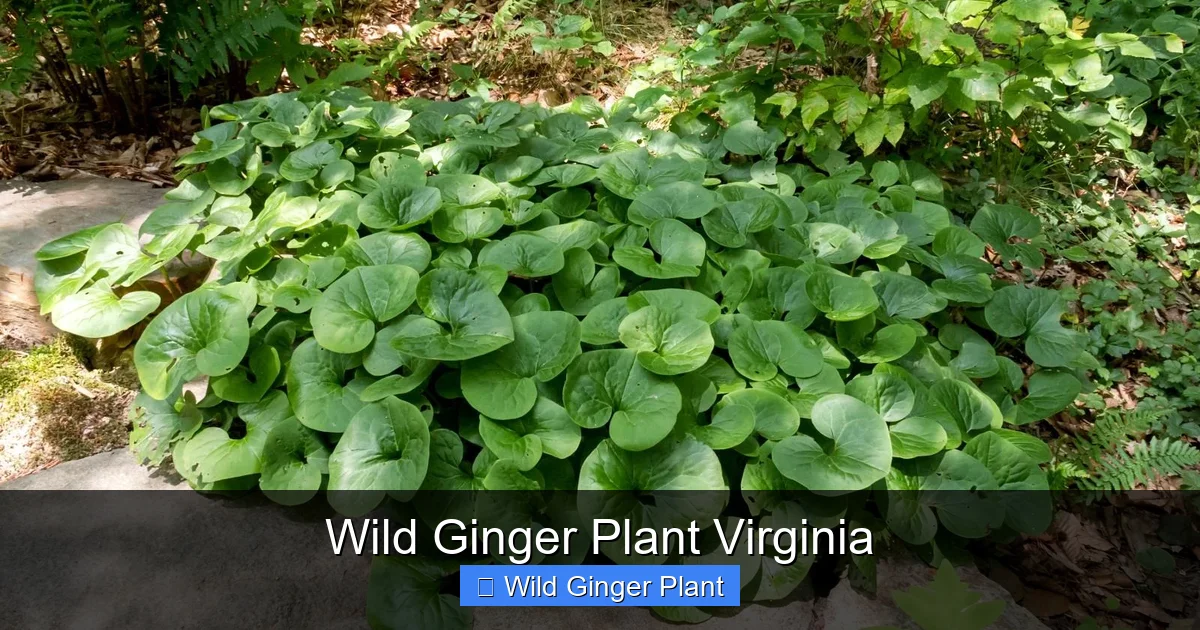
Wild ginger plant Virginia is a low‑growing native perennial prized for its heart‑shaped leaves and subtle, spicy fragrance. It thrives in shady, moist woodlands and makes an excellent ground cover for native gardens.
Key Takeaways
- Identification: The wild ginger plant virginia has heart‑shaped, glossy leaves and a hidden, brownish flower at ground level.
- Habitat: It prefers moist, shady woodlands throughout Virginia’s piedmont and mountain regions.
- Growth habit: The plant spreads by rhizomes, forming dense mats that suppress weeds.
- Cultivation: Plant in rich, well‑drained soil with partial to full shade; water regularly until established.
- Ecological value: Provides early nectar for pollinators and shelter for small woodland creatures.
- Conservation: Avoid over‑harvesting; support native populations by planting nursery‑grown stock.
Quick Answers to Common Questions
What is the scientific name of wild ginger plant virginia?
The scientific name is Asarum canadense, a member of the birthwort family.
Where does wild ginger plant virginia grow in Virginia?
It grows mainly in the piedmont and mountain regions, preferring moist, shady woodlands.
How do you propagate wild ginger plant virginia?
Propagation is easiest by dividing rhizomes in early spring; seed requires cold stratification.
Is wild ginger plant virginia edible?
The rhizome has a spicy flavor and was used historically, but it contains compounds that can be toxic in large amounts.
How can I help conserve wild ginger plant virginia?
Plant nursery‑grown stock, avoid wild harvest, and support local habitat restoration projects.
📑 Table of Contents
What Is Wild Ginger Plant Virginia?
The wild ginger plant virginia is a low growing perennial that loves shade. Gardeners often call the wild ginger plant virginia a shade lover because it thrives under trees. The wild ginger plant virginia belongs to the birthwort family and spreads by underground stems. The plant stays close to the ground and forms a soft carpet. You will often see it in moist woods across the state. It prefers humus rich soil that holds moisture. The foliage remains attractive throughout the growing season. Deer rarely browse this plant because of its strong scent. It can be used as a living mulch in shaded beds.
Botanical Overview
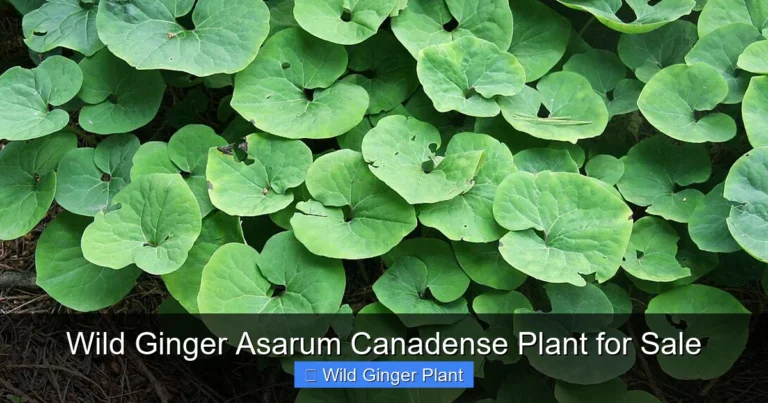
The wild ginger plant virginia has glossy dark green leaves that are kidney shaped. The leaf edges are smooth and the surface feels waxy. A single flower hides at the base of the leaf pair. The flower is brownish purple with three pointed petals. It blooms early in spring before the canopy closes. The leaf shape helps the plant capture low light. The hidden flower protects pollen from rain. Seed capsules develop close to the ground. Ants often disperse the seeds.
Common Names
People also call the wild ginger plant virginia Canadian wild ginger or heartleaf ginger. The name reflects the leaf shape and the spicy scent of the rhizome. Local herbalists have used the root for tea and poultices. The common names help gardeners identify the plant in the field. Knowing the names avoids confusion with similar species. Other regional names include wild ginger and snakeroot. The scent is released when the rhizome is crushed. This aroma deters many herbivores. The plant is easy to recognize once you know the names.
Range in Virginia
The wild ginger plant virginia grows throughout the piedmont and mountain regions. It prefers rich, moist soils near streams and ravines. The coastal plain has fewer populations due to drier conditions. You can find it in state parks and private woodlands. Mapping its range helps conservation planning. Elevation influences its abundance. Higher elevations often have larger colonies. Climate change may shift its range northward. Citizen scientists can report sightings online.
Identifying Wild Ginger Plant Virginia in the Field
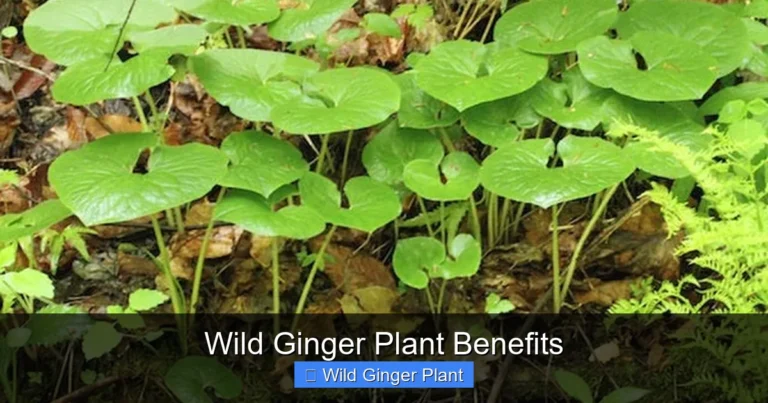
Identifying the wild ginger plant virginia in the field is easy with a few tips. The wild ginger plant virginia shows a distinctive leaf pair that looks like a heart. The wild ginger plant virginia leaves grow opposite each other on a short stem. The hidden flower sits at ground level and is often missed. A gentle tug reveals the aromatic rhizome beneath the soil. Look for the glossy leaf surface in early spring. The heart shape is unmistakable among forest floor plants. The rhizome smells like mild pepper when broken. A hand lens helps spot the tiny flower.
Leaf Shape and Texture
The wild ginger plant virginia leaf is broad with a smooth margin. The upper surface is shiny and the underside is paler. When you rub the leaf you notice a faint peppery scent. The leaf texture feels thick and slightly leathery. This helps the plant retain moisture in shady spots. The leaf veins are faint but visible. New leaves emerge bright green in April. Older leaves may turn bronze in autumn. The texture discourages slug feeding.
Flower Details
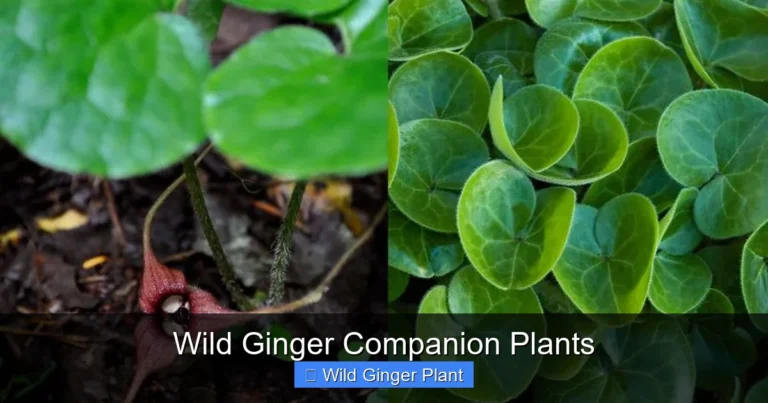
The wild ginger plant virginia flower is small and bell shaped. It has three dark purple petals that curl backward. The flower sits on a short stalk hidden by the leaf pair. Pollinators such as beetles visit the bloom early in the season. The flower produces a single seed capsule that splits open. The flower lacks showy petals to attract bees. Instead it relies on ground dwelling insects. The capsule releases seeds near the parent plant. Seedlings establish quickly in moist leaf litter.
Growth Habit
The wild ginger plant virginia spreads by thin rhizomes that creep just below the surface. New shoots emerge each spring forming a dense mat. This habit suppresses competing weeds naturally. The plant prefers undisturbed leaf litter for best growth. Gardeners can divide clumps every few years to expand coverage. Rhizome fragments can root if left on moist soil. Division is best done in early spring. The plant tolerates light foot traffic once established. It forms a living mulch that conserves soil moisture.
Preferred Habitat and Growing Conditions
The wild ginger plant virginia thrives in cool, moist woodlands with rich organic soil. The wild ginger plant virginia needs consistent moisture but not standing water. The wild ginger plant virginia grows best under a canopy of deciduous trees that provide dappled light. Soil pH near neutral supports healthy root development. Mulching with leaf litter mimics its natural forest floor. A thick layer of decaying leaves feeds the rhizomes. The plant tolerates brief dry periods once mature. Avoid heavy fertilization which can cause weak growth. A simple soil test guides amendment choices.
Soil Requirements
The wild ginger plant virginia prefers loamy soil high in organic matter. Good drainage prevents root rot while retaining moisture. Adding compost improves texture and nutrient availability. Avoid heavy clay that stays soggy after rain. A soil test can guide amendments for optimal growth. Sandy loam works well if amended with leaf mold. The ideal pH range is 6.0 to 7.0. Mulch annually to maintain organic content. Earthworms thrive in this environment and aerate the soil.
Light and Moisture
The wild ginger plant virginia does well in partial to full shade. Direct sun can scorch the delicate leaves. Consistent moisture is key especially during dry spells. A soaker hose or drip irrigation works well in garden settings. Mulch helps keep the root zone cool and damp. Morning light is tolerated better than afternoon sun. Water deeply rather than frequently. Rain barrels can supply soft water for irrigation. Monitor soil moisture with a finger test.
Companion Plants
The wild ginger plant virginia pairs nicely with ferns, trilliums, and foamflower. These companions share similar shade and moisture needs. Planting them together creates a layered woodland look. The combined ground cover reduces erosion on slopes. Diversity also supports a wider range of pollinators. Add native sedges for texture contrast. Spring ephemerals bloom before the ginger foliage fully expands. The mix provides continuous habitat through the seasons. Choose species that do not outcompete the ginger.
Cultivation Tips for Gardeners
Growing the wild ginger plant virginia in a home garden is rewarding and low maintenance. The wild ginger plant virginia establishes quickly when planted in the right spot. The wild ginger plant virginia prefers a shady bed with rich, well drained soil. Space plants about twelve inches apart for a full carpet. Water regularly during the first season to encourage root spread. Amend the planting hole with compost. Mulch after planting to conserve moisture. Avoid planting near aggressive spreaders. Patience yields a lush carpet in two years.
Planting Time
The wild ginger plant virginia is best planted in early spring or fall. Cool temperatures reduce transplant shock. Prepare the planting hole twice as wide as the root ball. Set the crown at soil level and backfill with amended soil. Water thoroughly after planting to settle the roots. Fall planting allows roots to establish before winter. Spring planting works if soil is workable. Avoid planting during hot summer months. Label each plant for future reference.
Propagation Methods
The wild ginger plant virginia can be propagated by division or seed. Division is fastest and yields mature plants in one season. Dig up a clump in early spring and separate the rhizomes. Replant divisions immediately at the same depth. Seed propagation requires cold stratification for several months. Collect seeds when capsules turn brown. Store seeds in moist sand in the refrigerator. Sow stratified seeds in a shaded seed tray. Transplant seedlings after they develop two true leaves.
Maintenance and Care
The wild ginger plant virginia needs minimal care once established. Remove any invasive weeds that compete for nutrients. Apply a thin layer of leaf mulch each autumn. Watch for slugs that may chew the tender leaves. Fertilize lightly with a balanced organic feed in early spring. Prune dead foliage in late winter. Monitor for fungal spots during wet periods. Hand pick slugs in the evening. A healthy stand rarely needs extra nutrients.
Ecological Benefits and Uses
The wild ginger plant virginia provides valuable ecosystem services in its native range. The wild ginger plant virginia offers early season nectar for native bees and flies. The wild ginger plant virginia dense foliage shelters small amphibians and insects. The rhizome has a history of medicinal use by indigenous peoples. Modern gardeners appreciate its ornamental ground cover qualities. The plant stabilizes soil on steep banks. Its leaf litter enriches the forest floor. Birds use the dense mats for foraging. The species contributes to overall biodiversity.
Wildlife Value
The wild ginger plant virginia supports a variety of woodland wildlife. Beetles and early bees visit the hidden flowers for pollen. The leaf litter created by the plant hosts beneficial microbes. Small mammals use the dense mats for cover and nesting. This makes the species a keystone in forest understories. Amphibians lay eggs in the moist microhabitat. Insect predators find shelter among the leaves. The plant’s phenology matches early pollinator emergence. Protecting it benefits the whole community.
Historical Medicinal Uses
The wild ginger plant virginia rhizome was used by Native Americans for colds and digestive upset. They brewed a tea from the dried root to ease nausea. The aromatic compounds have mild antimicrobial properties. Early settlers adopted the remedy for similar ailments. Today herbalists still value the root in tinctures. The root contains aristolochic acid which requires caution. Modern research explores safe extracts. Traditional knowledge guides sustainable harvest. Always consult a professional before medicinal use.
Modern Landscape Uses
The wild ginger plant virginia shines in shade gardens and naturalized areas. It works well under trees where grass struggles. The heart shaped leaves add texture to woodland borders. Designers use it to create a living mulch that suppresses weeds. Its low height keeps sight lines open in park settings. Combine with hostas for a layered effect. Use in rain garden edges for erosion control. The plant tolerates light foot traffic on paths. It adds a native touch to formal landscapes.
Conservation and Ethical Harvesting
Protecting the wild ginger plant virginia ensures future generations can enjoy its benefits. The wild ginger plant virginia faces pressure from habitat loss and over collection. The wild ginger plant virginia is threatened by development that fragments the moist woodlands it prefers. Invasive species like garlic mustard outcompete it for resources. Responsible stewardship can reverse these trends. Land trusts acquire critical habitat for protection. Education programs raise awareness among hikers. Policy advocacy can limit harmful development. Community monitoring tracks population changes.
Threats
The wild ginger plant virginia is threatened by logging, road building, and deer browsing. Climate change alters the moisture regime it depends on. Illegal harvest for the herbal market reduces local populations. Fragmented habitats limit gene flow between groups. Monitoring programs track population health across the state. Invasive earthworms change soil structure. Excessive foot traffic compacts the rhizome zone. Pesticide drift can harm non target plants. Early detection helps mitigate losses.
Guidelines for Sustainable Use
The wild ginger plant virginia should only be harvested from abundant, legal sources. Take no more than ten percent of a clump in any year. Leave the rhizome intact to allow regrowth. Obtain permits when collecting on public land. Educate others about the importance of leaving wild stands untouched. Mark harvested areas to avoid repeat removal. Rotate harvest sites each season. Share sustainable practices with fellow foragers. Support nurseries that propagate ethically.
How to Support Native Populations
The wild ginger plant virginia benefits from gardeners who plant nursery grown stock. Participate in local seed swaps to increase genetic diversity. Volunteer for habitat restoration projects in state parks. Advocate for protective ordinances on private development. Every small action helps secure the species future. Donate to native plant societies. Encourage schools to include it in curricula. Plant it in community gardens for demonstration. Share photos and observations online.
In summary the wild ginger plant virginia is a charming native ground cover that enriches shady gardens and wild woodlands alike. The wild ginger plant virginia rewards careful gardeners with beautiful foliage, early blooms, and ecological value. The wild ginger plant virginia thrives when you plant responsibly and support conservation efforts. Enjoy the subtle spice scent and the soft green carpet it creates. Your efforts make a lasting difference for Virginia’s natural heritage. Spread the word about this hidden gem. Join a local native plant group today. Together we can keep the forest floor vibrant.
Frequently Asked Questions
What are the ideal soil conditions for wild ginger plant virginia?
It prefers loamy, organic‑rich soil with good drainage and a pH near neutral.
Can wild ginger plant virginia tolerate full sun?
No, direct sun scorches the leaves; it thrives in partial to full shade.
When does wild ginger plant virginia bloom?
It blooms early in spring, often before the tree canopy fully leafs out.
Does wild ginger plant virginia have any medicinal uses?
Traditionally the rhizome was used for colds and nausea, but modern use requires caution due to toxic compounds.
How do I divide wild ginger plant virginia?
Dig up a clump in early spring, separate the rhizomes, and replant at the same depth.
What pests affect wild ginger plant virginia?
Slugs and occasional fungal spots are the main issues; good air flow and mulch reduce problems.