Planting Wild Ginger
Planting wild ginger is easy when you pick a shady spot, prepare rich soil, and keep the roots moist. Follow these simple steps for a lush ground cover and a tasty herb.
Welcome to the complete guide for planting wild ginger. This native ground cover loves shade and moist soil. It spreads slowly and forms a dense carpet. The heart shaped leaves add texture to any woodland garden. The rhizomes have a sweet spicy flavor used in teas and syrups. Many gardeners choose planting wild ginger for low maintenance beauty. The plant also supports pollinators with its hidden flowers. You will learn each step from site selection to harvest. This guide keeps instructions simple and clear. Follow along and enjoy a thriving patch of planting wild ginger.
In this article you will find practical tips for planting wild ginger in any shady spot. We cover soil preparation, spacing, watering, mulching, fertilizing, pest control, division, and harvest. Each section includes easy steps and common mistakes to avoid. The goal is to make planting wild ginger a success for beginners and experienced growers alike. Let us start with choosing the best site.
Key Takeaways
- Choose shade: Wild ginger thrives in dappled light under trees.
- Rich moist soil: Add compost and keep the bed damp.
- Space rhizomes: Plant pieces twelve inches apart with buds up.
- Mulch well: A leaf layer holds water and blocks weeds.
- Divide every few years: This keeps the colony vigorous.
- Harvest in fall: Roots are most flavorful after foliage dies.
Quick Answers to Common Questions
What is the best light for planting wild ginger?
Planting wild ginger prefers dappled shade with only morning sun.
How deep should I plant the rhizomes?
Cover rhizomes with two inches of soil for planting wild ginger.
When should I divide the clumps?
Divide every three to four years in early spring for planting wild ginger.
What mulch works best?
Shredded leaves or straw keep moisture and suppress weeds for planting wild ginger.
Can I grow planting wild ginger in containers?
Yes, use a deep pot with compost and sand for planting wild ginger.
📑 Table of Contents
planting wild ginger site selection
find a shady corner
Look for a spot that receives only morning light. Full sun will scorch the leaves and dry the roots. A north facing bed under deciduous trees works well. The canopy provides dappled shade throughout the day. This environment mimics the natural forest floor where planting wild ginger thrives. Test the light by observing the area at noon. If the ground stays cool and damp, the site is ideal for planting wild ginger. Mark the area with a string line before you dig. This helps you keep rows straight when planting wild ginger.
check soil moisture
Dig a small test hole about six inches deep. Feel the soil with your fingers. It should feel moist but not soggy. If the soil is dry, water the area deeply a day before planting wild ginger. Consistent moisture helps the rhizomes establish quickly. Avoid low spots that collect standing water. Excess water can cause rot in planting wild ginger. Use a simple moisture meter if you prefer a numeric reading. Aim for a reading in the moist range for planting wild ginger.
test drainage
Fill the test hole with water and watch how fast it drains. Good drainage means the water disappears within an hour. Slow drainage indicates heavy clay or compacted soil. Amend the area with coarse sand or fine gravel to improve flow. Better drainage protects the rhizomes of planting wild ginger from fungal diseases. You can also raise the bed slightly with a mound of compost. A raised bed encourages runoff away from planting wild ginger. Record the drainage time for future reference when planting wild ginger.
measure light levels
Measure light levels with a simple meter or a phone app. Aim for less than four hours of direct sun each day. Too much light stresses planting wild ginger and reduces vigor. Record the readings for future reference when planting wild ginger. Adjust the site if the numbers are high. A shady spot gives the best results for planting wild ginger.
choose companion plants
Choose companion plants that enjoy the same shade and moisture. Ferns, hostas, and foamflower work well with planting wild ginger. They create a layered look and keep the soil cool. Avoid aggressive spreaders that crowd planting wild ginger. Plant companions at the same time for a cohesive bed. This partnership supports healthy growth for planting wild ginger.
prepare the planting bed edges
Prepare the planting bed edges with a shallow trench. This defines the area and keeps mulch in place for planting wild ginger. Use a spade to cut a clean line around the perimeter. Fill the trench with coarse gravel for drainage. The edge barrier stops weeds from invading planting wild ginger. A tidy border makes maintenance easier for planting wild ginger.
preparing soil for planting wild ginger
loosen the top layer
Use a garden fork to break up the top six inches of earth. Remove rocks, large roots, and debris. Loose soil allows the rhizomes to spread horizontally. This step is critical for planting wild ginger because compacted ground blocks growth. Work the fork in a crisscross pattern for even loosening. Take care not to disturb the subsoil too deeply. A well aerated bed gives planting wild ginger a strong start.
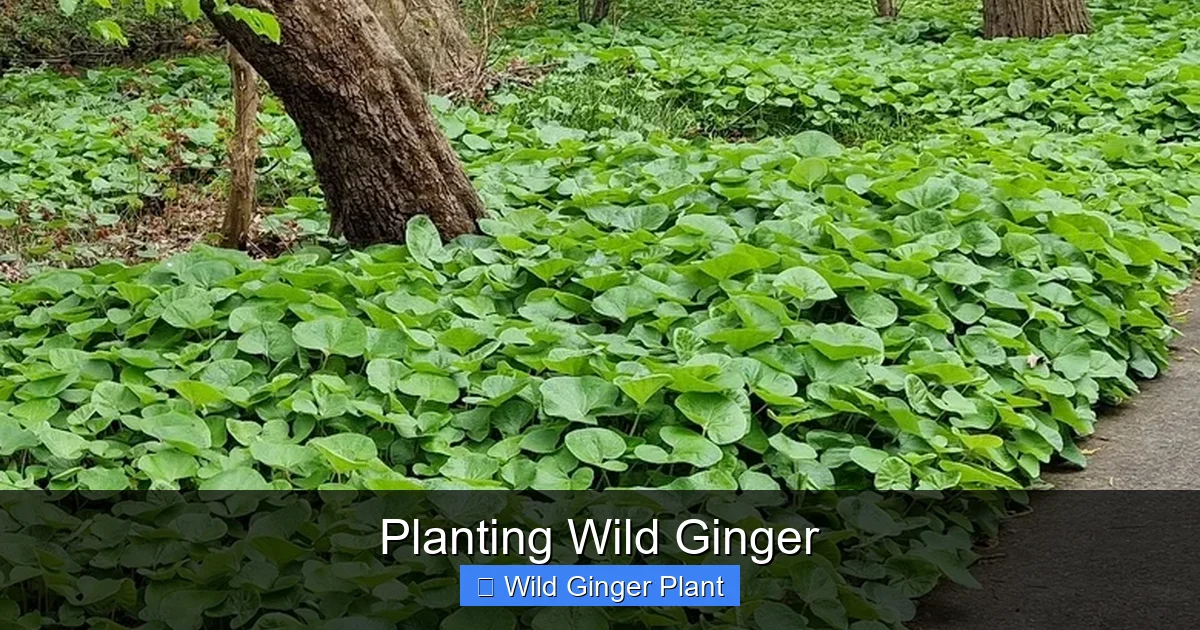
Visual guide about Planting Wild Ginger
Image source: housedigest.com
add organic matter
Spread a two inch layer of well rotted compost over the loosened soil. Mix the compost into the top four inches with the fork. The organic matter improves moisture retention and nutrient supply. A rich humus layer mimics the forest floor where planting wild ginger naturally grows. You can also add leaf mold for extra fungal partners. Avoid fresh manure as it can burn the delicate roots of planting wild ginger. Aim for a dark, crumbly texture after mixing for planting wild ginger.
adjust pH if needed
Test the soil pH with a simple kit. Wild ginger prefers a slightly acidic range of 5.5 to 6.5. If the pH is too high, sprinkle elemental sulfur and water in. If the pH is too low, add a light dusting of garden lime. Retest after a week to confirm the change. Proper pH ensures nutrient availability for planting wild ginger. This small adjustment can dramatically improve vigor of planting wild ginger.
test soil texture
Test soil texture by feeling a handful of moist earth. Sandy soil feels gritty and drains fast for planting wild ginger. Clay soil feels sticky and holds water too long for planting wild ginger. Loam feels crumbly and is ideal for planting wild ginger. Amend texture with sand or compost as needed. Proper texture ensures healthy roots for planting wild ginger.
add mineral amendments
Add mineral amendments if a soil test shows deficiencies. Rock phosphate supplies phosphorus for strong rhizomes in planting wild ginger. Greensand adds potassium and improves soil structure for planting wild ginger. Apply amendments at the recommended rate and water in. Too much can burn the delicate roots of planting wild ginger. Balanced minerals boost vigor for planting wild ginger.
create a raised bed
Create a raised bed if the native soil is heavy or poorly drained. Build a frame twelve inches high with untreated lumber. Fill the frame with a mix of compost, loam, and coarse sand for planting wild ginger. The elevated bed improves drainage and warms faster in spring for planting wild ginger. Mulch the surface after planting wild ginger. A raised bed simplifies care for planting wild ginger.
step by step planting wild ginger
space the rhizomes
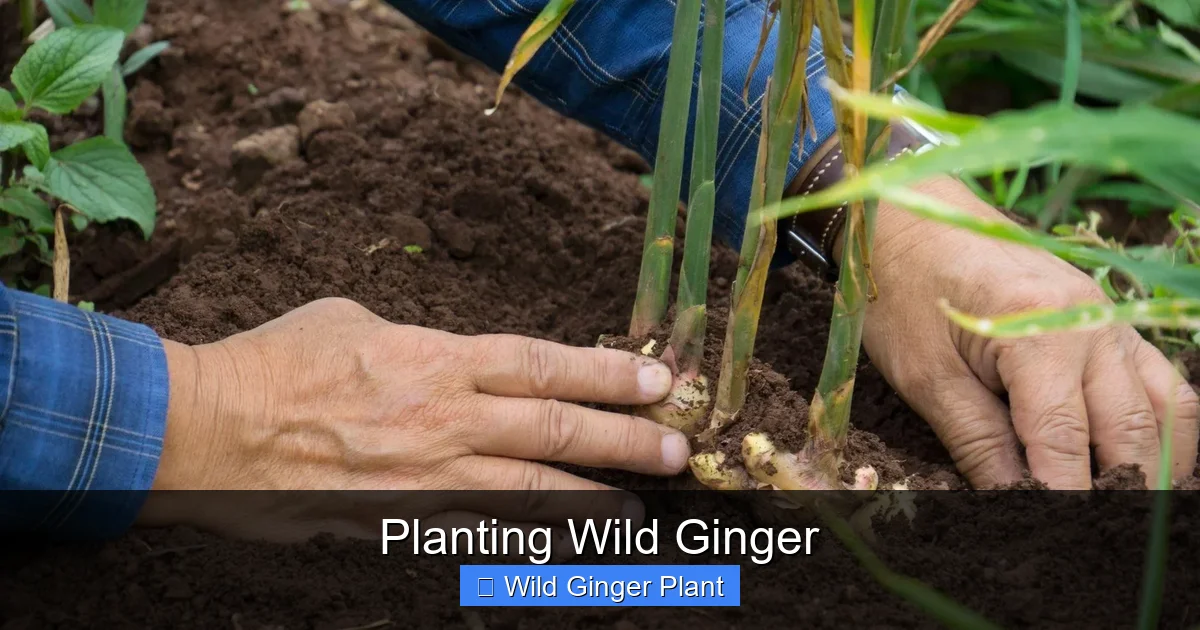
Lay the rhizome pieces on the prepared bed with the buds facing up. Keep a distance of twelve inches between each piece. This spacing allows each plant to form a full clump without crowding. Crowded rhizomes compete for moisture and nutrients, weakening planting wild ginger. Use a measuring tape or a marked stick for accuracy. Proper spacing also makes future division easier for planting wild ginger.
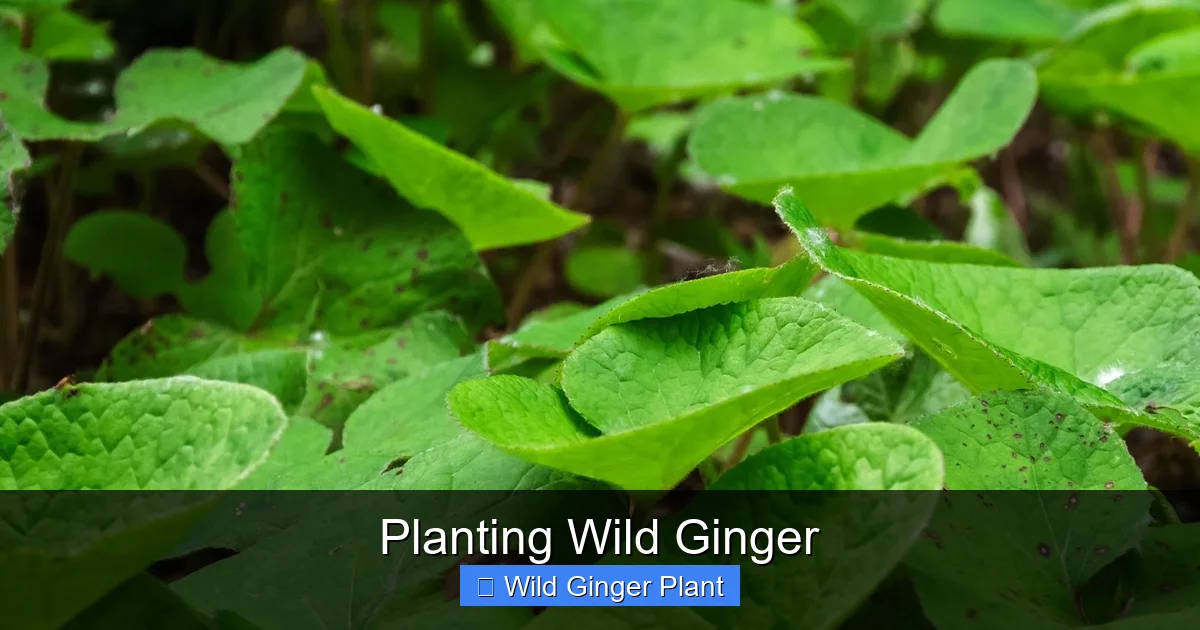
Visual guide about Planting Wild Ginger
Image source: cdn.mos.cms.futurecdn.net
set planting depth
Cover each rhizome with two inches of soil. Firm the soil gently with your hand to remove air pockets. The buds should sit just below the surface. Planting too deep can delay emergence of planting wild ginger. Planting too shallow exposes buds to drying air. Check each piece after covering to ensure consistent depth for planting wild ginger.
water thoroughly
Give the new bed a deep soak using a gentle hose nozzle. Water until the soil is moist to a depth of six inches. This initial irrigation settles the soil around the rhizomes. Keep the bed evenly moist for the first four weeks. Consistent moisture is the single most important factor for planting wild ginger establishment. Avoid letting the surface dry out completely during this period for planting wild ginger.
label each rhizome
Label each rhizome with a small waterproof tag. Write the variety and planting date on the tag for planting wild ginger. This helps you track growth and plan future division of planting wild ginger. Use a soft pencil or permanent marker that resists moisture. Attach the tag loosely to avoid damaging the bud of planting wild ginger. Good records make garden management easier for planting wild ginger.
use a planting dibber
Use a planting dibber to make uniform holes for planting wild ginger. A dibber creates a consistent depth and reduces soil compaction around planting wild ginger. Press the dibber into the prepared bed at each marked spot for planting wild ginger. Drop the rhizome into the hole and firm the soil gently. This tool speeds up the process and improves success for planting wild ginger. Clean the dibber after each use for planting wild ginger.
record planting dates
Record planting dates in a garden journal or phone app for planting wild ginger. Note the weather, soil moisture, and any amendments used for planting wild ginger. This log helps you spot patterns and adjust care for planting wild ginger. Review the entries each season before dividing planting wild ginger. Consistent records lead to better yields for planting wild ginger. A simple notebook works well for planting wild ginger.
ongoing care for planting wild ginger
mulch to retain moisture
Apply a two inch layer of shredded leaves or straw around the plants. Mulch suppresses weeds and reduces evaporation. Replenish the mulch each spring as it breaks down. A thick mulch blanket keeps the root zone cool in summer. Cool roots promote steady growth of planting wild ginger. Do not pile mulch directly against the stems to prevent rot in planting wild ginger.
fertilize lightly
Feed the colony with a balanced organic fertilizer in early summer. Use half the label rate to avoid excess nitrogen. Too much nitrogen encourages leafy growth at the expense of rhizome development in planting wild ginger. A slow release formula works best for steady nutrition. Apply fertilizer after a rain event for better absorption by planting wild ginger.
watch for pests
Slugs and snails are the most common pests on planting wild ginger. Set shallow beer traps at dusk to catch them. Hand pick any visible pests in the early morning. Diatomaceous earth around the base creates a barrier. Keep the area free of debris to reduce hiding spots for pests of planting wild ginger. Regular monitoring prevents large infestations on planting wild ginger.
monitor soil temperature
Monitor soil temperature with a probe during the growing season for planting wild ginger. Ideal range is fifty to sixty degrees Fahrenheit for planting wild ginger. High temperatures stress the rhizomes and slow growth of planting wild ginger. Mulch heavily if temperatures rise above the range for planting wild ginger. Cool soil promotes steady expansion of planting wild ginger. Check the probe weekly for planting wild ginger.
rotate mulch types
Rotate mulch types each year to improve soil health for planting wild ginger. Use shredded leaves one year and straw the next for planting wild ginger. Different mulches add varied nutrients and microbes for planting wild ginger. This practice reduces disease buildup around planting wild ginger. Apply a fresh layer after the old mulch breaks down for planting wild ginger. Rotating mulch keeps the bed vibrant for planting wild ginger.
apply compost tea
Apply compost tea once a month during active growth for planting wild ginger. Brew tea by steeping mature compost in water for twenty four hours for planting wild ginger. Strain the liquid and water the root zone gently for planting wild ginger. The tea adds beneficial microbes and nutrients for planting wild ginger. Avoid over‑application which can cause salt buildup for planting wild ginger. Regular tea feeds keep the colony strong for planting wild ginger.
dividing and propagating planting wild ginger
when to divide
Divide mature clumps every three to four years in early spring. The plant is still dormant and recovers quickly. Division rejuvenates the colony and prevents overcrowding of planting wild ginger. Choose a cool, cloudy day for the work. This timing reduces stress on the rhizomes of planting wild ginger.
how to divide
Dig up the entire clump with a spade, keeping as much soil as possible. Shake off excess dirt to reveal the rhizome network. Use a clean knife to cut the mass into sections each with at least one bud. Replant each section at the same depth as the original planting wild ginger. Water the new divisions thoroughly after planting wild ginger. Mulch the fresh plantings to conserve moisture for planting wild ginger.
store divisions temporarily
Store divisions temporarily in a cool, moist bag if you cannot replant immediately for planting wild ginger. Keep the rhizomes wrapped in damp newspaper for planting wild ginger. Place the bag in a refrigerator set at forty degrees for planting wild ginger. Do not keep them longer than two weeks for planting wild ginger. Check moisture daily to prevent drying of planting wild ginger. Quick replanting gives the best start for planting wild ginger.
plant divisions in pots
Plant divisions in pots if garden space is limited for planting wild ginger. Use a deep container with a mix of compost and sand for planting wild ginger. Water the pot thoroughly after planting wild ginger. Keep the pot in a shaded patio for planting wild ginger. Transplant to the garden when the clump fills the pot for planting wild ginger. Pots make it easy to share planting wild ginger.
share divisions with friends
Share divisions with friends to spread the joy of planting wild ginger. Wrap each piece in a damp cloth for planting wild ginger. Include a short care guide for planting wild ginger. Your friends will appreciate the gift and the herb for planting wild ginger. This builds a community of growers for planting wild ginger. Sharing also preserves genetic diversity for planting wild ginger.
harvesting and using planting wild ginger
when to harvest
Harvest the rhizomes in late autumn after the foliage has died back. The flavor compounds concentrate in the roots at this time. Use a fork to lift the clump gently, avoiding damage to planting wild ginger. Shake off soil and trim the leaf stems. Select the largest, firm rhizomes for kitchen use. Leave smaller pieces in the ground to regrow next season for planting wild ginger.
culinary uses
The fresh root can be grated into teas, syrups, and baked goods. Dried slices store well in an airtight jar for months. The taste is sweet, spicy, and slightly floral. A small amount adds depth to sauces and desserts featuring planting wild ginger. Experiment with candied ginger or infused honey for unique treats using planting wild ginger. Share your creations with friends to spread the joy of planting wild ginger.
dry rhizomes for storage
Dry rhizomes for storage after harvest for planting wild ginger. Slice the roots thinly and spread them on a screen for planting wild ginger. Place the screen in a warm, airy spot out of direct sun for planting wild ginger. Turn the slices daily until they snap cleanly for planting wild ginger. Store the dried pieces in an airtight jar for planting wild ginger. Proper drying preserves flavor for planting wild ginger.
make ginger infused oil
Make ginger infused oil using fresh rhizomes for planting wild ginger. Heat a cup of neutral oil gently and add grated root for planting wild ginger. Simmer for ten minutes then strain the oil for planting wild ginger. Store the oil in a dark bottle for planting wild ginger. Use the oil in dressings, marinades, or massage for planting wild ginger. The infusion captures the sweet spice of planting wild ginger.
preserve ginger in syrup
Preserve ginger in syrup for a sweet treat from planting wild ginger. Combine equal parts water and sugar, add sliced rhizomes for planting wild ginger. Simmer until the syrup thickens and the pieces become translucent for planting wild ginger. Pack the ginger and syrup into sterilized jars for planting wild ginger. Refrigerate and use within six months for planting wild ginger. This method keeps the flavor bright for planting wild ginger.
conclusion
Planting wild ginger rewards you with a lush shade carpet and a versatile herb. Follow the simple steps outlined above for site selection, soil preparation, planting, care, division, and harvest. Each phase builds on the previous one to create a thriving colony of planting wild ginger. Patience and consistent moisture are the keys to success with planting wild ginger. Enjoy the process and the delicious harvest from your own garden of planting wild ginger.
Frequently Asked Questions
How often should I water planting wild ginger?
Keep the soil evenly moist, especially during the first month after planting wild ginger. Water deeply once a week if rain is scarce.
What soil pH is ideal for planting wild ginger?
A slightly acidic pH between 5.5 and 6.5 is best for planting wild ginger.
Do I need fertilizer for planting wild ginger?
Apply a light organic fertilizer in early summer; too much nitrogen harms rhizome growth for planting wild ginger.
How do I control slugs on planting wild ginger?
Use beer traps, hand‑picking, or diatomaceous earth around the base of planting wild ginger.
When is the best time to harvest planting wild ginger?
Harvest in late fall after the foliage dies back for the strongest flavor in planting wild ginger.
Can planting wild ginger be used in cooking?
Yes, the rhizomes add a sweet‑spicy flavor to teas, syrups, baked goods, and sauces made with planting wild ginger.