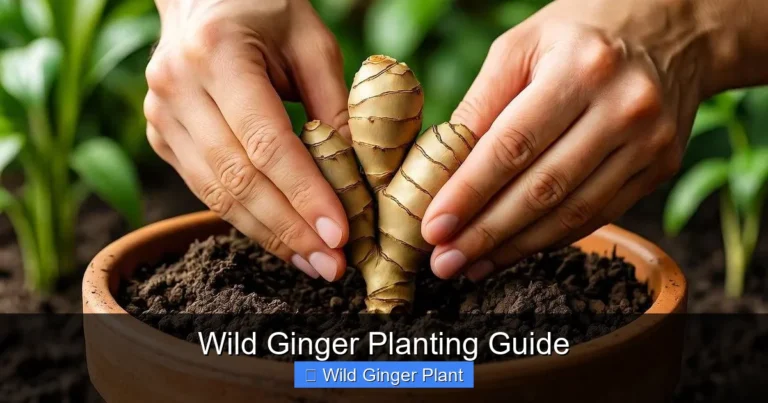
Wild Ginger Plant Varieties
Wild ginger plant varieties are low-growing, shade-loving perennials perfect for woodland gardens. This guide covers popular species like Asarum canadense and Asarum europaeum, plus care tips for success.
If you have a shady spot in your garden that feels impossible to fill, let me introduce you to a quiet superstar. Wild ginger plant varieties are the kind of plants that do not shout for attention. They whisper. They creep along the forest floor. They hide their strange little flowers under heart-shaped leaves. And they turn bare, difficult soil into a lush green carpet without asking for much in return.
I first met wild ginger on a hike through a damp ravine in early spring. The air smelled like wet stone and decaying leaves. There, hugging the ground, were colonies of glossy green hearts. They looked too perfect to be wild. That moment stuck with me. Years later, when I moved into a house with a north-facing side yard where grass refused to grow, I knew exactly what to plant. Today, that side yard is a tapestry of texture. It feels like a slice of ancient woodland. And it all started with understanding the different wild ginger plant varieties available to gardeners.
Key Takeaways
- Native options: Asarum canadense is a North American native that supports local wildlife.
- Evergreen appeal: Asarum europaeum keeps its leaves year-round in mild climates.
- Shade specialists: All wild ginger plant varieties thrive in deep to partial shade.
- Ground cover stars: These plants spread slowly to form dense, weed-suppressing mats.
- Unique flowers: Blooms hide at ground level and are pollinated by beetles and flies.
- Low maintenance: Once established, they need little care beyond moisture and mulch.
- Deer resistant: Most varieties are unpalatable to deer and rabbits.
Quick Answers to Common Questions
Is wild ginger related to culinary ginger?
No, wild ginger (Asarum) is not related to culinary ginger (Zingiber officinale). They belong to different plant families. Wild ginger gets its name from the ginger-like scent of its rhizomes.
Can you eat wild ginger?
Historically, the rhizomes were used as a spice substitute. However, modern research shows wild ginger contains aristolochic acid, which can cause kidney damage and cancer. It is not recommended for consumption.
How fast does wild ginger spread?
Wild ginger spreads slowly. Most varieties form a 12-inch clump in 3 to 5 years. Asarum canadense spreads faster than Asarum europaeum. They are well-behaved, non-invasive ground covers.
Does wild ginger need full shade?
Yes, wild ginger plant varieties prefer full to partial shade. They thrive in dappled light under deciduous trees or on the north side of buildings. Hot afternoon sun will scorch their leaves.
When is the best time to divide wild ginger?
Early spring or early fall are the best times to divide wild ginger. The soil is moist and temperatures are cool, which helps divisions establish before extreme weather.
📑 Table of Contents
- Getting to Know the Wild Ginger Family
- Top Wild Ginger Plant Varieties for North American Gardens
- Lesser-Known Gems Worth Hunting For
- How to Plant and Establish Wild Ginger
- Ongoing Care Through the Seasons
- Designing with Wild Ginger Plant Varieties
- Companion Plants for Wild Ginger
- Troubleshooting Common Problems
- Propagation: Making More Plants
- Wild Ginger in Ecology and History
- Where to Buy Wild Ginger Plant Varieties
- Final Thoughts on Growing Wild Ginger
Getting to Know the Wild Ginger Family
Before we dive into specific types, let us clear up a common mix-up. Wild ginger is not related to the culinary ginger you buy at the grocery store. That ginger is Zingiber officinale, a tropical plant from Southeast Asia. Wild ginger belongs to the genus Asarum in the birthwort family, Aristolochiaceae. There are roughly 60 to 70 species worldwide. Most hail from the temperate forests of North America, Europe, and East Asia.
The name “wild ginger” comes from the rhizomes. If you scratch or crush the roots, they release a spicy, ginger-like aroma. Indigenous peoples and early settlers used the roots as a spice substitute and for medicine. However, modern research shows the plants contain aristolochic acid, which can be toxic to kidneys. So please admire the scent. But leave the eating to the history books.
What Makes Them Special
Wild ginger plant varieties share a few charming traits. They are stemless perennials. The leaves rise directly from the rhizome on long, hairy stalks. The leaves are usually kidney-shaped or heart-shaped. They can be glossy or matte. Some are solid green. Others show stunning silver patterns or white veining.
The flowers are the weird, wonderful secret. They bloom at ground level, often buried under leaf litter. They have no petals. Instead, they have three fleshy, triangular sepals fused into a bell or jug shape. Colors range from brownish-purple to greenish-yellow to creamy white. They smell faintly of fungus or decaying matter. This attracts their pollinators: small flies, beetles, and gnats. After pollination, the flower develops into a fleshy capsule. Ants carry the seeds away, attracted by a tasty oil body called an elaiosome. This is how the plant travels.
Why Gardeners Love Them
If you garden in shade, you know the struggle. Hostas get eaten by slugs. Ferns can look messy by August. Many ground covers turn aggressive and invade the lawn. Wild ginger plant varieties avoid all these pitfalls. They are slow, polite spreaders. They form tight clumps that gradually widen. They suppress weeds by shading the soil. Their leathery leaves resist slug damage. And they stay attractive from spring frost to hard freeze. In mild winters, many stay evergreen.
Top Wild Ginger Plant Varieties for North American Gardens
Let us walk through the most garden-worthy species and cultivars. I have grouped them by origin and character. This helps you pick the right plant for your specific conditions.
Asarum canadense — Canadian Wild Ginger
This is the classic native for eastern and central North America. It grows from Manitoba to North Carolina, west to Kansas. In the wild, it carpets rich, moist woods. In the garden, it asks for the same: humus-rich soil, consistent moisture, and full to part shade.
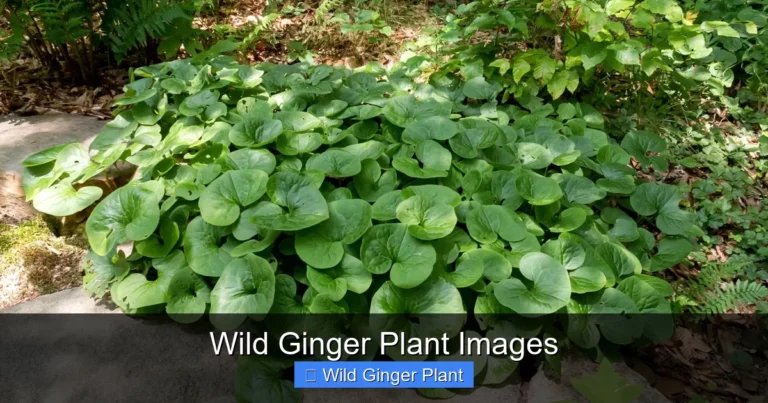
The leaves are large, up to six inches wide. They are soft green, lightly hairy, and deeply heart-shaped. They emerge in early spring with a slight bronze blush. The flowers are jug-shaped, purplish-brown, and hide right at soil level. You have to get on your knees to see them. But it is worth it.
This species spreads by stout rhizomes just under the surface. It forms a dense mat about six to eight inches tall. It is hardy to Zone 2. That is serious cold tolerance. It goes dormant in winter, disappearing completely. But it returns faithfully each April.
Pro tip: Plant it under deciduous trees. It loves the spring sun before the canopy leafs out. Then it enjoys the summer shade. The falling leaves provide free mulch.
Asarum europaeum — European Wild Ginger
If you want year-round presence, this is your plant. Native to Europe and western Asia, it has been cultivated in gardens for centuries. It was once used in snuff and as a medicinal herb. Today, we grow it for its impeccable foliage.
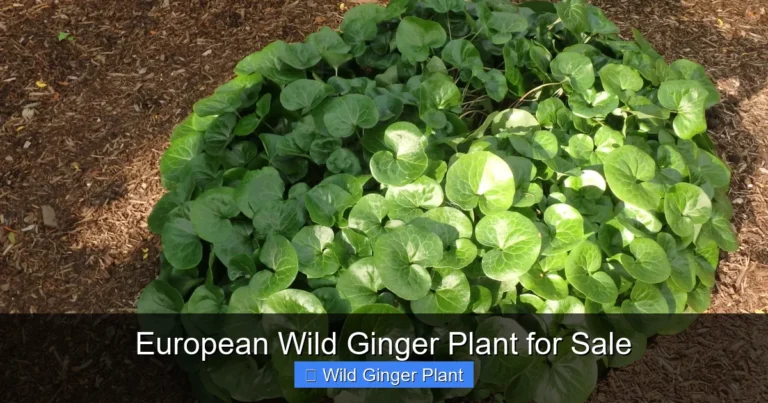
The leaves are smaller than the Canadian species, about three inches wide. But they are thicker, glossier, and a deeper, richer green. They are evergreen in Zones 5 and warmer. In colder zones, they may look tattered by March but bounce back fast. The flowers are similar: purple-brown, ground-hugging, and curious.
This species spreads slower than A. canadense. It forms a tighter, more manicured clump. It tops out at four to six inches. It prefers alkaline to neutral soil. If your soil is acidic, add a little lime. It handles dry shade better than most wild ginger plant varieties once established. But it still appreciates moisture.
Cultivar to know: ‘Album’ has pale green leaves with a matte finish. It is subtle and sophisticated.
Asarum caudatum — Western Wild Ginger
Gardeners on the West Coast, this one is yours. It ranges from British Columbia to California, east to Montana. It loves the cool, wet forests of the Cascades and Coast Ranges.
The leaves are large, up to seven inches, and distinctly kidney-shaped. They are matte green, often with a slight sheen. The real show is the flower. The three sepals taper into long, dramatic tails. These tails can reach two inches. The flower looks like a tiny, purplish-brown spaceship. It is the showiest bloom in the genus.
This species wants constant moisture. It thrives along stream banks and in seeps. In the garden, site it where the soil stays damp. It spreads steadily in ideal conditions. It is hardy to Zone 6 or 7. In hot, humid summers, it may struggle. It prefers cool nights.
Asarum splendens — Chinese Wild Ginger
This species brings drama. Native to central China, it has become a star in shade gardens worldwide. The leaves are large, elongated hearts, up to eight inches long. The base color is deep, velvety green. But the show is the silver. Bold, irregular silver splashes and streaks cover the leaf surface. No two leaves are alike. It looks like someone flicked metallic paint across them.
The flowers are typical: purple-brown, hidden, weird. But you grow this for the foliage. It is semi-evergreen to evergreen in Zone 6 and up. In Zone 5, mulch heavily. It spreads at a moderate pace. It forms a clump about eight to ten inches tall.
Design idea: Pair it with Japanese painted fern (Athyrium niponicum ‘Pictum’). The silver echoes. The textures contrast. It is a shade garden classic.
Asarum maximum — Giant Wild Ginger
The name says it all. This Chinese species makes a statement. Leaves can reach ten inches wide. They are thick, leathery, and deeply quilted. The surface is glossy dark green. The flowers are huge for the genus, up to three inches across. They are creamy white with a dark purple throat. They sit on the soil like porcelain bowls.
It is less cold-hardy, best in Zones 7 to 9. It wants rich, moist, well-drained soil. It spreads slowly. Give it space to show off. It makes a stunning specimen plant. Or plant three in a triangle for a bold ground cover patch.
Asarum harperi — Harper’s Wild Ginger
A rare gem from the southeastern US. Found only in a few counties in Alabama and Georgia. It grows on limestone bluffs and slopes. The leaves are small, three inches, rounded hearts. They are matte green with a distinct white or silver marbling along the veins. The pattern is crisp and elegant.
It is evergreen in mild winters. It prefers alkaline soil. It is slow and clumping. This is a collector’s plant. If you find it at a specialty nursery, grab it. It adds a refined touch to the rock garden or shaded trough.
Lesser-Known Gems Worth Hunting For
The world of wild ginger plant varieties goes deep. Specialty nurseries and plant societies offer treasures. Here are a few that plant nerds cherish.
Asarum sieboldii — Siebold’s Wild Ginger
From Japan, this species offers incredible leaf variation. The base species has green leaves with silver clouds. But cultivars take it further. ‘Koto-no-ito’ has extremely narrow, strap-like leaves heavily dusted in silver. It looks like grass until you touch the leathery texture. ‘Saddleback’ has a broad central silver stripe. These are conversation pieces.
Asarum fudsinoi — Fudsin’s Wild Ginger
Another Japanese native. The leaves are large and rounded. The silver patterning is fine and net-like, like cracked porcelain. It is slow but stunning. It prefers cool, humid conditions. Think Pacific Northwest or high-elevation gardens.
Asarum takaoi ‘Ginba’ — Takao Wild Ginger
A cultivar selected for heavy silver overlay. The leaves look frosted. It is compact, slow, and exquisite. Perfect for a shaded container or a prime spot at the front of the border.
Asarum arifolium — Little Brown Jug
Native to the southeastern US. The leaves are arrow-shaped, not heart-shaped. They are evergreen, leathery, and often mottled with pale green or silver. The flowers are the classic “little brown jug” shape. It tolerates drier, rockier soil than most. A tough, beautiful native for southern gardens.
How to Plant and Establish Wild Ginger
Success with wild ginger plant varieties comes down to site preparation and patience. These are not instant-gratification plants. They are long-term investments. But the payoff is decades of beauty.
Choosing the Right Spot
Light is the first filter. All wild ginger plant varieties want shade. Deep shade under evergreens works for the toughest ones like A. europaeum. But most prefer dappled light or morning sun with afternoon shade. The north side of a building. Under deciduous trees. The shadow of a fence. Avoid hot afternoon sun. It scorches the leaves and stresses the roots.
Soil is the second filter. They want woodland soil. That means rich in organic matter, moisture-retentive but well-drained, slightly acidic to neutral (pH 5.5 to 7.0). If you have heavy clay, amend heavily with compost, leaf mold, or fine pine bark. If you have sand, add compost and peat moss to hold water. The goal is a spongy, dark, living soil.
Planting Steps
Spring and early fall are the best planting times. The soil is workable. The air is cool. Rain helps.
- Loosen the soil to a depth of ten inches. Mix in two to three inches of compost.
- Dig a hole wide enough for the rhizome to lie horizontally.
- Place the plant so the rhizome sits just below the surface. The leaf stalks should point up.
- Backfill gently. Firm the soil with your hands. Do not stomp.
- Water deeply. The soil should be wet to the bottom of the hole.
- Mulch with two inches of shredded leaves, pine needles, or fine bark. Keep mulch off the crown.
Space plants twelve to eighteen inches apart. They will fill in. If you want faster coverage, plant closer. But do not crowd. Air flow prevents fungal issues.
The First Year: Patience Required
The first season, your plants will focus on roots. You may see little top growth. This is normal. Keep the soil evenly moist. Not soggy. Not bone dry. Check with your finger. If the top inch is dry, water.
Do not fertilize the first year. The compost you added is enough. In subsequent years, a light top-dressing of compost in spring is all they need. Or a slow-release organic fertilizer at half strength. Too much nitrogen makes soft leaves that slugs love and winter kills.
Ongoing Care Through the Seasons
Once established, wild ginger plant varieties are remarkably self-sufficient. But a little attention keeps them looking their best.
Spring
This is the show. New leaves unfurl. Flowers appear. Remove any winter-damaged leaves. Pull weeds while they are small. The soil is moist. Weeds come easy. Apply fresh mulch if the old layer has thinned. Watch for slugs on emerging leaves. Beer traps or diatomaceous earth help. But honestly, the leathery foliage resists most damage.
Summer
Water during dry spells. Wild ginger does not go dormant in summer heat like some spring ephemerals. It keeps its leaves all season. But it will crisp if the soil dries out completely. A soaker hose or drip line is ideal. It keeps water off the leaves. Wet foliage in humidity can invite fungal spots.
If leaves look pale or yellow, the soil may be too alkaline. Or the plant is getting too much sun. A soil test tells the truth. Adjust with elemental sulfur for acidity. Or move the plant in fall.
Fall
This is the best time to divide. The soil is warm. The air is cool. Rain returns. Dig a clump. Tease apart the rhizomes. Each piece needs a few roots and a growing point. Replant immediately. Water well. Mulch. The divisions will establish before winter.
Fall is also planting time for new additions. Nurseries often have sales. The plants get a head start on spring.
Winter
In cold zones, the herbaceous species (A. canadense, A. caudatum) disappear. The evergreen ones (A. europaeum, A. splendens) hold their leaves. Do not cut them back. The old leaves protect the crown. In late winter, before new growth starts, you can remove tattered leaves. But wait until you see the new buds swelling.
Mulch heavily in Zone 4 and 5. Pine boughs or straw over the crowns prevent freeze-thaw heaving. Remove the heavy mulch gradually in spring.
Designing with Wild Ginger Plant Varieties
These plants are design chameleons. They fit many styles. Here are ideas to spark your creativity.
Woodland Garden Layers
Think in layers. Canopy trees. Understory trees. Shrubs. Perennials. Ground cover. Wild ginger owns the ground layer. Plant it in drifts of five, seven, or nine. Let it flow around rocks and tree roots. Mix species for subtle texture changes. A. canadense for bold green. A. europaeum for glossy evergreen. A. splendens for silver flashes. The rhythm calms the eye.
Shade Border Front Edge
Use wild ginger to soften the edge of a bed. It hides the bare legs of taller plants. Hostas, ferns, astilbes, and hellebores all have naked ankles in spring. Wild ginger covers them. The heart-shaped leaves echo the hosta leaves above. The repetition ties the bed together.
Rock Garden and Crevice Planting
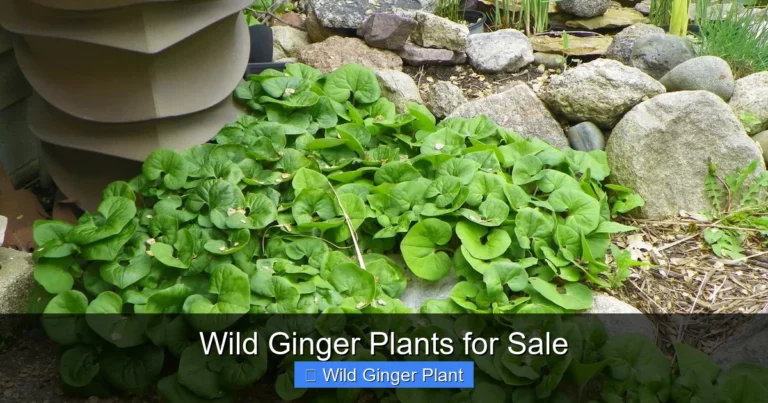
The smaller species shine here. A. europaeum, A. harperi, A. arifolium. Tuck them between stones. Let them spill over a retaining wall. The cool, moist root run behind rocks mimics their native cliffs. The evergreen foliage gives winter interest when the garden is brown.
Container Combinations
Yes, you can grow wild ginger in pots. Choose a wide, shallow container. Use a high-quality potting mix with extra compost. Keep it in full shade. Water consistently. It makes a sophisticated solo pot. Or combine with miniature hostas, tiarellas, and dwarf ferns. Move the pot to a protected spot (unheated garage, against the house) in Zone 5 and colder.
Pathway Edging
Line a shady path with a single species. The uniform foliage guides the eye. It feels intentional and calm. A. europaeum is perfect. Its neat habit stays tidy. It handles occasional foot traffic if you step on the edges. But do not make it a walkway. It is for looking, not walking.
Companion Plants for Wild Ginger
Great partners share the same conditions. Shade. Moisture. Rich soil. Here are proven combinations.
Ferns
Ferns and wild ginger are soulmates. The fine texture of fern fronds contrasts the bold, simple leaves of ginger. Try lady fern (Athyrium filix-femina), Christmas fern (Polystichum acrostichoides), or Japanese painted fern. The ferns rise above. The ginger fills below. No bare soil shows.
Hellebores
Hellebores bloom in late winter. Wild ginger wakes in early spring. The hellebore’s leathery, evergreen leaves echo the ginger’s foliage. As hellebore flowers fade, ginger leaves expand. They cover the spent stems. It is a seamless relay.
Native Spring Ephemerals
Plant wild ginger with trilliums, bloodroot (Sanguinaria canadensis), Virginia bluebells (Mertensia virginica), and trout lilies (Erythronium). The ephemerals bloom and fade. The ginger stays. It hides the yellowing foliage of the ephemerals. This is how nature does it in the wild woods.
Hostas
The classic shade duo. Hostas provide bold architecture. Ginger provides ground-level unity. Choose slug-resistant hostas like ‘Sum and Substance’ or ‘Blue Angel’. The thick leaves match the ginger’s toughness. Avoid tiny hostas. They get swallowed.
Tiarella and Heuchera
Foamflower and coral bells add leaf color and flower spikes. Tiarella cordifolia is a native spreader that plays nice with ginger. Heuchera cultivars offer purple, caramel, lime, and silver leaves. The ginger’s green or silver grounds the composition.
Troubleshooting Common Problems
Wild ginger plant varieties are tough. But they are not invincible. Here is what might go wrong and how to fix it.
Leaves Turning Yellow
Usually a water issue. Too wet? Roots rot. Leaves yellow from the bottom up. Improve drainage. Add grit. Plant higher. Too dry? Leaves yellow from the edges in. Crispy tips. Water deeply. Mulch thicker. Also check pH. Too alkaline locks up iron. Add sulfur.
Holes in Leaves
Slugs and snails. They love the tender new growth in spring. Go out at night with a flashlight. Hand-pick. Use iron phosphate bait. It is safe for pets and wildlife. Diatomaceous earth works when dry. Copper tape on pot rims. Encourage toads and ground beetles. They eat slugs.
Plants Not Spreading
Give it time. Some species are glacially slow. A. europaeum can take three years to make a twelve-inch clump. Check soil moisture. Dry soil stops growth. Check light. Too much shade slows photosynthesis. Too much sun stresses the plant. Check competition. Tree roots stealing water? Root prune the tree or water more.
Crown Rot
Fungal disease in wet, heavy soil with poor air flow. The center turns mushy. Leaves pull off easily. Smells bad. Dig the plant. Cut away rot to healthy tissue. Dust with sulfur. Replant in better soil. Or discard and start fresh. Prevention: improve drainage. Space plants. Do not over-mulch the crown.
Winter Burn on Evergreen Types
Leaves look brown and crispy in spring. Caused by frozen soil, drying wind, and winter sun. The leaves lose water. The frozen roots cannot replace it. Solution: site plants out of winter wind. Mulch heavily after ground freezes. Spray with anti-desiccant in late fall. Wait to clean up until new growth shows. The damaged leaves still protect the crown.
Propagation: Making More Plants
You can buy one plant and make dozens. It takes time. But it is free. And satisfying.
Division
The easiest method. Do it in early spring or early fall. Dig the clump. Wash the soil off. You will see the rhizomes. They look like thick, jointed fingers. Each segment with roots and a growing point (a bud or leaf stalk) is a division. Cut with a clean knife. Replant immediately. Water. Mulch. Keep moist. They may sulk for a week. Then they grow.
Seed
Possible but slow. Collect capsules when they split open in summer. The seeds have elaiosomes. Ants love them. Sow fresh immediately in pots. Cover lightly. Leave outdoors for winter. They need cold stratification. Germination is erratic. Can take two years. Seedlings take three to five years to flower. But you might get a unique variation. That is the fun.
Rhizome Cuttings
In late winter, cut rhizome sections two inches long. Each needs a node. Lay horizontally in a tray of moist sand and peat. Cover lightly. Keep cool (40 to 50°F). In spring, move to warmth. Shoots appear. Pot up when rooted. This works well for the expensive, slow cultivars.
Wild Ginger in Ecology and History
These plants are not just pretty faces. They have deep roots in the landscape and human story.
Wildlife Value
The flowers feed early flies and beetles. These insects feed birds. The seeds feed ants. The ants disperse the seeds. The dense foliage shelters salamanders, toads, and insects. It creates a microhabitat. Deer and rabbits avoid it. The aristolochic acid makes it bitter and toxic. This is a plant that gives back.
Indigenous Uses
Many tribes used Asarum canadense. The rhizome was dried and ground as a spice. It flavored meats and stews. It was medicine for colds, fevers, stomach aches, and convulsions. The Cherokee used it as a tonic. The Iroquois used it for heart palpitations. The knowledge was deep and specific. Modern science confirms antimicrobial and antifungal properties. But also confirms the kidney toxicity. Respect the plant. Do not self-medicate.
Early Settler Adoption
European colonists learned from Native Americans. They called it “colic root” and “Indian ginger.” They used it when tropical ginger was unavailable or too expensive. It appears in early American herbals. It was a staple of the frontier medicine chest. The dried root was traded. It connected cultures.
Where to Buy Wild Ginger Plant Varieties
Big box stores rarely carry these. You need specialty sources. Here is where to look.
Native Plant Nurseries
Search “native plant nursery” plus your state. They carry A. canadense, A. caudatum, A. arifolium. The plants are seed-grown. Genetic diversity. Adapted to your region. Prices are fair. Staff know the plants.
Mail-Order Specialty Nurseries
For the Asian species and cultivars, you need collectors’ nurseries. Names like Plant Delights Nursery, Far Reaches Farm, Dancing Oaks Nursery, and Asiatica Nursery. They have A. splendens, A. maximum, A. sieboldii cultivars. The plants are pricey. But they are true to name. And they offer things you cannot find anywhere else.
Plant Society Sales
Join your local rock garden society, native plant society, or hardy plant society. Their sales are treasure troves. Members divide their own clumps. You get healthy, acclimated plants. And you meet the growers. They share tips you won’t read anywhere.
Online Plant Swaps
Forums like GardenWeb (now Houzz), Reddit’s r/plantswap, and Facebook groups. People trade divisions. Pay shipping. Be polite. Send a thank-you note. The community is generous.
Final Thoughts on Growing Wild Ginger
If you have read this far, you are ready. You know the species. You know the site. You know the care. You know the companions. You know where to buy. Now comes the best part. Putting a trowel in the soil.
Start small. Buy three Asarum canadense if you are in the East. Three Asarum caudatum if you are in the West. Three Asarum europaeum if you want evergreen. Plant them where you will see them daily. A path edge. A window view. A bench nearby.
Watch them. The first spring, you will kneel to find the flowers. You will smell the spicy root when you weed. You will notice the ants on the seeds. The second year, the clumps widen. The third year, they touch. A carpet forms. You realize you have created a piece of woodland. Right in your yard.
Wild ginger plant varieties teach patience. They teach observation. They connect you to the forest floor. They ask for shade and moisture. They give beauty, ecology, and history. They are quiet. But they change everything.
Go plant some. Your shade garden is waiting.
Frequently Asked Questions
What are the most popular wild ginger plant varieties for home gardens?
The most popular varieties are Asarum canadense (native to North America), Asarum europaeum (evergreen European species), Asarum splendens (Chinese species with silver-marked leaves), and Asarum caudatum (Western North American native with showy tailed flowers).
Will wild ginger choke out other plants?
No, wild ginger is a slow, polite spreader that forms tight clumps. It suppresses weeds by shading the soil but does not aggressively invade neighboring plants or lawns like some ground covers do.
How do I care for wild ginger in winter?
For herbaceous types like Asarum canadense, no winter care is needed as they die back naturally. For evergreen types like Asarum europaeum, leave foliage in place for crown protection and apply a light mulch in zones 4-5. Remove tattered leaves in late winter before new growth emerges.
Can wild ginger grow in dry shade?
Asarum europaeum tolerates dry shade better than other varieties once established. However, all wild ginger plant varieties prefer consistently moist soil. They will struggle in prolonged drought without supplemental watering.
Why are my wild ginger flowers hiding under the leaves?
This is normal! Wild ginger flowers bloom at ground level, often buried under leaf litter. This unique adaptation attracts their specific pollinators — small flies and beetles that crawl on the forest floor.
Where can I buy native wild ginger plants?
Native wild ginger is best purchased from native plant nurseries, local plant society sales, or reputable mail-order native plant specialists. Avoid digging plants from the wild, as this damages natural populations and may be illegal.