Wild Ginger Plant Native Plant Washington Medicine
Wild ginger (Asarum caudatum) is a native Washington plant with a rich history of medicinal use by Indigenous peoples. This low-growing perennial thrives in moist, shaded forests across the Pacific Northwest and offers both culinary and therapeutic benefits when properly identified and prepared.
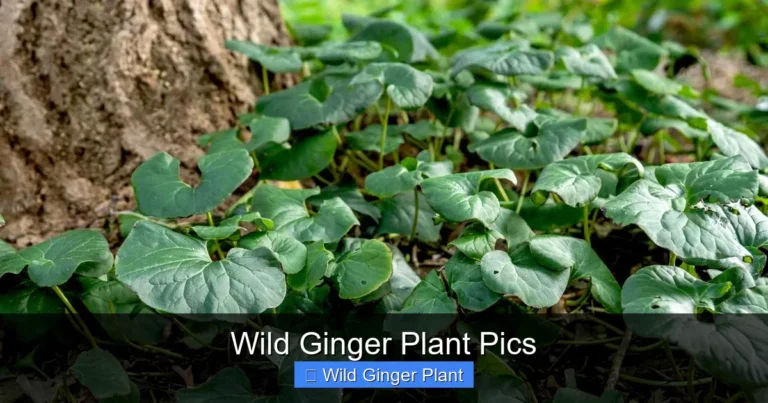
Walking through a Washington forest in spring, you might catch a whiff of something spicy and familiar rising from the forest floor. Kneel down, brush aside the leaf litter, and you’ll find the source: wild ginger plant native plant Washington medicine traditions have honored for generations. This unassuming groundcover doesn’t look like much at first glance. Heart-shaped leaves hug the earth. Strange, jug-shaped flowers hide beneath the foliage. But crush a leaf or scratch a root, and that unmistakable ginger aroma tells you exactly what you’ve found.
Asarum caudatum, known commonly as western wild ginger or long-tailed wild ginger, carpets the understory of moist, shaded forests from British Columbia down through Washington, Oregon, and into northern California. For centuries, Indigenous peoples across the Pacific Northwest have recognized this plant as both food and medicine. Today, herbalists, foragers, and native plant enthusiasts are rediscovering its value. But like any wild plant with medicinal claims, wild ginger deserves respect, proper identification, and an understanding of both its traditional uses and modern safety considerations.
Key Takeaways
- Native Identity: Wild ginger (Asarum caudatum) is a perennial groundcover native to Washington’s moist, shaded forests.
- Traditional Medicine: Indigenous peoples used the root for colds, digestive issues, and as a general tonic.
- Not True Ginger: Despite its name and aroma, it belongs to the birthwort family (Aristolochiaceae), not the ginger family (Zingiberaceae).
- Identification Keys: Heart-shaped leaves, distinctive maroon flowers hidden at ground level, and a strong ginger scent when crushed.
- Safety Considerations: Contains aristolochic acid; long-term or high-dose use is not recommended by modern herbalists.
- Sustainable Harvesting: Only harvest from abundant populations, take less than 10%, and consider cultivation instead.
- Garden Friendly: Makes an excellent native shade garden plant that supports local ecology.
Quick Answers to Common Questions
Is wild ginger the same as culinary ginger?
No, wild ginger (Asarum caudatum) belongs to the birthwort family, while culinary ginger (Zingiber officinale) belongs to the ginger family. They share a similar aroma but are botanically unrelated and have very different safety profiles.
Can I eat wild ginger from my Washington backyard?
Only if you have positively identified it as Asarum caudatum, it’s growing in a clean location, and you use it sparingly. The rhizome contains aristolochic acid, which can damage kidneys with prolonged or high-dose use. Many herbalists recommend enjoying it as a garden plant rather than food.
How do I identify wild ginger in Washington forests?
Look for heart-shaped leaves in pairs, a strong ginger scent when crushed, and unusual maroon flowers with three long tails hiding at ground level. It grows in moist, shaded forests west of the Cascades. Always confirm with multiple features before harvesting.
What did Native Americans use wild ginger for?
Coast Salish and other Washington tribes used wild ginger rhizome for colds, coughs, digestive upset, menstrual cramps, and as a general tonic. It was also used externally for headaches and joint pain, and ceremonially for purification.
Is wild ginger endangered in Washington?
No, Asarum caudatum is currently ranked S5 (secure) in Washington. However, local populations face threats from habitat loss, invasive species, climate change, and overharvesting. Growing your own is the most sustainable option.
📑 Table of Contents
- Getting to Know Wild Ginger in Washington
- Traditional Uses by Pacific Northwest Indigenous Peoples
- Modern Herbal Perspective and Chemical Constituents
- Identification Guide for Washington Foragers
- Sustainable Harvesting and Cultivation
- Preparation Methods and Dosage Considerations
- Ecological Role and Conservation Status
- Wild Ginger in the Context of Pacific Northwest Ethnobotany
- Conclusion
Getting to Know Wild Ginger in Washington
Botanical Profile and Classification
Wild ginger belongs to the Aristolochiaceae family, commonly called the birthwort family. This places it in completely different taxonomic territory than culinary ginger (Zingiber officinale), which belongs to the Zingiberaceae family. The similarity in name and scent comes from convergent evolution. Both plants produce aromatic compounds that happen to smell alike, but they share no recent common ancestor.
Asarum caudatum grows as a perennial herb spreading slowly by rhizomes. These underground stems creep just below the soil surface, forming dense mats over time. Each node along the rhizome can produce a pair of leaves. The leaves themselves are the most visible part of the plant. They’re broadly heart-shaped to kidney-shaped, measuring three to six inches across, with a soft, slightly hairy texture. The leaf stalks emerge directly from the rhizome, giving the plant a stemless appearance.
Those Curious Flowers
If you’ve never seen wild ginger flowers, you’re not alone. They’re easy to miss. The flowers sit right at ground level, often buried under leaf litter or hidden beneath the plant’s own foliage. Each flower consists of three petal-like sepals fused into a cup or jug shape, tapering into three long, graceful tails. These tails can extend an inch or more, giving the species its name “caudatum,” meaning tailed.
The color ranges from deep maroon to brownish-purple, sometimes with a greenish base. This dark coloration, combined with their ground-level position, makes them nearly invisible to casual observers. But they’re not trying to attract bees or butterflies. Wild ginger flowers are pollinated by small flies and beetles attracted to the flower’s faint, musty odor. The flower structure traps these insects temporarily, ensuring pollination before releasing them.
Where to Find It in Washington
Wild ginger thrives across western Washington, particularly in the Olympic Peninsula, the Cascade foothills, and the Puget Sound lowlands. It prefers the deep shade of coniferous and mixed forests, especially under western red cedar, western hemlock, and Douglas fir. You’ll find it in areas with rich, humusy soil that stays consistently moist but not waterlogged.
In eastern Washington, wild ginger becomes much rarer, restricted to moist microclimates in mountain canyons and along shaded streams. The plant’s distribution closely follows the rainfall gradient. West of the Cascades, where annual precipitation exceeds forty inches, wild ginger can form extensive colonies. East of the mountains, it clings to life in isolated pockets where topography creates enough shade and moisture.
Traditional Uses by Pacific Northwest Indigenous Peoples
Food and Flavoring
The rhizomes of wild ginger have a genuine ginger flavor, though milder and more earthy than the tropical spice. Numerous Coast Salish peoples, including the Quinault, Quileute, Makah, and many others, harvested the rhizomes for food. They were typically cleaned, then either eaten fresh, boiled, or steamed in earth ovens. Some groups dried and ground the rhizomes into a powder for use as a seasoning.
The leaves also saw culinary use. Young, tender leaves were sometimes gathered in spring and eaten as a cooked green. The flowers, while not a major food source, were occasionally nibbled for their novelty. But the rhizome remained the primary edible portion, valued for both its flavor and its perceived health benefits.
Medicinal Applications
The wild ginger plant native plant Washington medicine traditions are extensive. Across different tribal nations, the plant served as a versatile remedy. A decoction or infusion of the rhizome was widely used for respiratory complaints. Colds, coughs, sore throats, and chest congestion all met with wild ginger tea. The warming, aromatic quality helped clear congestion and soothe irritated membranes.
Digestive issues formed another major category of use. Stomachaches, indigestion, nausea, and loss of appetite were treated with wild ginger preparations. Some healers used it specifically for “cold” digestive conditions, where the stomach felt sluggish or heavy. The plant’s carminative properties helped relieve gas and bloating.
Women’s health applications appear in multiple traditions. Wild ginger tea was sometimes given to ease menstrual cramps or to promote delayed menstruation. During childbirth, some midwives used it to help expel the placenta. However, this particular use raises significant safety concerns by modern standards, which we’ll discuss later.
Beyond these specific applications, wild ginger served as a general tonic and “blood purifier.” Spring tonics made from early-season rhizomes helped people transition from winter diets to spring abundance. The plant was also used externally. Poultices of mashed fresh rhizome were applied to headaches, toothaches, and swollen joints. Some groups used a wash of the decoction for skin irritations and minor wounds.
Spiritual and Ceremonial Roles
Medicine in Indigenous traditions encompasses more than physical healing. Wild ginger held spiritual significance for several Washington tribes. The plant’s strong aroma made it useful for purification. Burning dried rhizomes or leaves produced smoke used to cleanse spaces, objects, or people. Some hunters carried wild ginger root to mask human scent or to bring luck.
Knowledge of wild ginger’s uses was often specialized. Certain families or individuals held the rights to harvest, prepare, and administer the plant. This knowledge passed through careful mentorship, not casual sharing. The plant commanded respect, and protocols governed its harvest. These protocols ensured sustainability and honored the plant’s spirit.
Modern Herbal Perspective and Chemical Constituents
What’s in the Root?
Modern phytochemistry has identified several compound classes in Asarum caudatum. The characteristic ginger aroma comes primarily from essential oils rich in methyl eugenol, elemicin, and other phenylpropanoids. These compounds contribute to the plant’s antimicrobial, antispasmodic, and carminative effects.
The rhizomes also contain aristolochic acids, a group of nitrophenanthrene carboxylic acids found throughout the Aristolochiaceae family. This is where the safety conversation becomes critical. Aristolochic acids are known to be nephrotoxic (kidney-damaging) and carcinogenic with sufficient exposure. The concentration varies by species, plant part, growing conditions, and season.
Other constituents include flavonoids, tannins, and resins. The flavonoids may contribute antioxidant and anti-inflammatory effects. Tannins provide astringency, which can help with diarrhea and topical wound care. The resins contribute to the plant’s warming, stimulating qualities.
Contemporary Herbalist Views
Today’s clinical herbalists hold varied opinions on wild ginger. Many respect its traditional uses but advocate extreme caution. The American Herbal Products Association’s Botanical Safety Handbook lists Asarum species as “not for use during pregnancy” and recommends against long-term use. Some herbalists avoid it entirely, preferring safer alternatives with similar actions.
Those who do work with wild ginger typically use it in very small doses, for short durations, and only with clients who have healthy kidney function. A common approach involves using a few drops of tincture or a very weak tea, perhaps combined with other herbs, for acute situations like a stubborn cold or digestive upset. The emphasis is on “pulse dosing” — brief periods of use followed by breaks.
It’s worth noting that the risk profile differs between species. Asarum canadense (eastern wild ginger) has been studied more extensively and shows higher aristolochic acid levels in some analyses. Asarum caudatum (western wild ginger) may have lower levels, but comprehensive studies are lacking. Until more data exists, the precautionary principle applies.
Comparison to Culinary Ginger
Given the name similarity, people often wonder if wild ginger can substitute for culinary ginger. The answer is nuanced. Flavor-wise, yes — the rhizome provides a genuine ginger note that works in teas, broths, and some cooked dishes. But the safety profile differs dramatically. Culinary ginger (Zingiber officinale) has an exceptional safety record even in large amounts and during pregnancy. Wild ginger does not.
If you’re cooking for flavor alone, use store-bought ginger. Reserve wild ginger for situations where you specifically want its traditional medicinal actions, and only then with full awareness of the risks. Never use wild ginger as a daily culinary spice.
Identification Guide for Washington Foragers
Positive Identification Checklist
Before harvesting any wild plant for medicine, you must be absolutely certain of its identity. Wild ginger has several look-alikes, some toxic. Here’s your verification checklist:
- Growth habit: Low, stemless perennial forming colonies via rhizomes.
- Leaves: Paired, heart-shaped to kidney-shaped, 3-6 inches wide, soft-hairy, on long stalks from rhizome.
- Flowers: Single, at ground level, three fused sepals forming a jug with three long tails, maroon to brownish-purple.
- Scent: Strong ginger aroma when leaf or rhizome is crushed.
- Rhizome: Creeping, brown, jointed, about pencil-thickness, aromatic.
- Habitat: Deep shade, moist rich soil, coniferous/mixed forests, western Washington.
- Season: Leaves emerge early spring, flowers April-June, leaves persist until frost.
Common Look-Alikes and How to Distinguish Them
Several plants could confuse a novice forager. European ginger (Asarum europaeum) sometimes escapes cultivation in Washington gardens. It has similar flowers but glossy, evergreen leaves without the soft hairs. It’s also not native and may have different chemistry.
Wild violet (Viola species) shares the heart-shaped leaf and low growth habit. But violet leaves are smoother, the flowers are completely different (showy, five-petaled, above the leaves), and there’s no ginger scent. Violets are edible and medicinal but distinct.
Coltsfoot (Petasites frigidus) grows in similar habitats and has large, somewhat heart-shaped leaves. However, coltsfoot leaves are much larger (often dinner-plate size), the undersides are white-woolly, and the flowers appear on tall stalks before the leaves emerge. Coltsfoot also contains pyrrolizidine alkaloids and requires its own safety protocols.
Young skunk cabbage (Lysichiton americanus) leaves might briefly resemble wild ginger to the very inexperienced. But skunk cabbage grows in standing water, has massive leaves, a thick central stalk, and an unmistakable skunky odor when crushed — nothing like ginger.
When in Doubt, Don’t Harvest
This rule has no exceptions. If you cannot confirm every identification point, leave the plant alone. Take photos, consult field guides, seek expert confirmation. The Pacific Northwest has excellent plant identification resources, including the Burke Museum’s Herbarium, Washington Native Plant Society chapters, and experienced foragers willing to mentor. Your kidneys are not worth a harvest you’re unsure about.
Sustainable Harvesting and Cultivation
Wild Harvest Ethics and Techniques
If you choose to harvest wild ginger from natural populations, sustainability isn’t optional — it’s essential. This plant spreads slowly. A colony the size of a dining table might represent decades of growth. Removing rhizomes kills the plant. Taking too many leaves weakens it. Here are non-negotiable guidelines:
- Only harvest where abundant: Find populations covering many square meters, not isolated patches.
- Take less than 10%: Of the total visible colony, not just what you can reach.
- Harvest leaves, not rhizomes, when possible: Leaves regrow; rhizome removal kills the plant.
- If you need rhizome: Take only small side pieces from the edge of a colony, leaving the main rhizome and growing tips intact.
- Never harvest flowers or seeds: The plant needs to reproduce.
- Harvest in late summer or fall: After seed set, when the plant has stored energy for next year.
- Replant disturbed soil: Firm the soil back over any exposed rhizomes.
- Get permission: Public lands have regulations; private land requires owner consent.
Consider this: many herbalists now argue that wild ginger should not be wild-harvested at all for medicine, given its slow growth and the availability of cultivated alternatives. The strongest ethical stance may be to admire it in the wild and grow your own.
Growing Wild Ginger in Your Garden
Wild ginger makes an outstanding native groundcover for shade gardens. Once established, it forms a dense, weed-suppressing carpet that looks beautiful year-round in mild winters. Here’s how to succeed:
- Site selection: Full to deep shade. Morning sun only in cool climates. Under deciduous trees works well — spring sun before leaf-out, then summer shade.
- Soil preparation: Rich, humusy, well-drained but moisture-retentive. Amend with compost, leaf mold, or aged wood chips. Mimic forest floor conditions.
- Planting: Space plants 12-18 inches apart. Plant rhizomes horizontally, just below the surface, with buds facing up. Water well.
- Mulch: Apply 2-3 inches of leaf litter or wood chips. This conserves moisture and builds soil.
- Water: Keep consistently moist for the first two years. Established plants tolerate brief dry spells but prefer steady moisture.
- Patience: Wild ginger is slow. Expect minimal spread the first year, noticeable fill-in by year three, a solid mat by year five.
- Division: After 5-7 years, you can divide clumps in early spring or fall to expand your planting or share with friends.
Growing your own gives you a sustainable, ethical supply. You control the conditions, know the plant’s history, and contribute to native plant conservation. Many native plant nurseries in Washington carry Asarum caudatum. The Washington Native Plant Society maintains a nursery directory.
Seed Propagation
Growing from seed is possible but requires patience and specific conditions. Wild ginger seeds have a double dormancy. They need a warm-moist period followed by a cold-moist period to germinate. In nature, this means seeds ripen in summer, experience fall warmth, winter cold, then germinate in spring — sometimes taking two years.
To propagate: collect seeds when the capsules split open in mid to late summer. Sow immediately in pots with a forest soil mix. Leave outdoors in a shaded spot. Keep moist. Label clearly. Don’t give up if nothing appears the first spring. Some seeds may wait for the second cycle. Once seedlings have true leaves, transplant to individual pots. Grow on for a year before planting out.
Preparation Methods and Dosage Considerations
Traditional Preparations
Indigenous preparation methods varied by tribe and purpose. Common approaches included:
- Decoction: Simmering cleaned, chopped rhizome in water for 20-30 minutes. Used for respiratory and digestive issues.
- Cold infusion: Steeping rhizome in cold water for several hours or overnight. Preserves more volatile oils.
- Fresh poultice: Mashing fresh rhizome or leaves and applying directly to skin.
- Steam inhalation: Adding rhizome to hot water for respiratory steam.
- Dried powder: Grinding dried rhizome for sprinkling on food or mixing with water/honey.
Modern Herbal Preparations
Contemporary herbalists who use wild ginger typically prepare it as:
- Tincture: 1:5 ratio in 40% alcohol, using fresh rhizome. Dose: 1-5 drops, up to three times daily, for no more than 5-7 days.
- Weak tea: 1/4 to 1/2 teaspoon dried rhizome per cup water, steeped 10 minutes. One cup daily, short-term only.
- Syrup: Combined with honey and other herbs for coughs. Very small proportion of wild ginger.
- External oil or salve: Infused oil for topical use only, avoiding kidney exposure.
Critical Safety Guidelines
These are not suggestions. They are boundaries based on known toxicity:
- Never during pregnancy or breastfeeding: Aristolochic acid crosses the placenta and enters breast milk.
- Never with kidney disease: Even mild impairment increases risk dramatically.
- Never for children: Developing kidneys are more vulnerable.
- Never long-term: Maximum 7-10 days, then at least a month off.
- Never high dose: The therapeutic window is narrow.
- Monitor for symptoms: Blood in urine, flank pain, unusual fatigue, swelling — stop immediately and seek medical care.
- Inform your healthcare providers: Herbal use affects lab results and medication safety.
If these restrictions feel limiting, that’s appropriate. They reflect the reality of a plant with genuine toxicity alongside genuine medicine. Many excellent, safer alternatives exist for every condition wild ginger treats. Ginger (Zingiber officinale), angelica (Angelica archangelica), osha (Ligusticum porteri), and elecampane (Inula helenium) all offer warming, respiratory, and digestive support with far better safety profiles.
Ecological Role and Conservation Status
Forest Floor Ecology
Wild ginger plays important roles in Pacific Northwest forest ecosystems. Its dense mats stabilize soil on slopes, reducing erosion. The leaves capture and slowly release rainfall, moderating soil moisture. The rhizomes host mycorrhizal fungi that connect to tree roots, participating in the forest’s underground nutrient network.
The flowers provide early-season nectar and pollen for specialized pollinators — small flies (especially fungus gnats and phorid flies) and beetles. These insects, in turn, support birds and other predators. Ants disperse the seeds, attracted to a fleshy appendage called an elaiosome. This mutualism spreads wild ginger to new microsites.
Deer and elk occasionally browse the leaves, though the strong aroma may deter heavy feeding. Small mammals like voles may nibble rhizomes. The plant’s chemical defenses likely limit herbivory, protecting the colony’s long-term survival.
Conservation Status in Washington
Currently, Asarum caudatum is not listed as threatened or endangered in Washington. Its global rank is G5 (secure), and its state rank is S5 (secure). However, local populations face pressures:
- Habitat loss: Urban expansion, logging, and road building destroy forest understory.
- Invasive species: English ivy, holly, and herb Robert outcompete native groundcovers.
- Climate change: Summer drought stress in previously moist sites.
- Overharvest: Growing interest in wildcrafting threatens accessible populations.
- Recreation impacts: Off-trail hiking and camping crush slow-growing colonies.
The Washington Natural Heritage Program monitors rare plant communities that include wild ginger as a component. While the species itself is secure, the old-growth and mature forest habitats where it thrives are declining. Conservation of wild ginger means conservation of intact forest understories.
How You Can Help
Whether you’re a forager, gardener, or forest lover, you can support wild ginger conservation:
- Stay on trails: Protect understory plants from trampling.
- Remove invasives: Volunteer for ivy pulls and restoration work parties.
- Grow natives: Replace ornamental groundcovers with wild ginger and companions.
- Buy nursery-propagated: Never buy wild-dug plants. Ask nurseries about their sources.
- Support land conservation: Organizations like The Nature Conservancy, Forterra, and local land trusts protect forest habitat.
- Share knowledge responsibly: Teach identification and ethics, not just locations.
Wild Ginger in the Context of Pacific Northwest Ethnobotany
A Plant Among Many
Wild ginger doesn’t exist in isolation. It’s part of a rich tapestry of plants that sustained Indigenous peoples for millennia. In the same forests, you’ll find sword fern (Polystichum munitum), whose rhizomes provided emergency food. Oregon grape (Mahonia nervosa) offers antimicrobial berberine. Devil’s club (Oplopanax horridus) is a powerful adaptogen and spiritual medicine. Salal (Gaultheria shallon) yields nutritious berries. Each plant has its season, its preparation, its protocol.
Understanding wild ginger means understanding its relationships. It grows alongside these plants, shares their mycorrhizal networks, responds to the same seasonal cues. The Coast Salish and other Northwest cultures developed sophisticated management practices — burning, pruning, selective harvest — that enhanced the productivity of these plant communities. What looks like “wilderness” to modern eyes was often a carefully tended garden.
Revitalization and Respect
Today, many Washington tribes are revitalizing traditional plant knowledge. Language programs include plant names. Tribal nurseries propagate culturally important species. Youth camps teach identification and harvest. Elders share knowledge with the next generation. This work heals both people and land.
For non-Indigenous people engaging with these plants, respect means more than sustainable harvest. It means acknowledging whose land you’re on. It means supporting tribal sovereignty and treaty rights. It means not commodifying sacred knowledge. It means learning from, not just taking from. The wild ginger plant native plant Washington medicine traditions belong to the peoples who have stewarded them since time immemorial.
Building Your Own Relationship
You don’t need to harvest wild ginger to build a relationship with it. Visit the same patch through the seasons. Watch the leaves unfurl in early spring. Search for the hidden flowers in April. Smell the crushed leaf in summer. Notice the frost patterns on the leaves in winter. Learn its companions. Learn its pollinators. Learn the soil it prefers.
This kind of knowing — observational, patient, reciprocal — is the foundation of both good naturalism and good herbalism. It keeps you safe. It keeps the plant safe. And it connects you to the living world in a way no bottle of tincture ever could.
Conclusion
The wild ginger plant native plant Washington medicine traditions offer a window into the deep relationship between people and plants in the Pacific Northwest. Asarum caudatum is more than a ginger substitute. It’s a forest citizen with its own ecology, its own chemistry, its own history. Its heart-shaped leaves carpet the ground beneath cedars and hemlocks. Its strange flowers bloom in secret. Its rhizomes hold compounds that can heal and compounds that can harm.
If you choose to work with wild ginger, do so with humility. Learn it thoroughly before you harvest. Grow it if you can. Use it sparingly, briefly, and only when safer alternatives won’t suffice. Honor the Indigenous knowledge that preserved its uses. Protect the forests where it lives. And remember that the strongest medicine might not be in the root at all, but in the act of kneeling on the forest floor, breathing in the scent of ginger and rain and cedar, and remembering your place in the web of life.
The next time you’re in a Washington forest in spring, pause. Look down. That patch of heart-shaped leaves might be wild ginger. Now you know its name. Now you know some of its story. What you do with that knowledge — that’s up to you. But whatever you choose, tread lightly. The forest is watching.
Frequently Asked Questions
What does wild ginger look like in Washington state?
Wild ginger (Asarum caudatum) forms low mats of heart-shaped, softly hairy leaves in pairs. The distinctive maroon flowers with three long tails hide at ground level beneath the leaves. Crushing any part releases a strong ginger aroma. It grows in moist, shaded forests west of the Cascades.
Is wild ginger safe to use as medicine?
Wild ginger contains aristolochic acid, which can cause kidney damage and cancer with sufficient exposure. Modern herbalists recommend against use during pregnancy, breastfeeding, kidney disease, or in children. Short-term, very low-dose use by healthy adults may be acceptable, but safer alternatives exist for most conditions.
Where can I find wild ginger in Washington?
Wild ginger thrives in moist, shaded coniferous and mixed forests across western Washington, including the Olympic Peninsula, Cascade foothills, and Puget Sound lowlands. It prefers rich, humusy soil under cedar, hemlock, and Douglas fir. It’s rare east of the Cascades except in moist mountain canyons.
Can I grow wild ginger in my garden?
Yes, wild ginger makes an excellent native shade groundcover. Plant in rich, moist, well-drained soil in full to deep shade. Mulch with leaf litter. It’s slow to establish but forms a dense, weed-suppressing carpet over several years. Many Washington native plant nurseries carry it.
How do you prepare wild ginger root for tea?
Traditional preparation involves simmering cleaned, chopped rhizome (decoction) for 20-30 minutes or cold-infusing for several hours. Modern herbalists use very small amounts — 1/4 to 1/2 teaspoon dried rhizome per cup — for short durations only. Many prefer tincture (1-5 drops) for more controlled dosing.
What are the traditional uses of wild ginger by Washington tribes?
Washington tribes used wild ginger for respiratory conditions (colds, coughs, congestion), digestive issues (stomachaches, nausea, gas), women’s health (menstrual cramps, childbirth), and as a general spring tonic. Externally, poultices treated headaches, toothaches, and swollen joints. It also had ceremonial purification uses.