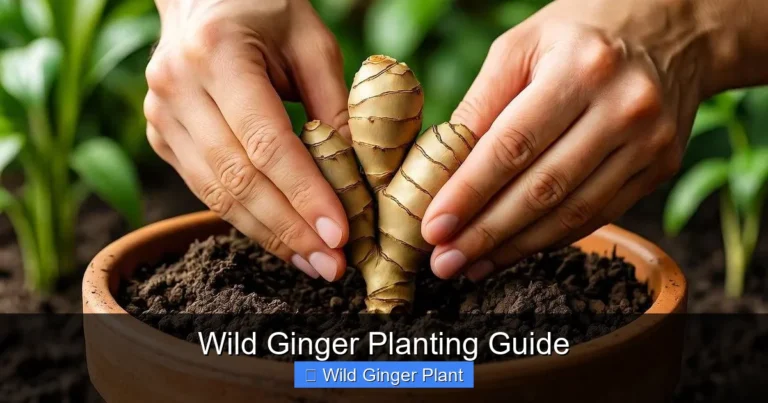
Wild Ginger Plant Information
Wild ginger plant is a low‑growing perennial native to shady woodlands across North America. It thrives in moist, rich soil and produces heart‑shaped leaves and hidden maroon flowers. Gardeners value it for ground cover, culinary spice, and traditional medicine.
Key Takeaways
- Native habitat: The wild ginger plant grows naturally in damp, shaded forests.
- Easy identification: Look for kidney‑shaped leaves and a single, hidden flower at ground level.
- Soil preference: It prefers rich, loamy soil that stays consistently moist.
- Culinary use: The rhizome adds a mild ginger flavor to teas and dishes.
- Medicinal history: Indigenous peoples used the wild ginger plant for colds and digestive aid.
- Propagation: Division in early spring is the most reliable method.
- Conservation: Harvest responsibly and follow local regulations to protect wild populations.
Quick Answers to Common Questions
What is the scientific name of the wild ginger plant?
The most common species are Asarum canadense in the east and Asarum caudatum in the west.
Can the wild ginger plant grow in full sun?
No, the wild ginger plant requires shade or dappled light to thrive.
How do you propagate the wild ginger plant?
Division in early spring is the easiest method; seed propagation is possible but slower.
Is the wild ginger plant edible?
Yes, the rhizome can be used as a mild ginger flavoring in small amounts.
Does the wild ginger plant have any pests?
Slugs and snails may feed on young leaves; fungal spots can appear in overly wet conditions.
📑 Table of Contents
What Is a Wild Ginger Plant?
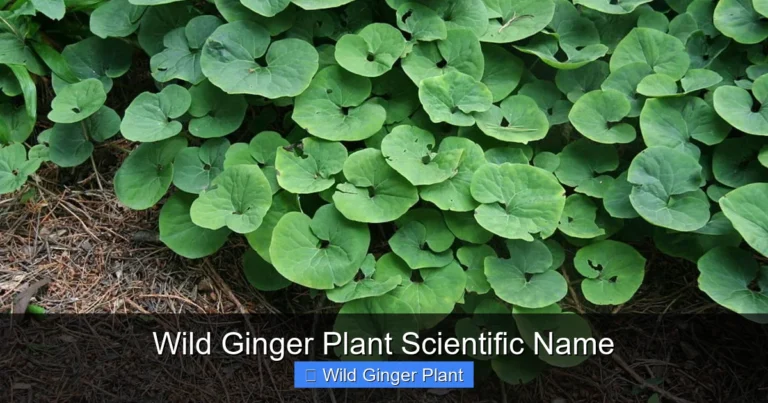
The wild ginger plant is a perennial herb that belongs to the birthwort family. It grows low to the ground and spreads by creeping rhizomes. The wild ginger plant is not related to the tropical ginger used in cooking. Instead it is a native woodland species that thrives in shade. Many gardeners love the wild ginger plant for its attractive foliage and subtle fragrance. The wild ginger plant produces a single flower that hides beneath the leaves. This flower is usually maroon or brown and appears in early spring. The wild ginger plant can form dense mats that suppress weeds. It is a great choice for naturalistic garden beds.
Botanical Classification
Scientifically the wild ginger plant is known as Asarum canadense in eastern North America. In the western region the species Asarum caudatum is common. Both belong to the family Aristolochiaceae. The genus Asarum contains many species worldwide. The wild ginger plant shares a similar leaf shape across species. Taxonomists separate them by flower structure and geographic range. Understanding the classification helps you choose the right wild ginger plant for your area.
Native Range
The wild ginger plant is native to moist deciduous forests from Canada down to the Gulf Coast. It also occurs in the Pacific Northwest and parts of the Rocky Mountains. The wild ginger plant prefers regions with cool, humid summers. It often grows along stream banks and in ravines. In its native range the wild ginger plant forms extensive colonies. These colonies provide ground cover for small wildlife. Knowing the native range helps you mimic natural conditions in cultivation.
Common Names
People call the wild ginger plant by several names. Common names include Canadian wild ginger, wood ginger, and heartleaf ginger. Some regions refer to it as colic root because of historic medicinal use. The name “wild ginger plant” is the most widely recognized term. Using the common name helps you find the right plant at nurseries. Always verify the scientific name before buying.
Growing Conditions for Wild Ginger Plant
Success with the wild ginger plant starts with the right site. The wild ginger plant needs shade, moisture, and rich soil. It does not tolerate full sun or dry conditions. If you provide these basics the wild ginger plant will thrive with minimal care. Below are the key factors to consider.
Soil
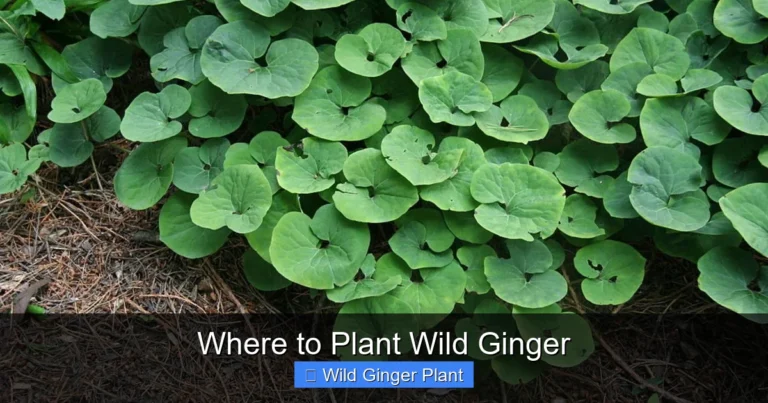
The wild ginger plant prefers deep, humus‑rich soil. A loamy mix with plenty of organic matter works best. The soil should hold water but drain excess quickly. Adding leaf mold or compost improves texture for the wild ginger plant. Avoid heavy clay that stays soggy. A pH between 5.5 and 6.5 is ideal for the wild ginger plant. Test your soil before planting.
Light
Full shade or dappled light suits the wild ginger plant. Direct afternoon sun can scorch the leaves of the wild ginger plant. Under a canopy of deciduous trees the wild ginger plant receives filtered light. This mimics its natural forest floor habitat. If you lack trees, a shade cloth can provide similar conditions for the wild ginger plant.
Moisture
Consistent moisture is critical for the wild ginger plant. The soil should never dry out completely. Mulching with shredded leaves helps retain moisture for the wild ginger plant. During dry spells water the wild ginger plant deeply once a week. Overwatering can cause root rot, so ensure good drainage. A steady supply of water keeps the wild ginger plant healthy.
Temperature
The wild ginger plant is hardy in USDA zones 3 through 8. It tolerates cold winters and cool summers. Extreme heat can stress the wild ginger plant. In hot climates provide extra shade and moisture for the wild ginger plant. The wild ginger plant goes dormant in winter and re‑emerges in early spring. This cycle matches its native forest rhythm.
How to Identify Wild Ginger Plant
Identifying the wild ginger plant is straightforward once you know the key traits. The wild ginger plant has distinctive leaves, a hidden flower, and aromatic rhizomes. Use the following guide to confirm you have the right plant.
Leaves
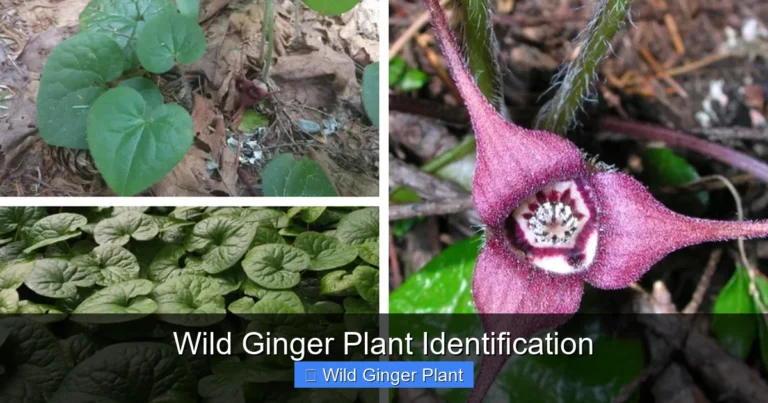
The wild ginger plant produces heart‑shaped or kidney‑shaped leaves. Each leaf grows on a short petiole from the rhizome. Leaves are typically 3 to 6 inches wide. The surface is smooth and deep green. In autumn the leaves of the wild ginger plant turn yellow before dying back. The leaf shape is a reliable field mark for the wild ginger plant.
Flowers
The wild ginger plant bears a single flower per stem. The flower sits at ground level, often hidden by leaf litter. It is bell‑shaped with three pointed sepals. Color ranges from deep maroon to brownish purple. The flower of the wild ginger plant has no petals. It blooms in early spring before the leaves fully expand. Because it is hidden, many people miss the wild ginger plant flower.
Roots
The rhizome of the wild ginger plant is thin, creeping, and aromatic. When crushed it releases a mild ginger scent. The rhizome is brown on the outside and white inside. It grows just below the soil surface. Harvesting a small piece confirms the identity of the wild ginger plant. Always leave enough rhizome for the plant to regrow.
Seasonal Changes
In early spring the wild ginger plant sends up new leaves and a flower. By midsummer the foliage forms a dense carpet. In fall the leaves of the wild ginger plant yellow and drop. Winter reveals only the dormant rhizomes. Observing these cycles helps you track the wild ginger plant through the year.
Uses and Benefits of Wild Ginger Plant
The wild ginger plant offers culinary, medicinal, and ornamental value. Many gardeners grow the wild ginger plant for more than just ground cover. Below are the main ways people use the wild ginger plant.
Culinary Uses
The rhizome of the wild ginger plant can be used as a spice. It imparts a subtle ginger flavor to teas, syrups, and baked goods. Use only a small amount because the flavor is milder than tropical ginger. The wild ginger plant rhizome can be candied or added to stir‑fries. Always harvest sustainably from cultivated patches of the wild ginger plant. Never take more than ten percent of a colony.
Medicinal Traditions
Indigenous peoples used the wild ginger plant for colds, fevers, and digestive upset. A tea made from the rhizome was a common remedy. Modern herbalists still value the wild ginger plant for its warming properties. Scientific studies on the wild ginger plant are limited. Consult a healthcare professional before using the wild ginger plant medicinally.
Ornamental Value
The wild ginger plant makes an attractive shade ground cover. Its glossy leaves create a lush carpet under trees. The hidden flower adds a surprise element in early spring. The wild ginger plant pairs well with ferns, hostas, and trilliums. It also helps prevent soil erosion on slopes. Many native plant gardens feature the wild ginger plant as a keystone species.
Propagation and Care Tips for Wild Ginger Plant
Propagating the wild ginger plant is easy if you follow a few simple steps. The wild ginger plant responds well to division, seed, and container culture. Proper care ensures a healthy, spreading colony.
Division
Early spring is the best time to divide the wild ginger plant. Dig up a clump with a garden fork. Separate the rhizomes into sections with at least one growing point. Replant each section at the same depth. Water the new divisions of the wild ginger plant thoroughly. Division yields mature plants faster than seed.
Seed
The wild ginger plant produces seeds in a capsule after flowering. Collect seeds when the capsule turns brown. Sow seeds immediately in a moist, shaded seedbed. Germination can take several months for the wild ginger plant. Cold stratification improves success rates. Seed‑grown wild ginger plant may take two years to flower.
Container Growing
You can grow the wild ginger plant in a pot if garden space is limited. Choose a wide, shallow container with good drainage. Fill with a rich, moisture‑retentive mix. Place the container in full shade. Keep the soil evenly moist for the wild ginger plant. Repot every two years to refresh the medium.
Common Pests
The wild ginger plant is relatively pest‑free. Slugs and snails may nibble young leaves of the wild ginger plant. Hand‑pick or use organic slug bait. Fungal leaf spots can appear in overly wet conditions. Improve air circulation and avoid overhead watering. Healthy wild ginger plant colonies rarely suffer serious damage.
Conservation and Ethical Harvesting of Wild Ginger Plant
Wild populations of the wild ginger plant face pressure from habitat loss and over‑collection. Responsible gardeners can help protect the wild ginger plant. Follow these guidelines to enjoy the plant without harming wild stands.
Legal Status
In many states the wild ginger plant is not listed as endangered. However some local ordinances restrict harvest on public land. Check your state’s native plant regulations before collecting the wild ginger plant. Permits may be required for large‑scale removal. Respecting the law protects the wild ginger plant for future generations.
Sustainable Practices
Only harvest the wild ginger plant from your own cultivated beds. If you must collect from the wild, take less than five percent of a colony. Leave the majority of rhizomes intact. Replant any disturbed soil immediately. These steps keep the wild ginger plant population stable.
Community Involvement
Join a local native plant society to learn about the wild ginger plant. Volunteer for habitat restoration projects that include the wild ginger plant. Share seeds or divisions with neighbors to expand cultivated sources. Community action reduces pressure on wild ginger plant populations. Together we can ensure the wild ginger plant remains a thriving part of our forests.
Conclusion
The wild ginger plant is a versatile, beautiful, and useful native perennial. It thrives in shade, enriches woodland gardens, and offers culinary and medicinal benefits. By understanding its needs you can grow a healthy wild ginger plant colony in your own yard. Remember to propagate responsibly and support conservation efforts for the wild ginger plant. With a little care the wild ginger plant will reward you with lush foliage and hidden spring flowers for many years. Enjoy the journey of cultivating this charming forest gem.
Frequently Asked Questions
What type of soil does the wild ginger plant prefer?
The wild ginger plant prefers rich, loamy soil that stays consistently moist but drains well. A pH between 5.5 and 6.5 is ideal.
When does the wild ginger plant bloom?
The wild ginger plant blooms in early spring, usually before the leaves fully expand. The flower is hidden at ground level.
Can I grow the wild ginger plant in a container?
Yes, the wild ginger plant adapts well to wide, shallow containers with a moisture‑retentive mix and full shade.
Is the wild ginger plant deer resistant?
The wild ginger plant is generally avoided by deer due to its aromatic rhizomes and low growth habit.
How do I harvest the wild ginger plant sustainably?
Take only a small portion of rhizomes from cultivated patches, leaving at least 90 percent of the colony intact.
Are there any legal restrictions on collecting the wild ginger plant?
Some states or municipalities limit harvest on public lands; always check local regulations before collecting wild ginger plant material.