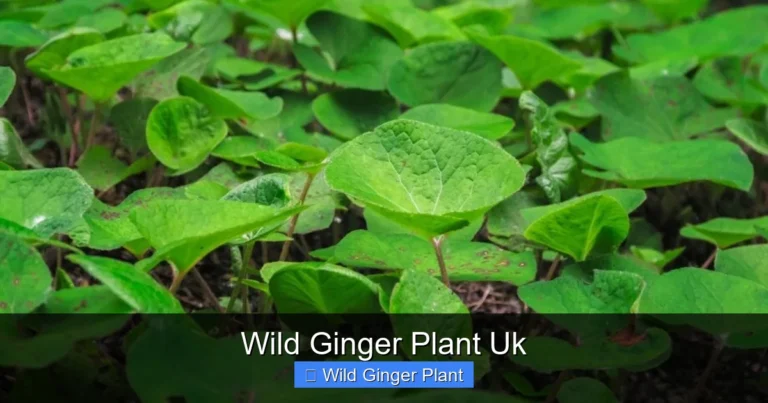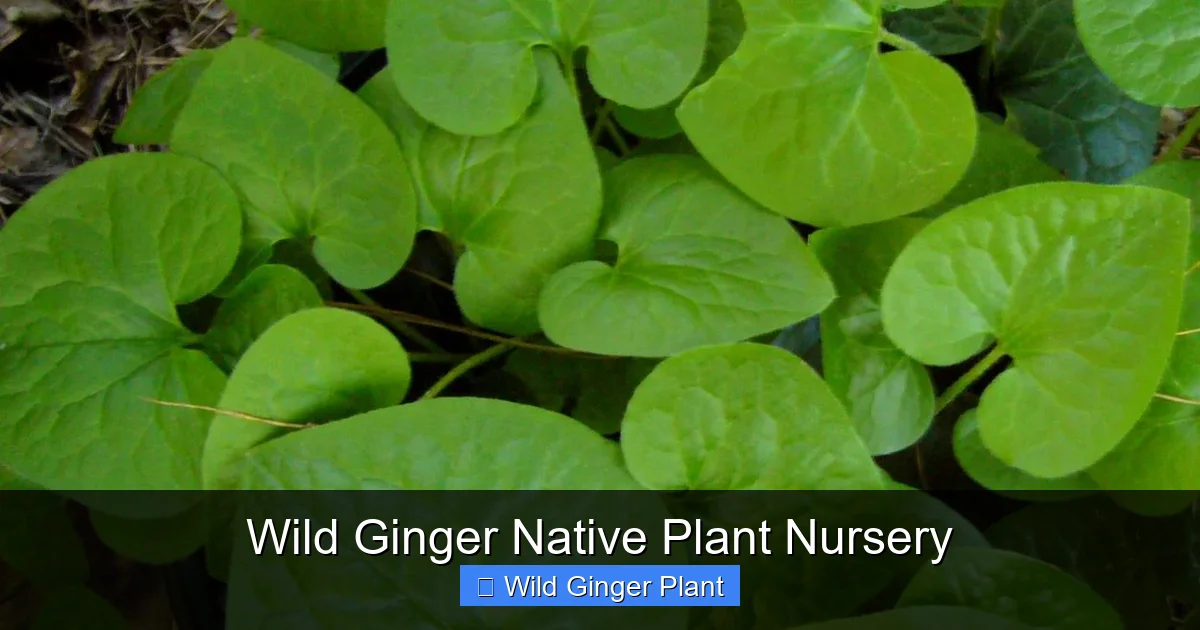
Wild Ginger Native Plant Nursery
The wild ginger native plant nursery offers a curated selection of native wild ginger species, expert planting guidance, and sustainable gardening resources. Visitors can explore diverse cultivars, learn soil preparation, and support local ecosystems.
Welcome to the world of native wild ginger. This guide will help you understand what a wild ginger native plant nursery does. You will learn why native wild ginger is a great choice for your garden. You will also get practical tips for planting and care.
The wild ginger native plant nursery is more than a store. It is a hub for education, conservation, and community. People visit to buy plants, ask questions, and join workshops. The staff share a passion for native flora. They want every gardener to succeed.
Key Takeaways
- Wide Species Selection: The wild ginger native plant nursery carries many native wild ginger varieties for different climates.
- Expert Staff Advice: Knowledgeable growers help you choose the right plant for your site.
- Sustainable Growing Practices: The wild ginger native plant nursery uses organic methods and water‑saving techniques.
- Community Workshops: Regular classes teach planting, care, and seed saving.
- Online Resources: Guides, newsletters, and a searchable plant database are available on the website.
- Local Habitat Support: Purchases fund restoration projects in nearby natural areas.
Quick Answers to Common Questions
What is a wild ginger native plant nursery?
A wild ginger native plant nursery grows and sells native wild ginger species. It also provides education and conservation support.
Why should I plant native wild ginger?
Native wild ginger supports pollinators, improves soil, and needs little maintenance once established.
How do I choose the right wild ginger species?
Check your hardiness zone, light conditions, and desired growth habit. The wild ginger native plant nursery staff can help you decide.
What are the watering needs for wild ginger?
Keep soil evenly moist for the first month. After that water deeply once a week during dry periods.
Does the wild ginger native plant nursery offer workshops?
Yes, the wild ginger native plant nursery runs monthly workshops on planting, care, and seed saving.
📑 Table of Contents
- What Is a Wild Ginger Native Plant Nursery?
- Why Choose Native Wild Ginger for Your Garden?
- How to Select the Right Wild Ginger Species
- Planting and Care Tips from the Wild Ginger Native Plant Nursery
- Sustainable Practices at the Wild Ginger Native Plant Nursery
- Community Programs and Resources Offered by the Wild Ginger Native Plant Nursery
What Is a Wild Ginger Native Plant Nursery?
Definition and Purpose
A wild ginger native plant nursery grows and sells native wild ginger species. The goal is to provide healthy plants for local gardens. The nursery also protects genetic diversity. It works with conservation groups to restore wild populations.
Every plant at the wild ginger native plant nursery is grown from local seed. This ensures the plants are adapted to the region. Customers receive plants that thrive in their own backyards. The nursery labels each pot with clear care instructions.
The mission of the wild ginger native plant nursery is simple. Grow native plants. Teach sustainable gardening. Support wildlife habitat. This mission guides every decision the staff make.
History and Mission
The wild ginger native plant nursery started as a small family project. Over time it grew into a regional resource. The mission stays the same. Grow native plants. Teach sustainable gardening. Support wildlife habitat.
Founders began with a few wild ginger divisions in a backyard. They shared plants with neighbors and friends. Word spread and demand increased. Today the wild ginger native plant nursery serves hundreds of gardeners each year.
The nursery partners with local land trusts. Together they restore wild ginger in protected areas. This work helps preserve the species for future generations. The wild ginger native plant nursery is proud of this legacy.
What You Will Find There
At the wild ginger native plant nursery you will find potted plants, bare‑root divisions, and seed packets. Each plant comes with a care tag. The tags list light needs, soil preferences, and watering tips. Staff are ready to answer questions.
The display gardens showcase mature wild ginger in natural settings. Visitors can see how the plants look through the seasons. The wild ginger native plant nursery also offers a small gift shop with books and tools.
Online ordering is available through the wild ginger native plant nursery website. Plants are shipped in eco‑friendly packaging. Customers receive tracking information and planting guides by email.
Visiting the Nursery
The wild ginger native plant nursery is open six days a week. Hours are posted on the website and at the gate. Parking is free and accessible. Guided tours are offered on Saturdays.
During a tour you will walk the propagation beds. You will see seedlings, divisions, and mature clumps. The guide explains each step of the growing process. Questions are welcome at any time.
Visitors can also attend a free plant‑selection workshop. The workshop runs monthly and covers site assessment, species choice, and planting basics. The wild ginger native plant nursery provides handouts for every participant.
Supporting Conservation
Every purchase at the wild ginger native plant nursery funds local conservation projects. A portion of sales goes to habitat restoration. The nursery also donates plants to school gardens and community parks.
Volunteers help with seed collection and planting events. The wild ginger native plant nursery trains volunteers in proper techniques. This builds a network of stewards across the region.
You can become a member of the wild ginger native plant nursery. Membership includes discounts, early access to rare species, and a quarterly newsletter. Your support keeps the mission alive.
Why Choose Native Wild Ginger for Your Garden?
Benefits for Pollinators
Native wild ginger flowers attract bees, flies, and beetles. These insects pollinate many garden crops. A garden with wild ginger supports a healthy food web. The wild ginger native plant nursery selects species with high nectar value.
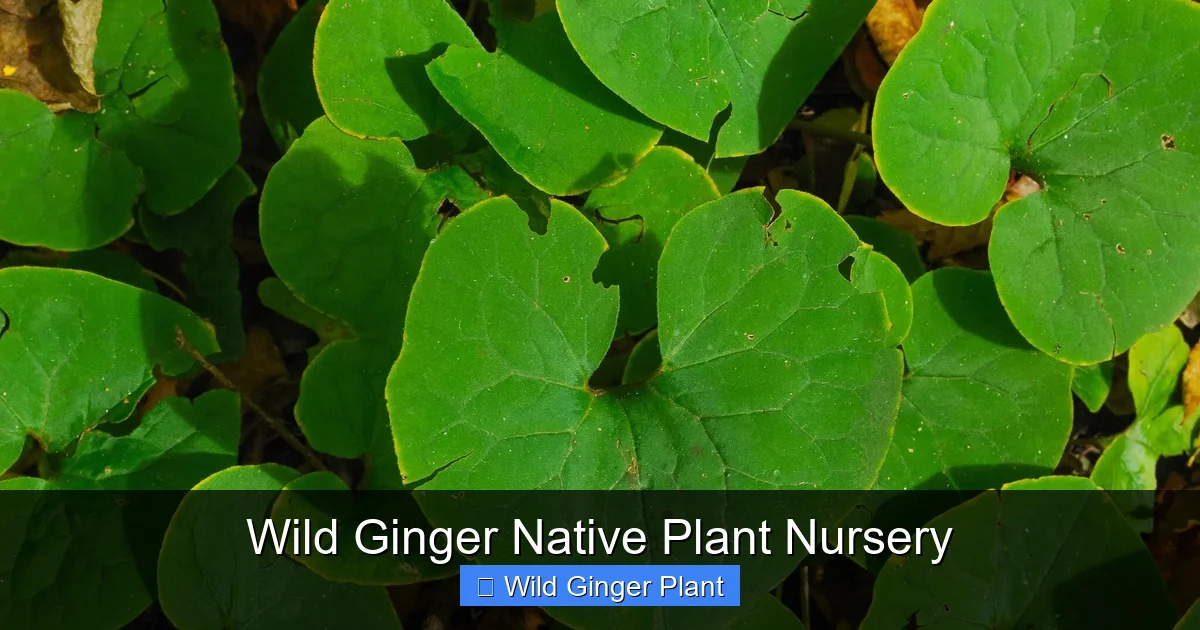
Visual guide about Wild Ginger Native Plant Nursery
Image source: images.squarespace-cdn.com
Pollinators visit the flowers from early spring to late summer. The long bloom period provides a steady food source. The wild ginger native plant nursery recommends planting in groups for maximum impact.
Birds also benefit from the insect activity. They feed on the pollinators and find shelter in the foliage. A diverse garden becomes a mini‑ecosystem.
Low Maintenance Beauty
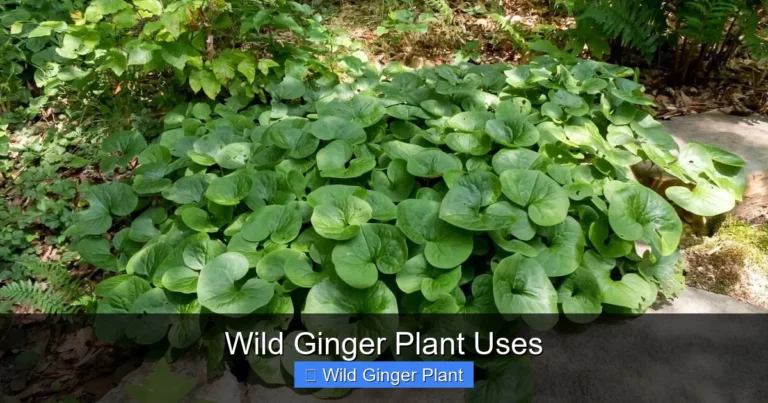
Wild ginger thrives in shade and moist soil. Once established it needs little water. It spreads slowly to form a lush ground cover. The foliage stays green through most of the year. This makes it a low‑maintenance choice for busy gardeners.
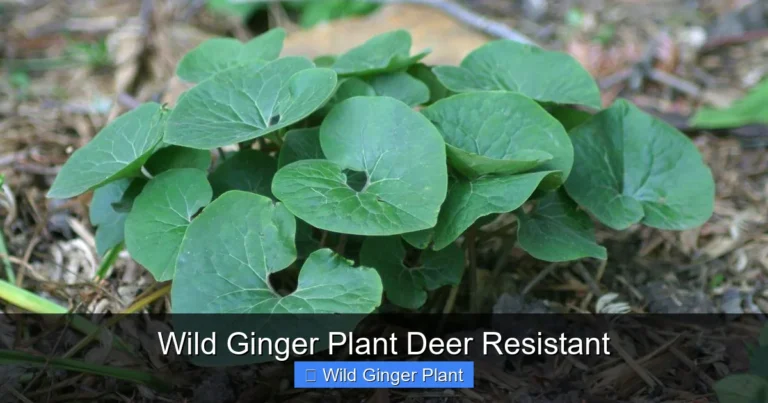
The leaves are heart‑shaped and glossy. They add texture to shaded borders. The wild ginger native plant nursery suggests pairing wild ginger with ferns and hostas.
Because it is native, wild ginger resists many local pests. You spend less time spraying and more time enjoying the garden.
Soil Health Improvements
The roots of wild ginger add organic matter to the soil. They help retain moisture and improve structure. Over time the soil becomes richer and more fertile. The wild ginger native plant nursery recommends planting in groups for maximum effect.
Decomposing leaves create a natural mulch layer. This mulch suppresses weeds and feeds soil microbes. The wild ginger native plant nursery encourages leaving leaf litter in place.
Healthy soil supports all plants in the garden. A foundation of native ground cover builds resilience against drought.
Seasonal Interest
Wild ginger offers subtle flowers in early spring. The blooms are often hidden beneath the leaves. In summer the foliage forms a dense carpet. In fall the leaves turn a warm bronze before dropping.
The wild ginger native plant nursery highlights this seasonal rhythm in its display beds. Visitors can see the changes month by month. This helps gardeners plan for year‑round interest.
Even in winter the rhizomes store energy for the next season. The plant is alive below ground, ready to emerge.
Companion Planting
Wild ginger pairs well with native ferns, trillium, and bloodroot. These companions share similar light and moisture needs. The wild ginger native plant nursery sells companion collections for easy design.
Planting in drifts creates a natural look. The wild ginger native plant nursery suggests spacing groups twelve inches apart. This allows each species to shine.
Companion planting also boosts biodiversity. More species attract a wider range of beneficial insects.
Wildlife Habitat
Small mammals use wild ginger clumps for cover. Amphibians find moisture under the leaves. The wild ginger native plant nursery notes increased frog activity in gardens with wild ginger.
Birds forage for insects among the foliage. The dense growth protects nests from predators. A garden with wild ginger becomes a safe haven.
Supporting wildlife is a core value of the wild ginger native plant nursery. Every plant sold helps create habitat corridors.
How to Select the Right Wild Ginger Species
Know Your Climate Zone
Check your USDA hardiness zone before buying. Some wild ginger species tolerate cold winters. Others prefer mild climates. The wild ginger native plant nursery labels each plant with its zone range.
Zone maps are available on the wild ginger native plant nursery website. You can enter your zip code for a quick match. Staff can also help you interpret the map.
Choosing a zone‑appropriate species reduces winter loss. It also ensures the plant will flower on schedule.
Match Light Conditions
Wild ginger generally likes shade or dappled light. A few species can handle morning sun. Observe your planting site for a few days. Choose a species that matches the light you have.
The wild ginger native plant nursery provides a light‑requirement chart. It lists each species from full shade to partial sun. Use this chart when you browse the catalog.
If your site gets afternoon sun, select a more tolerant variety. The wild ginger native plant nursery staff can recommend the best fit.
Consider Growth Habit
Some wild ginger forms tight clumps. Others spread by rhizomes to create a carpet. Decide if you want a border plant or a ground cover. The wild ginger native plant nursery staff can show you mature specimens.
Clump‑forming types stay neat in formal beds. Spreading types fill large areas quickly. The wild ginger native plant nursery labels each pot with its habit.
Think about future maintenance. Spreading types may need division every few years. Clump types stay put longer.
Size Considerations
Mature height ranges from six inches to eighteen inches. Choose a size that fits your design. The wild ginger native plant nursery lists height on every tag.
Low‑growing species work well as edging. Taller species add vertical interest in shade gardens. The wild ginger native plant nursery can suggest combinations.
Measure your planting area before you shop. This prevents overcrowding later.
Flower Timing
Bloom periods vary by species. Some flower in March, others in May. The wild ginger native plant nursery provides a bloom calendar. This helps you plan a succession of flowers.
Early bloomers support early pollinators. Late bloomers extend the season. The wild ginger native plant nursery encourages mixing bloom times.
Ask staff for a custom bloom schedule for your zone.
Fragrance
Certain wild ginger species have a sweet, spicy scent. Others are fragrance‑free. The wild ginger native plant nursery notes fragrance on the label. Choose based on your preference.
Fragrant types are delightful near seating areas. Non‑fragrant types work well in large plantings where scent may be overwhelming.
Sniff the plants during a visit to the wild ginger native plant nursery. Your nose knows best.
Planting and Care Tips from the Wild Ginger Native Plant Nursery
Preparing the Site
Clear weeds and debris from the planting area. Loosen the top six inches of soil. Add compost if the soil is poor. The wild ginger native plant nursery suggests a soil test for pH. Aim for a slightly acidic to neutral pH.
Remove any large stones or roots. Rake the surface smooth. The wild ginger native plant nursery recommends a light mulch layer after planting.
Water the prepared bed a day before planting. Moist soil helps roots establish quickly.
Planting Depth and Spacing
Plant divisions so the crown sits at soil level. Space plants twelve to eighteen inches apart. This gives room for rhizome spread. Water thoroughly after planting.
If you plant bare‑root divisions, soak them in water for an hour first. The wild ginger native plant nursery advises this step to reduce transplant shock.
Gently firm soil around each plant. Avoid compacting the root zone.
Watering Schedule
Keep the soil evenly moist for the first month. After establishment water during dry spells. A deep soak once a week is usually enough. The wild ginger native plant nursery advises against overhead watering to reduce leaf disease.
Use a soaker hose or drip line for efficiency. The wild ginger native plant nursery sells affordable drip kits. Mulch helps retain moisture between waterings.
Check soil moisture by feeling two inches down. Water only when dry.
Mulching and Weed Control
Apply a two‑inch layer of shredded leaves or bark mulch. Mulch conserves moisture and suppresses weeds. Replenish mulch each spring. Hand‑pull any weeds that appear.
The wild ginger native plant nursery recommends organic mulch only. Avoid rubber or plastic mulches. They can heat the soil and harm roots.
Weed early and often. Small weeds are easier to remove.
Seasonal Maintenance
In early spring remove any dead foliage. Divide clumps every three to four years to maintain vigor. The wild ginger native plant nursery offers division workshops each fall.
After division, replant sections at the same depth. Water well and mulch. The wild ginger native plant nursery suggests labeling new divisions.
Monitor for pests throughout the season. Early detection keeps problems small.
Fertilizing
Wild ginger needs little fertilizer. A light application of compost in spring is sufficient. The wild ginger native plant nursery warns against high‑nitrogen feeds. They promote leaf growth at the expense of flowers.
If soil test shows a deficiency, use a balanced organic fertilizer. Follow label rates carefully.
Too much fertilizer can cause weak, floppy stems.
Pest Management
Common pests include slugs and aphids. The wild ginger native plant nursery uses copper tape and neem oil as needed. Encourage natural predators like ground beetles.
Inspect leaves weekly. Remove any damaged foliage promptly.
Healthy plants resist most pests on their own.
Winter Protection
In cold zones, add a thick mulch layer after the ground freezes. This insulates rhizomes. The wild ginger native plant nursery suggests straw or pine needles.
Remove excess mulch in early spring to prevent rot.
Container plants can be moved to a sheltered location.
Sustainable Practices at the Wild Ginger Native Plant Nursery
Organic Growing Methods
The wild ginger native plant nursery avoids synthetic fertilizers and pesticides. They use compost tea, beneficial insects, and crop rotation. This keeps plants healthy and protects pollinators.
Soil health is monitored with regular tests. The wild ginger native plant nursery adjusts amendments based on results.
All seedlings start in a peat‑free mix. This reduces pressure on peat bogs.
Water Conservation
Rain barrels capture roof runoff for irrigation. Drip lines deliver water directly to roots. Mulch reduces evaporation. These steps cut water use by up to fifty percent.
The wild ginger native plant nursery tracks water usage monthly. Goals are set for continuous improvement.
Staff educate visitors on home water‑saving techniques.
Seed Saving and Propagation
Staff collect seed from mature plants each summer. Seeds are cleaned, stored, and sown in the nursery. This preserves local genetics. The wild ginger native plant nursery also teaches seed saving to visitors.
Seed saving workshops run twice a year. Participants leave with a packet of wild ginger seed.
Propagation by division is done in early spring. This method produces true‑to‑type plants quickly.
Community Seed Exchanges
Twice a year the wild ginger native plant nursery hosts a seed swap. Gardeners bring extra seed and trade for new varieties. The event builds a network of native plant enthusiasts.
The wild ginger native plant nursery provides tables, labels, and a swap guide.
All seed exchanged is locally sourced and disease‑free.
Composting
All plant waste is composted on site. The resulting compost enriches the growing beds. The wild ginger native plant nursery closes the nutrient loop.
Visitors can drop off kitchen scraps at a designated bin. The compost is used for potting mixes.
Composting workshops teach the basics of hot composting.
Renewable Energy
Solar panels power the greenhouse fans and lights. The wild ginger native plant nursery aims for net‑zero electricity. Excess energy feeds the grid.
Energy use is displayed on a public dashboard. Transparency inspires others.
Staff receive training on energy‑saving practices.
Plastic Reduction
Pots are made from recycled paper or biodegradable fiber. The wild ginger native plant nursery eliminates single‑use plastic trays. Customers receive plants in reusable cloth bags.
Shipping boxes are recycled cardboard. Tape is paper‑based.
The nursery tracks plastic waste annually.
Community Programs and Resources Offered by the Wild Ginger Native Plant Nursery
Workshops and Classes
The wild ginger native plant nursery runs monthly workshops. Topics include planting design, soil health, and pollinator gardening. Classes are free for members and low cost for the public.
Hands‑on sessions let participants practice division and planting. The wild ginger native plant nursery provides all tools and materials.
Online webinars are recorded and posted for later viewing.
Volunteer Opportunities
Volunteers help with planting, weeding, and event setup. In return they receive plant discounts and hands‑on training. The wild ginger native plant nursery values every volunteer hour.
Volunteer days are scheduled weekly during the growing season. No experience is required.
Corporate groups can book a team‑building volunteer day.
Online Guides and Newsletters
The website features printable care sheets, a searchable plant database, and a monthly newsletter. The wild ginger native plant nursery updates content each season.
Subscribers receive planting reminders and pest alerts. The newsletter highlights new arrivals and upcoming events.
All guides are written in plain language for easy reading.
Partnerships with Local Schools
The wild ginger native plant nursery partners with schools for garden projects. Students learn about native ecology while planting wild ginger on campus. These programs inspire the next generation of stewards.
Curriculum kits include lesson plans, seeds, and identification cards. The wild ginger native plant nursery staff visit classrooms for live demos.
School gardens become living laboratories for science classes.
Youth Programs
Summer camps at the wild ginger native plant nursery teach kids about native plants. Activities include seed sowing, nature walks, and art projects. Campers take home a potted wild ginger.
Scholarships are available for families in need.
Youth programs foster a lifelong connection to nature.
Citizen Science
The wild ginger native plant nursery runs a phenology tracking project. Volunteers record bloom dates and pollinator visits. Data is shared with regional researchers.
Participants receive a simple field guide and a mobile app. The wild ginger native plant nursery hosts an annual data celebration.
Citizen science builds community and informs conservation.
Garden Tours
Guided garden tours showcase mature wild ginger plantings. The wild ginger native plant nursery offers tours for garden clubs, master gardeners, and the public.
Tour leaders discuss design principles and maintenance tips. Questions are encouraged throughout.
Private tours can be booked for special occasions.
In summary the wild ginger native plant nursery is a valuable resource for anyone who loves native plants. It offers healthy plants, expert advice, and a community of like‑minded gardeners. Visit the wild ginger native plant nursery to start your own native garden today.
Frequently Asked Questions
Can wild ginger grow in full sun?
Most wild ginger prefers shade or dappled light. A few tolerant species can handle morning sun, but afternoon sun usually causes leaf scorch.
Is wild ginger deer resistant?
Wild ginger is generally deer resistant because its foliage has a bitter taste. However, hungry deer may browse young shoots in early spring.
How often should I divide wild ginger clumps?
Divide clumps every three to four years to maintain vigor. The wild ginger native plant nursery offers division workshops each fall.
What soil pH does wild ginger prefer?
Wild ginger thrives in slightly acidic to neutral soil, ideally a pH between 5.5 and 7.0. A soil test can confirm your site conditions.
Are the plants at the wild ginger native plant nursery grown organically?
Yes, the wild ginger native plant nursery uses organic growing methods. No synthetic fertilizers or pesticides are applied.
Can I order plants online from the wild ginger native plant nursery?
Absolutely. The wild ginger native plant nursery website offers online ordering with eco‑friendly shipping and detailed planting guides.