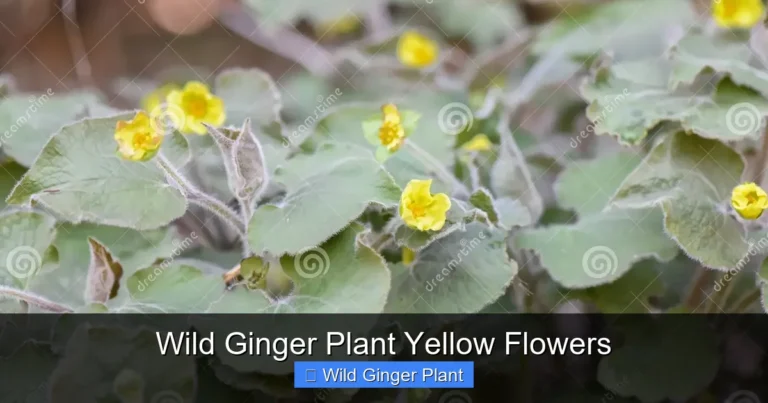
Wild Ginger Plant
The wild ginger plant is a low, shade‑loving herb with heart‑shaped leaves and hidden flowers. It thrives in moist woods and makes a great ground cover for gardens.
I first met the wild ginger plant on a cool spring walk. The forest floor was soft and green. A low herb caught my eye. The wild ginger plant looked like a small green carpet. I felt curious about its name. The wild ginger plant smelled spicy when I brushed a leaf. I decided to learn more about the wild ginger plant.
The wild ginger plant grows in shade and likes moist soil. Its leaves are broad and heart shaped. The flowers hide near the ground. The wild ginger plant spreads slowly across the forest floor. The wild ginger plant forms a dense mat over time. The wild ginger plant is a perennial herb that returns each year. Gardeners value the wild ginger plant for its low maintenance.
Many gardeners love the wild ginger plant for its easy care. It spreads slowly and forms a nice carpet. You can also use the root in cooking. The wild ginger plant adds a mild ginger flavor to dishes. The wild ginger plant is also used in herbal tea. The wild ginger plant attracts beneficial insects. The wild ginger plant is a great ground cover for shady beds.
Key Takeaways
- Low growth: The wild ginger plant stays close to the ground.
- Shade lover: It prefers dappled light under trees.
- Heart leaves: Leaves are broad and heart shaped.
- Hidden blooms: Flowers sit at ground level, often unseen.
- Edible root: The rhizome has a mild ginger flavor.
- Easy care: Once established, it needs little maintenance.
- Wildlife value: Provides cover for small insects and amphibians.
Quick Answers to Common Questions
What is the wild ginger plant?
The wild ginger plant is a low, shade‑loving perennial herb with heart‑shaped leaves and a spicy rhizome.
Where does the wild ginger plant grow naturally?
The wild ginger plant grows in moist, rich woods across eastern North America, typically under deciduous trees.
Can you eat the wild ginger plant?
Yes, the rhizome of the wild ginger plant is edible and adds a mild ginger flavor to dishes.
How do you propagate the wild ginger plant?
Divide the rhizome in early spring or fall and replant the pieces in moist, shady soil.
What pests affect the wild ginger plant?
Slugs, snails, and occasional fungal leaf spots are the main pests for the wild ginger plant.
📑 Table of Contents
What Is the wild ginger plant?
The wild ginger plant is a perennial herb that belongs to the birthwort family. It stays low and spreads by underground stems. The plant has a pleasant spicy scent when crushed. The wild ginger plant is native to eastern North America. The wild ginger plant grows in rich, moist woods. The wild ginger plant is often found near streams. The wild ginger plant forms colonies that can last for decades.
Basic Description of the wild ginger plant
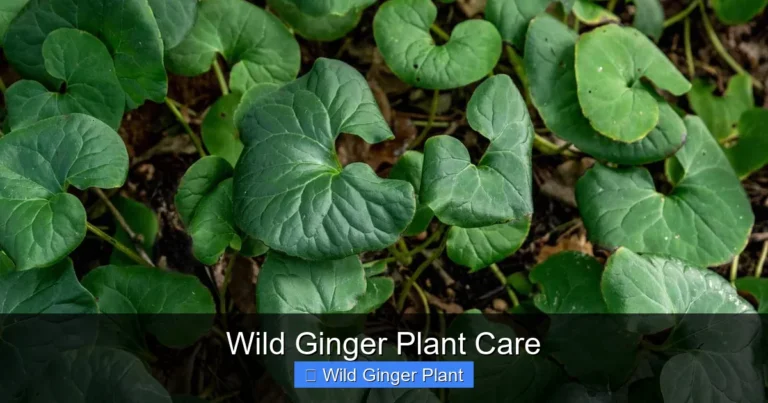
The wild ginger plant produces kidney shaped leaves that grow in pairs. Each leaf can reach six inches across. The leaf surface is smooth and deep green. The wild ginger plant leaf veins are prominent. The wild ginger plant leaf margin is entire. The wild ginger plant leaf stalk is short. The wild ginger plant leaf pair sits close to the ground.
The wild ginger plant leaf texture feels soft to the touch. The wild ginger plant leaf color darkens in full shade. The wild ginger plant leaf shape helps capture low light. The wild ginger plant leaf arrangement maximizes photosynthesis. The wild ginger plant leaf is a key identification feature.
Scientific Name of the wild ginger plant
The scientific name for the wild ginger plant is Asarum canadense. This name reflects its native range in Canada and the eastern United States. Botanists use this name in field guides. The wild ginger plant genus Asarum includes several species. The wild ginger plant species name canadense means of Canada. The wild ginger plant classification places it in the Aristolochiaceae family. The wild ginger plant taxonomy helps avoid confusion with true ginger.
The wild ginger plant scientific name is useful for research. The wild ginger plant name appears in herbal literature. The wild ginger plant name is recognized by horticulturists. The wild ginger plant name ensures accurate communication. The wild ginger plant name is stable across regions.
Growth Habit of the wild ginger plant
The wild ginger plant forms a dense mat over time. New shoots emerge from the rhizome each spring. The plant rarely exceeds eight inches in height. The wild ginger plant spreads by creeping rhizomes. The wild ginger plant creates a continuous ground cover. The wild ginger plant tolerates light foot traffic. The wild ginger plant is ideal for naturalizing shady areas.
The wild ginger plant growth rate is slow but steady. The wild ginger plant rhizome expands a few inches per year. The wild ginger plant clumps can be divided for propagation. The wild ginger plant responds well to organic mulch. The wild ginger plant benefits from leaf litter accumulation. The wild ginger plant thrives in undisturbed soil. The wild ginger plant habit makes it a low‑maintenance choice.
Where Does the wild ginger plant Grow?
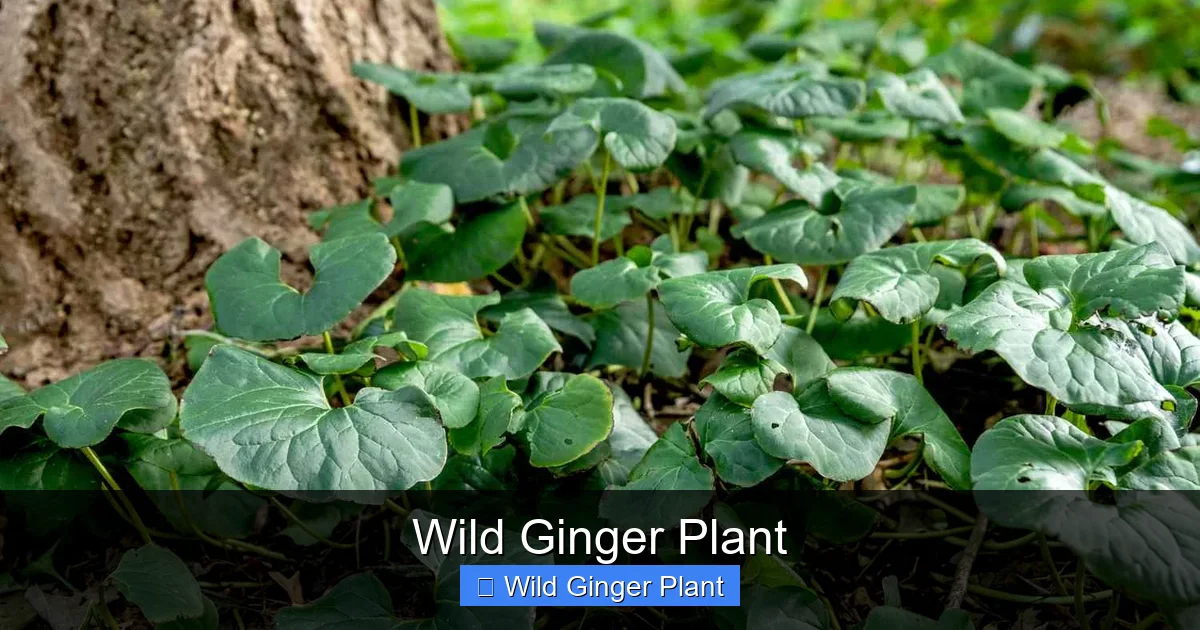
The wild ginger plant prefers rich, moist woods with plenty of leaf litter. It thrives under deciduous trees where light filters through. You will often find it near streams and damp ravines. The wild ginger plant likes cool, humid microclimates. The wild ginger plant is common in the Appalachian region. The wild ginger plant ranges from Minnesota to Georgia. The wild ginger plant adapts to a variety of forest types.
Visual guide about Wild Ginger Plant
Image source: cdn.mos.cms.futurecdn.net
Preferred Soil for the wild ginger plant
The wild ginger plant likes loamy soil that holds moisture but drains well. Adding compost improves texture and fertility. Avoid heavy clay that stays soggy. The wild ginger plant benefits from a thick layer of leaf mulch. The wild ginger plant prefers a slightly acidic pH. The wild ginger plant tolerates a range of soil textures. The wild ginger plant root system needs oxygen.
The wild ginger plant soil should stay consistently damp. The wild ginger plant does not like drought periods. The wild ginger plant can survive brief dry spells if mulched. The wild ginger plant soil amendment with peat helps retain water. The wild ginger plant thrives in forest duff. The wild ginger plant avoids compacted soils. The wild ginger plant prefers natural forest floor conditions.
Climate Range of the wild ginger plant
The wild ginger plant grows in USDA zones 3 through 8. It tolerates cold winters and warm summers. Extreme heat can stress the plant if soil dries out. The wild ginger plant prefers temperatures between 50 and 70 degrees Fahrenheit. The wild ginger plant goes dormant in winter. The wild ginger plant emerges early in spring. The wild ginger plant is frost tolerant.
The wild ginger plant climate preference includes high humidity. The wild ginger plant does well in areas with regular rainfall. The wild ginger plant can survive occasional drought if shaded. The wild ginger plant is not suited for arid regions. The wild ginger plant benefits from snow cover in winter. The wild ginger plant adapts to local microclimates. The wild ginger plant range expands with suitable habitat.
Natural Habitat of the wild ginger plant
In the wild the wild ginger plant carpets the forest floor. It shares space with ferns, trilliums, and mosses. This community creates a cool, humid microclimate. The wild ginger plant often grows on north‑facing slopes. The wild ginger plant thrives under a canopy of maple and oak. The wild ginger plant benefits from decaying wood. The wild ginger plant is an indicator of healthy forest soils.
The wild ginger plant provides shelter for small amphibians. The wild ginger plant supports a diverse insect community. The wild ginger plant contributes to nutrient cycling. The wild ginger plant helps prevent soil erosion. The wild ginger plant is a keystone ground cover species. The wild ginger plant interacts with mycorrhizal fungi. The wild ginger plant presence signals undisturbed habitat.
How to Identify the wild ginger plant
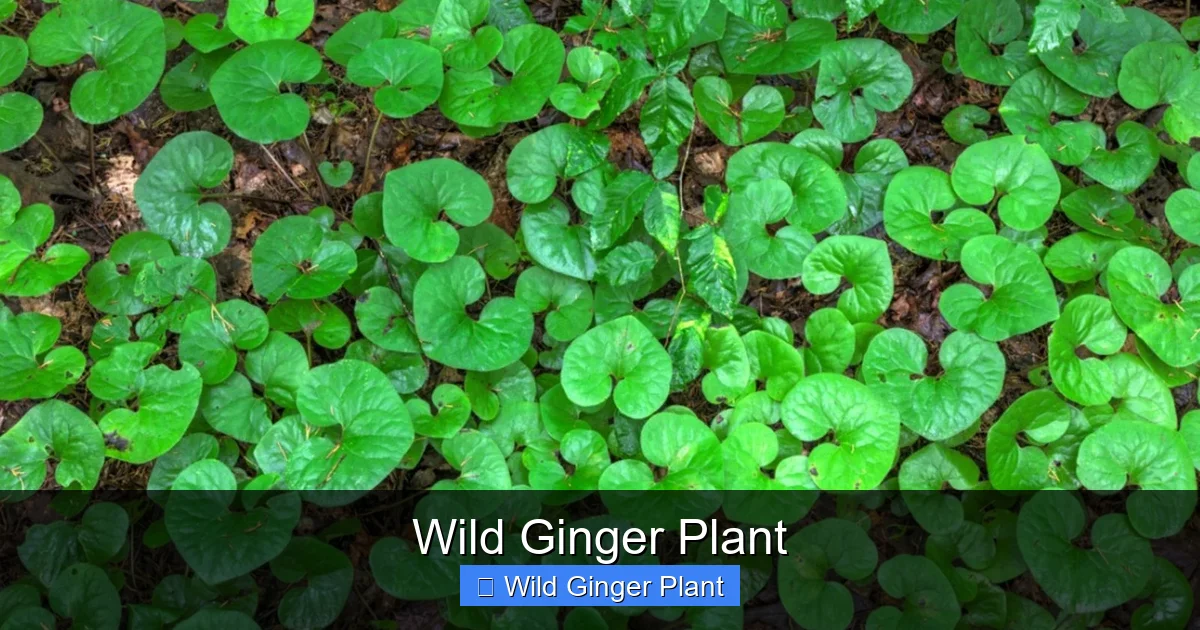
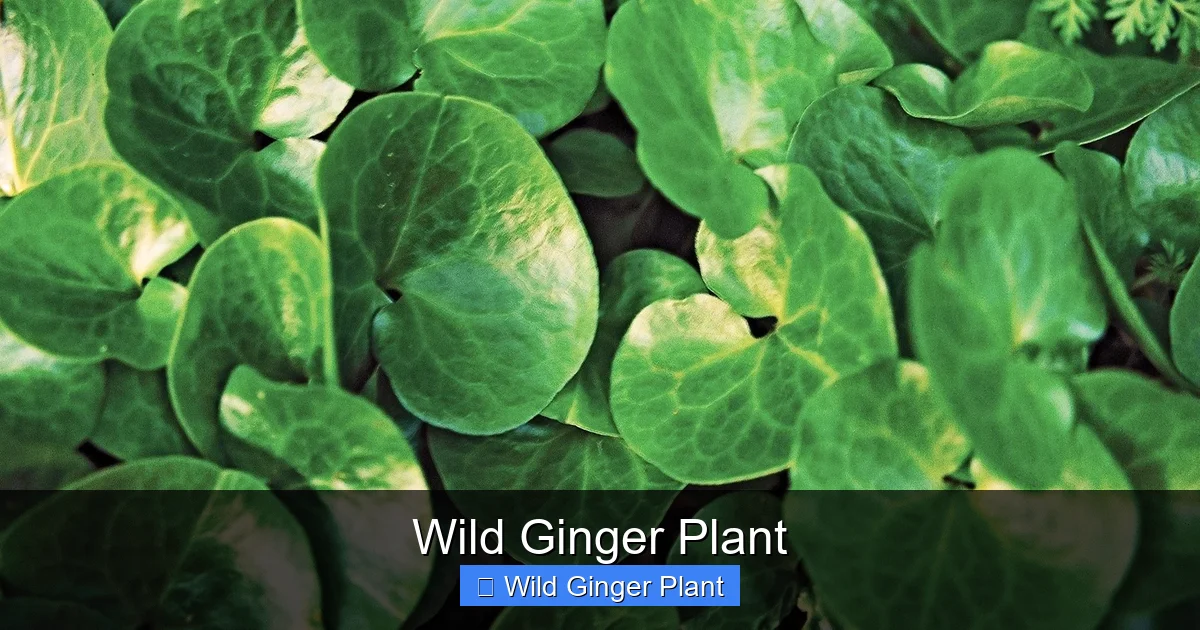
Identifying the wild ginger plant is easy once you know the key traits. Look for paired leaves, hidden flowers, and a spicy aroma. These features set it apart from look‑alikes. The wild ginger plant leaf pairs are opposite each other. The wild ginger plant flower is solitary and low. The wild ginger plant rhizome smells like ginger when broken. The wild ginger plant grows in colonies.
Visual guide about Wild Ginger Plant
Image source: bhg.com
Leaf Shape of the wild ginger plant
The wild ginger plant shows heart shaped leaves with a deep notch at the base. The leaf margin is smooth and the veins are prominent. Each leaf pair sits on a short stalk. The wild ginger plant leaf surface is glossy. The wild ginger plant leaf color is deep green. The wild ginger plant leaf size can reach six inches. The wild ginger plant leaf arrangement is distinctive.
The wild ginger plant leaf texture feels soft and slightly leathery. The wild ginger plant leaf veins form a net pattern. The wild ginger plant leaf base is cordate. The wild ginger plant leaf tip is acute. The wild ginger plant leaf is a reliable field mark. The wild ginger plant leaf does not have serrations. The wild ginger plant leaf is a key identification clue.
Flower Details of the wild ginger plant
The wild ginger plant bears a single flower per stem. The flower is brownish purple and sits at ground level. It has three lobes and a faint sweet scent. The wild ginger plant flower is often hidden by leaf litter. The wild ginger plant flower blooms in early spring. The wild ginger plant flower is pollinated by beetles. The wild ginger plant flower lacks showy petals.
The wild ginger plant flower structure is unique. The wild ginger plant flower has a tubular calyx. The wild ginger plant flower opens close to the soil. The wild ginger plant flower is short‑lived. The wild ginger plant flower produces a small capsule. The wild ginger plant flower seeds are dispersed by ants. The wild ginger plant flower is a subtle beauty.
Root Characteristics of the wild ginger plant
The wild ginger plant has a thick, creeping rhizome. The rhizome is beige and emits a ginger like fragrance when broken. This root is the part used in cooking. The wild ginger plant rhizome grows horizontally just below the surface. The wild ginger plant rhizome can be several feet long. The wild ginger plant rhizome stores nutrients for winter. The wild ginger plant rhizome is easy to harvest.
The wild ginger plant rhizome texture is firm and fibrous. The wild ginger plant rhizome color darkens with age. The wild ginger plant rhizome can be divided for propagation. The wild ginger plant rhizome is rich in essential oils. The wild ginger plant rhizome has a mild peppery taste. The wild ginger plant rhizome is used fresh or dried. The wild ginger plant rhizome is a valuable culinary resource.
Uses and Benefits of the wild ginger plant
The wild ginger plant offers culinary, medicinal, and ecological value. People have used it for centuries in traditional recipes and remedies. It also supports forest biodiversity. The wild ginger plant root adds a subtle spice to dishes. The wild ginger plant tea soothes upset stomachs. The wild ginger plant provides habitat for wildlife. The wild ginger plant is a versatile native herb.
Culinary Uses of the wild ginger plant
The wild ginger plant root can be sliced fresh into salads or steeped for tea. It adds a mild, peppery note to soups and stir‑fries. Use it sparingly because the flavor is strong. The wild ginger plant rhizome can be candied for a sweet treat. The wild ginger plant leaf can be used as a wrap for steaming. The wild ginger plant pairs well with fish and poultry. The wild ginger plant enhances herbal vinegar.
The wild ginger plant culinary tradition includes Native American recipes. The wild ginger plant is a substitute for tropical ginger in cool climates. The wild ginger plant flavor is less pungent than commercial ginger. The wild ginger plant can be dried and powdered. The wild ginger plant powder stores well in airtight jars. The wild ginger plant adds depth to broth. The wild ginger plant is a unique kitchen ingredient.
Medicinal Uses of the wild ginger plant
Herbalists value the wild ginger plant for its anti‑inflammatory properties. A tea made from the rhizome may ease nausea and colds. Always consult a professional before using it medicinally. The wild ginger plant has been used to stimulate appetite. The wild ginger plant may relieve mild headaches. The wild ginger plant contains compounds that support digestion. The wild ginger plant is a gentle herbal remedy.
The wild ginger plant medicinal history spans many tribes. The wild ginger plant was used as a poultice for wounds. The wild ginger plant tea was given for fever. The wild ginger plant rhizome was chewed for toothache. The wild ginger plant modern research explores its antimicrobial effects. The wild ginger plant should be used with caution. The wild ginger plant dosage matters for safety.
Ecological Benefits of the wild ginger plant
The wild ginger plant provides ground cover that prevents soil erosion. Its dense foliage shelters insects, salamanders, and small mammals. The flowers attract early pollinators like beetles. The wild ginger plant contributes to forest floor humidity. The wild ginger plant supports mycorrhizal networks. The wild ginger plant enriches soil organic matter. The wild ginger plant is a keystone species in its niche.
The wild ginger plant creates a microhabitat for fungi. The wild ginger plant leaf litter feeds decomposers. The wild ginger plant stabilizes slope soils. The wild ginger plant reduces runoff after rain. The wild ginger plant enhances biodiversity. The wild ginger plant is valuable for restoration projects. The wild ginger plant promotes ecosystem resilience.
Growing the wild ginger plant in Your Garden
Growing the wild ginger plant at home is rewarding and low maintenance. Choose a shady spot with rich, moist soil. Follow a few simple steps for success. The wild ginger plant thrives under deciduous trees. The wild ginger plant prefers a north‑facing bed. The wild ginger plant needs consistent moisture. The wild ginger plant rewards patience with a lush carpet.
Site Selection for the wild ginger plant
Pick a location under deciduous trees or on the north side of a building. The wild ginger plant needs dappled light and protection from harsh afternoon sun. Ensure the soil stays damp. The wild ginger plant benefits from a natural leaf mulch layer. The wild ginger plant avoids full sun exposure. The wild ginger plant prefers a cool microclimate. The wild ginger plant site should have good air flow.
The wild ginger plant site can be a woodland edge. The wild ginger plant site can be a shaded garden corner. The wild ginger plant site should have rich organic matter. The wild ginger plant site can be amended with compost. The wild ginger plant site should be free of invasive roots. The wild ginger plant site can be near a water feature. The wild ginger plant site selection determines long‑term health.
Planting Steps for the wild ginger plant
Prepare the bed by loosening the top six inches of soil. Mix in compost or leaf mold. Plant rhizome pieces two inches deep and space them twelve inches apart. Water thoroughly after planting. The wild ginger plant rhizome should be placed horizontally. The wild ginger plant rhizome eyes face upward. The wild ginger plant planting depth protects the buds.
The wild ginger plant planting time is early spring or fall. The wild ginger plant benefits from a cool start. The wild ginger plant should be mulched immediately. The wild ginger plant mulch retains moisture. The wild ginger plant mulch suppresses weeds. The wild ginger plant establishment takes one season. The wild ginger plant will spread gradually.
Care Tips for the wild ginger plant
- Water: Keep the soil consistently moist, especially during dry spells.
- Mulch: Apply a two inch layer of shredded leaves each fall.
- Divide: Separate clumps every three to four years to maintain vigor.
- Fertilize: Add a light compost top‑dressing in early spring.
- Monitor: Watch for slugs and remove them by hand.
Common Problems and Care Tips for the wild ginger plant
Even easy plants can face issues. Knowing the common problems helps you keep the wild ginger plant healthy. Quick action prevents major damage. The wild ginger plant is generally pest resistant. The wild ginger plant can suffer from fungal leaf spot. The wild ginger plant may attract slugs in wet weather. The wild ginger plant benefits from good sanitation.
Pests of the wild ginger plant
Slugs and snails may chew the tender leaves of the wild ginger plant. Hand‑pick them at night or use copper tape around the bed. Diatomaceous earth also deters these pests. The wild ginger plant can be protected with beer traps. The wild ginger plant benefits from dry mulch to reduce slug habitat. The wild ginger plant rarely suffers from insect infestations. The wild ginger plant pest pressure is low overall.
The wild ginger plant may occasionally host aphids on new growth. The wild ginger plant aphids can be washed off with water. The wild ginger plant benefits from ladybird beetles. The wild ginger plant pest monitoring is simple. The wild ginger plant integrated pest management works well. The wild ginger plant rarely needs chemical controls. The wild ginger plant stays healthy with basic care.
Diseases of the wild ginger plant
Fungal leaf spot can appear in overly wet conditions on the wild ginger plant. Remove affected leaves promptly. Improve air circulation by thinning nearby plants. The wild ginger plant may develop root rot in waterlogged soil. The wild ginger plant benefits from well‑drained beds. The wild ginger plant disease risk drops with proper spacing. The wild ginger plant is resilient to most pathogens.
The wild ginger plant can show powdery mildew in humid summers. The wild ginger plant mildew can be treated with neem oil. The wild ginger plant disease prevention includes morning watering. The wild ginger plant foliage should dry quickly. The wild ginger plant sanitation reduces spore buildup. The wild ginger plant disease management is straightforward. The wild ginger plant remains vigorous.
Prevention for the wild ginger plant
Maintain consistent moisture without waterlogging the wild ginger plant. Mulch each year to regulate soil temperature. Rotate planting areas if disease persists. The wild ginger plant benefits from annual compost addition. The wild ginger plant thrives with minimal disturbance. The wild ginger plant care routine is simple. The wild ginger plant rewards attentive gardeners.
The wild ginger plant prevention includes cleaning tools between beds. The wild ginger plant benefits from crop rotation with other shade perennials. The wild ginger plant health improves with diverse plantings. The wild ginger plant resilience increases over time. The wild ginger plant long‑term success depends on soil health. The wild ginger plant is a low‑risk addition. The wild ginger plant will flourish with basic stewardship.
The wild ginger plant is a charming addition to any shade garden. Its low habit, lovely leaves, and hidden flowers bring quiet beauty. With minimal care it will thrive for years.
Give the wild ginger plant a try and enjoy its subtle spice and wildlife benefits. Happy planting!
Frequently Asked Questions
Is the wild ginger plant invasive?
The wild ginger plant spreads slowly and is not considered invasive in its native range.
Does the wild ginger plant need full sun?
No, the wild ginger plant prefers dappled shade and will scorch in full sun.
How often should I water the wild ginger plant?
Keep the soil evenly moist; water the wild ginger plant whenever the top inch feels dry.
When does the wild ginger plant bloom?
The wild ginger plant blooms in early spring, usually before the leaves fully expand.
Can the wild ginger plant be grown in containers?
Yes, the wild ginger plant adapts to containers if given a deep pot, rich soil, and consistent moisture.
What is the difference between wild ginger plant and culinary ginger?
The wild ginger plant belongs to a different family and has a milder flavor than true culinary ginger.