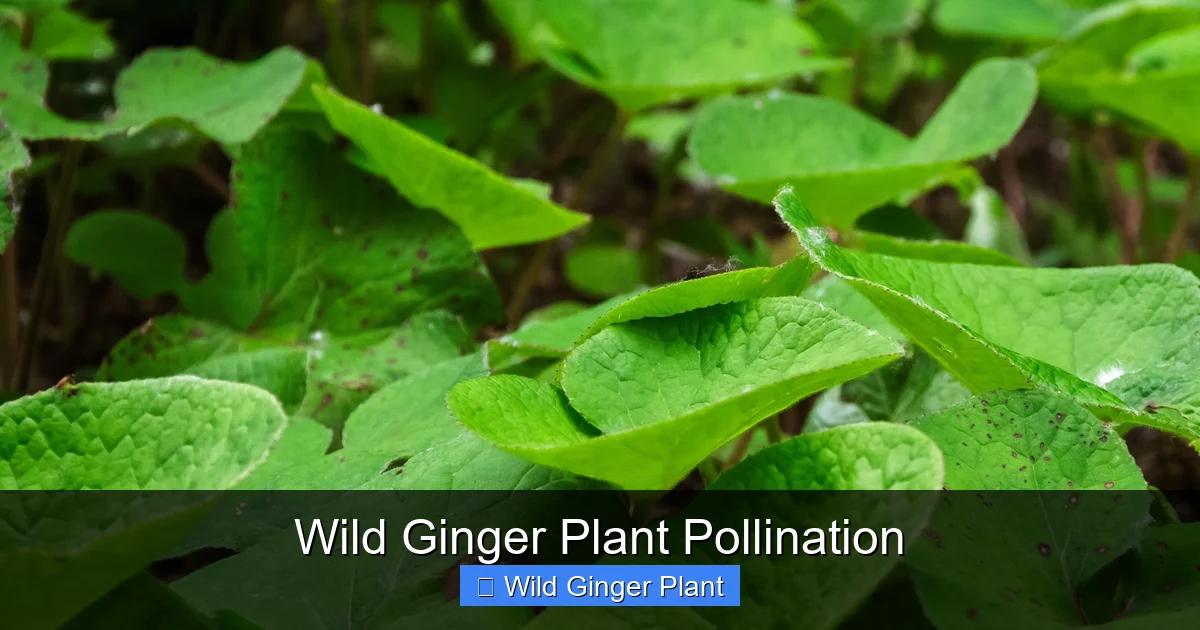
Wild Ginger Plant Pollination
Wild ginger plant pollination relies on ground-dwelling insects like beetles, flies, and ants rather than bees or butterflies. The flowers hide at soil level, emit a faint fungal scent, and trap insects temporarily to ensure pollen transfer in shaded woodland habitats.
Have you ever knelt down in a spring woodland and spotted those strange, jug-shaped flowers hugging the ground? That is wild ginger. Most people walk right past it. The flowers hide under dead leaves. They sit right on the soil. They do not reach for the sun like other blooms. This odd habit is the first clue to understanding wild ginger plant pollination. It is a story that happens in the dark, damp layer of the forest floor. It involves insects you rarely notice. It is a partnership built on deception and necessity.
I remember the first time I really looked at a wild ginger flower. I brushed away oak leaves. There it was. A fleshy, three-lobed cup. Deep maroon. Almost black. It looked like a tiny piece of rotting fungus. That resemblance is no accident. It is the key to the whole process. The plant does not offer nectar. It does not blaze with color. It tricks its visitors. Understanding wild ginger plant pollination means understanding this trick. It means looking down. It means appreciating the small, the dark, and the overlooked.
Key Takeaways
- Ground-level flowers: Wild ginger blooms sit at soil surface, hidden beneath leaf litter and foliage
- Beetle and fly pollinators: Small ground beetles, fungus gnats, and scuttle flies are the primary pollinators
- Fungal mimicry: Flowers mimic fungi in appearance and scent to attract decomposer insects
- Temporary trapping: The floral tube traps insects briefly, increasing pollen contact time
- Self-pollination backup: If insects fail, flowers can self-pollinate as a reproductive safety net
- Ant seed dispersal: After pollination, ants carry seeds to new locations via elaiosomes
- Habitat sensitivity: Pollination success depends on intact forest floor ecosystems and insect diversity
Quick Answers to Common Questions
What insects pollinate wild ginger?
Small beetles (rove beetles, carrion beetles, sap beetles) and flies (fungus gnats, scuttle flies) are the primary pollinators of wild ginger.
Why are wild ginger flowers at ground level?
Wild ginger flowers sit at soil level because their pollinators are ground-dwelling insects that navigate the leaf litter layer, not flying pollinators like bees.
Does wild ginger produce nectar?
No, wild ginger flowers produce no nectar. They attract pollinators through visual and olfactory mimicry of fungi, offering only pollen as a limited food reward.
Can wild ginger self-pollinate?
Yes, wild ginger can self-pollinate as a backup strategy if insect pollinators fail to visit, though the flower structure and timing favor outcrossing.
How are wild ginger seeds dispersed?
Wild ginger seeds have fleshy elaiosomes that attract ants, which carry seeds to their nests, eat the elaiosome, and discard the viable seed in nutrient-rich midden piles.
📑 Table of Contents
- The Hidden Architecture of Wild Ginger Flowers
- The Cast of Characters: Who Pollinates Wild Ginger?
- The Deception Strategy: Mimicking Fungi
- The Mechanics: How Pollen Moves
- Backup Plans: Self-Pollination and Clonal Spread
- After Pollination: Seeds and Ants
- Threats to the Pollination System
- Observing Wild Ginger Pollination Yourself
- Conservation: Protecting the Hidden Partnership
- Conclusion
The Hidden Architecture of Wild Ginger Flowers
Let us start with the flower itself. It is not what you expect. Most flowers advertise. They stand tall. They open wide. Wild ginger does the opposite. The flower sits on a short stalk. It emerges directly from the rhizome. It rests on the soil surface. Often, leaf litter covers it completely. You have to move leaves to see it.
A Jug-Shaped Trap
The flower shape is distinct. It forms a tube or cup. The three sepals fuse at the base. They flare at the tips. The tips curve backward. The color is deep purple-brown. Sometimes greenish-purple. The texture is fleshy. Thick. Waxy. Inside, the surface is smooth. An insect falls in. It struggles to climb out. The curved sepal tips block easy exit. This is not accidental. The architecture serves a purpose. It manages the visitor. It controls how long the insect stays. It controls where the insect walks. This physical structure is central to wild ginger plant pollination mechanics.
No Petals, No Nectar
Look closely. You will not find petals. The showy parts are sepals. There is no nectar reward. No sugary drink for visitors. The stamens sit at the base of the tube. There are twelve of them. They form a ring. The style rises in the center. The stigma sits below the anthers. This positioning matters. It influences pollen transfer. The flower offers pollen as the only food. But even that is limited. The deception goes deeper. The flower smells. Not sweet. Not floral. It smells musty. Earthy. Like damp soil. Like fungi. This scent is a chemical signal. It calls to specific insects.
Why Hide at Ground Level?
Why evolve this way? The forest floor is a distinct habitat. Light is scarce. Wind is still. Flying pollinators like bees and butterflies are rare here. They prefer sunlit clearings. They fly above the herb layer. But the ground teems with other life. Beetles. Flies. Ants. Springtails. Mites. These creatures navigate the litter layer. They decompose. They hunt. They scavenge. Wild ginger taps into this existing community. It meets its pollinators where they already live. This ground-dwelling strategy defines wild ginger plant pollination ecology.
The Cast of Characters: Who Pollinates Wild Ginger?
So who answers the call? Who crawls into that dark jug? Research reveals a specific group. They are not the charismatic pollinators of garden lore. They are small. They are numerous. They are often ignored.
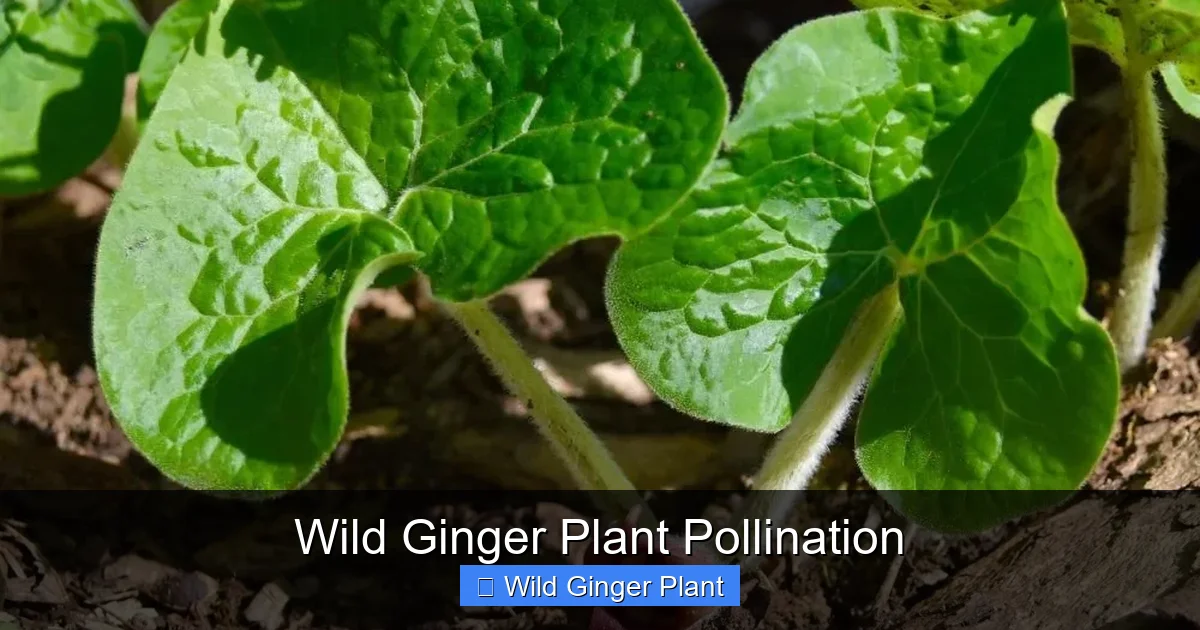
Visual guide about Wild Ginger Plant Pollination
Image source: directnativeplants.com
Small Beetles: The Primary Partners
Beetles dominate the visitor log. Specifically, small rove beetles (Staphylinidae). Also, small carrion beetles (Silphidae). And sap beetles (Nitidulidae). These beetles live in leaf litter. They feed on decaying matter. They feed on fungi. They feed on pollen. They are clumsy fliers. They walk more than fly. A wild ginger flower is perfect for them. It is a walk-in restaurant. The beetles enter. They feed on pollen. They mate inside the flower. They shelter there. They may stay for days. Their bodies get dusted thoroughly. When they leave, they carry pollen to the next flower. This beetle relationship is the core of wild ginger plant pollination in many regions.
Flies: The Diverse Contingent
Flies are the other major group. Fungus gnats (Sciaridae and Mycetophilidae) are frequent. Their larvae develop in fungi. Adults seek fungal scents. Wild ginger mimics that scent perfectly. Scuttle flies (Phoridae) also visit. They run in jerky bursts. They love decaying matter. Dance flies (Empididae) sometimes appear. They are predators. They may hunt other visitors inside the flower. Even mosquitoes have been recorded. The fly diversity is high. Different species dominate in different places. Different times. This redundancy helps. If one group fails, others may succeed. Wild ginger plant pollination does not rely on a single species.
Ants: Complicated Visitors
Ants are always present. They crawl over everything. They enter the flowers. They take pollen. But ants are often poor pollinators. They secrete antibiotics. These chemicals can kill pollen grains. They groom obsessively. They clean pollen off themselves. They rarely fly between plants. They walk. This limits gene flow. However, some studies show ants can effect pollination. Especially in small, dense populations. Their role is debated. They are definitely the main seed dispersers later. But as pollinators? They are likely minor players. The wild ginger plant pollination story focuses more on beetles and flies.
Other Occasional Visitors
Springtails (Collembola) swarm inside. They are tiny. They eat pollen. They may move pollen short distances. Mites hitch rides on beetles. They get transported indirectly. Slugs sometimes eat the flowers. They destroy them. Not helpers. The visitor list is long. But the effective pollinators are few. Beetles and flies do the heavy lifting. This specialization is a hallmark of wild ginger plant pollination biology.
The Deception Strategy: Mimicking Fungi
Why do these insects enter? What draws them? The answer is mimicry. Wild ginger flowers pretend to be mushrooms. Or mold. Or decaying wood. They exploit the insects’ own foraging instincts.
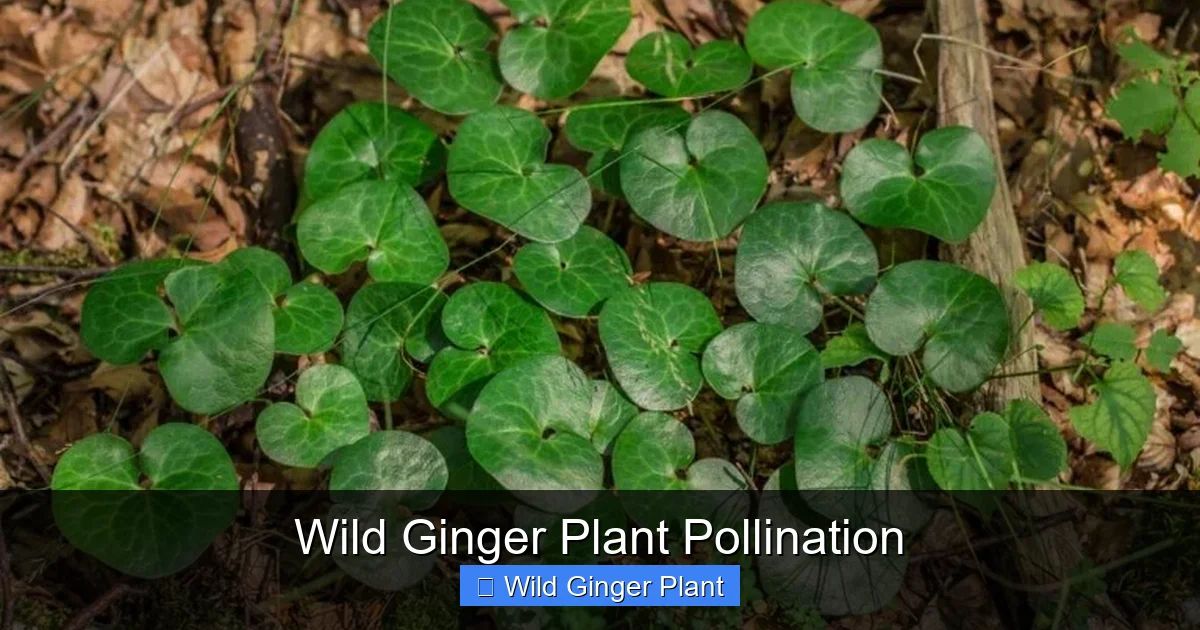
Visual guide about Wild Ginger Plant Pollination
Image source: epicgardening.com
Visual Mimicry
Look at the flower color. Dark maroon. Brownish-purple. Sometimes almost black. Now look at forest fungi. Many small cup fungi are these exact colors. The fleshy texture matches too. The shape resembles a fungal fruiting body. To a beetle’s eye, the flower looks like dinner. Or a mating site. Or a shelter. The visual signal says: “Fungus here.” The insect investigates. This visual deception is step one in wild ginger plant pollination.
Olfactory Mimicry: The Scent of Decay
Smell is even more important. In the dim litter layer, scent travels. Vision is limited. The flower emits volatile organic compounds. These chemicals match fungal scents. Compounds like 1-octen-3-ol. That is the classic “mushroom alcohol.” Also, various sesquiterpenes. These are fungal signatures. The insect antennae detect them. The insect follows the plume. It expects a fungus. It finds a flower. The scent is faint to us. Strong to them. This olfactory trickery is essential for wild ginger plant pollination success.
No Reward, Just Trickery
Here is the hard truth. The insect gets nothing. No nectar. Little pollen. No fungal tissue. It is a lie. The flower offers false advertising. This is called deceptive pollination. It saves the plant energy. Making nectar is costly. Making scent is cheap. Making color is cheap. The plant invests little. The insect wastes time. But the insect keeps coming. Why? Because the mimicry is good. Because real fungi are nearby. The insect cannot easily distinguish. The cost of a mistake is low. The cost of missing real food is high. So they check every suspicious shape. This evolutionary arms race shapes wild ginger plant pollination dynamics.
Temporal Patterns: When the Trap Opens
The flowers do not open all at once. A plant produces several flowers. They open sequentially. Over weeks. This extends the pollination window. It matches insect activity periods. Early spring. Cool temperatures. Beetles and flies are active then. Bees are not. The timing is precise. Flowers may last a week or two. They remain receptive. If unpollinated, they persist. This longevity increases odds. The phenology of wild ginger plant pollination aligns with the decomposer community’s peak.
The Mechanics: How Pollen Moves
Okay, an insect is inside. Now what? How does pollen get from anther to stigma? From flower to flower? The mechanics are clever. They use the flower architecture. They use the insect’s behavior.
The Trapping Mechanism
Remember the curved sepal tips? They form a barrier. The insect falls or crawls in. The inner surface is waxy. Smooth. The insect slips. It struggles. It climbs the walls. It falls back. It walks in circles. This frantic movement is good for the plant. The insect contacts anthers repeatedly. It contacts the stigma repeatedly. Pollen coats its body. The longer it stays, the more pollen transferred. The trap is not permanent. The insect eventually escapes. Or the flower wilts. The sepals relax. The exit opens. But the delay serves the plant. This temporary captivity is a key mechanic of wild ginger plant pollination.
Stamen and Stigma Positioning
The twelve stamens form a ring at the tube base. The anthers face inward. They shed pollen onto the floor of the tube. Or onto the insect directly. The style rises in the center. The stigma is recessed. It sits below the anther level. This prevents easy self-pollination within a flower. The insect must climb past anthers to reach stigma. Or the pollen must fall downward. Then the insect picks it up. Then it deposits on the stigma of the *next* flower. The spatial separation promotes outcrossing. The geometry of wild ginger plant pollination favors genetic mixing.
Protogyny: Female First
There is a timing trick too. The stigma becomes receptive first. Before the anthers release pollen. This is protogyny. When a beetle enters a fresh flower, it carries pollen from a previous flower. It deposits it on the ready stigma. Then, days later, the anthers mature. They dust the beetle with new pollen. The beetle leaves. It goes to a younger flower. The cycle continues. This temporal separation reduces selfing. It is a classic outcrossing mechanism. The timing of wild ginger plant pollination is finely tuned.
Pollen Characteristics
Wild ginger pollen is distinctive. The grains are large. They are sticky. They clump together in threads. This is called pollinia-like aggregation. Not true pollinia like orchids. But similar function. The clumps stick to insect bodies. They do not blow away. They do not wash off easily. They are packaged for animal transport. The pollen morphology matches the pollinator. Beetles and flies are hairy. The pollen grabs hold. This adaptation supports wild ginger plant pollination efficiency.
Backup Plans: Self-Pollination and Clonal Spread
Nature loves a backup. What if no insects come? What if the spring is cold? Wet? The pollinators stay hidden. The flowers wait. But they cannot wait forever. Wild ginger has insurance.
Autonomous Self-Pollination
If a flower ages without visitors, it can self-pollinate. The anthers eventually lean inward. They touch the stigma. Or pollen falls directly down. The flower fertilizes itself. This produces viable seeds. The seeds are genetically similar to the parent. Less diversity. But better than no seeds. This fail-safe ensures reproduction. It is common in unpredictable environments. The ability to self is part of the wild ginger plant pollination strategy.
Clonal Expansion: The Rhizome Network
Seeds are not the only way. Wild ginger spreads vegetatively. The rhizomes creep horizontally. They branch. They form dense mats. A single genetic individual can cover meters. Decades. Centuries maybe. This clonal growth dominates local populations. Flowering ramets are connected underground. They share resources. If pollination fails one year, the clone survives. It flowers again next year. The genetic individual persists. This longevity buffers against pollination failure. The clonal habit complements wild ginger plant pollination biology.
Trade-offs: Outcrossing vs. Assurance
There is a tension. Outcrossing brings vigor. New gene combinations. Disease resistance. Adaptation. Selfing and clonality bring assurance. Guaranteed offspring. Local adaptation preserved. Wild ginger balances both. It tries for outcrossing first. The traps. The timing. The scent. If that works, great. Genetic diversity wins. If not, selfing kicks in. Clonal spread continues regardless. This mixed mating system is robust. It explains the plant’s success across vast ranges. The flexibility of wild ginger plant pollination and reproduction is a survival masterpiece.
After Pollination: Seeds and Ants
Pollination is only half the story. The flower fades. The ovary swells. A capsule forms. It sits on the ground. It splits open. Seeds spill out. They are not wind-dispersed. They have a special attachment. An elaiosome. A fleshy, oil-rich body. Ants love it.
The Elaiosome: Ant Candy
Each seed bears a white appendage. It is rich in lipids. Proteins. Chemicals that attract ants. The ant finds the seed. It grabs the elaiosome. It carries the seed to its nest. It feeds the elaiosome to larvae. The seed itself is discarded. In the nest midden. Or outside. In a nutrient-rich spot. Protected from predators. Planted. This is myrmecochory. Ant dispersal. It is the second critical partnership. The first was pollination. The second is dispersal. Both involve ground insects. Both happen in the dark. The wild ginger plant pollination story leads directly to the ant dispersal story.
Ant Species Involved
Many ant species participate. Aphaenogaster species are key. Formica species. Camponotus. Myrmica. The specific ants vary by region. But the interaction is consistent. Ants harvest the seeds. They move them meters. Sometimes tens of meters. This connects populations. It colonizes new microsites. It escapes the parent shade. The ant partnership is as specialized as the beetle partnership. Different insects. Different service. Same plant. Same forest floor.
Seedling Establishment
The discarded seed germinates. It needs specific conditions. Moisture. Shade. Fungal partners. Mycorrhizae. The ant nest provides nutrients. The forest floor provides humidity. The seedling grows slowly. It builds a rhizome. It may take years to flower. The generation time is long. But the plant is patient. It has the rhizome. It has time. The full cycle from pollination to established seedling spans years. Wild ginger plant pollination initiates a slow, deliberate life history.
Threats to the Pollination System
This intricate system faces pressures. The forest floor is changing. The partners are at risk. Understanding threats helps conservation.
Invasive Earthworms
This is a major threat in North America. European earthworms invade forests. They consume the leaf litter. They mix the soil layers. The duff layer disappears. Wild ginger needs that duff. The flowers sit in it. The beetles live in it. The fungi grow in it. The ants nest in it. Earthworms destroy the habitat. The flowers become exposed. They dry out. The pollinators lose cover. The mimicry fails. The scent dissipates. Wild ginger plant pollination collapses without the litter layer.
Deer Overbrowse
White-tailed deer love wild ginger. They eat the leaves. They eat the flowers. They eat the seed capsules. High deer density eliminates plants. No flowers means no pollination. No seeds means no dispersal. The rhizomes may survive. But they cannot reproduce sexually. The genetic diversity stagnates. The clone just persists. Or dies. Deer management is essential for wild ginger plant pollination recovery.
Habitat Fragmentation
Small forest patches. Isolated woodlots. Edge effects. These reduce pollinator populations. Beetles and flies need large, continuous forest. They do not cross open fields well. Ants need connectivity too. Small patches lose insect diversity. They lose pollination services. They lose dispersal services. The plant becomes trapped. Clonal spread hits a wall. Wild ginger plant pollination requires landscape-scale thinking.
Climate Change Shifts
Spring timing shifts. Flowers bloom earlier. Or later. Insect emergence shifts differently. The synchrony breaks. The beetles arrive too late. The flies arrive too early. The flowers wait alone. Phenological mismatch is a silent killer. It leaves no obvious damage. Just empty flowers. No seeds. Long-term monitoring reveals this. Wild ginger plant pollination is a canary for climate impacts on forest floor mutualisms.
Invasive Plants
Garlic mustard. Japanese stiltgrass. These invade the understory. They alter soil chemistry. They alter litter depth. They alter microclimate. They may compete for pollinators. Or they may not share pollinators. But they change the neighborhood. The native insect community shifts. The specialists decline. The generalists increase. The mimicry becomes less effective. The wild ginger plant pollination web unravels strand by strand.
Observing Wild Ginger Pollination Yourself
You can watch this. It takes patience. It takes getting dirty. But it is rewarding. Here is how to see wild ginger plant pollination in action.
When and Where to Look
Early spring. April to May in most regions. Rich, moist deciduous woods. North-facing slopes. Near streams. Look for the heart-shaped leaves. They emerge early. The flowers are underneath. Gently lift the leaves. Do not tear them. Replace them carefully. The plant needs them.
What to Bring
A hand lens. 10x or 20x. A headlamp. Even in daytime, the flower interior is dark. A small mirror helps reflect light in. A notebook. A camera with macro lens. Patience. Warm clothes. You will be kneeling. Still. For a long time.
What to Watch For
Sit quietly. Watch a flower for 15 minutes. You may see nothing. Watch another. Look for movement inside. Tiny beetles. Flies running. Ants wandering. Note the time. The temperature. The weather. Insects are more active in warmth. Mid-morning to afternoon. Cool mornings are slow. Return multiple days. The visitors change. The flower ages. You will learn the rhythm of wild ginger plant pollination.
Citizen Science Opportunities
Share your observations. iNaturalist. BugGuide. Local naturalist groups. University researchers often seek data. Phenology networks track flowering times. Pollinator networks track visitors. Your backyard woods matter. Data from fragments is valuable. You contribute to understanding wild ginger plant pollination across its range.
Conservation: Protecting the Hidden Partnership
What can we do? The system is fragile. But it is also resilient. If we protect the stage, the actors return.
Leave the Leaves
This is the single most important action. Do not rake the forest floor. Do not blow the leaves. Do not mulch heavily. The leaf litter is the habitat. It is the stage. It holds moisture. It hosts the fungi. It shelters the beetles. It feeds the ants. It hides the flowers. A clean forest floor is a dead one. Messy is good. Wild is good. Wild ginger plant pollination needs the duff.
Control Invasive Worms
Difficult. But possible at small scales. Avoid moving soil. Avoid dumping bait worms. Compost carefully. Support research on worm control. Educate anglers. Educate gardeners. The worm front moves slowly. We can slow it more. Every worm-free acre saves wild ginger plant pollination habitat.
Manage Deer
Support hunting where appropriate. Support fencing for restoration. Support predators. Deer density is a human-caused problem. We removed wolves. We created edge habitat. We must fix the balance. Lower deer means more flowers. More flowers means more pollination. More seeds. More ants. More dispersal. The cascade is positive.
Connect Habitat
Corridors. Stepping stones. Riparian buffers. Even small connections help beetles move. Flies move. Ants move. Genes flow. Populations rescue each other. A network of woodlots beats isolated islands. Landscape planning matters for wild ginger plant pollination persistence.
Monitor and Learn
Establish plots. Track flowering. Track fruiting. Track visitors. Year after year. Long-term data reveals trends. It catches mismatches early. It guides management. It builds the case for protection. Become a steward of your patch. The wild ginger plant pollination story continues because people pay attention.
Conclusion
We started on our knees. Brushing leaves. Finding a dark jug. We end with a web. Beetles. Flies. Fungi. Ants. Rhizomes. Roots. Soil. Time. Wild ginger plant pollination is not a simple transaction. It is a community event. It happens in the dark. It runs on deception. It relies on the overlooked. The forest floor is not empty. It is full. Full of partnerships. Full of ancient agreements. Wild ginger is a teacher. It shows us that the small matters. The hidden matters. The slow matters. Next spring, go to the woods. Kneel. Lift a leaf. Peer into the jug. Wait. Watch. You will see the world turn. One tiny flower at a time.
Frequently Asked Questions
What time of year does wild ginger bloom?
Wild ginger typically blooms in early spring, from April through May depending on latitude and elevation. The flowers emerge before the tree canopy fully leafs out, taking advantage of the brief window when ground-dwelling insects are active but flying pollinators are still scarce.
Are wild ginger flowers male or female?
Each wild ginger flower is perfect, meaning it contains both male (stamens) and female (pistil) reproductive structures. However, they are protogynous—the stigma becomes receptive before the anthers release pollen—which reduces self-pollination within a single flower.
Why do wild ginger flowers smell like mushrooms?
The fungal scent is an evolutionary adaptation that mimics the odor of decaying fungi. This attracts fungus-associated insects like beetles and fungus gnats that naturally seek out mushrooms for food, mating, and egg-laying sites.
How long does a wild ginger flower last?
Individual wild ginger flowers can remain open and receptive for 7-14 days if unpollinated. This extended longevity increases the chances of pollinator visitation during cool, unpredictable spring weather when insect activity may be sporadic.
Is wild ginger related to culinary ginger?
No, wild ginger (Asarum species) is not related to culinary ginger (Zingiber officinale). They belong to completely different plant families. Wild ginger is in the birthwort family (Aristolochiaceae), while culinary ginger is in the ginger family (Zingiberaceae).
Can I grow wild ginger in my garden?
Yes, wild ginger makes an excellent shade garden groundcover in zones 4-8. It requires rich, moist, well-drained soil with abundant leaf litter. Plant rhizomes horizontally just below the surface in full to partial shade. It spreads slowly to form a dense, weed-suppressing mat.