Wild Ginger Plant Spacing
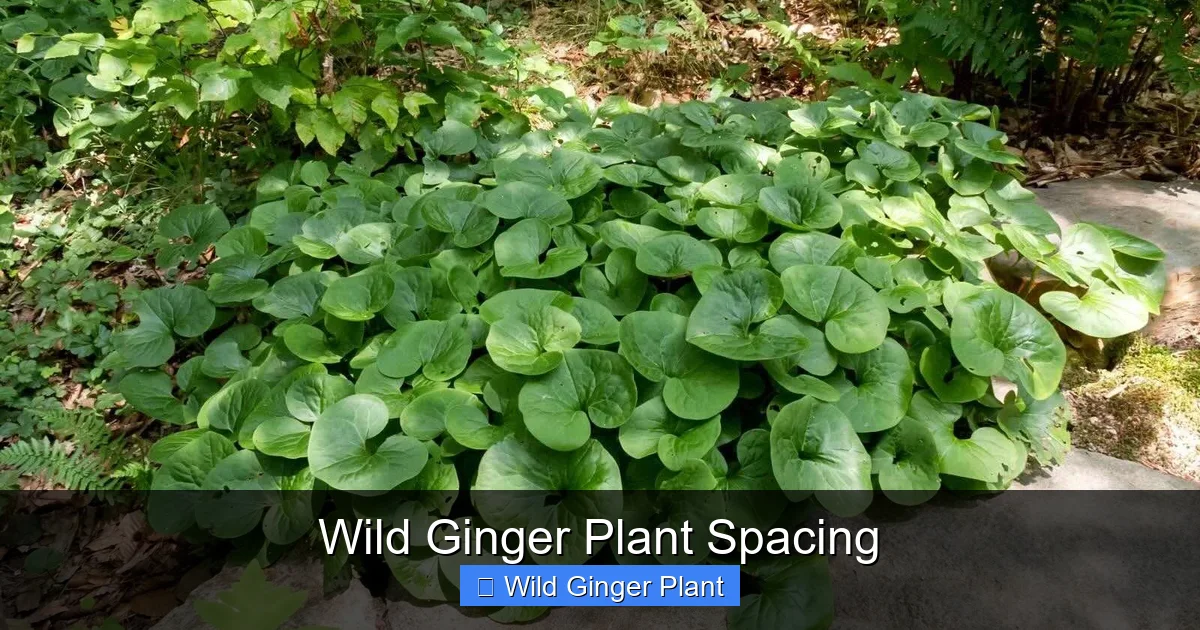
Wild ginger thrives when spaced 12 to 18 inches apart, allowing its rhizomes to spread without crowding. Proper spacing improves air flow, reduces disease, and creates a lush ground‑cover carpet in shady beds.
Key Takeaways
- Optimal distance: Plant wild ginger 12‑18 inches apart for best coverage.
- Soil preparation: Loosen soil to 8‑10 inches and amend with organic matter before planting.
- Shade preference: Choose a site with dappled to full shade for vigorous growth.
- Watering needs: Keep soil consistently moist but not soggy during establishment.
- Division timing: Divide clumps every 3‑4 years in early spring to maintain spacing.
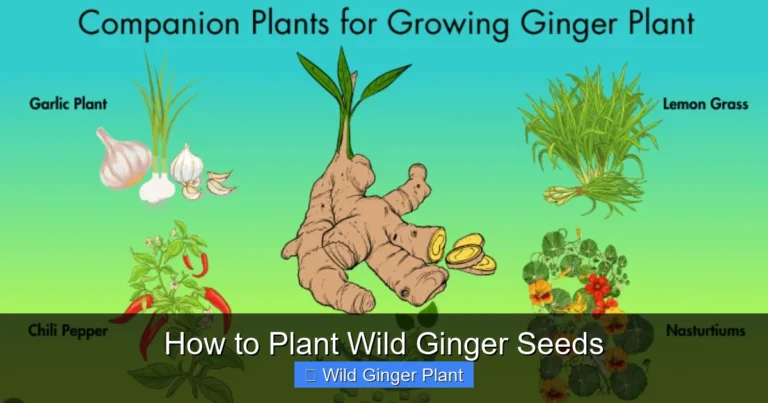
- Companion planting: Pair with ferns, hostas, and shade‑tolerant perennials for a layered look.
- Pest resistance: Proper spacing reduces slug and snail pressure by improving airflow.
Quick Answers to Common Questions
What is the ideal wild ginger plant spacing for a quick fill?
Space plants 12 inches apart for the fastest ground‑cover closure.
Can wild ginger be grown in containers?
Yes, use one plant per 10‑inch pot and keep the soil consistently moist.
When should I divide wild ginger clumps?
Divide in early spring before new shoots appear, roughly every 3‑4 years.
Does wild ginger tolerate full sun?
No, it prefers dappled to full shade; afternoon sun will scorch the leaves.
How do I prevent slugs on wild ginger?
Maintain proper spacing for airflow, remove debris, and use iron‑phosphate bait if needed.
📑 Table of Contents
Why Wild Ginger Plant Spacing Matters
When you set out to create a shade garden, the first decision you make is how far apart to place each plant. Wild ginger plant spacing determines how quickly the rhizomes knit together, how much light reaches the foliage, and how easy it is to maintain the bed. Too close, and you invite fungal problems; too far, and you end up with bare patches that weeds love.
I learned this the hard way in my own backyard. I planted a row of wild ginger only six inches apart, thinking a dense mat would look great instantly. Within a month the leaves yellowed, and a powdery mildew outbreak spread fast. After thinning to the recommended 12‑inch spacing, the plants bounced back, and the ground cover filled in beautifully.
Understanding Wild Ginger Growth Habits
Rhizome Spread
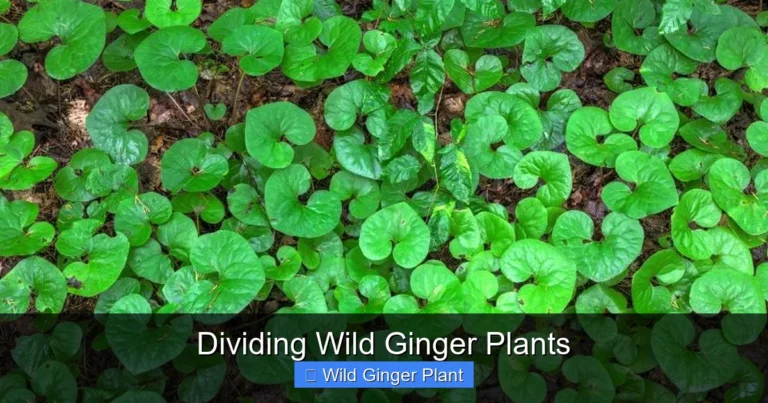
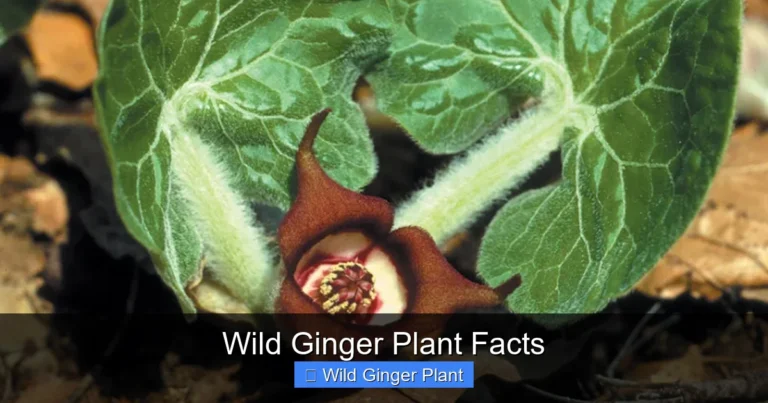
Wild ginger (Asarum canadense) spreads by underground rhizomes that creep horizontally. Each rhizome can extend 6‑12 inches per year under ideal conditions. Knowing this helps you predict how fast the carpet will close.
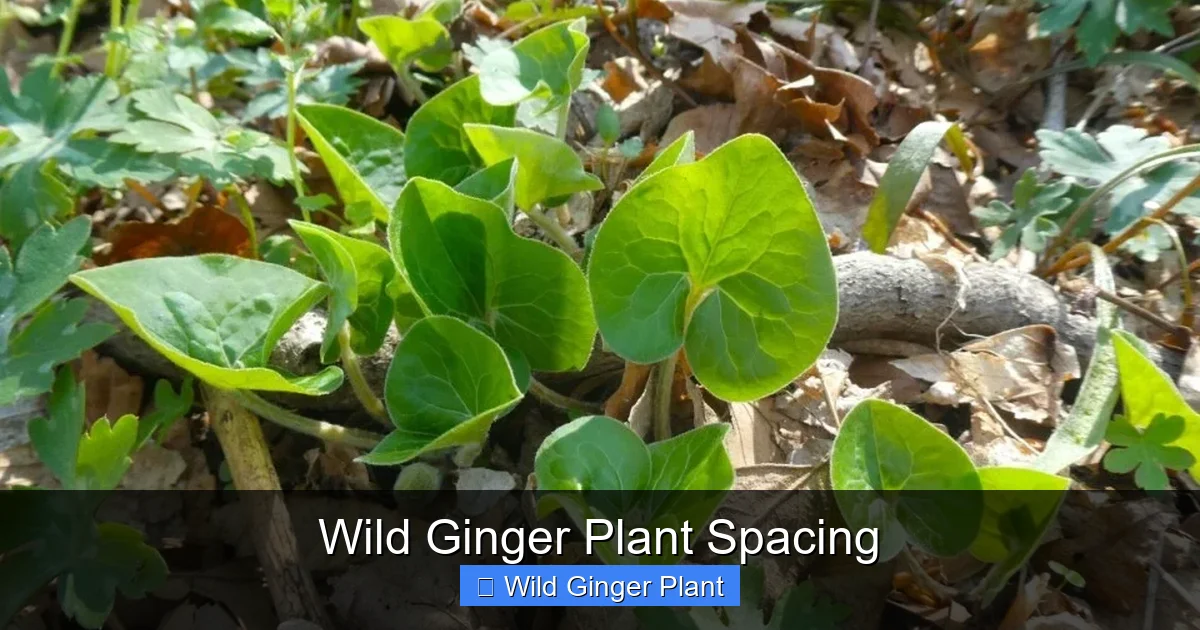
Visual guide about Wild Ginger Plant Spacing
Image source: epicgardening.com
Leaf Canopy
The heart‑shaped leaves form a low, overlapping canopy that shades the soil. This natural mulch suppresses weeds but also means the plant needs enough room for air to circulate around each leaf cluster.
Seasonal Dormancy
In late fall the foliage dies back, leaving the rhizomes dormant underground. Proper wild ginger plant spacing ensures the rhizomes have space to store energy for the next spring flush.
Recommended Spacing Guidelines
Standard Garden Beds
For most shade beds, space plants 12‑18 inches apart on center. This range balances quick coverage with healthy airflow. If you want a faster fill, lean toward 12 inches; if you prefer a more open look, go to 18 inches.
Container Plantings
In pots, use a single plant per 10‑inch diameter container. The limited soil volume means rhizomes cannot spread as far, so one plant per pot avoids crowding.
Mass Plantings and Woodland Edges
When creating a sweeping woodland edge, plant in staggered rows 15 inches apart. Staggering mimics natural colonies and reduces the visual “grid” effect.
Adjusting for Soil Fertility
Rich, loamy soil encourages faster rhizome growth. In very fertile sites you can stretch spacing to 18 inches. In poorer soils, stay closer to 12 inches to ensure the plants knit together before weeds take hold.
Step‑by‑Step Planting Process
1. Choose the Right Site
Pick a spot with dappled to full shade. Morning sun is okay, but harsh afternoon sun will scorch the leaves.
2. Prepare the Soil
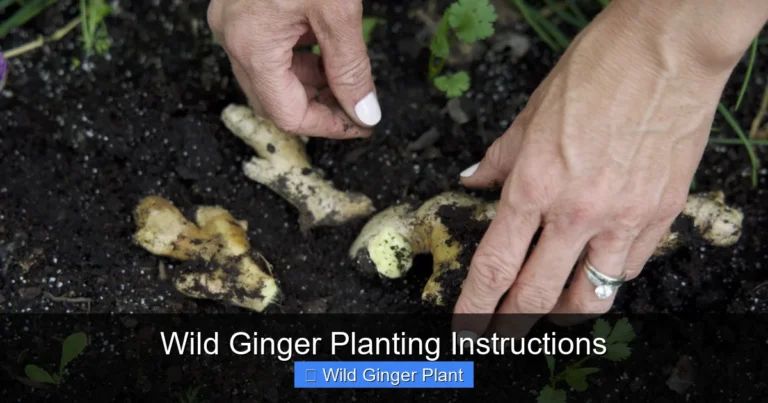
Loosen the top 8‑10 inches. Mix in 2‑3 inches of compost or well‑rotted leaf mold. This improves moisture retention and gives rhizomes a soft medium to explore.
3. Mark Your Spacing
Use a measuring tape or a garden grid. Mark each planting hole at the chosen wild ginger plant spacing. A simple string line with knots every 12 inches works great.
4. Dig Holes
Make each hole twice as wide as the root ball and just deep enough so the crown sits at soil level. Avoid planting too deep; the rhizome should be barely covered.
5. Plant and Water
Place the plant, backfill with amended soil, firm gently, and water thoroughly. A slow soak encourages roots to settle without air pockets.
6. Mulch
Apply a 2‑inch layer of shredded leaves or bark mulch. Keep mulch a few inches away from the crown to prevent rot.
Maintaining Proper Spacing Over Time
Annual Inspection
Each spring, walk the bed and look for overlapping crowns. If leaves are touching heavily, it’s time to thin.
Division Every 3‑4 Years
Dig up clumps in early spring before new growth emerges. Separate rhizomes into sections with at least one growing bud. Replant at the original wild ginger plant spacing.
Weed Management
Because the foliage forms a dense mat, weeds are naturally suppressed. However, any open gaps caused by poor spacing become weed highways. Promptly fill gaps with divisions.
Pest Monitoring
Slugs and snails love the moist shade. Good airflow from correct spacing reduces their hiding spots. Hand‑pick or use iron‑phosphate baits if needed.
Design Ideas Using Wild Ginger
Understory Carpet
Plant wild ginger beneath deciduous trees. The 12‑inch spacing creates a living mulch that protects tree roots and adds texture.
Pathway Edging
Line a shaded garden path with a single row spaced 15 inches apart. The low foliage softens hard edges without obstructing walkways.
Mixed Shade Border
Combine with hostas (spacing 24‑30 inches), ferns (18‑24 inches), and foamflower (12 inches). The varied heights and textures give a layered, naturalistic feel.
Rain Garden Edge
In a moist, shaded rain garden, wild ginger tolerates periodic inundation. Space at 12 inches to quickly stabilize the soil.
Common Mistakes and How to Avoid Them
Planting Too Deep
Burying the crown leads to rot. Keep the rhizome just below the surface.
Ignoring Soil Moisture
Wild ginger loves consistent moisture. Dry spells cause leaf scorch and slow rhizome spread.
Overcrowding for Instant Effect
Resist the urge to plant 6 inches apart. The short‑term look isn’t worth the long‑term disease risk.
Skipping Division
Without periodic division, the center of a clump dies out, leaving a hollow ring. Schedule division every few years.
Conclusion
Getting wild ginger plant spacing right is the foundation of a thriving shade garden. By planting 12‑18 inches apart, preparing rich, moist soil, and dividing clumps every few years, you’ll enjoy a lush, weed‑suppressing carpet that returns year after year. Take the time to measure, mark, and mulch — your future self will thank you when the garden fills in without a single bare spot.
Frequently Asked Questions
What soil type works best for wild ginger?
Wild ginger thrives in rich, well‑drained, humus‑rich soil with a slightly acidic to neutral pH. Amend heavy clay or sandy soils with compost before planting.
How often should I water newly planted wild ginger?
Water deeply after planting and keep the soil evenly moist for the first 6‑8 weeks. After establishment, water during dry spells to maintain consistent moisture.
Can wild ginger be used as a lawn alternative?
In deep shade where grass struggles, wild ginger forms a low, evergreen carpet. It tolerates light foot traffic but is not suited for high‑use areas.
Is wild ginger deer resistant?
Yes, the aromatic foliage is generally unpalatable to deer, making it a good choice for deer‑prone gardens.
What companion plants pair well with wild ginger?
Ferns, hostas, foamflower, and Solomon’s seal complement wild ginger’s texture and shade tolerance, creating a layered woodland look.
How do I propagate wild ginger from seed?
Collect ripe seeds in late summer, sow them fresh in a cold frame, and expect germination the following spring. Seed propagation is slower than division but adds genetic diversity.