Tropical Wild Ginger Plant
The tropical wild ginger plant thrives in warm, humid climates and adds bold foliage to any garden. It is prized for its aromatic rhizomes, ornamental flowers, and easy propagation. Learn how to grow, care for, and enjoy this exotic beauty at home.
When you first see a tropical wild ginger plant, its broad, emerald leaves and exotic flower spikes instantly transport you to a rainforest floor. This plant is not just a pretty face; it brings fragrance, flavor, and a touch of the tropics to any garden or indoor space. In this guide we walk through everything you need to know to grow a healthy, thriving tropical wild ginger plant.
Whether you are a seasoned gardener or a curious beginner, the tropical wild ginger plant rewards patience with lush growth and surprising versatility. From selecting the right spot to harvesting rhizomes for the kitchen, each step is simple when you understand the plant’s natural preferences. Let’s dive in and uncover the secrets of this stunning species.
Key Takeaways
- Ideal climate: The tropical wild ginger plant prefers temperatures above 65°F and high humidity.
- Soil needs: Rich, well‑draining soil with plenty of organic matter supports vigorous growth.
- Watering: Keep the soil consistently moist but never soggy; mulch helps retain moisture.
- Propagation: Division of rhizomes in early spring yields new plants quickly.
- Pest resistance: Few serious pests; watch for aphids and spider mites in dry periods.
- Culinary use: Young rhizomes add a mild, spicy flavor to teas, stir‑fries, and marinades.
- Ornamental value: Large, glossy leaves and striking flower spikes create a tropical focal point.
Quick Answers to Common Questions
What is the ideal temperature range for a tropical wild ginger plant?
The ideal daytime temperature is 70°F to 85°F, with night temperatures no lower than 60°F.
How often should I water a tropical wild ginger plant?
Water deeply twice a week, keeping the soil consistently moist but not soggy.
Can I grow a tropical wild ginger plant indoors?
Yes, provide bright filtered light, high humidity, and warm temperatures for indoor success.
When is the best time to divide rhizomes?
Early spring, before new growth begins, is the optimal time for division.
Are the rhizomes of a tropical wild ginger plant edible?
Yes, young rhizomes are edible and have a mild, citrusy ginger flavor.
📑 Table of Contents
Understanding the Tropical Wild Ginger Plant
Botanical background
The tropical wild ginger plant belongs to the Zingiberaceae family, the same family that gives us culinary ginger and turmeric. Its scientific name varies by region, but most cultivated forms are Alpinia zerumbet or Alpinia purpurata. These species share a rhizomatous growth habit, meaning they spread underground via thick, fleshy stems.
Native habitat
In the wild, the tropical wild ginger plant grows along stream banks, in shaded forest understories, and on humid mountain slopes. It thrives where rainfall is abundant and temperatures stay warm year‑round. Mimicking these conditions is the key to success in cultivation.
Growth habit and appearance
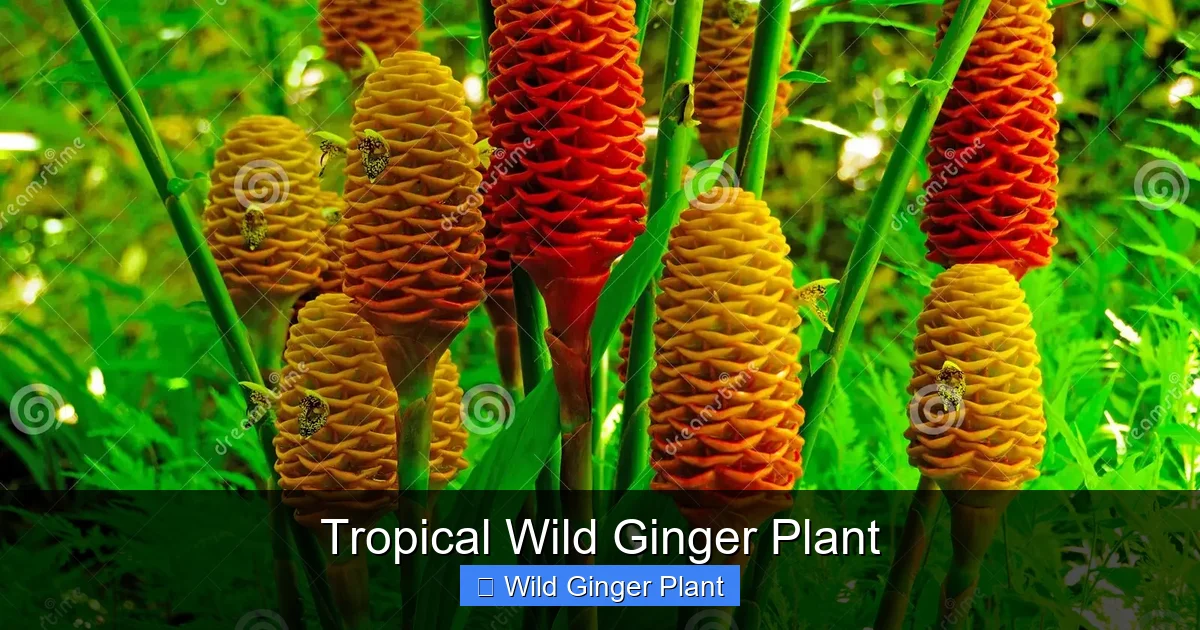
Expect a clump that can reach three to six feet tall, depending on the variety. The leaves are lance‑shaped, glossy, and can grow up to two feet long. In late spring to summer, the plant sends up striking inflorescences—cone‑shaped spikes of pink, red, or white bracts that last for weeks.
Choosing the Right Location
Light requirements
The tropical wild ginger plant prefers bright, filtered light. Direct midday sun can scorch the leaves, especially in hotter climates. A spot under a canopy of taller trees or a north‑facing wall works well. Indoors, place the pot near an east‑facing window with sheer curtains.
Temperature and humidity
Ideal temperatures range from 70°F to 85°F during the day and no lower than 60°F at night. Humidity above 60 % keeps the foliage lush. If your indoor air is dry, use a humidifier or set the pot on a tray of pebbles with water.
Soil preparation
Mix equal parts compost, peat moss, and coarse sand or perlite. This blend retains moisture while allowing excess water to drain. Add a handful of slow‑release organic fertilizer to give the tropical wild ginger plant a steady nutrient supply.
Planting and Early Care
When to plant
Spring is the best time to plant rhizomes outdoors after the last frost. In tropical zones you can plant year‑round. For container growers, start any time as long as you can maintain warmth and humidity.
Planting depth and spacing
Lay the rhizome horizontally, eyes facing up, about two inches deep. Space multiple rhizomes 18 to 24 inches apart to allow room for clump expansion. Water thoroughly after planting to settle the soil.
Mulching for moisture retention
Apply a two‑inch layer of shredded bark, straw, or leaf mold around the base. Mulch conserves moisture, suppresses weeds, and slowly adds organic matter as it breaks down.
First‑month watering schedule
Water daily for the first week, then every other day for the next two weeks. After the plant shows new shoots, transition to a regular schedule of deep watering twice a week, adjusting for rainfall.
Ongoing Maintenance
Fertilizing routine
Feed the tropical wild ginger plant with a balanced liquid fertilizer (10‑10‑10) every four weeks during the growing season. Reduce feeding in fall and stop entirely in winter when growth slows.
Pruning and deadheading
Remove spent flower spikes to encourage a second bloom cycle. Trim any yellowing or damaged leaves at the base to improve air flow and reduce disease risk.
Pest and disease monitoring
Inspect the undersides of leaves weekly. Aphids and spider mites appear as tiny specks; a strong spray of water or insecticidal soap usually clears them. Root rot is the main disease—avoid waterlogged soil and ensure good drainage.
Dividing mature clumps
Every three to four years, lift the clump in early spring. Use a clean knife to separate rhizome sections, each with at least one healthy eye. Replant divisions immediately, following the planting guidelines above.
Harvesting and Culinary Uses
When to harvest rhizomes
Young rhizomes are most tender after eight to ten months of growth. Dig gently around the clump, lift a portion, and cut what you need. Leave the rest to continue growing.
Preparing rhizomes for cooking
Wash thoroughly, peel the thin skin, and slice or grate. The flavor is milder than common ginger, with a subtle citrus note. Use fresh in teas, marinades, stir‑fries, or pickled as a condiment.
Preserving the harvest
Store fresh rhizomes in a paper bag in the refrigerator for up to three weeks. For longer storage, freeze grated portions in ice‑cube trays or dehydrate slices for powder.
Medicinal traditions
In many tropical cultures, the tropical wild ginger plant is used to soothe digestive upset, reduce inflammation, and ease cold symptoms. Always consult a healthcare professional before using any plant medicinally.
Design Ideas for Garden and Home
Creating a tropical border
Plant the tropical wild ginger plant alongside ferns, calatheas, and heliconias for a layered, jungle‑like border. The bold foliage provides a backdrop that makes colorful blooms pop.
Container gardening on patios
Choose a large, decorative pot with drainage holes. Pair with trailing vines like pothos or philodendron for a lush, mobile display that can be moved indoors during cooler months.
Indoor statement piece
A single mature specimen in a bright living room becomes a living sculpture. Use a decorative cachepot and place a humidifier nearby to keep the plant happy year‑round.
Water feature companion
Because the tropical wild ginger plant loves moisture, it thrives at the edge of a pond or bog garden. Its roots help stabilize the bank while the foliage softens hard edges.
Troubleshooting Common Problems
Leaf yellowing
Yellow leaves often signal overwatering or nutrient deficiency. Check soil moisture; if soggy, improve drainage and reduce watering. Apply a nitrogen‑rich fertilizer if the soil tests low.
Stunted growth
Insufficient light, low humidity, or cramped roots can stall growth. Move the plant to a brighter spot, increase humidity, or repot into a larger container with fresh mix.
Flower failure
If the tropical wild ginger plant refuses to bloom, it may need a period of cooler night temperatures (around 60°F) for a few weeks in late winter. Also ensure it receives enough phosphorus—use a bloom‑boost fertilizer in early spring.
Rhizome rot
Soft, mushy rhizomes indicate fungal infection. Remove affected parts, dust cuts with cinnamon powder (a natural fungicide), and replant in sterile, well‑draining medium.
Conclusion
The tropical wild ginger plant offers a rare combination of beauty, fragrance, and utility. With the right warmth, moisture, and a little patience, it rewards you with dramatic foliage, spectacular flowers, and a harvest of flavorful rhizomes. Whether you tuck it into a shaded garden corner, showcase it in a patio pot, or let it brighten an indoor space, this plant brings a slice of the tropics to everyday life. Start your own tropical wild ginger plant journey today and enjoy the lush, exotic charm it adds to every setting.
Frequently Asked Questions
What soil mix works best for a tropical wild ginger plant?
A blend of equal parts compost, peat moss, and coarse sand or perlite provides moisture retention and good drainage.
How do I increase humidity for my tropical wild ginger plant?
Use a humidifier, place the pot on a pebble tray with water, or group plants together to raise ambient humidity.
What pests commonly affect a tropical wild ginger plant?
Aphids and spider mites are the most common; they can be managed with water sprays or insecticidal soap.
Can a tropical wild ginger plant survive a light frost?
No, frost damages the foliage and rhizomes; protect or move the plant indoors before temperatures drop below 50°F.
How long does it take for a tropical wild ginger plant to flower?
Typically, flowering begins in the second or third year after planting, provided the plant receives adequate light and nutrients.
Is the tropical wild ginger plant toxic to pets?
It is generally considered non‑toxic to cats and dogs, but large ingestions may cause mild gastrointestinal upset.