Japanese Wild Ginger Plant
The Japanese Wild Ginger Plant is a stunning shade-loving perennial native to Japan’s forest floors. With its glossy heart-shaped leaves and unusual jug-shaped flowers, it creates a lush ground cover that thrives where other plants struggle.
Have you ever walked through a Japanese forest in early spring? The air feels cool and damp. Sunlight filters through the canopy in golden shafts. And there, carpeting the forest floor, you see patches of glossy green leaves shaped like perfect hearts. That is the Japanese Wild Ginger Plant in its natural home. It is a plant that whispers rather than shouts. It does not demand attention with showy flowers. Instead, it offers quiet beauty and incredible toughness. If you have a shady spot in your garden where grass refuses to grow, this might be the answer you have been looking for.
Many gardeners struggle with shade. They try hostas. They try ferns. They try impatiens. Sometimes those work. Sometimes they do not. The Japanese Wild Ginger Plant is different. It evolved for exactly these conditions. It comes from the cool, humid forests of Japan. It knows how to handle root competition from trees. It knows how to survive dry spells once established. It knows how to push through a thick layer of fallen leaves. This plant is not a diva. It is a survivor. And it brings a texture to the garden that few other plants can match. That deep, glossy green. The way the leaves catch the light. The way they overlap like shingles on a roof. It creates a living mulch that looks intentional and lush all season long.
Key Takeaways
- Shade specialist: The Japanese Wild Ginger Plant thrives in deep to partial shade, making it perfect for woodland gardens and north-facing beds.
- Evergreen foliage: Its glossy, heart-shaped leaves provide year-round interest in mild climates and return reliably each spring in colder zones.
- Unique flowers: Hidden beneath the foliage, the plant produces unusual jug-shaped blooms in spring that are pollinated by ground-dwelling insects.
- Deer resistant: The aromatic foliage naturally deters deer and rabbits, making it a low-maintenance choice for rural gardens.
- Slow spreader: This plant forms dense colonies over time through rhizomes, creating effective weed-suppressing ground cover without being invasive.
- Medicinal history: Traditional Japanese medicine has used the rhizomes for centuries, though modern use requires expert knowledge due to potential toxicity.
- Easy care: Once established, the Japanese Wild Ginger Plant needs minimal attention beyond consistent moisture and annual leaf mulch.
Quick Answers to Common Questions
Is Japanese Wild Ginger Plant related to culinary ginger?
No, they are completely unrelated. Culinary ginger is Zingiber officinale from the Zingiberaceae family, while Japanese Wild Ginger Plant is Asarum japonicum from the Aristolochiaceae family. They only share a similar spicy scent when crushed.
Can I eat Japanese Wild Ginger Plant roots?
No, you should not eat them. All Asarum species contain aristolochic acid, which can cause permanent kidney damage and cancer. The FDA warns against consuming any wild ginger species. Enjoy the scent only.
How fast does Japanese Wild Ginger Plant spread?
It spreads slowly, about 6-12 inches per year via shallow rhizomes. It forms a dense colony over time but is not invasive. Expect full coverage in 3-5 years depending on spacing and conditions.
Does Japanese Wild Ginger Plant stay green in winter?
In zones 7-9, it remains evergreen. In zones 4-6, it is deciduous and dies back after hard frosts, returning reliably in early spring. Winter mulch helps in colder zones.
What is the best companion plant for Japanese Wild Ginger Plant?
Hostas, ferns, hellebores, and spring ephemerals like trilliums make excellent companions. They share the same shade and moisture requirements while providing contrasting textures and seasonal interest.
📑 Table of Contents
Getting to Know the Japanese Wild Ginger Plant
Botanical Background and Classification
Let us start with the name. The scientific name is Asarum caudatum var. japonicum or sometimes Asarum japonicum. It belongs to the birthwort family, Aristolochiaceae. This family includes several wild ginger species around the world. They are not related to the culinary ginger you buy at the grocery store. That is Zingiber officinale, a tropical plant from a totally different family. The name “wild ginger” comes from the scent. Crush a leaf or scratch a rhizome. You get a spicy, ginger-like aroma. It is distinct and pleasant. But do not eat it freely. We will talk about safety later.
The Japanese Wild Ginger Plant is native to Japan. It grows on the islands of Honshu, Shikoku, and Kyushu. You find it in deciduous and mixed forests. It likes the deep shade under beech, oak, and maple trees. It grows at elevations from sea level up into the mountains. The climate there is temperate. Winters are cool. Summers are warm and humid. Rainfall is generous. This tells you exactly what it wants in your garden. Cool roots. Moist soil. Protection from hot afternoon sun. Humidity in the air. If you can mimic those conditions, this plant will reward you handsomely.
Physical Characteristics
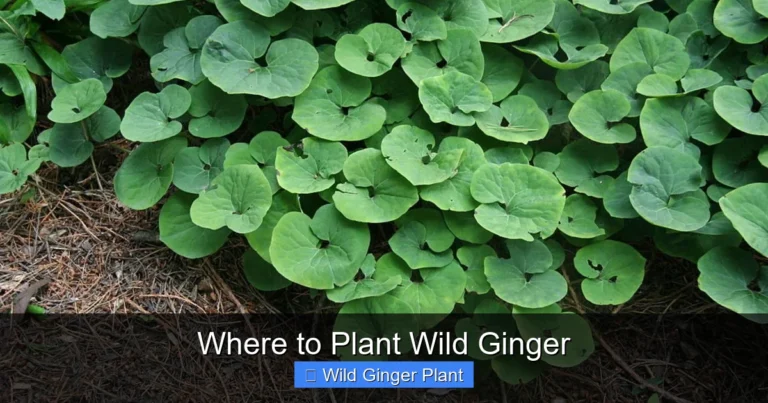
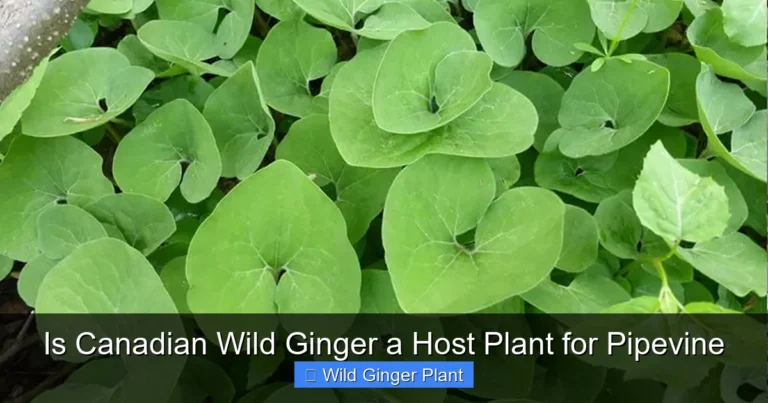
What does it look like? Picture a low carpet of green. The plant grows about six to twelve inches tall. It spreads slowly by underground stems called rhizomes. Each rhizome sends up a pair of leaves. The leaves are the star of the show. They are kidney-shaped or heart-shaped. They measure three to six inches across. The texture is thick and leathery. The surface is incredibly glossy. It looks almost waxed. The color is a deep, rich emerald green. Some varieties show beautiful silver mottling or veining. The leaf stalks are covered in fine hairs. New leaves emerge folded like tiny umbrellas in early spring. They unfurl slowly, revealing that perfect heart shape.
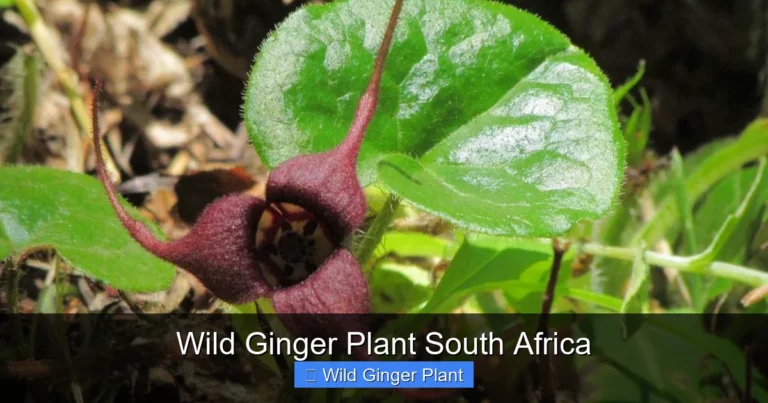
The flowers are a different story. They are weird. They are wonderful. But they are hidden. You have to get down on your knees to see them. They bloom in early to mid-spring. Each flower sits right at ground level, tucked under the leaf litter. The flower has no petals. Instead, it has three fused sepals that form a jug or urn shape. The color is usually purplish-brown to maroon. Sometimes greenish. The opening is small. Inside, the reproductive parts are arranged to trap small flies and gnats. These insects crawl in, get dusted with pollen, and crawl out. It is a clever trick. The flowers are often missed entirely unless you know to look for them. But they add a secret delight for the curious gardener.
Growth Habit and Lifecycle
The Japanese Wild Ginger Plant is a perennial. It lives for many years. In mild climates (zones 7-9), it stays evergreen. The leaves persist through winter. They may look a bit tattered by late winter. But they hang on until new growth pushes them off. In colder zones (4-6), it is deciduous. The leaves die back after hard frosts. The plant goes dormant underground. The rhizomes survive the cold. New leaves emerge in early spring, often before the trees leaf out. This is a key adaptation. It photosynthesizes in the brief window of spring light on the forest floor.
Spread is slow but steady. A single plant might expand six to twelve inches per year. It forms a dense mat. The rhizomes are shallow, just below the soil surface. They branch frequently. Over a decade, a small clump becomes a substantial colony. This is not a plant that runs wildly across the garden. It stays put. It fills in gaps. It knits together with neighboring plants. It suppresses weeds by shading the soil. The density of the foliage prevents most weed seeds from germinating. It is a true ground cover in the best sense of the word.
Ideal Growing Conditions for Success
Light Requirements
Shade. Deep shade. Dappled shade. Morning sun only. These are the rules. The Japanese Wild Ginger Plant hates hot afternoon sun. The leaves will scorch. They turn yellow, then brown and crispy. The plant may survive but it will look terrible. It will not spread well. It will struggle. The ideal spot gets bright indirect light. Or a few hours of gentle morning sun. Under deciduous trees is perfect. You get spring sun before the leaves come out. Then you get cool shade all summer. The north side of a building works. The east side of a fence works. A woodland garden works. If you are not sure, err on the side of more shade. This plant tolerates darkness better than almost anything else you can buy.
Soil Preferences
Think forest floor. That is the soil recipe. Rich in organic matter. Well-drained but moisture-retentive. Slightly acidic to neutral pH. 5.5 to 7.0 is the sweet spot. Heavy clay? Amend it heavily with compost and leaf mold. Sandy soil? Amend it heavily with compost and leaf mold. The key is organic matter. Lots of it. The rhizomes want to creep through a loose, humus-rich layer. They do not want to hit hardpan. They do not want to sit in standing water. But they do not want to dry out completely either. A thick layer of leaf mulch mimics the natural duff layer. Apply it every fall. Two to three inches. Shredded leaves are best. Whole leaves can mat down and block air. Shredded leaves break down faster and feed the soil.
Moisture Needs
Consistent moisture. That is the phrase to remember. Not wet. Not dry. Consistently moist. Like a wrung-out sponge. The Japanese Wild Ginger Plant has shallow roots. It cannot tap deep water reserves. In its native habitat, the forest floor stays damp. The canopy reduces evaporation. The leaf litter holds moisture. You need to recreate this. Water deeply once or twice a week during dry spells. More often in sandy soil. Less often in clay. Mulch is your best friend here. It reduces watering needs dramatically. A soaker hose or drip irrigation works well. Overhead watering is fine too. Just avoid watering in the heat of the day. Wet leaves in hot sun can cause fungal issues. Morning watering is ideal.
Temperature and Hardiness
The Japanese Wild Ginger Plant is hardy in USDA zones 4 through 9. That covers a huge swath of the country. In zone 4, it needs good snow cover or heavy mulch for winter protection. The rhizomes are shallow. They can heave out of the ground in freeze-thaw cycles. A thick leaf mulch prevents this. In zone 9, it needs consistent moisture and deep shade. Heat and humidity are fine. Dry heat is not. It does not like the arid climates of the desert Southwest. It struggles in the deep South if summers are brutally hot and dry without irrigation. But in its happy zone, it is incredibly reliable. It handles late spring frosts with ease. The emerging leaves are tough. They just keep unfurling.
Companion Plants
This plant plays well with others. It makes a beautiful carpet under taller shade perennials. Hostas are classic partners. The bold hosta leaves contrast with the smaller ginger leaves. Ferns add vertical texture. Japanese painted fern, lady fern, Christmas fern. All work beautifully. Spring ephemerals like trilliums, bloodroot, and Virginia bluebells bloom above the ginger foliage. Then they go dormant. The ginger covers the bare spots. Hellebores bloom early. Their leathery leaves echo the ginger texture. Heucheras add foliage color. Purple, silver, caramel varieties pop against the green. Woodland phlox blooms in spring. Its fragrant flowers rise through the ginger mat. Solomon’s seal arches gracefully above. The combinations are endless. Just remember the shared needs. Shade. Moisture. Rich soil.
Planting and Establishment
When to Plant
Spring and fall are the best times. Spring planting gives the plant a full growing season to establish roots before winter. Plant after the last hard frost. The soil should be workable. Not soggy. Fall planting works well in zones 6 and warmer. Plant at least six weeks before the ground freezes. This lets roots grow in the cool, moist soil. The plant goes into winter strong. Avoid summer planting. The heat stresses the shallow roots. If you must plant in summer, provide shade cloth and daily watering. It is an uphill battle. Winter planting is only for the mildest zones. The ground must not be frozen.
Site Preparation
Do not skip this step. The Japanese Wild Ginger Plant will live in this spot for decades. Give it a good start. Clear the area of weeds. All of them. Grass, weeds, invasive roots. Dig them out. Do not just spray herbicide. You want the roots gone. Loosen the soil to a depth of twelve inches. This is deeper than the rhizomes will go. But it lets water penetrate. It lets roots of companion plants mingle. Incorporate generous amounts of organic matter. Compost. Leaf mold. Well-rotted manure. Aim for a fifty-fifty mix of native soil and organic matter in the top eight inches. Rake it smooth. Water it well. Let it settle for a few days if you can. This prep pays off for years.
Spacing and Planting Technique
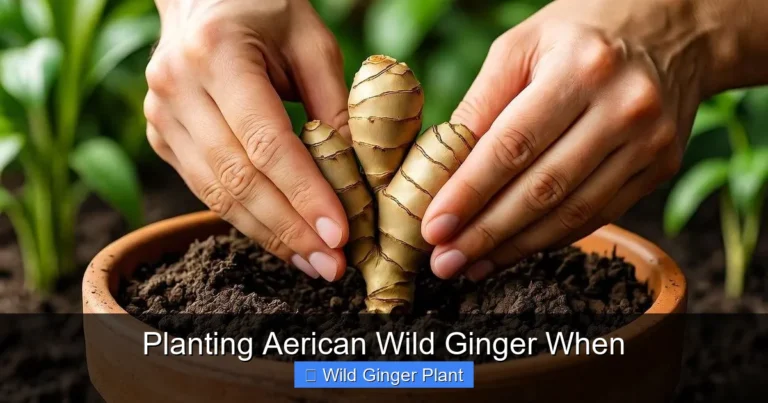
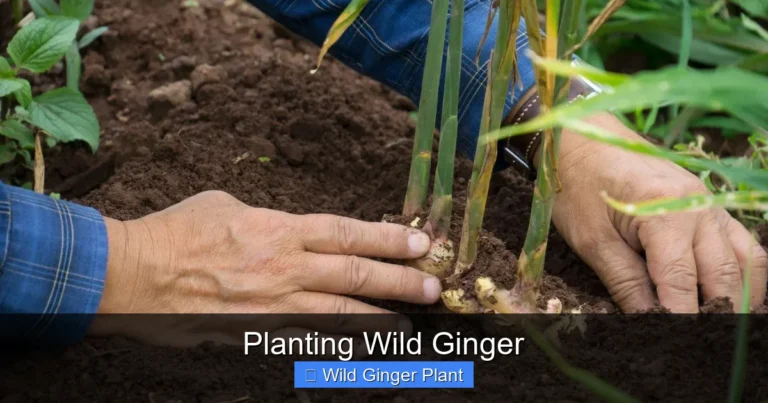
Space plants twelve to eighteen inches apart. Closer for faster coverage. Wider for budget patience. They will fill in. Dig a hole twice as wide as the pot. Same depth. Gently remove the plant. Tease the roots if they are circling. Place it in the hole. The crown should sit at soil level. Not buried. Not exposed. Backfill with your amended soil. Firm it gently with your hands. Do not stomp. Water thoroughly. This settles the soil and eliminates air pockets. Apply two inches of shredded leaf mulch. Keep mulch away from the crown. A little doughnut of bare soil around the stems prevents rot. Label the plant. You will forget what it is by next spring.
First Year Care
The first year is critical. The plant is building its root system. It is vulnerable. Water is the number one priority. Check the soil every few days. Stick your finger in two inches. If it feels dry, water. Do not rely on rain. A summer thunderstorm often wets only the surface. Deep watering encourages deep roots. Weed carefully. The rhizomes are shallow. A hoe can slice them. Hand pull weeds. Mulch suppresses most. Fertilizer? Not needed. The organic matter you added is plenty. Too much nitrogen makes soft growth that burns in sun or freezes in winter. If growth seems very slow, a light top-dressing of compost in spring is fine. Patience. The first year it sleeps. The second year it creeps. The third year it leaps. This old saying holds true.
Ongoing Maintenance and Care
Seasonal Care Calendar
Let us walk through the year. Early Spring: Remove any winter-damaged leaves. They pull off easily. Apply a thin layer of fresh compost around plants. Not on crowns. Watch for emerging flower buds at ground level. They are easy to step on. Late Spring: Flowers bloom. Get down and look. It is a treat. Weed as needed. Water if dry. Summer: Monitor moisture. This is the stress season. Mulch keeps roots cool. Water deeply during dry spells. No fertilizer. Early Fall: Ideal planting time for new divisions. Apply fresh leaf mulch as leaves fall. Shred them first. Late Fall: In cold zones, ensure mulch is three inches deep after ground freezes. This prevents heaving. Winter: Leave it alone. In mild zones, enjoy the evergreen foliage. In cold zones, it is dormant. Snow cover is the best insulator.
Dividing and Propagation
The Japanese Wild Ginger Plant spreads by rhizomes. Division is the easiest propagation method. Do it in early spring or early fall. Dig up a clump. Wash or shake off soil. You will see the rhizome network. Each segment with a leaf pair and roots can become a new plant. Cut with a clean knife or sharp spade. Ensure each division has roots. Replant immediately at the same depth. Water well. Mulch. Keep moist. They establish quickly. Seed propagation is possible but slow. The seeds have elaiosomes. Ants carry them. They need cold stratification. Germination can take a year or more. Seedlings take three to five years to reach flowering size. Division gives you mature plants instantly. Share with friends. Expand your colonies. Fill new beds.
Pest and Disease Management
Good news. This plant has few problems. Deer avoid it. The aromatic compounds taste bad to them. Rabbits avoid it. Slugs and snails sometimes nibble young leaves. Beer traps or diatomaceous earth help. Fungal leaf spots can occur in very wet, stagnant air. Improve air circulation. Avoid overhead watering in evening. Remove badly spotted leaves. Root rot happens in poorly drained soil. Prevention is the cure. Plant in well-drained soil. Do not overwater. Crown rot happens if mulch buries the crown. Keep mulch pulled back. Voles occasionally tunnel through rhizomes. Hardware cloth barriers help if this is a chronic issue. Overall, this is a tough, trouble-free plant. Healthy plants in good conditions rarely have issues.
Common Problems and Solutions
Yellowing leaves: Usually too much sun. Move to shadier spot. Or soil too alkaline. Test pH. Amend with sulfur or pine needles. Brown crispy edges: Too dry. Increase watering. Improve mulch. Slow spread: Could be too dry, too sunny, poor soil, or just young plants. Address conditions. Be patient. Leaves disappearing: Slugs, deer (if desperate), or people stepping on them. Mark the colony. Protect it. Center dying out: Old clump needs division. Dig, divide, replant vigorous outer pieces. Discard woody center. No flowers: Too deep shade? Too young? Excessive nitrogen? Usually they flower fine if happy. Check soil moisture in spring.
Designing with Japanese Wild Ginger Plant
Woodland Garden Applications
This is its native habitat. Use it there. Plant it in drifts under trees. Let it flow around rocks. Let it merge with moss. Let it fill the spaces between ferns. A woodland garden is about layers. Canopy trees. Understory trees. Shrubs. Perennials. Ground cover. The Japanese Wild Ginger Plant is the ground cover layer. It unifies the space. It covers the bare soil. It creates a sense of maturity. A newly planted woodland looks sparse. Add this ginger. It instantly looks established. The glossy leaves reflect the dappled light. They brighten the darkest corners. They provide a foil for spring wildflowers. When trilliums bloom, the ginger leaves are the perfect backdrop. When the trilliums fade, the ginger hides the yellowing foliage. It is the ultimate team player.
Shade Border and Foundation Plantings
Not everyone has a woodland. But many have shady borders. The north side of the house. The side yard between houses. Under the deck. These are tough spots. Grass dies. Weeds take over. The Japanese Wild Ginger Plant solves this. Plant it in a ribbon along the foundation. Twelve inches from the wall. It softens the hard line. It hides the mulch. It needs no mowing. No edging. Just occasional weeding. In a shade border, use it as edging. Plant it along the front edge. It defines the bed. It keeps lawn grass from creeping in. It creates a clean line. The evergreen foliage (in mild zones) gives winter structure. When perennials are cut back, the ginger remains. It is the anchor. The constant. The reliable green.
Container and Small Space Gardening
Yes, you can grow it in pots. This is great for renters. For balconies. For tiny courtyards. Choose a wide, shallow pot. The rhizomes spread horizontally. Depth matters less than width. Use a high-quality potting mix. Add compost. Add perlite for drainage. Ensure the pot has drainage holes. Place in full shade. Water frequently. Pots dry out fast. Daily in summer. Fertilize lightly. Slow-release organic fertilizer in spring. Repot every two to three years. Divide at that time. The plant will thank you. In a container, you can appreciate the flowers up close. Put the pot on a low table. Get eye-level with those weird little jugs. It is a conversation starter.
Erosion Control and Slope Stabilization
Shady slopes are nightmares. Mowing is dangerous. Grass roots are shallow. The Japanese Wild Ginger Plant is a solution. The rhizomes knit the soil surface. The dense foliage breaks rainfall impact. The leaf litter builds organic matter. Over time, it creates a stable mat. Plant it in a grid pattern. Twelve inches apart. Stagger the rows. Mulch heavily between plants. Use jute netting on steep slopes. Pin the plants through the netting. Water until established. It takes a couple years to fully knit. But then it holds. It is not for sheer cliffs. But for moderate shady banks, it excels. It looks natural. It requires no maintenance once established. It beats vinca or pachysandra for ecological value. It supports native insects. It does not escape into wild areas aggressively.
Varieties and Cultivars to Consider
Species and Natural Varieties
The straight species Asarum japonicum is variable. Seed-grown plants show diversity. Some have plain green leaves. Some have silver markings. Some have larger flowers. Some are more vigorous. This variability is a feature, not a bug. It means the population adapts. If you buy seed-grown plants, you get a mix. This creates a more natural look. It also provides genetic resilience. Some individuals may handle your specific conditions better. Over time, the best-adapted ones dominate. This is how nature works. If you want uniformity, buy named cultivars. If you want a naturalistic planting, consider seed-grown or species plants. Both have merit.
Popular Named Cultivars
‘Silver Streak’: Striking silver veins on deep green leaves. The pattern is variable but always eye-catching. It brightens dark shade. ‘Panda Face’: Leaves have a distinct silver central blotch. Looks like a panda face. Very cute. Good for children’s gardens. ‘Giant’: Larger leaves, up to eight inches across. More dramatic presence. Slower to spread but worth the wait. ‘Variegatum’: Creamy white margins on leaves. Less vigorous. Needs more light to maintain variegation. But not direct sun. Tricky balance. ‘Green Giant’: All green, very large, very vigorous. The workhorse cultivar. Best for large area coverage. ‘Mottled Leaf’: Random silver splashes. Each leaf unique. Highly ornamental. These cultivars are propagated by division. They are clones. Every plant is identical. This gives predictability.
Related Species Worth Knowing
The genus Asarum has many species. Asarum canadense (Canadian Wild Ginger) is native to eastern North America. Larger leaves. Deciduous. Very hardy (zone 3). Flowers similar but larger. Asarum europaeum (European Wild Ginger) is evergreen, glossy, smaller leaves. Very tidy. Zone 4. Asarum splendens (Chinese Wild Ginger) has spectacular silver-mottled leaves. Semi-evergreen. Zone 5. Asarum maximum (Giant Wild Ginger) has huge leaves and showy flowers. Zone 6. Asarum shuttleworthii (Mottled Wild Ginger) is a US native with beautiful silver patterns. Zone 5. These can be mixed with Japanese Wild Ginger Plant. They have similar needs. They create a tapestry of leaf shapes and patterns. A collector’s delight.
Choosing the Right One for Your Garden
How to decide? For maximum coverage fast: ‘Green Giant’ or straight species. For ornamental foliage: ‘Silver Streak’, ‘Panda Face’, or Asarum splendens. For coldest climates: Asarum canadense or Asarum europaeum. For containers: Smaller cultivars like ‘Panda Face’. For native purists (US): Asarum canadense or Asarum shuttleworthii. For flower curiosity: Asarum maximum has the showiest blooms. For mixing: Buy a collection. Plant them in repeating groups. See which thrive. Let the garden teach you. There is no wrong choice. They all share the same tough, shade-loving nature.
Historical Uses and Cultural Significance
Traditional Medicine in Japan
The Japanese Wild Ginger Plant has a long history in Kampo medicine. That is traditional Japanese herbal medicine. The rhizomes were harvested in autumn. Dried. Used in formulas. They were considered warming. Used for cold conditions. Coughs. Digestive upset. Rheumatic pain. The plant contains aristolochic acid. This is a compound found in the birthwort family. It has medicinal effects. But it is also toxic to kidneys. It can cause cancer with long-term use. Modern Kampo practitioners are aware. They use processed forms. They monitor patients. This is not a plant for home herbalism. The risk is real. The margin of safety is narrow. Respect the tradition. But do not experiment. Leave it to trained professionals.
Culinary Uses and Cautions
Indigenous peoples in North America used Asarum canadense as a ginger substitute. Early European settlers copied them. The rhizomes were cooked. Candied. Made into syrup. The flavor is ginger-like but more pungent. Earthy. Some say soapy. The Japanese Wild Ginger Plant was likely used similarly in Japan. But here is the warning. Aristolochic acid. It is present in all Asarum species. Levels vary. Cooking does not destroy it. The FDA warns against consuming any Asarum species. Kidney damage is irreversible. Cancer risk is real. Is a flavoring worth that? No. Enjoy the scent. Crush a leaf. Smell the spice. That is safe. Do not eat the roots. Do not make tea. Do not candy them. There are plenty of safe gingers. Buy organic ginger at the store. Grow culinary ginger in a pot. Leave the wild ginger for the garden.
Ecological Role and Wildlife Value
This plant is not just pretty. It works. The flowers are pollinated by fungus gnats and small flies. These insects are often overlooked. But they are vital. They feed birds. They decompose fungi. The dense foliage shelters ground beetles. Spiders. Amphibians. Salamanders love the cool, moist microclimate. The seeds have elaiosomes. Fatty attachments. Ants harvest them. Carry them to nests. Eat the elaiosome. Discard the seed. This disperses the plant. It is called myrmecochory. Ant farming. The plant feeds the ants. The ants plant the seeds. Everyone wins. The rhizomes stabilize soil. Prevent erosion. Build organic matter. In a woodland restoration, this plant is a keystone ground cover. It facilitates the whole community.
Symbolism in Japanese Gardens
In Japanese garden design, plants have meaning. Evergreen plants represent endurance. Longevity. The Japanese Wild Ginger Plant stays green through winter (in mild areas). It persists. It covers the ground like a faithful servant. It is often used in tea gardens. The roji path. The low foliage softens stone edges. It creates a sense of age. Of timelessness. The heart-shaped leaves suggest sincerity. The hidden flowers suggest humility. Beauty that does not demand attention. This aligns with wabi-sabi. The acceptance of imperfection. The appreciation of quiet beauty. A patch of wild ginger in the moss. That is a perfect garden moment. It asks nothing. It gives much.
Frequently Asked Practical Questions
Is Japanese Wild Ginger Plant Invasive?
No. This is a common confusion. “Wild ginger” sounds like it might run wild. But the Japanese Wild Ginger Plant is a clump-former. It spreads slowly by short rhizomes. It does not seed aggressively. The seeds need ants to move them. It does not pop up across the yard. It stays where you put it. It expands politely. In twenty years, a single plant might cover six feet. That is not invasive. That is a ground cover doing its job. True invasive plants like Japanese knotweed or English ivy spread by runners or birds eating fruit. They escape into wildlands. This plant does not. It is well-behaved. Plant it without fear.
Can It Grow Under Black Walnut Trees?
Yes. This is a superpower. Black walnut trees produce juglone. A chemical that kills many plants. Tomatoes. Azaleas. Rhododendrons. Many perennials. But the Japanese Wild Ginger Plant tolerates juglone. It evolved in forests with diverse tree species. It has biochemical resistance. Plant it confidently under walnuts. It is one of the few attractive ground covers that works there. Combine it with other juglone-tolerant plants. Hostas. Ferns. Solomon’s seal. Hellebores. You can have a beautiful garden under that difficult tree.
Why Are My Plants Not Spreading?
Several reasons. Too much sun. Even if leaves do not burn, the plant puts energy into survival, not growth. Too dry. Consistent moisture drives rhizome extension. Poor soil. Low organic matter means slow growth. Top-dress with compost. Competition. Tree roots stealing water and nutrients. Deep watering helps. Too new. First year plants establish roots. Second year they creep. Third year they leap. Wrong variety. Some cultivars are naturally slower. ‘Variegatum’ grows slower than ‘Green Giant’. Assess your conditions. Adjust what you can. Accept what you cannot.
Can I Walk On It?
Occasionally. Lightly. It is not a lawn substitute. The leaves are somewhat brittle. The rhizomes are shallow. Regular foot traffic will crush leaves. Break rhizomes. Create bare patches. Weeds will invade. If you need a path, use stepping stones. Space them comfortably. Plant ginger between them. The stones take the weight. The ginger fills the gaps. This looks magical. Moss often joins in. It becomes a living tapestry. But do not expect to walk through it daily. It is a garden plant, not a turf grass.
How Do I Control Slugs Without Chemicals?
Slugs love shade. They love moisture. They love tender leaves. The Japanese Wild Ginger Plant is somewhat resistant. The leaves are thick. The hairs deter them. But young leaves are vulnerable. Beer traps: Bury a cup. Fill with cheap beer. Slugs crawl in and drown. Empty daily. Diatomaceous earth: Sprinkle around plants. Sharp microscopic edges cut slugs. Reapply after rain. Copper tape: Around pots or raised beds. Slugs get a mild shock. Hand picking: Go out at night with a flashlight. Drop slugs in soapy water. Encourage predators: Ground beetles. Toads. Birds. Provide habitat. Reduce hiding spots: Remove boards, pots, dense mulch piles near plants. A combination works best.
What If It Gets Too Dense?
This is a good problem. It means the plant is happy. After many years, the center of a clump can die out. The rhizomes become woody. The soil is depleted. The solution is division. Early spring. Dig the whole clump. Or just the dead center. Replant the vigorous outer pieces. Amend the soil with compost. Water well. You get free plants. You rejuvenate the colony. You improve the soil. Do this every five to ten years. It keeps the planting youthful. Vigorous. Flowering well. Think of it as a reset button. The plant thanks you.
Conclusion
The Japanese Wild Ginger Plant is a quiet hero. It does not shout for attention. It does not bloom in neon colors. It does not grow three feet in a season. What it does is far more valuable. It solves the shade problem. It covers the ground with glossy green hearts. It asks for little. Shade. Moisture. Rich soil. Mulch. In return, it gives you decades of beauty. It suppresses weeds. It prevents erosion. It shelters wildlife. It connects you to Japanese forests. To traditional medicine history. To the subtle rhythms of the woodland floor.
If you have a shady spot, plant it. Start with three. Or five. Or a flat. Space them. Mulch them. Water them. Wait. The first year you will wonder. The second year you will notice. The third year you will smile. A carpet of green. Hidden flowers in spring. Evergreen presence in winter. A plant that makes you look down. That makes you kneel. That makes you appreciate the small things. That is the gift of the Japanese Wild Ginger Plant. It teaches patience. It rewards observation. It makes the garden feel complete. Not because it is showy. But because it is exactly right for its place. And there is no greater gardening success than that.
Frequently Asked Questions
How much sun can Japanese Wild Ginger Plant tolerate?
Japanese Wild Ginger Plant prefers deep to dappled shade and can tolerate only gentle morning sun. Hot afternoon sun will scorch the leaves, causing them to turn yellow and brown. The ideal location receives bright indirect light or a few hours of early morning sun followed by shade for the rest of the day.
When is the best time to divide Japanese Wild Ginger Plant?
Early spring just as new growth emerges, or early fall at least six weeks before the ground freezes, are the optimal times for division. The plant establishes quickly when divided during these cool, moist periods. Avoid summer division as heat stress can kill the shallow rhizomes.
Why are my Japanese Wild Ginger Plant leaves turning yellow?
Yellowing leaves usually indicate too much sun exposure or alkaline soil. Move the plant to a shadier location and test soil pH, aiming for 5.5-7.0. Amend with sulfur or pine needles if soil is too alkaline. Consistent moisture and organic mulch also help prevent yellowing.
Is Japanese Wild Ginger Plant deer resistant?
Yes, Japanese Wild Ginger Plant is highly deer resistant due to its aromatic foliage containing compounds that taste unpleasant to deer and rabbits. It is an excellent choice for rural gardens where browsing pressure is high, though desperate deer may nibble in severe winters.
Can Japanese Wild Ginger Plant grow in containers?
Yes, it grows well in wide, shallow containers with good drainage. Use a rich potting mix amended with compost and perlite. Place in full shade, water frequently to maintain consistent moisture, and repot every 2-3 years with division. It makes an excellent shade container plant for balconies and patios.
Does Japanese Wild Ginger Plant flower every year?
Yes, mature plants flower annually in early to mid-spring. The unusual jug-shaped flowers are hidden at ground level beneath the foliage and leaf litter. You need to gently lift the leaves to see them. Flowering may be reduced in very deep shade or on very young plants.