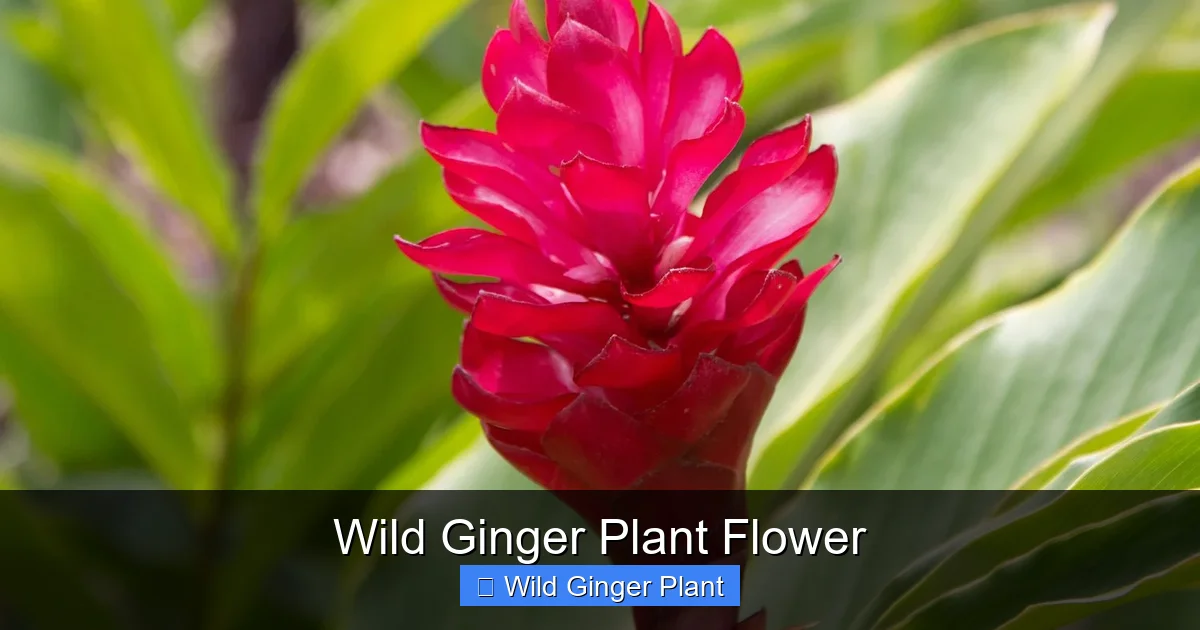
Wild Ginger Plant Flower
The wild ginger plant flower is a low‑lying, bell‑shaped blossom that hides beneath heart‑shaped leaves in moist woodlands. It blooms in early spring, attracting tiny flies for pollination, and has a long history of medicinal and culinary use.
Key Takeaways
- Hidden bloom: The wild ginger plant flower grows close to the ground, often concealed by foliage.
- Early spring timing: Flowers appear from March to May depending on region.
- Specialized pollination: Small flies and beetles are the primary pollinators.
- Medicinal heritage: Indigenous peoples used the rhizome for stomach ailments and colds.
- Culinary spice: The root adds a ginger‑like flavor to teas and dishes.
- Garden friendly: It thrives in shade, moist, well‑drained soil, making it a great native groundcover.
- Conservation note: Overharvesting threatens local populations; cultivate responsibly.
Quick Answers to Common Questions
When does the wild ginger plant flower bloom?
The wild ginger plant flower typically blooms from late March to early May, depending on latitude and elevation.
What pollinates the wild ginger plant flower?
Small flies such as fungus gnats and tiny beetles are the main pollinators of the wild ginger plant flower.
Can I eat the wild ginger plant flower root?
Yes, the rhizome of the wild ginger plant flower is edible and imparts a mild ginger‑like flavor to teas and dishes.
Is the wild ginger plant flower endangered?
It is not globally endangered, but some local populations are considered at risk due to habitat loss and overharvesting.
How do I propagate the wild ginger plant flower in my garden?
Divide established clumps in early spring or fall, ensuring each piece has a healthy bud and rhizome segment, then replant in moist shade.
📑 Table of Contents
What Is the Wild Ginger Plant Flower?
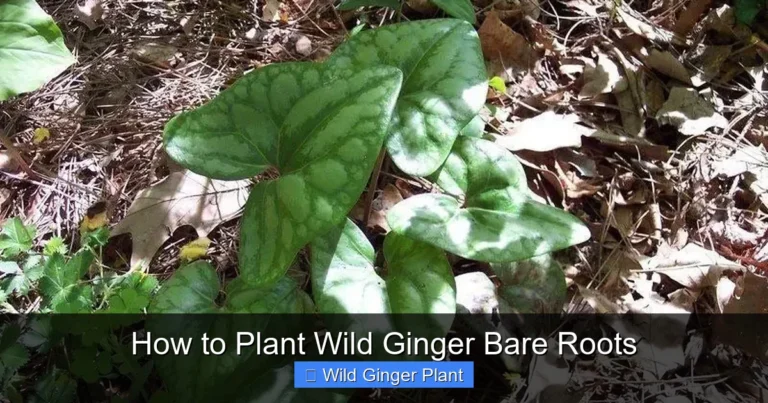
The wild ginger plant flower belongs to the genus Asarum in the birthwort family. It is a perennial herb that spreads by rhizomes. The plant produces a single, cup‑shaped bloom per stem. The bloom sits at ground level, often hidden by the broad, kidney‑shaped leaves. This secretive habit gives the wild ginger plant flower its common name “hidden flower.”
Taxonomy and Common Names
Scientific name: Asarum canadense in North America, Asarum europaeum in Europe. Common names include wild ginger, Canadian wild ginger, and heartleaf ginger. The wild ginger plant flower is not related to true ginger (Zingiber officinale) but shares a similar spicy aroma.
Physical Description
The wild ginger plant flower has three outer sepals that are brownish‑purple and three inner petals that are reduced to tiny scales. The flower measures about 1 to 2 centimeters across. The leaves are dark green, glossy, and can reach 10 centimeters wide. The rhizome is thick, aromatic, and creeps just below the soil surface.
Bloom Period
In most temperate zones the wild ginger plant flower opens from late March through early May. Timing shifts earlier in southern regions and later in northern climates. The bloom lasts only a few days, after which the flower withers and a small, fleshy capsule forms.
Natural Habitat and Distribution
The wild ginger plant flower prefers rich, moist, well‑drained soils in deciduous forests. It thrives under a canopy of maple, oak, and beech where dappled light reaches the forest floor. The plant is native to eastern North America from Manitoba to Georgia and across Europe from Scandinavia to the Mediterranean.
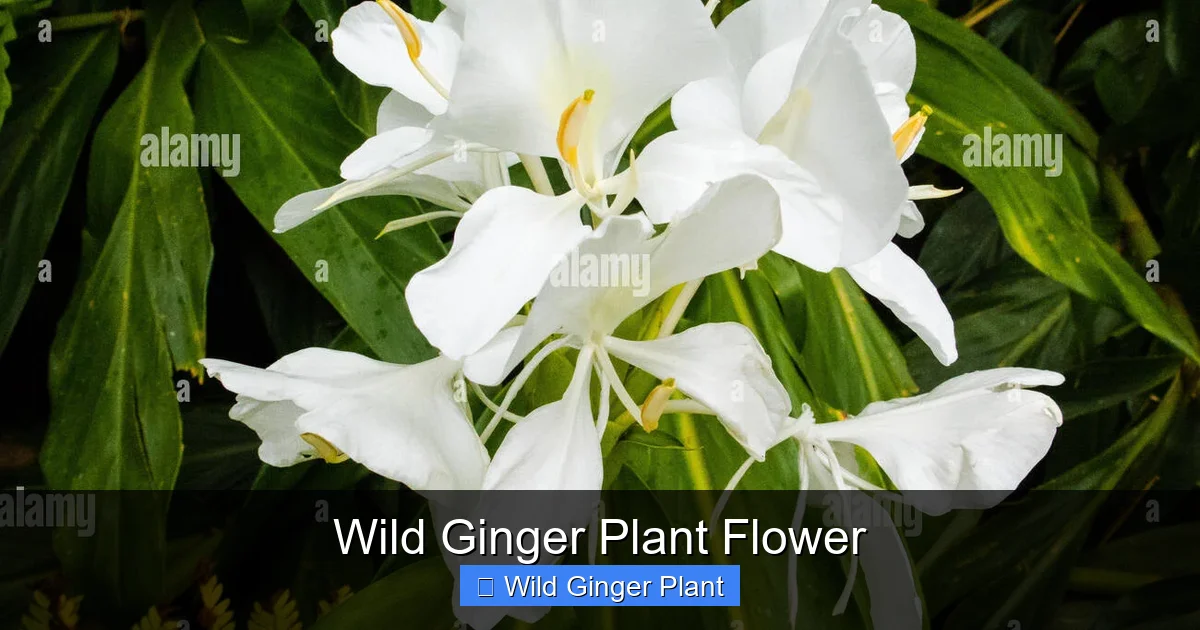
Visual guide about Wild Ginger Plant Flower
Image source: c8.alamy.com
Preferred Soil and Light
Soil pH between 5.5 and 7.0 is ideal. The wild ginger plant flower tolerates heavy clay if organic matter is abundant. Full shade is best; too much direct sun can scorch the leaves and reduce flowering.
Geographic Range
In the United States the wild ginger plant flower is common in the Appalachian Mountains, the Great Lakes region, and the Pacific Northwest. In Canada it appears in Ontario, Quebec, and the Maritime provinces. European populations occupy ancient woodlands from the British Isles to the Carpathians.
Associated Plant Communities
Typical companions include trillium, bloodroot, jack‑in‑the‑pulpit, and various ferns. These species share a preference for moist, humus‑rich floors. The wild ginger plant flower often forms dense mats that suppress weed growth.
Pollination Ecology
The wild ginger plant flower relies on a specialized group of insects for pollination. Its low position and dull coloration attract ground‑dwelling flies and small beetles. These insects crawl into the flower seeking shelter and inadvertently transfer pollen.
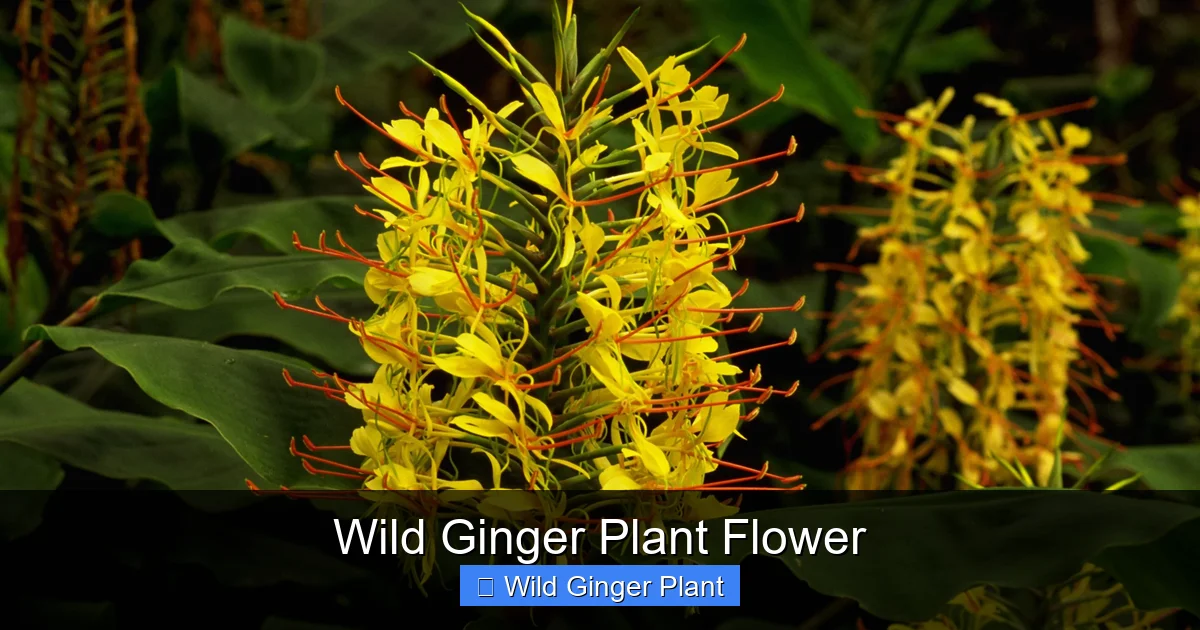
Visual guide about Wild Ginger Plant Flower
Image source: thespruce.com
Fly and Beetle Visitors
Species such as the fungus gnat (Bradysia spp.) and the rove beetle (Staphylinidae) are frequent visitors. They are drawn by a faint, musty scent emitted by the wild ginger plant flower. The insects enter the floral tube, brush against the stamens, and exit with pollen loads.
Floral Scent and Color
The wild ginger plant flower emits a weak, earthy odor rather than a sweet perfume. Its brownish‑purple sepals blend with leaf litter, making the bloom inconspicuous to larger pollinators. This cryptic strategy reduces herbivory while still attracting the right insects.
Seed Dispersal
After fertilization the wild ginger plant flower develops a fleshy, elaiosome‑bearing capsule. Ants harvest the elaiosome, carry the seed to their nests, and discard the seed in nutrient‑rich waste piles. This myrmecochory spreads the wild ginger plant flower to new microsites.
Historical and Modern Uses
People have valued the wild ginger plant flower for centuries. Indigenous tribes used the rhizome as a remedy for digestive upset, colds, and fevers. Early European settlers adopted similar uses and also employed the root as a flavoring agent.
Traditional Medicine
Tea brewed from the rhizome was taken to relieve nausea, indigestion, and menstrual cramps. Poultices made from crushed root were applied to wounds and skin irritations. Modern herbalists still list the wild ginger plant flower as a mild carminative and expectorant.
Culinary Applications
The rhizome can be peeled, sliced, and added to soups, stir‑fries, or pickles for a subtle ginger‑like heat. Candied wild ginger plant flower root is a delicacy in some Appalachian communities. The leaves are occasionally used as a wrap for steaming fish.
Ornamental Value
Gardeners prize the wild ginger plant flower for its lush groundcover habit and early spring interest. The heart‑shaped foliage remains attractive throughout the growing season. It works well in shade gardens, woodland borders, and naturalized areas.
Cultivation and Garden Care
Growing the wild ginger plant flower at home is straightforward if you mimic its native conditions. Choose a shady spot with rich, moist soil and provide a thin layer of leaf mulch each autumn.
Site Selection
Pick a location under deciduous trees or on the north side of a building. Avoid areas that dry out quickly in summer. A soil test can confirm pH; amend with compost if the soil is too sandy or too alkaline.
Planting Techniques
Plant rhizome sections 2 to 3 centimeters deep, spacing them 30 centimeters apart. Water thoroughly after planting. Mulch with shredded leaves to retain moisture and suppress weeds. The wild ginger plant flower will spread slowly, forming a dense mat over several years.
Maintenance and Propagation
Keep the soil consistently moist during the first growing season. Once established, the wild ginger plant flower tolerates brief dry spells. Divide clumps in early spring or fall to propagate. Each division should have at least one healthy bud and a portion of rhizome.
Common Pests and Diseases
Slugs and snails may chew the tender leaves. Hand‑pick or use iron phosphate baits. Fungal leaf spots can appear in overly wet conditions; improve air circulation by thinning neighboring plants. The wild ginger plant flower is generally resistant to serious diseases.
Conservation and Ethical Harvesting
Wild populations of the wild ginger plant flower face pressure from habitat loss, invasive species, and overcollection. Responsible stewardship ensures the species persists for future generations.
Threats to Wild Populations
Logging, development, and deer browsing reduce suitable forest floor habitat. Invasive plants like garlic mustard outcompete the wild ginger plant flower for light and nutrients. Climate change may shift the optimal range northward.
Guidelines for Sustainable Use
Harvest only a small fraction of rhizomes from any single colony. Leave at least 70 percent of the plants untouched. Prefer cultivated sources for culinary or medicinal needs. Always obtain permission before collecting on private or protected land.
Legal Protections
In several states the wild ginger plant flower is listed as a species of special concern. Collection may require a permit. Check local regulations before any wild harvest. Supporting native plant nurseries helps reduce pressure on wild stocks.
Conclusion
The wild ginger plant flower is a modest yet remarkable woodland gem. Its hidden bloom, unique pollination strategy, and rich cultural history make it a fascinating subject for naturalists and gardeners alike. By providing the right shade, moisture, and soil, you can enjoy this native groundcover in your own yard while contributing to its conservation.
Whether you sip a soothing tea made from its rhizome, watch tiny flies dance around its secretive blossoms, or simply admire the heart‑shaped leaves carpeting a forest floor, the wild ginger plant flower offers a quiet reminder of nature’s intricate beauty. Protect it, cultivate it, and share its story with friends and family.
Frequently Asked Questions
What is the scientific name of the wild ginger plant flower?
The most common North American species is Asarum canadense, while the European counterpart is Asarum europaeum.
Does the wild ginger plant flower need full sun?
No, the wild ginger plant flower prefers full to partial shade; direct sun can damage its foliage.
How long does the wild ginger plant flower live?
Individual plants can persist for many decades, spreading slowly via rhizomes to form large colonies.
Are there any toxic look‑alikes for the wild ginger plant flower?
Some Arisaema species share similar leaf shape but have distinct flower structures; proper identification is essential before consumption.
Can the wild ginger plant flower be grown in containers?
Yes, use a deep pot with rich, moisture‑retentive soil and place it in a shaded location; ensure adequate drainage.
What wildlife benefits from the wild ginger plant flower?
Ants disperse its seeds, while ground‑dwelling insects gain nectar and shelter; deer may browse the foliage occasionally.