Wild Ginger Plant Missouri
Wild ginger (Asarum canadense) thrives in Missouri’s rich, moist woodlands as a low-growing native perennial. Its heart-shaped leaves and hidden bell-shaped flowers make it a unique groundcover for shade gardens. Learn to identify, grow, and appreciate this fascinating native plant.
If you have ever hiked through a Missouri woodland in early spring, you might have missed one of the most interesting plants growing right at your feet. Wild ginger plant Missouri residents know well is a quiet beauty. It does not shout for attention with tall spikes or bright petals. Instead, it hugs the ground. It spreads a carpet of soft, heart-shaped leaves across the forest floor. When you kneel down and push the leaves aside, you find a strange little flower. It looks like a tiny jug or a bell. It sits right on the soil. It is a moment of pure discovery. This plant is Asarum canadense. It is a true native treasure.
Many people hear the name “wild ginger” and think of the spicy root in their kitchen. They are not the same plant. Not even close. The wild ginger plant Missouri forests hold is in a completely different family. It has a long history with Indigenous peoples and early settlers. They used the root for flavor and medicine. Today, gardeners love it for a different reason. It is one of the best native groundcovers for deep shade. It solves the problem of “nothing grows under that tree.” It asks for little and gives a lot. Let us dig into everything you need to know about this wonderful plant.
Key Takeaways
- Native to Missouri: Wild ginger grows naturally throughout the state in rich, deciduous woodlands.
- Distinctive foliage: Large, heart-shaped, fuzzy leaves form dense mats that suppress weeds.
- Hidden flowers: Unusual jug-shaped flowers bloom at ground level in early spring, pollinated by beetles and flies.
- Not culinary ginger: Despite the name, it is unrelated to commercial ginger (Zingiber officinale) and should not be eaten in large quantities.
- Excellent groundcover: Spreads slowly by rhizomes to create a lush carpet in shady garden areas.
- Wildlife value: Provides early-season nectar for insects and seeds dispersed by ants.
- Easy to grow: Thrives in moist, well-drained soil with dappled to full shade.
Quick Answers to Common Questions
What is the scientific name of wild ginger in Missouri?
The scientific name is Asarum canadense. It belongs to the Aristolochiaceae family.
Is wild ginger related to culinary ginger?
No, wild ginger (Asarum canadense) is not related to culinary ginger (Zingiber officinale). They are in different plant families but share a similar aromatic scent.
When does wild ginger bloom in Missouri?
Wild ginger blooms in April and May in Missouri. The flowers are hidden at ground level beneath the leaves.
Can wild ginger be eaten safely?
Wild ginger contains aristolochic acid which can damage kidneys and is carcinogenic. While historically used, modern experts advise against consuming it.
How fast does wild ginger spread in the garden?
Wild ginger spreads slowly by rhizomes, typically expanding a few inches per year. It follows the “sleep, creep, leap” pattern over three years.
📑 Table of Contents
- What Is Wild Ginger?
- Identifying Wild Ginger in Missouri
- Natural Habitat and Range in Missouri
- Ecological Role and Wildlife Value
- Historical and Cultural Uses
- Growing Wild Ginger in Your Missouri Garden
- Conservation Status and Threats
- Wild Ginger vs. Other Missouri Groundcovers
- Frequently Asked Questions About Wild Ginger
- Conclusion
What Is Wild Ginger?
Wild ginger is a perennial herb. It belongs to the birthwort family, Aristolochiaceae. The scientific name is Asarum canadense. The genus name Asarum comes from Greek. The species name canadense refers to Canada, but its range extends far south. In Missouri, it is found in almost every county. It is a spring ephemeral in spirit, though its leaves stay green all summer. It grows from a shallow, branching rhizome. This rhizome creeps just under the soil surface. It smells strongly of ginger when crushed. That scent is where the common name comes from.
Taxonomy and Classification
Let us get the family tree straight. Kingdom: Plantae. Clade: Angiosperms. Clade: Magnoliids. Order: Piperales. Family: Aristolochiaceae. Genus: Asarum. Species: A. canadense. It has a close relative, Asarum caudatum, found on the West Coast. That one is often called long-tailed wild ginger. Our Missouri version has no long tails on the flower. The flower has three pointed sepals. They are fused into a cup. It is a very primitive flower structure. It has no petals. The sepals do all the work. They are usually a deep reddish-brown or purplish color. Sometimes they are greenish. They blend perfectly with the leaf litter.
Why the Name “Ginger”?
The rhizome contains aromatic compounds. The main one is asarone. It gives the root a warm, spicy, ginger-like aroma. Early European settlers noticed this immediately. They were far from home. They missed their familiar spices. They dug the roots. They dried them. They ground them into powder. It worked as a substitute. However, the chemistry is different. Commercial ginger is Zingiber officinale. It is in the Zingiberaceae family. Wild ginger has aristolochic acid. This compound is a concern. We will talk about safety later. For now, just know the name is about scent, not botany.
Identifying Wild Ginger in Missouri
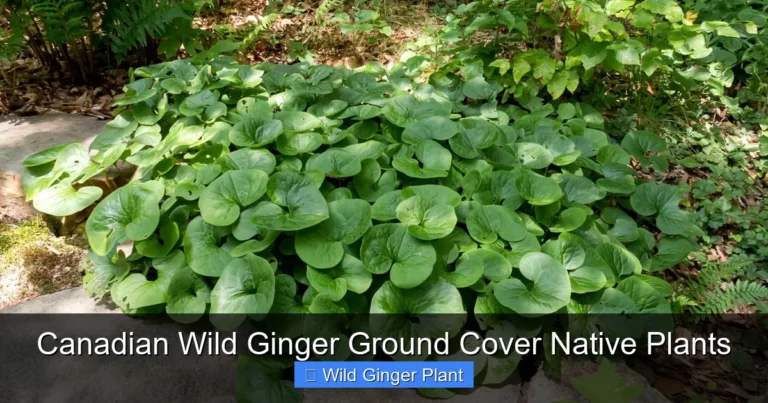
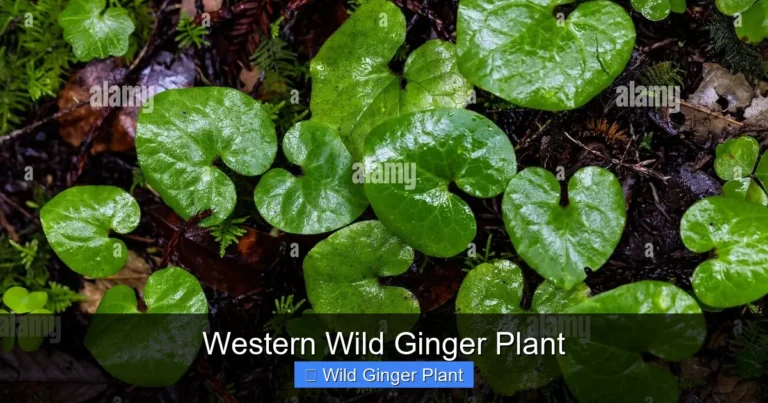
Identification is satisfyingly easy once you know the tricks. The plant is low. It rarely gets taller than six to eight inches. The leaves are the main show. They come in pairs. Each leaf sits on a long, hairy petiole. The leaf blade is heart-shaped. Botanists call it reniform or cordate. It can be three to six inches wide. The texture is soft. It feels like velvet. Fine white hairs cover the surface, especially when young. The veins are prominent. They curve gracefully from the base. In spring, the new leaves are a bright, fresh green. They darken to a deep, rich emerald by summer.
The Hidden Flower
The flower is the real prize. It blooms in April and May in Missouri. You have to look for it. It does not stand up. It sits on a very short stalk right at ground level. Often it is buried under dead leaves. You have to gently brush the litter away. The flower is solitary. It has three sepals. They are fused at the base into a cup or bell shape. The tips flare out or curve back. The color is usually a deep maroon or brownish-purple. Inside, it is paler. There are 12 stamens. The style is short with 6 stigmas. It looks like a tiny piece of pottery. It is pollinated by small flies, gnats, and beetles. They crawl in looking for shelter or decaying matter. They pick up pollen. It is not showy pollination. It is ground-level business.
Growth Habit and Spread
Wild ginger spreads by rhizomes. It does not run aggressively like mint. It walks. A colony expands a few inches a year. Over decades, it forms impressive mats. The rhizomes are shallow. They are about the thickness of a pencil. They are jointed. At each joint, a pair of leaves emerges. The roots are fibrous and fine. They hold the soil well. This makes it great for erosion control on shady slopes. The plant is deciduous in the northern part of its range. In southern Missouri, leaves may persist through a mild winter. They look a bit ragged by spring. New leaves push up through the old ones.
Look-Alikes to Avoid
There are a few plants that might confuse a beginner. Canadian wild ginger is the main one here. But there is also European wild ginger, Asarum europaeum. It is sometimes planted in gardens and escapes. Its leaves are shinier. They are more leathery. They are evergreen. The flower is similar but smaller. Another look-alike is Hexastylis. These are called “little brown jugs” or heartleaf. They are in the same family. They are evergreen. Their leaves are often mottled with silver or white. Their flowers are jug-shaped but smaller. They are mostly south of Missouri. In Missouri, if you see a large colony of soft, hairy, heart-shaped leaves in a rich woods, it is almost certainly Asarum canadense.
Natural Habitat and Range in Missouri
Missouri is prime territory for wild ginger. The plant loves the Ozarks. It loves the river hills. It loves the deep, rich soils of the north. Basically, if there is a mature hardwood forest with decent moisture, wild ginger is likely there. It is an indicator species. It tells you the soil is good. It tells you the woods have not been heavily grazed or bulldozed recently. It prefers mesic forests. Mesic means moist but well-drained. Not a swamp. Not a dry ridge top. The sweet spot.
Soil and Moisture Preferences
The wild ginger plant Missouri gardeners succeed with needs humus. Lots of it. Think of the forest floor. Decades of fallen leaves. Rotting logs. Fungal networks. The soil is loose. It is dark. It holds water but drains instantly. The pH is usually slightly acidic to neutral. 5.5 to 7.0 is perfect. It hates heavy clay that bakes hard. It hates sand that dries in a day. It needs that sponge-like duff layer. If you are planting it, mimic this. Amend your soil heavily with leaf mold or compost. Mulch with shredded leaves every fall. Never use wood chips. They rob nitrogen and don’t break down fast enough.
Light Requirements
Shade. Deep shade. Dappled shade. Morning sun is okay if the soil stays moist. Afternoon sun will fry it. The leaves will scorch. They will turn yellow and crispy. The plant will retreat to the rhizome and maybe not come back. In nature, it grows under oaks, hickories, maples, basswood, and sugar maple. The canopy closes in May. The ginger gets its sun in early spring before the trees leaf out. That is when it photosynthesizes hard. That is when it blooms. By June, it is in full shade. It is happy there. It stores energy for next year.
Associated Plant Communities
Wild ginger has friends. It grows with other spring ephemerals. Bloodroot (Sanguinaria canadensis). Dutchman’s breeches (Dicentra cucullaria). Spring beauty (Claytonia virginica). Trilliums (Trillium spp.). Mayapple (Podophyllum peltatum). Later, it shares space with ferns. Christmas fern (Polystichum acrostichoides). Maidenhair fern (Adiantum pedatum). Lady fern (Athyrium filix-femina). It grows under spicebush (Lindera benzoin). It grows near pawpaw (Asimina triloba). These plants tell the same story. Rich soil. Moisture. Intact woodland. If you see this crew, you are in a high-quality natural community.
Distribution Across Missouri Counties
You can find wild ginger in nearly every Missouri county. It is most abundant in the Ozark Highlands. The dissected hills create countless cool, moist, north-facing slopes. Perfect habitat. It is common in the Mississippi River hills. It is found in the river breaks of the Missouri River. In the northern glaciated plains, it is more localized. It sticks to ravines and wooded stream corridors where the plow didn’t reach. In the Bootheel, it is rare. The flat, wet, agricultural landscape lacks the topography it needs. But look in any remaining woodlot there, and you might find a patch.
Ecological Role and Wildlife Value
This plant is not just a pretty face. It works hard in the ecosystem. It is a foundation species for the forest floor. Its dense mats prevent erosion. The rhizomes knit the soil. The leaves intercept raindrops. They slow runoff. This keeps streams clean. The leaf litter decomposes under the ginger. It builds soil. It feeds the microbial community. The plant is a carbon sink. It pulls CO2 from the air in early spring when the canopy is open. It stores it in the rhizome. It is a small plant with a big job.
Pollination Ecology
The flower is a masterpiece of deception. It mimics fungus. Or carrion. Or just a dark, damp hole. The color is dead-leaf brown. The smell is faintly musty. Small flies (Diptera) and gnats are the main visitors. Some beetles (Coleoptera) crawl in too. They are not getting nectar. There is none. They are getting shelter. Maybe they lay eggs. The flower traps them temporarily. The inner surface of the sepals has downward-pointing hairs. The insect struggles. It gets covered in pollen. Eventually, it finds a way out. It flies to another flower. The stigmas are receptive first (protogyny). Then the stamens mature. This prevents self-pollination. It is a clever system. It ensures genetic diversity.
Seed Dispersal by Ants
This is myrmecochory. It is common in spring woodland plants. The seed develops inside a capsule. When ripe, the capsule splits. The seeds have a fatty appendage. It is called an elaiosome. Ants love it. They carry the seeds to their nests. They eat the elaiosome. They discard the seed in their midden pile. It is rich in nutrients. It is protected from birds and mice. It germinates there. The ant gets food. The plant gets a ride. The seed gets a perfect planting spot. Wild ginger seeds are not dispersed far. A few meters. This is why colonies are tight. It is also why the plant is slow to colonize new woods. If the ants are gone, the plant doesn’t move.
Herbivore Interactions
Deer generally avoid wild ginger. The leaves contain aromatic compounds. They taste strong. The texture is fuzzy. Deer prefer tender, bland things. Rabbits might nibble very young shoots. But usually, they leave it alone. This is a huge plus for gardeners. Slugs and snails can damage leaves in wet springs. The damage is cosmetic. The plant recovers. The pipevine swallowtail butterfly (Battus philenor) uses Aristolochia species as host plants. Wild ginger is in the same family. But the caterpillars do not eat Asarum. The chemistry is wrong. So it is not a butterfly host. But it provides cover for toads, salamanders, and insects. The dense mat is a mini-habitat.
Historical and Cultural Uses
Humans have known this plant for a very long time. Indigenous tribes across its range used it extensively. The Cherokee, Iroquois, Ojibwe, Menominee, and many others had specific uses. They knew the plant intimately. They knew when to harvest. They knew how to prepare it. They passed this knowledge down. Early European settlers learned from them. They adopted the uses. They added their own. It became a staple of frontier herbalism. The history is rich and complex.
Indigenous Uses
The root was the main part used. It was dug in autumn. The flavor is strongest then. It was used as a seasoning. It flavored meats and stews. It was used medicinally. A tea from the root treated colds. It treated coughs. It treated fevers. It was a digestive aid. It relieved stomach aches and gas. It was used for “female complaints.” It induced menstruation. It was used as a contraceptive in some traditions. The leaves were used as a poultice. They were applied to wounds and sores. The plant was also used ceremonially. It was a protective charm. It was used in hunting medicine. The knowledge was specific. Dosage mattered. Preparation mattered. It was not casual use.
Early Settler and Folk Medicine
Settlers called it “colic root.” They gave the tea to babies with colic. They used it for flatulence. They used it for “hysteria.” They used it as a general tonic. It was in the US Pharmacopeia from 1820 to 1882. It was official medicine. Doctors prescribed it. Pharmacists stocked it. It fell out of favor as synthetic drugs rose. But folk use continued in the Ozarks and Appalachians. “Granny women” and root doctors kept the knowledge. They made syrups. They made tinctures. They candied the root. It was a treat. It was a remedy. It was a connection to the land.
Culinary Experiments
Can you eat it? Yes. Should you eat a lot? No. The rhizome can be candied. Simmer in sugar syrup. Dry it. Roll in sugar. It is a spicy sweet. It can flavor ice cream. It can flavor beer. Some craft brewers use it. It makes a unique ginger beer. The leaves can wrap fish. They impart a subtle flavor. But here is the warning. The plant contains aristolochic acid. This is a nephrotoxin. It damages kidneys. It is carcinogenic. Commercial ginger does not have this. The amount in wild ginger varies. It is generally low in Asarum canadense. But it is present. The FDA warns against consuming Aristolochia species. Asarum is closely related. Most modern herbalists advise against internal use. External use as a poultice is considered safer. But why risk it? Enjoy the plant in your garden. Buy organic ginger at the store for cooking.
Growing Wild Ginger in Your Missouri Garden
This is where the fun starts. Wild ginger is a star in the native shade garden. It solves problems. It looks good all season. It is low maintenance. It supports ecology. If you have shade, you need this plant. It is widely available at native plant nurseries. Do not dig it from the wild. That destroys populations. It is illegal on public land. Buy nursery-propagated plants. They establish fast. They are ethically sourced.
Site Selection and Preparation
Pick a shady spot. Under a big tree is perfect. North side of a building works. East side with morning sun works. Test your drainage. Dig a hole. Fill with water. It should drain in an hour. If it sits, add grit. Add compost. Lots of compost. Make a bed, not just a hole. The rhizomes spread horizontally. They need loose soil to run. Remove grass and weeds thoroughly. They are hard to weed out later. The ginger will suppress them eventually. But give it a clean start. Lay down cardboard if the area is weedy. Cover with three inches of compost. Plant into that.
Planting Techniques
Spring or fall planting works. Fall is better in Missouri. The roots establish over winter. The plant hits the ground running in spring. Space plants 12 to 18 inches apart. They will fill in. Dig a shallow trench. Lay the rhizome horizontally. Cover with one inch of soil. Water well. Mulch with shredded leaves. Not wood chips. Not straw. Shredded leaves mimic nature. They feed the soil. They hold moisture. They suppress weeds. Mark the spot. The leaves die back in winter. You might forget where they are. A small stake helps.
Care and Maintenance
Water the first year. Keep the soil evenly moist. Not soggy. After establishment, it is drought tolerant. But it looks better with water in July and August. If it goes dry, the leaves droop. They recover fast with rain. No fertilizer needed. The leaf mulch provides everything. Pull weeds gently. The rhizomes are shallow. A hoe will slice them. Hand pull only. In late winter, you can rake off the old leaves. Or leave them. They decompose in place. New leaves push through. That is it. It is that easy.
Propagation Methods
Division is easiest. Do it in early spring. Just as the noses of new leaves show. Dig a clump. Tease apart the rhizomes. Each piece needs a growing point and some roots. Replant immediately. Water in. They barely notice. Seed is possible but slow. Collect capsules in June. Sow fresh. They need cold stratification. They germinate the next spring. Seedlings take three to four years to flower. Division gives you a mature plant instantly. Share with friends. It makes a great gift.
Design Ideas and Companion Plants
Use it as a groundcover. Plant in drifts. Not rows. Drifts look natural. Mix with other shade lovers. Ferns are classic. The texture contrast is beautiful. Fine fern fronds against bold ginger leaves. Add spring ephemerals. Virginia bluebells (Mertensia virginica). They bloom pink and blue. Then they go dormant. The ginger covers the bare spot. Perfect succession. Add wild geranium (Geranium maculatum). Pink flowers in May. Nice foliage all summer. Add sedges. Carex plantaginea has broad, puckered leaves. Carex laxiculmis has blue-green foliage. Sedges add structure. They are evergreen. The ginger dies back. The sedge holds the space. It is a four-season design.
Container Growing
Yes, you can grow it in a pot. Use a wide, shallow pot. The rhizomes run sideways. A deep pot wastes soil. Use a rich potting mix. Add compost. Add leaf mold. Keep it shaded. Water often. Pots dry fast. In winter, the pot freezes solid. This can kill the rhizomes. In Missouri, zone 6, bury the pot in the ground for winter. Or move it to an unheated garage. Water once a month. Bring it out in March. It works great on a shaded porch.
Conservation Status and Threats
Wild ginger is not federally listed. It is not state endangered in Missouri. It is ranked S5 (Secure) by the Missouri Natural Heritage Program. It is common. But “common” is not a guarantee. Local populations disappear. Habitat loss is the big threat. Logging that opens the canopy too much. Development that bulldozes the woods. Invasive species that outcompete it. Climate change that alters moisture patterns. Over-collection for herbal trade. We need to watch it.
Invasive Species Pressure
This is a major issue in Missouri woods. Bush honeysuckle (Lonicera maackii). It leafs out early. It casts deep shade. It releases chemicals that inhibit natives. Wild ginger cannot compete. Wintercreeper (Euonymus fortunei). It carpets the ground. It smothers everything. Garlic mustard (Alliaria petiolata). It changes soil fungi. It disrupts mycorrhizal networks. Wild ginger needs those fungi. Japanese stiltgrass (Microstegium vimineum). It forms dense mats in moist shade. It is an annual. It produces massive seed. It takes over. Controlling these invasives is the best thing you can do for wild ginger. Remove them. Plant natives. Restore the balance.
Deer Overbrowse
Deer don’t eat wild ginger much. But they eat everything around it. They eat the oak seedlings. They eat the spicebush. They eat the trilliums. They change the forest structure. The canopy opens. The soil dries. The ginger suffers indirectly. High deer densities degrade the whole community. Fencing helps in gardens. Landscape-level management is needed in wild areas. It is a complex problem. But it affects our plant.
Climate Change Impacts
Missouri is getting warmer. Winters are shorter. Springs are earlier. Summers are hotter. Droughts are more intense. Wild ginger needs consistent moisture. It needs a cold period. If the soil doesn’t freeze, the rhizome may not get the signal to break dormancy properly. Early warm spells trick the plant into leafing out. Then a hard freeze kills the leaves. The plant wastes energy. It weakens over time. Southern populations are most at risk. The Ozarks may become a refugium. The hills create microclimates. North slopes stay cooler. Protecting these areas is critical.
Ethical Harvesting and Stewardship
If you see wild ginger in the woods, leave it. Take photos. Admire it. Do not dig it. Do not harvest roots. Public land: illegal. Private land: only with permission. And only if the population is huge. And only a tiny fraction. Better yet, buy from a nursery. Support native plant growers. They propagate ethically. They sell healthy plants. They give you the right species. Be a steward. If you have it on your land, protect it. Remove invasives. Don’t let ATVs ride through it. Don’t let logging damage the soil. It is a legacy. Pass it on.
Wild Ginger vs. Other Missouri Groundcovers
How does it stack up? Let us compare. You have choices for shade. Some are native. Some are not. Some are aggressive. Some are polite. Wild ginger sits in a sweet spot. It spreads. But it is polite. It does not jump the sidewalk. It does not climb trees. It stays where you put it. Mostly.
Comparison with Non-Native Groundcovers
English ivy (Hedera helix). Terrible. Invasive. Kills trees. Destroys habitat. Do not plant. Periwinkle (Vinca minor). Also invasive. Spreads into woods. Hard to eradicate. Purple wintercreeper (Euonymus fortunei ‘Coloratus’). The worst. Smothers the forest floor. Pachysandra (Pachysandra terminalis). Japanese spurge. It behaves better. But it is a monoculture. No wildlife value. Susceptible to volutella blight. Wild ginger beats them all. It is native. It supports insects. It builds soil. It is beautiful. It is disease resistant. It is the clear winner for ecology.
Comparison with Native Alternatives
Wild stonecrop (Sedum ternatum). Great for drier shade. Evergreen. Yellow flowers. Different niche. Foamflower (Tiarella cordifolia). Beautiful flowers. Maple-like leaves. Spreads by runners. Good companion. Not a replacement. Green-and-gold (Chrysogonum virginianum). Semi-evergreen. Yellow daisy flowers. Likes a bit more sun. Good for edges. Pennsylvania sedge (Carex pensylvanica). The matrix plant. Fine texture. Forms a lawn. Mix with ginger. They work together. Wild ginger is the bold foliage anchor. The others fill roles around it. A diverse planting is best. Nature doesn’t do monocultures.
When to Choose Wild Ginger
Choose it when you have deep shade. Choose it when you have rich, moist soil. Choose it when you want a bold texture. Choose it when you want to suppress weeds. Choose it when you want to support native ecology. Choose it when you want a plant with history. Choose it when you want something unique. The hidden flower is a conversation starter. Kids love finding it. It connects you to the land. It is a piece of Missouri’s soul.
Frequently Asked Questions About Wild Ginger
People ask the same things. Let us clear them up. Good information prevents mistakes. It helps you succeed. It keeps you safe.
Is wild ginger the same as cooking ginger?
No. They are completely different plants. Cooking ginger is Zingiber officinale. It is tropical. It is in the Zingiberaceae family. Wild ginger is Asarum canadense. It is temperate. It is in the Aristolochiaceae family. They share a scent compound. That is it. Do not substitute one for the other in large quantities.
Can I eat wild ginger from my yard?
Technically yes, in small amounts. Historically yes. But modern science says caution. The plant contains aristolochic acid. This damages kidneys and causes cancer. The concentration in Asarum canadense is lower than in Aristolochia species. But it is present. Most experts advise against eating it. Candied root is a traditional treat. But the risk is real. Why gamble with your kidneys? Enjoy the plant visually. Buy organic ginger for tea.
Why is my wild ginger not spreading?
Check the conditions. Is it too dry? Too sunny? Too much clay? Too much competition from tree roots? Is the soil poor? Wild ginger is slow. It may take three years to really take off. “Sleep, creep, leap” is the saying. Year one it sleeps. Year two it creeps. Year three it leaps. Be patient. Mulch with leaves. Water in drought. It will come.
Does wild ginger bloom every year?
Yes, mature plants bloom every spring. The flowers are easy to miss. They are at ground level. Hidden by leaves. You have to look. If your plant is young, it may not bloom yet. It needs energy reserves. Division can set back blooming a year. Give it time.
Is wild ginger deer proof?
Nothing is 100% deer proof. But wild ginger is highly deer resistant. The fuzzy leaves and strong scent deter them. In severe winters with high deer pressure, they might nibble. But they rarely destroy a planting. It is one of your best bets for shade.
Where can I buy native wild ginger in Missouri?
Many native plant nurseries carry it. Look for Missouri Native Plant Society plant sales. They happen spring and fall. Grow Native! has a retailer list online. Local garden centers increasingly stock natives. Ask for “Asarum canadense” by scientific name. Avoid big box stores. They often sell the European species (Asarum europaeum) or mislabeled plants. Buy local. Buy native genotype.
Conclusion
The wild ginger plant Missouri woodlands gift us is a quiet marvel. It asks for shade. It asks for moisture. It asks for rich soil. In return, it gives a carpet of velvet hearts. It gives a hidden flower that smells of earth and spice. It gives history. It gives ecology. It gives a connection to the people who walked these hills before us. It is a plant that rewards patience. It rewards observation. It rewards the gardener who kneels in the dirt to find the bloom.
Growing it is an act of restoration. Every patch in a garden is a patch of healed land. It supports the ants that plant its seeds. It supports the flies that pollinate its flowers. It holds the soil when the rain comes hard. It cools the ground when the sun beats down. It is a small plant. But its impact is large. If you have a shady spot, plant wild ginger. Watch it spread. Watch the years pass. Watch the colony grow. You are not just gardening. You are stitching the fabric of the forest back together. One heart-shaped leaf at a time.
Frequently Asked Questions
What are the ideal growing conditions for wild ginger in Missouri?
Wild ginger thrives in rich, moist, well-drained soil with high organic matter in deep to dappled shade. It prefers slightly acidic to neutral pH (5.5-7.0) and does well under deciduous trees where it gets spring sun before canopy closure.
How do I identify wild ginger in the wild?
Look for pairs of large, heart-shaped, velvety leaves on hairy stems growing low to the ground in rich woods. In spring, gently move leaf litter aside to find a single, jug-shaped, reddish-brown flower at soil level.
Will wild ginger choke out other plants in my garden?
Wild ginger forms a dense mat that suppresses weeds, but it is not aggressive toward established perennials. It spreads slowly and politely, making it an excellent companion for ferns, sedges, and spring ephemerals.
Why are ants important for wild ginger?
Ants disperse wild ginger seeds through a process called myrmecochory. Seeds have a fatty elaiosome that ants eat, after which they discard the seed in their nutrient-rich midden piles where it germinates safely.
Is wild ginger endangered in Missouri?
No, wild ginger is ranked S5 (Secure) in Missouri and is common throughout the state, especially in the Ozarks. However, local populations face threats from habitat loss, invasive species, and over-collection.
Can I grow wild ginger in a container on my shaded patio?
Yes, use a wide, shallow pot with rich, moisture-retentive potting mix. Keep it consistently moist and in full shade. In Missouri winters, bury the pot in the ground or move it to an unheated garage to prevent the rhizomes from freezing solid.