How to Plant Cultivate Wild Ginger Asarum Caudatum
Wild ginger (Asarum caudatum) thrives in moist, shaded woodland gardens with rich, well-draining soil. This native perennial spreads slowly by rhizomes to form beautiful ground cover with heart-shaped leaves and unique jug-shaped flowers. Plant in spring or fall, keep consistently moist, and enjoy a low-maintenance native plant that supports local wildlife.
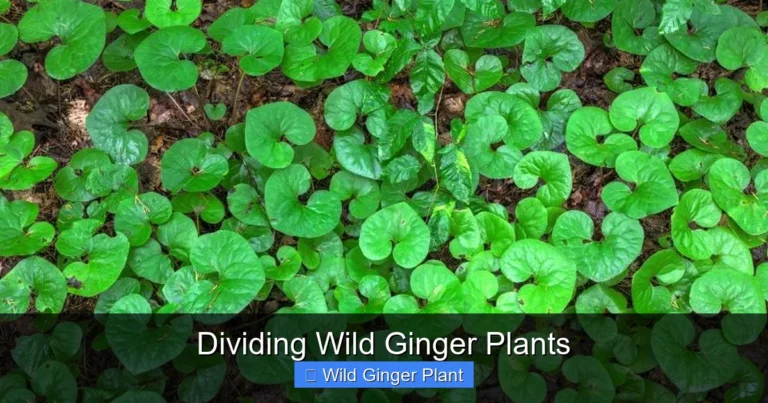
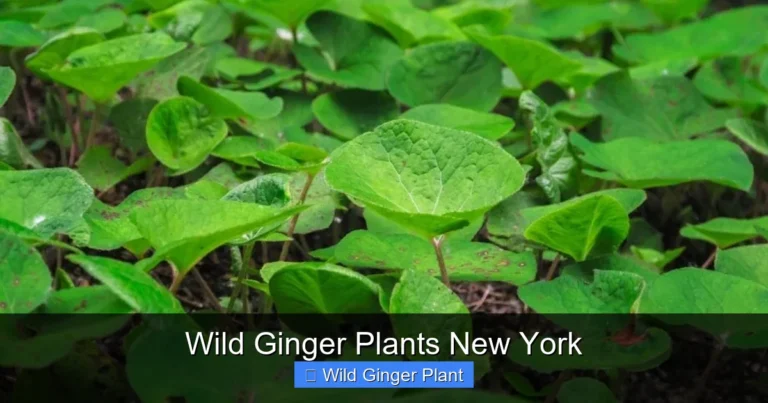
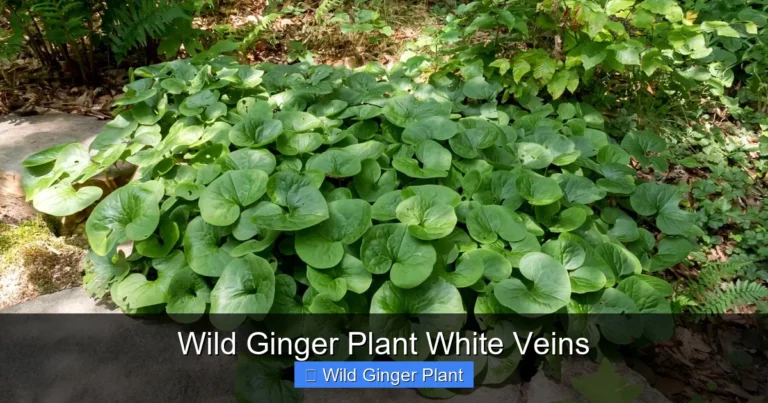
If you have ever walked through a damp Pacific Northwest forest in spring, you have likely seen wild ginger carpeting the ground beneath towering conifers. Those glossy, heart-shaped leaves catching dappled light belong to Asarum caudatum, a native perennial that brings woodland magic to shaded gardens. Learning how to plant cultivate wild ginger Asarum caudatum opens the door to one of the most rewarding native ground covers you can grow.
Unlike its tropical namesake used in cooking, this wild ginger is not grown for its rhizomes in the kitchen. Instead, gardeners prize it for its lush foliage, unusual flowers hidden beneath the leaves, and its ability to transform difficult shady spots into thriving plant communities. The plant spreads slowly but surely, creating a living mulch that suppresses weeds while providing habitat for beneficial insects. Once you understand its simple needs, you will wonder why you did not invite this woodland native into your garden sooner.
Key Takeaways
- Choose the right location: Wild ginger needs full to partial shade with protection from hot afternoon sun
- Soil preparation matters: Rich, humus-rich, well-draining soil with a slightly acidic pH (5.5-6.5) produces the best growth
- Plant at the correct depth: Position rhizomes horizontally just below the soil surface with buds facing upward
- Consistent moisture is essential: Never let the soil dry out completely, especially during the first growing season
- Patience rewards you: This slow-spreading perennial takes 2-3 years to establish but forms dense, weed-suppressing mats
- Minimal maintenance required: Once established, wild ginger needs little care beyond occasional watering during drought
- Ethical sourcing protects wild populations: Always purchase from reputable native plant nurseries rather than harvesting from the wild
Quick Answers to Common Questions
When is the best time to plant wild ginger Asarum caudatum?
Spring (April to June) and fall (September to October) are the optimal planting times. Spring allows establishment during the growing season, while fall takes advantage of cool temperatures and autumn rains for root development before winter.
How much shade does wild ginger need?
Wild ginger thrives in dappled to full shade. It needs protection from intense afternoon sun, which causes leaf scorch. Morning sun with afternoon shade or bright indirect light beneath deciduous trees provides ideal conditions.
How often should I water newly planted wild ginger?
Keep the soil consistently moist but not soggy during the first growing season. Check every few days — the top inch of soil should never dry out completely. Water deeply at the base of plants rather than overhead.
Can wild ginger be grown in containers?
Yes, wild ginger grows well in wide, shallow containers (at least 12 inches across, 8 inches deep) with good drainage. Use a rich potting mix amended with compost, keep in full shade, and water more frequently than in-ground plants.
Is wild ginger the same as culinary ginger?
No, Asarum caudatum is not the culinary ginger (Zingiber officinale) used in cooking. Wild ginger contains aristolochic acid, which can be harmful if consumed. It is grown for ornamental and ecological value, not culinary use.
📑 Table of Contents
Understanding Wild Ginger Asarum Caudatum
Botanical Background and Native Range
Asarum caudatum belongs to the birthwort family, Aristolochiaceae, and goes by several common names including western wild ginger, long-tailed wild ginger, and British Columbia wild ginger. This perennial is native to western North America, ranging from British Columbia south through Washington, Oregon, and into northern California. It also appears in parts of Idaho and Montana. In its natural habitat, you will find it growing in moist coniferous forests, along stream banks, and in shaded ravines where the soil stays consistently damp and rich with organic matter.
The species name caudatum refers to the long, tail-like tips on the flower’s three sepals. These distinctive tails can extend an inch or more beyond the main flower cup, giving the blooms an otherworldly appearance. While the flowers are not showy in the traditional sense — they hide beneath the foliage at ground level — they are fascinating up close. Each jug-shaped bloom measures about an inch across and ranges from purplish-brown to greenish-yellow. Pollination occurs primarily by small flies and beetles that crawl into the flower seeking shelter.
Growth Habit and Seasonal Cycle
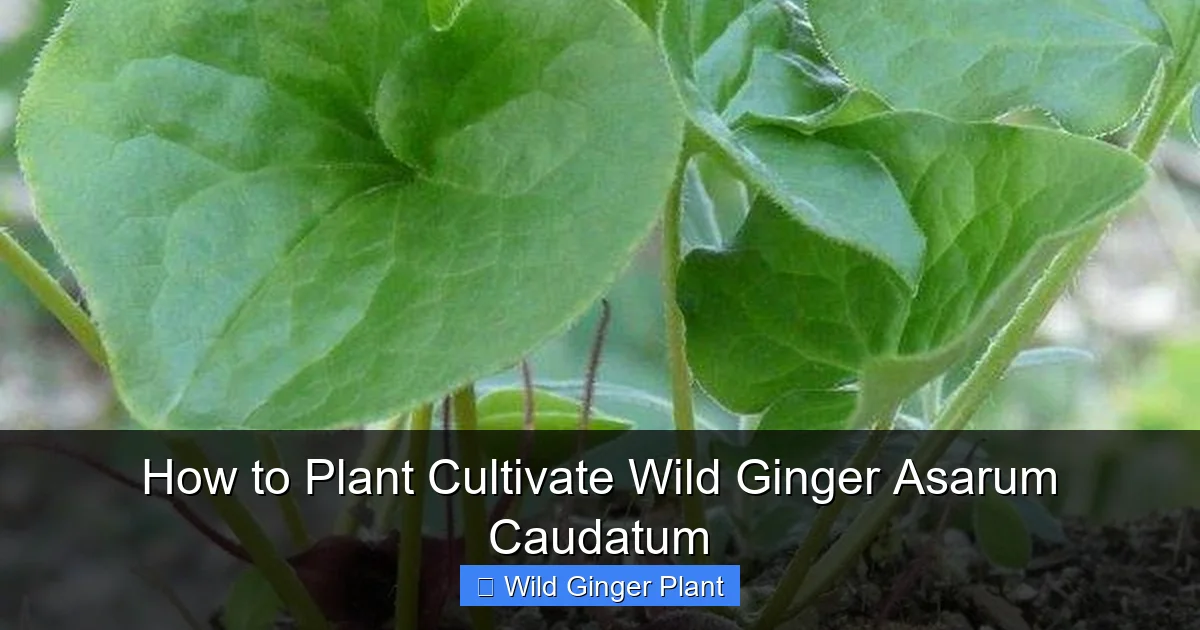
Wild ginger grows from shallow, creeping rhizomes that spread horizontally just below the soil surface. Each rhizome segment produces a pair of leaves annually, creating the characteristic dense mat over time. The leaves emerge in early spring, often before the tree canopy fully leafs out, taking advantage of the brief window of brighter light on the forest floor. They remain attractive throughout the growing season, turning a subtle yellow in autumn before dying back in winter.
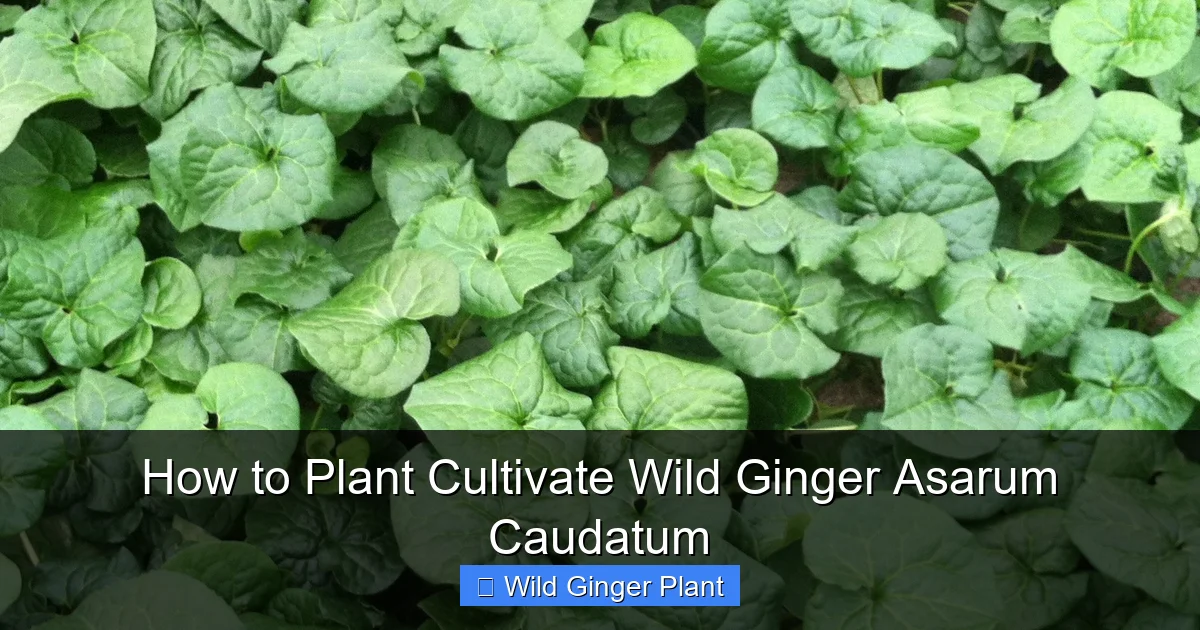
In the garden, a single plant may spread 6 to 12 inches per year under ideal conditions. This measured pace means wild ginger never becomes aggressive or invasive. Instead, it behaves like a well-mannered guest, slowly filling in around companion plants. Mature clumps reach 6 to 10 inches tall and can eventually spread several feet across. The foliage forms a continuous canopy that shades the soil, reducing moisture loss and preventing weed seed germination.
Why Choose This Native Ground Cover
Gardeners learning how to plant cultivate wild ginger Asarum caudatum quickly discover its many virtues. First, it solves the perennial problem of what to grow in deep shade where grass refuses to grow and many perennials struggle. Second, its native status means it supports local ecosystems — providing early-season nectar for native pollinators and shelter for beneficial ground beetles and amphibians. Third, once established, it requires virtually no maintenance beyond occasional watering during extended dry spells.
The plant also offers deer resistance, a crucial feature in many woodland gardens. While no plant is completely deer-proof, wild ginger’s aromatic foliage contains compounds that browsing animals typically avoid. Additionally, the dense growth habit helps stabilize soil on shaded slopes, making it valuable for erosion control in woodland settings. For gardeners committed to ecological landscaping, this species represents a perfect marriage of beauty and function.
Selecting the Perfect Planting Site
Light Requirements for Optimal Growth
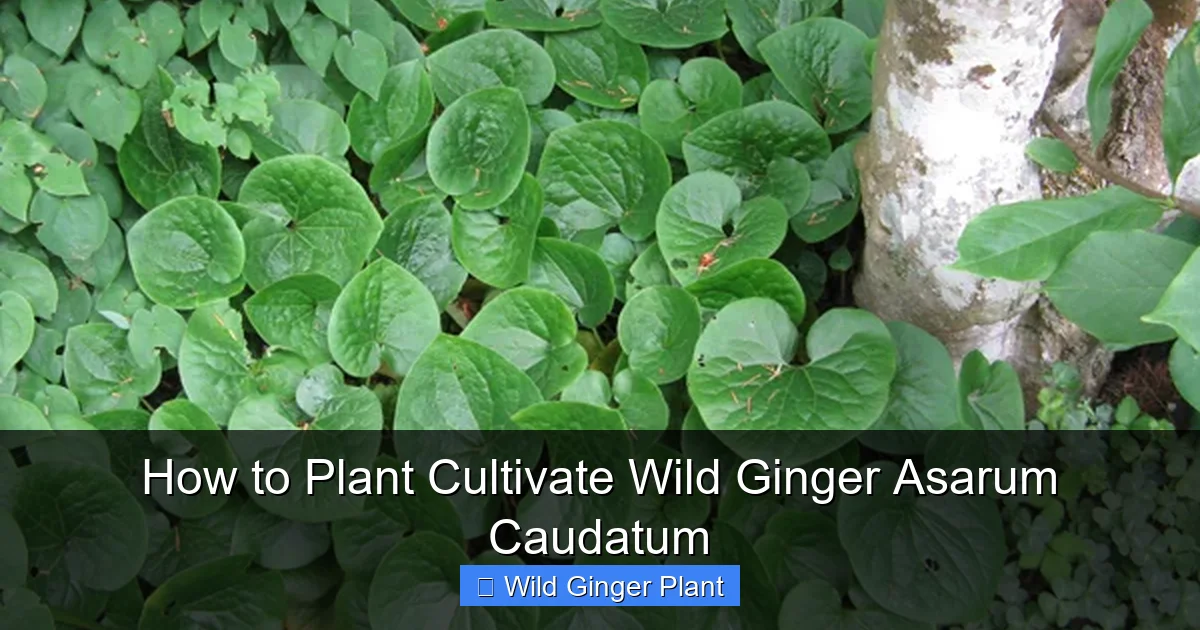
Understanding light needs is fundamental when learning how to plant cultivate wild ginger Asarum caudatum. This species evolved on the forest floor, so it thrives in dappled to full shade. Morning sun with afternoon shade works well, as does bright indirect light beneath deciduous trees. The key is protection from intense afternoon sun, especially in warmer climates. Too much direct light causes leaf scorch — the edges turn brown and crispy, and the plant loses its lush appearance.
Visual guide about How to Plant Cultivate Wild Ginger Asarum Caudatum
Image source: jswbotanicalart.com
If you are planting beneath evergreen conifers, choose spots where the canopy allows some filtered light to penetrate. Dense, unbroken shade can slow growth significantly. Beneath deciduous trees, the plant receives ample spring light before the canopy closes, then enjoys cooling shade during summer’s heat. This natural cycle mimics its native conditions perfectly. Avoid planting on the south or west sides of buildings where reflected heat and intense sun create stressful conditions.
Soil Conditions and Preparation
Soil quality determines success more than any other factor. Wild ginger demands rich, humus-laden soil that retains moisture yet drains well. Think of the duff layer in an old-growth forest — dark, spongy, teeming with microbial life. Your goal is to recreate this environment. The ideal pH ranges from 5.5 to 6.5, slightly acidic. If your soil is heavy clay or sandy, amend generously with compost, leaf mold, or well-rotted manure before planting.
Work organic matter into the top 8 to 12 inches of soil. This depth accommodates the shallow rhizomes while providing a reservoir of moisture and nutrients. If drainage is questionable, create slightly raised planting areas or incorporate coarse organic material like composted bark to improve aeration. Standing water leads to rhizome rot, the primary killer of wild ginger. A simple test: dig a hole 12 inches deep, fill with water, and observe drainage. It should empty within a few hours.
Microclimate Considerations
Beyond basic light and soil, consider the microclimate of your planting site. Wild ginger appreciates protection from drying winds, which accelerate moisture loss from the large leaves. Sites near walls, fences, or dense shrubbery provide this shelter. Proximity to a water source — a downspout, irrigation line, or natural seep — makes maintenance easier during dry periods.
Also consider the plant’s companions. Wild ginger pairs beautifully with other shade-loving natives like sword fern (Polystichum munitum), bleeding heart (Dicentra formosa), trilliums, and foamflower (Tiarella). These plants share similar cultural requirements and create a layered, naturalistic planting. Avoid aggressive spreaders like English ivy or vinca, which will quickly overwhelm the slower-growing ginger.
Step-by-Step Planting Guide
When to Plant for Best Results
Timing your planting correctly gives wild ginger the strongest start. Spring and fall both work well, each with advantages. Spring planting, after the soil has warmed but before summer heat arrives, allows roots to establish during the growing season. Aim for April through early June in most regions. Fall planting, from September through October, takes advantage of cool temperatures and autumn rains. Roots continue growing until the ground freezes, giving a head start next spring.
Visual guide about How to Plant Cultivate Wild Ginger Asarum Caudatum
Image source: littleprinceplants.com
Avoid summer planting unless you can provide constant moisture and temporary shade. Winter planting in frozen ground is obviously impossible. If you must plant in less-than-ideal timing, increase your aftercare vigilance — water more frequently and provide shade cloth during hot spells. Container-grown plants from nurseries can technically be planted any time the ground is workable, but spring and fall remain optimal for reducing transplant shock.
Preparing the Planting Hole
When you are ready to plant, dig holes twice as wide as the root ball or rhizome segment but only as deep. For container plants, gently remove the pot and loosen any circling roots. For bare-root rhizomes, inspect for firm, healthy tissue with visible growth buds. Discard any mushy, dried, or damaged sections. The planting hole should allow the rhizome to sit horizontally with the growth buds facing upward, just barely covered by soil — about 1/2 to 1 inch deep.
Space plants 12 to 18 inches apart for eventual fill-in, or closer (8 to 10 inches) for faster coverage. Remember, patience is part of the process. Create a small mound of amended soil in the center of each hole, drape the rhizome over it so roots fall down the sides, then backfill gently. Firm the soil with your hands — do not tamp heavily with feet, as this compacts the soil and damages delicate roots. Water thoroughly to settle soil and eliminate air pockets.
Planting Container vs. Bare-Root Specimens
Nursery containers offer convenience and a higher success rate for beginners. Look for plants with multiple growing points and healthy, glossy foliage. Avoid pots with roots protruding from drainage holes or plants showing yellowing leaves. Bare-root divisions, often available from specialty native plant sales or mail-order nurseries, cost less and establish quickly if handled properly. Plant bare-root material immediately upon receipt, keeping rhizomes wrapped in damp newspaper if a brief delay is unavoidable.
For container plants, the transition from pot to garden soil can shock roots accustomed to a peat-based mix. Ease this transition by incorporating some of the container medium into your planting hole, or by watering with a dilute seaweed extract to stimulate root growth. Bare-root plants skip this adjustment period entirely, often showing new growth within weeks if planted during active growing season.
Initial Watering and Mulching
After planting, water deeply until the soil is moist to a depth of 6 inches. This encourages roots to grow downward. Apply a 2 to 3 inch layer of organic mulch — shredded leaves, composted bark, or pine needles work beautifully. Keep mulch pulled back slightly from the crown to prevent rot. Mulch serves multiple purposes: it conserves moisture, moderates soil temperature, suppresses weeds, and slowly breaks down to feed the soil food web.
During the first growing season, check soil moisture every few days. The top inch should never dry out completely. Water at the base of plants rather than overhead to keep foliage dry and reduce fungal issues. A soaker hose or drip irrigation line snaked through the planting area makes this easy and efficient. Consistent moisture during establishment is the single most important factor in learning how to plant cultivate wild ginger Asarum caudatum successfully.
Ongoing Care and Maintenance
Watering Strategies Through the Seasons
Established wild ginger tolerates brief dry spells, but consistent moisture produces the lushest growth. In spring, natural rainfall often suffices. Summer brings the greatest challenge — monitor soil moisture weekly during dry periods. Water deeply once or twice weekly rather than frequent shallow sprinkling. This encourages deeper root growth and drought resilience. In autumn, reduce watering as temperatures cool and rains return. Winter requires no supplemental water in most climates.
Signs of water stress include wilting leaves that do not recover by morning, leaf edges turning brown, and slowed growth. If you see these symptoms, increase watering frequency. Conversely, yellowing leaves with mushy stems indicate overwatering or poor drainage. Adjust accordingly. A moisture meter or simply sticking your finger into the soil provides reliable guidance. The soil should feel like a wrung-out sponge — moist but not soggy.
Fertilization: Less Is More
Wild ginger growing in properly prepared soil rarely needs supplemental fertilizer. The organic matter you incorporated at planting, supplemented by annual mulch decomposition, provides a steady nutrient supply. If growth seems weak or leaves appear pale despite adequate moisture, a light application of balanced organic fertilizer in early spring can help. Use half the recommended rate — these are not heavy feeders.
Avoid high-nitrogen fertilizers, which promote soft, succulent growth susceptible to pests and disease. Instead, top-dress with an inch of compost or well-rotted manure each spring. This mimics the natural nutrient cycling of the forest floor. Liquid seaweed or fish emulsion applied monthly during the growing season offers a gentle boost if desired. Remember, the goal is steady, sustainable growth, not rapid expansion.
Seasonal Maintenance Tasks
Maintenance for wild ginger is minimal, which is part of its charm. In late winter or early spring, before new growth emerges, remove any dead or damaged foliage from the previous year. This improves air circulation and reduces disease pressure. Be gentle — the new shoots are fragile and easily broken. A light raking with your fingers or a small hand rake works well.
After the first hard frost in autumn, you may choose to leave the foliage in place as natural winter mulch. The dying leaves protect the rhizomes from temperature fluctuations and provide habitat for overwintering beneficial insects. If aesthetics demand cleanup, cut foliage back to an inch above ground and apply a fresh mulch layer. Either approach works; the plant is adaptable.
Managing Pests and Diseases
Healthy wild ginger in appropriate conditions rarely suffers serious pest or disease issues. Slugs and snails occasionally nibble leaves, especially in wet springs. Hand-pick at night, use copper tape barriers, or apply organic slug bait containing iron phosphate. Fungal leaf spots may appear in overly wet, stagnant conditions. Improve air circulation by thinning nearby plants and avoid overhead watering.
Root rot, caused by Phytophthora and Pythium species, is the most serious threat. It occurs in poorly drained soil or from overwatering. Prevention through proper site selection and soil preparation is far easier than treatment. If you suspect root rot — plants wilt despite moist soil, rhizomes feel mushy — dig affected plants, trim away rotted sections, and replant in improved soil. Dispose of diseased material in the trash, not compost.
Propagation Methods
Division: The Easiest Method
Division is the most reliable way to increase your wild ginger patch and the method most gardeners use when learning how to plant cultivate wild ginger Asarum caudatum. The best time is early spring as new growth emerges, or early fall after summer heat subsides. Water the plant well the day before dividing. Dig up the entire clump with a garden fork, loosening soil widely to avoid damaging rhizomes. Gently shake or wash away excess soil to reveal the rhizome structure.
Using clean, sharp pruners or a knife, cut the rhizome into sections 3 to 6 inches long, each with at least one growth bud (preferably two or three). Trim any damaged or excessively long roots. Replant divisions immediately at the same depth as the parent plant, spacing as desired. Water thoroughly and mulch. Keep newly divided plants well-watered for the first month. Most divisions establish quickly and may flower within a year or two.
Growing from Seed: A Patient Approach
Seed propagation is possible but requires patience and specific conditions. Wild ginger seeds have a double dormancy — they need warm stratification followed by cold stratification to germinate. In nature, seeds ripen in summer, experience warm soil temperatures, then winter cold, germinating the following spring. To mimic this, sow fresh seeds in pots in early summer, keep warm and moist for 2 to 3 months, then move to a refrigerator (35 to 40 degrees F) for 2 to 3 months. Finally, move to a cool, bright location for germination.
Alternatively, sow seeds directly in a prepared seed bed in summer and let nature handle the stratification. Mark the spot carefully — germination may not occur until the second spring. Seedlings grow slowly, taking 3 to 5 years to reach flowering size. While slower than division, seed propagation maintains genetic diversity and can produce plants adapted to your specific garden conditions. It is also the only way to propagate large numbers inexpensively.
Rhizome Cuttings for Quick Increase
For gardeners wanting more plants quickly, rhizome cuttings offer a middle ground. In early spring, dig around an established plant to expose rhizomes without lifting the entire clump. Cut 2 to 3 inch segments with at least one growth bud, leaving the parent plant in place. Pot cuttings in a moist, well-draining mix (half peat, half perlite works well) and keep in a shaded, humid location. A clear plastic bag over the pot creates a mini greenhouse. Roots and shoots typically appear in 4 to 6 weeks.
This method causes minimal disturbance to the mother plant and yields multiple new plants from a single clump. It is especially useful for rare cultivars or when you want to expand a planting rapidly. Treat rooted cuttings as you would divisions — harden off gradually and plant in prepared garden soil when well-established.
Designing with Wild Ginger in the Garden
Woodland Garden Combinations
Wild ginger shines in naturalistic woodland plantings where its spreading habit creates a living carpet beneath taller layers. Pair it with upright ferns like lady fern (Athyrium filix-femina) or oak fern (Gymnocarpium dryopteris) for vertical contrast. Spring ephemerals — trilliums, erythroniums, bloodroot — bloom above the ginger foliage before going dormant, their dying leaves hidden by the expanding ginger canopy. This succession of interest extends the garden’s beauty across seasons.
Consider adding shrubs like salal (Gaultheria shallon), evergreen huckleberry (Vaccinium ovatum), or Oregon grape (Mahonia nervosa) for year-round structure. These natives share wild ginger’s cultural preferences and create the layered vegetation structure found in natural forests. The result is a garden that feels both cultivated and wild, providing habitat value while satisfying aesthetic desires.
Shade Border and Edge Plantings
Along shaded paths, wild ginger makes an excellent edging plant. Its low, uniform height (6 to 10 inches) defines boundaries without blocking views. Plant in a gentle curve rather than a straight line for a more natural appearance. Space plants 12 inches apart for a continuous edge within 2 to 3 years. The foliage stays attractive from spring through fall, requiring no deadheading or seasonal cutback.
Combine with other shade-tolerant edgers like Japanese forest grass (Hakonechloa macra), hostas (choose slug-resistant varieties), or heucheras for textural contrast. The key is selecting companions with similar moisture needs. Avoid pairing with drought-tolerant shade plants like epimediums or hellebores in dry shade — wild ginger will struggle. In moist shade, however, the combinations are nearly endless.
Container Culture for Small Spaces
Gardeners without ground space can grow wild ginger in containers. Choose a wide, shallow pot — at least 12 inches across and 8 inches deep — to accommodate the horizontal rhizomes. Use a high-quality potting mix amended with compost and fine bark for drainage. Ensure the container has adequate drainage holes. Place in full shade on a north-facing porch or beneath dense tree canopy.
Container plants need more frequent watering than in-ground plantings. Check daily in warm weather. Fertilize monthly with dilute organic fertilizer during the growing season. Repot every 2 to 3 years in early spring, dividing if desired. Winter protection may be necessary in cold climates — move pots to an unheated garage or bury in the ground. With attention to moisture, container-grown wild ginger thrives and brings woodland charm to balconies and patios.
Erosion Control on Shaded Slopes
On gentle to moderate shaded slopes, wild ginger’s rhizomatous growth helps stabilize soil. Plant in staggered rows perpendicular to the slope, spacing 12 inches apart. The interlocking rhizomes create a living net that holds soil during heavy rains. Combine with deeper-rooted natives like sword fern and red-flowering currant (Ribes sanguineum) for multi-layered stabilization.
Prepare the slope by terracing slightly or creating small planting pockets to catch water. Mulch heavily with straw or shredded leaves held in place by jute netting on steeper areas. Water regularly until established. Avoid planting on slopes exceeding 30 degrees — the rhizomes are too shallow to provide adequate stabilization on very steep terrain. For severe erosion, consult a professional before relying solely on vegetation.
Harvesting and Traditional Uses
Understanding the Difference from Culinary Ginger
It is crucial to clarify a common confusion: Asarum caudatum is not the culinary ginger (Zingiber officinale) used in cooking. While both have aromatic rhizomes, they belong to completely different plant families. Wild ginger contains aristolochic acid, a compound that can cause kidney damage and is carcinogenic with prolonged use. Indigenous peoples used wild ginger medicinally in small, specific preparations, but modern herbalists generally advise against internal use.
The common name “wild ginger” comes from the rhizome’s scent — when crushed, it releases a ginger-like aroma. Early European settlers used it as a ginger substitute, hence the name. However, the flavor is more bitter and less complex than true ginger. If you want culinary ginger, grow Zingiber officinale in a pot (it needs warmth and a long growing season). Grow Asarum caudatum for its ecological and ornamental value.
Ethical Harvesting Considerations
If you choose to harvest rhizomes from your established garden patch for educational or traditional purposes, do so sustainably. Wait until the patch is at least 5 years old and covers several square feet. Harvest in autumn after foliage dies back. Dig carefully at the patch’s edge, taking no more than 10% of the total rhizome mass. Replant the remaining segments immediately. This mimics natural disturbance and allows the patch to recover.
Never harvest from wild populations. Many Asarum species are declining due to habitat loss and over-collection. Several eastern species are listed as threatened or endangered. Even our western species faces pressure in some areas. If you want wild ginger, purchase nursery-propagated plants. This protects wild populations and ensures you get healthy, disease-free stock adapted to garden conditions.
Ecological Value Beyond the Garden
The greatest value of wild ginger may be its ecological contributions. The flowers, though inconspicuous to us, provide critical early-season nectar for native flies, beetles, and small bees. The dense foliage creates cool, moist microhabitats for salamanders, frogs, and beneficial ground beetles that prey on garden pests. Birds forage in the leaf litter for insects and seeds.
As a native plant, wild ginger participates in complex relationships with soil fungi, bacteria, and invertebrates that have evolved over millennia. These relationships support nutrient cycling, disease suppression, and overall ecosystem resilience. By planting wild ginger, you are not just adding a pretty ground cover — you are helping restore a fragment of the native plant community that once covered the region. This perspective transforms gardening from decoration into ecological participation.
Troubleshooting Common Problems
Yellowing Leaves: Causes and Solutions
Yellow leaves signal several possible issues. If older leaves yellow while new growth looks healthy, it may be natural aging — simply remove them. Widespread yellowing often indicates nutrient deficiency, usually nitrogen or iron. Test soil pH first; if above 7.0, iron becomes unavailable. Acidify with elemental sulfur or use chelated iron as a quick fix. If pH is correct, apply a light feeding of balanced organic fertilizer.
Yellowing accompanied by wilting despite moist soil suggests root rot. Check drainage and reduce watering. Yellowing with brown, crispy edges points to too much sun or wind exposure. Relocate or provide shade cloth. Patchy yellowing with visible insects indicates pest damage — inspect leaf undersides for aphids, spider mites, or scale. Treat with insecticidal soap or horticultural oil if needed.
Slow or No Spread: Encouraging Growth
If your wild ginger refuses to spread, evaluate the growing conditions. Is the soil sufficiently rich and moist? Are nearby trees or shrubs outcompeting for water? Large tree roots can create dry pockets even in seemingly moist soil. Supplemental watering and a compost top-dressing often jump-start growth. Is the site too dark? Even shade plants need some light for photosynthesis. Thinning overhead branches slightly can make a dramatic difference.
Sometimes the plant is simply establishing its root system before expanding. First-year plants often appear static while developing underground. By year three, spread should be noticeable. If a mature plant stops spreading, the center may have become woody and unproductive. Divide in spring, replanting vigorous outer sections and discarding the woody center. This rejuvenation restores vigorous growth.
Flowering Issues and What They Mean
Wild ginger flowers are easily missed — they hide at ground level beneath the leaves. If you never see flowers, do not worry. The plant may be too young (flowering typically begins at 3 to 5 years), or conditions may not trigger blooming. Deep shade can reduce flowering. Some years produce more flowers than others. Lack of flowers does not indicate poor health; the plant spreads vegetatively regardless.
If you want to observe the fascinating flowers, gently lift leaves in April or May. Look for the jug-shaped blooms nestled at the base of leaf stems. They last several weeks. After pollination, seed pods develop, splitting open in summer to reveal seeds with fleshy appendages (elaiosomes) that attract ants for dispersal. This ant-plant mutualism is another fascinating ecological interaction you can witness in your garden.
Winter Damage and Recovery
In its native range, wild ginger is fully winter-hardy. However, in colder zones (USDA 4 to 5) or during unusually harsh winters, some foliage damage may occur. The rhizomes survive underground even if leaves are killed. In spring, simply remove damaged foliage. New growth will emerge from the rhizomes. A thick mulch layer applied after the ground freezes provides insurance against freeze-thaw cycles that can heave shallow rhizomes.
In areas with unreliable snow cover, pine boughs or straw laid over the planting after dormancy adds protection. Remove in early spring before new growth starts. Container plants are more vulnerable — their roots experience temperatures 10 to 20 degrees colder than in-ground plants. Provide winter protection as described earlier. With basic precautions, wild ginger handles winter beautifully across most of its cultivated range.
Conclusion
Learning how to plant cultivate wild ginger Asarum caudatum rewards you with one of the most graceful, ecologically valuable ground covers for shade. This native perennial asks for so little — shade, moisture, rich soil — and gives so much in return: year-round beauty, weed suppression, wildlife habitat, and a living connection to the native landscapes of western North America. Whether you have a sprawling woodland garden or a single shaded corner, wild ginger deserves a place.
The journey from planting to established patch teaches patience, observation, and respect for natural rhythms. You will find yourself checking soil moisture, lifting leaves to discover hidden flowers, noticing the ants dispersing seeds, and appreciating the subtle seasonal changes in foliage color. These moments of connection are why we garden. Wild ginger does not demand center stage; it creates the stage upon which the shade garden performs.
Start with a few plants from a reputable native nursery. Prepare the soil thoughtfully. Water consistently that first year. Then step back and let time do its work. In a few years, you will have a self-sustaining carpet of glossy green hearts that returns each spring without fail. You will also have contributed, in your own small way, to the preservation of a species that belongs to this land. That is gardening at its best — beautiful, meaningful, and enduring.
Frequently Asked Questions
How fast does wild ginger spread?
Wild ginger spreads slowly, typically 6 to 12 inches per year under ideal conditions. It forms a dense mat over 3 to 5 years. This measured pace means it never becomes invasive and behaves as a well-mannered ground cover.
What soil pH does wild ginger prefer?
Wild ginger prefers slightly acidic soil with a pH between 5.5 and 6.5. If your soil is alkaline, amend with elemental sulfur or peat moss to lower the pH. Rich, humus-laden soil that retains moisture while draining well is essential.
Do I need to fertilize wild ginger?
Established wild ginger in properly prepared soil rarely needs fertilizer. An annual top-dressing of compost or well-rotted manure in spring provides sufficient nutrients. Avoid high-nitrogen fertilizers, which promote weak growth susceptible to pests.
Why are my wild ginger leaves turning brown at the edges?
Brown, crispy leaf edges usually indicate too much sun exposure, wind damage, or insufficient moisture. Wild ginger needs protection from afternoon sun and drying winds. Increase watering and consider providing shade cloth or relocating to a shadier spot.
Can I divide wild ginger in summer?
Division is best done in early spring as new growth emerges or in early fall after summer heat subsides. Summer division is possible but requires extra care — keep divisions well-watered and provide temporary shade during establishment.
Is wild ginger deer resistant?
Yes, wild ginger is generally deer resistant due to aromatic compounds in its foliage that browsing animals avoid. However, no plant is completely deer-proof, and hungry deer may sample it in severe winters or high-pressure areas.