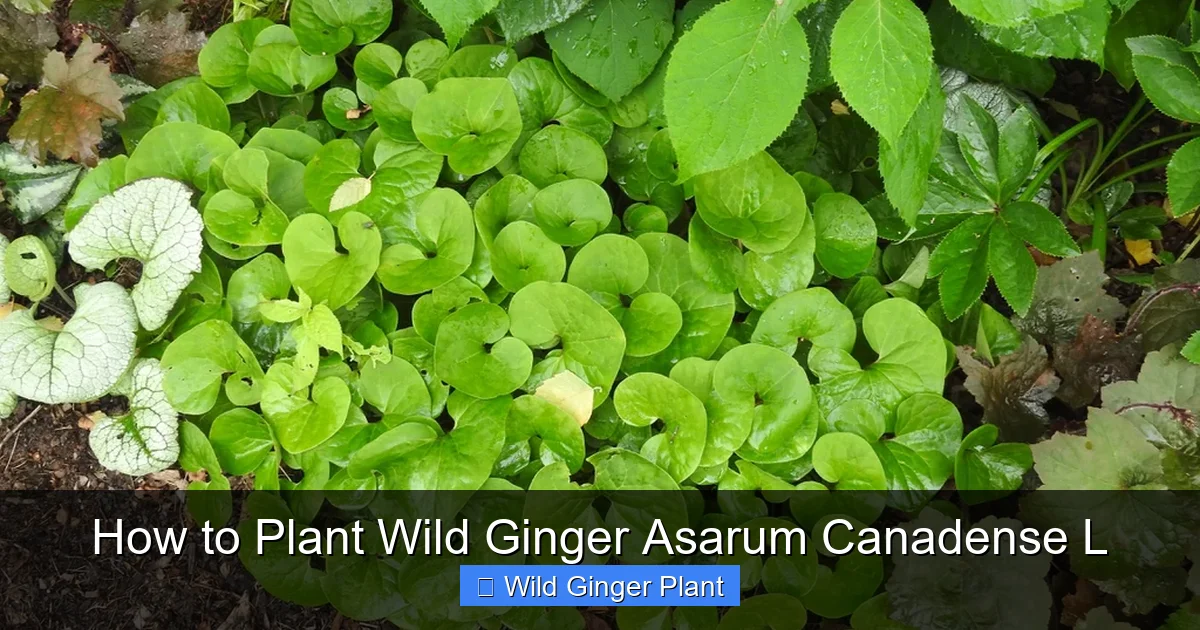
How to Plant Wild Ginger Asarum Canadense L
Wild ginger (Asarum canadense L.) is a beautiful native groundcover perfect for shade gardens. This guide covers everything from site selection and soil preparation to planting techniques and ongoing care. You will learn how to establish a thriving colony that supports local wildlife and adds lush texture to your landscape.
Key Takeaways
- Choose full to partial shade: Wild ginger thrives in dappled light under trees and fails in hot afternoon sun.
- Prioritize rich, moist soil: Amend planting areas with leaf mold or compost to mimic forest floor conditions.
- Plant rhizomes horizontally: Lay roots just below the surface with buds facing up for best establishment.
- Water consistently the first year: New plants need steady moisture to develop strong root systems.
- Mulch with shredded leaves: This retains moisture, suppresses weeds, and feeds the soil as it breaks down.
- Divide clumps every few years: Propagate mature patches in early spring or fall to expand your groundcover.
- Expect slow initial growth: Patience pays off as plants spread steadily to form a dense, weed-suppressing mat.
Quick Answers to Common Questions
When is the best time to plant wild ginger?
Early spring or early fall are ideal. Spring gives a full growing season. Fall allows root establishment before winter with less watering needed.
How deep should I plant wild ginger rhizomes?
Plant rhizomes horizontally just below the surface, covered by half an inch to one inch of soil. Buds must face upward.
Does wild ginger need full shade?
Yes, it prefers full to partial shade. Morning sun with afternoon shade works well. Avoid hot afternoon sun which scorches leaves.
How far apart should I space wild ginger plants?
Space plants twelve to eighteen inches apart. Closer spacing fills in faster. Wider spacing saves money but takes longer to form a solid mat.
Can I grow wild ginger from seed?
Yes, but it requires double dormancy breaking (warm then cold stratification) and takes three to four years to reach planting size. Division is faster.
📑 Table of Contents
Introduction
If you have a shady spot in your yard where grass refuses to grow, wild ginger might be your new best friend. This lovely native perennial creates a lush carpet of heart-shaped leaves that stays green from spring through fall. It solves the problem of bare soil under trees where nothing else seems to thrive. Best of all, it asks for very little in return once it gets settled.
Learning how to plant wild ginger Asarum canadense L is a rewarding project for any gardener who values native plants. This species is native to eastern North America, from Canada down to the southeastern United States. It evolved to live on the forest floor, so it knows exactly how to handle shade, leaf litter, and competition from tree roots. When you give it conditions similar to its natural home, it rewards you with decades of reliable groundcover.
In this guide, we will walk through every step of the process. We cover site selection, soil preparation, planting methods, and long-term care. You will also learn how to propagate your plants so you can fill more garden beds without buying new ones. Let us dig in and get your shade garden growing.
Understanding Wild Ginger Asarum Canadense L
Botanical Background and Native Range
Wild ginger belongs to the birthwort family, Aristolochiaceae. Despite its common name, it is not related to culinary ginger (Zingiber officinale). The name comes from the spicy, ginger-like scent released when you crush the roots or stems. Indigenous peoples and early settlers used the rhizomes as a flavoring and for medicinal purposes, though modern guidance suggests caution due to potential toxins.
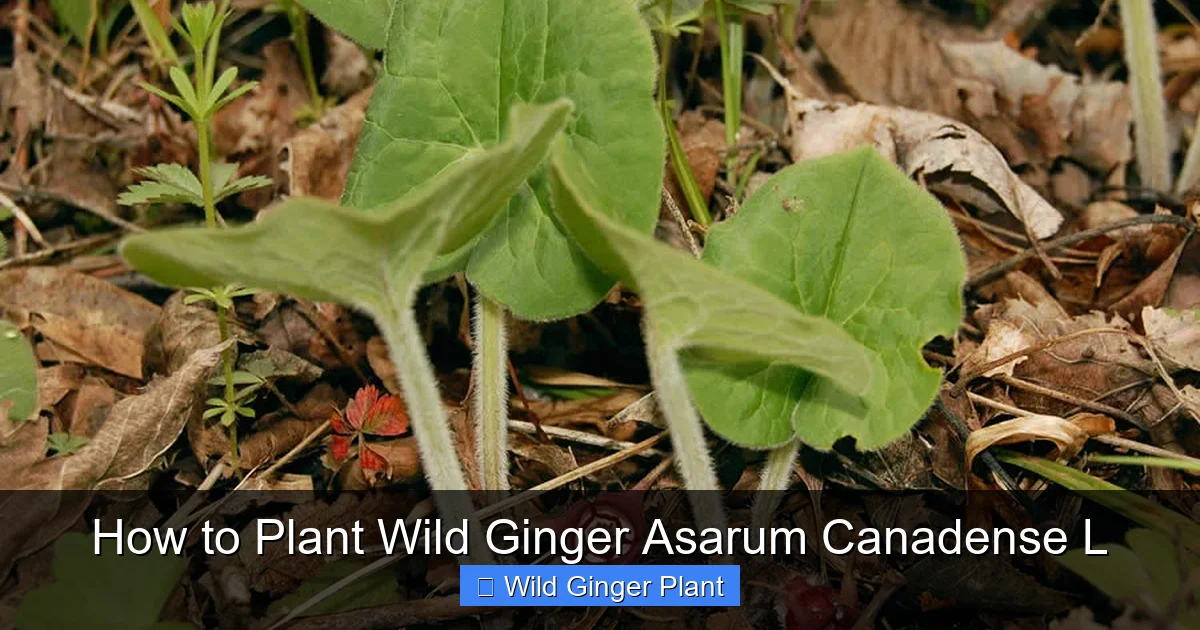
Visual guide about How to Plant Wild Ginger Asarum Canadense L
Image source: minnesotawildflowers.info
Asarum canadense L. is native to rich, deciduous forests across eastern North America. You will find it growing wild from Manitoba and Quebec south to Georgia and west to Missouri. It prefers the deep shade of mature woodlands, often carpeting slopes and ravines where the soil stays cool and moist. Knowing this native habitat is the key to success in your garden.
Growth Habit and Seasonal Interest
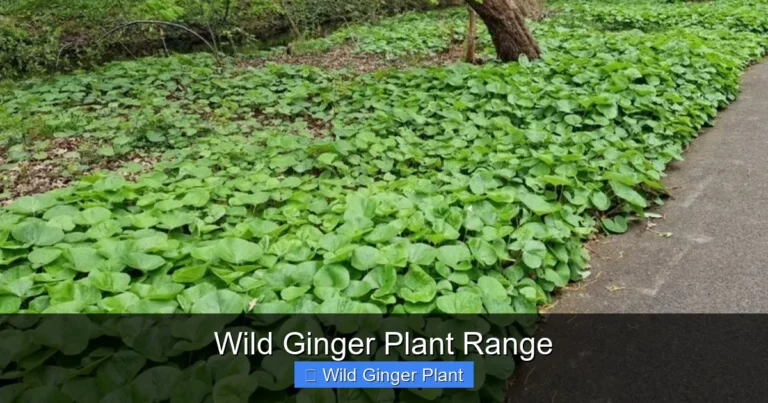
This plant grows as a low, spreading groundcover. It typically reaches six to twelve inches in height. The stems creep along the soil surface, rooting at nodes to form a dense mat over time. Each stem produces a pair of large, kidney-shaped or heart-shaped leaves. These leaves can grow up to six inches wide. They have a soft, velvety texture and a deep green color that looks fresh all season.
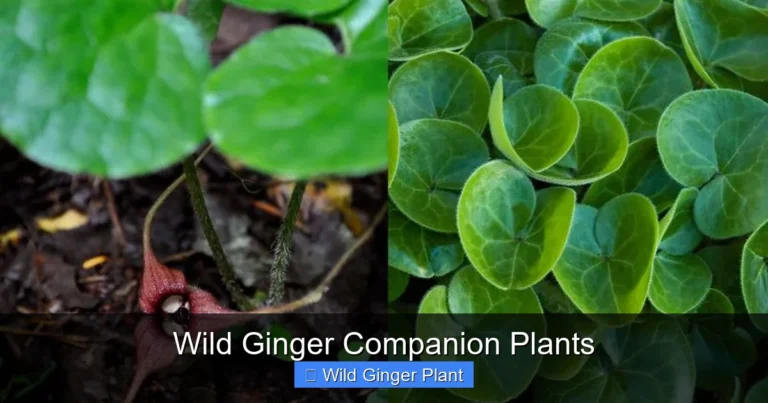
Flowers appear in early spring, usually April to May depending on your zone. They are unusual and easy to miss because they hide at ground level beneath the leaves. Each flower is bell-shaped with three pointed sepals. The color is a deep burgundy or brownish-purple. Pollination is done by small flies and beetles that crawl into the flower. After flowering, the plant produces a fleshy capsule with seeds that ants disperse.
Why Choose This Native Groundcover
There are many reasons to add wild ginger to your landscape. First, it is a true problem-solver for dry shade. Once established, it tolerates root competition from large trees better than most plants. Second, it provides high wildlife value. The flowers feed early pollinators. The dense foliage gives cover for small amphibians and beneficial insects. Third, it is deer resistant. The aromatic compounds in the leaves make it unpalatable to browsing animals.
From a design perspective, wild ginger offers bold texture that contrasts beautifully with ferns, sedges, and spring ephemerals. It creates a living mulch that suppresses weeds and protects soil moisture. Because it is a native species, it supports local ecology without becoming invasive. It stays where you put it and spreads at a polite, manageable pace.
Selecting the Perfect Planting Site
Light Requirements: Deep Shade to Dappled Sun
Light is the single most important factor when deciding how to plant wild ginger Asarum canadense L. This plant evolved on the forest floor. It needs protection from direct sun, especially hot afternoon rays. The ideal location receives morning light and afternoon shade, or bright dappled shade all day under a high tree canopy.
Full deep shade is also acceptable, though growth may be slower and flowering reduced. Avoid sites with more than two to three hours of direct sun. In southern zones, even morning sun can be too intense if the soil dries out. If you are unsure, observe the site on a summer day. Note when sun hits the ground and for how long. When in doubt, choose the shadier spot.
Soil Conditions: Rich, Moist, and Well-Drained
Wild ginger wants soil that mimics the forest floor. Think of the dark, crumbly layer under decades of fallen leaves. The ideal soil is high in organic matter, holds moisture well, but never becomes waterlogged. A pH range of 5.5 to 6.5 (slightly acidic to neutral) is perfect. Heavy clay is tolerated if drainage is adequate and organic matter is added.
Sandy soils dry out too fast unless heavily amended. If your soil is poor, do not worry. You can build it up before planting. The key is consistent moisture. This plant does not have deep taproots. It relies on the top few inches of soil. If that layer bakes dry in July, the plant will suffer. Choose a site where you can water easily or where soil naturally stays damp.
Companion Plants and Garden Design
Wild ginger plays well with many shade-loving natives. Consider pairing it with Christmas fern (Polystichum acrostichoides), maidenhair fern (Adiantum pedatum), or oak sedge (Carex pensylvanica). Spring ephemerals like Virginia bluebells (Mertensia virginica), trilliums, and bloodroot (Sanguinaria canadensis) bloom before the ginger leaves fully expand, then go dormant as the ginger fills in.
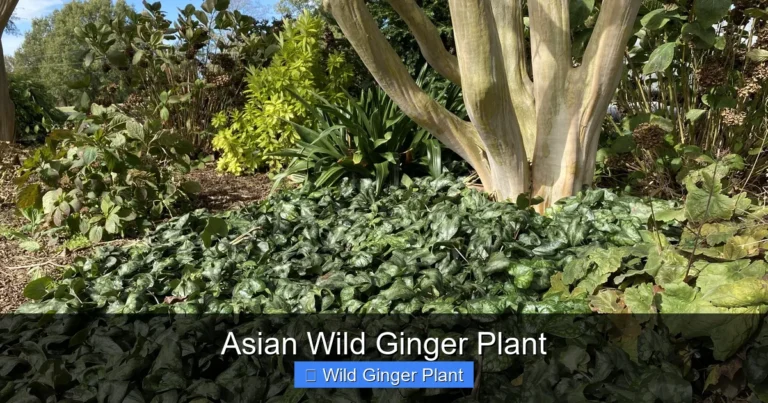
Use wild ginger as an edging plant along shaded paths. Plant it under shrubs like spicebush (Lindera benzoin) or witch hazel (Hamamelis virginiana). It works beautifully on shady slopes where mowing is impossible. Because it spreads slowly, it will not overwhelm delicate neighbors. Plan for a spacing of twelve to eighteen inches between plants for a solid cover in two to three years.
Preparing the Soil for Planting
Testing and Amending Your Soil
Before you put any plants in the ground, take a few minutes to assess your soil. Dig a small hole about eight inches deep. Feel the texture. Is it sticky clay? Gritty sand? Or that lovely dark loam? Squeeze a handful. Good soil holds together but crumbles when poked. If water pools in the hole, you have a drainage issue to fix.
A simple soil test from your local extension office gives you pH and nutrient levels. Wild ginger prefers slightly acidic conditions. If your soil is alkaline (above 7.0), add elemental sulfur or pine needle mulch to lower it gradually. If the soil is compacted, loosen it to a depth of ten to twelve inches. Roots need oxygen as much as they need water.
Adding Organic Matter: The Forest Floor Recipe
The single best amendment for wild ginger is leaf mold. This is simply decomposed leaves. It holds moisture like a sponge, feeds beneficial fungi, and creates the loose texture this plant loves. If you do not have leaf mold, use well-rotted compost. Spread a three to four inch layer over the planting area and work it into the top six to eight inches of soil.
Avoid fresh manure or hot compost. These can burn the shallow rhizomes. Also avoid peat moss as a primary amendment. It is acidic but holds water unevenly and breaks down fast. Coconut coir is a better sustainable alternative if you need bulk. For a small area, bagged leaf compost works fine. The goal is soil that feels alive and spongy.
Removing Competition and Weeds
Clear the planting area of all existing vegetation. This includes grass, weeds, and aggressive groundcovers like English ivy or periwinkle. These will outcompete young wild ginger plants. If the area is large, smother vegetation with cardboard and mulch for a few months before planting. This is easier than digging and preserves soil structure.
Be thorough about removing tree seedlings and perennial weed roots. Wild ginger rhizomes grow near the surface. You do not want to disturb them later by digging out weeds. A clean start saves hours of careful weeding later. If you are planting under mature trees, be careful not to sever large tree roots. Work around them with a hand trowel rather than a shovel.
Planting Wild Ginger: Step by Step
When to Plant: Spring vs. Fall
You can plant wild ginger in spring or fall. Both work well if you follow a few guidelines. Spring planting (April to early June) gives plants a full growing season to establish before winter. The soil is naturally moist, and rain helps with watering. However, spring-planted ginger needs consistent watering through its first summer.
Fall planting (September to October in most zones) is often easier. The soil is warm, encouraging root growth, but the air is cool, reducing stress. Rainfall is usually reliable. Plants go dormant soon after planting, so they need less attention. They wake up ready to grow in spring. Avoid planting in late fall if the ground freezes early in your area. Roots need four to six weeks before hard freeze to anchor.
Handling Bare Root Rhizomes vs. Potted Plants
You will usually buy wild ginger as bare root rhizomes or in small pots. Bare root plants are cheaper and easier to ship. They look like knobby, horizontal roots with small buds (eyes) on top. Keep them cool and moist until planting. Wrap in damp newspaper or sphagnum moss and store in the refrigerator for up to two weeks if needed.
Potted plants are more convenient but cost more. They have active roots and leaves. You can plant them anytime the ground is not frozen. Gently remove the pot. Loosen any circling roots. Plant at the same depth they grew in the pot. Water well immediately. Both types establish well if you treat them right.
Proper Planting Depth and Spacing
This is the most critical step in how to plant wild ginger Asarum canadense L. The rhizomes must be planted horizontally, just below the soil surface. The buds (growing points) should face up. Cover with only half an inch to one inch of soil. If you plant too deep, the buds may not emerge. If too shallow, the rhizomes dry out.
Space plants twelve to eighteen inches apart. For faster cover, use twelve inch spacing. For a budget-friendly approach, eighteen inches works fine. The plants will fill in. Dig a shallow trench or individual holes. Lay the rhizome flat. Spread any fibrous roots downward. Backfill gently. Firm the soil with your hands, not your feet. You want good contact without compaction.
Watering In and Initial Mulching
Water thoroughly after planting. This settles the soil around the rhizomes and eliminates air pockets. Use a gentle shower setting. A strong blast can uncover the shallow roots. Apply two to three inches of mulch immediately. Shredded leaves are ideal. Pine straw, wood chips, or straw also work. Keep mulch pulled back slightly from the crown area so buds are not smothered.
Label your planting. It is easy to forget where you put dormant rhizomes. Use durable plant markers. Note the variety and planting date. This helps you track establishment and plan future divisions. Take a photo of the layout for your garden journal.
First Year Care and Establishment
Watering Schedule for New Plants
The first growing season is all about root development. Wild ginger has shallow roots. It cannot reach deep moisture. Check the soil every few days. Stick your finger in two inches. If it feels dry, water. Aim for one inch of water per week from rain or irrigation. Deep, infrequent watering is better than daily sprinkles. It encourages roots to chase moisture downward.
In hot, dry spells, you may need to water every two to three days. Mulch reduces this frequency. A soaker hose or drip line under the mulch is ideal. It keeps foliage dry, preventing fungal issues. If you hand water, aim at the soil, not the leaves. Morning watering is best so leaves dry before evening.
Weed Management Without Chemicals
Weeds are the biggest threat to young wild ginger. The plant grows slowly at first. Fast-growing weeds can shade it out. Hand pull weeds regularly, especially after rain when soil is soft. Be gentle. Wild ginger rhizomes are near the surface. Disturbing them sets the plant back.
Do not use herbicides near wild ginger. Even drift can damage or kill it. The broad leaves absorb chemicals easily. A thick mulch layer is your best defense. Replenish mulch as it breaks down. If weeds persist, lay cardboard between plants and cover with fresh mulch. This smothers weeds without harming your ginger.
Monitoring for Pests and Diseases
Wild ginger is remarkably trouble-free. Slugs and snails may nibble leaves in wet springs. Hand pick them at night or use iron phosphate bait if damage is severe. Deer and rabbits avoid it. Fungal leaf spots occasionally appear in very humid, stagnant air. Improve air circulation by thinning nearby shrubs. Remove badly spotted leaves.
Root rot is the main disease risk, caused by poorly drained soil. If plants wilt despite moist soil, check drainage. You may need to lift plants, amend soil with more grit and compost, and replant higher. Prevention through good site prep is much easier than cure.
Long-Term Maintenance and Propagation
Annual Care Calendar
Once established, wild ginger asks for little. In early spring, gently rake off excess leaf buildup if it is matted and wet. This prevents crown rot. Apply a thin layer of fresh leaf mold or compost around plants. This feeds the soil and replaces decomposed mulch.
During summer, water only during extended drought. Established plants are surprisingly tough. In fall, let tree leaves stay in place. They protect the rhizomes over winter and break down into next year’s soil. Do not cut back foliage. It is semi-evergreen in mild winters and provides winter interest.
Every three to four years, assess the patch. If the center becomes bare or flowering declines, it is time to divide. This rejuvenates the planting and gives you free plants.
Dividing and Transplanting Mature Clumps
Division is best done in early spring as buds swell, or in early fall. Water the clump well the day before. Dig around the perimeter with a spade, going down eight to ten inches. Lift the whole clump. Shake off loose soil. You will see a network of rhizomes with buds at intervals.
Use a sharp knife or your hands to separate sections. Each division needs at least two to three buds and some fibrous roots. Trim any damaged or mushy parts. Replant divisions immediately at the same depth. Water well. Mulch. Keep moist for a few weeks. Share extras with friends or fill new beds.
Growing from Seed: A Patient Approach
Wild ginger seeds require double dormancy breaking. They need a warm moist period followed by a cold moist period. In nature, this takes two years. You can mimic this by sowing fresh seeds in pots in summer. Keep them warm and moist for three months. Then move to a refrigerator (40°F) for three months. Then move to a cool bright spot for germination.
Seedlings take three to four years to reach planting size. Most gardeners prefer division. But growing from seed preserves genetic diversity. If you want to try, collect seeds when capsules split in summer. Sow immediately. Do not let them dry out. Label pots clearly. It is a fun experiment for patient gardeners.
Troubleshooting Common Problems
Yellowing Leaves and Poor Growth
If leaves turn yellow, check soil moisture first. Too dry? Water deeply. Too wet? Improve drainage. Yellowing can also mean nutrient deficiency, especially nitrogen. Top dress with compost. If only older leaves yellow, it may be natural aging. The plant sheds old leaves as new ones emerge.
Stunted growth often points to root competition from aggressive tree roots. Maples and beeches are notorious. You can try root pruning (cutting a trench around the bed) or adding a barrier. But often the simplest fix is more organic matter and consistent water. The ginger will find its way.
Plants Disappearing or Not Spreading
If plants vanish, voles or chipmunks may be eating the rhizomes. These rodents love the aromatic roots. Hardware cloth buried around the bed helps. If plants just sit there without spreading, they may need more light. Deep shade slows growth. Thin a branch or two to brighten the spot slightly.
Also check soil pH. If it has drifted alkaline, growth stalls. A soil test every few years catches this. Amend with sulfur or pine needles as needed. Patience is key. Wild ginger is a marathon plant, not a sprinter.
Managing Aggressive Spread (Rare but Possible)
In ideal conditions, wild ginger can spread faster than expected. It is not invasive in the ecological sense, but it may crowd delicate neighbors. If this happens, edge the bed annually with a sharp spade. Cut rhizomes cleanly. Remove unwanted sections. Install a root barrier (plastic edging buried six inches deep) if it threatens a path or lawn.
Remember, this “problem” means your site is perfect. Many gardeners would love this vigor. Share divisions. Expand the bed. Use it to replace lawn under trees. A thick mat of wild ginger is a victory, not a nuisance.
Design Ideas and Landscape Uses
Woodland Garden and Naturalistic Plantings
Wild ginger shines in woodland gardens. Plant it in drifts of odd numbers (3, 5, 7) for a natural look. Let it mingle with native ferns, foamflower (Tiarella cordifolia), and wild geranium (Geranium maculatum). Add logs or stones for structure. The ginger will soften edges over time.
In a naturalistic planting, allow it to self-sow and spread at will. It will find its preferred microclimates. You become an editor, not a controller. Remove only what encroaches on paths or special specimens. This approach creates a resilient, low-maintenance plant community.
Erosion Control on Shady Slopes
Because it roots at nodes along creeping stems, wild ginger excels at holding soil on slopes. Plant it in staggered rows across the contour. Space plants twelve inches apart. Mulch heavily with shredded leaves held by jute netting on steep grades. Water until established. The dense root mat binds soil effectively.
Pair it with deep-rooted natives like black cohosh (Actaea racemosa) or bottlebrush grass (Elymus hystrix) for layered stabilization. Avoid planting on slopes that get concentrated runoff. The shallow roots can wash out in heavy flow. Divert water first.
Edging Paths and Defining Beds
The bold foliage makes a clean, attractive edge for shaded paths. Plant a single row six to eight inches from the path edge. The leaves will arch over, softening the line. It keeps mud off shoes and defines the space without hard materials.
Use it to outline a shade garden bed. The consistent height and texture create a cohesive frame. It hides the bare legs of taller perennials behind it. Because it stays low, it never blocks views or creates security issues.
Conclusion
Learning how to plant wild ginger Asarum canadense L opens the door to one of the most satisfying native groundcovers for shade. This plant brings so much to the garden: lush texture, wildlife value, deer resistance, and the quiet pride of growing a piece of our natural heritage. It asks only for shade, rich soil, and patience.
Start with a good site. Prepare the soil well. Plant at the right depth. Water faithfully the first year. Mulch generously. Then step back and let it do its thing. In a few seasons, you will have a living carpet that solves your shade problems and supports the web of life in your yard.
Whether you plant three plants or thirty, you are making a difference. Native plants like wild ginger are the foundation of healthy ecosystems. Your garden becomes a refuge. So grab a trowel, find that shady spot, and plant some wild ginger. Your future self, and the pollinators, will thank you.
Frequently Asked Questions
Is wild ginger Asarum canadense L. edible like culinary ginger?
No, wild ginger is not related to culinary ginger (Zingiber officinale). While Indigenous peoples used the rhizomes as a flavoring, they contain aristolochic acid which can be toxic to kidneys. It is best enjoyed as an ornamental groundcover.
Will wild ginger choke out other plants in my garden?
Wild ginger spreads slowly and politely. It forms a dense mat but does not aggressively invade or smother established perennials. It may overwhelm very tiny, delicate seedlings, so give small plants a head start.
How do I know if my wild ginger is getting too much sun?
Leaves will develop brown, crispy edges or bleached patches. The plant may wilt during the day even when soil is moist. Move it to a shadier spot in early spring or fall if this occurs.
Can I plant wild ginger under pine trees?
Yes, wild ginger tolerates the acidic, dry shade under pines better than many plants. Amend soil well with leaf mold and water regularly during establishment. Pine needle mulch is perfect for it.
Why is my wild ginger not flowering?
Flowers are often hidden under leaves at ground level. Check carefully in April to May. Deep shade, immature plants, or excessive nitrogen can reduce flowering. Plants usually bloom once established for a year or two.
How do I control slugs on wild ginger without chemicals?
Hand-pick slugs at night with a flashlight. Use beer traps (shallow dishes of beer). Apply diatomaceous earth around plants. Encourage predators like toads and ground beetles by providing habitat. Iron phosphate baits are safe for pets and wildlife.