Where Can I Buy Wild Ginger Plants Near 44145
Looking for wild ginger plants near 44145? This guide covers the best local nurseries, native plant sales, and online retailers shipping to Cleveland. Learn when to buy, what to look for, and how to establish this beautiful native groundcover in your shade garden.
Key Takeaways
- Local nurseries carry native plants: Several Cleveland-area garden centers specialize in Ohio natives including wild ginger
- Native plant sales offer best selection: Spring and fall sales by conservation groups provide healthy, locally-adapted plants
- Online retailers ship to 44145: Reputable native plant nurseries deliver bare-root and potted wild ginger to your door
- Spring planting works best: Plant wild ginger in early spring or fall for optimal establishment before summer heat
- Shade and moisture are essential: This woodland native needs dappled shade and consistent moisture to thrive
- Buy from ethical sources: Never dig plants from the wild; choose nursery-propagated stock only
- Companion plants enhance success: Pair wild ginger with ferns, foamflower, and other shade-loving natives
Quick Answers to Common Questions
When is the best time to plant wild ginger in Cleveland?
Fall planting (September to late October) is ideal for wild ginger in Cleveland. Spring planting after the last frost (mid-May) also works well but requires more summer watering.
Which local nursery near 44145 has the most reliable wild ginger stock?
Gardenview Horticultural Park in Strongsville and Petitti Garden Centers (multiple locations) regularly carry wild ginger in spring. Call ahead to confirm availability.
Can I buy wild ginger at the Cleveland Metroparks plant sale?
Yes, the Cleveland Metroparks annual native plant sale in May typically offers wild ginger grown from local seed sources at reasonable prices.
How much does wild ginger cost near 44145?
Expect to pay $5-$10 at native plant sales, $8-$15 for quart pots at nurseries, and $12-$20 for gallon pots. Online bare-root divisions run $4-$8 plus shipping.
Will wild ginger survive Cleveland winters?
Absolutely. Wild ginger is native to Ohio and fully cold-hardy in zone 6a/6b. It dies back in winter and emerges reliably each spring.
📑 Table of Contents
- Introduction
- Understanding Wild Ginger Before You Buy
- Best Local Nurseries Near 44145 for Wild Ginger
- Native Plant Sales and Conservation Group Events
- Online Retailers Shipping Wild Ginger to 44145
- When to Buy and Plant Wild Ginger in Cleveland
- What to Look for When Buying Wild Ginger
- Preparing Your Site for Wild Ginger
- Caring for Your Wild Ginger After Planting
- Cost Considerations and Budget Tips
- Conclusion
Introduction
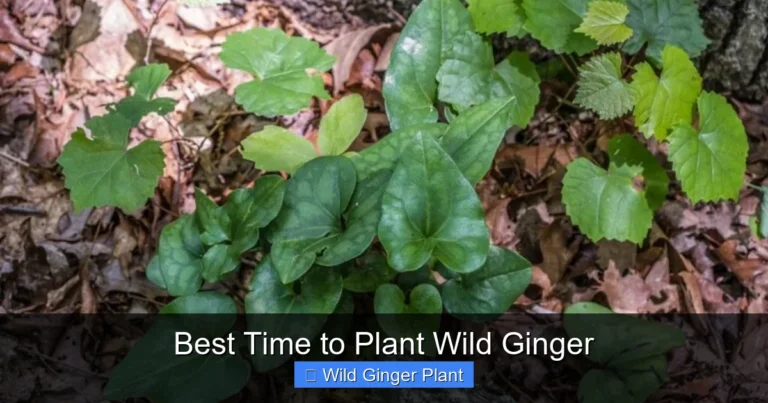
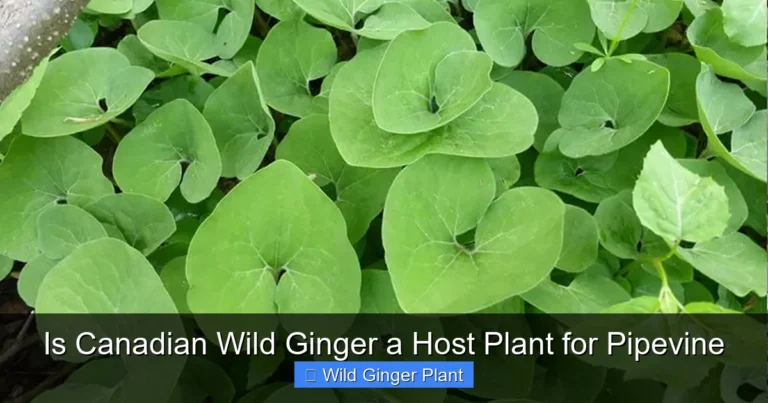
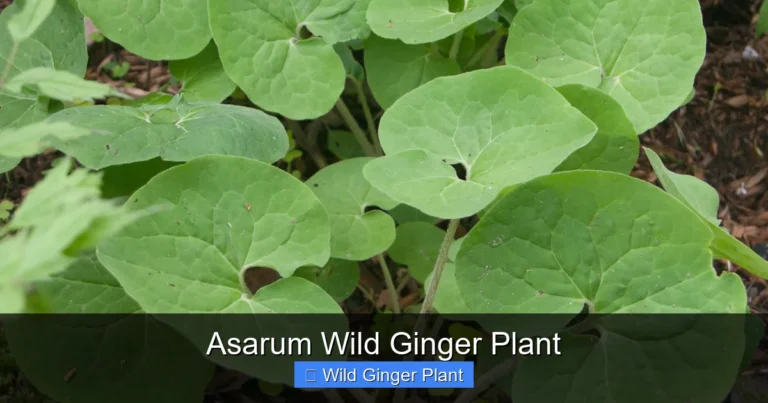
If you have been searching for where can i buy wild ginger plants near 44145, you are not alone. More Cleveland gardeners are discovering the beauty of this native woodland groundcover. Wild ginger, known botanically as Asarum canadense, creates a lush carpet of heart-shaped leaves in shady spots where grass refuses to grow. The plant produces unusual jug-shaped flowers hidden beneath the foliage in spring. These flowers attract early pollinators and add a touch of mystery to the shade garden.
Finding healthy, nursery-propagated wild ginger plants takes a bit of know-how. Big box stores rarely carry this native specialty. You need to know which local nurseries stock it, when native plant sales happen, and which online retailers ship quality plants to the Cleveland area. This guide walks you through every option for buying wild ginger near zip code 44145. You will learn what to look for, when to plant, and how to help your new plants thrive for years to come.
Understanding Wild Ginger Before You Buy
What Is Wild Ginger?
Wild ginger is not related to the culinary ginger root found in grocery stores. That ginger is Zingiber officinale, a tropical plant. Our native wild ginger belongs to the birthwort family, Aristolochiaceae. It grows naturally in rich, moist woodlands across eastern North America. The plant spreads slowly by underground rhizomes to form dense colonies. Each plant reaches six to twelve inches tall. The kidney-shaped leaves stay attractive all season long.
Why Choose Native Wild Ginger?
Native plants like wild ginger offer huge benefits for Cleveland gardens. They evolved here alongside local insects, birds, and soil microbes. This means they need less water, no fertilizer, and minimal care once established. Wild ginger provides early nectar for native bees and flies. Its dense foliage suppresses weeds naturally. The roots help stabilize soil on shady slopes. Deer and rabbits typically leave it alone. It is a true problem-solver for difficult shade.
Wild Ginger vs. European Ginger
You may also see European wild ginger, Asarum europaeum, for sale. This species has shinier, more leathery leaves and stays evergreen in mild winters. It grows similarly but is not native to Ohio. For ecological gardening, choose the native Asarum canadense. It supports more local wildlife. Some nurseries carry both. Always check the botanical name on the label before buying.
Best Local Nurseries Near 44145 for Wild Ginger
Petitti Garden Centers
Petitti operates several locations around Cleveland. Their Rocky River and Avon stores often carry native perennials in spring. Call ahead in April or May to ask about wild ginger availability. Staff can check inventory across locations. Petitti sometimes offers a native plant section with helpful signage. Prices are reasonable for gallon-sized plants.
Gardenview Horticultural Park
Located in Strongsville, Gardenview is a hidden gem for native plant enthusiasts. Their retail area sells plants grown on-site. The selection changes weekly in spring. They focus on Ohio natives and rare woodland species. Wild ginger appears regularly in their shade plant offerings. The staff knows exactly where each plant came from and how to grow it.
Willoway Nurseries
Willoway in Avon is a major wholesale grower with a retail yard open to the public. They produce thousands of native perennials. Wild ginger is often available in quart and gallon pots. Spring weekends are busy. Visit on a weekday for better selection and staff attention. Their plants are grown in Ohio conditions, so they transplant well.
Bremec Garden Centers
Bremec has locations in Chesterland and Gates Mills. Both carry a rotating selection of native perennials. The Chesterland store has a dedicated native plant area. Staff members are knowledgeable about shade gardening. They can recommend companion plants for your wild ginger. Check their website or Facebook page for spring arrival updates.
Local Independent Nurseries Worth the Drive
Several smaller nurseries within an hour of 44145 specialize in natives. Natives in Harmony in Marengo focuses exclusively on Ohio genotype plants. Their wild ginger comes from local seed sources. Scioto Gardens in Delaware carries an impressive woodland plant selection. Both are worth a weekend trip for serious native gardeners. You will find plants and expertise unavailable at general garden centers.
Native Plant Sales and Conservation Group Events
Cleveland Metroparks Native Plant Sale
The Cleveland Metroparks hosts an annual native plant sale each spring, usually in May. This is one of the best sources for wild ginger near 44145. Plants are grown from locally collected seed. Proceeds support park conservation work. The sale draws big crowds. Arrive early for the best selection. Volunteers can help you choose the right plants for your site conditions.
Nature Center at Shaker Lakes Plant Sale
This beloved spring sale features natives grown by volunteers. Wild ginger is a staple offering. The sale typically happens on a Saturday in early May. Plants are affordable and well-labeled. Experts are on hand to answer questions. It is a great community event and a reliable plant source.
Holden Forests & Gardens Plant Sales
Holden Arboretum and Cleveland Botanical Garden both host plant sales. Their spring and fall sales include woodland natives. Members get early access. The plants are top quality, often grown in their own nurseries. Check their websites for exact dates. These sales are excellent for finding less common native species too.
Western Reserve Land Conservancy Events
This organization occasionally hosts native plant sales or gives away plants at events. Sign up for their email list to stay informed. Their plants come from restoration projects and local seed collections. You might find wild ginger at a popup sale or community planting day.
Master Gardener Volunteer Plant Sales
Cuyahoga County Master Gardeners hold an annual plant sale, usually in May. They sell divisions from their own gardens and donated plants. Wild ginger appears when volunteers have it to share. Prices are very low. The sale supports their educational programs. Arrive at opening time for native plants.
Online Retailers Shipping Wild Ginger to 44145
Prairie Moon Nursery
Prairie Moon in Minnesota is a gold standard for native plants. They sell bare-root wild ginger rhizomes in spring and fall. Their plants are nursery-propagated, never wild-dug. Shipping to Ohio is fast and reliable. The website provides detailed planting instructions. Prices are competitive, especially for larger orders. Order early as popular items sell out.
Prairie Nursery
Based in Wisconsin, Prairie Nursery ships potted wild ginger plants spring through fall. They offer quart and gallon sizes. Their plants are grown in Midwest conditions similar to Cleveland. The website has excellent cultural information. They guarantee live delivery. Shipping costs are reasonable for the region.
Izel Native Plants
Izel is an online marketplace connecting buyers with multiple native plant nurseries. You can compare prices and pot sizes from different growers. Several sellers offer wild ginger. Filter by location to find nurseries shipping to Ohio. This is a great way to find the best deal on the size you want.
Gardens of the Blue Ridge
This North Carolina nursery ships beautiful potted native perennials. Their wild ginger plants are large and well-rooted. They ship spring through fall, avoiding extreme heat. Packaging is excellent. Plants arrive ready to plant. A bit pricier but the quality justifies it for many gardeners.
Etsy and Small Growers
Many small native plant growers sell on Etsy. Search for “Asarum canadense” or “wild ginger plant.” Look for sellers with high ratings and clear photos. Ask about their propagation methods. Avoid anyone selling “wild harvested” plants. Small growers often offer personal advice and unusual varieties. Shipping from nearby states like Pennsylvania or Michigan is fastest.
When to Buy and Plant Wild Ginger in Cleveland
Spring Buying and Planting
Spring is the most popular time to buy wild ginger near 44145. Nurseries stock up in April and May. Native plant sales happen April through June. Planting in spring gives roots time to establish before summer heat. Aim to plant after the last frost date, typically mid-May in Cleveland. Keep new plants well-watered through their first summer. Spring-planted wild ginger may flower the following year.
Fall Buying and Planting
Fall is actually the best time to plant wild ginger in Ohio. Soil stays warm while air temperatures cool. Roots grow actively until the ground freezes. Plants face less heat stress. Many nurseries discount perennials in September and October. Some native plant sales happen in fall. Plant at least six weeks before the ground freezes, usually by late October. Fall-planted wild ginger emerges strong in spring.
Bare-Root vs. Potted Plants
Online retailers often sell bare-root wild ginger in spring and fall. These are dormant rhizomes with roots but no leaves. They are cheaper to ship and establish quickly if planted promptly. Potted plants from local nurseries have active growth. You can see the plant’s health immediately. Both work well. Bare-root plants need planting within a day or two of arrival. Potted plants can wait a week or two if kept watered in shade.
Timing Your Purchase for Best Selection
For the widest choice, shop early. Local nurseries get their best native plant shipments in April. Popular items sell out by June. Native plant sales have the best selection on opening day. Online retailers take pre-orders in winter for spring shipping. Order by February for the best chance at bare-root wild ginger. Fall selection is more limited but prices may be better.
What to Look for When Buying Wild Ginger
Healthy Plant Signs
Whether buying locally or receiving a shipment, check for healthy signs. Leaves should be deep green, not yellow or spotted. No holes or chewed edges from pests. The crown should feel firm, not mushy. Roots visible at drainage holes should be white or light tan, not dark and rotting. The pot should not be root-bound with roots circling tightly. A few emerging flower buds in spring are a bonus.
Pot Size Considerations
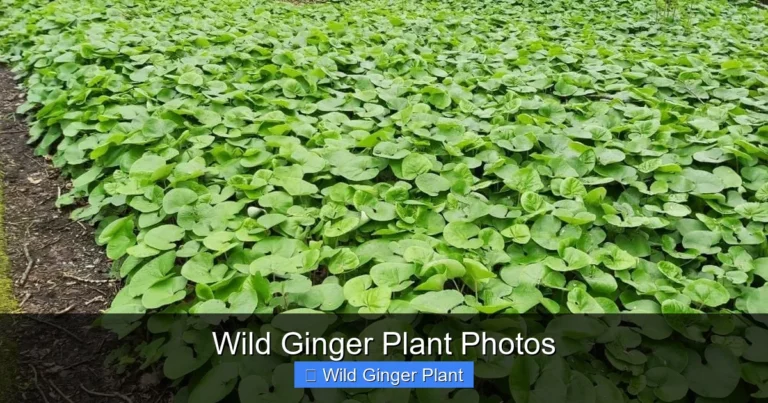
Wild ginger grows slowly at first. Quart pots (4-inch) are economical but take longer to fill in. Gallon pots give you a bigger plant faster. For covering ground quickly, buy more smaller plants rather than fewer large ones. Space plants twelve to eighteen inches apart. They will knit together in two to three years. Bare-root divisions with two to three growing points establish well.
Ask About Propagation Methods
Ethical nurseries propagate wild ginger from seed or division. Never buy plants dug from the wild. This depletes natural populations and often spreads invasive worms. Ask the seller: “Are these nursery-propagated?” Reputable sources will say yes proudly. If they hesitate or say “locally sourced,” ask for clarification. Support nurseries that grow their own or buy from verified propagators.
Ohio Genotype Matters
Plants grown from Ohio seed sources are adapted to our climate, soils, and pests. They handle Cleveland winters and humid summers better than plants from southern or western populations. Ask if the nursery uses local ecotype seed. Natives in Harmony and conservation group sales prioritize Ohio genotypes. This gives you the best long-term success.
Preparing Your Site for Wild Ginger
Choosing the Right Location
Wild ginger needs shade. Dappled shade under deciduous trees is ideal. Morning sun with afternoon shade works too. Avoid full sun and deep, dark shade under evergreens. The plant grows in rich forest soils. If your soil is heavy clay or sandy, amend it. Pick a spot where leaves naturally accumulate. This mimics the forest floor conditions wild ginger loves.
Soil Preparation Steps
Test your soil if unsure of its quality. Wild ginger prefers slightly acidic to neutral pH, 5.5 to 7.0. Work in two to three inches of compost or leaf mold. This improves drainage in clay and moisture retention in sand. Remove all grass and weeds thoroughly. Do not use herbicides near where you will plant. Hand-pull weeds or smother with cardboard and mulch for a few months before planting.
Planting Technique for Success
Dig a hole twice as wide as the pot but no deeper. Gently loosen circling roots. Place the plant so the crown sits at soil level. Backfill with amended soil. Firm gently around roots. Water thoroughly to settle soil. Apply two inches of shredded leaf mulch or pine fines. Keep mulch away from the crown. Water weekly through the first growing season unless rain provides an inch.
Companion Plants for Wild Ginger
Wild ginger plays well with other shade natives. Plant it with Christmas fern, maidenhair fern, or lady fern for texture contrast. Foamflower (Tiarella cordifolia) blooms at the same time with airy white spikes. Wild geranium (Geranium maculatum) adds pink flowers above the ginger carpet. Solomon’s seal (Polygonatum biflorum) arches gracefully over the low foliage. Spring ephemerals like trillium and bloodroot bloom before ginger leafs out fully.
Caring for Your Wild Ginger After Planting
Watering Needs
Consistent moisture is key for wild ginger. The soil should never dry out completely. Water deeply once a week during dry spells. Mulch helps retain moisture. After the first year, established plants tolerate brief dry periods. But they look best with regular moisture. A soaker hose under the mulch works well. Avoid overhead watering late in the day to prevent fungal issues.
Mulching and Soil Care
Maintain a two-inch layer of organic mulch year-round. Shredded leaves are perfect and free in fall. Pine fines or bark mulch work too. Mulch suppresses weeds, retains moisture, and feeds the soil as it breaks down. Add fresh mulch annually in spring or fall. Do not pile mulch against plant crowns. Let fallen tree leaves stay in the bed over winter. They provide natural insulation and nutrients.
Dividing and Propagating
Wild ginger spreads slowly. After three to five years, clumps may get crowded. Divide in early spring or fall. Dig up the clump. Gently pull apart rhizomes with roots attached. Replant divisions immediately at the same depth. Water well. Share extras with friends or expand your own planting. Division rejuvenates older plants and increases your groundcover quickly.
Dealing with Problems
Wild ginger has few serious problems. Slugs may nibble leaves in wet springs. Use beer traps or diatomaceous earth if damage is heavy. Crown rot occurs in poorly drained soil. Improve drainage or move plants. Leaf spots are usually cosmetic. Remove affected leaves. Deer and rabbits rarely browse wild ginger. The biggest threat is planting in too much sun or letting plants dry out.
Cost Considerations and Budget Tips
Price Ranges by Source
Expect to pay different prices depending on where you buy. Local nurseries: $8 to $15 for a quart, $12 to $20 for a gallon. Native plant sales: $5 to $10 per plant, often smaller pots. Online bare-root: $4 to $8 per division plus shipping. Online potted: $10 to $18 plus shipping. Etsy sellers: $6 to $15 plus shipping. Buying in quantity often reduces per-plant cost.
Saving Money on Wild Ginger
Start with fewer plants and divide them yourself in a few years. Attend native plant sales for the lowest prices. Join a local native plant society for member discounts and plant swaps. Check if your city offers native plant rebates or free plant programs. Some conservation districts sell plants at cost. Split an online order with gardening friends to share shipping costs. Buy bare-root in spring for the best value per plant.
Investing in Quality Pays Off
Cheap plants that fail cost more in the long run. Healthy, nursery-propagated plants from reputable sources establish faster and live longer. They are free of invasive jumping worms that sometimes hitchhike on poorly inspected plants. Quality plants support ethical growers who protect wild populations. Consider it an investment in your garden’s ecology and beauty for decades.
Conclusion
Finding where can i buy wild ginger plants near 44145 opens up a world of native gardening possibilities. You now have a complete roadmap: local nurseries like Petitti and Gardenview, exceptional native plant sales from Metroparks and nature centers, and reliable online retailers shipping right to your Cleveland door. The key is buying nursery-propagated plants, ideally from Ohio seed sources, and planting them in prepared shade with consistent moisture.
Wild ginger rewards your effort with a living carpet that solves shade gardening challenges beautifully. It supports native pollinators, suppresses weeds, and asks little in return. Whether you start with three plants from a spring sale or order a dozen bare-root divisions online, you are joining a growing movement of Cleveland gardeners restoring native plant communities one yard at a time. Your shade garden will never be the same.
Visit a local nursery this April. Mark your calendar for the Metroparks plant sale. Browse Prairie Moon’s website in January. However you acquire your first wild ginger plants, plant them with confidence knowing you have chosen one of Ohio’s most valuable native groundcovers. The heart-shaped leaves unfurling each spring will remind you that gardening with natives is both beautiful and meaningful.
Frequently Asked Questions
Where can I buy wild ginger plants near 44145?
You can buy wild ginger at local nurseries like Petitti Garden Centers, Gardenview Horticultural Park, and Bremec Garden Centers. The Cleveland Metroparks and Nature Center at Shaker Lakes native plant sales in May are excellent sources. Online retailers like Prairie Moon Nursery and Prairie Nursery ship to 44145.
Is wild ginger the same as cooking ginger?
No, wild ginger (Asarum canadense) is not related to culinary ginger (Zingiber officinale). Wild ginger is a native woodland groundcover with heart-shaped leaves. Its roots have a ginger-like scent but it is not used as a culinary spice.
How fast does wild ginger spread?
Wild ginger spreads slowly by underground rhizomes, typically forming a dense colony over three to five years. Plants spaced twelve to eighteen inches apart will knit together into a continuous groundcover. It is not aggressive or invasive.
Can wild ginger grow in full shade?
Yes, wild ginger thrives in full to dappled shade. It prefers the filtered light under deciduous trees. Avoid deep, dark shade under dense evergreens and full sun locations which will scorch the leaves.
Do I need to water wild ginger after it’s established?
Established wild ginger tolerates brief dry periods but looks best with consistent moisture. Water during extended droughts. A two-inch mulch layer helps retain soil moisture and reduces watering needs.
Is it legal to dig wild ginger from the woods?
No, digging wild ginger from public land is illegal without a permit. On private land, you need landowner permission. Removing plants from the wild depletes natural populations and can introduce invasive species. Always buy nursery-propagated plants.