When to Plant Wild Ginger Seeds Zone 7
Plant wild ginger seeds in zone 7 during late fall (November) for natural cold stratification, or early spring (March) after artificial stratification. This native woodland perennial thrives in shady, moist conditions with rich organic soil. Proper timing ensures strong root development before summer heat arrives.
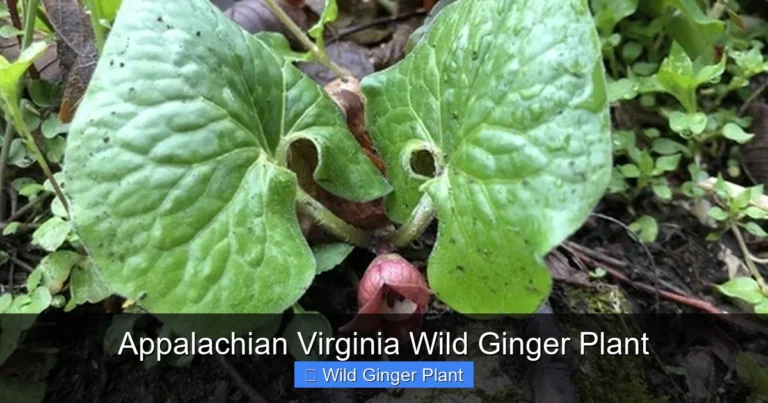
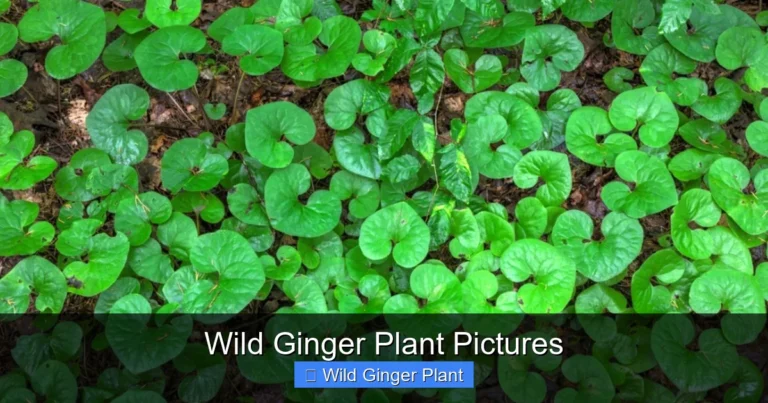
If you’ve ever wandered through a moist Appalachian woodland in spring, you’ve likely spotted wild ginger’s heart-shaped leaves carpeting the forest floor. This charming native perennial, known botanically as Asarum canadense, has become a favorite among shade gardeners across zone 7. But here’s the thing – timing makes all the difference between a thriving patch and disappointed expectations. When to plant wild ginger seeds zone 7 isn’t just a calendar question. It’s about understanding this plant’s unique life cycle and working with nature’s rhythms rather than against them.
I’ve spent years helping gardeners establish native woodland plants, and wild ginger consistently ranks among the most rewarding – yet most misunderstood – species. The seeds have a built-in dormancy mechanism that frustrates beginners but makes perfect ecological sense. In nature, seeds fall in summer, experience winter’s chill, then germinate when spring warmth returns. Our job as gardeners is simply to mimic this cycle. Whether you’re creating a native plant sanctuary, filling in difficult shady spots, or building a pollinator-friendly garden, getting the timing right sets the foundation for decades of beautiful groundcover.
Key Takeaways
- Optimal planting window: Late fall (November) is ideal for natural cold stratification in zone 7
- Spring alternative: Early March planting works with 60-90 days of artificial cold stratification
- Soil requirements: Rich, well-draining soil with 3-4 inches of organic matter incorporated
- Light needs: Full to partial shade – avoid afternoon sun which scorches leaves
- Moisture consistency: Keep soil evenly moist but never waterlogged during establishment
- Germination timeline: Expect 30-60 days for sprouts after proper stratification period
- First-year care: Focus on root development; plants spread slowly via rhizomes
Quick Answers to Common Questions
Can I plant wild ginger seeds in spring in zone 7 without cold stratification?
No, wild ginger seeds require 60-90 days of cold stratification (35-40°F) to break dormancy. Without this cold period, seeds planted in spring will not germinate until they experience a winter cycle, often resulting in poor or delayed germination.
How deep should I plant wild ginger seeds?
Wild ginger seeds should be pressed into the soil surface and barely covered with 1/8 inch of fine leaf mold or screened compost. They need light exposure and good soil contact but will not emerge if buried deeply.
How long does it take for wild ginger seeds to germinate in zone 7?
After proper cold stratification, wild ginger seeds typically germinate in 30-60 days when soil temperatures reach 50-65°F in spring. Fall-planted seeds germinate naturally in March-April as soils warm.
Will wild ginger grow in dry shade in zone 7?
Wild ginger requires consistent moisture and will not thrive in dry shade. It needs soil that stays evenly moist (like a wrung-out sponge). In dry shade, amend soil heavily with organic matter, mulch deeply, and provide supplemental irrigation during dry periods.
Can I collect wild ginger seeds from the wild for my garden?
Only collect seeds with explicit landowner permission and never from protected areas like parks or preserves. Take no more than 10% of seeds from any population. Purchasing from reputable native plant nurseries is more ethical and ensures proper seed handling.
📑 Table of Contents
- Understanding Wild Ginger and Its Growing Requirements
- Zone 7 Climate Considerations for Wild Ginger
- Best Time to Plant Wild Ginger Seeds in Zone 7
- Preparing Your Garden for Wild Ginger Seeds
- Step-by-Step Planting Process
- Caring for Wild Ginger After Planting
- Common Problems and Solutions
- Long-Term Growth and Colony Development
- Conclusion
Understanding Wild Ginger and Its Growing Requirements
What Makes Wild Ginger Unique
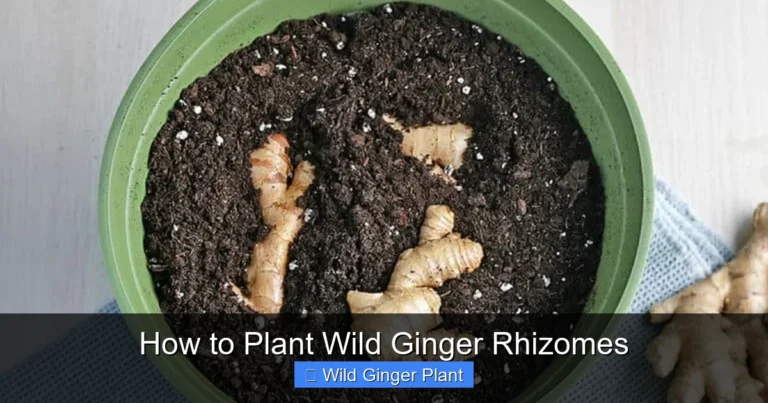
Wild ginger isn’t related to the culinary ginger you buy at the grocery store. That’s Zingiber officinale, a tropical plant from Southeast Asia. Our native wild ginger belongs to the birthwort family, Aristolochiaceae, and grows naturally across eastern North America from Canada down to the southeastern states. The common name comes from the ginger-like aroma of its rhizomes when crushed, though the flavor is far more pungent and the plant contains compounds that make it unsuitable for regular culinary use.
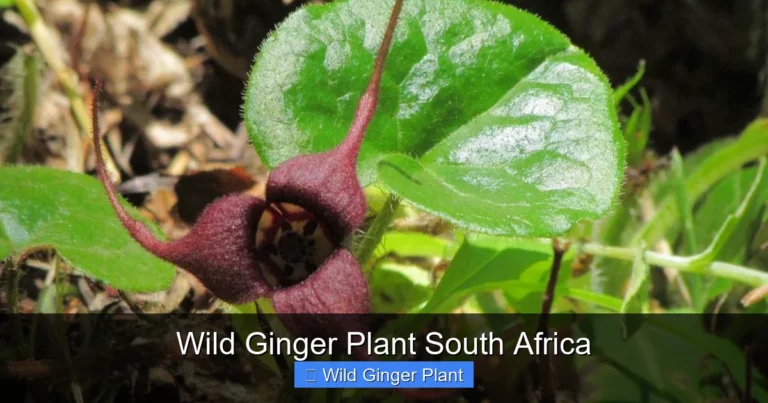
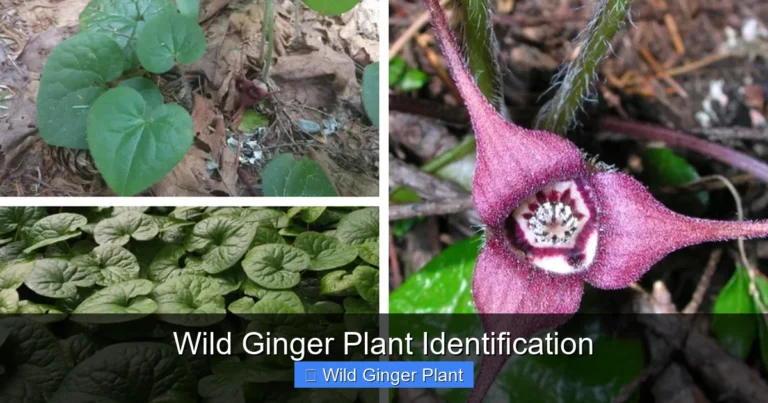
This low-growing perennial reaches just 6-12 inches tall but spreads steadily via underground rhizomes to form dense colonies. Each plant produces a pair of large, kidney-shaped leaves that can span 6-8 inches across. The flowers are fascinating but easily missed – they bloom at ground level in early spring, hidden beneath the leaf litter. These jug-shaped, purplish-brown blooms are pollinated by early-emerging flies and beetles attracted to their faint carrion-like scent. After pollination, the plant produces seeds with fleshy appendages called elaiosomes that ants carry away, effectively planting them in their nutrient-rich nest middens.
Zone 7 Climate Profile
USDA hardiness zone 7 spans a broad swath across the United States, from the Pacific Northwest through the central states and into the Mid-Atlantic. Zone 7a experiences average annual minimum temperatures of 0-5°F (-18 to -15°C), while zone 7b ranges from 5-10°F (-15 to -12°C). This zone includes cities like Oklahoma City, Little Rock, Nashville, Raleigh, Richmond, and parts of the Virginia piedmont and coastal plain.
The zone 7 growing season typically offers 180-210 frost-free days. Last spring frost dates range from early April in the southern portions to late April in northern areas. First fall frost arrives between late October and mid-November. Summers bring heat and humidity, with July highs often in the upper 80s to low 90s°F. Winters are cool but not severe enough to kill established wild ginger, which is hardy to zone 3. The key challenge for zone 7 gardeners isn’t winter cold – it’s summer heat and drought stress on this moisture-loving woodland plant.
Natural Habitat Clues for Garden Success
Understanding where wild ginger grows in nature tells you exactly what it needs in your garden. In the wild, you’ll find it in rich, deciduous forests with deep leaf litter, consistent moisture, and dappled to deep shade. The soil is typically slightly acidic (pH 5.5-6.5), high in organic matter, and well-drained yet moisture-retentive. It grows alongside companions like Christmas fern, bloodroot, trillium, mayapple, and jack-in-the-pulpit.
This habitat preference translates directly to garden requirements. Wild ginger will not tolerate full sun, heavy clay without amendment, dry sandy soils, or alkaline conditions. It also dislikes competition from aggressive spreaders like English ivy or periwinkle. But give it a shady spot under mature trees, amend the soil with compost and leaf mold, and keep it mulched and watered during dry spells, and it will reward you with a lush, weed-suppressing carpet that gets better every year.
Zone 7 Climate Considerations for Wild Ginger
Temperature Patterns and Seed Dormancy
Wild ginger seeds exhibit what botanists call morphophysiological dormancy. This means the embryo is underdeveloped when the seed falls from the plant and requires both time and specific temperature sequences to mature and break dormancy. In nature, seeds ripen in early summer, fall to the forest floor, and sit through warm late summer and early fall temperatures. This warm period allows the embryo to grow and mature. Then winter’s cold temperatures (35-45°F for 60-90 days) break the physiological dormancy. Finally, spring warmth triggers germination.
Zone 7’s climate aligns beautifully with this natural cycle. Our summers provide the necessary warm stratification period. Our winters reliably deliver the cold stratification requirement. And our springs offer the gradual warming that signals germination. This is why fall planting works so well here – you’re simply letting nature do the work. The seeds experience the exact temperature sequence they evolved to require, without any intervention on your part.
Rainfall and Moisture Considerations
Zone 7 precipitation varies significantly across the region. Eastern zone 7 areas like the Carolinas and Virginia receive 40-50 inches annually, well-distributed throughout the year. Central areas like Tennessee and Arkansas see 45-55 inches. Western zone 7 in Oklahoma and Texas may receive only 30-40 inches with more pronounced summer dry periods. Regardless of your sub-region, wild ginger needs consistent moisture during its active growing season (spring through fall).
The critical period for newly planted seeds is the first spring after germination. Young seedlings have tiny root systems and dry out quickly. In drier zone 7 areas, you’ll need to supplement rainfall regularly. Even in wetter regions, spring droughts of 2-3 weeks can kill an entire cohort of seedlings. Plan for irrigation access in your planting area, or choose a naturally moist site like a low spot, near a downspout, or at the edge of a woodland where soil retains moisture longer.
Microclimate Matters More Than Zone
Your specific planting site’s microclimate often matters more than the broad zone designation. A north-facing slope under mature oaks creates a cooler, moister microclimate that might function like zone 6 for wild ginger. A south-facing spot near a heat-reflecting wall might act like zone 8, stressing the plants. Observe your property through the seasons. Where does snow linger longest? Where does the soil stay damp after rain? Where do ferns and mosses grow naturally? These indicators point to the best wild ginger locations.
Urban and suburban gardens often have altered microclimates. Buildings create shade patterns that change with seasons. Irrigation systems create artificially moist zones. Removed tree canopies increase light and heat. When planning your wild ginger planting, assess the actual conditions at ground level throughout the year, not just the zone map designation.
Best Time to Plant Wild Ginger Seeds in Zone 7
Primary Window: Late Fall (November)
The absolute best time to plant wild ginger seeds in zone 7 is November, after the first few frosts but before the ground freezes solid. In most zone 7 areas, this means early to mid-November in 7a and mid to late November in 7b. The soil is still workable but has cooled to the 40-50°F range. Seeds planted now will experience the full natural cold stratification period through December, January, and February. They’ll germinate when soil temperatures rise into the 50s and 60s in March and April.
Fall planting offers several advantages. First, it requires zero artificial stratification – you simply plant and walk away. Second, fall rains typically keep soil moist without supplemental watering. Third, the seeds settle into the soil naturally through freeze-thaw cycles, achieving good soil contact. Fourth, seedlings emerge in sync with natural spring conditions, avoiding the shock of transitioning from refrigerator to garden. Fifth, you avoid the risk of mold or premature germination that can happen with artificial stratification if not monitored carefully.
Secondary Window: Early Spring (March) with Artificial Stratification
If you miss the fall window or acquire seeds in winter, early March planting works well in zone 7 – but only after proper artificial cold stratification. You’ll need to start the stratification process 60-90 days before your intended planting date. For early March planting, that means beginning stratification in early to mid-December. The process is straightforward: mix seeds with moist (not wet) sand or peat moss in a zip-top bag, label with date and species, and place in the refrigerator (not freezer) at 35-40°F.
Check the bag weekly for mold and to ensure the medium stays moist. After 60-90 days, remove seeds and plant immediately in prepared beds. Spring-planted seeds typically germinate in 30-45 days as soils warm. The disadvantage is that you must maintain consistent moisture through spring and early summer, which can be challenging during dry spells. Spring-planted seedlings also face their first summer heat with less developed root systems than fall-planted counterparts.
Why Summer and Late Spring Planting Fail
Planting wild ginger seeds in late spring (May-June) or summer in zone 7 almost guarantees failure. Seeds planted in warm soil without prior cold stratification will simply sit dormant, often rotting or being eaten by insects and rodents. They won’t germinate until they’ve experienced a winter. Some gardeners try “speeding up” the process with shortened stratification periods, but wild ginger seeds are stubborn – they really do need that full 60-90 days of cold. Shortcuts typically result in spotty, low-percentage germination.
There’s also a practical consideration: wild ginger seeds don’t store well at room temperature. They lose viability rapidly when kept dry and warm. Fresh seeds planted in fall have the highest germination rates. Seeds stored through winter at room temperature may drop to 20-30% viability by spring. If you must store seeds, keep them in the refrigerator in slightly moist medium from harvest until planting.
Reading Natural Indicators for Perfect Timing
Instead of relying solely on calendar dates, learn to read nature’s signals. The ideal fall planting window opens when: deciduous trees have dropped most leaves, soil temperature at 2-inch depth stays below 50°F consistently, you’ve had at least two hard frosts (28°F or below), and fall rains have thoroughly moistened the soil profile. In zone 7, these conditions typically align in early to mid-November.
For spring planting, the window opens when: soil is workable (not soggy), daytime temperatures regularly reach the 50s and 60s, danger of hard freeze has passed (though light frosts are fine), and you’ve completed the required stratification period. In zone 7, this usually means early to mid-March. Planting by these natural indicators rather than fixed dates accounts for year-to-year weather variation and your specific microclimate.
Preparing Your Garden for Wild Ginger Seeds
Site Selection and Evaluation
Before you plant a single seed, spend time evaluating potential sites. Wild ginger is a long-term investment – these plants can live for decades and spread slowly but steadily. Choose a location that meets these criteria: full to partial shade (morning sun only, no afternoon sun), protection from drying winds, soil that retains moisture but drains within a few hours after heavy rain, proximity to a water source for supplemental irrigation, and minimal competition from aggressive roots of large trees like maples or beeches.
Test your soil before amending. Wild ginger prefers pH 5.5-6.5. Zone 7 soils vary widely – from acidic clay in the Piedmont to alkaline limestone soils in parts of Tennessee and Kentucky. A simple soil test from your county extension service costs $10-20 and tells you exactly what amendments you need. If pH is above 6.8, incorporate elemental sulfur or pine bark fines to lower it. If below 5.0, add garden lime. Adjusting pH takes months, so test and amend in early fall for November planting.
Soil Preparation: The Foundation of Success
Wild ginger’s natural habitat has deep, loose, organic-rich soil built by centuries of leaf litter decomposition. Your garden soil likely needs help matching this. Start by removing all existing vegetation – grass, weeds, invasive groundcovers. Don’t just till them under; many will resprout. Use a sharp spade to cut and remove sod, or smother with cardboard and mulch for 2-3 months before planting.
Loosen the soil to 8-10 inches depth using a garden fork (not a rototiller, which destroys soil structure). Incorporate 3-4 inches of well-rotted compost, leaf mold, or aged hardwood mulch. If your soil is heavy clay, add 1-2 inches of coarse sand or fine pine bark along with the organic matter. The goal is a soil that holds moisture like a wrung-out sponge but drains excess water within hours. Rake smooth, removing rocks and large roots. Water deeply and let settle for a week before planting.
Creating the Ideal Seed Bed
Wild ginger seeds are small (about 2-3mm) and need good soil contact but shouldn’t be buried deeply. After your amended soil has settled, lightly rake the surface to create a fine, crumbly texture. Don’t compact it – you want a loose surface layer about 1/4 inch deep. If the soil is dry, water gently until moist but not soggy. The seed bed should feel cool and damp when you press a finger into it.
Consider creating a dedicated nursery bed for your first attempt. A 3×6 foot raised bed or framed area lets you control conditions perfectly and monitor germination closely. Once you have established plants, you can divide rhizomes to expand your planting – much faster than starting from seed each time. But for that initial establishment, a prepared nursery bed gives you the best control and highest success rate.
Mulch Strategy for Seed Planting
Mulch is critical for wild ginger, but you can’t apply heavy mulch over seeds – they need light to germinate (or at least, they need to not be smothered). The solution: plant seeds into bare prepared soil, then apply a very light dusting of fine leaf mold or screened compost – just enough to barely cover seeds (1/8 inch max). Once seedlings emerge and develop their first true leaves (usually 4-6 weeks after germination), gradually add coarser mulch like shredded leaves or pine straw around but not over the tiny plants. Build to 2-3 inches depth by summer.
Step-by-Step Planting Process
Fall Planting: The Natural Method
For November planting in zone 7, follow this process. First, acquire fresh seeds from a reputable native plant nursery or collect them yourself if you have access to a wild population (with permission, never from protected lands). Seeds should be plump, not shriveled, and ideally still have their elaiosomes attached. If seeds appear dry, soak them in room temperature water for 24 hours before planting to rehydrate.
On planting day, ensure your prepared bed is moist but not waterlogged. Scatter seeds thinly across the surface – aim for about 10-15 seeds per square foot. They need space to develop without overcrowding. Don’t worry about perfect spacing; you can thin later if needed. Gently press seeds into the soil surface using a flat board or your hand. This ensures good soil contact without burying them. Apply your light dusting of fine leaf mold or screened compost. Water with a fine mist or gentle shower setting – avoid heavy streams that displace seeds.
Label the area clearly with variety, planting date, and seed source. Place markers at corners and consider a temporary fence or netting if you have issues with squirrels, chipmunks, or birds disturbing the bed. In zone 7, fall rains usually provide adequate moisture, but check weekly and water if the top inch of soil becomes dry. Then wait. That’s it. Nature handles the rest.
Spring Planting: The Controlled Method
For March planting after artificial stratification, the process differs slightly. Remove stratified seeds from the refrigerator and let the bag come to room temperature for an hour (prevents condensation shock). Prepare your bed exactly as for fall planting – moist, fine surface, light dusting of fine organic matter ready. Plant stratified seeds immediately – don’t let them dry out or warm up significantly.
Plant at the same density: 10-15 seeds per square foot. Press gently for contact, apply the fine covering, and water gently but thoroughly. Spring-planted beds need more attentive watering. Check daily for the first two weeks, then every 2-3 days. The soil surface must never dry out completely during germination. A light row cover or shade cloth suspended 6-12 inches above the bed can help retain moisture and moderate temperature swings.
Spring planting has one advantage: you can see germination happening and troubleshoot in real time. If seeds aren’t sprouting after 60 days, something went wrong with stratification or seed viability. Fall planting requires more patience and faith in the process.
Seed Handling and Viability Tips
Wild ginger seeds are recalcitrant – they cannot survive drying out. Commercial seeds are usually stored moist and cold. If you receive seeds by mail, plant immediately or store in the refrigerator in their original packaging. Don’t open the packet until planting day. If collecting your own seeds, harvest when the seed capsules split open naturally (usually June-July in zone 7). The seeds will have white, fleshy elaiosomes attached. Plant immediately or store in moist vermiculite in the refrigerator. Viability drops sharply after 3-4 months even under ideal storage.
Test viability before large-scale planting with a simple float test: place seeds in a cup of water. Viable seeds typically sink within a few hours; non-viable ones float. This isn’t 100% accurate but gives a rough indication. For more precision, cut a few seeds open – viable seeds have firm, white interiors; dead seeds are brown, mushy, or hollow.
Documentation and Record Keeping
Keep a simple garden journal for your wild ginger project. Record: seed source and date acquired, stratification method and dates (if applicable), planting date and weather conditions, seed density and bed dimensions, first germination date and percentage, notable weather events (droughts, heat waves, late frosts), and any pest or disease observations. This information becomes invaluable for future plantings and for sharing with other native plant enthusiasts. Photos at regular intervals create a wonderful visual record of the slow but steady establishment process.
Caring for Wild Ginger After Planting
First Spring: The Critical Establishment Period
Whether you planted in fall or spring, the first spring after germination is make-or-break. Seedlings emerge with a single embryonic leaf (cotyledon) followed by their first true leaf – a miniature version of the mature heart-shaped leaf. At this stage, they’re incredibly vulnerable to drying out, slug damage, and being smothered by falling leaves or aggressive neighbors.
Water is your primary tool. Check soil moisture daily by touching the surface. It should feel cool and damp, like a wrung-out sponge. Water gently at soil level – avoid wetting foliage which encourages fungal issues. In zone 7’s variable spring weather, you might water every 2-3 days during dry spells, or not at all during rainy periods. The key is consistency – never let the root zone dry completely, never let it become soggy.
Mulching Strategy as Plants Mature
As seedlings develop 2-3 true leaves (usually 6-8 weeks after emergence), begin building your mulch layer. Start with a light application of shredded leaves or pine straw, keeping it pulled back slightly from the crown of each tiny plant. Add more every few weeks until you reach 2-3 inches depth by early summer. This mulch layer does triple duty: conserves moisture, suppresses weeds, and slowly breaks down to feed the soil – exactly mimicking the forest floor environment wild ginger evolved in.
Avoid wood chips or bark nuggets for the first year – they’re too coarse and can smother small plants. Save those for established colonies. Also avoid piling mulch against plant crowns, which encourages rot. Think “donut, not volcano” – a ring of mulch around each plant, not a mound over it.
Weed Management Without Chemicals
Weeds are the biggest threat to young wild ginger. They grow faster, shade out seedlings, and compete for moisture and nutrients. But herbicides are out of the question – they’ll kill your wild ginger too. Hand-pulling is your only option, and it requires vigilance. Pull weeds when small, after rain when soil is moist, getting the entire root. Disturb wild ginger roots as little as possible. A weekly 10-minute weeding session prevents hours of difficult work later.
Common zone 7 weeds to watch for: Japanese stiltgrass (especially in shade), garlic mustard, chickweed, henbit, and various tree seedlings. Learn to distinguish wild ginger seedlings from weeds – the heart-shaped true leaves are distinctive once they appear. Before true leaves emerge, the single cotyledon looks like a small oval leaf; mark seedling locations with small stakes if needed.
Fertilization: Less Is More
Wild ginger in properly prepared soil needs little to no supplemental fertilizer. The organic matter you incorporated at planting, plus the decomposing mulch layer, provides a slow, steady nutrient release that matches the plant’s needs. If growth seems poor in year two, a light top-dressing of compost in early spring is sufficient. Never use synthetic fertilizers – they encourage lush, weak growth susceptible to pests and diseases, and can damage the beneficial mycorrhizal fungi that wild ginger depends on for nutrient uptake.
Summer Care in Zone 7 Heat
Zone 7 summers test wild ginger’s limits. July and August bring heat, humidity, and often dry spells. Established plants handle this by going semi-dormant – growth slows, leaves may look a bit tired. First-year plants need help. Maintain consistent moisture through irrigation if rainfall is less than 1 inch per week. A soaker hose or drip irrigation on a timer makes this easy. Morning watering is best – foliage dries quickly, reducing fungal risk.
If you notice leaves wilting in afternoon heat but recovering by morning, that’s normal. If they stay wilted into the morning, water immediately. Consider temporary shade cloth (30-40% shade) for first-year plants during extreme heat waves (95°F+). Remove it once temperatures moderate. Don’t fertilize during summer stress – it forces growth the roots can’t support.
Fall and Winter Care
As fall approaches in zone 7, wild ginger prepares for dormancy. Leaves may yellow and die back – this is normal. Don’t remove them; they become part of the mulch layer. Apply a fresh 1-2 inch layer of shredded leaves over the entire bed in late fall after trees drop their leaves. This insulates roots through winter and feeds next year’s growth.
In zone 7a, where winters are colder, this leaf mulch is especially important. In 7b, it’s still beneficial but less critical. Don’t use whole leaves – they mat down and smother plants. Shred them with a mower or leaf shredder first. Avoid walking on beds during winter when soil is frozen – this damages the shallow rhizomes.
Common Problems and Solutions
Poor Germination: Diagnosing the Cause
If your seeds don’t germinate, don’t assume failure immediately. Wild ginger germination is naturally sporadic – some seeds may sprout in year one, others in year two. But if you get zero germination by late spring, consider these causes: insufficient cold stratification (most common with spring planting), seeds dried out during storage or after planting, seeds planted too deeply, old or non-viable seeds, or rodent predation (mice and voles love these seeds).
To diagnose, carefully dig up a few seeds from different areas. If they’re mushy or hollow, they rotted or were never viable. If firm and white inside, they may just need more time or another winter cycle. Some gardeners report germination in year two after a failed year one – the seeds simply needed a second cold period. Patience is truly a virtue with this species.
Slug and Snail Damage
In moist, shady zone 7 gardens, slugs and snails are inevitable. They love tender wild ginger seedlings. Signs: irregular holes in leaves, silvery slime trails, seedlings disappearing overnight. Organic controls include: beer traps (shallow containers sunk to soil level), diatomaceous earth barriers (reapply after rain), copper tape around bed edges, hand-picking at night with a flashlight, and encouraging predators like toads, ground beetles, and birds with habitat features.
Avoid metaldehyde baits – they’re toxic to pets and wildlife. Iron phosphate baits (Sluggo, etc.) are safer but use sparingly. The best long-term strategy is maintaining a diverse garden ecosystem where predators keep slug populations in check naturally.
Fungal Issues: Damping Off and Leaf Spot
Overly wet conditions, poor air circulation, and crowded seedlings invite fungal problems. Damping off kills seedlings at soil level – they topple over with a pinched, dark stem. Leaf spots appear as brown or black lesions, often with yellow halos. Prevention is far easier than cure: ensure good air circulation (don’t overcrowd), water at soil level not overhead, thin seedlings to 4-6 inch spacing, and remove any diseased leaves promptly.
If damping off appears, immediately reduce watering, increase air flow, and apply a light dusting of cinnamon (natural antifungal) on soil surface. For leaf spot, remove affected leaves and improve spacing. Serious infections may require removing and destroying affected plants to protect the rest.
Root Competition from Trees
Planting under mature trees seems ideal for shade, but tree roots can outcompete wild ginger for moisture and nutrients. Maples, beeches, and willows are especially aggressive. If your wild ginger struggles despite good care, root competition may be the issue. Solutions: plant in raised beds with root barriers (landscape fabric on bottom), choose locations at the drip line rather than directly under trunks, increase irrigation and mulch depth, or accept slower growth and spread.
Deer and Rabbit Browsing
Wild ginger is often listed as deer-resistant, but “resistant” doesn’t mean “proof.” In high-pressure areas, deer may browse the foliage, especially in early spring when other food is scarce. Rabbits also nibble young leaves. Protection options: temporary fencing for first 2-3 years, repellent sprays (rotate brands to prevent habituation), planting in enclosed courtyard or fenced areas, or accepting some browsing as the cost of gardening with wildlife.
Long-Term Growth and Colony Development
Year-by-Year Expectations
Understanding the timeline prevents frustration. Year 1: seeds germinate, seedlings develop 1-3 leaves, focus is root establishment. Minimal visible spread. Year 2: plants larger, 3-5 leaves each, may produce first flowers (often hidden), rhizomes begin extending. Year 3: noticeable clumps forming, 6-10 leaves per plant, flowering more reliable, rhizomes spreading 2-4 inches per year. Year 4-5: dense patches developing, weed suppression becoming effective, division possible for propagation. Year 5+: mature colony, self-sustaining, spreading steadily, minimal maintenance needed.
This slow pace is normal and desirable. Fast-spreading groundcovers often become invasive. Wild ginger’s measured expansion means it stays where you put it and plays well with other shade plants.
Dividing Established Plants
Once you have a healthy colony (year 4-5), division is the fastest way to expand your planting. Early spring (March in zone 7) or early fall (September) are best. Dig a clump with a sharp spade, keeping as much soil on roots as possible. Tease apart rhizomes – each division needs at least 2-3 leaf pairs and a section of rhizome with roots. Replant immediately at same depth, water well, mulch. Divisions establish much faster than seedlings – often filling in within 1-2 years.
Seed Collection from Your Own Plants
Mature wild ginger plants produce seeds in early summer. Watch for the seed capsules to split open – they’ll reveal seeds with white elaiosomes. Collect promptly before ants disperse them. You can plant these fresh seeds immediately in new prepared beds (they’ll get natural stratification) or store moist in the refrigerator for spring planting with artificial stratification. Home-collected seeds are perfectly adapted to your specific microclimate.
Companion Planting for Woodland Gardens
Wild ginger shines in community. Excellent zone 7 companions include: Christmas fern (evergreen structure), foamflower (spring blooms), wild geranium (pink flowers), Solomon’s seal (arching stems), jack-in-the-pulpit (unique flowers), bloodroot (early white blooms), trillium (spring ephemerals), and native sedges (grassy texture). These plants share similar requirements and create a resilient, multi-season woodland garden that supports pollinators, birds, and beneficial insects.
Conclusion
When to plant wild ginger seeds zone 7 comes down to a simple choice: work with nature in November, or simulate nature in March. Both paths lead to the same destination – a lush, native groundcover that transforms difficult shade into a woodland treasure. The fall method asks for patience; the spring method asks for attention. Either way, you’re participating in an ancient ecological dance, helping a native plant reclaim its place in the landscape.
Remember that wild ginger teaches us to garden on nature’s timeline. It won’t rush. It won’t perform for instant gratification. But given the right start – proper timing, prepared soil, consistent moisture, and a gardener willing to wait – it will reward you with decades of quiet beauty. The heart-shaped leaves that emerge each spring carry the genetic memory of countless Appalachian springs. By planting them, you’re not just growing a plant. You’re stitching a small piece of native ecology back into the fabric of your garden.
Start this November. Prepare a bed. Scatter some seeds. Walk away. And when spring arrives and those first tiny leaves unfurl, you’ll understand why gardeners fall in love with this unassuming woodland native. Your zone 7 shade garden will never be the same.
Frequently Asked Questions
What is the exact best week to plant wild ginger seeds in zone 7?
The optimal planting week in zone 7 is typically the second week of November, after several hard frosts but before the ground freezes. This timing allows seeds to experience the full natural cold stratification period through winter for spring germination.
Do wild ginger seeds need light to germinate?
Wild ginger seeds don’t require light to germinate, but they must not be buried deeply. Press seeds onto moist soil surface and cover with only a dusting (1/8 inch) of fine organic matter. Deep planting prevents the tiny seedlings from reaching the surface.
How many wild ginger seeds should I plant per square foot?
Plant 10-15 seeds per square foot. This allows adequate space for seedlings to develop without overcrowding while accounting for natural germination rates of 50-70% under good conditions. Thin to 4-6 inch spacing if germination is dense.
Why didn’t my wild ginger seeds germinate the first spring?
Common causes include insufficient cold stratification, seeds drying out during storage or after planting, planting too deeply, old seeds with low viability, or rodent predation. Some seeds naturally require a second winter cycle and may germinate in year two.
Can wild ginger tolerate morning sun in zone 7?
Wild ginger tolerates gentle morning sun (2-3 hours) but cannot handle afternoon sun in zone 7. The intense summer heat and UV exposure scorch leaves and stress plants. Choose locations with dappled shade or morning-only sun exposure.
How fast does wild ginger spread from seed?
From seed, wild ginger is slow. Seedlings focus on root development for 2-3 years before noticeable rhizome spread begins. Expect 2-4 inches of radial spread per year once established. For faster coverage, divide established clumps in early spring or fall.