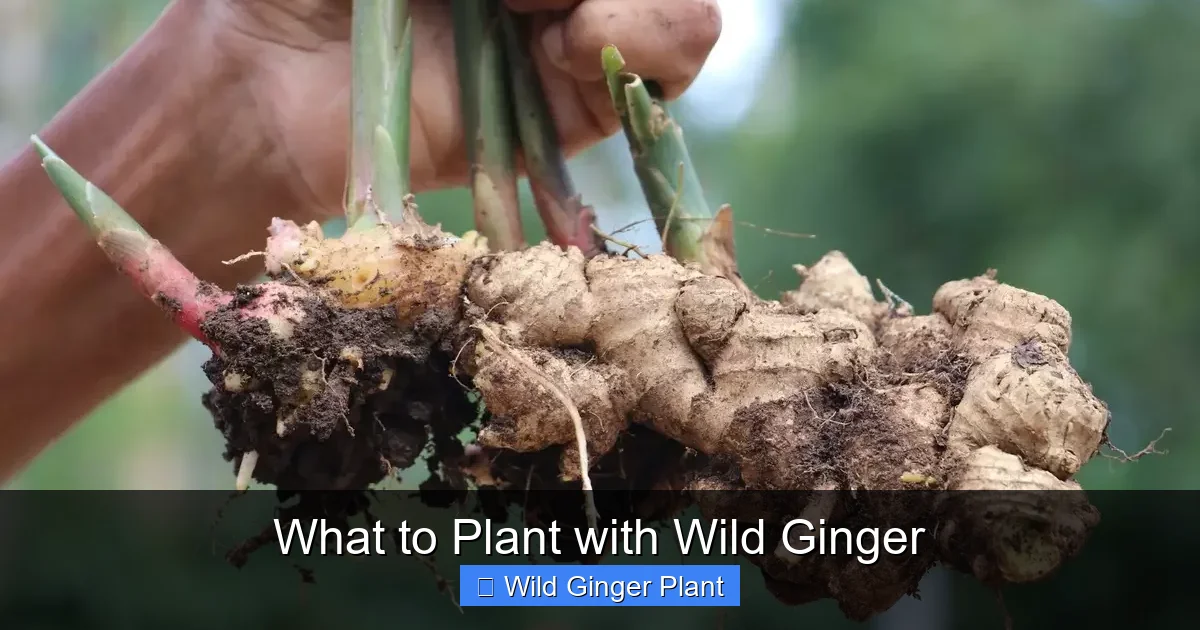
What to Plant with Wild Ginger
Wild ginger thrives in shade alongside ferns, hostas, foamflower, and spring ephemerals like trillium and bloodroot. These companions share similar moisture and light needs, creating a lush, low-maintenance woodland garden that suppresses weeds and supports pollinators.
If you have a shady corner in your garden that feels impossible to fill, wild ginger might be the answer you have been looking for. This native ground cover spreads slowly but surely, creating a carpet of heart-shaped leaves that stay green from spring through fall. But a garden made of just one plant can feel a little lonely. The real magic happens when you start thinking about what to plant with wild ginger to build a complete, thriving plant community.
Choosing the right companions is not just about looks. It is about finding plants that speak the same language. Wild ginger loves deep shade, consistent moisture, and soil rich with organic matter. When you pair it with neighbors that want the same things, everyone wins. You get less maintenance, fewer weeds, and a garden that looks like it has been there forever. Let us walk through the best partners for this woodland gem and how to design a shade garden that feels effortless.
Key Takeaways
- Match growing conditions: Choose companions that love deep shade, consistent moisture, and rich, well-draining soil just like wild ginger.
- Ferns are ideal partners: Native ferns like maidenhair, Christmas fern, and lady fern provide vertical texture without competing for root space.
- Spring ephemerals extend interest: Plant trillium, bloodroot, and Virginia bluebells for early color before wild ginger fills in.
- Ground covers suppress weeds: Foamflower, green-and-gold, and barren strawberry create living mulch around wild ginger colonies.
- Hostas add bold foliage: Their broad leaves contrast beautifully with wild ginger’s heart-shaped leaves in dappled shade.
- Layer for ecological value: Combine plants of different heights to support beneficial insects and create habitat.
- Allow room to spread: Wild ginger forms dense colonies over time, so space companions accordingly to prevent overcrowding.
Quick Answers to Common Questions
What are the best companion plants for wild ginger?
The best companions for wild ginger are shade-loving perennials that share its need for moist, rich soil. Top choices include native ferns (maidenhair, Christmas fern, lady fern), foamflower, hostas, green-and-gold, barren strawberry, and spring ephemerals like trillium, bloodroot, and Virginia bluebells.
Can wild ginger grow under pine trees?
Wild ginger can grow under pine trees if the soil is amended with compost to counteract acidity and if the canopy allows dappled light. Pine needles make good mulch but can mat down; shred them first. Ensure consistent moisture since tree roots compete heavily for water.
How fast does wild ginger spread?
Wild ginger spreads slowly, typically 6 to 12 inches per year via underground rhizomes. It forms a dense colony over time but is not aggressive. It may take 3 to 5 years to create a solid ground cover from small starter plants.
Is wild ginger deer resistant?
Yes, wild ginger is generally deer resistant. Its foliage contains aromatic compounds that deer tend to avoid. However, in severe winters with high deer pressure, they may sample it. Companion plants like hostas are more vulnerable and may need protection.
When is the best time to plant wild ginger and its companions?
Early spring or early fall are ideal planting times. Spring planting allows roots to establish before summer heat. Fall planting gives a head start for spring growth. Avoid planting in summer heat or when the ground is frozen. Water consistently after planting.
📑 Table of Contents
- Understanding Wild Ginger’s Growing Needs
- Best Shade-Loving Perennial Companions
- Ferns and Foliage Partners
- Spring Ephemerals and Early Bloomers
- Ground Covers and Living Mulch
- Design Tips for a Wild Ginger Garden
- Maintaining Your Wild Ginger Community
- Ecological Benefits of a Wild Ginger Planting
- Common Mistakes to Avoid
- Regional Considerations
- Conclusion
Understanding Wild Ginger’s Growing Needs
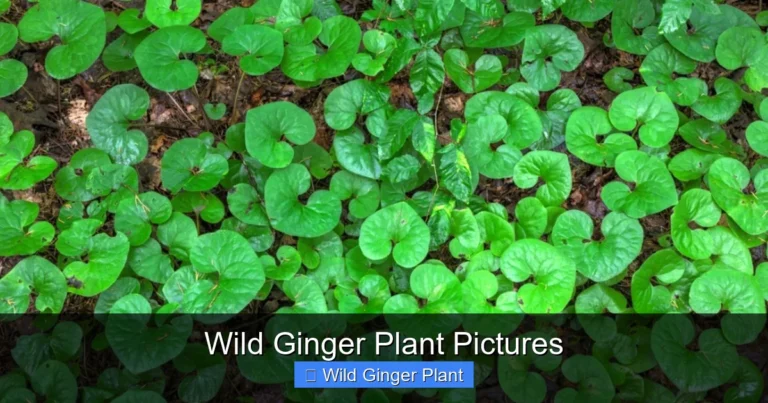
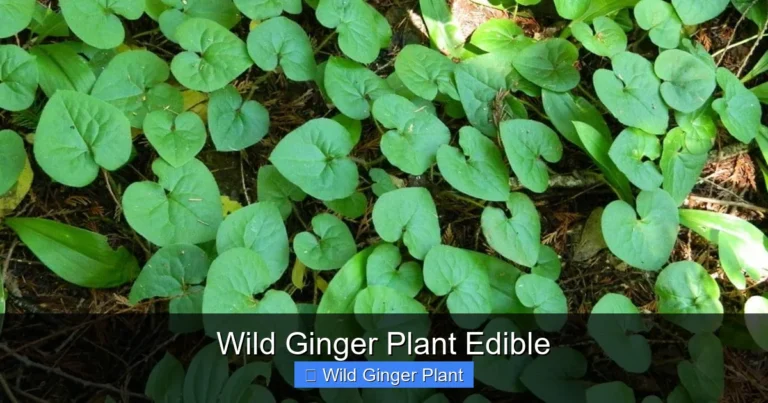
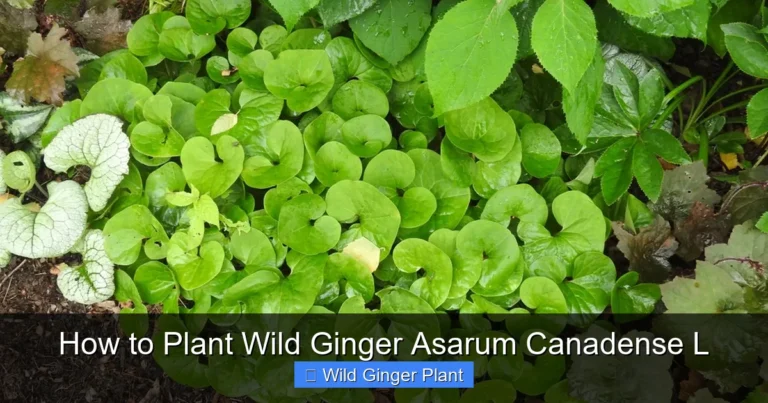
Before we talk about companions, we need to understand the host. Wild ginger (Asarum canadense) is not the culinary ginger you buy at the grocery store. It is a native North American perennial that grows in deciduous forests from the Midwest to the East Coast. It spreads by underground rhizomes, forming dense mats that choke out weeds once established.
Light Requirements
Wild ginger prefers full to part shade. It can handle morning sun, but afternoon sun will scorch its leaves. In deep shade, it grows a bit more slowly but stays lush and dark green. This makes it perfect for those tough spots under mature trees or on the north side of buildings where little else thrives.
Soil and Moisture Preferences
Think forest floor. Wild ginger wants soil that is rich in organic matter, slightly acidic to neutral, and consistently moist but well-drained. It does not like standing water, but it also does not want to dry out. A layer of leaf mulch or compost each fall mimics its natural habitat and keeps the roots happy.
Growth Habit and Timing
This plant is a slow starter. In spring, pairs of fuzzy leaves emerge, followed by unusual jug-shaped flowers that hide at ground level. Pollinated by beetles and flies, these flowers are easy to miss but fascinating to find. By early summer, the foliage reaches its full size, about six to eight inches tall. The rhizomes creep outward a few inches per year. Patience is key. Once a colony takes off, it is there for the long haul.
Best Shade-Loving Perennial Companions
When deciding what to plant with wild ginger, start with perennials that share its love of shade and moisture. These plants will form the backbone of your woodland garden, returning year after year with minimal fuss.
Hostas: Bold Texture Contrast
Hostas are classic shade garden stars for a reason. Their broad, sculptural leaves provide a striking contrast to wild ginger’s smaller, heart-shaped foliage. Choose varieties with blue, gold, or variegated leaves to brighten dark corners. Hosta ‘Blue Angel’ or ‘Sum and Substance’ make dramatic specimens, while smaller types like ‘Mouse Ears’ tuck in nicely between ginger clumps.
Plant hostas with enough space for their mature width. Their roots go deeper than wild ginger’s shallow rhizomes, so they do not compete aggressively. Just keep them watered during dry spells, especially in their first few years.
Foamflower: Airy Blooms Above the Carpet
Foamflower (Tiarella cordifolia) is a native perennial that feels like a natural extension of wild ginger. It sends up delicate spikes of white or pink flowers in spring, hovering above maple-shaped leaves that often have beautiful burgundy veining. Some cultivars like ‘Sugar and Spice’ or ‘Running Tapestry’ spread by runners, weaving gently through the ginger without smothering it.
Foamflower blooms just as wild ginger’s flowers are fading, extending the season of interest. It tolerates dry shade better than many woodlanders once established, making it a resilient partner.
Green-and-Gold: Cheerful Ground Cover
Green-and-gold (Chrysogonum virginianum) forms a low mat of fuzzy green leaves studded with bright yellow daisy-like flowers from spring into summer. It spreads at a similar pace to wild ginger, creating a patchwork effect where the two meet. The yellow flowers pop against the deep green ginger foliage, lighting up the shade.
This plant is tough as nails. It handles root competition from trees better than most perennials and stays semi-evergreen in mild winters. It is a great choice if your wild ginger area gets a bit drier in late summer.
Barren Strawberry: Strawberry Look-Alike
Despite the name, barren strawberry (Waldsteinia fragarioides) is not a true strawberry and does not produce edible fruit. What it does produce is a dense carpet of glossy, trifoliate leaves that turn bronze-red in fall, plus cheerful yellow flowers in spring. It spreads by rhizomes like wild ginger, forming a weed-suppressing mat.
Barren strawberry is more sun-tolerant than wild ginger, so it works well at the edge of a shade bed where light levels shift. It is also deer-resistant, a bonus if you have browsing pressure.
Ferns and Foliage Partners
No woodland garden feels complete without ferns. Their vertical fronds add architecture and movement that ground covers alone cannot provide. Ferns and wild ginger are classic companions in nature, often growing side by side on the forest floor.
Maidenhair Fern: Delicate Elegance
Maidenhair fern (Adiantum pedatum) is perhaps the most graceful fern for shade gardens. Its wiry black stems hold fan-shaped fronds that tremble in the slightest breeze. The texture is incredibly fine, a perfect foil to wild ginger’s solid leaves.
Maidenhair fern wants consistent moisture and rich soil, exactly what wild ginger likes. It emerges later in spring, so the ginger covers the ground first. By summer, the fern’s airy canopy floats above the ginger carpet. It is a combination that looks intentional but feels completely natural.
Christmas Fern: Evergreen Structure
Christmas fern (Polystichum acrostichoides) stays green all winter, providing structure when everything else has gone dormant. Its leathery, dark green fronds form fountain-shaped clumps that grow larger each year without becoming aggressive.
This fern is incredibly adaptable. It handles drier shade once established and tolerates a wider pH range than many ferns. Plant it as an anchor in your wild ginger bed. The ginger fills in around its base, hiding the fern’s “knees” and creating a seamless transition.
Lady Fern: Soft and Feathery
Lady fern (Athyrium filix-femina) brings a soft, feathery texture with its lacy, light green fronds. Cultivars like ‘Lady in Red’ with red stems or ‘Victoriae’ with crested tips add extra interest. Lady fern spreads slowly by rhizomes, forming colonies that play nicely with wild ginger.
It prefers consistent moisture but can handle brief dry periods better than maidenhair. In hot climates, give it the deepest shade you have to prevent leaf scorch.
Ostrich Fern: Dramatic Height
If you have room for a taller presence, ostrich fern (Matteuccia struthiopteris) creates a stunning vertical accent. Its vase-shaped clumps can reach four to six feet in ideal conditions. The fertile fronds persist through winter, adding architectural interest.
Be aware that ostrich fern spreads aggressively in moist soil. It is best contained by hardscaping or planted where it can naturalize freely. In a large woodland garden, it pairs beautifully with wild ginger at its feet, but in a small bed, it may overwhelm its neighbors.
Spring Ephemerals and Early Bloomers
One of the joys of a shade garden is the parade of spring ephemerals. These plants emerge, bloom, and go dormant before the tree canopy fully leafs out. They are the perfect partners for wild ginger because they occupy the same space at different times.
Trillium: The Woodland Aristocrat
Trilliums are the royalty of the spring woodland. Their three-petaled flowers in white, red, or yellow sit atop a whorl of three leaves. Trillium grandiflorum (large-flowered trillium) and Trillium erectum (red trillium) are two of the most garden-worthy species.
Plant trilliums among wild ginger rhizomes in fall. The ginger’s emerging leaves will hide the trillium’s fading foliage as it goes dormant in early summer. Trilliums are slow to establish but incredibly long-lived. A planting can persist for decades with minimal care.
Bloodroot: Early White Blooms
Bloodroot (Sanguinaria canadensis) is one of the first natives to bloom in spring. Its pristine white flowers with yellow centers open in sunlight and close at night or on cloudy days. The distinctive lobed leaves unfurl after flowering, forming a loose ground cover that disappears by midsummer.
The double-flowered form ‘Multiplex’ has longer-lasting blooms and does not set seed, so it puts all its energy into the rhizome. Bloodroot spreads steadily in rich, moist soil, weaving through wild ginger without crowding it.
Virginia Bluebells: Pink-to-Blue Magic
Virginia bluebells (Mertensia virginica) produce clusters of pink buds that open to sky-blue bells. They grow about eighteen inches tall, creating a cloud of color above the wild ginger in April and May. By June, the foliage yellows and the plant goes completely dormant.
This is a perfect example of temporal niche partitioning. The bluebells use the spring light before the trees leaf out. The wild ginger takes over the real estate for the rest of the season. Interplant them freely. The ginger will cover the bare spots left behind.
Dutchman’s Breeches and Squirrel Corn: Ferny Foliage, Quirky Flowers
These two Dicentra species (D. cucullaria and D. canadensis) have finely cut, blue-green foliage and strange, charming flowers. Dutchman’s breeches looks like tiny white pantaloons hanging on a line. Squirrel corn has heart-shaped white flowers with a faint fragrance.
Both go dormant by early summer. Their ferny foliage adds texture in spring, then disappears, leaving room for wild ginger to shine. They self-sow gently in happy conditions, creating drifts over time.
Jack-in-the-Pulpit: Architectural Interest
Jack-in-the-pulpit (Arisaema triphyllum) is not a true ephemeral. Its foliage persists into summer, but its famous hooded flower appears in spring. The green-and-purple striped spathe (the “pulpit”) encloses the spadix (“Jack”). In fall, bright red berries appear on female plants.
This plant adds vertical structure and a touch of the exotic. It grows from a corm and spreads slowly by offsets and seed. Plant it where you can see the flowers up close, perhaps at the edge of a path through your wild ginger patch.
Ground Covers and Living Mulch
One of the best reasons to think about what to plant with wild ginger is weed suppression. A dense matrix of ground covers leaves no room for unwanted seedlings. These low spreaders knit together with wild ginger to form a living mulch.
Wild Stonecrop: Succulent Texture in Shade
Wild stonecrop (Sedum ternatum) is a rare thing: a sedum that prefers shade. Its whorled, succulent leaves stay evergreen in most climates, and starry white flowers appear in late spring. It forms a low mat, only four to six inches tall, that tucks into crevices and flows around wild ginger clumps.
This plant is incredibly drought-tolerant once established, making it a good bridge between moist wild ginger zones and drier edges. It also handles light foot traffic, so it works well along stepping stone paths.
Creeping Phlox: Spring Color Carpet
Woodland phlox (Phlox divaricata) and creeping phlox (Phlox stolonifera) both thrive in shade. Woodland phlox is taller, twelve to eighteen inches, with fragrant lavender-blue flowers in April. Creeping phlox stays lower, six to eight inches, with pink, purple, or white blooms.
Both spread by stolons, forming loose mats that intermingle with wild ginger. The phlox blooms when the ginger is just leafing out, providing early nectar for pollinators. After flowering, the phlox foliage remains attractive through summer.
Canadian Wild Ginger’s Cousin: European Wild Ginger
European wild ginger (Asarum europaeum) is not native but is widely grown for its glossy, leathery, evergreen leaves. It is slower spreading and more clump-forming than our native species. The leaves are smaller and shinier, creating a different texture.
You can mix the two gingers for a tapestry effect. The native species fills in faster. The European species provides winter interest. Both have the same cultural needs, so they are easy to manage together.
Pennsylvania Sedge: Grass-Like Texture
For a grassy element, Pennsylvania sedge (Carex pensylvanica) is a top choice. This native sedge forms soft, arching clumps of fine-textured foliage, about eight to ten inches tall. It spreads slowly by rhizomes, creating a lawn-like effect in shade where turf grass fails.
Sedges are not true grasses, but they fill the same design niche. Pennsylvania sedge is a host plant for several skipper butterflies. It tolerates dry shade once established, making it a tough companion for the edges of a wild ginger planting.
Design Tips for a Wild Ginger Garden
Knowing what to plant with wild ginger is only half the battle. Arranging those plants into a garden that looks good and functions well is where design comes in. Here are practical tips for creating a cohesive woodland planting.
Start with the Bones
Before you add wild ginger and its companions, consider the woody layer. Small trees like serviceberry (Amelanchier), redbud (Cercis canadensis), or pagoda dogwood (Cornus alternifolia) provide the dappled shade these plants need. Shrubs like spicebush (Lindera benzoin), witch hazel (Hamamelis virginiana), or oakleaf hydrangea (Hydrangea quercifolia) add middle-layer structure.
If you already have mature trees, work with them. Map the shade patterns through the seasons. The deepest shade goes to wild ginger, ferns, and foamflower. Brighter edges get barren strawberry, sedges, and creeping phlox.
Plant in Drifts, Not Rows
Nature does not plant in straight lines. Plant your companions in loose drifts of three, five, or seven plants. Let the drifts overlap and intermingle. Wild ginger will eventually knit them together at ground level. This approach looks more natural and reduces the “polka dot” effect of single plants spaced evenly apart.
Consider Vertical Layers
A rich woodland garden has multiple vertical layers:
- Canopy trees (existing or planted)
- Understory trees and large shrubs
- Mid-height perennials and ferns (two to four feet)
- Low perennials and ground covers (six to eighteen inches)
- Creeping ground covers (under six inches)
Wild ginger lives in the lowest layer. Foamflower, creeping phlox, and barren strawberry join it there. Ferns, hostas, and Jack-in-the-pulpit occupy the low perennial layer. Taller ferns like ostrich fern or plants like black cohosh (Actaea racemosa) reach the mid-height layer.
Plan for Succession of Bloom
One of the pleasures of a diverse shade garden is something blooming from March through October. Map out bloom times:
- Early spring: Bloodroot, trillium, Dutchman’s breeches, Virginia bluebells
- Mid-spring: Foamflower, creeping phlox, wild ginger (subtle flowers), Jack-in-the-pulpit
- Late spring: Green-and-gold, barren strawberry, wild stonecrop
- Summer: Hostas, green-and-gold (rebloom), foamflower (sporadic)
- Fall: Foliage color on barren strawberry, ferns, hostas
Wild ginger’s flowers are hidden, but its foliage is the constant backdrop that makes the seasonal show possible.
Use Leaf Mulch, Not Bark
In a woodland garden, shredded leaves are the ideal mulch. They break down into the rich humus these plants love. Bark mulch can be too alkaline and breaks down slowly. Rake leaves into the beds each fall, or run them through a shredder first. The wild ginger and its companions will thank you with vigorous growth.
Manage Aggressive Spreaders
Some companions, like ostrich fern or European wild ginger, can be assertive. Plant them with barriers or in areas where you want them to colonize. Wild ginger itself is well-behaved but persistent. It will not jump into lawns or climb trees, but it will steadily expand its territory. Edit the edges once a year if needed.
Create Pathways for Access
A shade garden invites exploration. Stepping stones or a mulch path let you wander through the planting without compacting soil or crushing plants. Place paths where you naturally want to walk. The plants will grow right up to the edges, softening the hardscape.
Add Spring Bulbs for Extra Early Color
While not perennials in the same sense, small bulbs like snowdrops (Galanthus), winter aconite (Eranthis), and species crocus (Crocus tommasinianus) bloom before any of the native ephemerals. They naturalize in the leaf litter and disappear by the time wild ginger hits its stride. Tuck them in when planting dormant perennials in fall.
Maintaining Your Wild Ginger Community
A well-designed plant community largely takes care of itself, but a little stewardship goes a long way, especially in the first few years.
Watering During Establishment
New plantings need consistent moisture for their first full growing season. Water deeply once or twice a week during dry spells, rather than frequent light sprinkles. This encourages deep root growth. After year one, most of these plants handle normal rainfall, though they appreciate supplemental water in drought.
Weeding Early and Often
Until the ground covers knit together, weeds will find the gaps. Pull weeds when small, ideally after rain when the soil is soft. Be careful not to disturb the shallow rhizomes of wild ginger and its creeping companions. A hori-hori knife or narrow trowel helps precision weeding.
Dividing When Needed
Most of these perennials benefit from division every few years to maintain vigor. Spring is the best time, just as growth resumes. Dig clumps, tease or cut them into sections with roots and shoots, and replant immediately. Water well. This is also how you propagate more plants to expand your garden or share with friends.
Leave the Leaves
Resist the urge to clean up too thoroughly in fall. The leaf litter protects roots, harbors beneficial insects, and feeds the soil food web. If leaves are very thick and matted, shred them or remove excess, but leave a light layer. In spring, you can gently pull back leaves from the crowns of emerging plants if they seem smothered.
Monitor for Pests and Diseases
These native plants have few serious problems. Slugs and snails may nibble hostas and foamflower in wet springs. Beer traps, copper tape, or diatomaceous earth can help. Deer may browse hostas and trilliums. Repellents or fencing are the most reliable defenses. Fungal leaf spots occasionally appear in very wet years but rarely cause lasting harm. Good air circulation helps prevent issues.
Ecological Benefits of a Wild Ginger Planting
Beyond beauty, a diverse wild ginger community supports life in ways a monoculture never could. Understanding these benefits adds meaning to your gardening efforts.
Pollinator Support
Wild ginger’s flowers are pollinated by small flies and beetles, often overlooked but essential insects. Spring ephemerals provide critical early nectar for queen bumblebees emerging from hibernation. Foamflower, creeping phlox, and green-and-gold feed a variety of native bees, butterflies, and hoverflies. A succession of bloom means a steady food supply.
Host Plants for Caterpillars
Many butterflies and moths rely on specific host plants for their caterpillars. Wild ginger hosts the pipevine swallowtail in its southern range. Ferns host several moth species. Sedges host skippers. Violets (which often volunteer in shade gardens) host fritillary butterflies. By planting diversely, you create a nursery for the next generation of insects.
Soil Health and Carbon Sequestration
Dense plantings with diverse root structures build soil organic matter. Deep-rooted ferns and hostas pull nutrients up. Shallow rhizomes of wild ginger and foamflower hold the surface. Fungi form mycorrhizal networks connecting it all. This living soil stores carbon, filters water, and reduces erosion.
Wildlife Habitat
Ground-foraging birds like towhees and thrushes scratch through the leaf litter for insects. Chipmunks and salamanders find shelter under the dense foliage. Fireflies, which need moist, undisturbed habitat for their larvae, thrive in these conditions. Your garden becomes a small but real piece of functioning ecosystem.
Common Mistakes to Avoid
Even experienced gardeners stumble when creating shade gardens. Here are pitfalls to watch for.
Planting in Too Much Sun
This is the number one reason wild ginger and its companions struggle. “Part shade” on a plant tag often means four to six hours of sun. For these woodlanders, that is too much. They want dappled light or morning sun only. If your site gets hot afternoon sun, look for different plants or create shade with a structure or tree planting.
Skipping Soil Preparation
Wild ginger and friends expect forest soil: loose, rich, moisture-retentive. Planting into compacted clay or sandy subsoil without amendment leads to slow growth and constant stress. Before planting, work in several inches of compost or leaf mold. It is the single best investment you can make.
Overcrowding at Planting Time
It is tempting to space plants close for instant impact. But these are spreaders. Give them room to grow into their mature width. Check spacing guidelines for each species. You can always fill temporary gaps with annuals like impatiens or bulbs while the perennials establish.
Ignoring Root Competition
Large trees, especially maples, beeches, and oaks, have dense surface roots that hog water and nutrients. If you are planting under a mature tree, you may need to water more often and add compost annually. Consider raised beds or large containers for the most demanding companions if root competition is severe.
Using the Wrong Mulch
Dyed bark mulch, rubber mulch, and landscape fabric have no place in a woodland garden. They disrupt the natural decomposition cycle and can introduce chemicals. Stick with shredded leaves, pine straw, or composted wood chips. Your plants evolved with leaf litter. Give them what they know.
Regional Considerations
Wild ginger is native to eastern North America, but its companions vary by region. Adapting your plant list to your ecoregion makes for a more resilient, ecologically sound garden.
Northeast and Great Lakes
This is the heart of wild ginger’s range. All the plants mentioned thrive here. Add doll’s eyes (Actaea pachypoda), blue cohosh (Caulophyllum thalictroides), and wild geranium (Geranium maculatum) for more diversity.
Mid-Atlantic and Appalachia
Similar to the north but with a longer growing season. Consider adding foamflower cultivars selected for heat tolerance, like ‘Brandywine’. Green-and-gold is especially happy here. Watch for more deer pressure.
Midwest and Plains
Wild ginger reaches its western limit in the Midwest. Soil may be more alkaline. Test your pH and amend with sulfur if needed. Pennsylvania sedge, wild geranium, and columbine (Aquilegia canadensis) are excellent native companions. Irrigation may be needed in summer droughts.
Southeast
Heat and humidity are the challenges. Wild ginger grows in the mountains and piedmont but struggles in the coastal plain. Choose heat-tolerant ferns like southern lady fern (Athyrium asplenioides) and Christmas fern. Green-and-gold and foamflower perform well. Ensure good drainage to prevent crown rot in humid summers.
Pacific Northwest
While wild ginger is not native west of the Rockies, its western cousin Asarum caudatum (western wild ginger) fills the same niche. Pair it with native sword fern (Polystichum munitum), oxalis (Oxalis oregana), and vanilla leaf (Achlys triphylla). The principles of shade gardening translate perfectly.
Conclusion
Creating a garden around wild ginger is an exercise in patience and trust. You are not just planting flowers. You are rebuilding a piece of the forest floor, one rhizome at a time. The companions we have explored, ferns that catch the light, ephemerals that race the spring, ground covers that knit the soil together, all speak the same ecological language. They know how to share space, cycle nutrients, and support the web of life that depends on them.
When you walk through a mature wild ginger planting in July, the air is cool and smells of humus. The foliage is a tapestry of greens, textures, and shapes. There are no bare spots, no weeds, no struggling plants. It feels inevitable, like it has always been there. That is the goal. Not perfection, but harmony.
Start small if you need to. A few wild ginger rhizomes, a maidenhair fern, a clump of foamflower. Watch them. Learn their rhythms. Add more next year. The garden will teach you what it needs. And somewhere down the line, you will realize you are not just the gardener. You are part of the community too.
Frequently Asked Questions
What is the difference between wild ginger and culinary ginger?
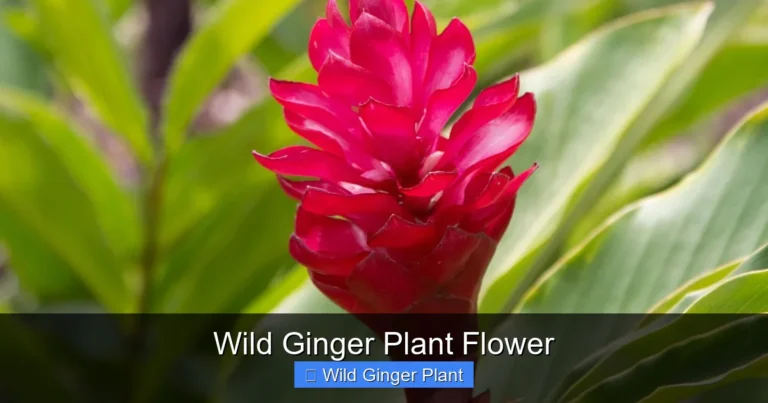
Wild ginger (Asarum canadense) is a native North American woodland perennial with heart-shaped leaves and rhizomes that smell like ginger. Culinary ginger (Zingiber officinale) is a tropical Asian plant grown for its edible rhizome. They are unrelated botanically. Wild ginger rhizomes were used historically as a ginger substitute but contain aristolochic acid and are not recommended for consumption.
Can I grow wild ginger in containers?
Yes, wild ginger grows well in containers if given a wide, shallow pot with rich, moisture-retentive potting mix. Keep it in full to part shade and water consistently. It pairs beautifully in pots with ferns, foamflower, or creeping phlox. Repot every few years as the rhizomes fill the container.
Does wild ginger flower? Are the flowers showy?
Wild ginger does flower in early spring, but the flowers are easily missed. They are small, jug-shaped, and brownish-purple, borne at ground level hidden beneath the leaves. They are pollinated by ground-dwelling beetles and flies. While not showy, they are fascinating to discover and add ecological value.
How do I propagate wild ginger?
The easiest method is division in early spring or fall. Dig up a section of rhizome with roots and at least one growing point. Replant immediately at the same depth, water well, and mulch. Seed propagation is possible but slow; seeds require cold stratification and can take two years to germinate.
Will wild ginger choke out other plants?
Wild ginger forms a dense mat that suppresses weeds, but it generally coexists well with other shade perennials that have different root depths or growth habits. It can overwhelm very small, slow-growing plants like some dwarf sedums or tiny spring bulbs. Give delicate companions a head start or plant them at the edges.
What soil pH does wild ginger prefer?
Wild ginger prefers slightly acidic to neutral soil, ideally pH 5.5 to 7.0. It grows naturally in rich forest soils with plenty of organic matter. If your soil is very alkaline (above 7.5), amend with elemental sulfur or peat moss to lower the pH. A soil test is the best way to know your starting point.