Amandasnative Plants Wild Ginger
Amandasnative Plants Wild Ginger is a low‑maintenance native perennial that adds lush, heart‑shaped leaves and subtle blooms to shady spots. It spreads gently, supports pollinators, and fits perfectly into woodland or rain‑garden designs.
Amandasnative Plants Wild Ginger is a charming native perennial that many gardeners overlook. It brings a soft, woodland feel to any shady corner. The plant’s heart‑shaped leaves stay green through most of the year. Its tiny, bell‑shaped flowers appear close to the ground in early spring. Because it spreads by rhizomes, it creates a living carpet that chokes out weeds. Gardeners who want a low‑care, high‑impact ground cover often choose Amandasnative Plants Wild Ginger for its reliability.
In this guide we explore everything you need to know about Amandasnative Plants Wild Ginger. You will learn the ideal site conditions, planting steps, seasonal care, design ideas, and how to handle common problems. Whether you are a beginner or a seasoned native‑plant enthusiast, the information here will help you succeed with Amandasnative Plants Wild Ginger in your own garden.
Key Takeaways
- Native Adaptability: Amandasnative Plants Wild Ginger thrives in local soil and climate conditions.
- Shade Tolerance: It flourishes under tree canopies where many other plants struggle.
- Low Maintenance: Once established, it needs minimal watering and no fertilizer.
- Wildlife Value: The flowers attract early‑season pollinators like bees and flies.
- Ground‑Cover Effect: Its rhizomes form a dense mat that suppresses weeds naturally.
- Easy Propagation: Division in early spring yields new plants quickly.
- Year‑Round Interest: Evergreen foliage provides texture even in winter months.
Quick Answers to Common Questions
What light does Amandasnative Plants Wild Ginger need?
It prefers full to partial shade, thriving under tree canopies or on north‑facing beds.
How often should I water Amandasnative Plants Wild Ginger?
Water weekly during the first season; established plants need water only during prolonged dry spells.
Can I grow Amandasnative Plants Wild Ginger in a container?
Yes, use a wide shallow pot with rich, moist potting mix and keep it in shade.
When is the best time to divide Amandasnative Plants Wild Ginger?
Early spring, before new growth emerges, is ideal for division.
Does Amandasnative Plants Wild Ginger attract pollinators?
Its hidden flowers provide early nectar for native flies, beetles, and small bees.
📑 Table of Contents
What Is Amandasnative Plants Wild Ginger?
Botanical Background
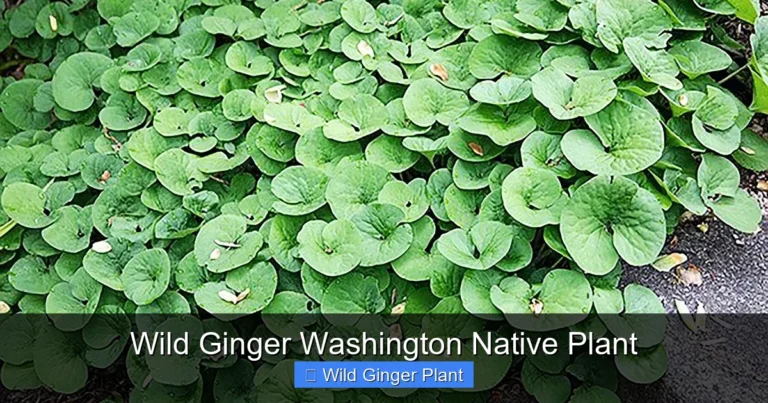
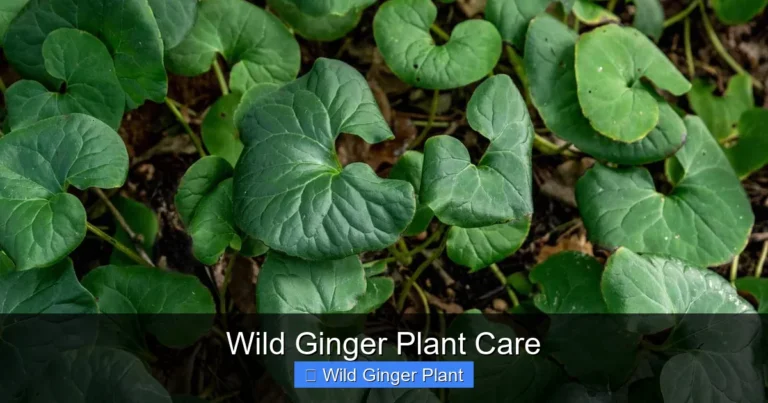
Amandasnative Plants Wild Ginger belongs to the Asarum genus, a group of shade‑loving perennials native to North America. The species most often sold under the Amandasnative Plants Wild Ginger label is Asarum canadense. It is not related to culinary ginger, but the rhizome has a faint ginger‑like scent when crushed. The plant forms a low mound, usually 6 to 12 inches tall, with glossy, kidney‑shaped leaves that stay evergreen in mild climates.
Growth Habit
The rhizomes of Amandasnative Plants Wild Ginger creep just below the soil surface. Each year they extend a few inches, slowly expanding the colony. This slow spread makes it an excellent choice for gardeners who want a ground cover that will not become invasive. The flowers are hidden beneath the foliage, pollinated mainly by small flies and beetles. After pollination, the plant produces a small, fleshy capsule that splits open to release seeds.
Why Choose This Native?
Choosing Amandasnative Plants Wild Ginger supports local ecosystems. It provides early nectar for native pollinators when few other flowers are open. Its dense foliage shelters beneficial insects and small amphibians. Because it is adapted to the region’s rainfall patterns, it requires far less supplemental water than many ornamental ground covers. In short, Amandasnative Plants Wild Ginger offers beauty, ecology, and ease of care in one package.
Ideal Growing Conditions
Light Requirements
Amandasnative Plants Wild Ginger thrives in full to partial shade. It can tolerate dappled sunlight under deciduous trees, but intense afternoon sun will scorch the leaves. A spot that receives morning light and afternoon shade is perfect. If you have a north‑facing bed or a woodland edge, that is an ideal location for Amandasnative Plants Wild Ginger.
Soil Preferences
The plant prefers rich, moist, well‑drained soil with a high organic matter content. A loamy mix amended with compost or leaf mold mimics its natural forest floor habitat. Soil pH between 5.5 and 6.5 is optimal. Heavy clay that stays soggy can cause root rot, while extremely sandy soil may dry out too quickly for Amandasnative Plants Wild Ginger.
Moisture Needs
Consistent moisture is key during the first growing season. Water deeply once a week if rainfall is lacking. Once established, Amandasnative Plants Wild Ginger can survive short dry spells, but prolonged drought will cause leaf browning. Mulching with shredded leaves helps retain soil moisture and adds nutrients as it breaks down.
Temperature Range
Amandasnative Plants Wild Ginger is hardy in USDA zones 3 through 8. It tolerates cold winters with snow cover and hot, humid summers as long as shade and moisture are adequate. In the warmest parts of its range, provide extra mulch to keep roots cool.
Planting and Propagation Tips
When to Plant
Early spring, just as the soil can be worked, is the best time to plant Amandasnative Plants Wild Ginger. Fall planting is also possible in zones 6‑8, giving roots a head start before winter. Avoid planting during the heat of midsummer.
Site Preparation
Loosen the planting area to a depth of 8‑10 inches. Incorporate 2‑3 inches of compost or well‑rotted leaf mold. Remove any weeds or grass that could compete with the young rhizomes. A smooth, weed‑free bed gives Amandasnative Plants Wild Ginger a clean start.
Planting Depth and Spacing
Place each division so the top of the rhizome sits just below the soil surface, about 1 inch deep. Space plants 12‑18 inches apart to allow room for the colony to expand. Water thoroughly after planting to settle the soil around the roots.
Division Propagation
Every three to four years, lift a mature clump in early spring. Gently separate the rhizomes with a sharp knife, ensuring each piece has at least one growing bud. Replant divisions immediately using the same depth and spacing guidelines. This method yields vigorous new plants of Amandasnative Plants Wild Ginger quickly.
Seed Propagation
Seeds require a period of cold stratification. Sow fresh seeds in a moist seed‑starting mix, cover lightly, and place the container in a refrigerator for 60‑90 days. After stratification, move to a cool, shaded location. Germination can be slow, often taking several months. Seed‑grown Amandasnative Plants Wild Ginger may take two to three years to reach flowering size.
Seasonal Care and Maintenance
Spring Care
In early spring, remove any dead leaf litter from the previous year. Apply a thin layer of compost around the base of each plant to replenish nutrients. Check for emerging flower buds; they are a sign that Amandasnative Plants Wild Ginger is healthy and ready to bloom.
Summer Maintenance
During hot months, keep the soil evenly moist. A 2‑inch mulch layer of shredded bark or leaf mold reduces evaporation. Avoid fertilizing; excess nitrogen encourages lush foliage at the expense of flowers. If you notice leaf scorch, increase shade or water more frequently.
Fall Tasks
After the first frost, cut back any yellowed leaves to ground level. This tidies the bed and reduces disease pressure. Add a fresh mulch layer to protect rhizomes from freeze‑thaw cycles. In colder zones, a thicker mulch (3‑4 inches) provides extra insulation for Amandasnative Plants Wild Ginger.
Winter Protection
In zones 3‑4, a covering of evergreen boughs or straw can shield the crowns from extreme cold. Remove the cover gradually in early spring to prevent overheating. The plant’s evergreen foliage often persists through mild winters, adding winter interest to the garden.
Design Ideas for Shade Gardens
Woodland Path Edging
Plant Amandasnative Plants Wild Ginger along a winding woodland path. Its low stature keeps the path clear while the glossy leaves create a soft, green border. Pair it with ferns and native wildflowers for a layered look.
Rain Garden Base Layer
Because it tolerates moist soil, Amandasnative Plants Wild Ginger works well at the bottom of a rain garden. It helps filter runoff and stabilizes the soil with its rhizome network. Combine with sedges and cardinal flower for seasonal color.
Understory Companion Planting
Use Amandasnative Plants Wild Ginger beneath deciduous trees like oak or maple. It fills the space where grass struggles, reducing lawn maintenance. Add spring ephemerals such as trillium or bloodroot for early blooms before the canopy leafs out.
Container Shade Displays
For patios with limited sun, grow Amandasnative Plants Wild Ginger in wide, shallow containers. Use a high‑quality potting mix enriched with compost. Group several containers together to mimic a natural colony effect.
Erosion Control on Slopes
On gentle, shaded slopes, the spreading rhizomes of Amandasnative Plants Wild Ginger bind soil particles. Plant in staggered rows to maximize coverage. This living mulch reduces runoff and adds biodiversity to the slope.
Common Pests and Problems
Slugs and Snails
These mollusks love the tender leaves of Amandasnative Plants Wild Ginger. Hand‑pick at dusk or use beer traps. Diatomaceous earth sprinkled around the base deters them without harming beneficial insects.
Fungal Leaf Spot
Excessive moisture and poor air circulation can cause brown spots on foliage. Thin crowded colonies by dividing every few years. Water at the soil level, not overhead, to keep leaves dry.
Root Rot
Heavy, waterlogged soil leads to root rot. Ensure the planting site drains well. If rot appears, remove affected rhizomes, improve drainage, and replant healthy divisions.
Deer Browsing
Deer generally avoid Amandasnative Plants Wild Ginger because of its aromatic rhizomes. In high‑pressure areas, a simple fence or repellent spray can provide extra protection.
Weed Competition
During establishment, weeds can outcompete young plants. Mulch heavily and pull weeds by hand. Once the colony matures, its dense mat naturally suppresses most weeds.
Growing Amandasnative Plants Wild Ginger rewards you with a resilient, beautiful ground cover that supports local wildlife. By following the guidelines above, you can enjoy a thriving patch of this native gem for years to come. Happy planting!
Frequently Asked Questions
Is Amandasnative Plants Wild Ginger invasive?
No, it spreads slowly by rhizomes and stays contained, making it a well‑behaved ground cover.
What soil pH is best for Amandasnative Plants Wild Ginger?
A slightly acidic to neutral pH of 5.5‑6.5 mimics its native forest floor conditions.
Can I use Amandasnative Plants Wild Ginger for erosion control?
Yes, its dense rhizome mat stabilizes soil on gentle shaded slopes.
Do I need to fertilize Amandasnative Plants Wild Ginger?
Fertilizer is unnecessary; a yearly compost top‑dressing supplies sufficient nutrients.
How long does it take for seed‑grown plants to flower?
Seed‑grown Amandasnative Plants Wild Ginger typically flowers in two to three years.
What companion plants work well with Amandasnative Plants Wild Ginger?
Ferns, trillium, bloodroot, and native sedges create a harmonious woodland planting.