Wild Ginger Plants
Wild ginger plants are low-growing, shade-loving perennials native to North American woodlands. Despite the name, they are not related to culinary ginger but offer unique heart-shaped flowers and aromatic roots with a long history of traditional use.
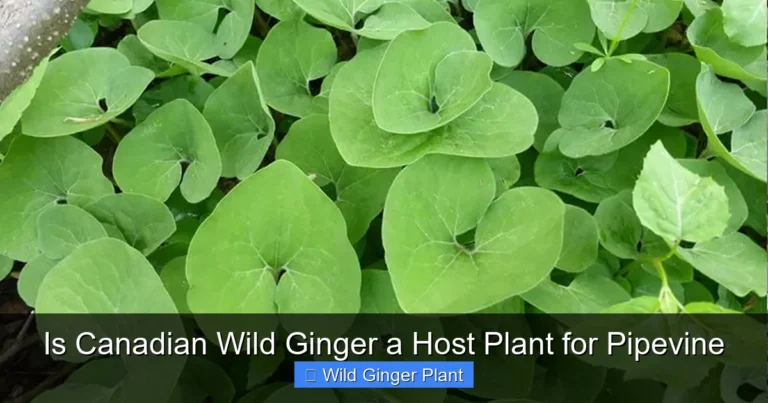
If you have ever wandered through a moist, deciduous forest in eastern North America, you have likely stepped right past wild ginger plants without noticing them. These unassuming perennials hug the forest floor, their heart-shaped leaves forming a living carpet that stays green from spring through fall. Most hikers miss the flowers entirely. They hide beneath the foliage, right at soil level, shaped like little jugs or bells in shades of purple-brown to greenish-yellow.
I first met wild ginger on a rainy April hike in the Appalachians. A naturalist friend knelt down, brushed aside leaf litter, and revealed a flower that looked like something from a fairy tale. That moment changed how I see the forest floor. What looks like bare ground is often a complex community. Wild ginger plays a starring role in that community. It stabilizes soil, feeds specialized insects, and carries centuries of human history in its aromatic roots.
Key Takeaways
- Not true ginger: Wild ginger belongs to the Aristolochiaceae family, completely unrelated to culinary ginger (Zingiber officinale).
- Shade specialist: These plants thrive in deep woodland shade with rich, moist soil, making them perfect for difficult garden spots.
- Unique flowers: The jug-shaped blooms hide at ground level, pollinated by beetles and flies rather than bees.
- Groundcover excellence: Wild ginger forms dense mats that suppress weeds and prevent erosion on shady slopes.
- Historical medicine: Indigenous peoples used the rhizomes for digestive issues, colds, and as a poultice for wounds.
- Safety caution: Contains aristolochic acid; modern herbalists advise against internal use due to potential kidney toxicity.
- Easy propagation: Divide rhizomes in early spring or fall for quick establishment in new garden areas.
Quick Answers to Common Questions
Is wild ginger related to the ginger I buy at the grocery store?
No, wild ginger (Asarum species) belongs to the birthwort family (Aristolochiaceae), while culinary ginger (Zingiber officinale) is in the ginger family (Zingiberaceae). They are botanically unrelated but share a similar spicy aroma.
Can I eat wild ginger roots?
Modern herbalists and the FDA advise against consuming wild ginger due to aristolochic acid, which can cause kidney damage and cancer. Traditional use existed, but current safety data recommends avoiding internal use entirely.
How do I get rid of wild ginger if it spreads too much?
Wild ginger spreads slowly and is rarely aggressive. If needed, dig out rhizomes carefully, ensuring you remove all pieces. Smothering with heavy cardboard and mulch for a full growing season also works. It does not respond well to herbicides due to waxy leaves.
What is the best time to divide wild ginger?
Early spring, just as new growth emerges, or early fall (September to early October) are ideal. The plant has energy reserves to recover, and soil moisture is typically adequate. Avoid dividing during hot, dry summer weather.
Will wild ginger grow in full sun?
No. Wild ginger plants require shade. Full sun causes leaf scorch, stress, and eventual decline. They thrive in deep shade, dappled light, or morning sun only. Plant them under deciduous trees or on the north side of structures.
📑 Table of Contents
Meet the Wild Ginger Family
North American Natives
The most common species in eastern woods is Asarum canadense, often called Canadian wild ginger or broad-leaved wild ginger. It ranges from Manitoba to Nova Scotia, south to Georgia and west to Missouri. A close western relative, Asarum caudatum, goes by long-tailed wild ginger. Its flowers sport dramatic, tapering tails that can reach several inches. Both species share the same basic habit: creeping rhizomes, kidney-to-heart-shaped leaves, and those secretive ground-level blooms.
Further south, you find Asarum virginicum (Virginia wild ginger) with its beautifully mottled leaves. Asarum arifolium (little brown jug) holds its leathery, arrow-shaped leaves through winter. Each species has adapted to its particular corner of the continent. Yet all share the family preference for rich, moist, well-drained soil and deep shade.
Asian Cousins
The genus Asarum contains over sixty species worldwide, with the highest diversity in East Asia. Japanese wild ginger (Asarum sieboldii) and Chinese wild ginger (Asarum splendens) have become prized garden plants for their spectacularly patterned foliage. Some Asian species are evergreen, offering year-round interest in shade gardens. European wild ginger (Asarum europaeum) naturalizes well in similar conditions and has a longer horticultural history in Western gardens.
Why the Name Ginger
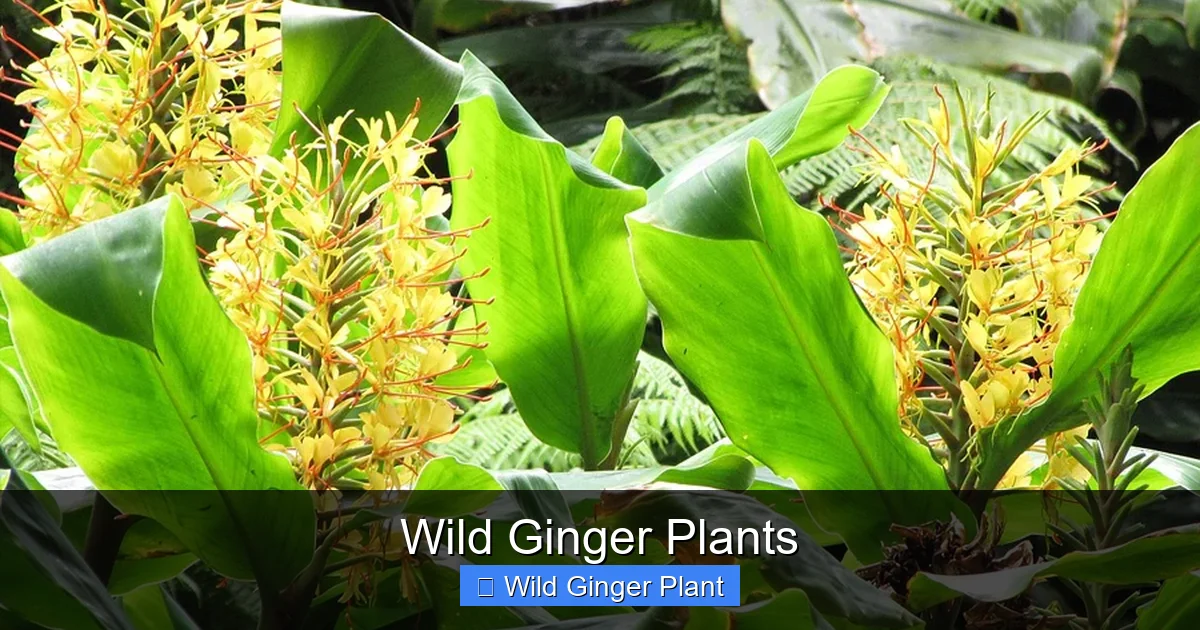
Early European settlers gave these plants the name ginger because the crushed rhizomes release a warm, spicy fragrance remarkably similar to true ginger. The taste follows the scent. Indigenous peoples used the roots as a flavoring agent long before colonists arrived. However, the similarity ends there. True ginger belongs to the Zingiberaceae family, tropical herbs with tall, reedy stems. Wild ginger plants are low, temperate woodlanders in the birthwort family. They are botanical strangers who happen to share a chemical coincidence.
Identifying Wild Ginger in the Wild
Leaf Characteristics
Look for pairs of leaves emerging from a single point on the rhizome. Each leaf sits on a long, hairy petiole. The blade is broadly heart-shaped or kidney-shaped, typically three to six inches wide. The surface feels soft, almost velvety, with fine hairs you can see in good light. Veins radiate from the base like fingers from a palm. In spring, new leaves emerge folded like tiny umbrellas, then unfurl to form a dense canopy just inches above the ground.
Some species show striking leaf patterns. Asarum virginicum and Asarum splendens display silver or white marbling along the veins. This variegation helps the plant capture flecks of light in deep shade. It also makes these species easy to identify even when not in flower.
The Hidden Flowers
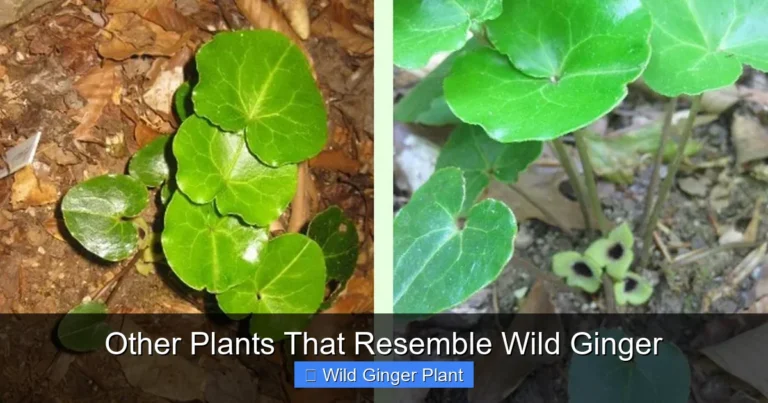
Wild ginger flowers appear in early spring, often before the leaf canopy fully develops. You have to get down on your knees to find them. Each flower sits solitary at the base of the leaf stems, nestled in leaf litter. The structure is unique: three fused sepals form a cup or jug shape with a small opening at the top. No petals exist. The color ranges from deep maroon to brownish-purple to greenish-yellow, perfectly camouflaged against the forest floor.
Inside, twelve stamens surround a central pistil. The flower emits a faint, fungal odor that attracts its primary pollinators: small flies, beetles, and gnats. These insects crawl inside, seeking decaying matter, and inadvertently transfer pollen. Some flowers may self-pollinate if insects fail to visit. After pollination, the flower develops into a fleshy capsule that splits open to reveal seeds with oil-rich appendages called elaiosomes.
Rhizome and Root System
The rhizome creeps horizontally just below the soil surface, typically one to two inches deep. It is slender, about the thickness of a pencil, with a brown, slightly rough exterior. When broken, the interior reveals a pale, fibrous flesh that releases the characteristic ginger aroma. Fine roots emerge from the nodes, anchoring the plant and absorbing water and nutrients. The rhizome branches freely, allowing a single plant to form a substantial colony over time.
Distinguishing from Look-Alikes
Beginners sometimes confuse wild ginger with violets (Viola species) or goldenstar (Chrysogonum virginianum). Violets have similar heart-shaped leaves but produce showy, five-petaled flowers on separate stalks. Goldenstar leaves are more rounded and the plant bears bright yellow, daisy-like blooms. Neither has the distinctive ginger scent when crushed. The combination of paired leaves, hidden jug-shaped flowers, and spicy fragrance makes wild ginger identification straightforward once you know the key features.
Ecological Role and Wildlife Value
Pollinator Relationships
Wild ginger plants have evolved a specialized pollination strategy. The flowers produce no nectar. Instead, they mimic fungal fruiting bodies in both appearance and scent. This deception attracts fungus gnats, small beetles, and flies that normally lay eggs on mushrooms. The insects enter the flower, wander around the reproductive structures, and leave dusted with pollen. Some researchers believe the flowers may also provide a warm microclimate on cool spring days, offering insects a thermal reward.
This relationship highlights an important ecological principle. Not all pollinators are bees and butterflies. The tiny, often overlooked insects that visit wild ginger flowers play crucial roles in forest ecosystems. By supporting these specialists, wild ginger contributes to the biodiversity that keeps woodland communities resilient.
Seed Dispersal by Ants
The seeds of wild ginger plants bear elaiosomes, fatty structures that ants find irresistible. Worker ants carry seeds back to their nests, feed the elaiosomes to larvae, and discard the intact seeds in nutrient-rich waste chambers. This process, called myrmecochory, plants the seeds in ideal germination sites: protected, fertilized, and dispersed from the parent colony. A single ant colony can move hundreds of seeds in a season.
This mutualism explains why wild ginger often appears in patches. The ants create a dispersed but clustered distribution pattern. It also means the plant depends on healthy ant populations. Invasive earthworms and certain pesticides can disrupt ant communities, indirectly threatening wild ginger reproduction.
Groundcover and Soil Protection
The dense mats formed by wild ginger rhizomes and leaves perform valuable ecosystem services. They intercept rainfall, reducing soil erosion on slopes. The leaf litter they trap decomposes into rich humus, improving soil structure and moisture retention. The shade they cast keeps soil temperatures moderated, benefiting soil microbes and mycorrhizal fungi.
In disturbed forests where deer overbrowsing has eliminated other understory plants, wild ginger often persists. Its low growth habit and unpalatable foliage (due to aromatic compounds) allow it to survive where taller herbs fail. This resilience makes it a valuable component of forest recovery.
Deer and Wildlife Interactions
White-tailed deer generally avoid wild ginger. The leaves contain volatile oils and possibly aristolochic acid that deter browsing. However, in severe winters with deep snow, deer may dig up and eat the rhizomes. Small mammals like chipmunks and mice sometimes cache the seeds. Box turtles have been observed eating the fleshy seed capsules. These interactions are minor compared to the plant’s primary ecological roles.
Growing Wild Ginger in Your Garden
Site Selection
Success with wild ginger plants begins with the right location. They demand shade. Deep, dappled, or morning-sun-only conditions work best. Full sun scorches the leaves and stresses the plants. The soil should be rich in organic matter, moist but well-drained, with a slightly acidic to neutral pH (5.5 to 7.0). Heavy clay soils benefit from generous amendment with compost or leaf mold. Sandy soils need organic matter to improve water retention.
Consider the microclimate. Wild ginger thrives on north-facing slopes, under mature deciduous trees, and along shaded stream banks. It struggles under dense conifers where needle litter creates overly acidic conditions and root competition is fierce. Avoid areas where water stands after rain. While the plants like moisture, they will rot in anaerobic soil.
Planting Techniques
Spring and early fall are the best planting times. Space divisions or nursery plants twelve to eighteen inches apart. They will fill in within two to three years. Dig a shallow trench rather than individual holes. Lay the rhizomes horizontally, barely covering them with soil. The top of the rhizome should sit at or just below the soil surface. Water thoroughly after planting and mulch with two inches of shredded leaves or pine needles.
If you are starting from seed, patience is required. Fresh seeds need a warm period followed by cold stratification to break dormancy. Sow them in a prepared seed bed in late summer. They may not germinate until the second spring. Most gardeners prefer division for quicker results.
Care and Maintenance
Once established, wild ginger plants ask for little. Keep the soil consistently moist during the first growing season. After that, they tolerate moderate dry spells but perform best with regular moisture. Apply a light top-dressing of compost or leaf mold each fall. This mimics the natural nutrient cycling of the forest floor.
Remove any invasive plants that encroach, especially garlic mustard, Japanese stiltgrass, and lesser celandine. These aggressors can smother wild ginger colonies. Hand-pull weeds carefully to avoid damaging the shallow rhizomes. In late winter, you can gently rake off heavy leaf accumulations if they mat down, but a light leaf layer is beneficial.
Propagation by Division
Dividing established clumps is the easiest way to expand your planting. In early spring, just as new growth emerges, or in early fall, dig up a section of the colony. Use a sharp knife or spade to cut the rhizomes into pieces, each with at least one growing point and a few roots. Replant immediately at the same depth. Water well and mulch. The divisions may look sparse the first year but will thicken quickly.
Container Growing
Wild ginger adapts well to containers, making it accessible for gardeners without suitable ground space. Choose a wide, shallow pot at least twelve inches across. Use a high-quality potting mix amended with compost and fine bark for drainage. Keep the pot in full shade. Water frequently; containers dry out faster than ground soil. Fertilize lightly with a balanced organic fertilizer in spring. Repot every two to three years as the rhizomes fill the container.
Companion Plants
Wild ginger plays well with other shade-loving natives. Pair it with foamflower (Tiarella cordifolia), wild geranium (Geranium maculatum), Christmas fern (Polystichum acrostichoides), and Solomon’s seal (Polygonatum biflorum). Spring ephemerals like trillium, bloodroot, and Virginia bluebells bloom above the ginger foliage before going dormant. The ginger then covers the fading leaves. Avoid aggressive spreaders like English ivy, periwinkle, or goutweed that will overwhelm the colony.
Traditional Uses and Modern Cautions
Indigenous Knowledge
Many Native American tribes across the range of wild ginger plants used the rhizomes medicinally and as a flavoring. The Cherokee, Iroquois, Ojibwe, and others harvested roots in fall or early spring. They used decoctions for colds, coughs, sore throats, and digestive complaints. The rhizomes were also applied as poultices for wounds, headaches, and rheumatic pain. Some tribes used the leaves as a seasoning for meat and fish, imparting a ginger-like flavor.
Beyond medicine, wild ginger had ceremonial and practical roles. The Menominee used it in hunting rituals. The Potawatomi included it in smoking mixtures. The aromatic leaves lined food storage pits. This deep ethnobotanical history reflects generations of careful observation and experimentation.
Early Colonial Adoption
European settlers quickly adopted wild ginger as a substitute for the expensive imported spice. They candied the rhizomes, made syrups, and used the roots in baking. The plant appeared in early American herbals and pharmacopeias. By the nineteenth century, wild ginger was a recognized commercial medicinal plant, harvested in quantity for the drug trade.
The Aristolochic Acid Concern
Modern phytochemical analysis has revealed a serious issue. Wild ginger plants contain aristolochic acid, a compound found in many members of the Aristolochiaceae family. Aristolochic acid is nephrotoxic and carcinogenic. It has been linked to kidney failure and upper urinary tract cancers in people who consumed certain Chinese herbal preparations containing related species.
The concentration in North American Asarum species appears lower than in some Asian Aristolochia species. However, the risk is real. Regulatory agencies in multiple countries have banned or restricted botanical products containing aristolochic acid. The FDA warns against consuming any plant material known to contain it.
Current Herbalist Perspective
Most contemporary clinical herbalists advise against internal use of wild ginger. The potential for cumulative toxicity outweighs the traditional benefits, especially when safer alternatives exist for digestive and respiratory support. Some practitioners may use tiny doses of fresh root tincture for short periods, but this requires expert knowledge.
External use as a poultice or wash carries less risk, as aristolochic acid is poorly absorbed through intact skin. However, it should not be applied to open wounds or broken skin. Pregnant and nursing women should avoid wild ginger entirely.
Culinary Use Today
Given the safety concerns, I cannot recommend eating wild ginger plants. The candied rhizomes and ginger-substitute recipes found in older cookbooks should be viewed as historical curiosities. If you want a native ginger flavor, consider the leaves of spicebush (Lindera benzoin) or the roots of sweet cicely (Osmorhiza claytonii), both of which offer aromatic qualities without the same toxicity profile.
Wild Ginger in Landscape Design
Woodland Garden Essential
For shade gardeners, wild ginger plants are a foundational species. They solve the problem of what to plant under mature trees where grass fails and many perennials struggle. The dense foliage suppresses weeds naturally. The texture contrasts beautifully with ferns, hostas, and broader-leaved shade plants. Because they emerge early and stay attractive until hard frost, they provide a long season of interest.
Designers often use wild ginger as a living mulch. Plant it around the base of shrubs like spicebush, witch hazel, or native azaleas. It covers the bare legs of these woody plants and creates a seamless transition to the ground plane. In large woodland restorations, it can be planted in drifts of fifty or more, creating a powerful visual impact.
Erosion Control on Shady Slopes
The rhizomatous habit makes wild ginger excellent for stabilizing slopes in shaded areas. The network of rhizomes and roots binds the soil. The foliage breaks the impact of raindrops. On steep banks, combine it with other erosion-control natives like Pennsylvania sedge (Carex pensylvanica), Christmas fern, and wild stonecrop (Sedum ternatum). Space plants closer together, about ten inches apart, for faster coverage.
Rain Garden Edges
While wild ginger does not tolerate standing water, it thrives on the moist, well-drained edges of rain gardens and bioswales. Plant it in the transition zone between the wet basin and the surrounding landscape. Its shade tolerance makes it valuable on the north and east sides of these features where taller plants cast shadows.
Native Plant Certification
Many regions now offer native plant habitat certification for residential and commercial landscapes. Wild ginger plants are often on the recommended species lists for shade gardens. Including them can help you qualify for programs like the National Wildlife Federation’s Certified Wildlife Habitat, Audubon’s Bird-Friendly Communities, or state-specific native plant certifications. These programs recognize the ecological value of native groundcovers.
Seasonal Interest
Spring brings the secretive flowers and fresh, bright green foliage. Summer offers a cool, uniform carpet of deep green. Fall may bring yellow tones before the leaves fade. In mild climates or with evergreen species like Asarum europaeum and Asarum splendens, the foliage persists through winter, providing rare green in the dormant garden. The seed capsules, while not showy, add subtle texture in late summer.
Conservation and Ethical Considerations
Wild Harvesting Pressures
Historically, wild ginger was harvested in large quantities for the herbal trade. Today, habitat loss poses a greater threat. Development, logging, invasive species, and deer overpopulation have reduced and fragmented wild ginger populations across its range. In some states, it is listed as a species of special concern or threatened at the edges of its range.
Never dig wild ginger plants from public lands or private property without permission. Many parks and preserves prohibit all plant collection. Even on private land with permission, remove no more than ten percent of a colony, and only if the population is large and healthy. Better yet, purchase nursery-propagated plants from reputable native plant nurseries.
Supporting Nursery Propagation
Look for nurseries that propagate their own stock from seed or division, not those that dig from the wild. Ask about their sources. Reputable native plant nurseries will happily share their propagation methods. Some excellent mail-order sources specialize in woodland natives and ship bare-root divisions at the proper planting times.
Citizen Science Opportunities
You can contribute to wild ginger conservation by reporting observations through platforms like iNaturalist or your state’s natural heritage program. Note the location, date, habitat, and approximate population size. Photos of flowers, leaves, and overall habit help verify identification. These data points help biologists track distribution changes and prioritize conservation actions.
Invasive Species Management
Invasive plants threaten wild ginger in many areas. Garlic mustard (Alliaria petiolata) releases chemicals that inhibit mycorrhizal fungi essential for wild ginger nutrient uptake. Japanese stiltgrass (Microstegium vimineum) forms dense mats that prevent seedling establishment. Lesser celandine (Ficaria verna) emerges earlier and outcompetes spring ephemerals. Managing these invasives in your own woods or local natural areas directly benefits wild ginger populations.
Frequently Asked Practical Questions
How fast does wild ginger spread?
A healthy colony expands roughly six to twelve inches per year in ideal conditions. The rate depends on soil fertility, moisture, and light. In deep shade with rich soil, it can be surprisingly vigorous. In dry or poor soil, it may barely spread at all. Plan for a three-foot-wide patch in five years from a single division.
Can I grow wild ginger from seed?
Yes, but it requires patience. Seeds need warm-moist followed by cold-moist stratification. Sow fresh seeds in summer; they may germinate the following spring or the one after. Seedlings take three to four years to reach flowering size. Division is much faster for gardeners.
Why are my wild ginger leaves turning yellow?
Yellowing usually indicates too much sun, drought stress, or nutrient deficiency. Check soil moisture first. If the soil is dry, water deeply. If the site gets more than a couple hours of direct sun, consider transplanting to a shadier spot. A top-dressing of compost often corrects nutrient issues.
Is wild ginger evergreen?
Asarum canadense and Asarum caudatum are deciduous, losing leaves after hard frost. Asarum europaeum, Asarum splendens, and Asarum arifolium are evergreen or semi-evergreen, holding foliage through winter in most of their range.
Can wild ginger grow under pine trees?
It struggles under dense conifers. The needle litter creates acidic conditions, and pine roots compete aggressively for water. On the edges of pine stands where deciduous leaves also accumulate, it may succeed. Amending with compost and liming slightly can help.
Conclusion
Wild ginger plants offer a rare combination of ecological value, historical depth, and garden utility. They ask for little: shade, moisture, and rich soil. In return, they give you a living carpet that suppresses weeds, feeds specialized insects, stabilizes slopes, and connects your garden to the ancient rhythms of the eastern forest. Their hidden flowers reward the curious observer. Their aromatic roots whisper stories of the people who knew these woods long before us.
If you have a shady spot that defeats other plants, give wild ginger a try. Start with a few divisions from a reputable nursery. Plant them, mulch them, water them in. Then wait. In a few years, you will have a colony that looks like it has always been there. And in a way, it has. You have simply invited a piece of the wild forest back into your care.
Remember the cautions. Admire the fragrance, but do not consume the roots. Protect wild populations by buying propagated plants. Manage invasives that threaten their habitat. Share divisions with fellow shade gardeners. In these small actions, you become part of the long relationship between humans and this remarkable plant.
The next time you walk in spring woods, pause. Kneel. Brush aside the leaves. Look for the little jug-shaped flowers hugging the earth. When you find them, you will know you are in the presence of wild ginger plants, one of the forest’s most subtle and enduring gifts.
Frequently Asked Questions
What are the ideal growing conditions for wild ginger plants?
Wild ginger plants thrive in deep to partial shade with rich, moist, well-drained soil high in organic matter. They prefer slightly acidic to neutral pH (5.5-7.0) and consistent moisture. They excel under deciduous trees, on north-facing slopes, and along shaded stream banks.
How can I identify wild ginger in the woods?
Look for pairs of heart-shaped, softly hairy leaves on long petioles forming a low carpet. In early spring, find solitary, jug-shaped flowers at ground level, hidden beneath leaves, colored maroon to greenish-yellow. Crush a leaf or root to detect the distinctive ginger aroma.
Does wild ginger spread aggressively in gardens?
No, wild ginger spreads slowly via creeping rhizomes, typically 6-12 inches per year in good conditions. It forms well-behaved colonies that are easy to control by digging out unwanted edges. It is not considered invasive in its native range.
What wildlife benefits does wild ginger provide?
Wild ginger supports specialized pollinators like fungus gnats and small beetles that are attracted to its fungal-mimic flowers. Ants disperse its seeds via elaiosomes. Its dense foliage provides cover for amphibians and small mammals while preventing soil erosion.
Are there different species of wild ginger for different regions?
Yes. Asarum canadense is widespread in eastern North America. Asarum caudatum grows in the Pacific Northwest. Asarum virginicum and Asarum arifolium occur in the Southeast. Asian species like Asarum splendens and European Asarum europaeum are popular in cultivation.
How do I propagate wild ginger for my shade garden?
The easiest method is rhizome division in early spring or fall. Cut rhizomes into sections with at least one growing bud and some roots. Replant horizontally just below the soil surface, water well, and mulch. Seed propagation is possible but slow, requiring double stratification and 3-4 years to flower.