Wild Ginger Plant Indoors
A wild ginger plant indoors adds lush, heart‑shaped leaves and a subtle spice scent to any room. With the right light, moisture, and occasional feeding, it stays healthy and can be multiplied easily for more greenery.
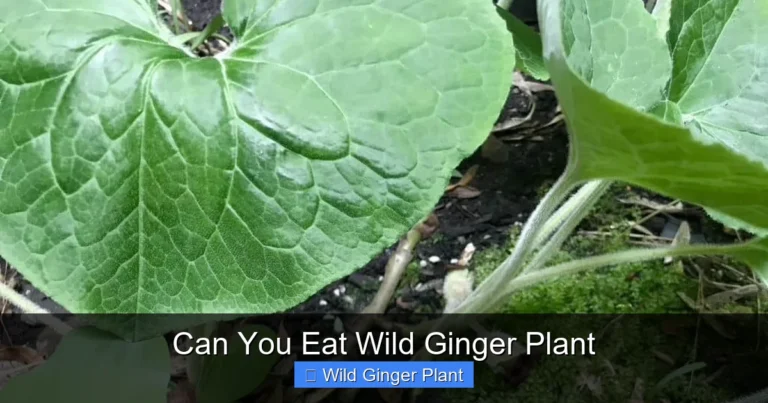
Growing a wild ginger plant indoors can feel like bringing a piece of the forest into your living room. The plant shows off glossy, heart‑shaped leaves that catch the light beautifully. It also releases a faint, sweet ginger aroma when you brush the foliage. Many indoor gardeners choose it because it tolerates lower light better than many tropical houseplants.
When you first bring a wild ginger plant indoors, give it a week to adjust to its new environment. Place it in a spot with filtered sunlight and keep the soil lightly moist. Avoid moving it around too much during this acclimation period. A stable spot helps the roots settle and reduces leaf drop.
Once settled, a wild ginger plant indoors becomes a low‑maintenance companion. It does not demand daily attention, but it does appreciate consistent care. Regular watering, occasional feeding, and a bit of humidity go a long way. In return, you get a lush green accent that can live for years.
Key Takeaways
- Light: Bright, indirect light keeps a wild ginger plant indoors happy.
- Water: Keep soil evenly moist but never soggy.
- Humidity: Moderate to high humidity mimics its native forest floor.
- Soil: A rich, well‑draining mix with organic matter works best.
- Feeding: Light fertilizer during the growing season supports steady growth.
- Propagation: Division of rhizomes or stem cuttings in water are simple methods.
- Pests: Watch for spider mites and treat early with neem oil.
Quick Answers to Common Questions
How much light does a wild ginger plant indoors need?
It prefers bright, indirect light. An east or north window works well. Avoid direct afternoon sun.
How often should I water a wild ginger plant indoors?
Water when the top inch of soil feels dry. Usually once a week in summer, less in winter.
Can I propagate a wild ginger plant indoors by division?
Yes. Divide rhizomes in spring, ensuring each piece has a growth bud and roots.
What humidity level is best for a wild ginger plant indoors?
Aim for 50‑60% relative humidity. Use a pebble tray or humidifier if the air is dry.
Why are the leaves on my wild ginger plant indoors turning yellow?
Yellow leaves often mean overwatering or poor drainage. Check soil moisture and improve drainage.
📑 Table of Contents
Why Choose a Wild Ginger Plant Indoors
Unique Foliage and Fragrance
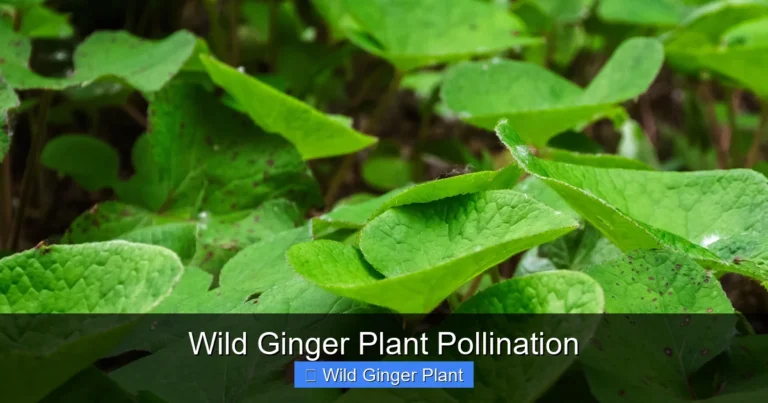
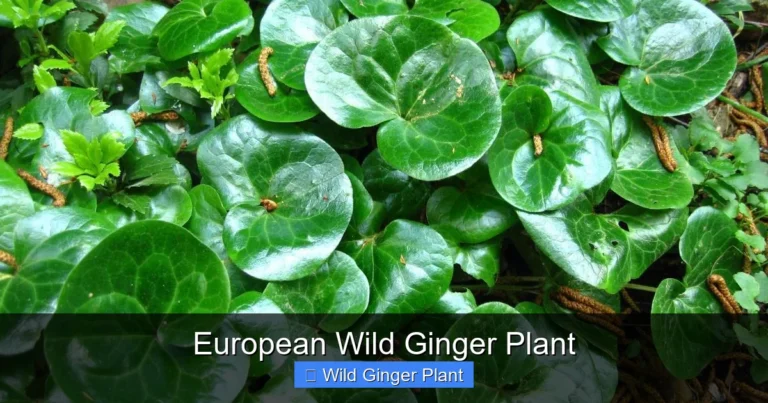
A wild ginger plant indoors stands out because of its broad, deep‑green leaves. Each leaf can grow up to six inches wide. The underside often shows a subtle reddish hue. When you run your fingers over the leaves, a faint ginger scent rises. This sensory detail makes the plant a conversation starter.
The foliage also adds texture to a room. It pairs well with finer‑leaved plants like ferns or spider plants. The contrast creates visual interest without needing flowers. Even in winter, the leaves stay vibrant if conditions stay steady.
Low Maintenance Appeal
Many people love a wild ginger plant indoors because it forgives occasional neglect. It can survive a missed watering if the soil does not dry out completely. It also tolerates a range of indoor temperatures. This resilience makes it ideal for busy households or beginner plant parents.
Compared to more demanding tropicals, it rarely drops leaves unless stressed. A simple routine of checking the top inch of soil keeps it thriving. You do not need specialized equipment or daily misting. A humidifier or pebble tray can help, but it is not mandatory.
Light Requirements for a Wild Ginger Plant Indoors
Best Window Placement
Place a wild ginger plant indoors near an east‑ or north‑facing window. These exposures give bright, indirect light without harsh midday sun. Direct afternoon rays can scorch the leaves, causing brown edges. If only a south‑ or west‑facing window is available, sheer curtains diffuse the light nicely.
Rotate the pot every week so all sides receive equal light. This prevents the plant from leaning toward the window. Even growth keeps the shape balanced and attractive. A quarter turn each watering session works well.
Supplemental Lighting Options
If natural light is limited, a full‑spectrum LED grow light can supplement a wild ginger plant indoors. Choose a light with a color temperature around 5000K. Position the fixture about twelve inches above the canopy. Run it for twelve to fourteen hours a day during the darker months.
Monitor leaf color as a guide. Deep green leaves indicate sufficient light. Pale or yellowing leaves suggest the plant needs more. Adjust the light height or duration accordingly. A timer makes the schedule effortless.
Soil, Potting, and Watering Basics
Choosing the Right Mix
A wild ginger plant indoors prefers a rich, well‑draining potting mix. Combine two parts peat‑based potting soil, one part perlite, and one part compost. This blend holds moisture while allowing excess water to escape. Adding a handful of orchid bark improves aeration around the rhizomes.
Avoid heavy garden soil or pure peat. Those can compact and suffocate roots. Repot every two years in spring to refresh nutrients. Choose a pot only one size larger to prevent waterlogging. Ensure the container has drainage holes.
Watering Frequency and Technique
Water a wild ginger plant indoors when the top inch of soil feels dry. Insert your finger to check. Use room‑temperature water to avoid shocking the roots. Water thoroughly until it drains from the bottom, then empty the saucer.
During active growth in spring and summer, you may water once or twice a week. In fall and winter, reduce frequency to every ten to fourteen days. Consistent moisture prevents leaf curl and tip burn. Never let the pot sit in standing water.
Temperature, Humidity, and Air Flow
Ideal Temperature Range
A wild ginger plant indoors thrives between 65°F and 75°F (18°C‑24°C). It can tolerate brief dips to 55°F (13°C) but prolonged cold slows growth. Keep it away from drafty doors, air‑conditioning vents, and radiators. Sudden temperature swings cause leaf drop.
If your home gets very warm in summer, move the plant to a cooler room. A bathroom with a window often provides stable temps and higher humidity. Consistent warmth encourages steady rhizome expansion.
Boosting Humidity
Moderate to high humidity keeps a wild ginger plant indoors looking lush. Aim for 50‑60% relative humidity. A simple pebble tray filled with water beneath the pot raises local moisture. Grouping plants together also creates a microclimate.
If the air is very dry, a small humidifier runs a few hours daily. Mist the leaves lightly in the morning, but avoid evening misting to prevent fungal spots. A hygrometer helps you track humidity levels accurately.
Fertilizing and Pruning Tips
When and How to Feed
Feed a wild ginger plant indoors with a balanced liquid fertilizer diluted to half strength. Apply once a month from March through September. Skip feeding in winter when growth slows. Over‑fertilizing leads to salt buildup and leaf tip burn.
Flush the soil with plain water every three months to remove excess salts. Run water through the pot until it drains freely. This practice keeps the root zone healthy and prevents nutrient lockout.
Pruning for Shape and Health
Prune a wild ginger plant indoors by removing yellow or damaged leaves at the base. Use clean, sharp scissors to make a clean cut. This improves airflow and reduces disease risk. You can also trim overly long stems to maintain a compact shape.
Pruning stimulates new growth from the rhizome. Perform major cuts in early spring before the growing season peaks. Light trimming can be done anytime. Always disinfect tools between plants to avoid spreading pathogens.
Propagation Methods for Indoor Growers
Division of Rhizomes
Division is the most reliable way to multiply a wild ginger plant indoors. In early spring, gently remove the plant from its pot. Shake off excess soil to expose the rhizome network. Using a clean knife, cut the rhizome into sections, each with at least one growth bud and a few roots.
Plant each division in its own pot with fresh mix. Water lightly and place in bright, indirect light. Keep the soil consistently moist until new shoots appear, usually within three to four weeks. Division also rejuvenates an older, crowded plant.
Stem Cuttings in Water
Stem cuttings offer a fun, visual propagation method for a wild ginger plant indoors. Choose a healthy stem with two to three nodes. Cut just below a node with sterile scissors. Remove lower leaves, leaving the top two.
Place the cutting in a glass of room‑temperature water, ensuring the nodes are submerged. Change the water every few days to keep it fresh. Roots typically emerge in two to three weeks. Once roots are an inch long, transplant into soil.
Common Problems and Solutions
Yellow Leaves and Overwatering
Yellowing leaves often signal that a wild ginger plant indoors is getting too much water. Check the soil moisture before watering again. If the pot feels heavy and the soil stays soggy, reduce frequency. Ensure the drainage holes are not blocked.
Repot into fresh, well‑draining mix if root rot is suspected. Trim away black, mushy roots with sterile scissors. Let the plant dry slightly before the next watering. A moisture meter can help you gauge the right interval.
Pests Like Spider Mites
Spider mites love dry, warm conditions and may attack a wild ginger plant indoors. Look for fine webbing on leaf undersides and tiny speckled damage. Increase humidity and spray the foliage with a strong jet of water to dislodge them.
Apply neem oil or insecticidal soap according to label directions. Repeat treatment weekly for three weeks to break the life cycle. Keep the plant isolated from others until the infestation clears. Regular inspection catches problems early.
Conclusion
A wild ginger plant indoors rewards you with striking foliage, a gentle fragrance, and easy care. By providing bright indirect light, consistent moisture, and a touch of humidity, you create a thriving indoor specimen. Regular feeding, occasional pruning, and simple propagation keep the collection growing. Watch for common issues like overwatering or spider mites, and act quickly. With a little attention, this forest native becomes a long‑lasting, beautiful part of your home.
Frequently Asked Questions
What type of soil is best for a wild ginger plant indoors?
A rich, well‑draining mix of peat‑based potting soil, perlite, and compost works best. Adding orchid bark improves aeration.
Does a wild ginger plant indoors need fertilizer?
Yes. Feed monthly with a half‑strength balanced liquid fertilizer during the growing season. Stop in winter.
Can a wild ginger plant indoors tolerate low light?
It tolerates lower light better than many tropicals, but growth slows and leaves may become pale. Bright indirect light is ideal.
How do I increase humidity for a wild ginger plant indoors?
Use a pebble tray, group plants together, or run a small humidifier. Light morning misting also helps.
What pests commonly affect a wild ginger plant indoors?
Spider mites are the most common. They thrive in dry air. Increase humidity and treat with neem oil or insecticidal soap.
When should I repot a wild ginger plant indoors?
Repot every two years in spring, or when roots fill the pot. Choose a container only one size larger.